Last Updated on December 1, 2025 by Bilal Hasdemir
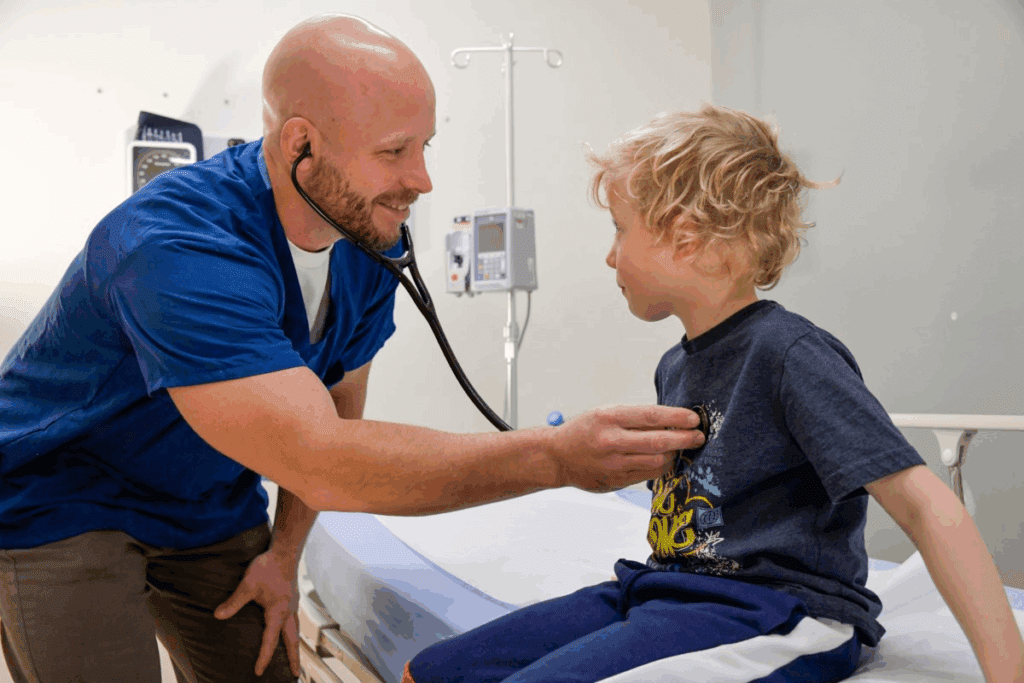
Wilms tumor, or nephroblastoma, is a rare kidney cancer that mainly hits kids. The National Cancer Institute says it’s about 6% of all childhood cancers. This makes it a big worry in kids’ health.
It’s key to know the signs and symptoms linked to Wilms tumor. This helps catch it early and treat it well. We aim to give the best care to kids with this condition.
Key Takeaways
- Wilms tumor is a rare kidney cancer mainly affecting children.
- Early detection is critical for effective treatment.
- Understanding associated syndromes and symptoms is vital.
- Wilms tumor accounts for about 6% of all childhood cancers.
- Comprehensive care involves identifying signs and symptoms early.
Understanding Wilms Tumor: An Overview

Wilms tumor, also known as nephroblastoma, is a cancer that starts in the kidneys. It’s most common in kids under 7. We’ll look into what Wilms tumor is, how often it happens, and its impact on children’s health.
Definition and Prevalence of Childhood Kidney Cancer
Wilms tumor is the main kidney cancer in kids, making up about 90% of cases. It forms a tumor in one or both kidneys, which can grow and be aggressive. We don’t know the exact cause, but some genetic issues and syndromes increase the risk.
It’s not very common, with about 8 cases per million kids under 15 each year. Yet, it’s a big concern in kids’ cancer, showing the need for early detection.
Impact on Pediatric Health
Wilms tumor has a big impact on kids’ health. They often get a lot of treatment, like surgery, chemo, and sometimes radiation. This can affect their kidneys, growth, and development long-term.
Thanks to early detection and better treatments, kids with Wilms tumor have a better chance. It’s key to watch kids closely, and even more so for those with genetic syndromes.
Learning about Wilms tumor helps us support kids and families dealing with it. Our aim is to give them the best care, covering their medical, emotional, and psychological needs.
Signs and Symptoms of Wilms Tumor
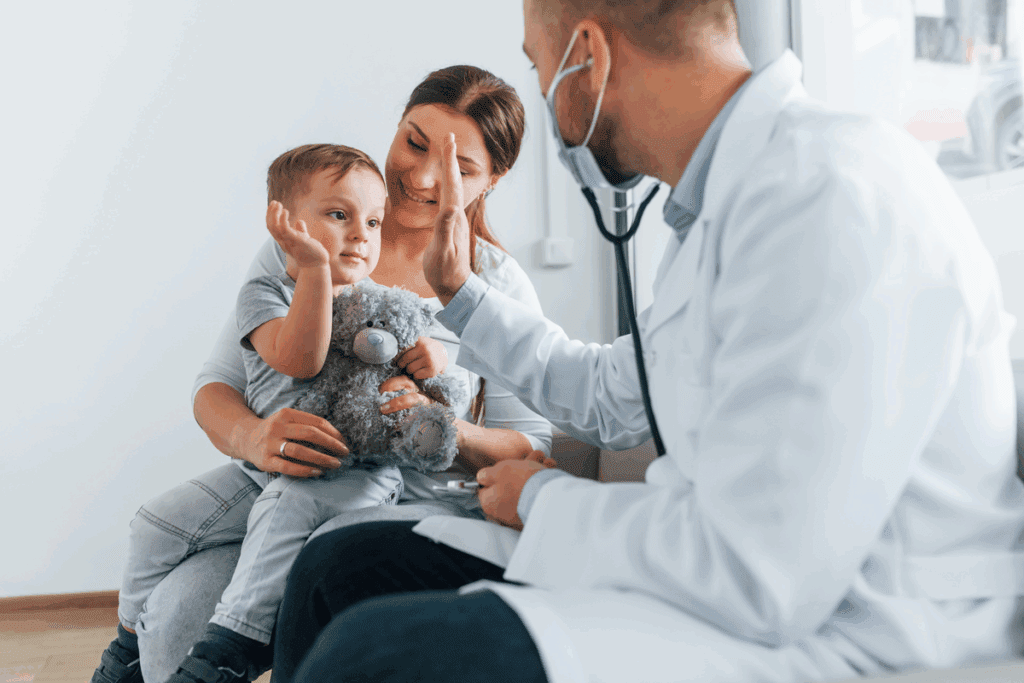
It’s important to know the signs of Wilms tumor early. This kidney cancer is common in kids. It shows specific signs that parents and caregivers need to watch for.
Abdominal Mass and Swelling
An abdominal mass or swelling is a common sign. This swelling is usually painless. Parents or doctors can find it during a check-up.
The mass feels firm and is often on one side. It’s a key sign that needs attention.
Pain and Discomfort
Some kids with Wilms tumor feel pain or discomfort in their belly. This pain comes from the tumor growing. It can put pressure on other parts of the body.
The pain might be constant or come and go. It can also be with fever or loss of appetite.
Systemic Manifestations
Wilms tumor can also show systemic manifestations. This means symptoms like fever, high blood pressure, and blood in the urine. Kids might also lose their appetite, lose weight, or feel generally unwell.
These symptoms can be like other illnesses. So, if they don’t go away or get worse, see a doctor right away.
Knowing these signs is key to catching Wilms tumor early. If you think your child has any of these symptoms, get them checked by a doctor fast.
WAGR Syndrome: The Primary Association
WAGR syndrome is a rare genetic disorder linked to Wilms tumor, a kidney cancer in kids. It includes Wilms tumor, Aniridia, Genitourinary anomalies, and mental Retardation.
Components of WAGR Syndrome
The acronym WAGR represents the main parts of this syndrome:
- Wilms tumor: A kidney cancer that mainly hits kids.
- Aniridia: A rare birth defect where the iris is missing or underdeveloped.
- Genitourinary anomalies: Issues with the genital and urinary organs’ development.
- Mental Retardation: Now called intellectual developmental disorder, it’s about intellectual disability.
These parts show how complex WAGR syndrome is, affecting many body systems.
Genetic Basis and Chromosome 11p Deletions
WAGR syndrome is tied to deletions on chromosome 11’s short arm (11p13). This loss affects several important genes. The PAX6 gene is linked to Aniridia, and the WT1 gene is connected to Wilms tumor.
The genetic cause of WAGR syndrome shows why genetic testing is key. It helps diagnose the condition and manage its risks, like Wilms tumor.
Aniridia-Wilms Tumor Association
Aniridia is a rare condition at birth linked to Wilms tumor, a childhood kidney cancer. This connection is key for kids’ health. Knowing about it helps in managing and improving outcomes for affected children.
Ocular Manifestations in Aniridia
Aniridia means the iris is underdeveloped or missing. This can cause glaucoma, cataracts, and corneal problems. Kids with aniridia need regular eye checks to prevent these issues.
Molecular Connection Between Aniridia and Wilms Tumor
The link between aniridia and Wilms tumor comes from the PAX6 and WT1 genes. Problems with these genes, found on chromosome 11, can cause both conditions. Knowing this helps in genetic testing and care.
| Condition | Characteristics | Genetic Basis |
| Aniridia | Underdevelopment or absence of the iris, possible glaucoma, cataracts | PAX6 gene mutations or deletions |
| Wilms Tumor | Childhood kidney cancer | WT1 gene mutations, chromosome 11p13 deletions |
| Aniridia-Wilms Tumor Association | Higher risk of Wilms tumor in kids with aniridia | Deletion syndrome involving PAX6 and WT1 |
Understanding aniridia’s eye problems and its link to Wilms tumor helps doctors. They can then provide better care and watch over children at risk.
Denys-Drash Syndrome and Wilms Tumor Risk
We look into how Denys-Drash syndrome raises the risk of Wilms tumor in kids. This rare genetic disorder causes kidney disease, genital issues, and a higher chance of kidney cancer. Wilms tumor is a common kidney cancer in children.
Renal Manifestations and Genital Abnormalities
Children with Denys-Drash syndrome often have nephrotic syndrome. This means they lose too much protein in their urine, causing swelling and other problems. Their kidneys can fail, needing dialysis or a transplant.
They also face genital issues, like male pseudohermaphroditism. This is when someone with XY chromosomes has female or unclear genitals.
This affects their kidneys and genitals a lot. So, it’s key to get them the right care early. Managing their kidney problems is very important.
WT1 Gene Mutations in Denys-Drash Syndrome
The WT1 gene mutations are a big part of Denys-Drash syndrome. The WT1 gene helps develop kidneys and gonads. Mutations in it cause the kidney and genital problems seen in the syndrome.
These mutations also raise the risk of Wilms tumor. So, it’s important to watch and screen these kids closely.
“The WT1 gene is essential for normal kidney development, and mutations in this gene are associated with a high risk of Wilms tumor in Denys-Drash syndrome.”
Knowing the genetics of Denys-Drash syndrome helps in caring for kids at risk of Wilms tumor. Genetic tests can find WT1 gene mutations. This lets doctors act early and might help improve the kids’ chances.
Beckwith-Wiedemann Syndrome: A Major Predisposition
Beckwith-Wiedemann Syndrome (BWS) is a rare genetic disorder. It causes overgrowth and an increased risk of tumors. This is important to know when talking about Wilms tumor.
Growth Abnormalities and Clinical Features
People with BWS often have large birth weights and big tongues. They might also grow unevenly. These issues can lead to other problems, like tumors.
The signs of BWS can vary. Some common ones include:
- Omphalocele or other abdominal wall defects
- Ear creases or pits
- Organomegaly (enlarged organs)
- Hemihyperplasia
Epigenetic and Genetic Alterations in BWS
BWS is linked to changes on chromosome 11p15.5. This area has genes like IGF2 and CDKN1C that control growth. Changes in these genes can cause overgrowth and an increased risk of tumors.
Knowing about these changes helps doctors diagnose and treat BWS. Here’s a table that shows the main genetic and epigenetic changes in BWS:
| Genetic/Epigenetic Alteration | Description | Impact on BWS |
| Imprinting Defects | Loss of imprinting at the IGF2/H19 locus | Increased IGF2 expression, contributing to overgrowth |
| Uniparental Disomy (UPD) | Paternal UPD of chromosome 11p15.5 | Results in biallelic expression of IGF2 and silencing of CDKN1C |
| CDKN1C Mutations | Loss-of-function mutations in the CDKN1C gene | Disrupts cell cycle regulation, contributing to tumor risk |
Grasping these molecular changes is vital for finding new treatments. It also helps with genetic counseling for families with BWS.
“The identification of epigenetic and genetic alterations in BWS has significantly advanced our understanding of this complex disorder and its association with Wilms tumor.”
— Expert in Pediatric Genetics
By knowing the signs and genetic basis of BWS, doctors can start early treatments. This helps watch for Wilms tumor and other cancers.
Other Genetic Syndromes Associated with Wilms Tumor
Other genetic disorders like Frasier syndrome and Simpson-Golabi-Behmel syndrome are linked to Wilms tumor. These rare conditions raise the risk of this childhood cancer.
Frasier Syndrome
Frasier syndrome is a rare genetic disorder. It causes kidney disease and raises the risk of Wilms tumor. It’s linked to mutations in the WT1 gene, which is key for kidney development.
Key Features of Frasier Syndrome:
- Nephrotic syndrome
- Genital abnormalities
- Increased risk of Wilms tumor
Simpson-Golabi-Behmel Syndrome
Simpson-Golabi-Behmel syndrome is an X-linked disorder. It affects many organs and raises the risk of tumors, including Wilms tumor.
| Characteristics | Description |
| Growth abnormalities | Macrosomia and other growth-related issues |
| Craniofacial features | Distinctive facial features |
| Tumor risk | Increased risk of Wilms tumor and other embryonal tumors |
Bloom Syndrome and Other Rare Associations
Bloom syndrome is a rare genetic disorder. It raises the risk of various cancers, including Wilms tumor. Other rare genetic conditions may also increase the risk.
It’s important to understand these genetic syndromes. This helps identify children at higher risk of Wilms tumor. It also guides the use of surveillance and management strategies.
Risk Factors of Wilms Tumor Beyond Genetic Syndromes
Genetic syndromes are a known risk factor for Wilms tumor. But other elements also play a role. Knowing these risk factors is key for early detection and care.
Environmental and Prenatal Factors
Studies show that environmental and prenatal factors might contribute to Wilms tumor. Exposure to certain toxins during pregnancy is being studied. For example, pesticides and heavy metals are being looked at, but results are not clear yet.
Also, prenatal factors like maternal health and nutrition during pregnancy might affect risk. Research shows that factors like maternal age, hypertension, and nutritional deficiencies could impact Wilms tumor risk in kids.
| Environmental Factor | Potential Impact on Wilms Tumor Risk |
| Exposure to pesticides | Increased risk |
| Maternal hypertension | Potential increased risk |
| Nutritional deficiencies during pregnancy | Possible association with increased risk |
Family History and Sporadic Cases
Family history is a big risk factor for Wilms tumor. Kids with a family history of Wilms tumor or certain genetic conditions are at higher risk. Genetic counseling is often advised for these families.
Sporadic cases, without a known family history, are more common. But research into their causes is ongoing. It’s important to understand how genetics and environment interact to find at-risk children.
“The identification of risk factors for Wilms tumor is key for screening and prevention.” –
A leading pediatric oncologist
By knowing all risk factors, we can spot at-risk children early. This can lead to better outcomes through early detection and tailored care.
Diagnosing Wilms Tumor in Children
Diagnosing Wilms tumor in kids is a detailed process. It uses medical imaging and sometimes genetic testing. We take a thorough approach to accurately find this condition in children.
Medical Tests and Imaging Studies
Many tests and imaging studies are used to diagnose Wilms tumor. These tools help doctors find the tumor and understand its details.
- Ultrasound: Often the first test, it shows the tumor’s size and location.
- CT Scan: Gives detailed images of the abdomen to see how big the tumor is and if it has spread.
- MRI: Offers more detail and helps see how the tumor relates to nearby structures.
- Chest X-ray or CT Scan: Checks for lung metastases.
These studies are key for figuring out the tumor’s stage and treatment plan.
Genetic Testing for Syndrome Identification
Genetic testing might be suggested to find genetic syndromes linked to Wilms tumor. This info is important for the child’s care and for knowing the risk to other family members.
| Genetic Syndrome | Associated Gene | Characteristics |
| WAGR Syndrome | WT1 | Wilms tumor, Aniridia, Genitourinary anomalies, mental Retardation |
| Denys-Drash Syndrome | WT1 | Wilms tumor, early onset nephrotic syndrome, genital abnormalities |
| Beckwith-Wiedemann Syndrome | CDKN1C, H19, IGF2 | Overgrowth, macroglossia, omphalocele, increased risk of Wilms tumor |
Genetic testing gives insights into Wilms tumor’s causes. It helps in customizing treatment and follow-up care.
Wilms Tumor Abdomen: Characteristics and Examination
It’s important to know about Wilms tumor in the abdomen for early treatment. This cancer mainly hits kids and shows up as a big mass in the belly.
Physical Examination Findings
Doctors check for signs of Wilms tumor during a physical exam. They look for:
- An abdominal mass or swelling
- Pain or discomfort in the abdominal region
- Hypertension due to possible kidney issues
Checking the belly well is key to spotting Wilms tumor. Finding a big mass in the belly is usually the first clue for more tests.
Differential Diagnosis of Pediatric Abdominal Masses
When looking at belly masses in kids, doctors have to think about other possible causes. These include:
| Condition | Characteristics |
| Neuroblastoma | Often shows up as a belly mass, linked to high catecholamines |
| Hepatoblastoma | A liver tumor, common in very young kids |
| Lymphoma | Can be a belly mass, often with other body symptoms |
Getting a correct diagnosis needs imaging, lab tests, and sometimes genetic checks. Knowing about Wilms tumor and other possible issues helps doctors make the right choices.
“The diagnosis of Wilms tumor requires a multidisciplinary approach, incorporating clinical findings, imaging, and histopathology.”
— Pediatric Oncology Team
By closely checking the belly and thinking about different diagnoses, doctors can spot Wilms tumor. Then, they can plan the best treatment.
Early Detection: Recognizing Warning Signs
Spotting the warning signs of Wilms Tumor early can greatly help kids get better faster. Finding it early means doctors can start treatment sooner. This can make the disease less severe and improve chances of survival.
Guidelines for Parents and Caregivers
Parents and caregivers are key in spotting Wilms Tumor signs early. Knowing the common symptoms can lead to quicker diagnosis and treatment. Look out for:
- Abdominal swelling or mass
- Pain or discomfort in the abdomen
- Blood in the urine
- High blood pressure
- Fever
While these signs can mean other things too, if they last or get worse, see a doctor.
Screening Recommendations for High-Risk Children
Some kids are more likely to get Wilms Tumor because of their genes or family history. For these kids, regular checks are a good idea. This might include:
- Regular abdominal ultrasounds
- Watching for signs and symptoms of Wilms Tumor
- Genetic counseling for families with Wilms Tumor history
Screening plans should fit the child’s risk level, as decided by their doctor.
We stress the need for careful watching and early medical care for kids at risk of Wilms Tumor. Working with doctors, parents and caregivers can help catch and manage this disease early.
Treatment Approaches for Wilms Tumor
Wilms tumor treatment involves surgery, chemotherapy, and sometimes radiation. The choice depends on the disease stage, the child’s health, and the tumor’s genetics.
Surgical Management
Surgery is key in treating Wilms tumor. The goal is to remove the tumor completely. We usually do a radical nephrectomy, taking out the kidney and tumor, and sometimes more if needed.
The surgery method changes based on the tumor’s size and where it is. Sometimes, we remove lymph nodes to check for cancer spread. Whether surgery comes first or after chemotherapy depends on the tumor and the child’s health.
Key aspects of surgical management include:
- Preoperative chemotherapy to shrink the tumor
- Radical nephrectomy with removal of the tumor and affected kidney
- Assessment of lymph nodes for cancer spread
- Preservation of the remaining kidney function
Chemotherapy Protocols
Chemotherapy is vital in treating Wilms tumor. It kills cancer cells that may have spread. The chemotherapy plan varies based on the tumor’s stage and type.
Drugs like vincristine, dactinomycin, and doxorubicin are used. These drugs are given over weeks or months.
| Chemotherapy Drug | Common Side Effects |
| Vincristine | Nerve damage, constipation |
| Dactinomycin | Liver problems, mouth sores |
| Doxorubicin | Heart damage, hair loss |
Radiation Therapy Indications
Radiation therapy is used for some children with Wilms tumor. It targets and kills cancer cells in specific areas.
It’s chosen based on the tumor’s response to chemotherapy, any remaining disease after surgery, and the child’s health.
“Radiation therapy is an important treatment modality for Wilms tumor, specially in cases where the tumor has spread or is at high risk of recurrence.”
— National Cancer Institute
Combining surgery, chemotherapy, and radiation improves outcomes for children with Wilms tumor. Each child’s treatment plan is unique, tailored to their needs for the best chance of success.
Special Considerations for Syndrome-Associated Wilms Tumor
Wilms tumor linked to genetic syndromes needs a detailed and team-based treatment plan. Patients with these tumors may need tailored treatment approaches. These must take into account the complexities of their genetic condition.
Tailored Treatment Approaches
Genetic syndromes can change how we treat Wilms tumor. For example, kids with WAGR syndrome or Denys-Drash syndrome might need a special plan. This is because their genetic mutations can lead to other health issues.
- Genetic testing to identify specific mutations
- Imaging studies to monitor tumor growth and response to treatment
- Multidisciplinary team involvement, including oncologists, surgeons, and geneticists
Multidisciplinary Care Requirements
Managing syndrome-associated Wilms tumor well needs a multidisciplinary care team. This team should include experts in pediatric oncology, surgery, and genetics. They work together to create a care plan that meets the child’s health needs and addresses their genetic syndrome.
- Initial assessment and diagnosis
- Treatment planning and implementation
- Ongoing monitoring and support
By using a multidisciplinary approach, we can give kids with syndrome-associated Wilms tumor the best care. This care is tailored to their unique needs.
Prognosis of Wilms Tumor and Long-term Outcomes
The outlook for Wilms tumor depends on several key factors. These include the tumor’s stage, its type, and if it’s linked to genetic syndromes.
Knowing these factors helps doctors predict how well a patient will do. It also guides them in creating the best treatment plan for each patient.
Staging, Histology, and Survival Rates
How far the tumor has spread is a big factor in its prognosis. Doctors use a staging system to measure this.
- Stage I: Tumor is limited to the kidney and is completely excised.
- Stage II: Tumor extends beyond the kidney but is completely removed.
- Stage III: Tumor is not completely removed or has spread to lymph nodes.
- Stage IV: Tumor has metastasized to distant organs.
- Stage V: Tumor involves both kidneys.
The type of cells in the tumor also matters. Tumors are classified as having favorable or unfavorable histology.
Thanks to advances in treatment, more patients are surviving Wilms tumor. Now, over 90% of those with favorable histology can expect to live.
| Stage | Survival Rate (%) |
| I | 95-100 |
| II | 90-95 |
| III | 80-90 |
| IV | 70-80 |
| V | 60-70 |
Syndrome-Specific Prognostic Factors
Genetic syndromes can change how Wilms tumor is treated. For example, patients with Denys-Drash or WAGR syndrome might face different challenges.
“The presence of genetic syndromes can significantly impact the prognosis and treatment of Wilms tumor, highlighting the need for a multidisciplinary approach to care.”
Genetic syndromes are important in managing Wilms tumor. For instance, those with Beckwith-Wiedemann syndrome need close monitoring because of their higher risk.
By understanding the relationship between staging, histology, and genetic syndromes, doctors can give more accurate predictions. They can also tailor treatments to meet each patient’s needs.
Conclusion: Advancing Care for Children with Wilms Tumor Syndromes
As we wrap up our look at Wilms tumor and its syndromes, it’s clear we need a broad approach to care. We’ve talked about genetic syndromes like WAGR, Denys-Drash, and Beckwith-Wiedemann. These are key to giving kids the best care possible.
Medical research is making big strides in helping kids with Wilms tumor and syndromes. By using the newest research and treatments, we can make their lives better. This care isn’t just about treating the disease. It’s about meeting each child’s unique needs to help them succeed.
Our conversation shows how important early detection and right treatment are. With a complete care plan, we can boost survival rates and improve long-term health for kids with Wilms tumor syndromes. We must keep researching and improving our care to help these children and their families.
FAQ
What is Wilms tumor, and how common is it in children?
Wilms tumor is a rare kidney cancer in kids. It’s one of the top cancers in children, usually found in those under 7.
What are the signs and symptoms of Wilms tumor?
Signs include an abdominal mass, pain, fever, high blood pressure, and sometimes blood in the urine. Spotting these early is key to treatment.
What is WAGR syndrome, and how is it associated with Wilms tumor?
WAGR syndrome is a rare genetic disorder. It includes Wilms tumor, Aniridia, Genitourinary anomalies, and mental Retardation. It’s linked to chromosome 11p deletions, raising Wilms tumor risk.
How is aniridia related to Wilms tumor?
Aniridia is a rare condition where the iris is underdeveloped or missing. It’s linked to Wilms tumor due to PAX6 gene mutations near WT1 on chromosome 11p.
What is Denys-Drash syndrome, and how does it increase the risk of Wilms tumor?
Denys-Drash syndrome is a rare genetic disorder. It causes kidney issues, genital problems, and raises Wilms tumor risk. WT1 gene mutations are key.
What are the risk factors for Wilms tumor beyond genetic syndromes?
Other risk factors include environmental exposures, prenatal factors, and family history. Knowing these can help spot high-risk kids.
How is Wilms tumor diagnosed?
Diagnosis uses medical tests like ultrasound, CT scans, and MRI. Genetic testing also checks for syndromes.
What are the treatment approaches for Wilms tumor?
Treatment includes surgery, chemotherapy, and sometimes radiation. The method depends on the tumor’s stage, type, and genetic syndromes.
How does the presence of genetic syndromes affect the prognosis of Wilms tumor?
Prognosis depends on staging, tumor type, and genetic syndromes. Kids with syndromes might need special treatment plans and care teams.
What is the importance of early detection in Wilms tumor?
Early detection is vital for effective treatment and better outcomes. Parents should watch for warning signs and seek medical help if they see anything unusual.
Are there any screening recommendations for children at high risk of Wilms tumor?
Kids with certain genetic syndromes or family history should have regular ultrasound screenings. This helps catch Wilms tumor early.
Reference
- MedlinePlus – Wilms Tumor Information:https://medlineplus.gov/ency/article/001042.htm