Last Updated on November 13, 2025 by
Chemotherapy is a key treatment for many cancers. At Liv Hospital, we check if chemotherapy is working to see if we should keep going, but sometimes side effects can be confusing and make patients worry about signs chemo is killing you. It’s important for patients and their families to know if treatment is effective.

Seeing if chemotherapy is working means looking at both clinical and imaging signs. We use different ways to track how well it’s doing. This helps us give our patients the best care possible.
By understanding how chemotherapy works, patients can better follow their treatment path.
Key Takeaways
- Chemotherapy effectiveness is assessed through clinical and imaging milestones.
- Doctors use various methods to track the progress of chemotherapy.
- Understanding chemotherapy effectiveness helps patients navigate their treatment.
- Liv Hospital is committed to delivering world-class healthcare with complete support.
- Chemotherapy is a primary treatment for many types of cancer.
1. Understanding How Chemotherapy Works in Your Body
When you start chemotherapy, it’s key to know how it fights cancer. This treatment uses drugs to kill cancer cells all over your body.
The Science Behind Attacking Cancer Cells
The Science Behind Attacking Cancer Cells
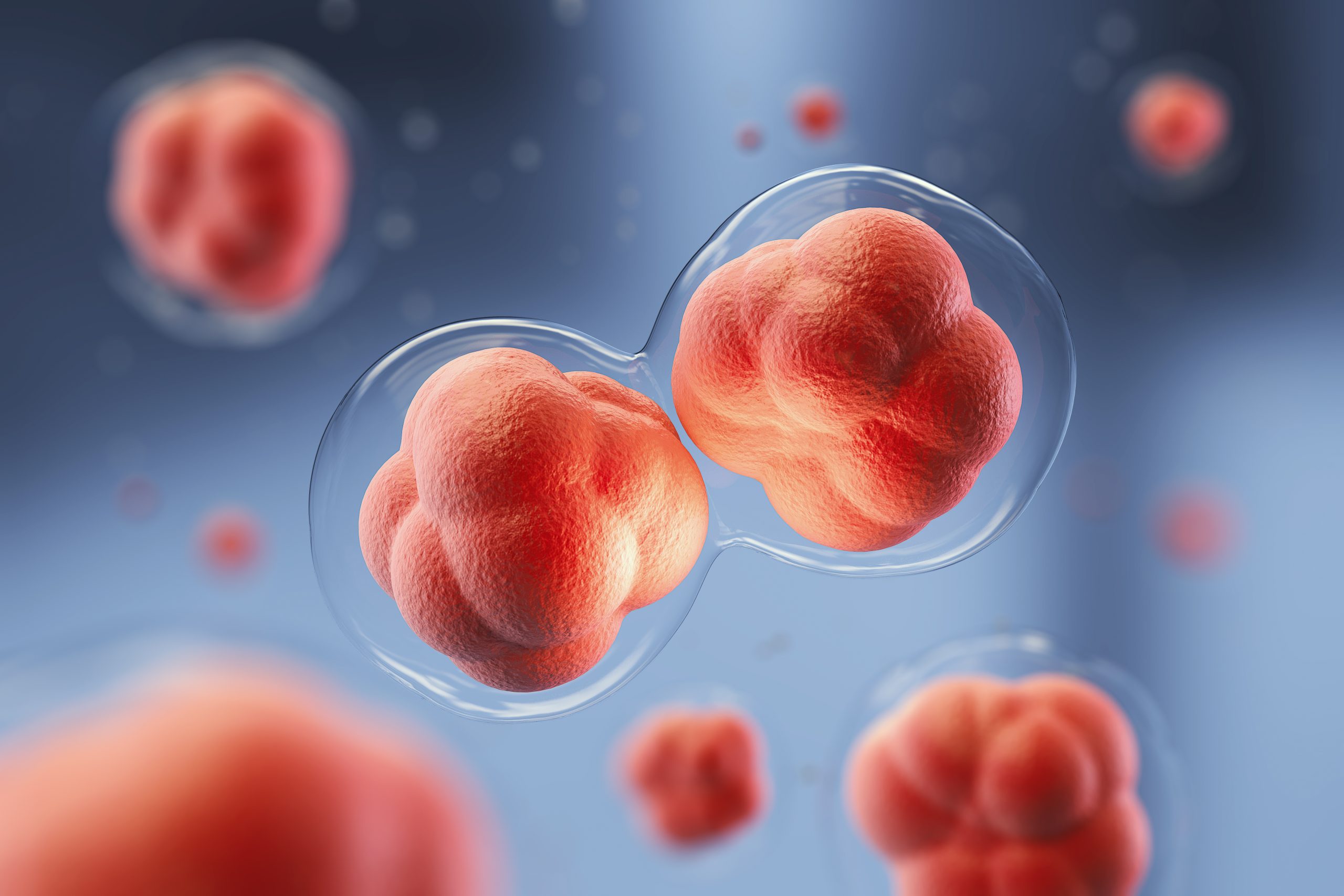
Chemotherapy drugs stop or slow cancer cells from growing. These cells grow fast. By targeting these cells, chemotherapy can reduce tumors and ease symptoms.
How well chemotherapy works depends on several things. These include the cancer type, its stage, and your overall health.

Chemotherapy doesn’t just target cancer cells. It also affects healthy cells that grow fast, like hair follicles and the digestive tract lining. This can cause side effects like hair loss and nausea.
But your body can bounce back after treatment ends.
How Long Does Chemotherapy Take to Show Effects
The time it takes for chemotherapy to work varies. It depends on the cancer type, treatment plan, and your health. Usually, patients see some improvement after a few treatments.
Seeing tumors shrink on scans is a good sign. Also, if blood tests show lower tumor markers and blood counts improve, it’s a positive sign.
Waiting for chemotherapy to work can be tough. But knowing how it works helps patients get through their treatment.
2. Measurable Clinical Signs That Chemotherapy Is Working
When chemotherapy starts, you can see it working in several ways. At Liv Hospital, we use the latest technology to keep an eye on these signs. This ensures our patients get the top care possible.
Tumor Shrinkage Visible on Imaging Scans
Seeing tumor shrinkage is a big sign that chemotherapy is effective. We use CT scans or MRIs to see this. These scans show the tumor getting smaller, proving the treatment is working.

Decreasing Tumor Marker Levels in Blood Tests
Blood tests are key in checking if chemotherapy is working. They look at tumor marker levels. If these levels go down, it means the treatment is fighting the cancer well.
Improved Blood Count Results After Initial Decline
Chemotherapy can first lower blood counts because it affects the bone marrow. But as the treatment goes on and the cancer responds, blood counts usually get better. This is a good sign that the treatment is effective and the bone marrow is healing.
Watching these signs helps doctors see if chemotherapy is working. At Liv Hospital, our team works with patients to track their progress. We provide full care during their treatment.
3. Physical Signs Chemo Is Killing You (Cancer Cells)
When chemotherapy works, you might notice some big improvements. These changes can really lift your spirits. They show that the treatment is doing its job.
Reduction in Cancer-Related Pain and Symptoms
One key sign that chemo is working is less pain and symptoms. As it targets and kills cancer cells, you might feel less pain. This makes everyday tasks easier.
Feeling better from symptoms is a big win. It shows that the treatment is effective. It’s a sign that you’re on the right track.
Increased Energy Levels and Physical Functioning
As chemo goes on and kills more cancer cells, you might feel more energetic. Your body starts to heal from the cancer. You might be able to do things you couldn’t before because of tiredness.
Feeling more energetic and strong is a big sign that chemo is working. It shows that the treatment is not just fighting cancer. It’s helping you get better overall.
Changes in Tumor-Related Swelling or Visible Masses
Another sign that chemo is effective is changes in swelling or visible tumors. As cancer cells die and tumors shrink, you might see less swelling. This is a clear sign that the treatment is working.
Doctors watch for these changes with scans. Seeing tumors get smaller is proof that chemo is killing cancer cells. It’s a direct sign of progress.
4. Tracking Your Progress Through Treatment Cycles
Starting your chemotherapy journey means tracking your progress is key. It helps manage your hopes and outcomes. Knowing the treatment process boosts your confidence as you go through it.
What to Expect After Your First Chemo Treatment
After your first treatment, you might feel different physically and emotionally. Remember, everyone reacts differently. Some may face big side effects, while others might not notice much. Your healthcare team will watch over you and adjust your treatment if needed.
Chemotherapy’s success varies among people. WebMD says it depends on your cancer type, its stage, and your health.
How Oncologists Measure Treatment Success
Oncologists check how well chemotherapy is working in many ways. They use scans, blood tests, and physical checks. Measuring success means looking at tumor size, marker levels, and your overall health.
The Normal Number of Chemo Rounds for Different Cancers
The number of chemotherapy rounds changes with each cancer and treatment plan. Some cancers need 3-4 cycles, while others might require 6-8. Your oncologist will decide the best plan for you.
Knowing what to expect helps you get ready for chemotherapy. At Liv Hospital, we offer full support during your treatment.
5. Timeline: When You’ll Notice Signs of Improvement
Patients going through chemotherapy often look for early response indicators for hope. Every person’s journey with cancer is different. Knowing when to expect improvements helps manage hopes and keeps a positive outlook.
Early Response Indicators Within the First Few Cycles
Signs of improvement can show up early in chemotherapy. These signs include tumor shrinkage on scans, lowered tumor marker levels in blood tests, and better blood counts. Healthline says these signs help doctors see if treatment is working.
Patients might also feel less pain, have more energy, and see changes in swelling or tumors. These changes can greatly improve life during treatment.
Managing the Worst Days After Chemo Treatment
Chemotherapy can be tough, with some days being harder than others. It’s key to manage these days well. Drinking water, resting, and eating well are important. Support from loved ones and doctors also helps a lot.
Talking openly with doctors about how you feel is vital. This helps tailor treatment to better handle side effects and improve comfort.
Response Variations by Cancer Type and Treatment Protocol
How well chemotherapy works can vary a lot. It depends on the cancer type and treatment plan. Some cancers respond faster, while others take longer.
Knowing this helps set realistic hopes and stay informed. At Liv Hospital, we focus on personalized care. Our team works with patients to track progress and adjust plans as needed.
6. Conclusion: Navigating Your Chemotherapy Journey
Navigating chemotherapy means knowing how treatment is working and managing side effects. At Liv Hospital, we offer top-notch healthcare and support to our patients from around the world.
Understanding if chemotherapy is working can keep patients hopeful. Our goal is to use the latest medical methods to ensure the best care for our patients.
Patients going through chemotherapy will have a team of healthcare experts to help them. We focus on personalized care to tackle the physical and emotional hurdles of treatment.
In short, dealing with chemotherapy needs a full approach that covers physical, emotional, and informational needs. We aim to support patients fully, helping them manage their treatment and achieve the best results.
FAQ
How long does it take for chemotherapy to show its effects?
The time it takes for chemotherapy to work can vary. It depends on the cancer type, treatment plan, and patient factors. Some patients may see improvements in a few cycles.
What are the signs that chemotherapy is working?
Signs of chemotherapy working include smaller tumors on scans and lower tumor markers in blood tests. You might also feel more energy, less pain, and see swelling decrease.
How long does chemotherapy last in your system?
Chemotherapy can stay in your system for days to weeks. This depends on the type and your body. Always follow your doctor’s post-treatment care advice.
What to expect after the first chemo treatment?
After the first treatment, you might feel tired, nauseous, or lose hair. The side effects vary. Your healthcare team will help manage them.
How many rounds of chemo are normal?
The number of chemotherapy rounds varies. It depends on the cancer type, treatment goals, and your health. Your oncologist will decide the best plan for you.
How long does a chemo treatment take?
Chemotherapy sessions can last from minutes to hours. This depends on the type and treatment plan.
What does chemotherapy feel like?
Chemotherapy can cause fatigue, nausea, pain, or anxiety. Your healthcare team will help manage these symptoms to improve your quality.
How long is a chemo session?
Chemo sessions usually last from 30 minutes to several hours. Your healthcare team will tell you the expected time.
How do oncologists measure treatment success?
Oncologists check treatment success with regular assessments. They use scans, blood tests, and physical exams. These help see if chemotherapy is working and adjust your treatment as needed.
What are the worst days after chemo treatment?
The worst days after chemo vary. Common challenges include managing side effects, feeling tired, and emotional distress. Your healthcare team will help you cope with these issues.
References
- Salera, V., et al. (2025). Patient-reported outcomes for assessing chemotherapy-induced peripheral neuropathy in breast cancer survivors. Supportive Care in Cancer, 33(4), 1758-1767. https://pmc.ncbi.nlm.nih.gov/articles/PMC12056825/