Last Updated on November 26, 2025 by Bilal Hasdemir
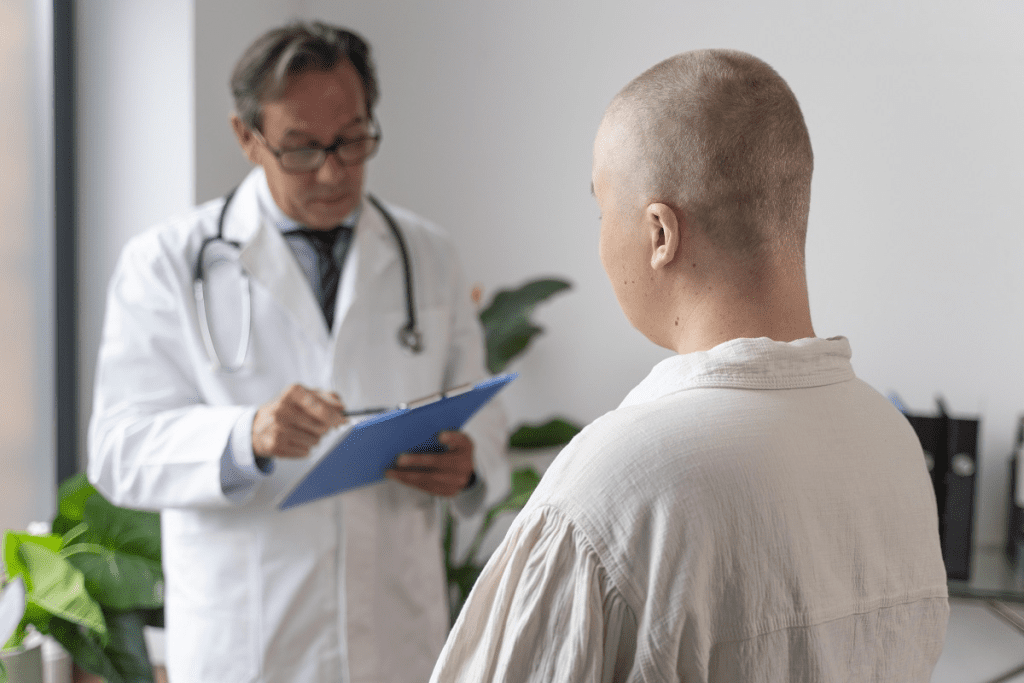
Signs chemo is working can differ from person to person, as cancer treatment is complex and highly personal. Chemotherapy is one of the most common treatments, and knowing whether it’s effective is key for patients.
According to the American Cancer Society, over 1 million people in the United States receive chemotherapy each year. Tracking how your body responds during treatment helps doctors and patients understand progress.
While every experience is unique, there are certain indicators that show whether chemotherapy is doing its job. Recognizing these signs can provide reassurance and help patients stay informed about their cancer journey.
Key Takeaways
- Chemotherapy is a common cancer treatment used to treat over 1 million people in the US annually.
- Monitoring the body’s response to chemotherapy is key to understanding its effectiveness.
- Signs can show if the treatment is working, helping patients on their cancer journey.
- Knowing how well chemotherapy works helps patients make informed treatment choices.
- Cancer treatment is highly personalized, and chemotherapy’s impact varies from person to person.
Understanding Chemotherapy and Its Purpose
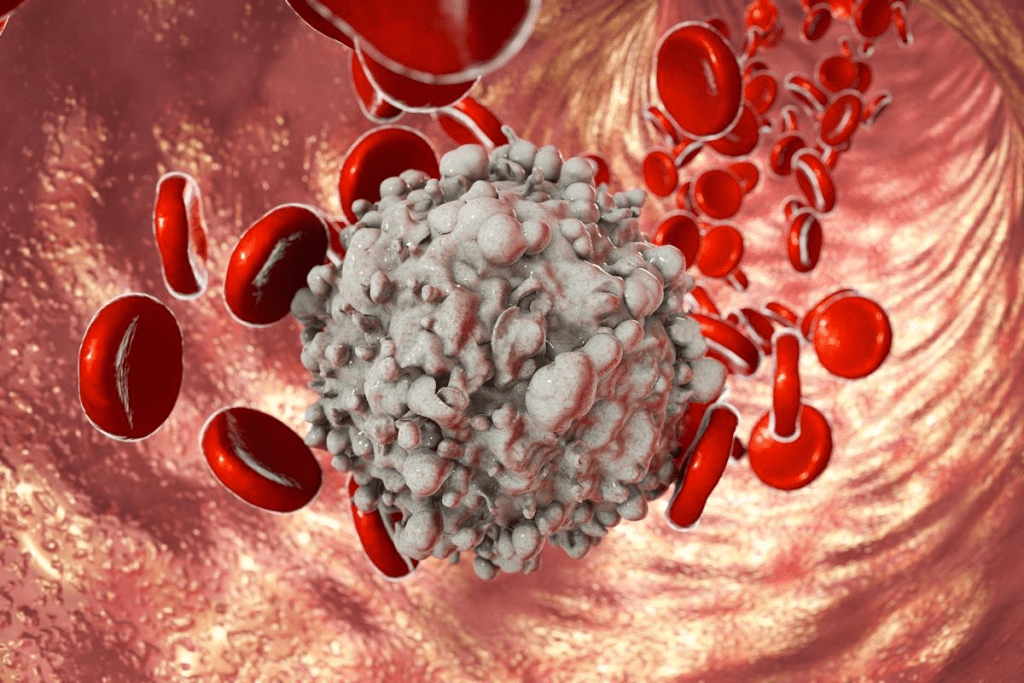
Chemotherapy is a treatment that uses drugs to kill cancer cells all over the body. It gives hope to those fighting cancer. This method targets fast-growing cancer cells, common in many cancers.
Chemotherapy drugs stop cancer cells from growing and spreading. These drugs can be taken by mouth or given through an IV, based on the cancer type and treatment plan. It aims to reduce tumors, ease symptoms, and improve life quality.
How Chemotherapy Targets Cancer Cells
Chemotherapy drugs target cells that grow fast, like most cancer cells. They disrupt cell division, killing or slowing cancer cells. Each drug works differently, like damaging DNA or disrupting cell division.
Different Types of Chemotherapy Treatments
There are many chemotherapy treatments, each with its own goals and ways of working. These include:
- Adjuvant chemotherapy: Given after primary treatment to lower cancer return risk.
- Neoadjuvant chemotherapy: Given before main treatment to shrink tumors.
- Palliative chemotherapy: Focuses on easing symptoms and improving life quality in advanced cancer.
Knowing the different types of chemotherapy and how they work is key for patients. It helps them make informed choices about their treatment.
How Chemotherapy Affects the Body
Chemotherapy impacts the body in many ways, affecting both cancer cells and overall health. It targets fast-growing cancer cells but can harm other cells too. This leads to various physical side effects.
Immediate Physical Responses to Treatment
Patients often feel immediate effects from chemotherapy. Common side effects include fatigue, nausea, and hair loss. These happen because chemotherapy affects not just cancer cells but also other fast-growing cells, like hair follicles and the digestive system lining.
The severity of these effects can differ based on the chemotherapy type, dosage, and individual factors. For example, some drugs cause more hair loss than others. Knowing these side effects helps patients prepare and manage their treatment better.
Long-term Effects on Body Systems

Chemotherapy also has long-term effects on different body systems. Some drugs can harm the heart, leading to long-term heart problems. Others might affect the reproductive system, impacting fertility.
| Body System | Potential Long-term Effects |
| Cardiovascular System | Increased risk of heart disease, cardiac dysfunction |
| Reproductive System | Infertility, early menopause |
| Nervous System | Neuropathy, cognitive changes |
It’s vital for patients to talk to their healthcare providers about these long-term effects. This helps understand the risks and benefits of their chemotherapy. Regular check-ups also aid in managing any lasting side effects.
Timeline: How Long Before Chemo Shows Results
Many patients ask how long it takes for chemotherapy to work. This depends on the cancer type, its stage, and the patient’s health.
First Days and Weeks After Treatment
Right after starting chemotherapy, patients might not feel its effects right away. They could feel tired, sick to their stomach, or lose their hair. But these aren’t signs that the treatment is working.
Early signs of chemotherapy’s success can be small. For some, feeling less sick or having less pain is a good sign. For example, if a tumor is causing pain, shrinking it can make the pain go away.
Long-term Response Patterns
How long it takes to see the effects of chemotherapy varies. Some see big changes after a few treatments, while others take longer.
Doctors check how well chemotherapy is working in different ways. They look at physical exams, lab tests, and imaging studies. How soon you see results depends on how often these checks are done.
| Assessment Type | Typical Timeline | Indicators of Effectiveness |
| Physical Examination | Every cycle (3-4 weeks) | Reduction in tumor size, improvement in symptoms |
| Laboratory Tests | Every cycle or as needed | Changes in blood counts, tumor markers |
| Imaging Studies (CT, MRI, PET scans) | After 2-3 cycles, then as needed | Visible reduction in tumor size, changes in tumor metabolism |
Knowing when and how to see if chemotherapy is working helps patients and their families. It helps them understand what to expect and make better choices about their treatment.
Physical Signs Chemo Is Working
Seeing certain physical changes can show if chemotherapy is working. As treatment goes on, patients might notice different signs. These signs show if the treatment is doing its job.
Tumor Size Reduction
One key sign is when tumors get smaller. Doctors use CT scans or MRIs to see this. A smaller tumor usually means the treatment is working well. This brings hope and relief to patients.
Changes in Cancer-Related Symptoms
Another sign is when symptoms related to cancer get better. Patients might feel less pain, better digestion, or breathe easier. These changes can make life better for those getting treatment.
Energy Level Improvements
Many patients feel more energetic as chemotherapy works. This is because the body is fighting the cancer better. More energy lets patients do more and live more actively.
It’s important for patients to tell their doctors about any physical changes. This helps doctors see how well the treatment is working. They can then adjust the treatment plan if needed.
Laboratory Indicators of Effective Chemotherapy
It’s important for patients and doctors to know how well chemotherapy is working. Lab tests show how the body reacts to treatment.
Blood Test Results to Monitor
Blood tests are key in checking if chemotherapy is working. They look at different parts of the blood. This includes a Complete Blood Count (CBC) and blood chemistry tests.
These tests show how the body is doing with chemotherapy. For example, a CBC checks if blood cell production is okay. Blood chemistry tests look at liver and kidney health.
Tumor Markers and What They Mean
Tumor markers are substances found in people with cancer. Blood tests track these markers to see if chemotherapy is effective. A drop in these markers means the treatment is likely working.
In cancers like ovarian or testicular, specific markers are watched. If these markers go down, it means the chemotherapy is fighting the cancer well.
Imaging Studies That Show Chemo Effectiveness
Doctors use imaging studies to see if chemotherapy is working. These tests show changes in tumors, like size and activity. This helps doctors know if the treatment is effective.
CT Scans and MRIs
CT scans and MRIs are key for checking chemo’s success. CT scans use X-rays to show body details. They help doctors see how tumors change.
MRI scans use magnetic fields and radio waves for detailed images. They’re great for soft tissues like organs and tumors.
| Imaging Technique | Primary Use | Benefits |
| CT Scans | Measuring tumor size, detecting changes | Quick, detailed images |
| MRIs | Examining soft tissues, organs, and tumors | High-resolution images, no radiation |
PET Scans and Other Advanced Imaging
PET scans (Positron Emission Tomography) are vital. They use a radioactive material to light up active areas, like cancer cells.
PET scans help see if chemo is working by showing tumor activity changes. Other advanced scans, like functional MRI, offer more details on tumors and treatment responses.
These imaging studies help doctors understand chemo’s success. They make better decisions about treatment plans.
Side Effects: Distinguishing Between Normal Reactions and Problems
Knowing about chemotherapy side effects is key for patients. It helps them know what to expect and when to get medical help. Chemotherapy affects people in different ways, impacting both cancer cells and healthy cells.
Common Side Effects During Successful Treatment
During chemotherapy, patients may face various side effects. Some common ones include:
- Fatigue: Feeling extremely tired or weak, which can be a result of the treatment or the body’s response to it.
- Nausea and Vomiting: These are common side effects that can be managed with medication and dietary changes.
- Hair Loss: Many chemotherapy drugs cause hair loss, which can be temporary or, in some cases, permanent.
These side effects can vary in intensity and may change over the course of treatment. It’s essential for patients to keep their healthcare team informed about their experiences.
Warning Signs That Require Medical Attention
While some side effects are normal, others can indicate serious problems. These include:
| Symptom | Description |
| Fever | A high temperature, usually above 100.4 °F (38 °C), which can indicate an infection. |
| Severe Pain | Pain that is not controlled with prescribed medication. |
| Shortness of Breath | Difficulty breathing or feeling like you can’t catch your breath. |
Recognizing these warning signs early can help prevent complications. It ensures any issues are addressed promptly.
By understanding common chemotherapy side effects and knowing when to seek help, patients can better navigate their treatment journey.
Hair Loss and Regrowth During Chemotherapy
Many cancer patients worry about losing their hair during chemotherapy. This change affects how they look and feel. The treatment targets fast-growing cells, including hair follicles, causing hair loss.
Why Hair Loss Occurs
Hair loss, or alopecia, is a common side effect of chemotherapy. Hair follicles are sensitive to the treatment’s chemicals. The amount of hair lost depends on the treatment type, dosage, and the patient’s health.
The drugs in chemotherapy target fast-growing cells. Hair follicles are among these cells. So, they get affected, leading to hair loss. Not all treatments cause hair loss, but many do, making it a big worry for patients.
When and How Hair Typically Regrows
In most cases, hair loss from chemotherapy is temporary. Hair usually starts growing back a few weeks to months after treatment ends. The speed and texture of regrowth can differ, with some noticing changes in hair color or texture.
Regrowth is a slow process. It may take months for hair to get back to its original state. Knowing that hair growth is a sign of recovery can help patients deal with the emotional side of hair loss during treatment.
Weight Changes as Indicators of Treatment Response
Weight changes are common in patients getting chemotherapy. They offer clues about how well the treatment is working. The body changes in many ways during chemotherapy, affecting weight. It’s important for patients and doctors to understand these changes.
Understanding Weight Loss During Chemo
Chemotherapy often leads to weight loss. This can happen because of less appetite, nausea, vomiting, and changes in how the body uses energy. When chemotherapy targets cancer cells, the body might use more energy, leading to weight loss. Sometimes, losing weight means the treatment is working well.
But, it’s key to tell healthy weight loss from unhealthy. Losing too much weight can weaken the body and make it harder to fight cancer. Doctors watch patients’ weight and nutrition closely to help them stay strong during treatment.
Key factors influencing weight loss during chemotherapy include:
- Reduced appetite due to treatment side effects
- Nausea and vomiting
- Changes in taste and smell
- Increased energy expenditure
When Weight Gain May Be a Positive Sign
While weight loss is common, some patients gain weight. This can happen because of more appetite, fluid retention, or corticosteroids. Gaining weight can mean the treatment is effective and the patient is getting better.
For example, if a patient was losing weight due to cancer symptoms, gaining it back can be a good sign. It means their health is improving and they’re responding well to treatment. But, doctors need to watch weight gain to make sure it’s not caused by fluid retention or other issues.
Factors contributing to weight gain during chemotherapy:
- Increased appetite
- Fluid retention
- Corticosteroid use
In conclusion, weight changes during chemotherapy are complex. Both losing and gaining weight can show how well the treatment is working. By watching these changes and understanding why they happen, patients and doctors can see how well the treatment is going and adjust it as needed.
Emotional and Mental Signs of Healing
When chemotherapy works well, it can really help a person’s mood and mind. As treatment goes on, people might notice many good changes. These changes show that their body is getting better.
Psychological Responses to Effective Treatment
Patients often feel more hopeful and positive as treatment starts to work. This change in thinking comes from a few things:
- Reduced anxiety: When the tumor gets smaller or symptoms lessen, people worry less about their health.
- Improved mood: Knowing the treatment is working can make someone feel happier and more at peace.
- Increased energy: As the body starts to heal, people might have more energy. This makes it easier to do everyday things.
The emotional journey during chemotherapy is unique to each individual. It’s key to remember that everyone’s experience is different.
Managing Expectations and Anxiety
It’s great to feel better emotionally and mentally, but it’s also important to manage hopes and worries. Patients can help by:
- Talking openly with their healthcare team about their feelings and worries.
- Getting support from loved ones or support groups to deal with treatment’s emotional side.
- Trying stress-reducing activities like meditation or yoga to handle anxiety.
Understanding the emotional and mental signs of healing helps patients navigate their treatment better. It also helps them make smart choices about their care.
Signs Chemo May Not Be Working
Knowing when chemotherapy isn’t working is key for patients. It means the treatment can’t shrink tumors or stop them from growing. Sometimes, the cancer might even get worse.
Physical Indicators of Treatment Resistance
When chemotherapy isn’t effective, physical signs of resistance appear. These include:
- Increased tumor size or new tumors.
- Worsening symptoms like pain, fatigue, or breathing trouble.
- A drop in overall health or daily activity ability.
These signs don’t always mean chemotherapy has failed. They might just mean it’s time to change the treatment plan.
When Doctors Consider Changing Treatment Plans
Doctors watch patients closely during chemotherapy. If it’s not working, they might change the treatment. They look at several things, including:
- The cancer type and stage.
- The patient’s health and how they’re doing with the current treatment.
- Big side effects or treatment resistance.
Changing the plan could mean trying a new chemotherapy, adding treatments like targeted therapy or immunotherapy. Or, they might look into clinical trials.
It’s vital for patients to talk openly with their healthcare team. Share symptoms, worries, and any treatment changes. This teamwork helps make any needed treatment plan changes quickly.
Communicating With Your Healthcare Team
Talking clearly with your healthcare team is key to managing symptoms and knowing if treatments work. Good communication helps your doctors understand your situation. This way, they can make the best choices for your care.
Questions to Ask About Treatment Effectiveness
Asking the right questions can give you important insights into your treatment’s success. You might want to ask about the expected results of your chemotherapy. Also, find out how your treatment plan might change based on your response. And, know what signs show that the treatment is working.
Some key questions to ask include:
- What are the primary goals of my chemotherapy treatment?
- How will we assess whether the treatment is effective?
- What are the possible side effects, and how can they be managed?
“The relationship between a patient and their healthcare provider is built on trust, and clear communication is the foundation of that trust.” –
How to Report Symptoms and Changes
Telling your healthcare team about symptoms and any changes is critical for adjusting your treatment. Keep a log of your symptoms, including when they happen and how bad they are. This will help you discuss them with your healthcare providers.
Tips for reporting symptoms effectively:
- Be as detailed as possible about your symptoms.
- Note any changes in your symptoms or overall condition.
- Don’t hesitate to report any concerns or questions you have.
By keeping communication open and being active in your care, you can help achieve the best results from your chemotherapy treatment.
Conclusion
Knowing if chemotherapy is working is key for cancer patients. We’ve looked at signs like physical changes and lab results. These help show if treatment is effective.
For those going through treatment, knowing these signs can offer comfort. Chemotherapy’s effects differ for everyone. Spotting signs of success helps patients talk better with their doctors.
In short, chemotherapy is a big part of fighting cancer. Understanding its effects is vital. By staying informed and working with their doctors, patients can get the best results.
FAQ
What does chemotherapy do to cancer cells?
Chemotherapy kills cancer cells that grow fast. This helps shrink tumors and slow cancer growth.
How long does it take for chemotherapy to start working?
It varies. The time it takes for chemotherapy to work depends on the cancer type, treatment, and how you respond. Some see improvements in a few weeks.
What are the physical signs that chemotherapy is working?
Signs include smaller tumors, less cancer symptoms, and more energy.
How do I know if chemotherapy is working?
Look for physical signs, lab results, and imaging studies. Also, tell your healthcare team about any changes or symptoms.
What are the common side effects of chemotherapy?
Side effects include tiredness, hair loss, nausea, and changes in appetite. The severity varies by treatment and response.
Why does chemotherapy cause hair loss?
It targets fast-growing cells, including hair follicles. This leads to hair loss on the scalp and body.
When does hair typically regrow after chemotherapy?
Hair usually grows back after treatment ends. The time frame varies by chemotherapy type and health.
How does chemotherapy affect weight?
It can cause weight loss or gain. This depends on the treatment, how you respond, and other factors.
What are the signs that chemotherapy is not working?
Signs include growing tumors, worsening symptoms, and declining health.
How often should I communicate with my healthcare team during chemotherapy?
Talk to your healthcare team often. Report any changes, symptoms, or concerns. Ask about treatment and side effects.
What laboratory tests are used to monitor chemotherapy effectiveness?
Tests include blood work, tumor markers, and other diagnostics. They check treatment response and health.
How do imaging studies help assess chemotherapy effectiveness?
Studies like CT scans and MRIs show tumor size changes. They help see how well treatment is working.
What are the emotional and mental signs of healing during chemotherapy?
Signs include better mood, less anxiety, and feeling more well. These can show treatment is working and improving health.
How long does chemotherapy continue to work after treatment is completed?
It varies. The effectiveness after treatment ends depends on cancer type, treatment, and health.
What happens if chemotherapy is not effective?
If it’s not working, your team might change the treatment. They might add therapies or explore other options.
References
- National Cancer Institute. (2021). Understanding cancer prognosis. https://www.cancer.gov/about-cancer/diagnosis-staging/prognosis