Last Updated on November 26, 2025 by Bilal Hasdemir
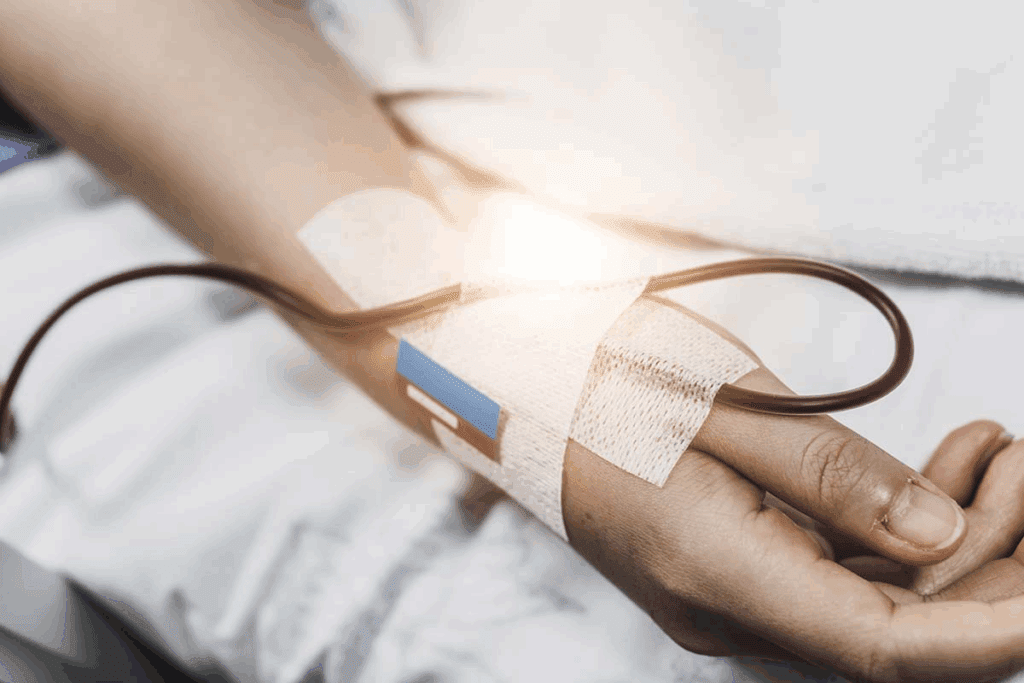
Learn signs of a blood clot from shooting up and how to recognize life-threatening symptoms early.
It’s important to spot symptoms early. Look out for pain, swelling, warmth, and color changes at the injection site. Knowing these signs can help you stay safe and get help if you notice anything odd.
Key Takeaways
- Injection drug use increases the risk of developing blood clots.
- Pain, swelling, warmth, and discoloration are key signs of a blood clot.
- Early recognition of symptoms is critical for your health.
- Blood clots form when platelets, proteins, and blood cells stick together.
- Seeking medical attention is essential if you notice unusual symptoms.
Understanding Blood Clots and Injection Drug Use
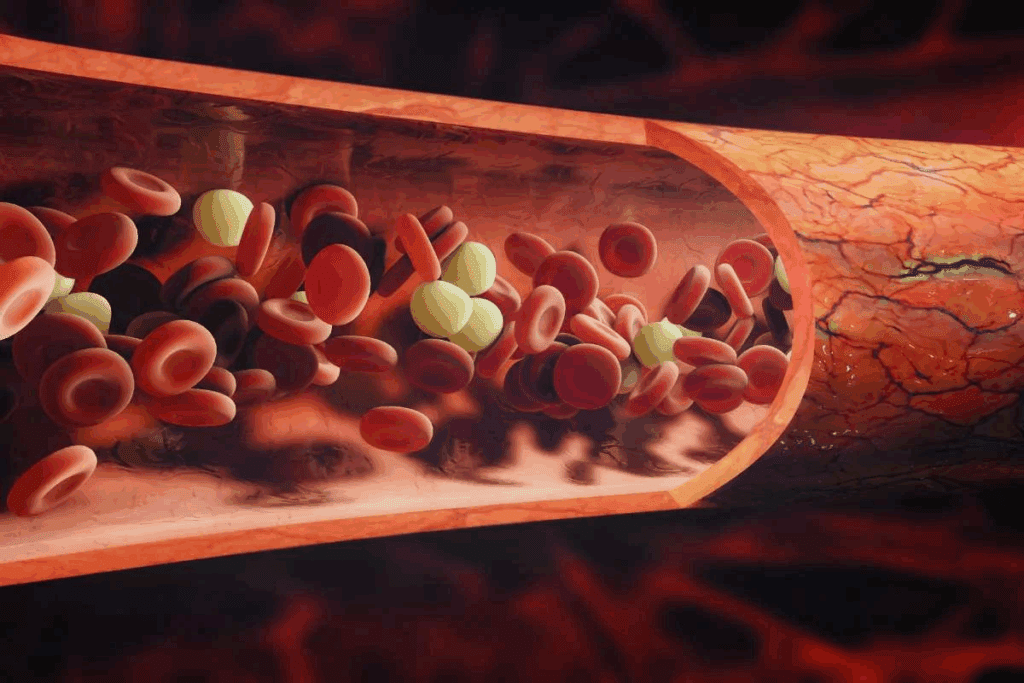
Using injection drugs can lead to blood clots, a serious condition. Blood clots happen when blood thickens and blocks blood flow. This can cause serious health problems. The Centers for Disease Control and Prevention (CDC) says about 900,000 people in the U.S. get a blood clot each year.
Why People Who Inject Drugs Are at Higher Risk
People who inject drugs face a higher risk of blood clots. Repeated needle use and poor injection techniques damage blood vessels. This makes them more likely to form clots. Also, using non-sterile equipment can introduce bacteria into the blood, leading to infections and clots.
Recent studies show that blood clots often cause pain. This pain feels like a cramp or throbbing in the affected limb. For those who inject drugs, this pain can be a sign of a blood clot.
How Injection Practices Lead to Clot Formation
Injection practices are key in blood clot formation. Injecting drugs into a vein can irritate and inflame it, leading to clots. Poor injection technique, like injecting into the same site over and over, damages veins and tissue. This increases the risk of clots.
| Risk Factor | Description | Impact on Clot Formation |
| Repeated Needle Use | Using the same needle multiple times | Increases risk of infection and vein damage |
| Poor Injection Technique | Injecting into the same site repeatedly | Causes vein irritation and inflammation |
| Non-Sterile Equipment | Using equipment that is not sterile | Introduces bacteria into the bloodstream, potentially leading to infections |
It’s important for those who inject drugs to know the risks. They should take steps to prevent blood clots and seek medical help if they think they have one. Catching the signs early can greatly improve treatment outcomes.
The Danger of Blood Clots: Possible Complications

Blood clots are a big risk, mainly for those who use drugs. They can cause serious problems. A clot can block blood flow, leading to damage, pain, and even life-threatening issues.
It’s key to watch for swelling, tenderness, and skin changes. These signs might mean a clot is there. Don’t ignore them.
Deep Vein Thrombosis (DVT)
Deep Vein Thrombosis happens when a clot forms in deep veins, often in legs or arms. It can cause pain, swelling, and color changes. If not treated, it can lead to serious problems like pulmonary embolism.
- Pain or tenderness in the affected limb
- Swelling or redness in the affected area
- Warmth or increased temperature in the affected limb
Pulmonary Embolism
A Pulmonary Embolism happens when a clot travels to the lungs, blocking blood flow. It’s a serious condition that needs quick medical help. Symptoms include shortness of breath, chest pain, and a fast heart rate.
- Shortness of breath or difficulty breathing
- Chest pain or discomfort that worsens with deep breathing
- Rapid heart rate or palpitations
Septic Thrombophlebitis
Septic Thrombophlebitis is when a blood clot gets infected, causing vein inflammation. It can bring fever, chills, and pain. It needs fast medical care to avoid more problems.
Knowing the signs of blood clots is important. If you notice anything odd, get help right away.
Sign #1: Pain and Tenderness at the Injection Site
Pain and tenderness at the injection site can be a sign of a blood clot for those who inject drugs. Injecting drugs can cause some discomfort. But, pain from a blood clot is different.
Distinguishing Normal Injection Pain from Clot Pain
Normal injection pain is usually mild and goes away quickly. But, blood clot pain is more severe and lasts longer. Dr. Johnston says, “calf tenderness or pain is a common symptom of a blood clot, often feeling like a deep ache or cramp.”
A blood clot feels like a firm, tender area that may be warm and swollen. It’s important to watch the injection site closely. If the pain is severe, getting worse, or with other symptoms, seek medical help.
Characteristics of Blood Clot Pain
Blood clot pain can feel sharp or dull. It can be constant or only when the limb is moved or touched.
| Characteristics | Normal Injection Pain | Blood Clot Pain |
| Duration | Temporary, resolves quickly | Persistent, may worsen over time |
| Intensity | Mild | Severe, can be debilitating |
| Associated Symptoms | None or minimal | Swelling, warmth, redness |
Knowing the difference between normal injection pain and blood clot pain is key for those who inject drugs. If you think you might have a blood clot, get medical help right away.
Sign #2: Swelling Around the Injection Area
Swelling around the injection site is a key sign to watch for. It could mean a blood clot is forming. This swelling happens because a blood clot causes inflammation and fluid buildup.
Normal vs. Abnormal Swelling
Some swelling is normal right after you inject. But, abnormal swelling is bigger and gets worse over time. If it’s painful, tender, or red, it might be a blood clot.
How Blood Clot Swelling Progresses
Blood clot swelling gets worse slowly, often over hours or days. It might stay close to the injection site or spread. Sometimes, it can make the affected limb much bigger.
When Swelling Indicates a Medical Emergency
Get help right away if you see severe swelling that doesn’t go away. Also, if it’s very painful, hard to move the limb, or if the limb is cold and pale. These could be signs of Deep Vein Thrombosis (DVT).
Watching the injection area for swelling is important. Knowing when it’s a sign of a blood clot can help you act fast. This might prevent serious problems.
Sign #3: Warmth and Increased Temperature
Feeling warmth or a rise in temperature at the injection site might mean a blood clot. Blood clots can cause inflammation, leading to warmth in the area.
Why Blood Clots Cause Localized Warming
Blood clots send inflammatory signals to the affected area. This leads to more blood flow and warmth. It’s the body’s way of trying to heal the injury.
Inflammation plays a big role here. The body’s reaction to the clot increases blood flow. This can be felt as warmth or a rise in temperature. This warming is a critical sign that something is amiss.
How to Check for Temperature Differences
To check for temperature differences, gently touch the affected area. Compare it with the surrounding skin or the same area on the other limb. If it feels warmer, it could mean a blood clot.
| Method | Description | Indication |
| Gentle Touch | Compare the temperature of the affected area with the surrounding skin. | Warmth or increased temperature |
| Visual Inspection | Look for redness or swelling. | Inflammation or clot formation |
Understanding these signs can help those who inject drugs spot blood clots early. Knowing the symptoms of a blood clot in the hip or arm is key for quick medical help.
Sign #4: Skin Discoloration and Changes
Skin discoloration and changes can signal a blood clot in people who inject drugs. These signs can be subtle or clear and may show a serious issue.
Red or Reddish-Purple Discoloration
Red or reddish-purple skin changes are common with blood clots. Dr. Johnston says, “redness and warmth over a vein are symptoms of a blood clot.” This happens because of inflammation and more blood flow to the area.
Characteristics of Red or Reddish-Purple Discoloration:
- Localized redness around the injection site
- Warmth to the touch
- Possible swelling accompanying the discoloration
Bluish Skin Changes
Bluish skin can also be a sign of a blood clot. It happens when there’s poor circulation or oxygenation.
“Cyanosis, or bluish discoloration, indicates poor oxygenation and can be a sign of a serious circulatory problem.” – Medical Expert
Characteristics of Bluish Skin Changes:
- Bluish tint to the skin
- Coldness to the touch
- Possible numbness or tingling sensation
When Discoloration Signals a Serious Problem
Watch for any skin discoloration closely. If it’s with severe pain, swelling, or trouble moving, it’s serious. You should get medical help right away.
| Symptom | Possible Indication |
| Red or Reddish-Purple Discoloration | Inflammation or Blood Clot |
| Bluish Skin Changes | Poor Circulation or Oxygenation |
| Severe Pain or Swelling | Serious Condition or Medical Emergency |
Spotting these signs early is key to getting help fast. If you see these symptoms, see a doctor right away.
Sign #5: Visible Vein Changes
Visible vein changes are a key sign of a blood clot. When you inject drugs, watch your veins closely. They can show early signs of trouble.
Hardened or Rope-Like Veins
A blood clot can make veins hard or rope-like. This happens because the clot forms inside the vein. It causes inflammation and makes the vein wall thicker. If a vein feels hard or rope-like, it might be a sign of a blood clot.
Visible Tracking or Streaking
Tracking or streaking along veins is another sign. This can happen because of inflammation from the clot or the injection. Seeing tracks or streaks means you should check for a blood clot.
Changes in Surrounding Veins
A blood clot can also affect nearby veins. You might see swelling, more visible veins, or skin color changes. For example, thoracic outlet syndrome can compress the subclavian vein. This leads to blood clots and vein changes.
Knowing about these vein changes is key for catching blood clots early. If you see any signs, get medical help right away.
Sign #6: Limited Mobility or Function in the Affected Limb
One of the signs of a blood clot is limited mobility in the affected limb. A blood clot can cause pain, swelling, and other issues that limit movement.
Difficulty Moving the Affected Area
Difficulty moving the affected limb is a common symptom of a blood clot. This can range from slight stiffness to not being able to move the limb at all. The pain from a blood clot can be severe, making it hard to move the affected area.
Characteristics of limited mobility due to a blood clot include:
- Reduced range of motion
- Increased pain with movement
- Swelling that restricts movement
Weakness or Numbness
In some cases, a blood clot can cause weakness or numbness in the affected limb. This happens when the clot presses on or damages nearby nerves. The feeling can range from mild tingling to complete loss of sensation.
It’s important to tell the difference between weakness from a blood clot and other conditions. For example, nerve damage from an injection can also cause numbness or weakness.
| Symptom | Blood Clot | Other Causes |
| Weakness/Numbness | Often accompanied by pain and swelling | May be isolated without other symptoms |
| Pain | Typically localized to the clot area | Can be more diffuse or radiating |
| Swelling | Commonly present around the clot | May or may not be present |
Distinguishing from Other Causes of Limited Mobility
Limited mobility can come from many causes, like muscle strain, nerve damage, or other injuries. To figure out if it’s from a blood clot, look for swelling, warmth, or skin color changes.
Knowing the signs of a blood clot, including limited mobility, is key for those who inject drugs. Spotting these signs early can lead to quick medical help, lowering the risk of serious problems.
Sign #7: Systemic Symptoms of Blood Clots From Shooting Up
Systemic symptoms affect the whole body and can signal a blood clot in those who inject drugs. These symptoms happen when a blood clot or infection spreads throughout the body, not just at the injection site.
Fever and Chills
Fever and chills are signs of infection or blood clot. Bacteria from unclean injections can cause severe infections. It’s vital to check your body temperature often, if you’ve recently injected drugs.
Rapid Heart Rate
A fast heart rate, or tachycardia, means your body is fighting something serious. A heart rate that’s much higher than usual is a warning sign. Look out for it, along with chest pain or trouble breathing.
Shortness of Breath
Shortness of breath, or dyspnea, is a serious sign. It could mean a blood clot has reached your lungs. If you suddenly can’t breathe well, get help right away. You might also feel chest pain, have a rapid heart rate, or feel dizzy.
Some key signs to watch for include:
- Fever above 100.4°F (38°C)
- Chills or sweating
- Rapid heart rate (tachycardia)
- Shortness of breath (dyspnea)
- Chest pain or discomfort
Knowing these symptoms can help you spot a blood clot or serious issues early. If you notice any, get medical help fast.
When to Seek Immediate Medical Attention
If you feel symptoms of a blood clot after using drugs, get help right away. Recognizing the warning signs is key. Blood clots can cause serious problems if not treated quickly.
Warning Signs That Cannot Be Ignored
There are clear signs of a blood clot. These include:
- Pain and tenderness at the injection site
- Swelling around the injection area
- Warmth and increased temperature
- Skin discoloration
- Visible vein changes
- Limited mobility or function in the affected limb
- Systemic symptoms such as fever, chills, rapid heart rate, and shortness of breath
What to Tell Medical Professionals
When you see a doctor, tell them everything about your injections and symptoms. Share:
- The location of the injection site
- The frequency and duration of injection drug use
- Any previous history of blood clots or related complications
- The specific symptoms you’re experiencing
Being detailed helps doctors diagnose and treat you better.
Treatment Options for Injection-Related Blood Clots
Treatment for blood clots from injecting drugs might include Enoxaparin. This helps prevent and treat blood clots. Other treatments could be:
- Thrombolytic therapy to dissolve the clot
- Pain management
- Monitoring for possible complications
The treatment plan depends on the clot’s severity and your health.
Conclusion: Protecting Yourself from Blood Clots
Knowing the risks and signs of blood clots is key for those who inject drugs. Spotting signs of a blood clot from shooting up like pain, swelling, warmth, and skin color changes is important. It helps you catch problems early.
It’s vital to know how to tell if you have a blood clot. Pay attention to changes in your body, like at the injection site. If you see unusual symptoms, get medical help right away.
Living an active, healthy life can lower your blood clot risk. Stay hydrated, exercise often, and avoid sitting too long.
Being informed and taking action can lower your risk of blood clots. If you’re worried or think you might have a blood clot, talk to a doctor. They can help figure out what to do next.
FAQ
What are the common signs of a blood clot?
Signs of a blood clot include pain and tenderness at the injection site. Swelling and warmth around the area are also common. You might see skin discoloration and changes in veins.
Other signs are limited mobility and systemic symptoms like fever and chills.
How do you know if you have a blood clot from injection drug use?
Look for pain, swelling, warmth, or skin discoloration at the injection site. Difficulty moving the affected area is a sign too. If unsure or experiencing systemic symptoms, seek medical help.
Can a blood clot cause pain?
Yes, a blood clot can cause pain, often severe. It may be accompanied by tenderness, swelling, and warmth.
What does a blood clot look and feel like?
A blood clot makes the area swollen, warm, and tender. The skin may turn discolored, and veins may harden or look rope-like. In severe cases, moving the affected limb becomes hard.
What are the five warning signs of a blood clot?
Warning signs include pain and tenderness at the injection site. Swelling and warmth are also signs. Skin discoloration and visible vein changes are other indicators.
Can you tell if you have blood clots?
Yes, look for common signs like pain, swelling, warmth, and skin discoloration. If unsure, it’s best to seek medical attention.
How do you know if you have a clot?
Look for signs like pain, swelling, warmth, and skin discoloration at the injection site. Fever and chills, or difficulty moving the affected area, are also signs. Seek medical help if unsure.
What are the symptoms of a blood clot in the upper arm?
Symptoms include pain, swelling, warmth, and skin discoloration in the upper arm. Difficulty moving the arm or weakness/numbness are also signs.
What are the signs and symptoms of septic thrombophlebitis?
Signs include pain, swelling, warmth, and skin discoloration at the injection site. Fever and chills are systemic symptoms. In severe cases, it can be life-threatening.
How can you tell if you have a blood clot in your hip?
Symptoms include pain, swelling, warmth, and skin discoloration in the hip area. Difficulty moving the hip or leg is also a sign.