Last Updated on November 14, 2025 by
A sudden fruity or acetone odor on a child’s breath is more than unusual. It could signal uncontrolled diabetes and a dangerous spike in blood ketones.
We focus on top-notch diabetes care and better patient safety and outcomes. Diabetic breath is often described as a sweet-smelling breath, similar to nail polish remover.Signs of diabetes in toddlers often include sweet breath odor. Learn why it happens and when to seek urgent medical care.
It’s key for parents and healthcare professionals to spot this smell. It can show high blood ketone levels and possible diabetic ketoacidosis.
Key Takeaways
- Diabetic breath in children is characterized by a fruity or acetone-like scent.
- This distinctive smell can signal high blood ketone levels and possible diabetic ketoacidosis.
- Recognizing diabetes breath is key for parents and healthcare professionals.
- Early identification and treatment can greatly improve patient outcomes.
- We focus on delivering innovative diabetes care and improving patient safety.
The Distinctive Smell of Diabetes Breath in Children
Children with diabetes might notice a change in their breath smell. It often smells sweet or fruity. This change is a big sign of how their body is handling diabetes.
The Fruity Breath Odour: What Parents Should Know
Parents might find it scary if their child’s breath smells fruity or sweet. This smell is linked to diabetic ketoacidosis (DKA). DKA is a serious problem that happens when the body makes too many ketones.
Ketones are made when the body uses fat for energy instead of glucose. This happens when there’s not enough insulin. Knowing about fruity-smelling breath and diabetes is very important.
Why Diabetes Causes Sweet-Smelling or Acetone-Like Breath
Diabetes makes it hard for the body to use glucose for energy. This leads to the production of ketones, causing a sweet or acetone-like smell. When glucose is not used, the body breaks down fat, making ketones.
This can lead to DKA, a serious condition that needs quick medical help. Spotting the signs of DKA, like the smell, is key for parents. Catching it early can stop it from getting worse.
5 Critical Signs of Diabetes in Toddlers You Shouldn’t Ignore
As a parent, it’s vital to spot early signs of diabetes in your toddler. Diabetes in young children can be hard to diagnose because its symptoms are similar to other common illnesses. Knowing the key signs can help you get your child the care they need quickly.
Fruity Breath Smell: The Warning Signal
A fruity breath smell is a key sign of diabetes in toddlers. This smell comes from diabetic ketoacidosis, when the body uses fat for energy instead of glucose. This can make the breath smell sweet or fruity. If you notice this smell, see a doctor right away.
Excessive Thirst and Frequent Urination
Toddlers with diabetes often drink a lot of water and go to the bathroom a lot. High blood sugar makes the body lose fluid, causing dehydration. This leads to more thirst and urination. These signs together can mean your child has diabetes.
Unexplained Weight Loss and Increased Hunger
Unexplained weight loss and increased hunger are also signs. When the body can’t use glucose, it breaks down fat and muscle for energy. This makes your child lose weight and feel hungrier. If your toddler is losing weight and eating more, they need a doctor’s check-up.
Fatigue and Irritability
Fatigue and irritability are common in toddlers with diabetes. High blood sugar makes them feel tired and cranky. The body’s trouble using glucose for energy leaves your child feeling tired and possibly irritable.
Diabetic Ketoacidosis: When Fruity Breath Becomes an Emergency
Diabetic ketoacidosis (DKA) is a serious diabetes complication that can quickly affect children. It’s often marked by a fruity breath smell. This happens when the body makes too many ketones, which are harmful acids.
Rapid Onset of DKA in Children
DKA can start within 24 hours, making it a medical emergency. Symptoms include a lot of thirst, needing to pee a lot, and feeling very tired. Parents should watch for these signs and get medical help fast.
Key factors that contribute to the rapid onset of DKA include:
- An infection or illness that causes the body to produce more glucose and ketones
- Missed or inadequate insulin doses
- Undiagnosed diabetes
Dangerous Symptoms Accompanying Sweet Breath
Fruity breath in children can mean other serious symptoms are present. These include confusion, being very thirsty, hard breathing, and feeling very sick. If your child shows these signs, get medical help right away.
Some of the critical symptoms to watch out for are:
- Confusion or altered mental state
- Excessive thirst and dry mouth
- Frequent urination
- Labored or deep breathing
Testing Ketone Levels: When to Seek Immediate Medical Help
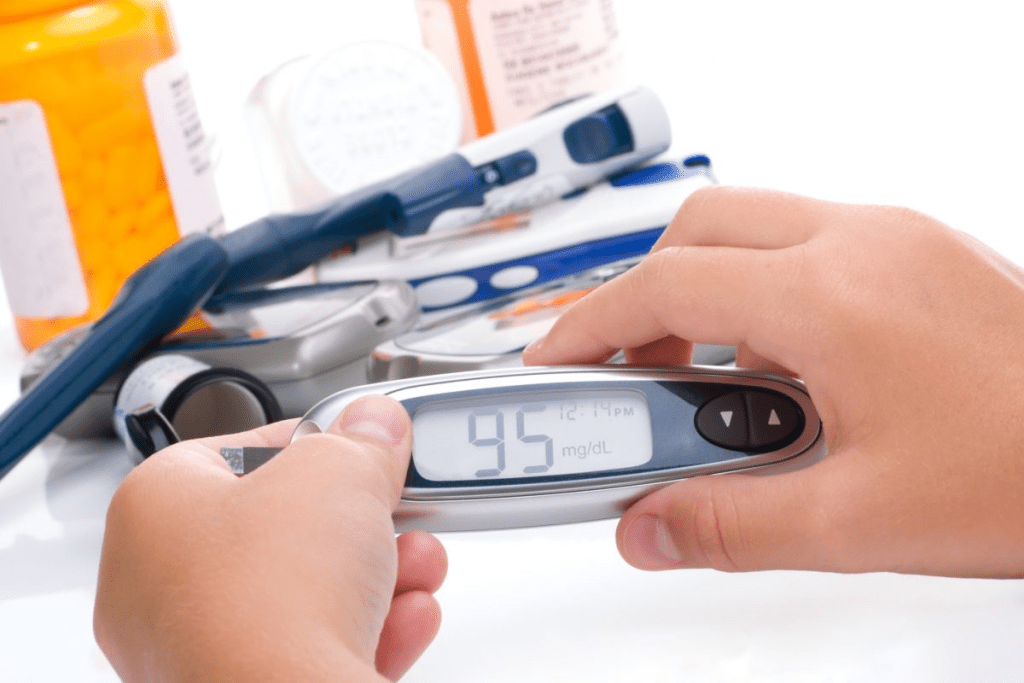
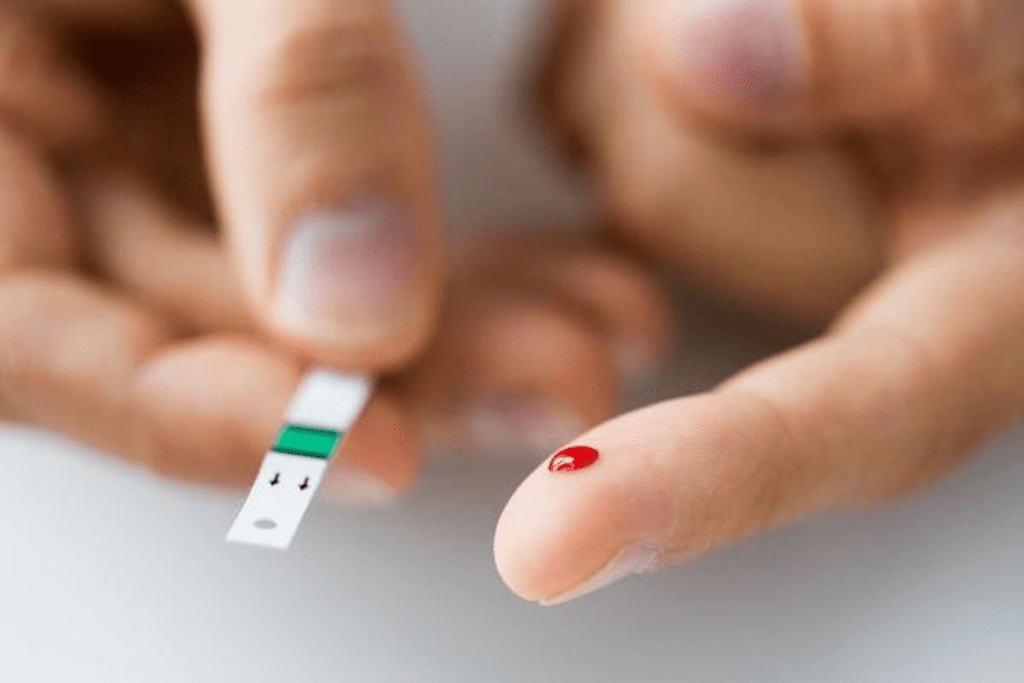
Testing ketone levels is key to diagnosing and treating DKA. Parents can use urine test strips or blood glucose meters to check ketones. If ketone levels are high, get medical help right away. Waiting can cause serious problems, like a coma or death.
When testing ketone levels, follow the manufacturer’s instructions. If unsure about the results or what to do next, talk to a healthcare provider.
When Sweet-Smelling Breath Isn’t Diabetes: Other Causes to Consider
Parents often think fruity breath means diabetes in kids. But many other things can cause it too. Diabetes is a big worry, but it’s not the only reason for sweet breath. We’ll look at other possible causes and how to tell if it’s diabetes.
Common Non-Diabetic Reasons for Fruity Breath in Children
Many things can make kids’ breath smell fruity, not just diabetes. These include:
- Dietary Changes: Eating lots of fat and little carbs, like on a keto diet, can make breath smell fruity.
- Heavy Drinking: Drinking a lot of alcohol, though rare in kids, can also make breath smell sweet.
- Certain Medications: Some medicines can change how our body smells, including our breath.
- Gastrointestinal Issues: Problems like GERD can cause bad breath that might seem sweet.
It’s important to think about these when wondering why a kid’s breath smells sweet. Knowing the cause helps us treat it right.
Distinguishing Diabetes Bad Breath Odor from Other Conditions
Telling diabetes breath from other causes is tricky, but key for the right treatment. Here’s how to tell:
- Persistence and Accompanying Symptoms: Diabetes breath doesn’t go away and comes with other signs like being very thirsty and losing weight.
- Dietary Correlation: Fruity breath tied to diet or fasting might match when you eat or fast.
- Medical History: Kids with certain health issues or on certain meds might have sweet breath for other reasons.
If your kid’s breath smells sweet and you’re worried, see a doctor. They can check it out and help.
“The key to managing sweet-smelling breath in children lies in understanding its cause. Whether it’s related to diabetes or another condition, a thorough medical evaluation is essential.”
Conclusion: Responding to Diabetes Breath in Your Child
It’s key to spot the signs of diabetes in toddlers, like a fruity breath smell. This is important for catching it early and treating it. Diabetes breath can signal Diabetic Ketoacidosis (DKA), a serious condition that needs quick medical help.
If your child shows signs like drinking a lot of water, going to the bathroom a lot, losing weight without trying, or has a fruity smell in their breath, get help fast. We aim to provide top-notch healthcare and support for patients worldwide.
Knowing the signs of diabetes in kids and acting quickly can help your child get the right care. If you’re worried about your child’s health, talk to a doctor right away.
FAQ
What does diabetes breath smell like in children?
Diabetes breath in kids smells sweet, fruity, or like acetone. This smell comes from ketones in the body. It shows high blood sugar and might mean diabetic ketoacidosis.
Is sweet-smelling breath always a sign of diabetes?
No, sweet breath isn’t always diabetes. It can also happen from diet changes or other health issues.
What are the other symptoms of diabetic ketoacidosis that I should look out for?
Look for confusion, too much thirst, and needing to pee a lot. Also, watch for hard breathing and belly pain. If you see these, get help right away.
How can I distinguish between diabetes-related breath odor and other causes?
Check for other diabetes signs, like too much thirst or losing weight. If you see these, talk to a doctor to figure out what’s going on.
Can dietary changes cause sweet-smelling breath in children?
Yes, diet changes can make breath smell sweet. For example, eating less carbs or fasting can make ketones. This leads to a fruity or acetone smell.
What should I do if I suspect my child has diabetes?
If you think your child has diabetes, see a doctor fast. They’ll check your child and make a plan to manage the diabetes.
How quickly can diabetic ketoacidosis develop in children?
Diabetic ketoacidosis can happen fast, in just a few hours. If you see sweet breath, confusion, or hard breathing, get help right away.
Can sweet-smelling breath be a sign of diabetes in toddlers?
Yes, sweet breath can mean diabetes in toddlers. But, look for other signs too. Always check with a doctor for sure.
References
- Trefz, P., Geurts, L., Röhlig, C., & Miekisch, W. (2019). Exhaled volatile substances in children suffering from type 1 diabetes mellitus. Pediatric Diabetes, 20(7), 936-945. https://www.ncbi.nlm.nih.gov/pmc/articles/PMC6823423/
- Trefz, P., Geurts, L., Röhlig, C., & Miekisch, W. (2019). Exhaled volatile substances in children suffering from type 1 diabetes mellitus. Pediatric Diabetes, 20(7), 936-945. Retrieved from https://www.ncbi.nlm.nih.gov/pmc/articles/PMC6823423/
- University of Oxford. (2016, January 8). Sweet-smelling breath to help diabetes diagnosis in children. IOP Publishing – Journal of Breath Research. Retrieved from https://ioppublishing.org/news/sweet-smelling-breath-to-help-diabetes-diagnosis-in-children/
- Saasa, V. (2019). Blood ketone bodies and breath acetone analysis in diabetes mellitus diagnosis and monitoring. Volume not specified. Retrieved from https://www.ncbi.nlm.nih.gov/pmc/articles/PMC6963753/