Last Updated on December 1, 2025 by Bilal Hasdemir
Signs of Lymphoma cancer
Lymphoma is a type of cancer affecting the immune system. It’s a big worry for kids. Recent data shows it’s one of the top cancers in children. Finding it early is key to treating it well.
It’s important to know the symptoms of lymph node cancer. In kids, lymphoma shows up differently. This means parents and caregivers need to watch for lymphatic cancer symptoms.
Key Takeaways
- Early detection of lymphoma in children is vital for effective treatment.
- Lymphoma symptoms can vary based on the type and location.
- Knowing the signs of childhood lymphoma is critical for parents and caregivers.
- Understanding lymph node cancer symptoms can help get medical help quickly.
- Pediatric lymphoma needs fast and right treatment.
Understanding Childhood Lymphoma
Lymphoma in children is a serious topic. We need to know what it is, how common it is, and what might cause it. It’s a cancer that starts in the lymphatic system, which is a big deal in pediatric oncology.
What is Lymphoma?
Lymphoma is a cancer that starts in the lymphocytes. These are white blood cells that help our immune system. There are two main types: Hodgkin’s lymphoma and Non-Hodgkin’s lymphoma. Both can affect kids, but they are treated differently.
How Common is Lymphoma in Children?
Lymphoma is a common cancer in kids, making up about 10% of all childhood cancers. In the United States, around 1,900 kids and teens get lymphoma every year.
- Hodgkin’s lymphoma is more common in older kids and teens.
- Non-Hodgkin’s lymphoma is more common in younger kids.
Risk Factors for Childhood Lymphoma
While we don’t always know why kids get lymphoma, some risk factors have been found. These include:
- Epstein-Barr Virus (EBV) infection, linked to an increased risk of Hodgkin’s and some Non-Hodgkin’s lymphoma types.
- Immunodeficiency, caused by genetic conditions, infections like HIV, or immunosuppressive therapy.
- Family history of lymphoma, suggesting a possible genetic link.
Knowing these risk factors helps us catch lymphoma early in kids.
Types of Lymphoma Affecting Children
Lymphoma in children is not just one disease. It’s a group of cancers that differ in how they show up and grow. Knowing the types helps doctors choose the best treatment.
Hodgkin’s Lymphoma
Hodgkin’s lymphoma, or Hodgkin lymphoma, has Reed-Sternberg cells. It’s not very common in young kids but grows more in teens and young adults. Symptoms include swollen lymph nodes, fever, night sweats, and weight loss.
To diagnose Hodgkin’s lymphoma, doctors take a biopsy of a lymph node. Treatment usually includes chemotherapy and radiation.
Non-Hodgkin’s Lymphoma
Non-Hodgkin’s lymphoma (NHL) is a wide range of lymphomas without Reed-Sternberg cells. It’s more common in kids than Hodgkin’s lymphoma. It includes types like Burkitt lymphoma and lymphoblastic lymphoma. The symptoms vary a lot, depending on the type and where the cancer is.
Burkitt Lymphoma
Burkitt lymphoma is a fast-growing NHL type more common in kids. It often causes belly pain or swelling because the tumor grows fast. Treatment is intense chemotherapy, and the outlook is good if caught and treated early.
Lymphoblastic Lymphoma
Lymphoblastic lymphoma is a Non-Hodgkin’s lymphoma type similar to acute lymphoblastic leukemia (ALL). It shows up as a mass in lymph nodes or other tissues, not in bone marrow. It’s treated like ALL, with multi-agent chemotherapy.
Common Signs of Lymphoma Cancer in Children
Parents and caregivers should watch for signs of lymphoma in kids. Lymphoma is a cancer that affects the lymphatic system. It can show symptoms that look like other, less serious issues.
Persistent Swollen Lymph Nodes
Persistent swollen lymph nodes are a key sign of lymphoma. Lymph nodes help fight infections and diseases. If they stay swollen for weeks or grow, it might mean lymphoma.
Unexplained Fever
Unexplained fever is another sign of lymphoma in kids. Fever can mean many things, but if it keeps coming back, it’s a red flag. In lymphoma, fever often goes with night sweats and tiredness.
Night Sweats
Night sweats, or heavy sweating at night, can hint at lymphoma. Like fever, they can mean different things. But if they happen with swollen lymph nodes, it might be lymphoma.
Fatigue and Weakness
Fatigue and weakness are signs of many illnesses, including lymphoma. If a child is very tired or weak, it could be a serious issue. In lymphoma, tiredness comes from the cancer or the body’s fight against it.
Doctors say catching lymphoma early is key to better treatment. Spotting these signs and getting a check-up is vital for early diagnosis.
Swollen Lymph Nodes in Children: When to Worry
Lymph node swelling is common in kids. It’s important to know when it’s normal and when it’s not. Swollen lymph nodes can mean a child’s body is fighting an infection. But sometimes, they can be a sign of something serious like lymphoma.
Normal vs. Abnormal Lymph Node Swelling
When lymph nodes swell due to infection or inflammation, it’s usually normal. They get bigger but go back to normal once the infection is gone. But, if lymph nodes stay big or get bigger, or if they’re with other symptoms, it might be a problem.
Key differences between normal and abnormal lymph node swelling include:
- Size: Normal lymph nodes are less than 1 cm. Nodes bigger than 2 cm might be abnormal.
- Duration: If lymph nodes stay big for more than two weeks, it could be a sign of something serious.
- Texture: Abnormal nodes are hard, fixed, or stuck together. Normal nodes are soft and moveable.
Duration of Swelling
How long lymph nodes stay swollen is important. Most swelling from infections goes away in a few weeks. But, if it lasts longer, it’s time to see a doctor.
When to seek medical attention based on duration:
- If lymph node swelling lasts more than two weeks without getting better.
- If swelling comes with other symptoms like fever, weight loss, or night sweats.
- If the lymph nodes get bigger.
Characteristics of Concerning Lymph Nodes
Some lymph nodes need attention. Look out for nodes that are:
- Large and getting bigger.
- Hard or stuck in place.
- Matted together.
- With symptoms like fever, weight loss, or tiredness.
Knowing what to look for and when to worry can help parents. If you’re worried about your child’s swollen lymph nodes, talk to a doctor. They can check and give advice.
Location-Specific Lymphoma Symptoms
Lymphoma symptoms depend on where the tumor is. This cancer starts in the lymphatic system. It can show up in different parts of the body, causing various symptoms.
Neck and Head Symptoms
Lymphoma in the neck or head can cause swelling. Swollen lymph nodes in the neck are common. They might be painless or hurt a bit.
It can also make swallowing hard, change your voice, or cause facial swelling.
Armpit (Axillary) Symptoms
Lymphoma in the armpit leads to swollen lymph nodes. These can feel like lumps and might hurt or not at all. Sometimes, the swelling can make moving your arm hard.
Groin (Inguinal) Symptoms
Groin lymphoma causes swollen lymph nodes. This can lead to lumps or swelling that might hurt or not. It can also cause leg pain or discomfort.
Abdominal Symptoms
Abdominal lymphoma can cause pain, swelling, or a feeling of being full. It might also lead to bowel obstruction or other stomach problems. Unexplained weight loss and loss of appetite are signs too.
In summary, lymphoma symptoms vary by tumor location. Knowing these symptoms is key for early treatment.
Age-Specific Lymphoma Symptoms
Lymphoma symptoms in children change with age. Knowing these differences is vital for early treatment. It helps doctors find and treat the disease better.
Infants and Newborns
It’s hard to spot lymphoma in babies because they can’t tell us how they feel. Look out for:
- Unusual irritability or fussiness
- Failure to thrive or loss of appetite
- Visible swelling or masses, like in the neck or belly
Parents and doctors must watch closely for these signs.
Toddlers and Young Children
Young kids with lymphoma might seem sick like they have a cold. But, watch for:
- Persistent or recurrent fevers without an obvious cause
- Swollen lymph nodes that don’t go away
- Unexplained weight loss or lack of weight gain
Parents and caregivers should keep a close eye on these signs and get medical help if they don’t go away.
School-Age Children
Kids in school can show symptoms more clearly. Look for:
- Noticeable swelling in the neck, armpits, or groin
- Fatigue or weakness that makes it hard to do daily things
- Recurring infections because their immune system is weak
These kids can sometimes tell us how they feel, helping doctors figure out what’s wrong.
Teenagers and Adolescents
Teens with lymphoma might show symptoms like adults. Watch for:
- Significant weight loss or night sweats
- Swollen lymph nodes, like in the neck or underarm area
- Fatigue or a general feeling of being unwell
Teens should talk to their doctor if they have any lasting or worrying symptoms.
Early Signs of Hodgkin’s Lymphoma in Children
Finding Hodgkin’s lymphoma early is key to better treatment for kids. This cancer starts in the lymphatic system, which helps fight off infections. Spotting early signs is important for quick medical help.
First Signs of Hodgkin’s Lymphoma
The first sign in kids is often swollen lymph nodes. These can be found in the neck, armpits, or groin. The nodes might feel firm, rubbery, or soft and could have other symptoms too.
Progressive Symptoms
As the disease gets worse, more symptoms appear. These include:
- Swollen lymph nodes that keep growing
- Unexplained weight loss
- Recurring fevers
- Night sweats
- Fatigue or feeling weak
Systemic Symptoms (“B Symptoms”)
Some kids with Hodgkin’s lymphoma have “B symptoms.” These are:
- Unexplained fever above 100.4°F (38°C)
- Drenching night sweats
- Significant weight loss (more than 10% of body weight in the last 6 months)
These symptoms mean the disease might be more advanced. They need quick medical care.
Knowing these signs is critical for parents and doctors. It helps kids get the right treatment early. This can greatly improve their chances of beating Hodgkin’s lymphoma.
Childhood Non-Hodgkin’s Lymphoma: Distinctive Symptoms
It’s important to know the symptoms of Non-Hodgkin’s lymphoma in kids for early treatment. This cancer starts in lymphocytes, a kind of white blood cell. In children, it can show up in different ways, each with its own signs.
Burkitt Lymphoma Symptoms
Burkitt lymphoma is a fast-growing cancer that often hits the abdomen. Common signs include:
- Abdominal pain or swelling
- Fatigue
- Weight loss
- Fever
- Nausea and vomiting
Burkitt lymphoma can also affect other parts of the body, such as the jaw, bones, or skin.
Lymphoblastic Lymphoma Symptoms
Lymphoblastic lymphoma is another aggressive form of Non-Hodgkin’s lymphoma. It can show symptoms like:
- Swollen lymph nodes in the neck, armpits, or groin
- Respiratory distress due to a mediastinal mass
- Fever
- Night sweats
- Fatigue
Lymphoblastic lymphoma can progress quickly, making early diagnosis and treatment key.
Other Non-Hodgkin’s Lymphoma Variants
Other types of Non-Hodgkin’s lymphoma, like diffuse large B-cell lymphoma and anaplastic large cell lymphoma, can also happen in kids. Symptoms may include:
| Symptom | Description |
| Swollen lymph nodes | Painless enlargement of lymph nodes in various parts of the body |
| Fever | Recurring or persistent fever without an obvious cause |
| Weight loss | Unexplained weight loss over a short period |
When to Seek Medical Attention
Knowing when to seek medical help is key to catching lymphoma early in kids. Parents and caregivers need to watch their child’s health closely. They should look out for signs that mean it’s time to see a doctor.
Red Flags That Shouldn’t Be Ignored
Some symptoms in kids could mean lymphoma and need quick doctor visits. These include:
- Persistent swollen lymph nodes that don’t go away with treatment
- Unexplained fever that lasts more than a few days
- Night sweats not caused by the weather
- Unexplained weight loss or loss of appetite
- Fatigue or weakness that makes daily life hard
If your child shows any of these signs, seeing a doctor is important. Catching it early can make a big difference in treatment.
What to Tell Your Doctor
When you go to the doctor, tell them everything about your child’s symptoms. This means:
- How long the symptoms have lasted
- Any changes in symptoms over time
- What makes symptoms better or worse
Keeping a journal of symptoms can help. The more info you give the doctor, the better they can help your child.
| Symptom | Details to Report |
| Swollen Lymph Nodes | Location, size, tenderness, duration |
| Fever | Temperature, frequency, duration |
| Night Sweats | Frequency, relation to environment |
Being informed and ready helps parents ensure their child gets the right care fast.
Diagnostic Process for Childhood Lymphoma
Diagnosing childhood lymphoma is a detailed process. It includes an initial evaluation, imaging tests, biopsy, and staging. This thorough approach helps find out if lymphoma is present and how far it has spread. It also guides the treatment plan.
Initial Evaluation
The first step is an initial evaluation. This involves a detailed medical history and physical exam. Doctors look for signs like swollen lymph nodes, fever, night sweats, and unexplained weight loss.
Imaging Tests
Imaging tests are key in diagnosing and staging lymphoma. They include:
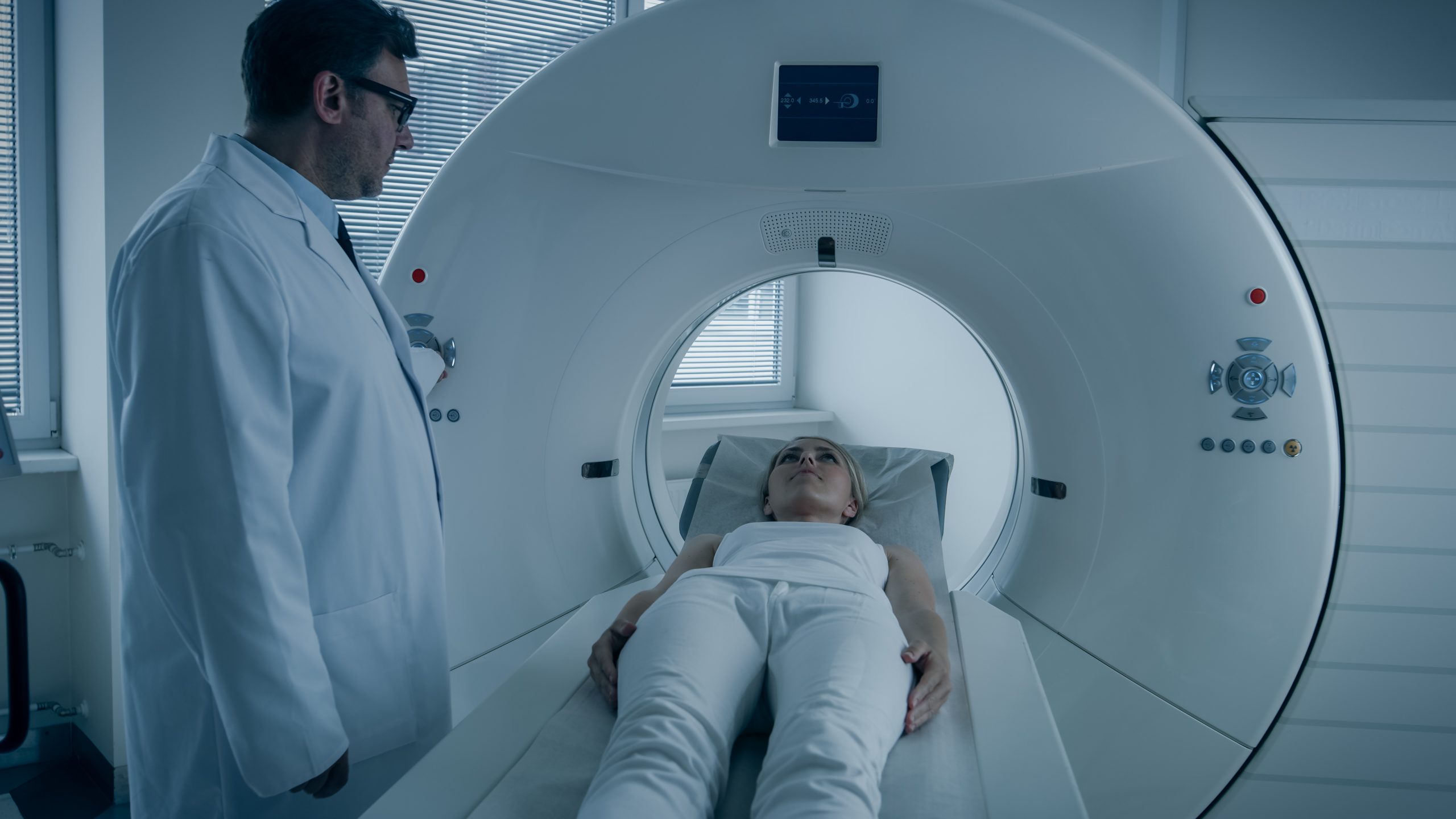
- Computed Tomography (CT) scans: These scans give detailed images of the body. They help find the size and location of tumors.
- Positron Emission Tomography (PET) scans: Used with CT scans, PET scans show the metabolic activity of tumors. This is important for finding active disease.
- Magnetic Resonance Imaging (MRI): MRI is used to check the extent of disease in areas like the spine or brain.
Biopsy Procedures
A biopsy is the main way to diagnose lymphoma. It involves removing a lymph node or tumor tissue for examination. There are different biopsy types, including:
- Excisional biopsy: This involves removing an entire lymph node or tumor.
- Core needle biopsy: A less invasive method that uses a needle to remove tissue samples.
Staging Process
After diagnosing lymphoma, the next step is to determine its stage. Staging checks how far the disease has spread. It uses imaging tests and bone marrow biopsies. The Ann Arbor Staging System is commonly used.
| Stage | Description |
| I | Lymphoma is limited to one lymph node group or lymphoid structure. |
| II | Lymphoma is in two or more lymph node groups on the same side of the diaphragm. |
| III | Lymphoma is in lymph node groups on both sides of the diaphragm. |
| IV | Lymphoma has spread widely through one or more organs that are not part of a lymphatic area. |
Knowing the stage of lymphoma is vital. It helps predict the outcome and choose the best treatment.
Differentiating Lymphoma from Other Conditions
Getting a correct diagnosis for lymphoma means telling it apart from other conditions with similar signs. Symptoms of lymphoma can be tricky because they look like common infections or harmless conditions. So, a detailed check-up is key to find the right diagnosis and treatment.
Common Infections vs. Lymphoma
One big challenge in diagnosing lymphoma is telling it apart from common infections. These infections can cause swollen lymph nodes, fever, and tiredness, just like lymphoma. For example, mononucleosis, caused by the Epstein-Barr virus, can look like lymphoma with swollen lymph nodes and fever. But, infections usually get better in a few weeks, while lymphoma symptoms keep getting worse.
It’s common for kids with lymphoma to first be treated for infections.To tell infections apart from lymphoma, doctors need a detailed medical history and tests like blood counts and imaging studies.
Benign Lymph Node Conditions
Conditions that are not cancer but affect lymph nodes can also be mistaken for lymphoma. Lymphadenopathy, or swollen lymph nodes, can be caused by many things, like infections, allergies, or autoimmune diseases. In kids, swollen lymph nodes are often a sign of an infection, and they usually go back to normal once the infection is gone.
The challenge lies in identifying the underlying cause of lymphadenopathy and distinguishing benign conditions from lymphoma.
Other Childhood Cancers with Similar Symptoms
Lymphoma isn’t the only childhood cancer that can cause swollen lymph nodes or other symptoms. Cancers like neuroblastoma and leukemia can also have similar signs. For example, neuroblastoma can cause a mass in the abdomen or neck, while leukemia might lead to tiredness, weight loss, and bone pain.
- Neuroblastoma: Often presents with a mass or swelling in the neck, chest, or abdomen.
- Leukemia: May cause fatigue, weight loss, bone pain, and easy bruising.
To tell lymphoma apart from other childhood cancers, doctors use a detailed approach. This includes imaging studies, biopsies, and lab tests. By accurately diagnosing, doctors can create a treatment plan that fits the child’s needs.
Treatment Approaches for Childhood Lymphoma
Childhood lymphoma treatment uses many methods, like chemotherapy, radiation, and targeted therapies. The right treatment depends on the lymphoma type, its stage, and the child’s health.
Chemotherapy Protocols
Chemotherapy is key for most kids with lymphoma. It uses drugs to kill cancer cells. The exact chemotherapy plan varies by lymphoma type and stage.
Common Chemotherapy Protocols:
- CHOP (Cyclophosphamide, Hydroxydaunorubicin, Oncovin, and Prednisone)
- CVP (Cyclophosphamide, Vincristine, and Prednisone)
- Hyper-CVAD (Hyperfractionated Cyclophosphamide, Vincristine, Doxorubicin, and Dexamethasone)
A study in the Journal of Clinical Oncology shows intensive chemotherapy has greatly improved lymphoma outcomes for kids.
The introduction of intensive chemotherapy protocols has revolutionized the treatment of childhood lymphoma, improving survival rates and reducing side effects.
Radiation Therapy
Radiation therapy kills cancer cells with high-energy rays. It’s often paired with chemotherapy, mainly for Hodgkin’s lymphoma in kids.
| Type of Radiation | Use in Lymphoma Treatment |
| External Beam Radiation | Most commonly used for lymphoma, delivering radiation from outside the body. |
| Intensity-Modulated Radiation Therapy (IMRT) | A type of external beam radiation that allows for precise targeting of tumors. |
Surgical Interventions
Surgery’s role in childhood lymphoma is small, mainly for getting a biopsy.
Surgical Considerations:
- Biopsy for diagnosis
- Removal of tumors or affected lymph nodes in certain cases
Newer Targeted Therapies
Targeted therapies aim at specific cancer cells, sparing normal cells. Examples include monoclonal antibodies and CAR-T cell therapy.
Targeted therapies have opened up new treatment options for kids with lymphoma, bringing hope for better outcomes.
Childhood Lymphoma Survival Rates and Prognosis
The outlook for kids with lymphoma depends on several important factors. These include the type of lymphoma and how well they respond to treatment. Thanks to new treatments, many kids with lymphoma now live longer.
Factors Affecting Prognosis
Several things can change a child’s lymphoma prognosis. These include:
- Type of Lymphoma: Hodgkin’s lymphoma usually has a better outlook than non-Hodgkin’s lymphoma.
- Stage at Diagnosis: Early-stage lymphoma often has a better chance of recovery than advanced-stage disease.
- Response to Treatment: Kids who do well with initial treatment usually have a better outlook.
- Age and Overall Health: Younger kids and those without serious health problems tend to do better.
Hodgkin’s Lymphoma Outcomes
Hodgkin’s lymphoma is very treatable, with cure rates over 90% in many cases. The outlook is usually good, even more so for kids diagnosed early.
Non-Hodgkin’s Lymphoma Outcomes
Non-Hodgkin’s lymphoma outcomes vary by subtype. Some, like Burkitt lymphoma, have high cure rates with aggressive chemotherapy. Other subtypes may have different outcomes based on treatment response.
Long-term Follow-up Considerations
Children treated for lymphoma need ongoing care to watch for late treatment effects. These can include secondary cancers, heart issues, or fertility problems. A detailed follow-up plan is key to keeping their health on track and catching any issues early.
By knowing what affects prognosis and outcomes, parents and doctors can team up to give kids with lymphoma the best care possible.
Conclusion
It’s very important to spot the signs of lymphoma in kids early. This is because childhood lymphoma, like Hodgkin’s and non-Hodgkin’s, needs a detailed check-up. The first steps include an initial check, imaging tests, a biopsy, and figuring out the stage.
Today, there are better ways to treat lymphoma in kids. Doctors use chemotherapy, radiation, and new targeted treatments. Knowing how these treatments work and what to expect later is key for families and doctors.
Knowing the symptoms of lymphoma in kids is the first step. Look out for swollen lymph nodes, fever, and feeling very tired. If you see these signs, get medical help right away. Quick action and the right treatment can really help a child’s chances of getting better.
Keeping up with the latest in treating lymphoma in kids is important. This way, families can understand what they’re going through. Thanks to ongoing research and better care, kids with lymphoma have a brighter future.
FAQ
What are the common symptoms of lymphoma in children?
Symptoms include swollen lymph nodes and unexplained fever. Night sweats, fatigue, and weakness are also common. The symptoms depend on the type and location of the lymphoma.
How common is lymphoma in children?
Lymphoma is a common cancer in kids. It includes Hodgkin’s and Non-Hodgkin’s lymphoma. It makes up a big part of childhood cancers.
What are the risk factors for childhood lymphoma?
Risk factors include Epstein-Barr virus infection and genetic mutations. Exposure to chemicals or radiation also increases risk. Family history and immune system disorders matter too.
What are the symptoms of Burkitt lymphoma in children?
Symptoms include growing masses, often in the abdomen. This can cause pain, nausea, and vomiting.
How is lymphoma diagnosed in children?
Diagnosis uses physical exams and imaging tests like CT scans. Biopsy and staging tests are also used. They help find the disease’s extent.
What is the difference between Hodgkin’s and Non-Hodgkin’s lymphoma in children?
Hodgkin’s lymphoma has Reed-Sternberg cells and spreads in an orderly way. Non-Hodgkin’s lymphoma is more diverse and can occur anywhere in lymphoid tissue.
When should I be concerned about swollen lymph nodes in my child?
Be concerned if swelling is persistent or large. Look out for fever, night sweats, or weight loss. The location and type of swelling are also important.
What are the treatment options for childhood lymphoma?
Treatment often includes chemotherapy. Radiation therapy or surgery might be used too. New targeted therapies are also being explored.
What is the prognosis for children with lymphoma?
The prognosis depends on the lymphoma type, stage, and treatment response. Childhood lymphoma generally has a good prognosis, with high cure rates for many types.
Can lymphoma be misdiagnosed in children?
Yes, it can be mistaken for infections or benign swelling. Accurate diagnosis requires thorough evaluation and biopsy.
Are there any long-term effects of lymphoma treatment in children?
Yes, treatment can affect fertility and increase secondary cancer risk. It can also cause other health issues. Long-term care is vital.
How does lymphoma affect different age groups in children?
Symptoms vary by age. Infants and young children may show different signs than older kids or teens.
What are the symptoms of lymphoma when it affects the abdomen?
Symptoms include abdominal pain, swelling, nausea, vomiting, and bowel changes.
Can lymphoma cause symptoms in the neck and head?
Yes, it can cause swollen lymph nodes, pain, or swelling. It may also lead to neurological symptoms if it affects the nervous system.
Reference
MedlinePlus – Leukemia Information:https://medlineplus.gov/leukemia.html