Prostate Cancer Symptoms: Early Signs Every Man Should Know
Prostate cancer is one of the most common cancers affecting men worldwide. Although it often develops slowly, understanding its symptoms, risk factors, and diagnostic methods is crucial for early detection. Many symptoms may appear subtle at first and can resemble those of benign prostate conditions, making awareness an essential part of maintaining prostate health. Recognizing early warning signs helps individuals seek timely medical care and greatly improves treatment success.
This comprehensive guide explains prostate cancer symptoms, early warning signs, progression stages, diagnostic methods, risk factors, and prevention strategies. It integrates all key information from both articles and presents it in a clear medical structure to support readers in identifying symptoms and taking action at the right time.

The Role of the Prostate Gland
What the Prostate Is and Where It Is Located
The prostate is a small, walnut sized gland located below the bladder in men. It surrounds the urethra, which is the tube that carries urine from the bladder through the penis. Its position is important because changes in the prostate, including enlargement or inflammation, can directly affect urination.
Normal Function of the Prostate
The primary function of the prostate is to produce seminal fluid. This fluid nourishes and protects sperm during ejaculation. By supporting sperm mobility and viability, the prostate plays a significant role in male fertility and reproductive health.
Common Prostate Conditions
Benign Prostatic Hyperplasia
Benign Prostatic Hyperplasia is a noncancerous enlargement of the prostate that commonly occurs with age. As the prostate grows, it can press against the urethra and restrict urine flow. Symptoms can include frequent urination, difficulty starting urination, and waking at night to urinate.
Prostatitis
Prostatitis refers to inflammation of the prostate gland. It may be caused by infection or other factors. Symptoms include burning sensation during urination, pelvic pain, and sexual dysfunction. It can present as acute or chronic inflammation and may affect men of all ages.
Prostate Cancer
Prostate cancer begins when the cells of the prostate gland grow abnormally. It is most commonly diagnosed in older men, especially those over the age of 65. Early stages often produce few noticeable symptoms, making routine screenings important for early detection.
Early Symptoms of Prostate Cancer
Recognizing early symptoms of prostate cancer is essential for timely diagnosis. These early signs may be subtle and can resemble benign conditions, which makes awareness especially important.
Urinary Symptoms
Changes in urinary habits are often the earliest and most common symptoms of prostate cancer. These may include:
• Frequent urination during the day or night
• Sudden strong urge to urinate
• Weak or interrupted urine flow
• Difficulty starting or stopping urination
• Pain or discomfort during urination
Because these symptoms may also arise from benign enlargement or infection, medical evaluation is necessary to determine the cause.
Pain and Discomfort
Pain or discomfort in the pelvic area, lower back, or thighs may occur in early prostate cancer. Pain during ejaculation can also be an early warning sign. Such symptoms should never be overlooked and warrant professional assessment.
Intermediate Stage Symptoms
As prostate cancer progresses to stages 2 and 3, symptoms typically become more pronounced. Cancer may begin to grow within the prostate or extend slightly beyond it.
Worsening Urinary Problems
Men may experience increasing difficulty urinating, a weaker urinary stream, or more frequent nighttime urination. The presence of blood in the urine or semen may occur during these stages.
Pelvic or Lower Back Pain
Pain may become more persistent, spreading to the lower back, pelvis, or upper thighs. This discomfort arises as the cancer grows and affects nearby tissues.
Advanced Prostate Cancer Symptoms
Advanced prostate cancer occurs when the disease spreads beyond the prostate to bones or nearby lymph nodes. Symptoms become more severe and may significantly affect daily life.
Severe Pain and Bone Symptoms
Cancer that spreads to the bones may cause:
• Persistent or severe bone pain
• Pain in the hips, back, or legs
• Increased risk of fractures
Systemic Symptoms
Advanced cancer can lead to:
• Unexplained weight loss
• Severe fatigue
• Loss of appetite
• Difficulty walking or performing daily activities
Sexual Dysfunction
In later stages, men may develop erectile dysfunction or pain during ejaculation. Although erectile problems have many causes, sudden changes should always be evaluated.
Five Major Warning Signs of Prostate Cancer
These key symptoms are among the most significant indicators that require prompt medical evaluation:
1. Urinary Changes
Weak urine flow, frequent urination, difficulty starting or stopping, or urination pain.
2. Blood in Urine or Semen
Any amount of blood, even once, should be evaluated by a doctor.
3. Erectile Dysfunction
New or worsening erectile problems may indicate prostate issues.
4. Pelvic or Back Pain
Persistent pain in the pelvic region, hips, or lower back may signal cancer spread.
5. Unexplained Weight Loss or Fatigue
These systemic symptoms can indicate advanced disease and must be taken seriously.
Risk Factors for Developing Prostate Cancer
Understanding risk factors helps identify individuals who may need early screenings.
Age
The risk increases significantly after the age of 50 and is highest in men over 65.
Family History
Risk is higher in individuals whose father or brother has had prostate cancer.
Race
African American men are more frequently diagnosed and may develop aggressive forms.
Lifestyle Factors
Diet high in processed meat, lack of physical activity, smoking, and obesity may all contribute to prostate cancer risk.

Diagnosing Prostate Problems
Diagnosis involves several steps to accurately assess prostate health.
Digital Rectal Examination
A doctor checks the size, texture, and shape of the prostate by feeling it through the rectum.
PSA Blood Test
PSA is a protein produced by the prostate. Elevated levels may indicate cancer, but can also be caused by benign conditions.
PSA ranges include:
• 0 to 4 ng per mL typically normal
• 4 to 10 ng per mL borderline
• Above 10 ng per mL concerning and usually requires further evaluation
Imaging Methods
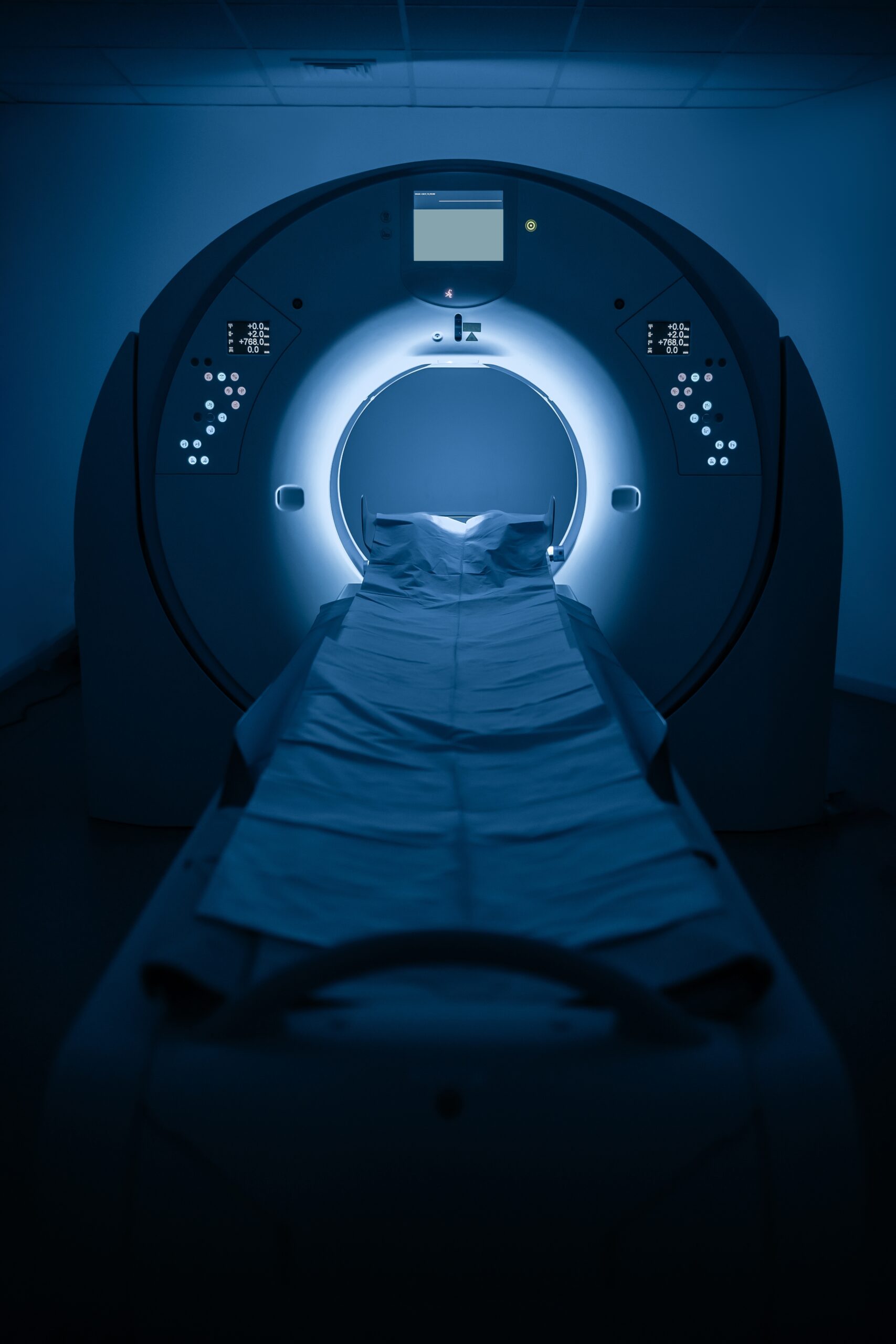
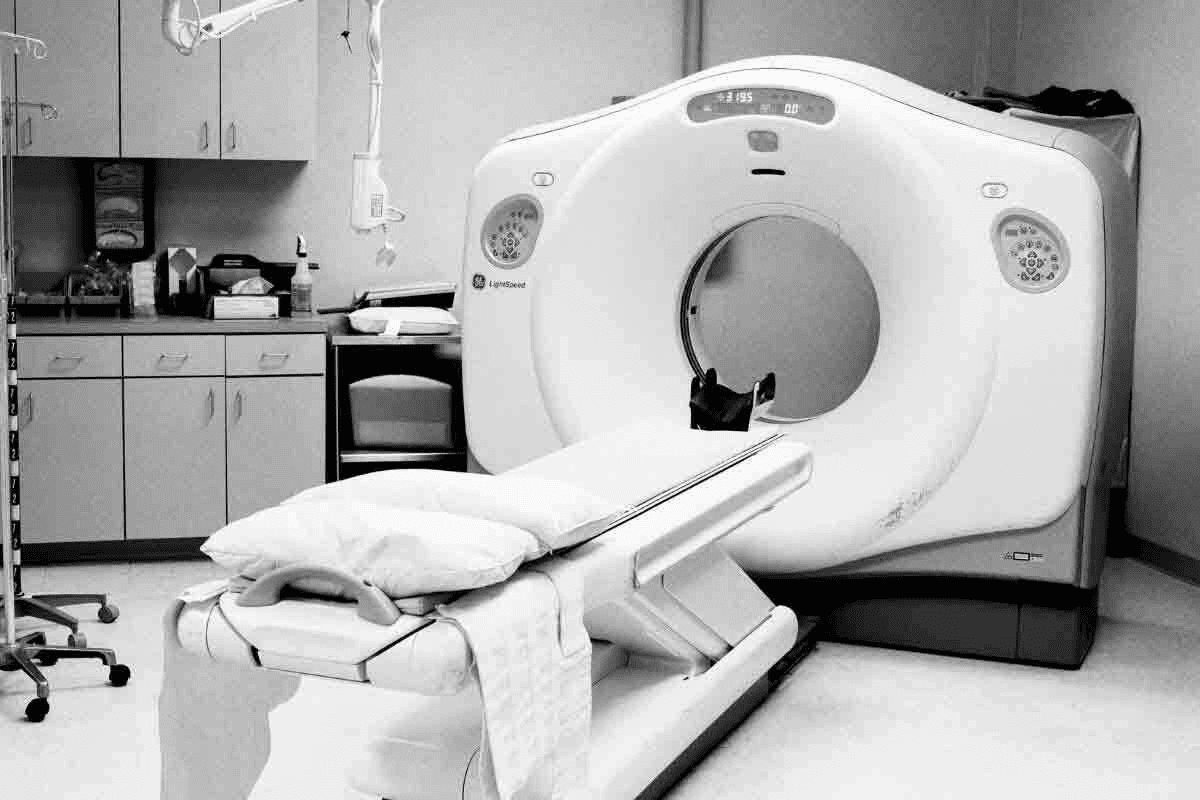
Ultrasound, MRI, or CT scans help visualize prostate abnormalities.
Prostate Biopsy
A biopsy is performed when PSA levels or imaging results indicate possible cancer. Tissue samples are examined to determine whether cancer is present and how aggressive it is.
PSA Levels and Their Significance
Normal PSA Levels
Levels below 4 ng per mL are generally considered normal, although age and prostate size influence this range.
Dangerous PSA Levels
Levels above 10 ng per mL require immediate evaluation. Rapid changes in PSA levels over time can also be a warning sign.
Factors That Affect PSA
PSA levels may increase due to:
• Age
• Prostatitis
• Recent ejaculation
• Urinary retention
• Certain medical procedures
Understanding these factors helps interpret results accurately.

Stages of Prostate Cancer and Their Symptoms
Stage 1
Cancer is small and localized. Symptoms often absent.
Stage 2
Cancer remains in the prostate but may grow. Mild urinary symptoms may appear.
Stage 3
Cancer spreads to surrounding tissues. Blood in urine, pelvic pain, or erectile dysfunction may occur.
Stage 4
Cancer spreads to bones or distant organs. Symptoms include bone pain, fatigue, weight loss, and difficulty walking.
Treatment Options for Prostate Cancer
Active Surveillance
For slow growing cancers, doctors may monitor PSA levels, imaging, and symptoms regularly.
Surgical Options
Radical prostatectomy removes the entire prostate gland. Robotic assisted techniques speed recovery and increase precision.
Radiation Therapy
External beam radiation or internal radiation using implanted radioactive sources may be used.
Hormone Therapy
This treatment reduces male hormone levels to slow cancer growth. It may be combined with radiation or used for advanced disease.
When to Seek Medical Help
Urgent Symptoms
Seek immediate care if you experience:
• Inability to urinate
• Severe pelvic pain
• Blood in urine or semen
• Fever with urinary symptoms
Routine Screenings
Men over 50 and men at high risk should undergo regular screenings based on physician advice.
Prevention Strategies for Prostate Health
Healthy Diet
Include fruits, vegetables, whole grains, and healthy fats. Tomatoes and green tea may support prostate health.
Physical Activity
Regular exercise reduces inflammation, supports hormone balance, and helps maintain healthy weight.
Regular Checkups
Routine PSA tests and medical evaluations are essential for early diagnosis.
Conclusion and Why Liv Hospital Matters
Recognizing early prostate cancer symptoms is essential for timely diagnosis and effective treatment. Paying attention to urinary changes, pelvic discomfort, or unexplained fatigue can help men protect their long term health. Regular screenings and proactive monitoring remain the most reliable ways to detect issues before they progress.
Liv Hospital offers advanced diagnostic tools, expert specialists, and personalized care for men seeking evaluation or treatment for prostate related concerns. With a patient centered approach and modern medical technology, Liv Hospital provides reliable support for maintaining prostate health and addressing problems at the earliest stage.
* Liv Hospital Editorial Board has contributed to the publication of this content .
* Contents of this page is for informational purposes only. Please consult your doctor for diagnosis and treatment. The content of this page does not include information on medicinal health care at Liv Hospital .
For more information about our academic and training initiatives, visit Liv Hospital Academy
Frequently Asked Questions
What are the early signs of prostate cancer?
Early signs may include frequent urination (especially at night), difficulty starting or stopping urination, weak urine flow, or discomfort while urinating. Some men also experience blood in the urine or semen.
Does prostate cancer always show symptoms?
Not always. In many cases, prostate cancer develops slowly and may not show noticeable symptoms in its early stages. Regular screenings are essential for early detection.
What causes prostate cancer?
The exact cause is unknown, but factors like age, genetics, hormonal changes, and diet can increase risk. Men with a family history are at higher risk.
Can prostate cancer spread to other parts of the body?
Yes. In advanced stages, prostate cancer can spread to nearby tissues, lymph nodes, and bones, causing pain or other complications.
What are the symptoms of advanced prostate cancer?
Advanced symptoms may include bone pain, weight loss, fatigue, and erectile dysfunction. Early medical attention is key for managing these symptoms effectively.
How is prostate cancer diagnosed?
Doctors use methods like PSA blood tests, digital rectal exams (DRE), ultrasound, MRI, and biopsy to diagnose and determine the stage of prostate cancer.
What lifestyle changes can help manage prostate cancer symptoms?
Maintaining a balanced diet, regular exercise, limiting alcohol, and quitting smoking can support overall prostate health and improve quality of life during treatment.