Last Updated on October 21, 2025 by mcelik
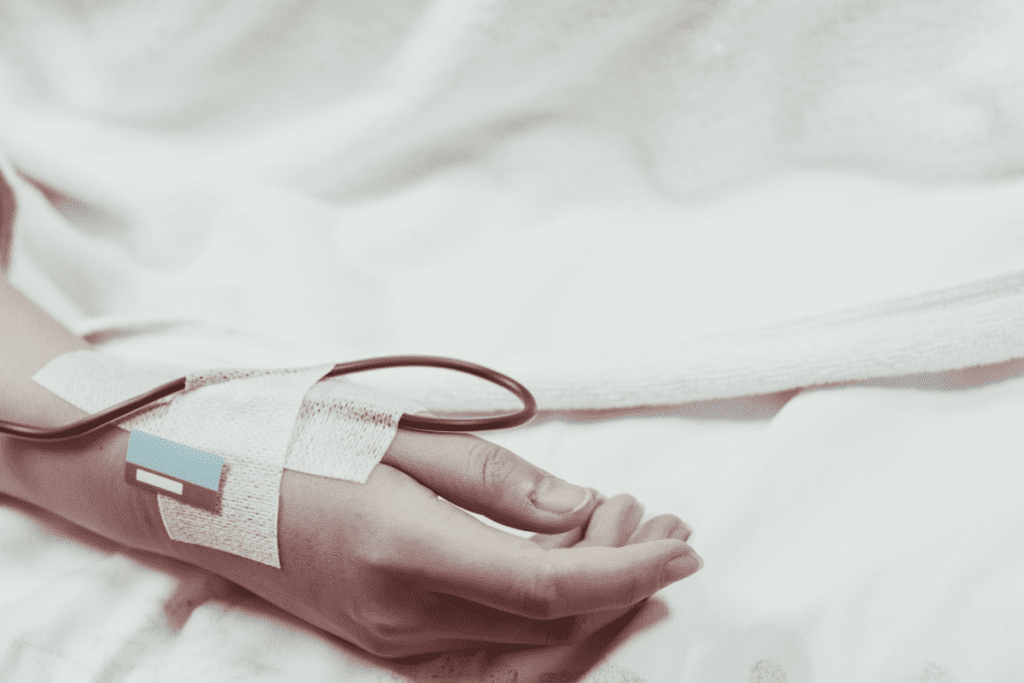
Thalassemia is a genetic blood disorder that affects thousands of people worldwide. Signs of thalassemia include fatigue, weakness, pale or yellowish skin, dark urine, slow growth, and delayed puberty. Some people may also experience bone problems, an enlarged spleen, jaundice, and poor appetite. The symptoms vary depending on the severity and type of thalassemia, with severe cases often appearing within the first two years of life. Early diagnosis and management are crucial to help reduce complications and improve quality of life.
We are committed to helping you understand the key signs of this condition. These signs are vital for timely diagnosis and treatment. Thalassemia disease can manifest in different forms. Recognizing its signs is essential to manage the condition effectively.
Key Takeaways
- Thalassemia is a genetic disorder affecting hemoglobin production.
- Anemia is a primary symptom of thalassemia disease.
- Recognizing key signs is vital for timely diagnosis.
- Early treatment can significantly improve the quality of life.
- Thalassemia requires complete medical care and support.
Understanding Thalassemia: A Genetic Blood Disorder
Thalassemia is a genetic disorder that affects how the body makes hemoglobin. Hemoglobin is a protein in red blood cells that carries oxygen. This condition leads to abnormal hemoglobin production, causing anemia and other health problems.
What Is Thalassemia Disease?
Thalassemia is a hereditary condition that affects hemoglobin production. It causes anemia and other health issues. It happens because of genetic mutations that affect the alpha or beta chains of hemoglobin.
How Thalassemia Affects Hemoglobin Production
In thalassemia, genetic mutations either reduce or make the alpha-globin or beta-globin chains of hemoglobin defective. This results in less normal hemoglobin being made, leading to anemia.
Prevalence and Demographics in the United States
Thalassemia is more common in certain ethnic groups. This includes people of Mediterranean, Middle Eastern, and South Asian descent. In the United States, thousands of people have thalassemia, with varying severity levels.
| Ethnic Group | Prevalence of Thalassemia |
| Mediterranean | High |
| Middle Eastern | Moderate to High |
| South Asian | Moderate |
| Others | Low |
Knowing the prevalence and demographics of thalassemia is key for diagnosis and management. It’s important to consider these factors when assessing the risk and impact of thalassemia in different populations.
Types of Thalassemia and Their Severity
It’s important to know the different types of thalassemia to understand and manage this blood disorder. Thalassemia affects how the body makes hemoglobin, leading to various forms with different severities.
Alpha Thalassemia vs. Beta Thalassemia
Thalassemia is mainly split into alpha and beta types. The main difference is in the globin chains affected. Alpha thalassemia happens when there’s a problem with the genes for alpha-globin. Beta thalassemia is caused by issues with the genes for beta-globin.
Thalassemia Major (Cooley’s Anemia)
Thalassemia major, also known as Cooley’s Anemia, is the most severe beta thalassemia. People with this condition have severe anemia and need regular blood transfusions to live. Without treatment, it can cause serious health problems, like organ damage and growth issues.
Thalassemia Minor (Thalassemia Trait)
Thalassemia minor, or thalassemia trait, is a milder version. It involves a mutation in one beta-globin gene (beta thalassemia minor) or a few alpha-globin genes (alpha thalassemia minor). Those with thalassemia minor might have mild anemia but usually live normal lives without needing much medical help.
Thalassemia Intermedia
Thalassemia intermedia is in between thalassemia major and minor in severity. It’s caused by various genetic mutations affecting hemoglobin production. This leads to anemia that’s not as bad as in thalassemia major but is significant.
As we’ve seen, thalassemia types and their severity range from mild to severe. Knowing these differences is essential for proper care and management of those affected.
Genetic Causes and Inheritance Patterns
Thalassemia is a genetic disorder that affects how red blood cells make hemoglobin. This is a key protein. It happens because of changes in genes that make hemoglobin subunits.
Genetic Mutations Behind Thalassemia
Mutations in the HBB or HBA1/2 genes cause thalassemia. These genes are for the beta-globin or alpha-globin parts of hemoglobin.
Inheritance Patterns and Carrier Status
Thalassemia is passed down in an autosomal recessive way. This means you need two mutated genes to have the condition. People who carry the gene have one mutated gene and usually don’t show symptoms.
Signs of Thalassemia: Primary Symptoms
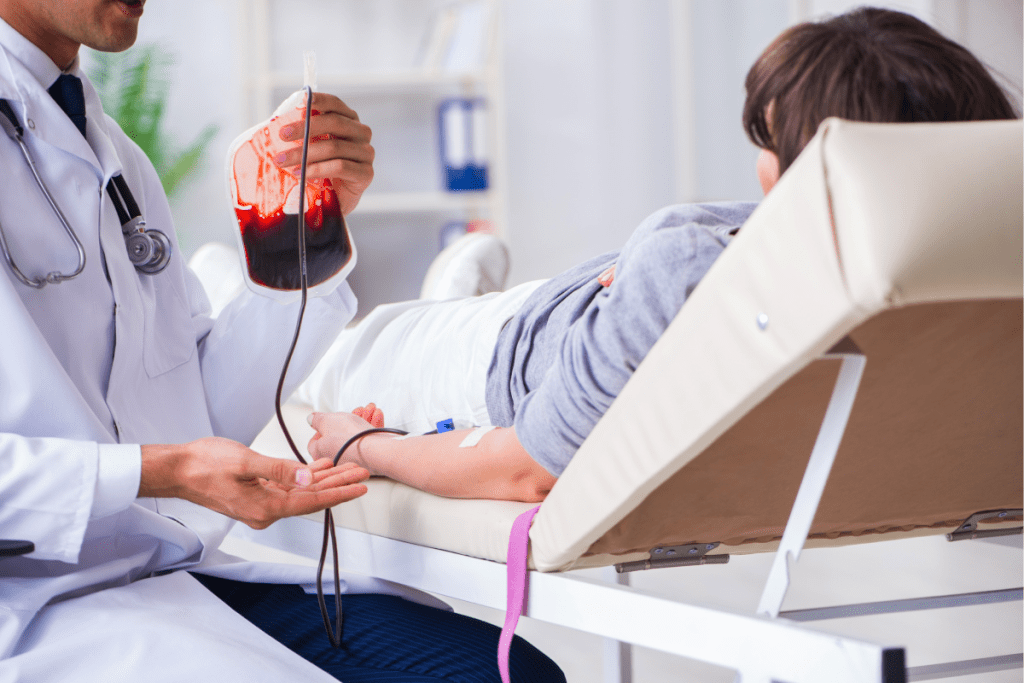
Thalassemia is a genetic blood disorder that affects many people. It shows through several key symptoms that can really change someone’s life. These signs happen because the body can’t make enough hemoglobin, a key protein in red blood cells.
Fatigue and Weakness
Fatigue is a big symptom of thalassemia. It’s feeling very tired or lacking energy. This is because the body has fewer red blood cells or less hemoglobin. This makes it hard for oxygen to reach all parts of the body.
People with thalassemia often feel weak. Simple tasks can feel like a big challenge.
Pale Skin and Mucous Membranes
Pale skin and mucous membranes are also signs. This is because there are fewer red blood cells or less hemoglobin. The skin looks pale or washed out, often in the face, lips, and nail beds.
Shortness of Breath During Physical Activity
People with thalassemia might have shortness of breath when they’re active or even when they’re just sitting. This is because the body can’t get enough oxygen. It makes breathing feel hard or like you’re not getting enough air.
Poor Appetite and Slow Growth
In kids, thalassemia can cause poor appetite and slow growth. Not having enough hemoglobin and red blood cells makes it hard for the body to grow right. A poor appetite can also make nutritional problems worse.
Knowing these symptoms is key for early diagnosis and treatment. Early action can really help improve life for those with thalassemia.
| Primary Symptom | Description |
| Fatigue and Weakness | Tiredness and lack of energy due to inadequate hemoglobin and red blood cells. |
| Pale Skin and Mucous Membranes | Pallor resulting from reduced red blood cells or hemoglobin. |
| Shortness of Breath | Difficulty breathing due to insufficient oxygen delivery. |
| Poor Appetite and Slow Growth | Nutritional and developmental issues in children due to thalassemia. |
Physical Manifestations of Thalassemia
Thalassemia is a genetic disorder that affects how the body makes hemoglobin. It leads to physical problems that can greatly reduce one’s quality of life. These problems include bone deformities and organ enlargement.
Facial and Skull Bone Deformities
Bone deformities in the face and skull are common in thalassemia. Bone deformities happen because the body tries to make more red blood cells. This can change the face and skull’s shape.
Enlarged Spleen and Abdominal Swelling
The spleen often gets bigger in thalassemia, a condition called splenomegaly. This is because the spleen works harder to remove damaged red blood cells. It can cause stomach swelling and pain, needing medical help.
Enlarged Liver and Its Implications
The liver also gets bigger in thalassemia. It tries to handle the extra red blood cell breakdown products. An enlarged liver can cause liver problems and increase the risk of infections.
Leg Ulcers and Skin Problems
People with thalassemia might get leg ulcers and skin issues. These ulcers are painful and hard to heal, needing special care. Skin problems can really affect a person’s life, so they need quick attention.
The physical signs of thalassemia vary and can deeply affect a person’s health. Knowing about these signs is key to giving good care to those with this disorder.
Symptoms by Age of Onset
Thalassemia symptoms change with age, making early diagnosis key. It’s important to understand these changes to give the right care.
Symptoms in Infants and Young Children
Infants and young kids with thalassemia often look pale and tired. They may not grow as they should. Finding and treating it early is vital.
Symptoms in Adolescents
As teens with thalassemia grow, their symptoms change. They might feel tired, grow slower, and have trouble breathing. These signs are due to anemia.
Symptoms in Adults
Adults with thalassemia face iron buildup issues. This can harm the heart, liver, and glands. They need constant care to avoid these problems.
Distinguishing Thalassemia Major Symptoms
Thalassemia major, also known as Cooley’s anemia, has severe symptoms that affect life quality. It causes physical and developmental problems that need careful medical care.
Severe Anemia Requiring Regular Blood Transfusions
Severe anemia is a key symptom of thalassemia major. People need regular blood transfusions to keep their hemoglobin levels up. Without these, they face extreme fatigue, weakness, and other issues from not enough oxygen to their bodies.
Growth and Development Issues
Thalassemia major can cause growth and development issues in kids. It affects their health and well-being. The body’s trouble making healthy red blood cells can slow down growth in height and weight.
Bone Deformities and Skeletal Changes
The bone marrow expands in thalassemia major, leading to bone deformities and skeletal changes. This happens as the body tries to make up for the lack of healthy red blood cells. It changes the bone structure, mainly in the face and skull.
Delayed Puberty and Hormonal Problems
People with thalassemia major might face delayed puberty and hormonal imbalances. This is because of iron buildup from blood transfusions. It can harm their reproductive health and growth during adolescence.
Knowing these symptoms is key to managing thalassemia major well. By spotting the signs and giving the right care, we can greatly improve life for those with this condition.
Recognizing Thalassemia Minor Signs
Thalassemia minor, also known as beta-thalassemia trait, is a mild form of thalassemia. It can often be misdiagnosed or underdiagnosed. People with thalassemia minor might have mild anemia or no symptoms at all. This makes it hard to diagnose without the right tests.
Mild Anemia Symptoms
Those with thalassemia minor might feel tired, weak, and short of breath. These are mild anemia symptoms.
Differentiating from Iron Deficiency Anemia
It’s important to tell thalassemia minor apart from iron deficiency anemia. The two need different treatments. Thalassemia minor is a genetic disorder that affects hemoglobin production, not a lack of iron.
Importance of Accurate Diagnosis
Getting the right diagnosis is key. It helps avoid giving the wrong treatment and ensures proper genetic counseling.
Complications and Secondary Symptoms
It’s important to know the complications of thalassemia for good disease management. Thalassemia can cause many secondary symptoms and problems. These affect different parts of the body.
Iron Overload and Its Effects on Organs
Iron overload is a big problem in thalassemia, caused by many blood transfusions. Too much iron can harm organs like the heart, liver, and glands. This can cause damage.
Iron overload can cause liver scarring and heart problems. Keeping iron levels in check is key to avoiding these issues.
Heart Problems and Cardiac Complications
Heart issues are common in thalassemia patients, often because of iron overload. These can include irregular heartbeats, heart failure, and inflammation around the heart.
- Arrhythmias: Abnormal heart rhythms that can be life-threatening if not treated.
- Heart Failure: The heart’s inability to pump enough blood, leading to fatigue and shortness of breath.
Endocrine Disorders and Hormonal Imbalances
Thalassemia can also cause endocrine problems because of iron overload affecting glands. Issues include growth hormone deficiency, low thyroid function, and diabetes.
“The endocrine complications of thalassemia major are a significant concern, requiring regular monitoring and management.” –
A leading hematologist
Increased Susceptibility to Infections
People with thalassemia, and those with spleen problems or after spleen removal, get sick more easily. They might need regular shots and antibiotics to prevent infections.
| Complication | Description | Management |
| Iron Overload | Excess iron accumulation in organs | Iron chelation therapy |
| Heart Problems | Cardiac dysfunction and arrhythmias | Monitoring, medication for heart conditions |
| Endocrine Disorders | Hormonal imbalances and deficiencies | Hormone replacement therapy |
Knowing about these complications helps doctors give better care to thalassemia patients. This improves their quality of life.
When to Seek Medical Attention
Knowing when to see a doctor is key in managing thalassemia. We need to watch for warning signs that mean we should get help right away. Also, we should know when to get tested for this condition.
Warning Signs That Require Immediate Care
Some symptoms need quick medical help. Look out for severe anemia, which can make you feel very tired, weak, and short of breath. Also, watch for an enlarged spleen or liver, which might cause your belly to swell and hurt. If you notice these signs, you should get medical help fast.
Symptoms That Warrant Screening for Thalassemia
Mild anemia, pale skin, and feeling tired are signs that might mean you have thalassemia. If you’re feeling these symptoms and have a family history of the disease, you should get tested. Early detection is important for managing the condition well.
Family History Considerations
Having a family history of thalassemia is a big risk factor. If your family members have it, talk to your doctor about your risk. They can tell you if you need to get tested and monitored.
Knowing about thalassemia and its symptoms helps you get medical help when you need it. This ensures you get diagnosed and treated on time.
Diagnostic Process for Thalassemia
Diagnosing thalassemia requires a few steps. First, doctors look at your medical history and do a physical exam. They check for signs like anemia, fatigue, and a big spleen.
Complete Blood Count (CBC)
A CBC is a key test at the start. It checks your blood’s components, like hemoglobin and red blood cells. If the results are off, it might mean thalassemia or another blood issue.
| CBC Parameter | Normal Range | Thalassemia Indication |
| Hemoglobin (g/dL) | 13.5-17.5 (male), 12-16 (female) | Low |
| MCV (fL) | 80-100 | Often decreased |
Hemoglobin Electrophoresis
Hemoglobin electrophoresis is a vital test. It separates and measures different hemoglobins in your blood. This helps figure out the type of thalassemia you have.
Genetic Testing and Prenatal Diagnosis
Genetic testing looks at genes for hemoglobin to find thalassemia mutations. Prenatal tests like CVS or amniocentesis can check the fetus’s health.
Knowing how thalassemia is diagnosed helps people understand and manage it better.
Treatment Approaches for Thalassemia
Thalassemia treatment has come a long way, with many ways to manage this genetic disorder. Understanding these treatments is key to managing thalassemia well.
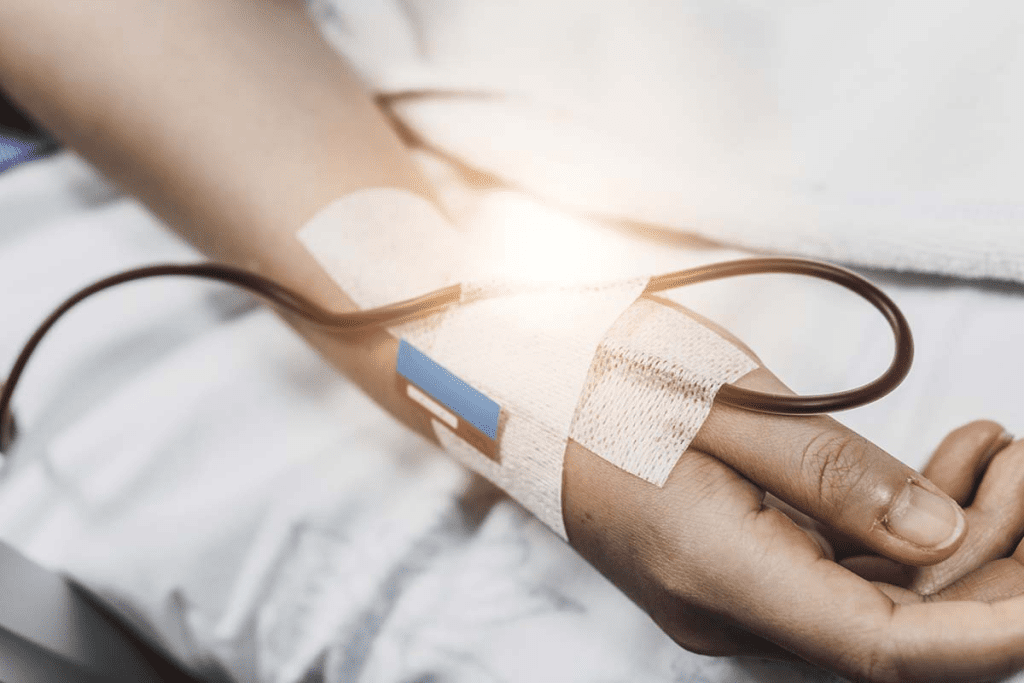
Blood Transfusion Therapy
Blood transfusions are a mainstay for thalassemia major. They keep hemoglobin levels up, preventing severe anemia’s dangers. “Regular blood transfusions have changed thalassemia major treatment, greatly improving patients’ lives,” doctors say.
But, getting blood often can cause iron buildup, needing extra treatments.
Iron Chelation Medications
Iron chelation therapy tackles iron buildup from blood transfusions. Drugs like deferoxamine and deferasirox remove extra iron, protecting organs. It’s vital for patients to stick to their chelation plan to avoid problems.
Bone Marrow and Stem Cell Transplantation
Bone marrow transplantation could cure thalassemia. It swaps the patient’s marrow with healthy marrow from a donor. Though risky, it’s considered for severe cases.
Emerging Gene Therapy Options
Gene therapy is a new hope for thalassemia. It fixes the genetic flaw causing thalassemia, aiming for a cure. Though early, gene therapy trials are promising, giving hope for the future.
In summary, thalassemia treatment spans from blood transfusions to gene therapy. Each method has its pros and cons. The best plan is one that fits the patient’s unique needs.
Living with Thalassemia: Management Strategies
Managing thalassemia well needs a full plan. This includes good nutrition, staying active, and regular doctor visits. With the right plan, people with thalassemia can live full and happy lives.
Nutritional Considerations and Dietary Guidelines
Eating right is key for thalassemia patients. Nutritional considerations are very important. They should eat foods high in iron, calcium, and vitamin D. But, they should not eat too much iron to avoid iron overload.
We suggest talking to a dietitian to make a meal plan that fits their needs.
Physical Activity Recommendations
Staying active is good for health and helps with thalassemia symptoms. Walking, swimming, and yoga are good choices. But, they should avoid high-impact sports that could hurt them.
Monitoring and Regular Medical Check-ups
Regular doctor visits are important to keep an eye on the condition. They check for anemia, iron levels, and other thalassemia-related problems. Monitoring helps doctors catch and fix problems early, which is better for health.
Psychological and Social Support Resources
Thalassemia can affect a person’s mind and social life. Getting psychological support from counseling or support groups is very helpful. These resources help people deal with the emotional side of the disease and feel connected.
By using these strategies every day, people with thalassemia can manage their condition better. Healthcare experts say being proactive and informed is the best way to handle thalassemia.
“The key to managing thalassemia lies in a full and coordinated care approach that meets the physical, emotional, and social needs of the individual.”
” A Hematologist
Conclusion: Recognizing and Addressing Thalassemia Signs
It’s key to spot thalassemia signs early for quick diagnosis and treatment. We’ve talked about signs like fatigue, pale skin, and shortness of breath. These are common in thalassemia.
Managing thalassemia well means getting regular blood transfusions and iron chelation therapy. In severe cases, bone marrow transplants are needed.
Early detection and the right treatment can greatly improve life for those with thalassemia. We stress the need for genetic testing and counseling for families with thalassemia history. Knowing the signs helps us give better care and support.
FAQ
What are the primary symptoms of thalassemia?
Thalassemia symptoms include fatigue, weakness, and pale skin. You might also experience shortness of breath. These happen because your body makes less hemoglobin, a key protein in red blood cells.
How is thalassemia diagnosed?
Doctors use blood tests to find thalassemia. These include a complete blood count (CBC) and hemoglobin electrophoresis. Genetic testing and prenatal tests like CVS or amniocentesis are also used.
What are the different types of thalassemia?
Thalassemia has two main types: alpha and beta thalassemia. Beta thalassemia is split into thalassemia major, minor, and intermedia. Each type has its own severity level.
How is thalassemia treated?
Treatment varies based on the type and severity of thalassemia. It might include blood transfusions, iron chelation therapy, or bone marrow transplantation. Gene therapy is also being researched.
Can thalassemia be managed through lifestyle changes?
Yes, managing thalassemia involves dietary changes and staying active. Regular health check-ups are also important. Psychological and social support help too.
What are the complications associated with thalassemia?
Thalassemia can lead to iron overload, affecting organs like the heart and liver. It can also cause heart issues, endocrine disorders, and make you more prone to infections. Regular monitoring and treatment can help manage these risks.
Is thalassemia curable?
Thalassemia is not curable in the traditional sense. But treatments like bone marrow transplantation or gene therapy might offer a cure.
How does thalassemia affect family planning?
Knowing if you carry the thalassemia gene is key for family planning. If both partners are carriers, there’s a risk of passing it to their kids. Genetic counseling can help understand these risks and options.
References
National Heart, Lung, and Blood Institute ” Thalassemia Overviewhttps://www.nhlbi.nih.gov/health/thalassemia