Last Updated on December 2, 2025 by Bilal Hasdemir

Understanding how well a vasectomy works as a permanent birth control is key. We look into the chance of pregnancy five years after a vasectomy. Recent US data shows the vasectomy pregnancy rate is about 0.58%, meaning roughly 1.97 pregnancies per 1,000 people each year. This demonstrates that vasectomy is very effective in preventing pregnancy. Even though a vasectomy is highly reliable, it’s not 100% foolproof. Things like recanalization, where the vas deferens grow back together, can reduce its effectiveness. Signs your vasectomy grow back together may include symptoms such as delayed scrotal pain and hematospermia (blood in semen), which should prompt medical evaluation. Understanding these signs can help those looking for long-lasting birth control options make informed decisions.
Key Takeaways
- The overall pregnancy rate after vasectomy is low, at 0.58%.
- Vasectomy is a highly effective form of permanent birth control.
- Recanalization is a rare phenomenon that can lead to pregnancy after vasectomy.
- Clinical follow-up is essential for ensuring the success of the procedure.
- Experienced care is key to avoid complications.
Understanding Vasectomy Effectiveness Over Time
Understanding vasectomy is key for those thinking about it as a birth control method. It’s a surgery for men to prevent pregnancy. It’s popular because it works well.
How Vasectomies Work as Permanent Contraception
A vasectomy cuts or blocks the vas deferens. This stops sperm from getting into semen. It’s done under local anesthesia and takes 15-30 minutes.
It’s a permanent way to stop sperm from reaching the semen. This means no chance of fertilization.
Research shows that vasectomy is very effective. It has a failure rate of less than 1% (Source: Journal of Medical Case Reports). It’s a reliable choice for avoiding pregnancy.
Vasectomy Success Rates Compared to Other Contraceptive Methods
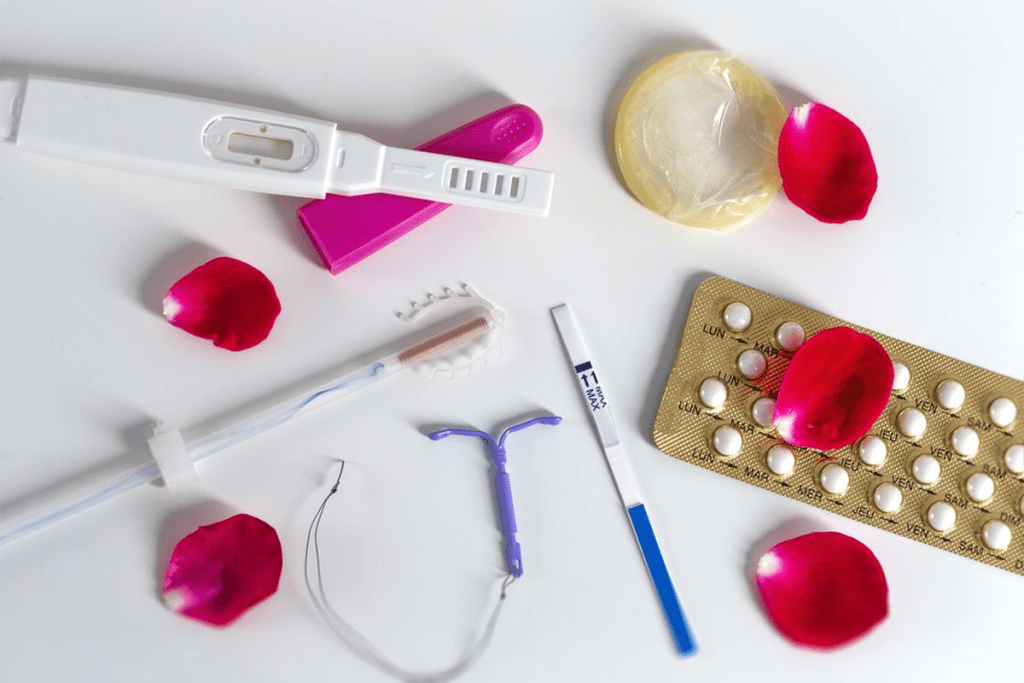
Vasectomy’s success rate is high compared to other methods. Unlike condoms or pills, it’s a permanent solution. It’s confirmed after a check-up shows no sperm in the semen.
Other methods, like tubal ligation, are also effective but more invasive. Vasectomy is less invasive and has a quicker recovery. It’s great for couples who don’t want more kids.
Vasectomy is reliable and has low complication rates. While there are risks, serious problems are rare. Men who get vasectomies are often very happy with the results.
Statistical Data: Long-Term Pregnancy Rates After Vasectomy
Understanding how well a vasectomy works is key for men thinking about it as a permanent birth control. We’ll look at the data on pregnancy rates after vasectomy. This will give us a better idea of the chances of getting pregnant at different times after the procedure.
Current Research on Vasectomy Failure Rates
Recent studies have looked closely at how well vasectomy works over time. They’ve found that the chance of failure is small but real. At 1 year, the failure rate is 7.4 per 1,000 procedures. By 2, 3, and 5 years, it goes up to 11.3 per 1,000 (Source: U.S. Collaborative Review of Sterilization).
This shows that vasectomy is very effective but not foolproof. Even years later, there’s a small chance of pregnancy.
The risk of getting pregnant after a vasectomy is a big worry for many men. Our review of the latest research shows that this risk doesn’t grow over time. This gives men who’ve chosen a vasectomy a bit of peace of mind.

Pregnancy Odds at Different Time Intervals Post-Procedure
Looking at the chances of pregnancy at different times after vasectomy is helpful. Studies show that most pregnancies after vasectomy happen in the first few years. But the risk is small and stays low even years later.
To answer the question, “How often do vasectomies fail?” we see that the failure rate is low. The data on pregnancy chances after vasectomy at various times helps men understand their risks.
The 5-Year Mark: What the Numbers Tell Us
At 5 years, the data on vasectomy failure rates is clear. The U.S. Collaborative Review of Sterilization found a failure rate of 11.3 per 1,000 procedures. This is important for men thinking about vasectomy, as it tells them about pregnancy after a vasectomy in the long run.
Knowing the probability of pregnancy after vasectomy at different times helps men make smart choices about their reproductive health. Vasectomy is seen as a very effective birth control, but it’s good to know about the small chance of pregnancy.
In summary, the data on long-term pregnancy rates after vasectomy show a small risk but high effectiveness. Men thinking about a vasectomy should know these numbers. This helps them understand what to expect and make informed choices about their reproductive health.
Signs Your Vasectomy Grew Back Together: Understanding Recanalization
Recanalization is when a vasectomy fails, allowing for pregnancy. It happens when the vas deferens reconnects, making a new path for sperm.
What is recanalization, and how does it happen
Recanalization is the body’s attempt to heal the cut vas deferens. Medical research shows it can sometimes join the cut ends back together, undoing the vasectomy.
“The exact mechanisms behind recanalization are not fully understood, but it is believed to be related to the body’s natural healing processes,” as noted in various medical studies.
Early vs. late recanalization
Recanalization can happen early or late after a vasectomy. Early recanalization is within a few months. Late recanalization can happen years later, making long-term follow-up key.
Late recanalization is rare but shows why knowing the signs of vasectomy failure is important.
Physical symptoms that may indicate vasectomy failure
While recanalization often has no symptoms, some men may notice signs of vasectomy failure. These include:
- Pain or swelling in the testicles or groin area
- Lumps or masses near the vasectomy site
- Changes in semen analysis results
It’s vital for those who’ve had a vasectomy to watch for these signs. If they notice anything unusual, they should see their healthcare provider.
Pregnancies years after a vasectomy are rare, mostly due to recanalization. Knowing about this can help you understand the risks of vasectomy.
Factors That Influence Long-Term Vasectomy Success
Understanding what makes a vasectomy successful is key for those thinking about it. Vasectomies are very effective for preventing pregnancy. But, like any surgery, success depends on several things.
Post-Vasectomy Semen Analysis: A Critical Follow-Up
The post-vasectomy semen analysis (PVSA) is a big factor in vasectomy success. This test checks if the procedure worked by looking for sperm in the semen. Not doing this test can slightly increase the chance of failure.
It’s important to stick to the follow-up plan to make sure the vasectomy worked. This usually means giving semen samples at set times until no sperm is found.
The Role of Surgical Technique and Surgeon Experience
The way the vasectomy is done and the surgeon’s skill also matter a lot. Different methods and more experienced surgeons can lower the risk of problems or failure. Studies, like those from livhospital.com, show that experienced surgeons and proper follow-up are key.
When picking a surgeon, look at their experience with vasectomies. Also, talk about the method they plan to use. This can help make a better choice and lower the chance of failure.
Addressing Pregnancy After Vasectomy
If pregnancy happens after a vasectomy, it’s important to know what to do. Vasectomies are very effective, but nothing is 100% safe. If pregnancy occurs, see a healthcare provider to talk about options.
Also, some vasectomies can be reversed. But how well it works depends on many things, like how long ago the vasectomy was done. For example, can a vasectomy be reversed after 15 years? It depends on the original method and the person’s health.
Conclusion: Managing Expectations and Next Steps
Knowing the chances of getting pregnant after a vasectomy is key for those thinking about it. Studies show vasectomy is very effective, with a low chance of failure.
Improving and keeping care high in vasectomy procedures is vital. Knowing what makes a vasectomy successful helps people make smart choices about their future. This includes understanding the role of semen tests and the surgery itself.
While the chance of pregnancy after a vasectomy is low, it’s not impossible. It’s important to follow the post-procedure steps and go to follow-up visits. This way, we can lower the risk of pregnancy and give people confidence in their choice.
FAQ
What are the chances of getting pregnant after a vasectomy?
Getting pregnant after a vasectomy is rare, with a failure rate of about 1 in 2,000. Yet, it can happen due to recanalization.
Can a vasectomy reverse itself?
Yes, sometimes a vasectomy can reverse itself. This is called recanalization, where the vas deferens reconnects, allowing sperm to flow again.
What is recanalization, and how does it happen?
Recanalization is when the vas deferens, cut during a vasectomy, reconnects. This can lead to pregnancy. The exact reasons for recanalization are not fully known, but it’s thought to be due to surgical technique and individual anatomy.
How often do vasectomies fail?
Vasectomy failure is rare, happening in about 1 in 2,000 cases. The chance of pregnancy after a vasectomy depends on the surgical method and the surgeon’s experience.
What are the odds of pregnancy 5 years after a vasectomy?
Even 5 years after a vasectomy, the chance of pregnancy remains low. But, it can vary based on individual factors, like recanalization.
Can a vasectomy be reversed after 15 years?
Vasectomy reversal is possible, but success rates drop with time. Reversal after 15 years is more challenging, and the chance of a successful pregnancy is lower.
What should I do if I get pregnant after a vasectomy?
If you or your partner gets pregnant after a vasectomy, see a healthcare provider. They can help you figure out the best next steps.
How important is post-vasectomy semen analysis?
Post-vasectomy semen analysis is key to confirming the procedure’s success. It shows if the vasectomy worked, reducing the risk of pregnancy.
Does the experience of the surgeon affect vasectomy success rates?
Yes, a surgeon’s experience greatly affects vasectomy success rates. More experienced surgeons tend to have higher success rates and fewer complications.
Reference
- da Silva, S. M. (2022). Reproductive axis ageing and fertility in men. Frontiers in Endocrinology. https://www.ncbi.nlm.nih.gov/pmc/articles/PMC9789007/