Last Updated on November 25, 2025 by Ugurkan Demir

Nearly 45 percent of heart attacks are silent MI. They happen without warning, putting patients at risk for serious problems. At Liv Hospital, we focus on spotting the hidden signs of a silent MI. This is to give top-notch care that puts patients first.Learn silent MI symptoms and how to detect hidden heart attack signs early.
Silent MI symptoms are often missed, leading to late diagnosis and more risks. It’s key to spread the word about the hidden signs of a heart attack. This way, we can get help fast.
Key Takeaways
- Nearly half of heart attacks occur without noticeable symptoms.
- Delayed diagnosis can lead to serious complications.
- Awareness of silent MI symptoms is key for quick medical help.
- Liv Hospital offers advanced and patient-focused heart care.
- Spotting the signs of a silent MI can save lives.
Understanding Silent Myocardial Infarction
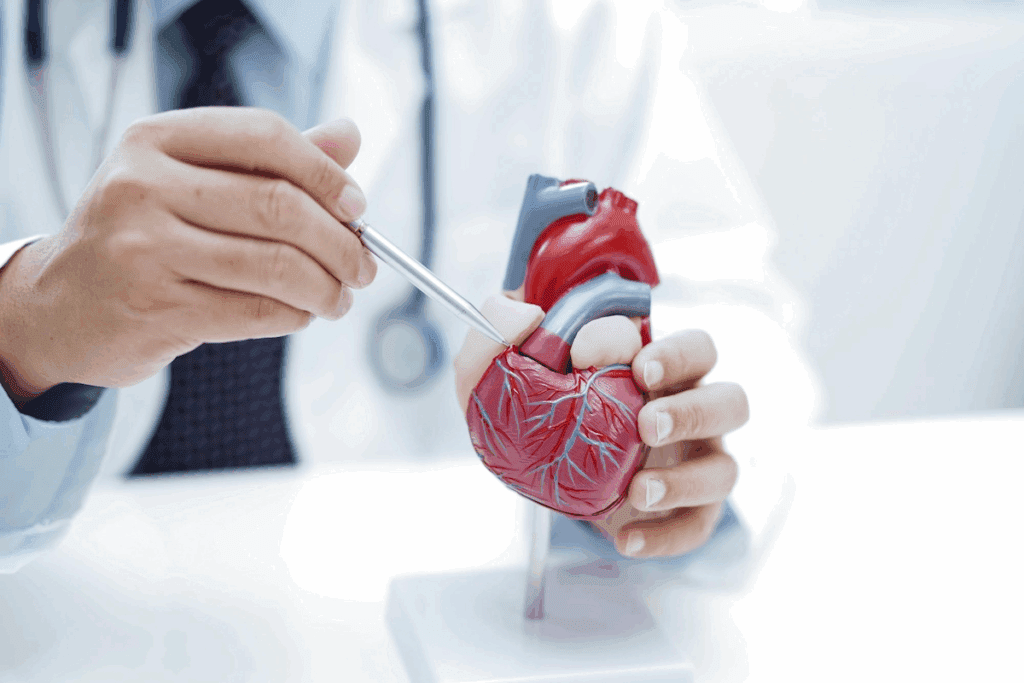
Silent myocardial infarction is a heart attack that happens without the usual signs. It’s a silent threat. This condition, also known as a silent heart attack, damages the heart muscle due to a lack of blood flow. People often don’t feel the chest pain or discomfort that usually comes with a heart attack.
What Is a Silent Heart Attack?
A silent heart attack happens when the heart’s blood flow is blocked for too long. This damages or kills part of the heart muscle. It’s usually because of a blockage in the coronary arteries by plaque.
Unlike a typical heart attack, a silent heart attack doesn’t have the usual symptoms like severe chest pain.
How Common Are Silent MIs?
Silent myocardial infarctions are more common than many think. Research shows that 20% to 40% of heart attacks are silent. This means they happen without noticeable symptoms. It’s important to understand and recognize silent MIs for early detection and treatment.
- Silent MIs are often found during medical exams for other reasons.
- They are more common in people with diabetes.
- Men are more likely than women to have silent heart attacks.
The Dangerous Reality of Undetected Heart Attacks
The danger of silent myocardial infarctions is that they can go unnoticed. This can lead to more heart damage or make treating other heart conditions harder. Without quick medical help, a silent heart attack can cause serious complications like heart failure or arrhythmias.
It’s important to know the risks and understand silent myocardial infarctions. We must be aware of the chance for silent heart attacks and take steps to protect our heart health.
Risk Factors for Silent Myocardial Infarction

There are many factors that can lead to silent myocardial infarction. These include both health conditions and lifestyle choices. Knowing these factors helps us find people at risk and take steps to prevent it.
Medical Conditions That Increase Risk
Some health conditions make it more likely to have a silent myocardial infarction. These include:
- Diabetes: People with diabetes are at higher risk. This is because diabetes can damage nerves, making it hard to feel pain from a heart attack.
- Hypertension: High blood pressure can cause heart disease. This increases the risk of silent MI.
- History of Cardiovascular Disease: Those who have had heart disease before are more likely to have a silent heart attack.
Managing health well is key to reducing these risks.
Lifestyle Factors Contributing to Silent MI
Our lifestyle choices also affect the risk of silent myocardial infarction. Important factors include:
- Smoking: Smoking harms the heart and increases heart disease risk.
- Physical Inactivity: Not exercising regularly can harm heart health.
- Unhealthy Diet: Eating too much saturated fat, cholesterol, and sodium can raise heart disease risk.
Recognizing Silent MI Symptoms: The Warning Signs
It’s key to spot the signs of a silent myocardial infarction (MI) early. Silent heart attacks don’t show the usual chest pain of a regular heart attack. This makes them very dangerous.
Why Silent Heart Attacks Often Go Undetected
Silent heart attacks are hard to catch because their signs are mild or seem like other issues. For example, feeling tired or a bit uncomfortable might be seen as stress or too much work. The quiet nature of these signs makes it tough for people to see how serious they are.
Comparison to Traditional Heart Attack Symptoms
Unlike regular heart attacks, which cause sharp chest pain, silent MIs might not hurt at all. Instead, they can show up as unusual tiredness, short breath, or a bit of discomfort in the arms, back, or jaw. This makes it important to know about all the possible signs.
The Importance of Early Recognition
Spotting silent MI symptoms early is key to avoiding lasting heart damage. Quick medical care can greatly help by reducing heart damage. So, knowing the warning signs and getting help fast is very important.
In short, knowing and spotting silent MI symptoms can save lives. By understanding the subtle signs and the need for early detection, people can help keep their hearts safe.
Symptom #1: Unusual Fatigue and Weakness
Fatigue is a common complaint, but severe or lasting fatigue can signal a heart problem. It’s a key symptom of a silent heart attack, often without chest pain. This makes it hard to spot, as it can be mistaken for other issues.
How to Distinguish from Normal Tiredness
Telling normal tiredness from MI-related fatigue is tricky. Normal tiredness comes after hard work and goes away with rest. But MI fatigue lasts long, doesn’t tie to activity, and doesn’t get better with rest. A study found that fatigue often comes before a heart attack. This fatigue is a warning sign.
When Fatigue Warrants Medical Attention
See a doctor if you have lasting fatigue, if it stops you from doing daily tasks, or if it comes with other signs like shortness of breath. “Unusual fatigue, with other symptoms, needs a full medical check-up.” Catching these signs early can save lives.
The Physiological Connection Between Fatigue and Heart Function
The link between fatigue and heart issues in a silent MI is complex. Heart damage makes it hard to pump blood well. This leads to less oxygen to the body, causing fatigue and weakness. A doctor explains, “The heart’s poor pumping can cause fatigue due to less oxygen to the body’s tissues.” Knowing this helps in early detection and treatment.
Symptom #2: Mild Discomfort in the Chest, Arms, or Jaw
Silent MI can cause mild, often unnoticed discomfort in the chest, arms, or jaw. This subtle symptom makes diagnosis tricky. It doesn’t match the typical heart attack profile.
Subtle Pain Patterns to Watch For
The discomfort of silent MI can show up in different ways. It might feel like mild pressure, a squeeze, or a dull ache in the chest. This pain can spread to the arms, back, or jaw. It’s key to remember that this pain can be off and on, and not always strong.
Some people might feel pain or discomfort in:
- The chest, feeling like pressure or a mild squeeze
- The arms, often the left one, but can be both
- The jaw, usually on the left side, or the neck
- The back, between the shoulder blades
How Silent MI Pain Differs from Other Conditions
Silent MI pain is different from other conditions because of its nature and triggers. Unlike angina, which is triggered by exertion and relieved by rest, silent MI pain can happen anytime. It’s also important to note that silent MI pain is not necessarily related to physical activity.
| Condition | Pain Characteristics | Triggers |
| Silent MI | Mild, intermittent, can be in chest, arms, or jaw | Variable, not necessarily related to exertion |
| Angina | Typically squeezing or pressure, in chest | Exertion, relieved by rest |
Anterolateral Ischemia and Its Dangers
Anterolateral ischemia is when blood flow to the front and side of the heart is reduced. This can lead to silent MI if not treated quickly. The danger is that it can damage the heart muscle without clear symptoms, making early diagnosis and treatment vital.
“The absence of typical chest pain does not rule out the possibility of a myocardial infarction. Clinicians must be vigilant for atypical presentations.”
As we explore silent MI symptoms, it’s key to understand that mild discomfort in the chest, arms, or jaw is a warning sign. Recognizing these subtle symptoms can lead to early diagnosis and treatment, potentially saving lives.
Symptom #3: Breathing Difficulties and Related Signs
When the heart doesn’t get enough blood, breathing problems can occur. Breathing difficulties are a key symptom that should not be ignored. They can show that a silent heart attack is happening.
Shortness of Breath Without Exertion
Shortness of breath, or dyspnea, is a common sign of silent MI. It often happens without any effort. This can be scary, as it may happen when you’re resting or even sleeping.
When the heart doesn’t work right, fluid can build up in the lungs. This causes shortness of breath.
Sleep Disturbances and Insomnia
Sleep problems, like insomnia, can also be signs of breathing issues linked to silent MI. When you lie down, fluid can move and put pressure on your lungs and diaphragm. This makes it hard to breathe.
This can cause you to wake up a lot or have trouble falling asleep.
When Breathing Changes Require Immediate Care
It’s important to know when breathing changes need quick medical help. If you suddenly or severely can’t breathe, or wake up needing to gasp for air, get help right away. These signs can mean a serious heart problem that needs fast treatment.
We must pay attention to our body’s signals, mainly when it comes to breathing problems. Spotting these signs early can save lives.
Symptoms #4 and #5: Physical Manifestations of Silent MI
Silent MI shows signs that are not always obvious. These signs can be missed but are key for early treatment.
Unexplained Sweating or Cold Sweats
One sign of silent MI is unexplained sweating or cold sweats. This happens because the body reacts to heart problems. When the heart doesn’t get enough oxygen, it can cause sweating, even when it’s not hot or when you’re not active.
It’s important to tell if sweating is normal or if it’s a sign of heart trouble. If you sweat a lot and feel tired or have trouble breathing, get help right away.
Digestive Disturbances and Nausea
Another sign is digestive problems and nausea. Some people might feel sick or vomit, thinking it’s a stomach issue. But, heart problems can also cause these feelings.
Pay attention to these symptoms, as they can be serious. If you keep feeling sick or have stomach problems without a clear reason, see a doctor.
The Connection Between These Symptoms and Heart Function
These symptoms, like sweating and stomach issues, show that the heart is not working right. Heart problems can affect many parts of the body, causing different symptoms.
It’s important to know how these symptoms relate to the heart. Doctors use medical history, physical checks, and tests to figure out if these signs are from heart trouble.
The table below shows the main symptoms of silent MI and how they relate to heart function:
| Symptom | Description | Connection to Heart Function |
| Unexplained Sweating or Cold Sweats | Sweating without exertion or high temperatures | Stress response to cardiac ischemia |
| Digestive Disturbances and Nausea | Nausea or vomiting without gastrointestinal cause | Complex heart-gastrointestinal system interaction |
Symptoms #6 and #7: Psychological Warning Signs
Psychological warning signs of a silent heart attack are just as important as physical ones. They can surprise people. We usually focus on physical signs of heart problems. But, the mind’s signs are just as telling.
Anxiety or Feeling of Impending Doom
Anxiety or feeling like something bad is about to happen can be a sign of SMI. This feeling of unease or fear is not just from daily stress. It can also be from the heart not working right.
When the heart muscle doesn’t get enough blood, it can cause anxiety. It’s important to know if your anxiety is normal or if it’s a sign of a heart problem. If you’re feeling really anxious and it won’t go away, see a doctor.
Unexplained Dizziness or Lightheadedness
Feeling dizzy or lightheaded without a reason is a warning sign. It can happen when the heart can’t pump blood well. This can make you feel dizzy or lightheaded.
If you’re feeling dizzy or lightheaded, and it’s not just from being tired, see a doctor. They can check if it’s because of a silent heart attack or something else.
The Heart-Mind Connection During Silent MI
The heart and mind are connected during a silent myocardial infarction. Stress from an SMI can cause anxiety and dizziness. But, stress or mental health issues can also affect the heart.
It’s important to treat SMI in a way that looks at both the heart and mind. This helps doctors give better care. They can help more by understanding how heart health and mental well-being are connected.
Diagnosis and Treatment of Silent Myocardial Ischemia
Silent MI is a heart attack that happens without symptoms. It needs precise tools for detection and treatment. Finding silent myocardial ischemia early is key to preventing more heart damage.
Medical Tests That Can Reveal Silent MI
Several tests can diagnose silent MI. These include:
- Electrocardiograms (ECGs) to record the heart’s electrical activity
- Stress tests to evaluate heart function under physical stress
- Echocardiograms to assess heart valve function and overall heart health
- Cardiac MRI or CT scans to visualize the heart’s structure and detect any damage
These tests are essential for spotting silent MI. They show heart damage or abnormal function, even without symptoms.
Treatment Approaches for Silent Heart Attacks
Treatment for silent MI aims to prevent more heart damage and manage risk factors. This may include:
| Treatment Approach | Description | Benefits |
| Medications | To manage cholesterol, blood pressure, and prevent blood clots | Reduces risk of further heart attacks |
| Lifestyle Changes | Dietary modifications, increased physical activity, smoking cessation | Improves overall heart health |
| Revascularization Procedures | Angioplasty or coronary artery bypass grafting (CABG) to restore blood flow | Restores blood flow to the heart muscle |
Recovery and Rehabilitation After Silent MI
Recovery and rehabilitation after silent MI are vital for heart health. A good program includes:
- Exercise training to improve cardiovascular fitness
- Nutritional counseling to promote a heart-healthy diet
- Stress management techniques to reduce emotional stress
Following a structured program can greatly improve outcomes after a silent MI.
Conclusion: Protecting Your Heart Health
It’s key to spot the silent signs of a heart attack early. We’ve talked about seven signs that might mean you’re having a silent MI. These include feeling very tired, chest or jaw pain, trouble breathing, sweating, stomach issues, feeling anxious, and dizzy.
To keep your heart safe, know these signs well. Pay attention to how your body feels. This way, you can stop a silent heart attack before it starts and keep your heart healthy.
Don’t ignore these symptoms. If you notice any, see a doctor right away. With the help of doctors and a healthy lifestyle, we can lower the risk of heart problems. This helps keep your heart in top shape.
FAQ
What is a silent myocardial infarction?
A silent myocardial infarction, or silent MI, is a heart attack without the usual symptoms. This means no severe chest pain. It’s often found during a medical test later on.
How common are silent MIs?
Nearly half of all heart attacks are silent. This means they happen without the usual symptoms. Knowing the risk factors and subtle signs is key.
What are the risk factors for silent myocardial infarction?
Conditions like diabetes, high blood pressure, and high cholesterol raise the risk of silent MI. A sedentary lifestyle, smoking, and a diet full of saturated fats also play a part.
What are the symptoms of a silent heart attack?
Symptoms can include unusual fatigue and weakness. You might feel mild discomfort in the chest, arms, or jaw. Breathing difficulties, sweating, digestive issues, anxiety, and dizziness are also signs.
How is silent MI diagnosed?
Diagnosis often uses tests like electrocardiograms (ECGs) and stress tests. These can show evidence of a silent MI, even without symptoms.
What is anterolateral ischemia?
Anterolateral ischemia is when blood flow to the heart’s front and side decreases. It’s a serious issue that can lead to a heart attack if not treated.
Can silent MI be treated?
Yes, treatment for silent MI is similar to traditional heart attacks. It may include medications, lifestyle changes, and procedures like angioplasty or bypass surgery.
What is the recovery process like after a silent MI?
Recovery after a silent MI includes a plan with medication, lifestyle changes, and cardiac rehab. This helps improve heart health and lowers future heart risks.
How can I protect my heart health?
To protect your heart, manage risk factors, know the signs of silent MI, live a healthy lifestyle, and work with your doctor.
What is the importance of early recognition of silent MI symptoms?
Recognizing silent MI symptoms early is vital. It allows for quick medical help, reducing complications and improving outcomes.
Can silent ischemia lead to a heart attack?
Yes, silent ischemia, or reduced blood flow to the heart without symptoms, can lead to a heart attack if not managed.
What is the connection between fatigue and heart function?
Fatigue can be a sign of heart problems, including silent MI. When the heart can’t pump blood well, you might feel tired and weak.
References:
- Camasão, D. B., & Mantovani, D. (2021). The mechanical characterization of blood vessels and their substitutes in the continuous quest for physiologically relevant performances: A critical review. Mechanics Research Communications, 114, 103655. https://www.sciencedirect.com/science/article/pii/S2590006421000144