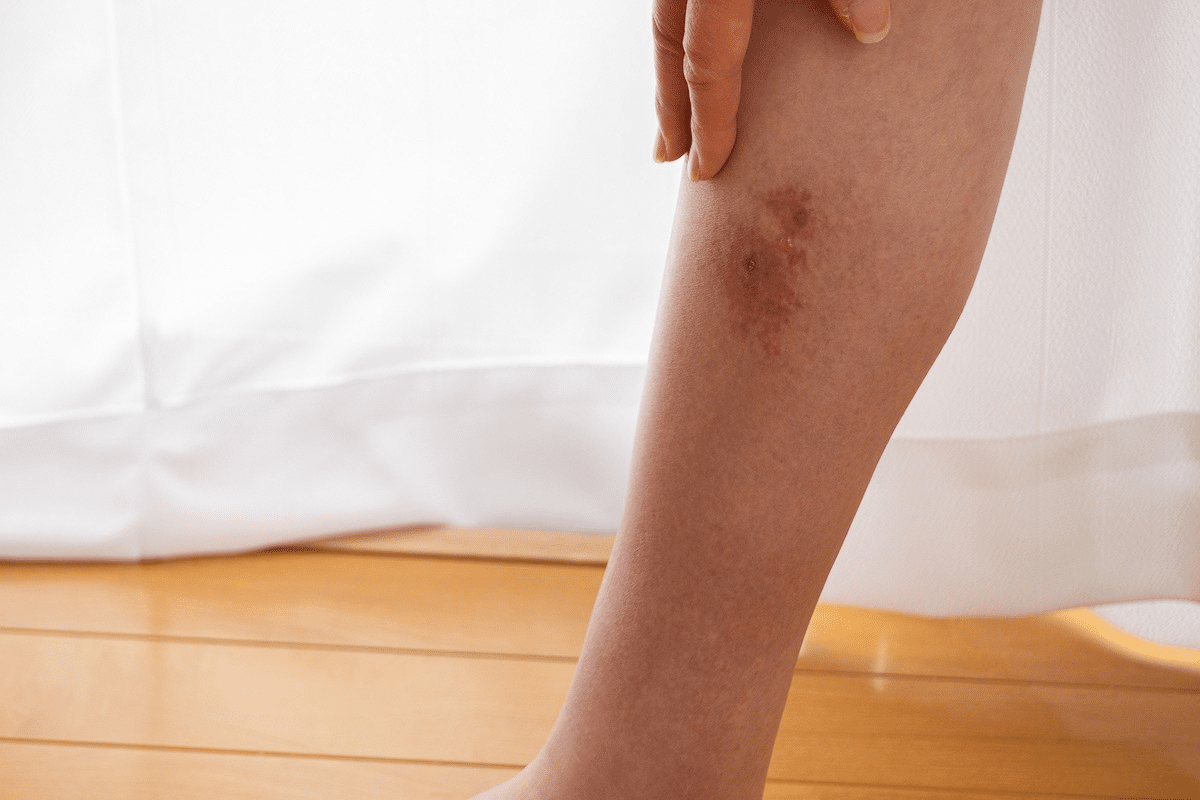
Autoimmune conditions are a big health problem worldwide. They affect millions and can cause many symptoms, including skin issues. Rashes on the legs and body can signal an underlying autoimmune disorder, like psoriasis, lupus, or dermatomyositis.Identifying autoimmune disease rash on legs and body (e.g., vasculitis, eczema) and their distinct visual characteristics.
It’s important to know why these rashes happen to treat them well. Liv Hospital uses international expertise and the latest tests to find and fix these problems. They focus on both the symptoms and the immune system issues.
Key Takeaways
- Autoimmune diseases can show up as skin symptoms, like rashes.
- Psoriasis, lupus, and dermatomyositis can cause rashes on the legs and body.
- Getting the right diagnosis is key to managing autoimmune rashes.
- Liv Hospital provides care centered on the patient for autoimmune conditions.
- Advanced tests are vital in finding the reasons behind rashes.
Understanding Autoimmune Diseases and Skin Manifestations
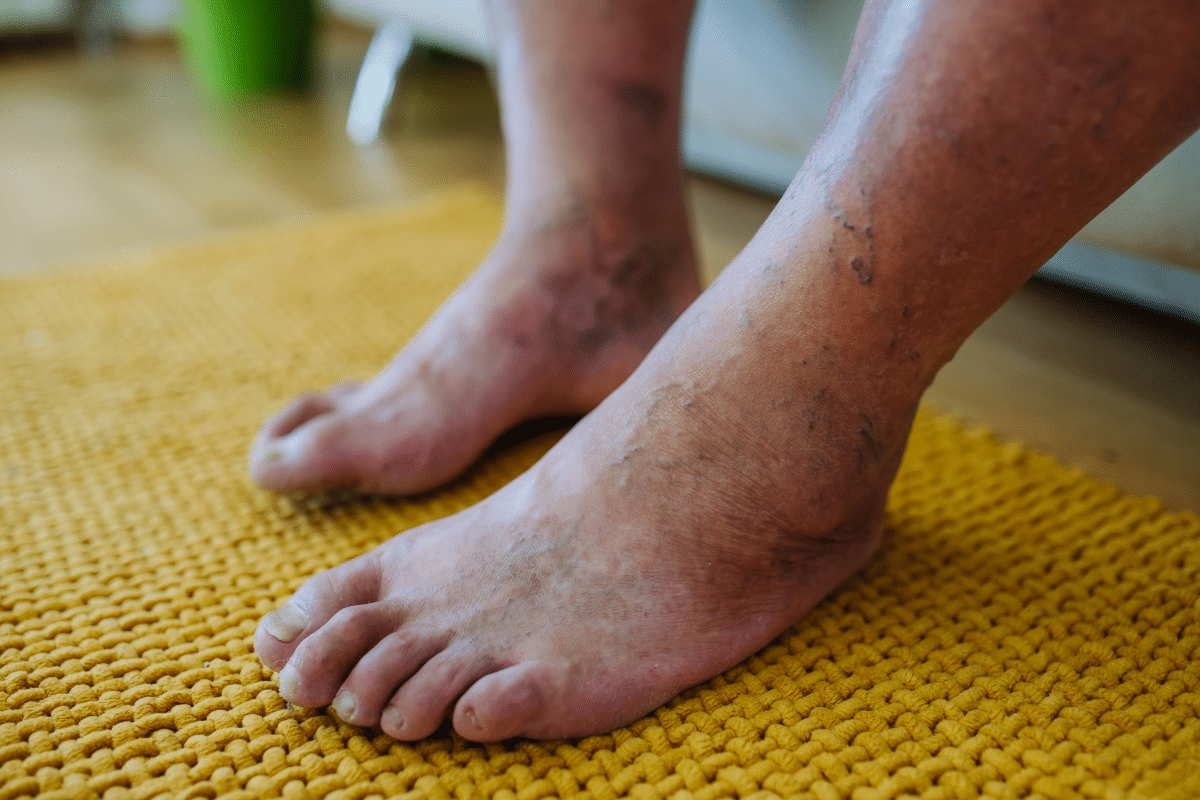
Autoimmune responses can deeply affect the skin, causing different skin symptoms. When the immune system attacks the body’s cells, it can lead to rashes on the legs and body.
How Autoimmune Responses Affect the Skin
The skin is our largest organ and protects us from the outside world. In autoimmune diseases, this protection can fail, causing skin symptoms. The immune system’s attack can cause inflammation, lesions, and other skin problems.
Key mechanisms behind autoimmune skin manifestations include:
- Inflammation caused by the immune system’s attack on skin cells
- Production of autoantibodies that target skin components
- Activation of immune cells that damage skin tissue
Common Characteristics of Autoimmune Rashes
Autoimmune rashes can look different and vary in severity. Yet, many share common traits.
|
Characteristic |
Description |
|---|---|
|
Redness and Inflammation |
Many autoimmune rashes are accompanied by redness and inflammation due to the immune system’s attack on the skin. |
|
Lesions and Plaques |
Some autoimmune diseases cause the formation of lesions or plaques on the skin, which can be painful or itchy. |
|
Distribution Patterns |
Autoimmune rashes often follow specific distribution patterns on the body, which can be a clue to their underlying cause. |
Understanding these traits is key to diagnosing and managing skin-related autoimmune diseases. Early recognition of symptoms helps healthcare providers offer better treatments.
Psoriasis: The Most Common Autoimmune Skin Condition

Psoriasis is a chronic condition that makes skin cells grow too fast. This leads to thick, red, and scaly patches on the skin. These patches often show up on the legs and body. About 3 percent of adults in the United States have psoriasis, making it a big health issue.
Types of Psoriasis Affecting the Legs and Body
There are many types of psoriasis, each with its own look. Plaque psoriasis is the most common. It causes raised, red patches with a silvery white buildup of dead skin cells. Other types include guttate, inverse, pustular, and erythrodermic psoriasis, each affecting different parts of the body, like the legs.
Plaque psoriasis is the most common type. It often shows up on elbows, knees, and lower back. But it can also appear on the legs and other parts of the body. Guttate psoriasis looks like small, dot-like lesions. It often happens after a bacterial infection.
Identifying Psoriatic Lesions
Psoriatic lesions are usually red, thick, and scaly. On the legs, these can be very uncomfortable. They might cause itching and pain. Getting a correct diagnosis from a dermatologist is very important for managing the condition.
“Psoriasis is a complex condition that requires a complete treatment plan. This plan must consider both the physical symptoms and the emotional impact on patients.”
Triggers and Flare-up Patterns
Knowing what triggers psoriasis flare-ups is key to managing it. Stress, cold weather, and some medications are common triggers. Avoiding these can help lessen flare-ups.
- Stress management techniques, like meditation and yoga, can help reduce flare-ups.
- Keeping a healthy lifestyle, with a balanced diet and regular exercise, helps skin health.
- Staying away from harsh soaps and moisturizing often can manage symptoms.
Understanding psoriasis and its effects on the body helps manage symptoms. This improves quality of life.
Lupus and Its Distinctive Skin Manifestations
Lupus, or Systemic Lupus Erythematosus (SLE), is a chronic autoimmune disease. It often affects the skin. The immune system mistakenly attacks healthy tissues and organs, leading to symptoms like skin manifestations.
About 75 percent of lupus patients have skin symptoms. Rashes occur when the immune system targets skin cells. This results in inflammation and various skin signs.
Cutaneous Lupus vs. Systemic Lupus Erythematosus
It’s important to know the difference between cutaneous lupus and systemic lupus erythematosus (SLE). Cutaneous lupus mainly affects the skin, causing rashes and lesions. SLE, on the other hand, affects multiple organs, including the skin, kidneys, and joints.
Cutaneous lupus has three main subtypes: acute, subacute, and chronic. Each subtype has its own characteristics and manifestations.
|
Type of Lupus |
Characteristics |
|---|---|
|
Acute Cutaneous Lupus |
Associated with SLE, often presents with a butterfly rash on the face |
|
Subacute Cutaneous Lupus |
Presents with widespread skin lesions, often triggered by sun exposure |
|
Chronic Cutaneous Lupus |
Characterized by discoid lesions that can lead to scarring |
The Butterfly Rash and Other Lupus Skin Signs
The butterfly rash is a well-known sign of lupus. It appears across the cheeks and nose. This rash is often triggered by sun exposure and can be a sign of acute cutaneous lupus.
Other skin signs include:
- Sensitivity to sunlight
- Lesions on the scalp, face, and ears
- Painless ulcers in the mouth or nose
How Lupus Affects the Legs and Lower Extremities
Lupus can also affect the legs and lower extremities. Patients may experience rashes, lesions, or ulcers on the legs. These can be painful and potentially lead to complications if not properly managed.
The skin manifestations on the legs vary. They depend on the subtype of lupus and the individual’s overall health. Proper diagnosis and treatment are key to managing these symptoms and preventing long-term damage.
Dermatomyositis: The Purple Rash Disease
Dermatomyositis is a complex autoimmune disease. It shows a unique violet-colored rash and muscle inflammation. This condition has distinctive skin signs and muscle weakness, making it different from other autoimmune diseases.
Gottron’s Papules and Heliotrope Rash
Gottron’s Papules and the Heliotrope Rash are key signs of dermatomyositis. Gottron’s Papules are red or purple spots on the hands, near the joints. The Heliotrope Rash is a purple rash on the eyelids, often with swelling.
Gottron’s Papules are a key sign, found in about 70% of patients. They help doctors diagnose the disease and show how active it is.
Distribution Patterns on Legs and Body
The rash from dermatomyositis can show up on the face, neck, chest, back, and limbs. On the legs, it might look like red or purple spots or small lesions. The rash’s pattern can differ from person to person but often shows up in sun-exposed areas.
- The rash can be itchy and uncomfortable, sometimes leading to skin cracking or ulceration in severe cases.
- It may also be accompanied by other skin changes, such as scaling or thickening of the skin.
Association With Underlying Malignancies
Dermatomyositis is linked to a higher risk of cancers, mainly in older adults. The exact reason is not clear, but it’s thought that the immune system problems in dermatomyositis might also lead to cancer.
“The presence of dermatomyositis should prompt a thorough evaluation for underlying malignancy, specially in patients over the age of 40.”- Source: Medical Guidelines
So, people with dermatomyositis should get a full cancer screening as part of their treatment plan.
Scleroderma and Its Skin Changes
Scleroderma is an autoimmune disorder that makes the skin thick and tight. It happens when too much collagen, a skin and bone protein, builds up.
This buildup causes the skin to harden and tighten. It can make moving hard and lead to skin problems. This really affects how well someone lives.
Localized vs. Systemic Scleroderma
Scleroderma comes in two types: localized and systemic. Localized scleroderma only affects the skin and sometimes the tissues under it. Systemic scleroderma goes beyond the skin, touching internal organs too.
- Localized scleroderma shows up as thick skin patches and doesn’t touch internal organs.
- Systemic scleroderma is worse, affecting the esophagus, digestive tract, kidneys, heart, and lungs, along with the skin.
Skin Thickening and Other Cutaneous Symptoms
The main sign of scleroderma is skin thickening. It can be mild or severe. Other skin symptoms include:
- Skin tightening, which can make moving joints hard.
- Changes in skin color.
- Telangiectasias, or blood vessels that are too big and show on the skin’s surface.
|
Symptom |
Description |
Impact |
|---|---|---|
|
Skin Thickening |
Hardening of the skin due to too much collagen. |
Limited mobility, looks different. |
|
Skin Tightening |
The skin gets tight, making joints hard to move. |
Less flexible, feels uncomfortable. |
|
Telangiectasias |
Blood vessels that are too big and show on the skin’s surface. |
Looks different, might bleed. |
Raynaud’s Phenomenon and Its Relationship to Scleroderma
Raynaud’s phenomenon is a condition that affects blood flow to the fingers and toes. It can also affect the ears, nose, and lips. It happens when it’s cold or when stressed. It’s often linked to scleroderma, showing up early.
In scleroderma, Raynaud’s can show up years before other symptoms. It’s not clear why, but it might be because of bad blood flow and an immune system problem.
Vasculitis: When Autoimmunity Attacks Blood Vessels
Vasculitis is a complex autoimmune condition that affects blood vessels, leading to various skin manifestations. This condition occurs when the immune system mistakenly attacks the blood vessels, causing inflammation and damage. The impact on the skin can be significant, resulting in a range of symptoms that require prompt medical attention.
Types of Vasculitis Affecting the Skin
There are several types of vasculitis that can affect the skin, each with distinct characteristics. The most common forms include cutaneous small vessel vasculitis, which mainly affects the skin, and systemic vasculitis, which can impact multiple organs. Understanding the specific type of vasculitis is key for the right treatment.
- Cutaneous small vessel vasculitis: Characterized by inflammation of small blood vessels in the skin.
- Systemic vasculitis: Affects multiple organs and can have a wide range of symptoms.
- IgA vasculitis (Henoch-Schönlein purpura): Often presents with purpura, abdominal pain, and joint pain.
Recognizing Vasculitic Rashes on the Legs
Vasculitic rashes on the legs can manifest in various ways, including purpura, red dots that become bumpy, and ulcers. These symptoms are a result of the inflammation and damage to the blood vessels. Recognizing these signs early is critical for timely intervention.
Common characteristics of vasculitic rashes on the legs include:
- Purpura: Purple spots that do not fade when pressed.
- Red or bruised-looking areas: These can be tender to the touch.
- Ulcers: Open sores that can be painful and slow to heal.
Urgent Signs and Symptoms Requiring Immediate Care
While vasculitis can present with a range of symptoms, some signs require immediate medical attention. These include severe pain, rapid progression of the rash, and signs of organ involvement. Prompt treatment can significantly improve outcomes for individuals with vasculitis.
It is essential to seek medical care if you experience:
- Severe pain or swelling.
- Rapid progression of the rash.
- Fever or other signs of infection.
- Signs of organ involvement, such as kidney problems.
Autoimmune Disease Rash on Legs: Specific Patterns and Characteristics
Rashes on the legs can be signs of several autoimmune diseases. Each disease has its own unique signs. Knowing these patterns helps doctors diagnose and treat better.
Distinguishing Features of Lower Extremity Involvement
Autoimmune diseases show up differently on the legs than elsewhere. For example, psoriasis causes thick, scaly patches. Lupus might lead to a butterfly-shaped rash on the face, but also on the legs.
The way rashes look on the legs can tell doctors a lot. For instance, dermatomyositis can cause a purple rash on eyelids and joints.
Why Certain Autoimmune Conditions Target the Legs
Some diseases prefer to hit the lower legs. Vasculitis often affects blood vessels in the legs, causing rashes and other symptoms.
Why this happens is complex. It involves genetics, environment, and how the immune system works.
Complications of Untreated Leg Rashes
Untreated rashes on the legs can cause big problems. These include chronic pain, skin damage, and trouble moving.
|
Disease |
Rash Characteristics on Legs |
Potential Complications |
|---|---|---|
|
Psoriasis |
Thick, scaly plaques |
Chronic pain, skin cracking |
|
Lupus |
Butterfly rash, discoid lesions |
Kidney damage, increased risk of infections |
|
Dermatomyositis |
Purple rash, Gottron’s papules |
Muscle weakness, difficulty swallowing |
Getting a diagnosis and treatment early is key. It helps avoid serious problems and improves life for those with leg rashes.
Rheumatoid Arthritis and Associated Skin Manifestations
Rheumatoid arthritis (RA) affects more than just joints. It can also cause skin problems that are important to notice. RA is a chronic disease that can lead to different skin signs. Some are directly linked to the disease, while others come from treatments.
Rheumatoid Nodules and Other Cutaneous Signs
Rheumatoid nodules are common in RA. They are firm, painless lumps under the skin, near joints. About 20-30% of RA patients get these nodules, which often mean a more severe disease.
Rheumatoid vasculitis can also occur, causing ulcers and skin lesions. The presence of rheumatoid nodules can show how active the disease is. They are more common in patients with certain blood markers.
Vasculitic Complications in Long-standing RA
Vasculitis is a serious issue in long-term RA. It’s inflammation of blood vessels, leading to skin problems and more. Skin signs include purpura, ulcers, and gangrene, mainly in the legs.
Spotting vasculitis early is key, as it can be deadly. Those with RA and vasculitis often have a long history of the disease and other symptoms.
Medication-Induced Rashes in RA Patients
RA patients take many medications to manage their condition. These include DMARDs, biologics, and corticosteroids. While effective, these can also cause skin issues. Some medications can lead to rashes or other skin reactions.
Healthcare providers must watch for new skin symptoms during treatment. It’s important to tell the difference between disease-related and treatment-related skin issues. Changing treatments might be needed to manage side effects.
Lichen Planus and Other Less Common Autoimmune Skin Conditions
Autoimmune diseases can show up in many skin conditions, like lichen planus. It’s not as common as psoriasis or lupus but can be very uncomfortable.
Identifying Lichen Planus Lesions
Lichen planus causes itchy, flat bumps on the skin. These can pop up anywhere, like on legs, arms, and the torso. It can also make the mouth and genital areas itchy.
The exact cause is unknown, but it’s thought to be an autoimmune issue. Stress, some medicines, and infections might trigger it. Doctors usually treat it with creams and medicines to stop the itching.
Pemphigus and Pemphigoid Conditions
Pemphigus and pemphigoid are autoimmune diseases that cause blisters. Pemphigus affects both skin and mucous membranes, while pemphigoid mainly targets the skin. They happen when the immune system attacks healthy tissue.
Pemphigus can be serious if not treated quickly. It causes blisters that easily break open, leaving sores. Pemphigoid blisters are tighter and less likely to break. Both are treated with medicines to stop blisters.
Vitiligo as an Autoimmune Response
Vitiligo is an autoimmune disease that makes skin lose pigment. It happens when the immune system attacks cells that make pigment, leading to white patches. It can show up anywhere and often comes with other autoimmune diseases.
Researchers are studying what causes vitiligo. Treatments include creams, light therapy, and sometimes surgery. A mix of these can help restore color and stop more patches from forming.
In summary, lichen planus, pemphigus, pemphigoid, and vitiligo are autoimmune skin issues with their own challenges. Knowing their signs is key to managing them. If you notice unusual skin changes, see a doctor for the right diagnosis and treatment.
Diagnosing Autoimmune Rashes: What to Expect
Diagnosing autoimmune rashes is a detailed process. It includes skin exams and lab tests. Getting the right diagnosis is key for good treatment.
Dermatological Examinations
The first step is a skin check by a dermatologist. Dermatologists look at the rash’s look, where it is, and other details. This helps figure out what might be causing it and what tests to do next.
Biopsy and Laboratory Tests
Often, a skin biopsy is done to look at the rash more. Blood tests might also be needed to find autoimmune markers. These steps help confirm the diagnosis and rule out other possible causes.
Differential Diagnosis Considerations
Differential diagnosis is very important. It’s about figuring out the exact condition by looking at different possibilities. Healthcare providers use medical history, symptoms, and test results to make a correct diagnosis.
By using skin exams, biopsies, lab tests, and careful diagnosis, doctors can find out what’s causing the rash. Then, they can create a good treatment plan.
Treatment Approaches for Autoimmune Skin Manifestations
Understanding and managing autoimmune rashes is key. These rashes can range from mild to severe. The right treatment depends on the disease, its severity, and how much skin is affected.
Topical Therapies for Localized Symptoms
For mild to moderate rashes, topical therapies are often the first choice. These include:
- Corticosteroids to reduce inflammation
- Topical immunomodulators to modify the immune response locally
- Moisturizers to manage dry skin and prevent flare-ups
Topical corticosteroids are a common treatment for localized rashes. They come in different strengths and types, tailored to the rash’s severity and location.
Systemic Medications for Widespread Disease
For widespread or severe rashes, systemic medications are needed. These include:
- Oral corticosteroids for short-term control of severe flare-ups
- Immunosuppressive drugs to reduce the overall immune response
- Biologic agents that target specific components of the immune system
Systemic treatments are vital for managing diseases that affect more than just the skin.
Emerging Biologics and Targeted Therapies
The field of autoimmune skin treatments is growing. Biologic therapies and targeted treatments are leading this change. They offer more precise control over the immune system, which can lead to better results and fewer side effects.
Examples include:
- Monoclonal antibodies targeting specific cytokines or immune cells
- Janus kinase (JAK) inhibitors that block signaling pathways in the immune response
These new treatments are a big step forward. They offer hope for better outcomes for those with tough conditions.
Living With Autoimmune Skin Conditions: Self-Care Strategies
People with autoimmune skin conditions face special challenges. These can be lessened with good self-care. Rashes on legs and body from autoimmune diseases can hurt both body and mind.
Managing Flare-ups and Preventing Triggers
It’s key to manage flare-ups when you have autoimmune skin conditions. Knowing and avoiding triggers can help. Common ones include stress, certain foods, and environmental factors.
Strategies for managing flare-ups include:
- Maintaining a stress-reduced lifestyle through practices like meditation or yoga
- Avoiding known dietary triggers
- Protecting the skin from extreme temperatures and harsh chemicals
Skin Care Routines for Autoimmune Rashes
Creating the right skin care routine is important for autoimmune rashes. Gentle care can soothe and protect the skin. This reduces irritation and infection risks.
|
Skin Care Practice |
Benefit |
|---|---|
|
Gentle cleansing |
Removes dirt without stripping the skin of its natural oils |
|
Moisturizing |
Helps to keep the skin hydrated and reduce irritation |
|
Avoiding harsh products |
Reduces the risk of skin irritation and allergic reactions |
Coping With the Psychological Impact
Autoimmune skin conditions can affect your mind, too. They can hurt your self-esteem and mental health. It’s important to tackle these issues in your self-care plan.
Coping mechanisms may include:
- Seeking support from mental health professionals
- Joining support groups to connect with others who have similar experiences
- Engaging in activities that promote self-care and relaxation
By using these self-care strategies, people with autoimmune skin conditions can manage their symptoms better. They can also improve their life quality and overall well-being.
Conclusion: When to Seek Medical Attention for Unexplained Rashes
Unexplained rashes on the legs and body might mean you have an autoimmune disease. Getting medical help quickly is key to finding out what’s wrong and treating it. Knowing the signs of autoimmune rashes helps avoid serious problems and makes life better.
If you have a rash without knowing why, it’s important to know when to seek medical attention for rash. Look for signs like fever, joint pain, or swelling. These can mean you need to see a doctor right away. Autoimmune rashes can look different, so a doctor’s diagnosis is vital.
Getting a rash diagnosis can be tough, but with the right care, you can manage symptoms. If you’re worried about a rash, talk to a doctor. They can help figure out what’s going on and treat it.
FAQ
What autoimmune diseases cause rashes on the legs and body?
Several diseases can cause rashes. These include psoriasis, lupus, dermatomyositis, scleroderma, and vasculitis.
How do autoimmune responses affect the skin?
Autoimmune responses can lead to inflammation and damage. This causes rashes and other skin issues.
What are the common characteristics of autoimmune rashes?
Autoimmune rashes often show redness, inflammation, and skin lesions. They can look different.
What is the difference between cutaneous lupus and systemic lupus erythematosus?
Cutaneous lupus mainly affects the skin. Systemic lupus can affect many parts of the body, including the skin.
How can I identify psoriatic lesions?
Psoriatic lesions are thick, scaly, and red. They often itch and are uncomfortable.
What are the triggers and patterns of flare-ups for autoimmune skin conditions?
Triggers and flare-ups vary by condition. Stress, infections, and some medications are common.
What is the relationship between scleroderma and Raynaud’s phenomenon?
Scleroderma often goes with Raynaud’s phenomenon. This is when blood vessels narrow in cold or stress.
How can I recognize vasculitic rashes on the legs?
Vasculitic rashes look like purple spots. They can hurt and be inflamed.
What are the treatment approaches for autoimmune skin manifestations?
Treatments include topical creams, medicines, and new biologics and targeted therapies.
How can I manage flare-ups and prevent triggers for autoimmune skin conditions?
Manage flare-ups with healthy living. Eat well, reduce stress, and avoid certain medicines.
What self-care strategies can help with living with autoimmune skin conditions?
Self-care includes skin care, stress management, and dealing with the condition’s emotional impact.
When should I seek medical attention for unexplained rashes?
See a doctor for unexplained rashes that last or are concerning.
What is the role of dermatological examinations in diagnosing autoimmune rashes?
Dermatological exams are key. They let doctors see the rash and take a detailed medical history.
What are some less common autoimmune skin conditions?
Less common conditions include lichen planus, pemphigus, pemphigoid, and vitiligo.
Can autoimmune diseases cause rashes on the face?
Yes, diseases like lupus can cause face rashes, including the butterfly rash.
How do autoimmune rashes on the body differ from those on the legs?
Rashes on the body and legs can look different. This depends on the condition.
References
National Center for Biotechnology Information. Evidence-Based Medical Guidance. Retrieved from https://www.ncbi.nlm.nih.gov/books/NBK459479/



 Departments
 Related Videos
 Our Doctors
 News
News