
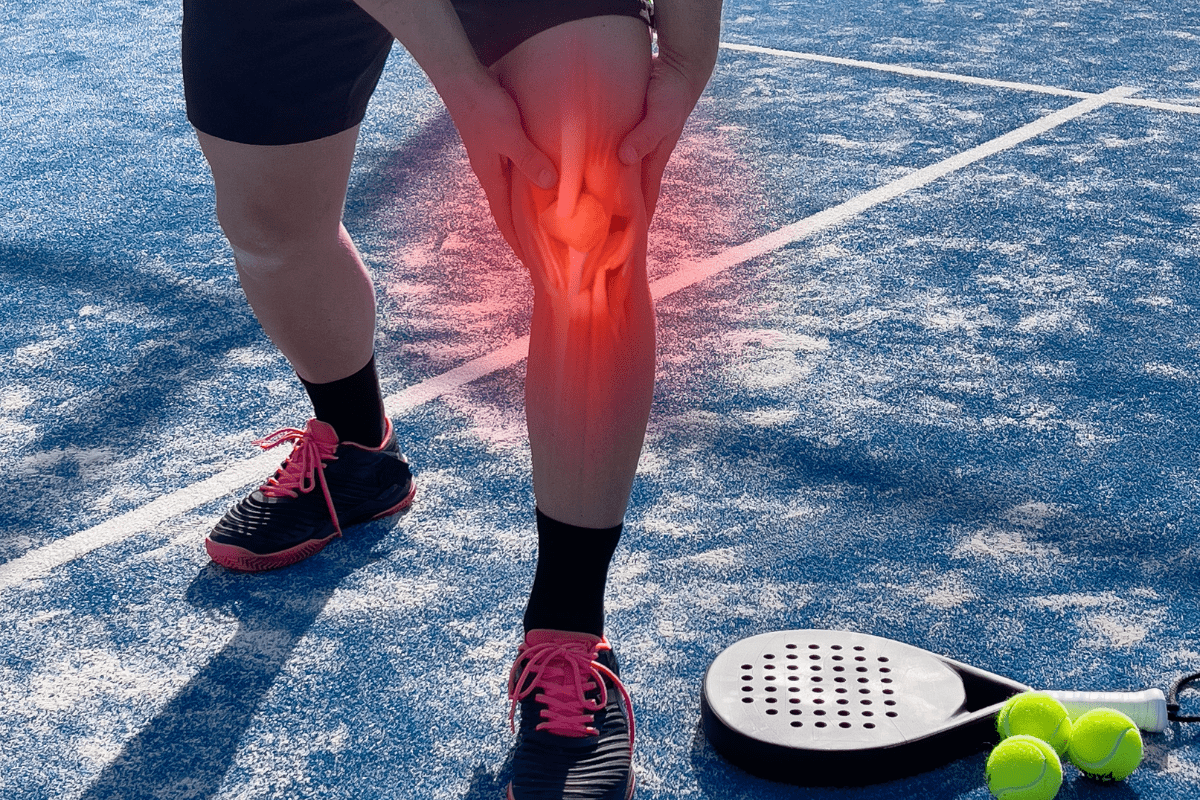
Runner’s knee is a common problem, affecting about 30% of female runners and 25% of male runners. It’s the most common injury for runners. Studies show that changing how you run can lower the risk of knee injuries.Easy steps and techniques detailing how to prevent sore knees when running and maintain consistency.
At Liv Hospital, we stress the need for good prevention to keep your knees safe. Strengthening your leg muscles and core, and using cold therapy on sore knees, can help. We combine international best practices and proven methods to teach you how to protect your knees while running.
Key Takeaways
- Modifying running techniques can reduce knee injury risk by up to 67%.
- Strengthening leg muscles and core helps prevent runner’s knee.
- Cold therapy can be effective in reducing knee pain.
- Proper running techniques are key for healthy knees.
- Runners should do exercises that support knee health.
Understanding Runner’s Knee and Common Knee Injuries
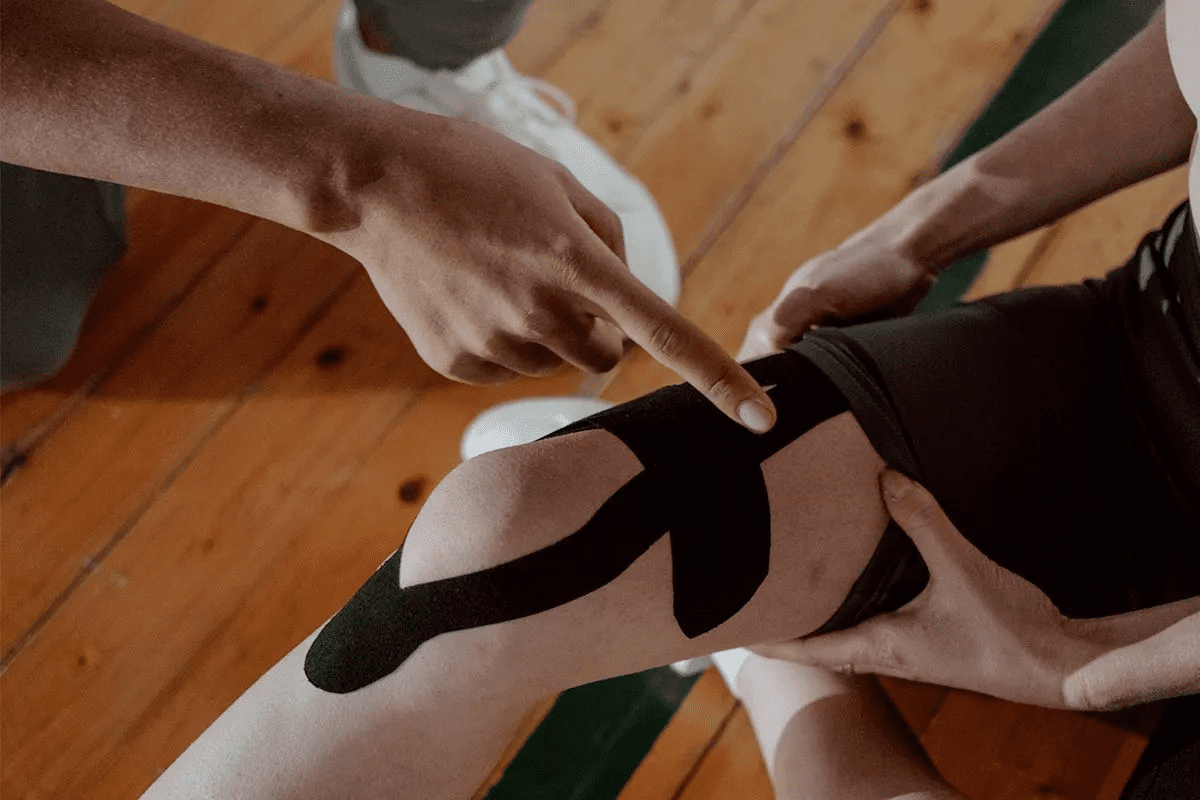
To avoid sore knees when running, knowing what causes runner’s knee is key. Runner’s knee, or Patellofemoral Pain Syndrome (PFPS), is a common issue. It causes pain around or behind the kneecap. This pain often comes from activities that stress the knee, like running, jumping, and climbing stairs.
What is Patellofemoral Pain Syndrome?
Patellofemoral Pain Syndrome happens when the cartilage under the kneecap gets irritated. This irritation leads to pain and discomfort. The cause can be overuse, kneecap misalignment, or muscle imbalances. Getting the right diagnosis and treatment is vital to ease symptoms and avoid more harm.
“The key to managing PFPS is understanding that it’s not just about the knee; it’s about how the entire lower limb functions together,” says Medical Expert, an orthopedic specialist. “Good technique, such as keeping the knees in a low swing and maintaining a forward lean from the ankles, can help reduce knee strain.”
Statistics on Running-Related Knee Injuries
Knee injuries from running are a big worry for runners everywhere. Studies show that 20% to 50% of runners get knee injuries every year. Here are some important stats on these injuries.
|
Injury Type |
Prevalence Among Runners |
Common Causes |
|---|---|---|
|
Patellofemoral Pain Syndrome |
15%-30% |
Overuse, poor running form |
|
Iliotibial Band Syndrome |
10%-20% |
Training errors, footwear issues |
|
Meniscus Injuries |
5%-15% |
Degenerative changes, trauma |
Risk Factors That Increase Your Chances of Knee Pain
There are several factors that can make knee pain more likely while running. These include:
- Overuse or sudden changes in training intensity
- Poor running technique or biomechanics
- Inadequate footwear or equipment
- Previous injuries or existing conditions like osteoarthritis
Knowing these risk factors is the first step in preventing knee injuries. Runners can take steps to lower their risk. This includes adjusting their training, improving their running form, and wearing the right shoes.
Recent studies show that new runners who run softer can cut their knee injury risk by about two-thirds. This shows how important good running technique is in preventing knee injuries.
The Science Behind Running Technique and Knee Health
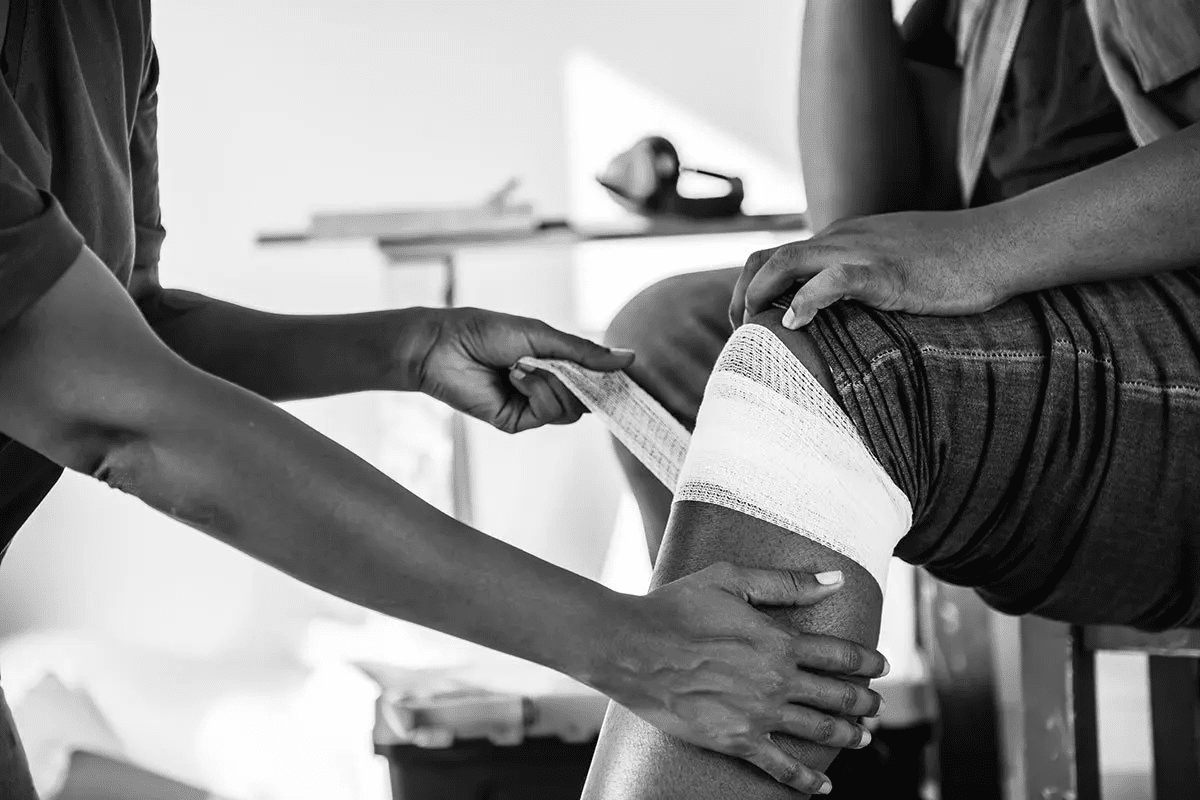
Research shows that the right running technique can lower knee injury risks. It’s key to know how running affects knee health to prevent injuries.
Research on Impact Forces and Knee Strain
Studies prove that impact forces from running can lead to knee strain and injury. A review of 30 trials showed that learning to ‘run softer’ can help. This means using a more efficient running form to reduce joint impact.
Learning to “Run Soft” to Reduce Injury Risk
To “run soft,” you need to tweak your running style. This includes using a midfoot or forefoot strike, increasing your step rate, and avoiding long strides. These changes help reduce knee pain and injuries by lowering impact forces.
|
Technique Adjustment |
Impact on Knee Health |
|---|---|
|
Adopting midfoot or forefoot strike |
Reduces knee strain by minimizing impact forces |
|
Increasing cadence |
Decreases overstriding and subsequent knee stress |
|
Avoiding overstriding |
Lowers the risk of knee injuries by reducing joint impact |
Proper Posture and Body Alignment While Running
Keeping the right posture and body alignment is vital for knee health while running. Medical Expert, shoulders relaxed, and torso straight. This helps reduce knee stress. Also, make sure your feet land in line with your body’s center of gravity to lower knee pain risks.
By using the right running technique and maintaining good posture, runners can greatly reduce knee injury risks. This makes running healthier and more enjoyable.
Mastering Foot Strike Patterns to Protect Your Knees
Foot strike patterns are key in running and can affect knee health. The way your foot hits the ground impacts your knees. This can lead to injuries if not managed right.
Heel Strike vs. Midfoot vs. Forefoot Landing
There are three main foot strike patterns: heel strike, midfoot strike, and forefoot strike. Heel striking means your heel hits the ground first. It’s linked to a higher heel-to-toe drop in shoes. Midfoot striking has your foot’s middle part landing first, spreading out the impact. Forefoot striking is when the ball of your foot hits the ground first, common in minimalist shoes.
Changing your foot strike can lower knee injury risk. Medical Expert. But, it’s important to make these changes slowly to avoid harming other parts of your lower body.
Analyzing and Improving Your Running Gait
Looking at your running gait can show you your foot strike and running style. You can use video analysis or talk to a running coach or physical therapist. This helps you spot areas to improve and lower knee stress.
Improving your gait involves strength training, flexibility, and technique tweaks. Strengthening muscles around your hip and knee helps keep your leg stable while running. This can reduce knee joint impact.
Cadence Adjustments to Reduce Knee Stress
Cadence, or steps per minute, is also key for knee health. Faster cadence means less overstriding, which can lower knee stress. Studies link higher cadences with less knee stress and injury risk.
To change your cadence, try cadence drills in your workouts. Run to a metronome or focus on quick steps in short intervals. Slowly upping your cadence makes it feel more natural.
Essential Strength Training Exercises for Runner’s Knees
Strengthening the muscles around the knee is key to avoiding runner’s knee. It helps keep your running form right and prevents injuries. Medical Expert.
Hip-Strengthening Routines with Proven Results
Hip exercises are a must for runners. They improve how you run and lessen knee strain. Weak hips can cause bad running form and knee injuries. Clamshell exercises and side-lying leg lifts target the glutes, which are important for hip stability.
To do a clamshell, lie on your side with bent legs and feet together. Lift your top knee up, keeping your feet together, and then lower it. This works the gluteus medius, a key muscle for hip stability.
Knee Stabilization Workouts
Workouts for knee stability strengthen the knee muscles. This adds support and lowers injury risk. Straight leg raises and quad sets are simple but effective. They target the quadriceps and hamstrings.
For straight leg raises, lie on your back with one leg straight and the other bent. Lift the straight leg 6 inches up, hold, and then lower it. This strengthens the quadriceps without straining the knee too much.
Core Strength and Its Impact on Running Form
A strong core is vital for good running form. It keeps your body stable, which lessens knee impact. Planks and Russian twists are great for the core. They make running more efficient and lower knee injury risk.
To do a plank, start in a push-up position with hands shoulder-width apart. Use your core to keep your body straight from head to heels. Hold for as long as you can keep proper form.
How to Prevent Sore Knees When Running: Complete Strategy
To keep your knees healthy while running, you need a complete plan. This plan should include getting ready before you run, checking your form during the run, recovering after, and a good training schedule. This approach helps avoid knee injuries and keeps you running regularly.
Pre-Run Preparation Techniques
Getting ready before you run is key to avoiding knee injuries. Medical Expert-up is essential. Start with leg swings, lunges, and calf raises to get your muscles and joints ready.
- Leg swings: Front, side, and back leg swings help loosen the hip and knee joints.
- Lunges: Walking lunges prepare the quadriceps, hamstrings, and glutes for running.
- Calf raises: Strengthening the calf muscles helps support the knee joint.
Mid-Run Form Checks and Adjustments
Keeping the right running form is important to ease knee stress. Check your form during the run to fix any problems. Focus on:
- Posture: Keep your head up, shoulders relaxed, and torso upright.
- Footstrike: Aim for a midfoot or forefoot strike to reduce impact on the knees.
- Cadence: Increase your cadence to reduce overstriding and subsequent knee stress.
Post-Run Recovery Protocols
Recovering after your run is as important as getting ready before. Good recovery helps reduce muscle soreness and prevents knee injuries. Try:
- Static stretching: Focus on stretching the quadriceps, hamstrings, and calf muscles.
- Foam rolling: Use a foam roller to release tension in the IT band and quadriceps.
- Ice or heat therapy: Apply ice or heat to the knee area to reduce inflammation and promote recovery.
Weekly Training Structure for Knee Health
Don’t increase your running too fast to avoid knee injuries. A good training plan should be gradual, include rest days, and mix in other activities. Here’s a weekly plan to help:
|
Day |
Activity |
Distance/Speed |
|---|---|---|
|
Monday |
Easy Run |
3 miles, conversational pace |
|
Tuesday |
Cross-Training |
Cycling or Swimming, 30 minutes |
|
Wednesday |
Interval Training |
4x800m at moderate pace, with 400m active recovery |
|
Thursday |
Rest |
– |
|
Friday |
Easy Run |
3 miles, conversational pace |
|
Saturday |
Long Run |
5 miles, moderate pace |
|
Sunday |
Rest or Active Recovery |
Light yoga or stretching |
By using these strategies, you can lower your risk of knee injuries. This helps you keep running healthy and consistently.
Smart Training Progression to Avoid Overuse Injuries
Gradually increasing your training can help avoid knee problems for runners. A well-thought-out training plan boosts performance and guards against injuries.
The 10% Rule for Safe Mileage Increases
The 10% rule is a key strategy to dodge overuse injuries. It advises not to up your weekly miles by more than 10% each week. Studies back this rule, showing it helps prevent knee injuries. Slowly adding miles lets your body adjust to running.
Balancing Intensity and Recovery in Your Training Plan
Medical Expert. A good mix includes tough runs, easy days, and rest. This balance helps your body heal and adapt to running.
It’s also key to listen to your body and tweak your plan if needed. Feeling tired or in pain? It might be time to ease up or take an extra day off.
Warning Signs of Developing Knee Problems
Knowing the signs of knee trouble can help prevent injuries. Look out for ongoing pain, swelling, or stiffness. If you see these signs, act fast.
- Sharp or severe pain during or after running
- Swelling or redness around the knee
- Instability or feeling like the knee is going to give way
- Pain that persists even after rest
When to Scale Back Your Training
Knowing when to slow down is critical to avoid injuries. If you’re seeing warning signs, it’s time to ease up or take a break. It’s safer to recover fully than risk lasting harm.
By paying attention to your training and listening to your body, you can keep running healthily. Smart training isn’t just about avoiding injuries; it’s about building a lasting, enjoyable running habit.
Selecting Proper Running Footwear for Your Gait
Choosing the right running shoes is key to avoiding knee injuries. The right shoes offer support and cushioning, reducing knee pain. We’ll look at what to consider when picking shoes that fit your gait.
Understanding Pronation and Shoe Selection
Pronation is how your foot rolls when you land. Medical Expert. It helps decide how much support you need. There are three types: neutral, overpronation, and supination.
Key Features in Knee-Friendly Running Shoes
Knee-friendly shoes have special features. These include:
- Good cushioning to soak up shock
- Strong arch support for stability
- A roomy toe box to avoid toe cramps
- A supportive heel counter to keep the heel in place
These features make running comfortable and safe for your knees. Look for these when picking shoes to get the right support.
Professional Gait Analysis Benefits
A gait analysis can help you find the best shoes. A specialist will check your running style. They look for issues that could harm your knees. This can prevent knee injuries by matching you with the right shoes.
When to Replace Your Running Shoes
Knowing when to replace your shoes is important. You should get new ones every 300 to 500 miles. Look for signs like:
- Soles showing wear
- Less cushioning and support
- More knee pain
Replacing your shoes regularly can prevent knee injuries. It keeps your support and cushioning up to date.
Effective Warm-Up and Recovery Routines
Runners can cut down knee pain by using proven warm-up and recovery methods. It’s not just about running. It’s also about getting ready and recovering well.
Dynamic Warm-Up Exercises Backed by Research
Dynamic warm-ups are key for getting muscles and joints ready for running. Studies show they boost performance and lower injury risk. Leg swings, high knees, and butt kicks are good examples.
Start with leg swings to loosen hips and knees. High knees and butt kicks activate hip flexors and better your running form.
Static Stretching for Post-Run Recovery
Static stretching after running can make muscles more flexible and less sore. Focus on muscles used in running like quadriceps, hamstrings, and calf muscles. Hold each stretch for 20-30 seconds and repeat for 2-3 sets.
Include quad stretches and hamstring stretches in your routine. They help with knee pain and improve flexibility in your lower limbs.
Foam Rolling and Self-Myofascial Release Techniques
Foam rolling and self-myofascial release reduce muscle tension and boost circulation. They target areas like the IT band, quadriceps, and calf muscles to ease pain and stiffness.
Using a foam roller on the IT band can lessen friction and tension. This might reduce knee pain. Regular use of these methods can improve recovery and running performance.
Ice, Heat, and Other Recovery Modalities
Ice and heat therapy can help with knee pain. Cold therapy, as Medical Expert, is good for reducing inflammation after running. Heat therapy relaxes muscles and improves blood flow.
Apply ice packs to sore knees after running to fight inflammation. A warm bath can also relax muscles and aid in recovery.
Conclusion: Building a Sustainable, Knee-Friendly Running Practice
Proper running techniques, strength training, and smart training progression are key. Medical Expert. This protects our knees while we run.
A knee-friendly running practice starts with proper form, strength training, and a good training plan. These elements help us avoid knee injuries and keep our running routine sustainable.
To protect our knees, we need a multi-faceted approach. This includes proper running techniques, strength training, and smart training progression. This way, we can enjoy a sustainable running practice and reduce knee problems.
FAQ
What is runner’s knee and how can I prevent it?
Runner’s knee, also known as patellofemoral pain syndrome, is a common condition. It causes pain in the front of the knee. To prevent it, use proper running techniques, do strength training, and wear good running shoes.
How can I adjust my running technique to reduce knee stress?
To lessen knee stress, focus on good posture and body alignment. Run softly, with a midfoot or forefoot strike. Also, increase your cadence to reduce knee impact.
What strength training exercises can help prevent runner’s knee?
Include hip-strengthening, knee stabilization, and core exercises in your routine. These help maintain good running form and lower knee injury risk.
How often should I replace my running shoes to protect my knees?
Replace your running shoes every 300-500 miles or every 3-6 months. This depends on how often and how far you run. Worn-out shoes can cause poor foot mechanics and stress your knees.
What are the benefits of professional gait analysis for runners?
Professional gait analysis can spot issues like overpronation or supination. It offers personalized shoe and orthotics recommendations to lower knee injury risk.
How can I warm up and recover effectively to prevent knee pain?
Do dynamic warm-up exercises like leg swings and lunges before running. After, use static stretching, foam rolling, and self-myofascial release to reduce muscle tension and aid recovery.
What is the 10% rule, and how can it help prevent overuse injuries?
The 10% rule means don’t increase weekly mileage by more than 10% each week. This gradual increase helps your body adapt and lowers overuse injury risk, including knee pain.
How can I balance intensity and recovery in my training plan to protect my knees?
Mix hard and easy runs, rest days, and cross-training into your plan. This balance helps your body recover and adapt, reducing knee injury risk.
What are the warning signs of developing knee problems, and when should I scale back my training?
Look out for persistent pain, swelling, or stiffness in the knee. If you notice these, scale back your training and see a healthcare professional for advice.
How can I prevent sore knees when running?
To avoid sore knees, use proper running techniques, strength training, good footwear, and a balanced training plan. These strategies can lower knee injury risk and keep your knees healthy.
References
National Center for Biotechnology Information. Evidence-Based Medical Guidance. Retrieved from https://pubmed.ncbi.nlm.nih.gov/36150753/