

Amputation is when a limb or part of it is surgically removed. It’s often done to treat severe injuries, infections, or diseases. At Liv Hospital, we know how complex and challenging amputation can be missing a limb is called.
Our commitment is to give top-notch medical care. We use advanced academic protocols and team up across different specialties for procedures like amputation. We focus on making sure patients feel respected and comfortable during treatment.
Knowing about amputation and why it happens helps patients deal with this big change. Our team is here to offer quality care and support.
Key Takeaways
- Amputation is a surgical procedure to remove a limb or part of a limb.
- Liv Hospital provides international-standard care for amputation management.
- Our approach includes multidisciplinary teams and cutting-edge protocols.
- Patient-centered care is our top priority.
- Understanding amputation is key for those facing it.
What is Amputation: Medical Definition and Overview
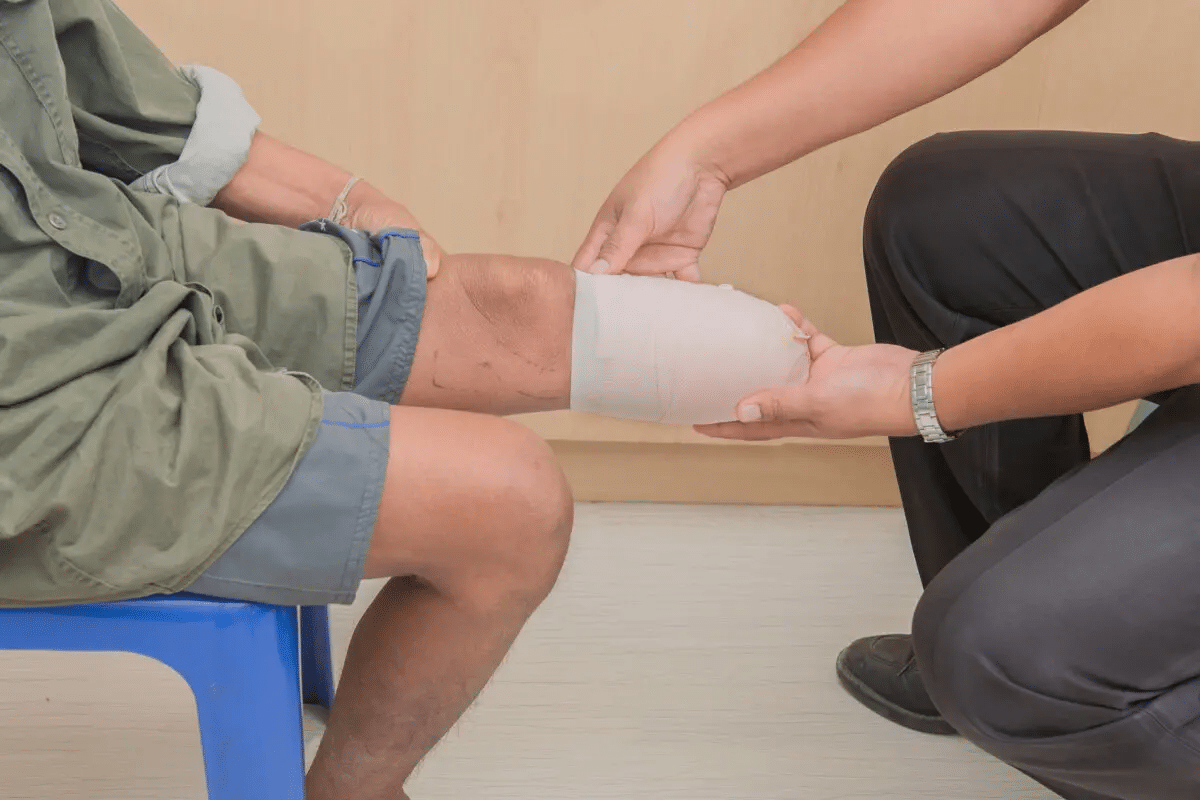
Amputation is a medical term for cutting off a limb or part of it. It’s often done to save a patient’s life. Reasons include severe injury, infection, or diseases like diabetes and vascular disease.
Amputation is more than a surgery; it’s a life-changing event. It requires a lot of care and support. Doctors usually choose amputation when other treatments fail.
Types of Amputation Procedures
Amputation procedures vary based on where and how much of the limb is removed. The main types are:
- Lower limb amputations, such as below-knee and above-knee amputations.
- Upper limb amputations, including below-elbow and above-elbow amputations.
Each type has its own reasons and surgical details. For example, lower limb amputations often happen due to vascular disease. Upper limb amputations might be from trauma or birth defects.
|
Type of Amputation |
Common Indications |
Surgical Considerations |
|---|---|---|
|
Below-Knee Amputation |
Peripheral vascular disease, diabetes |
Preserving knee joint for better prosthetic control |
|
Above-Knee Amputation |
Severe trauma, infection |
Ensuring adequate stump length for prosthetic fitting |
|
Below-Elbow Amputation |
Trauma, congenital conditions |
Maintaining as much forearm length as possible |
Historical Context of Amputation in Medicine
Amputation has been around for thousands of years. Ancient civilizations practiced it. Back then, amputation was a last resort, done without modern pain relief or cleanliness.
Over time, amputation techniques and care have greatly improved. Knowing its history shows how far we’ve come in surgery and patient care.
Now, amputation is done with advanced methods like microsurgery and osseointegration. These have made recovery and rehabilitation better for patients.
Epidemiology: Statistics on Amputation in the United States

Understanding amputation is key to preventing it and helping patients. The U.S. sees a lot of amputations, showing a big public health issue.
Every year, about 150,000 people lose a lower limb in the U.S. There are 2.3 million living with limb loss. This highlights the need to find and stop the causes of amputation.
Prevalence and Incidence Rates
Amputation is common in the U.S., with many reasons why it happens. In 2018, 6,200 work-related amputations were reported. Most were from machinery, followed by crush injuries and other tools.
Let’s look at the numbers:
- Machinery-related amputations: 58% of work-related amputations
- Crush injuries: 15% of work-related amputations
- Other tools and equipment: 7% of work-related amputations
Demographic Patterns in Amputation Cases
Some groups face higher risks of amputation. This includes people with diabetes, those with vascular disease, and trauma victims.
By studying amputation, we can spot who’s at risk. This helps us create plans to lower limb loss rates. It’s vital for doctors, lawmakers, and those at risk.
Common Causes Leading to Amputation
It’s key to know why amputations happen to stop them and help patients. Amputations come from many health issues and outside factors.
Diabetes Mellitus and Peripheral Vascular Disease
Diabetes and peripheral vascular disease are top reasons for amputation. People with diabetes are 46 times more likely to lose a leg than those without it. This is because diabetes harms blood flow and tissues.
Peripheral vascular disease makes it hard for wounds to heal. It also raises the chance of serious infections.
|
Condition |
Risk Factor for Amputation |
Prevalence |
|---|---|---|
|
Diabetes Mellitus |
High |
Common in diabetic patients |
|
Peripheral Vascular Disease |
High |
Increases with age and smoking |
|
Traumatic Injury |
Variable |
Common in accident victims |
Trauma and Injury-Related Amputations
Trauma is a big reason for amputation. Severe injuries can damage a limb so much that it needs to be removed. Doctors try hard to save the limb first.
Infections and Other Medical Conditions
Severe infections can also cause amputation. If an infection is too bad, the limb might need to be removed. This is to stop the infection from spreading and save the patient.
Other health issues like cancer and birth defects can also lead to amputation. This is part of the treatment.
We stress the need to manage these conditions well. This can prevent limb loss and improve life quality for those at risk.
Missing a Limb is Called Amputation: Understanding the Terminology
The words used to talk about amputation are clear and the same for everyone in healthcare. Knowing these terms helps patients understand their situation and what treatments are available.
Medical Terminology for Different Types of Limb Loss
When it comes to amputation, doctors use specific words to describe the level and type. For legs, they talk about below-knee amputation (BKA) and above-knee amputation (AKA). Arms are described as below-elbow amputation and above-elbow amputation. These terms help doctors talk clearly with each other.
Also, there are words for how much of the limb is missing, like partial foot amputation or transhumeral amputation. It’s important for patients to know these terms. It helps them understand their situation and what they need for care and getting better.
Classification Systems for Amputations
There are systems to classify amputations. These help doctors describe and document limb loss in a standard way. They categorize amputations by level, type, and cause. This makes it easier for doctors to talk and plan care.
We use these systems to give our patients the best care. Knowing the classification of their amputation helps patients understand their treatment better. It lets them make choices about their care.
The Amputation Procedure: How Amputations Are Performed
Before an amputation, we do a detailed check-up and plan carefully. We consider the patient’s health and the damage or disease in the limb. This careful thought helps us decide the best approach.
Pre-Surgical Assessment and Planning
We start by checking the limb to find the right amputation level. We look at the tissue’s health and the damage. Planning before surgery is key for a good outcome.
- We check the patient’s health and medical history.
- We assess the limb to see how much damage there is.
- We use imaging to help plan the surgery.
Surgical Techniques for Leg and Arm Amputation
The amputation surgery has several steps. We stop the blood flow, cut the muscles, and saw through the bone. The amputation level depends on the tissue’s health and damage.
Advanced techniques help make the amputation better. We aim to keep as much function as possible. This makes the stump ready for a prosthetic and reduces problems.
- We stop the bleeding by tying off the blood vessels.
- We cut the muscles to close the stump well.
- We saw through the bone at the right level.
Determining Appropriate Amputation Levels
Finding the right amputation level is very important. We look at the damage, tissue health, and the patient’s health. These factors help us decide.
|
Consideration |
Description |
|---|---|
|
Extent of Damage |
The amputation level is based on the damage or disease. |
|
Tissue Viability |
We check the tissue health to ensure healing. |
|
Patient Health |
We consider the patient’s health to lower surgery risks. |
The Multidisciplinary Team Involved in Amputation Care
A team of experts is key for amputation care. They work together to help patients. This team includes doctors, nurses, and therapists.
They focus on the surgery and the recovery. They also help before and after the surgery. This team makes sure patients get the best care.
Surgical Team Composition
The surgical team keeps patients safe during surgery. They are skilled in vascular and orthopedic surgery. Anesthesiologists and nurses also join them.
|
Team Member |
Role |
|---|---|
|
Surgeon |
Performs the amputation |
|
Anesthesiologist |
Administers anesthesia |
|
Surgical Nurse |
Assists during surgery and provides post-operative care |
Rehabilitation Specialists and Their Roles
Rehabilitation specialists help patients adjust to their new life. They include physical therapists, occupational therapists, and prosthetists. They make plans for each patient’s recovery.
Psychological Support Professionals
Loss of a limb is tough. That’s why psychological support is important. Our team has psychologists and counselors to help. They offer emotional support and help with recovery’s mental side.
Post-Amputation Recovery and Rehabilitation
Recovering after losing a limb is a big journey. It includes immediate care after surgery and physical therapy. With the right plan, patients can get back to their best.
Immediate Post-Surgical Care
Right after surgery, we focus on healing the wound and avoiding problems. We make sure the wound is dressed right and watch for infection. Good wound care is key for a smooth recovery.
- Monitoring for infection
- Managing pain
- Preventing blood clots
We work closely with patients to solve any issues and change the care plan if needed.
Physical Therapy and Rehabilitation Protocols
Physical therapy helps patients get used to their prosthetic and move around again. We make personalized rehabilitation plans for each patient’s needs and goals.
- First, we check what the patient can and can’t do
- Then, we create a special rehab program
- Next, we keep adjusting the prosthetic as needed
Our team helps patients reach their best outcomes, improving their life quality.
Pain Management and Phantom Limb Sensation
Managing pain is very important after losing a limb. We also help with phantom limb sensation. We tailor pain management to each person’s needs, making sure they get relief.
- Managing medicines
- Trying alternative therapies like mirror therapy
- Offering counseling and support
We tackle both the physical and emotional sides of recovery. This helps patients deal with the challenges of post-amputation rehab.
Prosthetics and Adaptive Technologies for Amputees
Prosthetics and adaptive technologies are key in helping amputees regain their independence. They have greatly improved the lives of those who have lost limbs. This is thanks to new technologies and advancements in prosthetics.
Types of Prosthetic Devices for Different Amputations
The right prosthetic for an amputee depends on several things. This includes the type and level of amputation, and the person’s health and lifestyle. There are different types of prosthetic devices for various amputations.
- Lower limb prosthetics are for leg or foot amputations.
- Upper limb prosthetics are for arm or hand amputations.
- Partial foot prosthetics are for those who lost part of their foot.
Each prosthetic is made to fit the individual’s needs. This ensures they work well and are comfortable.
The Fitting Process and Learning to Use a Prosthetic
Fitting for a prosthetic is a personal process. A prosthetist does a detailed assessment to find the best prosthetic. The process includes:
- A first meeting to talk about needs and preferences.
- Measuring and casting the residual limb for a precise model.
- Fitting the prosthetic and making adjustments.
- Learning how to use and care for it.
Using a prosthetic takes time, patience, and practice. Physical therapists help amputees become independent.
“The advancements in prosthetic technology have been life-changing for many amputees, giving them a chance to regain their mobility and confidence.”
— Expert in Prosthetics
Advances in Prosthetic Technology
Recently, prosthetic technology has made big strides. This includes better materials and design for more function. Some key advancements are:
|
Technology |
Description |
Benefit |
|---|---|---|
|
Microprocessor-controlled prosthetics |
These prosthetics use computer chips for better movement control. |
They offer more natural and intuitive control. |
|
Bionic prosthetics |
Bionic limbs controlled by thoughts or muscle signals. |
They provide increased functionality and precision. |
These advancements have greatly improved prosthetic devices. They have also greatly improved the lives of amputees.
Conclusion: Living with Amputation and Future Perspectives
Living with amputation means big changes and lots of support. Thanks to new medical tech, surgeries, prosthetics, and rehab are getting better. These improvements help people with amputations live better lives.
Amputation injuries, from accidents or health issues, deeply affect people. We’re dedicated to giving full care, from surgery to prosthetics. Our goal is to help our patients have a brighter future.
New research and tech are making prosthetics better. This is key for those who’ve lost legs or arms. It helps them move more freely and live independently. We’re committed to top-notch care and support for patients worldwide.
FAQ
What is amputation?
Amputation is a serious surgery where a limb or part of it is removed. It’s usually done when other treatments fail or the limb is too damaged.
What are the common causes leading to amputation?
Many things can lead to amputation. These include diabetes, poor blood flow, injuries, and severe infections that harm the limb.
How is an amputation procedure performed?
The surgery to remove a limb is complex. The team plans carefully to find the best spot for the cut. This ensures the best results for the patient.
What is the role of a multidisciplinary team in amputation care?
A team of experts helps amputation patients. This team includes surgeons, rehab specialists, and mental health professionals. They work together to support the patient fully.
What is the recovery and rehabilitation process like after an amputation?
After surgery, recovery and rehab are key. This includes immediate care, a rehab plan, physical therapy, and managing pain. These steps help patients get back on their feet.
What is phantom limb sensation, and how is it managed?
Phantom limb sensation is when amputees feel their missing limb. Our team helps manage this. They guide patients to use prosthetics and regain independence.
What types of prosthetic devices are available for amputees?
Prosthetics are chosen based on the amputation level and needs. We keep up with new prosthetic tech. This ensures the best fit for each patient.
How do amputations affect a person’s quality of life?
Amputation can change a person’s life a lot. But with the right care and support, like rehab and prosthetics, people can move around again. This improves their overall happiness.
Can amputation be prevented?
Yes, sometimes amputation can be avoided. Managing conditions like diabetes and treating injuries and infections quickly can help. Early action is key.
How is the level of amputation determined?
The amputation level is decided by the surgical team. They consider the patient’s condition to keep as much function as possible. The goal is the best outcome for the patient.
References
Simple Missing A Limb Is Called: Amputation Definition https://pmc.ncbi.nlm.nih.gov/articles/PMC9131228/