

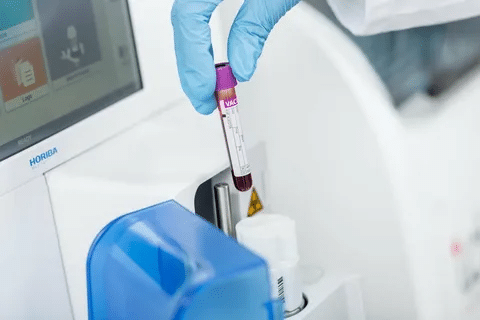
Getting an ANA blood test result can be scary if you don’t know what it means. At Liv Hospital, we make sure you get clear and accurate diagnoses. An ANA blood test checks for antibodies your immune system makes. These antibodies target the nucleus of healthy cells. Defining ana blood test and explaining the meaning behind positive and negative results for autoimmune screening.
This diagnostic tool helps doctors find autoimmune disorders. Knowing your test results helps you make smart health choices.

Learning about the ANA blood test is key for spotting and treating autoimmune diseases. The Antinuclear Antibody (ANA) test looks for autoantibodies in the blood. These antibodies attack the cell nucleus.
The ANA test is mainly for finding autoimmune disorders like Systemic Lupus Erythematosus (SLE), rheumatoid arthritis, scleroderma, and Sjögren’s syndrome. The main goal of the ANA test is to find people with autoimmune conditions early. This helps start treatment sooner.
Doctors say the ANA test is vital for diagnosing autoimmune diseases. It shows if antinuclear antibodies are present and in what amounts.
“The presence of ANA can indicate an autoimmune disorder, but it’s not exclusive to these conditions.”
Antinuclear antibodies (ANA) are made when the immune system mistakes the body’s own tissues for invaders. These antibodies attack the cell nucleus, causing inflammation and damage. The level and presence of ANA can tell us about the type and how severe an autoimmune condition is.
|
Condition |
ANA Positivity Rate |
Common Symptoms |
|---|---|---|
|
Systemic Lupus Erythematosus (SLE) |
High (>95%) |
Joint pain, skin rashes, kidney issues |
|
Rheumatoid Arthritis |
Moderate (30-40%) |
Joint pain, swelling, stiffness |
|
Sjögren’s Syndrome |
Moderate (50-70%) |
Dry eyes, dry mouth, joint pain |
A positive ANA test doesn’t always mean you have an autoimmune disease. It just shows you have antinuclear antibodies. More tests are needed to find the real cause.
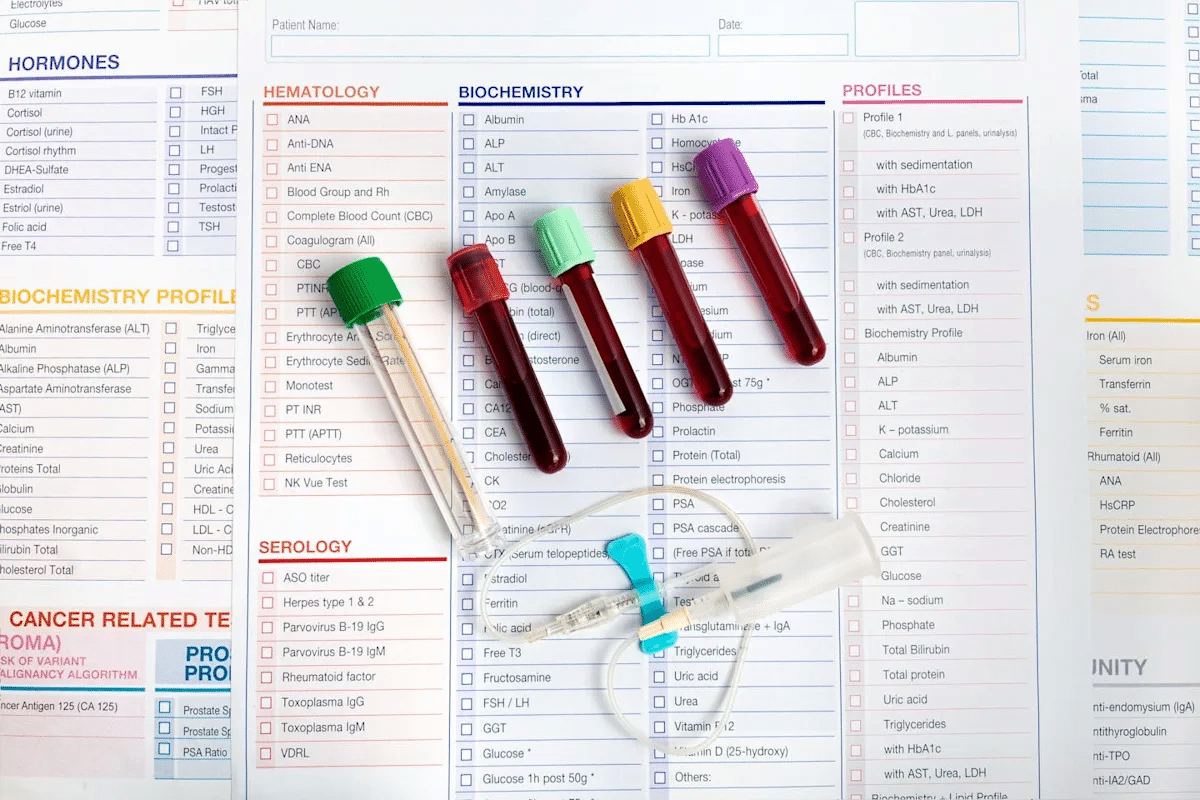
Understanding antinuclear antibodies is key to diagnosing and managing autoimmune diseases. These antibodies target the body’s own cells and tissues. When the immune system mistakenly attacks its own cells, it produces these autoantibodies. This can damage various parts of the body, including joints, skin, and organs.
In healthy people, the immune system fights off foreign invaders like bacteria and viruses. But in autoimmune diseases, it mistakenly attacks the body’s own cells. This leads to the production of autoantibodies like ANA. This misplaced attack causes inflammation and damage to different parts of the body.
It’s important to know the difference between normal immune function and autoimmunity. While the immune system protects us, its failure can cause serious health problems.
There are many types of antinuclear antibodies, each linked to different autoimmune conditions. Some common types include:
Knowing the specific type of ANA helps in diagnosing and managing the condition.
|
Type of ANA |
Associated Condition |
Clinical Significance |
|---|---|---|
|
Anti-dsDNA |
Systemic Lupus Erythematosus (SLE) |
Highly specific for SLE, often used as a diagnostic criterion |
|
Anti-Ro (SS-A) and anti-La (SS-B) |
Sjögren’s syndrome, SLE |
Common in Sjögren’s syndrome, associated with congenital heart block in newborns |
|
Anti-Sm |
SLE |
Specific for SLE, one of the diagnostic criteria |
|
Anti-RNP |
Mixed Connective Tissue Disease, SLE |
High titers associated with mixed connective tissue disease |
The presence and type of antinuclear antibodies offer valuable insights into autoimmune conditions. They guide treatment decisions and management strategies.
Healthcare providers might order an ANA test when patients show certain health issues. They do this based on symptoms that could point to an autoimmune disorder.
Joint pain, swelling, fever, fatigue, and skin rashes are common reasons for an ANA test. These signs can hint at conditions like lupus or rheumatoid arthritis.
Muscle pain, light sensitivity, and hair loss also prompt tests. While these symptoms don’t confirm an autoimmune disease, they suggest further investigation is needed.
Some people are more likely to get autoimmune diseases. This includes those with a family history, women, and those exposed to certain environmental triggers.
|
Risk Factor |
Description |
|---|---|
|
Family History |
Having a family history of autoimmune diseases increases the risk. |
|
Gender |
Women are more likely to develop certain autoimmune conditions. |
|
Environmental Triggers |
Exposure to certain environmental factors can trigger autoimmune responses. |
About 20 to 30 percent of healthy people might test positive for ANA at levels of 1:40 or greater. This shows the need to look at ANA test results with the whole clinical picture in mind.
The antinuclear antibody (ANA) test is a blood test. It checks for antinuclear antibodies in your blood. This test helps diagnose autoimmune disorders like systemic lupus erythematosus (SLE).
A healthcare professional will take a blood sample from your arm. They use a small needle. You might feel a pinch, but it’s quick.
Preparation for the ANA test is simple. Just follow your healthcare provider’s instructions. You usually don’t need to fast or change your routine.
There are several ways to test for ANA. The indirect immunofluorescence assay (IFA) is the most accurate.
The test result is shown as a titer, like 1:40 or 1:640. Knowing these results helps diagnose and manage autoimmune diseases.
|
ANA Titer |
Interpretation |
|---|---|
|
1:40 or lower |
Negative or low positive |
|
1:80 |
Low positive |
|
1:160 or higher |
Positive, may indicate autoimmune disorder |
Understanding ANA test results is key. A positive test doesn’t always mean you have an autoimmune disease. But, it’s a sign that needs more investigation.
Understanding your ANA test results is key to diagnosing and managing autoimmune diseases. When you get your results, knowing what they mean is important. This helps your healthcare provider make the right decisions for your care.
ANA test results have two main parts: the titer level and the pattern. The titer level shows how much antinuclear antibodies are in your blood. The pattern shows how these antibodies look under a microscope.
Titer levels are measured by diluting your blood until the antibodies can’t be found. The highest dilution where antibodies are found is your titer. Common titer levels are 1:40, 1:80, and 1:160.
Higher titers often mean more clinical significance. For example, a titer of 1:160 or higher is more significant than 1:40. But, titer levels must be looked at with your overall health in mind.
|
Titer Level |
Clinical Significance |
|---|---|
|
1:40 |
May be seen in healthy individuals or those with autoimmune diseases |
|
1:80 |
More likely to be associated with autoimmune conditions |
|
1:160 or higher |
Often considered significant for autoimmune diseases like SLE |
A positive ANA test means you have antinuclear antibodies in your blood. This can be a sign of an autoimmune disorder. But, it’s not exclusive to any one condition. A negative ANA test means you don’t have these antibodies or they’re at very low levels.
It’s important to know that a positive ANA test doesn’t mean you have a specific disease. Your healthcare provider will look at your overall health, medical history, and other test results to make a diagnosis.
The pattern of ANA staining can give more clues about your condition. Common patterns include:
Knowing the pattern and titer level helps your healthcare provider narrow down possible diagnoses. This helps them develop the right treatment plan for you.
ANA test results alone can’t diagnose a specific disease. Your provider will use your ANA test results with other blood and imaging tests and your health information to make a diagnosis.
A positive ANA test can show several autoimmune disorders. These include Systemic Lupus Erythematosus (SLE) and Rheumatoid Arthritis. The ANA test is a first step to find these diseases. It’s important to look at the whole picture when understanding the results.
SLE is a long-lasting autoimmune disease. It can harm the skin, joints, kidneys, and other organs. About 98% of SLE patients have a positive ANA test. But, a positive test alone doesn’t mean you have SLE. Other signs must also be present.
Rheumatoid Arthritis (RA) mainly hurts the joints. It causes inflammation and can damage the joints badly. Even though RA is linked more with Rheumatoid Factor (RF), some RA patients also have ANA.
Scleroderma, or systemic sclerosis, is a rare disease. It makes the skin and organs hard by adding collagen. Many scleroderma patients have a positive ANA test, often with specific patterns.
Sjögren’s Syndrome mainly affects the glands that make tears and saliva. This leads to dry eyes and mouth. Many Sjögren’s patients test positive for ANA, making it a key test for diagnosis.
Knowing what a positive ANA test means is key for the right diagnosis and treatment. We work with patients to find the cause of a positive test. Then, we create a treatment plan that fits their needs.
It’s important to know about ANA test results, as false positives can happen for many reasons. A positive ANA test doesn’t always mean you have an autoimmune disease. It can be affected by many things that aren’t related to disease.
Many things can make ANA levels go up, even if you don’t have an autoimmune disease. Age is a big factor, with levels going up in women over 65. Some medicines can also make ANA levels go up, like certain blood pressure drugs, antibiotics, and anti-inflammatory medicines.
Medications that can cause false-positive ANA results include:
Also, infections and other medical conditions can raise ANA levels. This makes it harder to understand what the test results mean.
Many healthy adults, mostly women over 65, can test positive for ANA. Research shows that a lot of healthy people can have a positive ANA test without any autoimmune disease symptoms.
“The presence of ANA in healthy individuals highlights the need for careful interpretation of test results in the context of clinical symptoms and other diagnostic findings.”
When dealing with ANA tests, a positive result is just one part of figuring out what’s going on. It’s key to understand the chance of false positives and look at the bigger picture for accurate diagnosis and care.
When your ANA test shows positive, your doctor will suggest more tests. A positive result means you have antinuclear antibodies. These can point to autoimmune diseases, but more tests are needed to confirm.
More tests will look for specific autoantibodies. These tests check for antibodies linked to certain diseases. For example, tests for anti-dsDNA and anti-Sm antibodies might suggest Systemic Lupus Erythematosus (SLE). Tests for anti-SSA and anti-SSB antibodies could point to Sjögren’s Syndrome.
Other tests might also be used. These include:
The tests chosen depend on the suspected disease and affected organs.
Rheumatologists specialize in autoimmune diseases. If your doctor thinks you might have an autoimmune disease, you might see a rheumatologist. These experts can run the right tests, understand the results, and create a treatment plan for you.
|
Test/Procedure |
Purpose |
Relevance |
|---|---|---|
|
Additional Antibody Tests |
Identify specific autoantibodies |
Helps in diagnosing specific autoimmune diseases |
|
Imaging Studies |
Assess organ involvement |
Evaluates the extent of disease |
|
Blood Tests for Inflammation and Organ Function |
Assess overall health and organ function |
Provides insight into disease activity and possible organ damage |
|
Biopsy |
Examine tissue for disease-specific changes |
Can be key for a definitive diagnosis |
By following these steps and working with healthcare providers, people with a positive ANA test can get a correct diagnosis and the right treatment.
Living with an autoimmune disorder means you need a full plan. This includes medical care, lifestyle changes, and regular check-ups. If you have Systemic Lupus Erythematosus (SLE) or Rheumatoid Arthritis, knowing your options is key.
Treatment depends on the condition and how severe it is. Doctors often use corticosteroids and immunosuppressants to fight inflammation and calm the immune system. Sometimes, biologic therapies are used to target the immune response.
For Rheumatoid Arthritis, Disease-Modifying Antirheumatic Drugs (DMARDs) are used to slow the disease. Knowing the medical term for ana helps patients understand their treatment better.
Changing your lifestyle is also important. Eating well, staying active, and managing stress are key. Activities like meditation or yoga can help.
It’s also important to avoid smoking and limit alcohol. These habits can make symptoms worse. A healthy lifestyle can help control your condition and improve your life.
Regular check-ups are vital for managing autoimmune disorders. Blood tests, including antinuclear antibodies (ANA) tests, help doctors track the disease. This way, they can adjust treatments as needed.
Working with your healthcare team is essential. Together, you can create a long-term management plan that meets your needs. This ensures you get the best care possible.
Knowing about the ANA blood test and its results is key for dealing with autoimmune diseases. This test finds antinuclear antibodies, which show if your body is attacking itself. We’ve looked into what these antibodies are and how they’re found through tests like the IFA assay.
A negative ANA test means no antibodies were found in your blood. This suggests you might not have an autoimmune disease. But, a positive test could mean you need more tests to see how serious it is. Knowing what an ANA test means is important for both patients and doctors to decide on the next steps.
Understanding ANA test results helps you manage your health better, even with autoimmune diseases. We aim to help you be more involved in your health care.
An ANA blood test looks for antinuclear antibodies in your blood. It helps find autoimmune disorders like systemic lupus erythematosus (SLE) and rheumatoid arthritis.
A positive ANA test means you have antinuclear antibodies. This can hint at autoimmune diseases. But, it doesn’t always mean you have a disease. Some healthy people can also test positive.
A low ANA titer, like 1:40 or 1:80, might be normal or show mild autoimmune issues. A high titer, like 1:160 or higher, suggests a serious autoimmune condition.
No, a negative ANA test doesn’t mean you can’t have an autoimmune disease. Some people with these diseases test negative. You need more tests and a doctor’s evaluation to confirm.
Symptoms like joint pain, fatigue, skin rashes, and fever might lead to ANA testing. These signs point to inflammation or autoimmune activity.
To do an ANA test, a blood sample is taken. Then, it’s analyzed in a lab using indirect immunofluorescence (IFA) or enzyme-linked immunosorbent assay (ELISA).
Yes, factors like age, medications, and other health conditions can skew ANA test results. This might lead to false positives.
Rheumatologists specialize in autoimmune diseases, including those with positive ANA results. They interpret test results, create treatment plans, and provide ongoing care.
Treatment for autoimmune disorders with positive ANA results varies. It might include medications, lifestyle changes, and other interventions to manage symptoms and slow disease progression.
ANA are autoantibodies that target the body’s own tissues. They play a role in autoimmune diseases like SLE and rheumatoid arthritis.
Different ANA patterns, like homogeneous or speckled, can hint at the underlying disease. They help guide further testing and diagnosis.
Yes, some healthy people can have positive ANA results. The chance of this increases with age.
National Center for Biotechnology Information. Antinuclear Antibody (ANA) Test: Understanding Positive Results. Retrieved from https://www.ncbi.nlm.nih.gov/pmc/articles/PMC3460534/)
