Last Updated on November 27, 2025 by Ugurkan Demir

It’s important to know the difference between a cold and a sinus infection. At Liv Hospital, we focus on quality care and helping you understand your symptoms. This way, you can tell if you just have a cold or if it’s turning into something more serious. Can a cold turn into a sinus infection green mucus? Learn about the progression from viral to potential bacterial infection.
A cold and a sinus infection are not the same thing. But, a cold can make it easier for an infection to start. When your nose gets swollen, mucus gets stuck. This is a perfect place for germs to grow, leading to a bigger problem.
Medical Expert’s not always easy to tell if you have a cold or a sinus infection. But, there are signs to look out for. At Liv Hospital, we aim to give you the best care possible, with all the support you need.
Key Takeaways
- A cold can lead to a sinus infection if not properly managed.
- Green nasal discharge is often associated with sinus infections.
- Distinguishing between a cold and a sinus infection requires careful evaluation.
- Liv Hospital provides high-quality care for patients with sinus-related issues.
- Understanding your symptoms is key to getting the right treatment.
The Relationship Between Colds and Sinus Infections
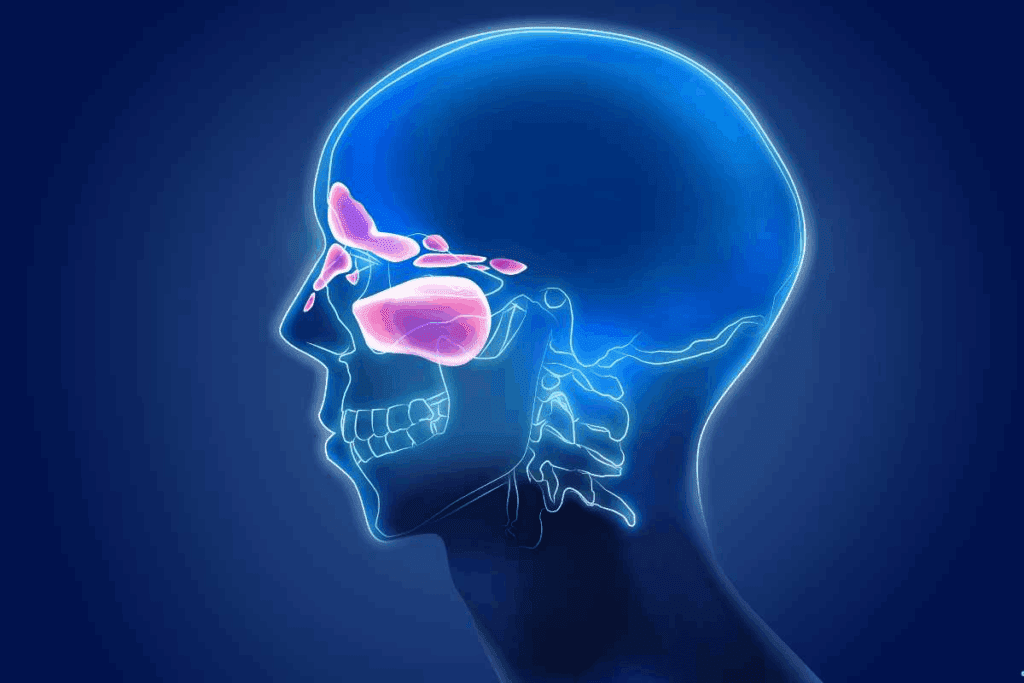
When we catch a cold, we often wonder if it could turn into a sinus infection. The connection between the two is complex. It involves how our body reacts to viruses and the chance of getting a bacterial infection.
How Viral Colds Create Conditions for Sinus Problems
Viral colds can lead to sinus infections by making it easy for bacteria to grow. When a cold virus attacks the upper respiratory tract, it causes inflammation and more mucus. This extra mucus can block the sinuses, giving bacteria a place to multiply.
Medical Expert, it can cause a sinus infection. This blockage stops the sinuses from draining, leading to a buildup of bacteria and other pathogens.
The Inflammatory Response That Bridges Both Conditions
The inflammatory response is key in the development of sinus infections after a cold. When the body finds a viral infection, it fights back with an immune response. This includes making inflammatory cytokines, which swell blood vessels and increase mucus and sinus pressure.
This response is both helpful and harmful. It helps fight the initial infection but can also let secondary bacterial infections take hold.
| Condition | Common Symptoms | Typical Duration |
| Cold | Runny nose, sneezing, mild sinus pressure | 7-10 days |
| Sinus Infection | Persistent sinus pressure, thick nasal discharge, facial pain | Varies, often longer than 10 days |
Knowing how colds and sinus infections are linked can help us spot when a cold is getting worse. By recognizing the signs of a sinus infection, we can get the right medical care and avoid bigger problems.
Understanding Sinus Infection Green Mucus: What It Means
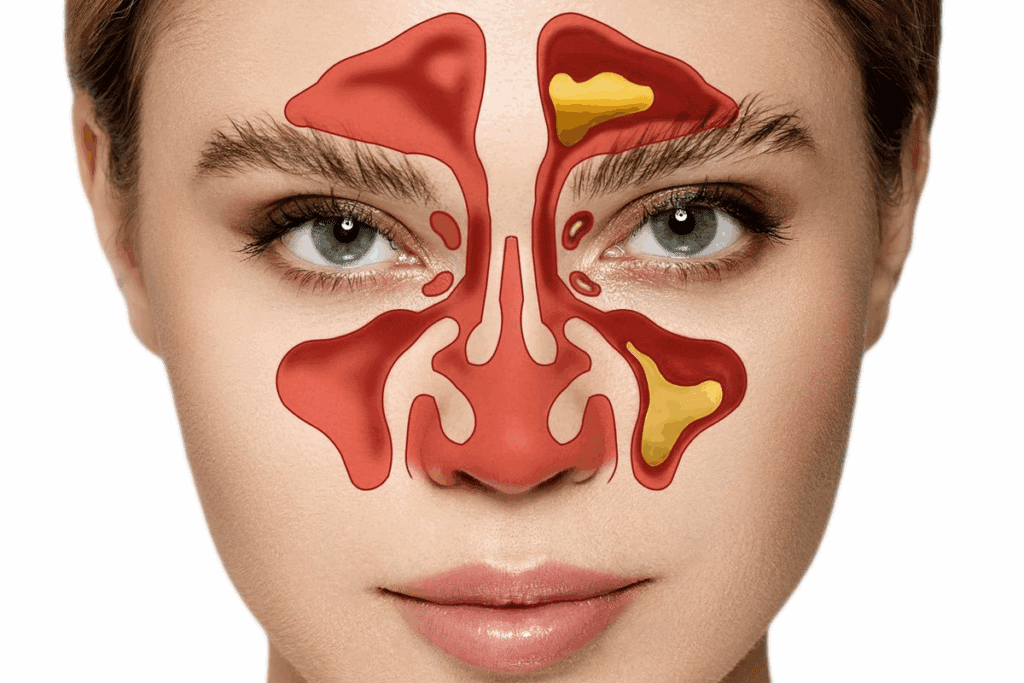
When you have a sinus infection, green mucus is a key sign. The color change shows how your body is fighting the infection. We’ll look into what green mucus means for your health.
The Immune Response That Changes Mucus Color
The color of mucus comes from your immune system. When you’re sick, your body sends white blood cells to fight off germs. These cells have an enzyme called myeloperoxidase, which is green.
As these cells break down, they release this enzyme. This turns the mucus green or yellow. This color change means your body is fighting an infection.
What Different Mucus Colors Indicate About Your Health
Mucus color can tell you a lot about your health. Here’s what different colors might mean:
| Mucus Color | Possible Indication |
| Clear | Normal or allergic reaction |
| Yellow or Green | Infection or inflammation; presence of white blood cells |
| Brown or Rust-colored | Old blood or presence of bacteria |
| White | Thickening of mucus, possible fungal infection |
Remember, mucus color is just one clue. It’s not enough to diagnose on your own. Always see a doctor for a proper diagnosis and treatment.
Common Cold vs. Sinus Infection: Key Differences
The difference between a common cold and a sinus infection can be tricky. Knowing the key differences helps us choose the right treatment and feel better faster.
Symptom Duration and Progression Patterns
Looking at how long symptoms last and how they change can tell us a lot. A cold usually goes away in 7 to 10 days. But if symptoms don’t get better or get worse, it might be a sinus infection. Medical Expert’Hare says symptoms lasting over 10 to 14 days could mean a sinus infection.
Here are some patterns to watch for:
- Common Cold: Symptoms usually peak in 3-5 days and then get better slowly.
- Sinus Infection: Symptoms might seem to get a little better at first but then get worse, or they just don’t get better.
Location and Quality of Pain and Pressure
The where and how pain and pressure feel can also help us tell the difference. Both can cause facial pressure, but it feels different.
Sinus infections often cause pain and pressure in specific spots, like:
- The cheeks
- The forehead
- The area around the eyes
This pain can get worse when you move or lie down. A cold might cause more general pressure without these specific spots.
Distinguishing Symptoms Unique to Each Condition
Some symptoms are more common in one condition than the other. For example:
- Green Mucus: A sinus infection is more likely to have thick, green or yellow mucus because of pus.
- Cough and Sore Throat: These are more common in colds, but can also happen in sinus infections if there’s postnasal drip.
- Fever: A high fever, often from a bacterial infection, is more likely in a sinus infection.
By paying attention to these differences, we can figure out if we have a cold or a sinus infection. Then, we can get the right treatment to feel better.
The Anatomy and Science Behind Sinus Infections
It’s important to know how the sinuses work to understand sinus infections after a cold. The sinuses are air-filled spaces in the skull. They make mucus to humidify the air and filter out dust and bacteria.
How Your Sinuses Function Normally
The sinuses help warm, humidify, and filter the air we breathe. They produce mucus that traps pathogens and debris. This mucus is then cleared through small openings into the nasal cavity. The sinuses play a key role in keeping our airways healthy.
The Pathophysiology of Sinus Inflammation and Infection
A cold virus can cause inflammation in the sinuses, leading to sinusitis. This inflammation can block mucus drainage. Trapped mucus then becomes a breeding ground for bacteria, causing a secondary infection.
- The inflammatory response causes the mucous membranes to swell.
- This swelling can block the sinus ostia (the small openings that allow mucus to drain).
- Trapped mucus provides an ideal environment for bacterial growth.
Why Trapped Mucus Becomes a Breeding Ground for Infection
Trapped mucus in the sinuses is perfect for bacterial growth because of its nutrients and warm, humid conditions. When mucus is not cleared, it becomes thick and sticky, making drainage harder. This can lead to a secondary bacterial infection, making the initial viral infection worse.
- The mucus becomes a culture medium for bacteria.
- Bacteria multiply rapidly in the trapped mucus.
- The infection can spread to other sinuses or to the lower respiratory tract if not properly treated.
Knowing how sinus infections work after a cold helps us understand why they happen. By understanding the causes, we can prevent and treat these infections better.
Viral vs. Bacterial Sinus Infections
Knowing if a sinus infection is viral or bacterial is key to treating it right. Sinus infections can come from viruses or bacteria. It’s important to know which one you have to manage it well.
How to Tell the Difference Between Viral and Bacterial Causes
Telling if a sinus infection is viral or bacterial can be tricky. Symptoms can be similar. Viral sinus infections usually start after a cold or flu and get better as the cold does. On the other hand, bacterial sinus infections have more severe symptoms like a high fever, yellow or green nasal discharge, and facial pain that gets worse.
Medical Expert “double worsening” pattern can mean it’s bacterial. This means symptoms get better at first, then get worse again. This pattern helps doctors tell if it’s viral or bacterial.
The “Double Worsening” Pattern of Bacterial Infections
The “double worsening” pattern is important to know. It happens when symptoms seem to get better, then get worse again. This usually means it’s a bacterial infection. Spotting this pattern can lead to quicker and better treatment.
- Initial improvement after the onset of cold symptoms
- Secondary worsening with increased severity of symptoms
- Presence of high fever or thick nasal discharge
Why Antibiotics Work for Some Sinus Infections But Not Others
Antibiotics work on bacterial infections but not viral ones. Using antibiotics too much has led to resistance. So, it’s important to use them wisely. If it’s a bacterial infection, antibiotics can help. But for viral infections, treatment focuses on easing symptoms, not antibiotics.
Knowing the cause of a sinus infection is vital for the right treatment. By figuring out if it’s viral or bacterial, doctors can give better care. This helps patients get better faster.
Statistics and Prevalence of Sinus Infections After Colds
It’s important to know how often sinus infections happen after colds. Sinusitis, or sinus infection, is a common cold complication. Its prevalence affects public health a lot.
Annual Incidence Rates in the United States
About 31 million people get sinus infections every year in the U.S. This shows how common it is. Sinus infections affect about 1 in 8 adults in the U.S. each year.
The rates change based on age and where you live. But, sinus infections are a top reason for doctor visits. This puts a big strain on healthcare.
Economic and Quality of Life Impact
Sinus infections cost a lot, both directly and indirectly. Direct costs include doctor visits and medicines. Indirect costs are lost workdays and lower quality of life.
A study found that sinusitis costs billions of dollars each year in the U.S. It also badly affects people’s daily lives, sleep, and overall happiness.
“Sinusitis is not just a minor annoyance; it’s a condition that can significantly affect a person’s quality of life,” said an expert in otolaryngology. “Understanding its prevalence and impact is key for better treatments.”
Risk Factors That Increase Your Chances of Developing a Sinus Infection
Some things make you more likely to get a sinus infection after a cold. These include:
- Anatomical abnormalities: Issues like a deviated septum can block sinus drainage.
- Allergies: Allergies can make the nasal passages and sinuses inflamed, raising the risk.
- Immunocompromised state: People with weakened immune systems, like those with HIV/AIDS or on chemotherapy, are more at risk.
- Smoking: Smoking harms the cilia in the nasal passages, making it harder to clear mucus.
- Environmental factors: Exposure to pollutants, dust, and other irritants can also increase the risk.
Knowing these risk factors helps you take steps to prevent sinus infections after colds.
When to Worry About Green Mucus and Other Warning Signs
Green mucus can be scary, but knowing what it means is important. It helps you figure out if you just have a cold or something more serious. It’s key to know the signs that might mean you have a sinus infection.
Normal Color Changes During a Cold’s Progression
When you have a cold, your mucus can change a lot. At first, it’s clear and watery. Then, it gets thicker and might turn yellow or green. This is because your body is fighting off the infection.
If the green mucus lasts more than 7-10 days or comes with other bad symptoms, you might have a sinus infection.
Red Flags That Indicate a Sinus Infection Has Developed
There are signs that show a cold might have turned into a sinus infection. These include:
- Prolonged symptoms: If your cold symptoms don’t get better after 10 days, it could mean you have a bacterial sinus infection, says Medical Expert.
- Increased severity: If your symptoms get worse over time, it might mean you have a secondary bacterial infection.
- Severe facial pain or pressure: If you have constant pain or pressure in your face, it could be a sign of a sinus infection.
- Fever: A high fever that lasts or gets worse after your cold symptoms start can mean you have a sinus infection.
Symptoms That Warrant Immediate Medical Attention
While most colds and sinus infections can be treated at home, some symptoms need urgent medical help. These include:
- Severe headache or facial pain: If you have a bad headache or facial pain that doesn’t go away with over-the-counter pain relievers.
- Vision changes or swelling around the eyes: If you notice any vision changes, double vision, or a lot of swelling around your eyes, get help right away.
- High fever or chills: If you have a fever over 102°F (39°C) or chills that keep getting worse, seek medical help.
- Confusion or disorientation: If you feel confused, disoriented, or your mental state changes, get medical help right away.
Knowing these warning signs and when to see a doctor is important. It helps make sure you get the right care for your health. If you’re not sure about your symptoms or what to do, always talk to a healthcare professional.
Diagnosing a Sinus Infection After a Cold
When a cold doesn’t seem to be getting better, it might have turned into a sinus infection. This needs the right diagnosis and treatment. To diagnose a sinus infection, you need to know the symptoms and how they differ from a cold.
Self-Assessment Guidelines for Adults
Medical Expert. This can help figure out if your cold has turned into a sinus infection. These questions include:
- How long have you been experiencing symptoms?
- Are you feeling sinus pressure or pain in your face?
- Has your mucus changed color or consistency?
- Do you have bad breath or a reduced sense of smell?
Answering these questions can help you decide if you have a lingering cold or a sinus infection. Medical Expert 7-10 days, or if they get better and then worse, it might be a sinus infection.
Special Considerations for Children and Elderly Patients
Diagnosing sinus infections in children and elderly patients is different. This is because of their unique health needs and possible other health issues.
In children, it’s hard to diagnose sinus infections because they can’t always tell you how they feel. Parents and caregivers should look for signs like a persistent cough, nasal discharge, and irritability.
In elderly patients, sinus infections can be more serious. This is because of changes in the sinuses with age and possible other health problems. Elderly people might have more severe symptoms or symptoms that are not typical, like confusion or cough.
Diagnostic Tests Your Doctor May Perform
To confirm a sinus infection, doctors might do several tests. These include:
| Diagnostic Test | Purpose |
| Nasal Endoscopy | Visual examination of the nasal passages and sinuses |
| Imaging Tests (X-rays, CT scans) | To visualize the sinuses and detect any abnormalities |
| Mucus Culture | To identify the causative organism of the infection |
These tests help doctors find out if you have a sinus infection and what’s causing it. This guides the treatment.
“Accurate diagnosis is key for effective treatment. By understanding symptoms and using tests, healthcare providers can tell the difference between a cold and a sinus infection. This ensures the right treatment.”
Medical Expert, ENT Specialist
In conclusion, diagnosing a sinus infection after a cold requires self-assessment, a doctor’s evaluation, and tests. Knowing the signs and symptoms helps people get the right treatment. Healthcare providers can then offer targeted care.
Comprehensive Treatment Approaches for Post-Cold Sinus Infections
Treating sinus infections after a cold requires a mix of medical treatments and self-care. The goal is to ease discomfort, lessen the infection’s severity, and avoid complications.
Medical Treatments: Antibiotics, Steroids, and Other Medications
Antibiotics are often given for bacterial sinus infections. It’s important to finish the antibiotic course as your doctor advises. Nasal corticosteroids can also be used to reduce swelling in the nasal passages, helping you breathe better.
Medical Expert, decongestants, and nasal irrigation can help. These can ease symptoms and improve your life while you recover.
“The key to effective treatment is understanding the cause of the sinus infection and tailoring the treatment approach.”
- Antibiotics: For bacterial sinus infections.
- Nasal Corticosteroids: To reduce inflammation.
- Antihistamines: To alleviate allergic reactions.
- Decongestants: To reduce nasal congestion.
Effective Home Remedies and Self-Care Strategies
Medical treatments are not the only solution. Several home remedies and self-care strategies can also help. Nasal irrigation with a saline solution can clear out mucus and debris, helping to relieve pressure.
| Remedy | Description | Benefits |
| Nasal Irrigation | Rinsing nasal passages with saline solution | Clears mucus, promotes drainage |
| Steam Inhalation | Breathing in warm, moist air | Loosens mucus, eases congestion |
| Warm Compresses | Applying a warm, damp washcloth to the face | Relieves facial pain, loosens mucus |
When Surgery Might Be Considered for Chronic Cases
For those with chronic sinusitis that doesn’t improve with treatments, surgical options might be needed. Procedures like balloon sinuplasty or functional endoscopic sinus surgery (FESS) can improve drainage and reduce infection frequency.
It’s vital to talk to a healthcare professional to find the best treatment for you. Combining medical treatments with home remedies and self-care can help manage symptoms and improve your life.
Conclusion
A cold can’t directly turn into a sinus infection. But, it can make it easier for a sinus infection to happen. This is often seen when you have green mucus. Knowing how colds and sinus infections are related is key to getting the right treatment.
At Liv Hospital, we aim to give top-notch healthcare to everyone. We support international patients with advanced treatments and care. Our goal is to make sure you get the best results for conditions like sinus infections.
If you’re dealing with green mucus, facial pain, or trouble breathing, see a doctor. Understanding sinus infection causes and symptoms is the first step to feeling better. It’s important to get medical help right away.
FAQ
Can a cold turn into a sinus infection?
A cold can turn into a sinus infection. This happens when cold symptoms swell the sinuses. Then, mucus gets trapped, letting bacteria and viruses grow. This can lead to a secondary sinus infection.
What does green mucus indicate?
Green or yellow nasal discharge often means you have a sinus infection. The color change in mucus shows your body’s immune response. Different colors can signal different health stages.
How long does a sinus cold last?
A sinus cold can last longer than a regular cold. Symptoms can go on for more than a week, sometimes up to several weeks.
Can a head cold cause a sinus infection?
Yes, a head cold can lead to a sinus infection. This happens when the sinuses get congested and mucus gets trapped.
What is the difference between a common cold and a sinus infection?
A common cold and a sinus infection have key differences. Symptoms last longer in sinus infections. The pain and pressure are also more severe and persistent.
How do you tell if you have a sinus infection or just a cold?
To tell the difference, look at symptom persistence and severity. Green or yellow mucus is a strong sign of a sinus infection.
Are sinus infections caused by viruses or bacteria?
Sinus infections can come from viruses or bacteria. Bacterial infections often show a “double worsening” pattern. Symptoms get better and then worse.
When should I worry about green mucus?
Worry about green mucus if it lasts or comes with severe facial pain, fever, or breathing trouble.
How are sinus infections diagnosed?
Diagnosis includes self-assessment, medical history, and tests like imaging studies or nasal endoscopy. These confirm a sinus infection.
What are the treatment options for sinus infections?
Treatment includes antibiotics, steroids, and home remedies. Surgery might be needed for chronic cases.
Can yellow mucus be a sign of a sinus infection?
Yes, yellow mucus can mean you have a sinus infection. It shows there’s an infection or inflammation in the sinuses.
How can I prevent a cold from turning into a sinus infection?
Preventing a cold from turning into a sinus infection is possible. Manage cold symptoms, use nasal decongestants, and practice good hygiene to reduce the risk.
Is green snot a sign of a sinus infection?
Green snot can be a sign of a sinus infection. But, facial pain, pressure, and persistent symptoms are also important indicators.
References
- National Center for Biotechnology Information. (2025). Can a Cold Turn Into a Sinus Infection. Retrieved from https://pmc.ncbi.nlm.nih.gov/articles/PMC7112288/