Last Updated on December 3, 2025 by Ugurkan Demir

Skin cancer can show up in many places, and the scalp is very prone to it because of the sun. What does skin cancer on scalp look like? A visual guide to recognizing melanoma, BCC, and SCC in the hairline.
People with thinning hair or who are bald face a bigger risk. The scalp is a big worry spot, making up to 13% of all skin cancers.
There are three main types of skin cancer found on the scalp: basal cell carcinoma, squamous cell carcinoma, and melanoma. Knowing the signs and symptoms is key for catching it early and treating it well.
Key Takeaways
- The scalp is a common site for skin cancer due to sun exposure.
- Individuals with thinning hair or baldness are at higher risk.
- Early detection is key for effective treatment.
- There are three main types of skin cancer that affect the scalp.
- Understanding the signs and symptoms is vital.
Understanding Skin Cancer on the Scalp
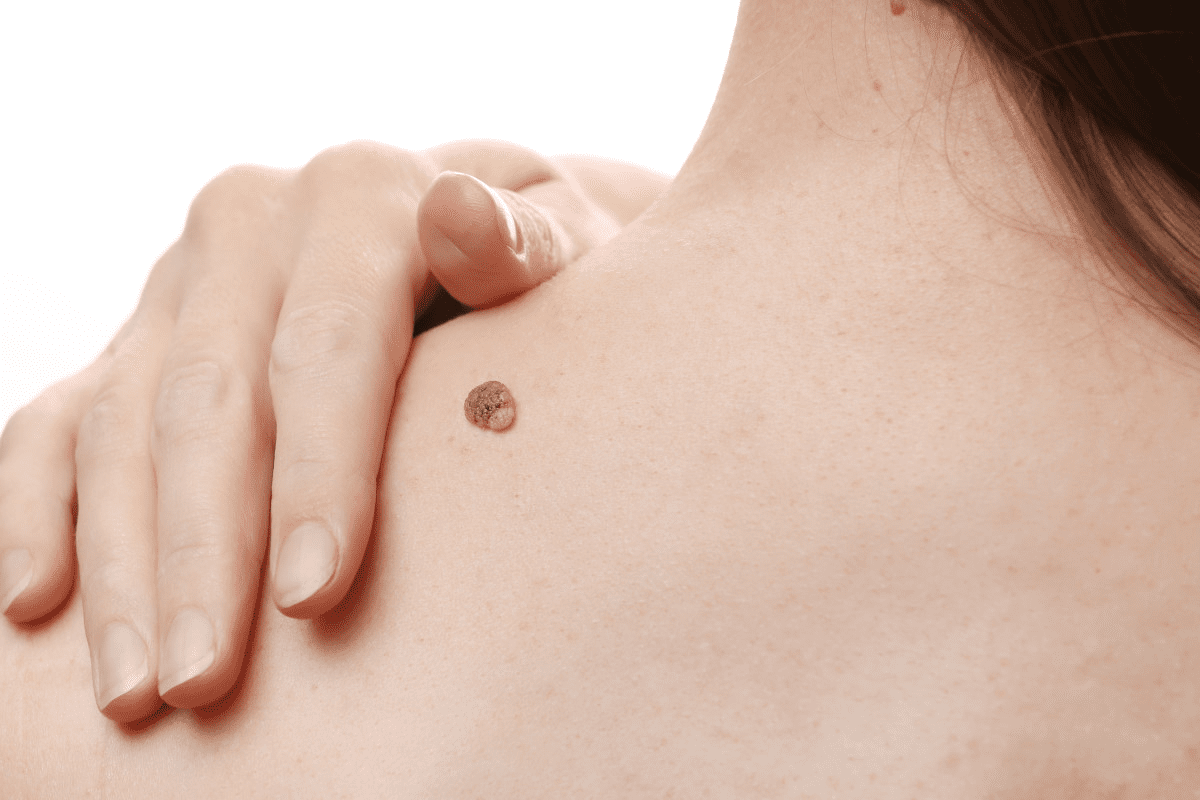
It’s key to know about skin cancer on the scalp for early detection and treatment. The scalp can get different types of skin cancer, like melanoma, squamous cell carcinoma, and basal cell carcinoma.
Why the Scalp is Vulnerable to Skin Cancer
The scalp is at high risk for skin cancer because of sun exposure. People with thinning hair or baldness face a higher risk. The scalp’s skin can get damaged by UV rays, leading to cancer over time.
The scalp’s structure makes it a complex place for cancer to start and grow. Most scalp cancers begin in the skin layer.
Prevalence and Statistics
Skin cancer on the scalp is a big health issue, with melanoma being the most serious. Studies show the scalp is a common spot for melanoma, mainly in men.
Type of Skin Cancer | Prevalence on Scalp | Severity |
Melanoma | Common, specially in men | High |
Squamous Cell Carcinoma | Less common than melanoma | Moderate to High |
Basal Cell Carcinoma | Rare on the scalp | Low to Moderate |
These numbers show why it’s vital to watch the scalp for cancer signs. This is true for anyone who’s had a lot of sun or has thinning hair.
Common Risk Factors for Scalp Skin Cancer
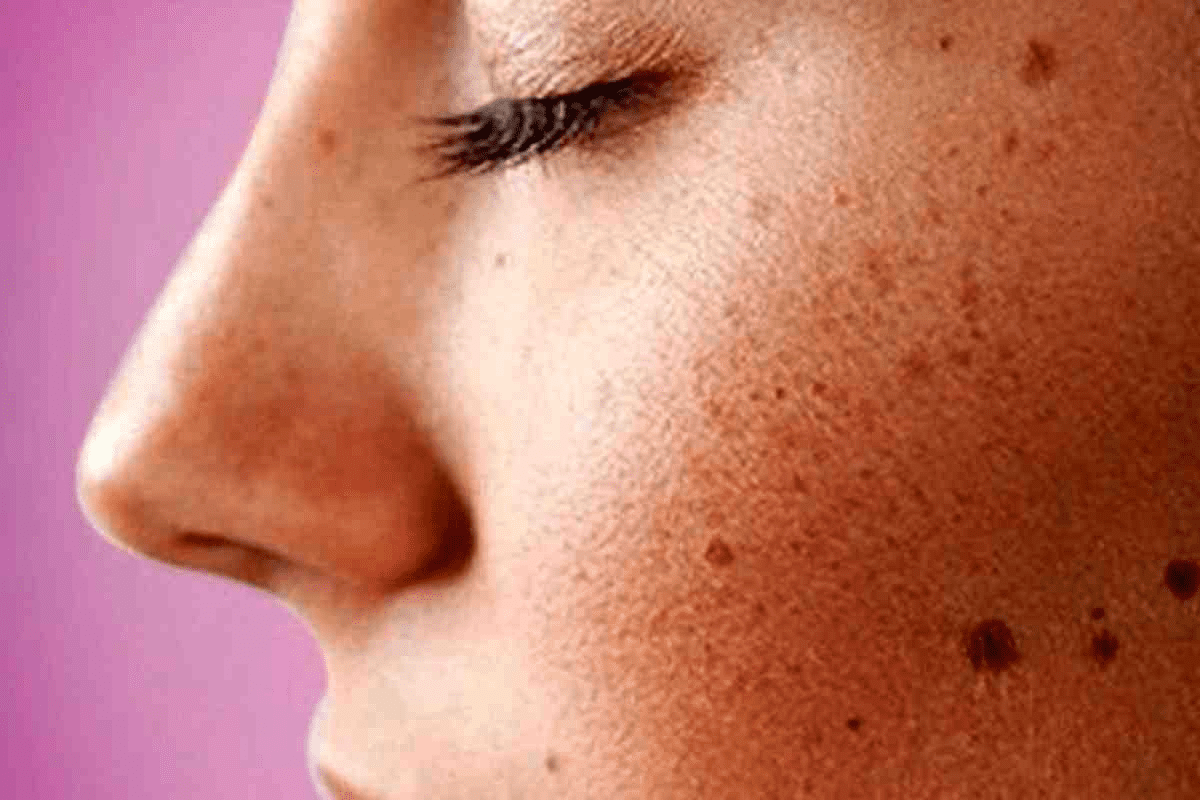
Scalp skin cancer risk comes from genetics, environment, and health. Knowing these factors helps prevent and catch cancer early.
Sun Exposure and UV Damage
Long-term sun exposure is a big risk for scalp skin cancer. UV rays from the sun or tanning beds harm skin DNA, causing cancer. People with fair skin, light eyes, or red/blond hair are more at risk because they have less melanin.
UV radiation without protection raises scalp skin cancer risk. This is true for athletes, outdoor workers, or those who spend a lot of time outside without sun protection.
Hair Loss and Thinning
Hair loss makes the scalp more exposed to the sun. Without hair, the scalp is more at risk for UV damage. This is a big worry for those with a history of sun exposure or who didn’t protect their scalp well.
Other Contributing Factors
Other things also raise scalp skin cancer risk. These include:
- Radiation Therapy: Head or neck radiation therapy increases scalp skin cancer risk.
- Weakened Immune System: A weak immune system, from illness or meds, makes skin cancer more likely.
- Genetic Predispositions: A family or personal history of skin cancer raises risk.
- Increasing Age: Skin cancer risk, including on the scalp, grows with age.
Knowing these risk factors helps prevent and catch scalp skin cancer early.
Types of Skin Cancer That Affect the Scalp
It’s important to know about the different skin cancers that can hit the scalp. The scalp can get various types of skin cancer, each with its own traits and risks.
Overview of the Three Main Types
The scalp can get three main types of skin cancer: basal cell carcinoma (BCC), squamous cell carcinoma (SCC), and melanoma. Basal cell carcinoma looks like a flesh-colored, waxy, or pearly bump. Squamous cell carcinoma starts as a pink, scaly, tender patch. Melanoma is the most serious and looks like dark moles with odd shapes.
Relative Frequency and Severity
Basal cell carcinoma is the most common and usually the least serious. Squamous cell carcinoma is less common but can be more aggressive. Melanoma is the least common but the most dangerous because it can spread quickly.
Type of Skin Cancer | Relative Frequency | Severity |
Basal Cell Carcinoma (BCC) | Most Common | Least Dangerous |
Squamous Cell Carcinoma (SCC) | Less Common than BCC | More Aggressive than BCC |
Melanoma | Least Common | Most Dangerous |
Why Early Detection Matters
Finding skin cancer early on the scalp is key for good treatment and better results. Spotting the signs and symptoms early can lead to quicker diagnosis and treatment. This can greatly improve your chances of beating the disease.
Basal Cell Carcinoma on the Scalp
It’s important to know about basal cell carcinoma on the scalp to catch it early. Basal cell carcinoma (BCC) is the most common skin cancer. It often shows up on sun-exposed areas, like the scalp.
Visual Characteristics and Appearance
Basal cell carcinoma on the scalp looks like a flesh-colored, waxy, or pearly bump. You might see fine pink or red lines on its surface. These lines are from small blood vessels.
In some cases, BCC looks like a flat, scaly patch. It might bleed or ooze.
The look of BCC can change, but it often has a shiny or waxy feel. Knowing what it looks like is key to spotting it early.
Common Locations on the Scalp
BCC can pop up anywhere on the scalp but is more common in sun-exposed spots. This includes the top and back of the scalp, where hair is thinning or missing.
Location | Characteristics | Risk Factors |
Top of the Scalp | Flesh-colored or pearly bumps | Prolonged sun exposure, thinning hair |
Back of the Scalp | Flat, scaly patches or shiny bumps | UV radiation, balding areas |
Progression and Changes Over Time
Basal cell carcinoma on the scalp grows slowly if not treated. It can get bigger, change color, or show new symptoms like bleeding or pain. Catching it early is key to avoid serious damage and get better treatment results.
Do regular self-checks and get your scalp checked by a pro. If you see anything odd or suspicious, see a dermatologist right away.
Squamous Cell Carcinoma on the Scalp
It’s important to know about squamous cell carcinoma on the scalp. This skin condition can be dangerous if not caught early. Squamous cell carcinoma (SCC) starts in the squamous cells of the skin’s outer layer.
Identifying Features and Appearance
SCC on the scalp often looks like a pink scaly tender patch. It can grow into a red bump with a tender or indented center. The scalp is at high risk, mainly for those who spend a lot of time in the sun or have fair skin.
SCC can look different, but it’s often a rough, scaly patch or a raised growth. It might bleed or crust over. Watching for new or changing spots on the scalp is key to catching it early.
How SCC Develops on the Scalp
SCC on the scalp comes from UV damage, which can change the squamous cells’ genes. This damage is worse for those with fair skin, sunburns, and too much sun without protection.
SCC grows slowly, starting with actinic keratoses. If not treated, these can turn into SCC. Catching and removing these early can stop SCC from forming.
Distinguishing from Other Skin Conditions
Telling SCC apart from other scalp conditions can be hard because they look similar. Psoriasis, eczema, and benign growths can look like SCC. But SCC usually doesn’t go away and keeps growing or changing.
A dermatologist can do a biopsy to see if it’s SCC or something else. If you see any unusual or changing spots on your scalp, see a doctor right away.
Melanoma on the Scalp: The Most Dangerous Type
Melanoma is the most dangerous skin cancer on the scalp because it can spread. It starts when melanocytes, the cells that make skin color, turn cancerous. On the scalp, it’s hard to spot early, so knowing what to look for is key.
Visual Indicators of Scalp Melanoma
Melanoma on the scalp can look different. It often shows up as a dark mole with odd edges. But, not all melanomas are dark. Some are light or the same color as the skin, making them tricky to find.
We should watch for any new or changing spots on the scalp. Look out for spots that are not even, have weird edges, or have different colors.
Why Scalp Melanomas Are More Aggressive
Scalp melanomas are more aggressive than others. This is because the scalp has lots of blood vessels, helping cancer cells spread. Also, because they’re hidden by hair, they’re often found late.
So, it’s important to check the scalp often for any unusual changes.
Amelanotic Melanoma: The Hidden Threat
Amelanotic melanoma doesn’t have the usual color, making it hard to spot. It looks like a pink or flesh-colored spot, often thought to be harmless. Because it doesn’t have the usual signs, it’s often found too late.
Knowing about this type is important for catching it early.
By understanding the risks and signs of melanoma on the scalp, we can catch it early. This could save lives.
Key Warning Signs of Skin Cancer on Scalp
It’s important to know the early signs of skin cancer on the scalp. Early detection can lead to effective treatment. So, it’s key to recognize the symptoms that might show it’s there.
Non-Healing Sores and Lesions
Non-healing sores or lesions on the scalp are a common sign of skin cancer. These sores might bleed, crust over, or not heal in weeks. If you see a sore on your scalp that won’t go away, see a dermatologist.
Key characteristics of non-healing sores include:
- Persistent bleeding or oozing
- Failure to heal within a few weeks
- Crusting or scabbing that recurs
Changes in Existing Moles or Spots
Changes in moles or spots on the scalp can also be a sign of skin cancer. Look for changes in size, shape, color, or texture. It’s important to check your scalp often for any unusual changes.
Signs that a mole or spot may be cancerous:
- Asymmetry: one half of the mole doesn’t match the other
- Border irregularity: the edges are ragged or blurred
- Color variation: multiple colors or uneven color distribution
- Diameter: the mole is larger than 6mm
- Evolution: changes over time
“Early detection is key to treating skin cancer effectively. Regular self-examinations and professional check-ups can significantly improve outcomes.”
Unusual Sensations: Pain, Itching, and Tenderness
Pain, itching, or tenderness on the scalp can also be warning signs. These feelings might happen with or without visible lesions.
Types of unusual sensations to watch for:
- Persistent pain or tenderness
- Itching that doesn’t resolve
- Numbness or tingling
Being alert to these signs and seeing a dermatologist if you notice anything unusual can help. It can improve your chances of catching skin cancer early and treating it effectively.
Benign Scalp Conditions vs. Skin Cancer
Knowing the difference between harmless scalp issues and skin cancer is key. Both can show up on the scalp, but they need different treatments. This knowledge can greatly affect how well you recover.
Common Non-Cancerous Scalp Issues
Many harmless conditions can pop up on the scalp, making you worry about cancer. These include:
- Seborrheic Keratoses: These are harmless growths that look like brown, black, or tan spots.
- Dermatitis: This is skin inflammation that can cause redness, itching, and sometimes blisters.
- Cysts: These are fluid-filled sacs under the skin, appearing as bumps.
Key Differences in Appearance
Spotting the difference between harmless conditions and skin cancer involves looking at how they appear and change. Key differences include:
- Rate of Growth: Skin cancer grows or changes faster than harmless conditions.
- Changes in Appearance: Cancerous spots may change color, size, or shape, becoming irregular or uneven.
- Symptoms: Skin cancer can bleed, itch, or hurt, though many don’t show symptoms.
When to Be Concerned
If you see anything unusual on your scalp, pay attention. Be worried if you notice:
- A new or changing mole or spot.
- A sore that doesn’t heal in a few weeks.
- Unusual feelings like pain, itching, or tenderness.
Spotting skin cancer early is vital for effective treatment. If you’re unsure about scalp changes, see a dermatologist for a check-up.
The ABCDE Method for Identifying Scalp Melanoma
The ABCDE method is key in spotting scalp melanoma early. This is important because scalp melanoma is dangerous and hard to find early.
Applying the ABCDE Criteria to Scalp Lesions
The ABCDE method helps spot odd-looking spots by looking at five things:
- Asymmetry: The two halves don’t match.
- Border irregularity: The edges are messy or uneven.
- Color variation: The color is not the same everywhere and might have different shades.
- Diameter: The spot is bigger than a pencil eraser.
- Evolving: The spot is getting bigger, changing shape, or color.
Looking closely at scalp spots with these criteria can help find melanomas early. “Early detection is key to surviving melanoma,” says why we need to be careful.
Challenges of Self-Examination
Using the ABCDE method is helpful, but checking the scalp can be tough. It’s hard to see all areas. We suggest using mirrors or getting help from someone else to check hard spots.
Visual Examples and Indicators
shows a scalp melanoma with some ABCDE signs. Knowing what to look for helps us spot problems sooner.
The ABCDE method is a strong tool against scalp melanoma. By knowing and using these rules, we can find and treat it early.
How to Check Your Scalp for Skin Cancer
Learning to check your scalp for skin cancer can save your life. It’s important to do this regularly. We’ll show you how to spot problems early.
Self-Examination Techniques
To check your scalp, use mirrors and bright light. Hold a handheld mirror with a fixed mirror to see all parts. Divide your scalp into sections for a detailed check.
Also, feel your scalp with your fingers. Look for bumps, moles, or texture changes. This touch check helps you see more.
Tools and Methods for Better Visibility
Good light is key for a thorough check. Use bright, natural light or a good lamp. A cool hair dryer setting can also help part your hair.
For thick or long hair, use hair clips or bobby pins. This makes it easier to see your scalp. Be patient and thorough in your self-examination.
Creating a Regular Screening Routine
Be consistent with your self-checks. Schedule regular checks, like once a month. Keep a record or take photos to track changes.
If you see anything odd, like new moles or sores, see a dermatologist right away. Early detection is vital. Regular checks and professional advice can greatly improve your chances.
When to See a Dermatologist
Knowing when to see a dermatologist is key for catching scalp skin cancer early. It’s important to know the signs that mean you need to see a doctor. This can save your life.
Concerning Symptoms That Warrant Immediate Attention
Some symptoms on your scalp mean you should see a dermatologist right away. These include:
- Non-healing sores or lesions that don’t get better or grow.
- Changes in existing moles or spots, like color, shape, or size changes.
- Unusual sensations like pain, itching, or tenderness on the scalp.
If you see any of these signs, get medical help fast.
The Importance of Regular Professional Skin Checks
Getting regular skin checks is key for catching skin cancer early, including on the scalp. If you’ve had skin cancer before or are at high risk, see a dermatologist every year. They can:
- Look over your scalp and skin carefully.
- Find any odd spots or changes.
- Help you prevent and catch cancer early.
What to Expect During a Scalp Examination
Your dermatologist will look at your scalp closely during an exam. They might use a special tool for a better look. If they find something odd, they might take a sample to check for cancer. This might sound scary, but it’s a big step in keeping you healthy.
By being proactive and knowing when to see a dermatologist, you can protect your health. This helps tackle scalp skin cancer effectively.
Conclusion
Early detection is key to treating skin cancer on the scalp effectively. Knowing the signs and symptoms helps. Being aware of risk factors and taking preventive steps also play a big role.
Prevention is important in managing scalp skin cancer. Use sun protection like hats and sunscreen. Also, do regular self-exams to spot any unusual changes.
Getting regular skin checks from a dermatologist is also vital. If you see any unusual sores, changes in moles, or feel pain or itching, see a dermatologist.
By being proactive about scalp health, we can lower the risk of skin cancer. Stay alert and take care of your scalp today.
FAQ
What are the common signs of skin cancer on the scalp?
Look out for sores that don’t heal, changes in moles, and odd feelings like pain or itching. Watch for new or changing growths, like those that are not even, have weird edges, or change color.
How can I differentiate between benign scalp conditions and skin cancer?
Benign conditions like seborrheic keratoses or dermatitis look and act differently from skin cancer. Cancer grows or changes faster, might bleed, and can hurt. If unsure, see a dermatologist for a check-up.
What does basal cell carcinoma on the scalp look like?
Basal cell carcinoma looks like a flesh-colored, waxy, or pearly bump with blood vessels on it. It can show up anywhere on the scalp, often in sun-exposed spots, and can grow if not treated.
What are the characteristics of squamous cell carcinoma on the scalp?
Squamous cell carcinoma starts as a pink, scaly, tender patch. It can turn into a red bump with a sore center. It often shows up in sun-exposed scalp areas.
How can I identify melanoma on the scalp?
Melanoma can look like a dark mole with odd edges, or it can be amelanotic, meaning it’s not pigmented. Use the ABCDE criteria to spot suspicious spots: look for asymmetry, irregular borders, color changes, sizes over 6mm, and evolving shapes.
Why are scalp melanomas more aggressive?
Scalp melanomas are aggressive because they’re hard to spot until they’re big. Their blood supply might also help them spread.
How can I perform a self-examination of my scalp for skin cancer?
Use mirrors to see all parts of your scalp, and good lighting is key. A handheld mirror can help with tricky spots. Make checking your scalp a regular habit to catch changes early.
When should I see a dermatologist about a scalp issue?
See a dermatologist if you have sores that won’t heal, changes in moles, or odd feelings. Regular skin checks are a good idea, too, if you’re at risk for skin cancer.
What can I expect during a scalp examination by a dermatologist?
A dermatologist will look at your scalp and might use a dermatoscope for a closer look. If they find something suspicious, they might take a biopsy to check if it’s cancer.
How can I reduce my risk of developing skin cancer on the scalp?
Protect your scalp from the sun with hats, sunscreen, or other cover-ups. Know your risk factors, like fair skin or radiation therapy history. Regular self-checks are also important.
References
National Center for Biotechnology Information. (2025). What Does Skin Cancer on Your Scalp Look. Retrieved from https://pubmed.ncbi.nlm.nih.gov/19079224/