Last Updated on November 27, 2025 by Ugurkan Demir
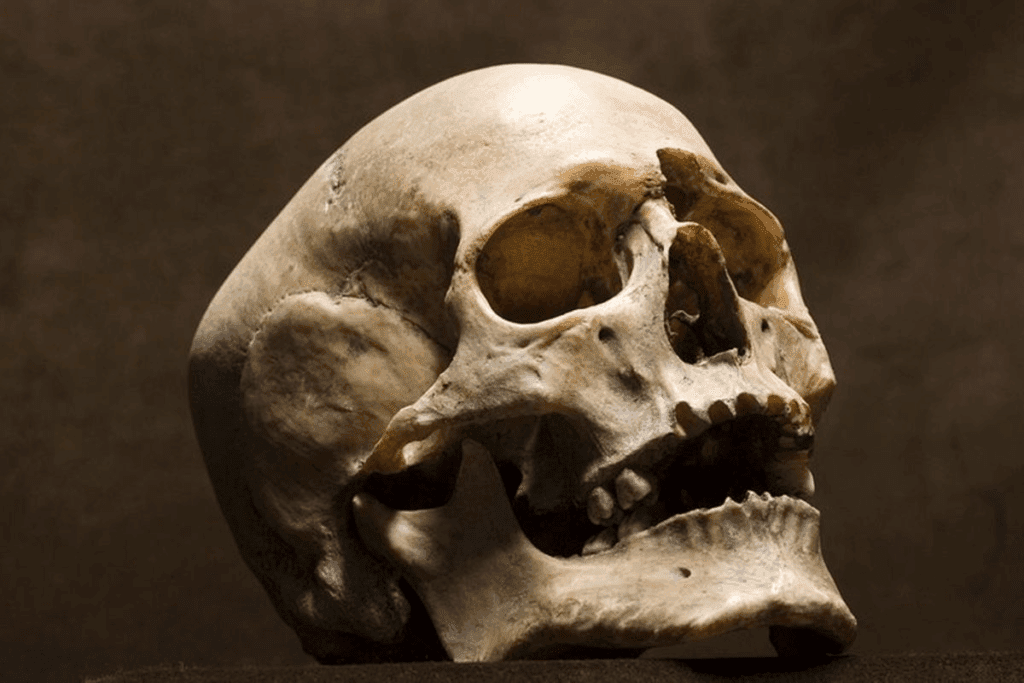
What causes a bony lump at the base of your skull? Learn about benign and malignant causes, including rare types of skull base tumors. Finding a bony lump at the base of your skull can be scary. But knowing what causes it is the first step to getting it treated right. We’ll look at the reasons behind these growths and the types that can happen in this area.
Growths at the skull’s base can be harmless or serious. They appear just behind the eyes and nose, under the brain. How they affect the area around them can differ a lot.
At Liv Hospital, we focus on our patients to find and treat these issues. We use the latest medical methods and care with kindness. Knowing about the skull and these growths is key to figuring out their causes.
Key Takeaways
- Abnormal growths at the skull’s base can be benign or malignant.
- These growths can cause various symptoms depending on their type and location.
- A patient-centered approach is key for effective diagnosis and treatment.
- Understanding the anatomy of the skull is vital for identifying the causes of bony lumps.
- Liv Hospital offers complete diagnosis and expert care from many fields.
Anatomy of the Skull Base and Common Abnormalities

Knowing the skull base’s anatomy is key to spotting problems. This area is where important blood vessels and nerves meet the spinal cord. It acts as a barrier between the brain and the neck, essential for many bodily functions.
Normal Skull Base Structure
The skull base is made of several bones that merge during growth. It has foramina for nerves and blood vessels. The skull base supports the brain and guards vital structures.
Key parts of the skull base are:
- The foramen magnum, where the spinal cord meets the brain.
- The petrous apex, a spot that can have lesions.
- The sphenoid sinus, a common site for tumors.
Distinguishing Between Normal Prominences and Abnormal Growths
It’s vital to tell normal anatomical features from abnormal growths at the skull base. Normal features are usually symmetrical and match the person’s anatomy. But, an abnormal bulge at the base of the skull might signal a health issue.
When checking a skull base abnormality, look at:
- Location and symmetry.
- Size and how fast it grows.
- Any symptoms, like pain or nerve problems.
Most Common Locations for Bony Lumps
Bony lumps at the skull base can happen in different spots, based on the cause. Common places include the lump at the base of the skull left side, the back of the skull, and near the sinuses.
Some common spots for bony lumps are:
- The occipital bone, at the back of the skull.
- The mastoid region, behind the ear.
- The parietal bones, on the sides of the skull.
Understanding Skull Base Tumors and Their Prevalence
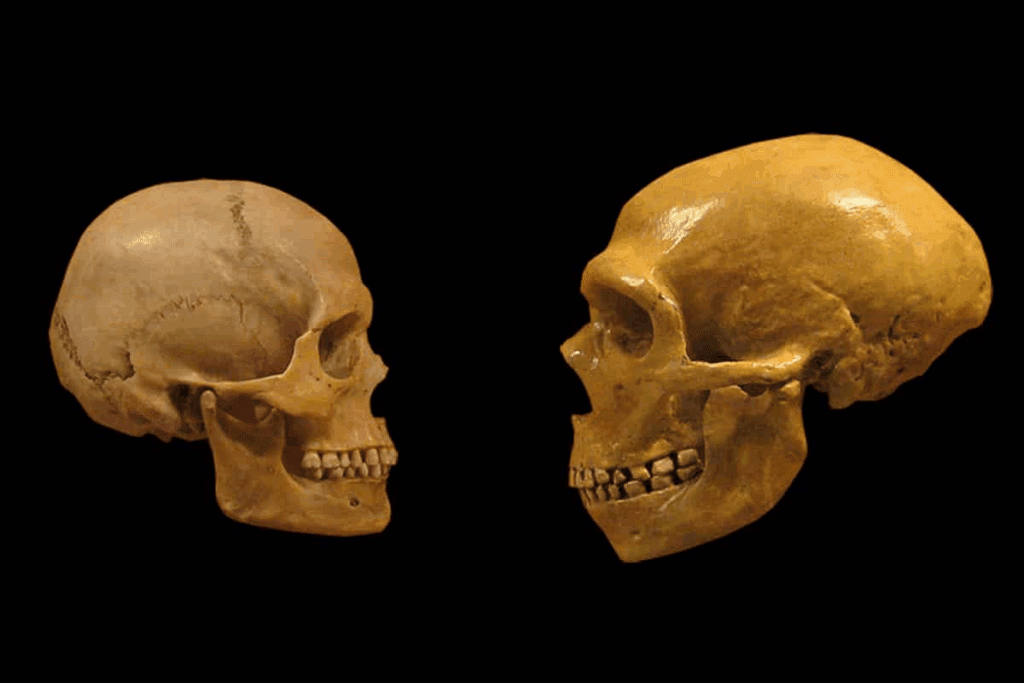
Skull base tumors are rare but can greatly affect people’s lives. It’s important to know how common they are and what they are like. These tumors grow at the base of the skull, a complex area with vital structures.
Studies are working to learn more about how often these tumors happen. They want to know who gets them and why.
Statistics on Skull Base Tumors
Research shows that the skull base is the most common place for bone tumors. This is true in 68.8% of cases, according to studies. This fact shows why the skull base is a key area to study.
We will look at a table to understand how common skull base tumors are.
Tumor Location | Percentage of Cases |
Skull Base | 68.8% |
Other Locations | 31.2% |
The table shows that skull base tumors are the most common. This highlights the need for more research and awareness.
Demographics: Age, Gender, and Risk Groups
Skull base tumors can happen to anyone. But, some groups are more likely to get certain types. Age and gender can play a big role in who gets these tumors.
Some tumors are more common in younger people. Others are more likely in older adults. Knowing this helps us find who might be at risk.
We will keep exploring how different groups are affected by these tumors.
Why the Skull Base Is a Common Location for Bone Tumors
The skull base is a complex area with lots of bone and soft tissue. This might make it more likely for tumors to grow there. Also, its location near important nerves and blood vessels makes treatment hard.
Scientists are studying why the skull base is a common spot for tumors. They believe its unique anatomy is a big reason.
Types of Benign Bony Growths at the Skull Base
It’s important to know about the different types of benign bony growths at the skull base. This knowledge helps doctors diagnose and treat them correctly. These growths can affect people in different ways.
Osteomas: Characteristics and Development
Osteomas are benign bony outgrowths found on the skull and facial bones. They grow slowly and often don’t cause symptoms. This makes them easy to miss unless found during imaging for other reasons.
Osteoma Characteristics:
- Usually solitary and slow-growing
- Most commonly found on the surface of the skull
- Can be associated with Gardner syndrome in some cases
Other Benign Growths: Exostosis and Bone Spurs
Exostosis and bone spurs are also benign bony growths at the skull base. Exostosis is a bony growth that sticks out from a bone. Bone spurs are sharp, bony projections.
Type of Growth | Characteristics | Common Locations |
Osteoma | Benign, slow-growing bony outgrowth | Skull surface, facial bones |
Exostosis | Bony growth projecting outward | Various bony surfaces, including skull base |
Bone Spur | Pointed bony projection | Often at the junction of bones or tendons |
Petrous Apex Lesions
Lesions at the petrous apex, a part of the temporal bone near the skull base, can be benign. These include cholesterol granulomas and petrous apex osteomas.
These lesions can be tricky to diagnose because of their location. They can also cause serious symptoms by pressing on nearby structures.
Malignant Skull Base Tumors and Their Origins
It’s important to know where malignant skull base tumors come from to treat them well. These tumors are aggressive and can start in bone or cartilage.
Diagnosing and treating these tumors is hard because of their location and how close they are to important parts of the body. We’ll look at the different kinds of malignant skull base tumors, what makes them unique, and how doctors handle them today.
Development from Notochord Remnants
Chordomas are rare tumors that grow from the notochord, a part of the spinal cord’s development. They make up about 1% to 4% of all bone tumors. Chordomas grow slowly but can spread locally, needing surgery and radiation to manage.
Cartilage-Based Tumors
Chondrosarcomas are malignant tumors that start in cartilage cells at the skull base. They can be different in how serious they are. Doctors usually try to remove the tumor completely through surgery.
Other Cancerous Conditions Affecting the Skull Base
Other than chordomas and chondrosarcomas, other cancers can also affect the skull base. These include metastatic tumors and various sarcomas. How these are treated depends on where the cancer started, how far it has spread, and the patient’s health.
Tumor Type | Origin | Typical Treatment Approach |
Chordoma | Notochord remnants | Surgery and radiation therapy |
Chondrosarcoma | Cartilage-producing cells | Surgical resection |
Metastatic tumors | Various primary sites | Depends on primary cancer and extent of disease |
Knowing the exact type of malignant skull base tumor is key to making a good treatment plan. Doctors from neurosurgery, oncology, and radiology often work together to tackle these complex cases.
Causes and Risk Factors for Bony Lumps at the Skull Base
Bony lumps at the skull base can come from many sources. These include genetics, lifestyle, and trauma. Knowing what causes them is key to preventing and catching them early.
Genetic Predispositions and Hereditary Conditions
Genetics play a big role in bony lumps at the skull base. Some hereditary conditions, like neurofibromatosis type 2, can lead to noncancerous tumors. People with a family history of these conditions are more at risk.
Genetic conditions can affect how bones grow and develop. This can lead to abnormalities. If you have a family history of genetic disorders, talk to a doctor for advice.
Environmental Triggers and Lifestyle Factors
Environmental factors and lifestyle choices also increase the risk of bony lumps. For example, radiation exposure is a known risk factor for tumors.
Choices like smoking and diet can also play a part. Staying healthy and avoiding harmful environmental exposures can lower your risk.
Previous Trauma or Injury to the Skull
Head or neck trauma is another risk factor for bony lumps. Such injuries can cause abnormal bone growth or bony spurs.
If you’ve had a head or neck injury, watch your health closely. Tell your doctor if you notice anything unusual.
The table below lists the main risk factors for bony lumps at the skull base:
Risk Factor | Description | Prevention/Monitoring |
Genetic Predispositions | Hereditary conditions such as neurofibromatosis type 2 | Genetic counseling, regular check-ups |
Environmental Triggers | Exposure to radiation | Minimize exposure, protective measures |
Lifestyle Factors | Smoking, diet | Healthy lifestyle choices |
Previous Trauma | Head or neck injuries | Monitor for symptoms, report to healthcare provider |
Recognizing Symptoms of a Skull Base Tumor
It’s important for patients and doctors to know about the symptoms of skull base tumors. These symptoms can change based on the tumor’s size, type, and where it is.
Skull base tumors can cause headaches, vision or hearing changes, and balance or swallowing issues. This happens because the tumor can press on nerves and blood vessels nearby.
Physical Manifestations: Beyond the Visible Lump
There are symptoms beyond a visible or touchable lump at the base of the skull. These include:
- Pain or tenderness in the neck or head
- Swelling or redness in the affected area
- Difficulty swallowing or a sensation of something being stuck in the throat
These signs can show that a tumor is there and how it might affect nearby tissues.
Neurological Symptoms Due to Pressure on Surrounding Structures
As a skull base tumor grows, it can put pressure on nearby nerves. This can cause a variety of symptoms. These include:
- Changes in vision, such as double vision or loss of peripheral vision
- Hearing loss or ringing in the ears
- Dizziness or problems with balance
- Numbness or weakness in the face or extremities
It’s very important to see a doctor if you have any of these symptoms. They can really affect your life and might mean a serious problem.
When Symptoms Indicate a Medical Emergency
In some cases, symptoms mean you need to get medical help right away. For example, if a tumor presses too hard on the brainstem or nerves, it can be very dangerous. Symptoms that need quick medical help include:
- Sudden severe headache
- Confusion or altered mental state
- Seizures
- Weakness or paralysis
If you or someone you know has these symptoms, get emergency medical care fast.
Diagnostic Procedures for Evaluating Bony Growths
When a bony lump is found at the skull base, doctors use different tests to figure out why it’s there. Knowing the cause is key to treating it right.
Imaging Technologies: CT Scans, MRIs, and X-rays
Advanced imaging is key in finding out about bony growths at the skull base. CT scans give detailed pictures of the lump and its surroundings. MRIs show soft tissues well, helping to see if nerves are affected. X-rays might be used first to check for bone issues.
The right imaging test depends on the symptoms and what the doctors think it might be. Mixing info from different tests helps doctors understand the problem fully.
Imaging Modality | Primary Use | Benefits |
CT Scan | Bony structure assessment | Detailed bone images, quick procedure |
MRI | Soft tissue assessment | High-resolution images of soft tissues, no radiation |
X-ray | Initial assessment of bony abnormalities | Quick, widely available, low cost |
Biopsy Procedures and Laboratory Analysis
Sometimes, just imaging isn’t enough to know what a bony growth is. A biopsy might be needed to get tissue for tests. This involves taking a small piece of tissue from the lump for closer look.
Testing the tissue sample is vital to tell if the growth is cancerous or not. It helps doctors decide on the best treatment and what to expect.
Differential Diagnosis: Ruling Out Other Conditions
Differential diagnosis is a method to find the real cause of a bony lump at the skull base. It involves looking at many possible causes and ruling them out with tests. Doctors use the patient’s history, physical check-ups, imaging, and lab tests to make a diagnosis.
By using these tests together, we make sure patients get the right treatment for their condition.
Treatment Approaches for Skull Base Conditions
Understanding and treating skull base conditions well needs a deep look at the condition, its spot, and the patient’s health. The skull base’s complex anatomy and the many conditions it can face mean each treatment must be tailored to the patient.
Surgical Interventions and Techniques
Surgery is a key treatment for many skull base issues, like tumors. Advances in surgical techniques, like endoscopic surgery, have made it possible to remove tumors more precisely. This reduces damage to nearby areas.
We look at several things when deciding if surgery is right. These include the tumor’s type, size, and where it is, plus the patient’s health and wishes.
Radiation Therapy Options
Radiation therapy is also a key treatment for skull base conditions, mainly for tumors that can’t be removed or are too big. Advanced radiation techniques, like stereotactic radiosurgery, focus high doses of radiation on the tumor. This helps protect the healthy tissue around it.
Medication and Supportive Therapies
Medicine is also vital in managing symptoms and supporting patients through treatment. This includes pain meds, steroids to reduce swelling, and other therapies tailored to the patient’s needs.
Treatment Selection Based on Tumor Type and Location
The treatment choice depends on the tumor’s type, size, and location, and the patient’s health. We use a team approach to find the best treatment plan. This involves neurosurgeons, radiation oncologists, and other specialists.
Tumor Type | Typical Treatment Approach | Considerations |
Benign Tumors (e.g., Osteomas) | Surgical removal if symptomatic | Monitoring may be appropriate for asymptomatic tumors |
Malignant Tumors (e.g., Chordomas) | Combination of surgery and radiation therapy | Prognosis varies based on tumor type and extent of resection |
Other Conditions (e.g., Petrous Apex Lesions) | Varied, depending on the specific condition | May require a multidisciplinary approach for optimal management |
By looking at each patient’s unique situation and using different treatments, we can create plans that improve their quality of life. This is true for patients with skull base conditions.
Conclusion: Living with and Managing Skull Base Conditions
Living with a skull base tumor or managing conditions can be tough. But, with the right treatment and support, patients can manage well. A bony bump or a lump at the base of the skull needs medical attention.
Managing these conditions needs a full approach. This includes accurate diagnosis, the right treatment, and ongoing support. Knowing the causes, symptoms, and treatment options helps patients navigate their care.
It’s key to be aware, detect early, and get multidisciplinary care. With the right care and support, people with skull base tumors can live fulfilling lives. Our aim is to offer top-notch healthcare and support to international patients. We want to help them manage their condition effectively.
FAQ
What are the common causes of a bony lump at the base of the skull?
Bony lumps at the base of the skull can come from different sources. Benign growths like osteomas, exostosis, and bone spurs are common. Malignant tumors such as chordomas and chondrosarcomas can also cause them. Genetic predispositions, environmental triggers, and past injuries to the skull can also play a role.
How can I distinguish between a normal prominence and an abnormal growth on my skull?
It’s hard to tell if a growth on your skull is normal or not. Normal prominences are usually even and not painful. But, abnormal growths might be uneven, painful, or cause other symptoms. Always see a healthcare professional for a proper check-up.
What are the symptoms of a skull base tumor beyond a visible lump?
Symptoms of a skull base tumor can vary. You might feel numbness, weakness, or paralysis in your face. You could also have trouble speaking or swallowing, or notice vision problems. Headaches, dizziness, or hearing loss are other possible symptoms, depending on the tumor’s location and size.
How are skull base tumors diagnosed?
Doctors use several methods to diagnose skull base tumors. They might do CT scans and MRIs, take biopsies, and run lab tests. These tools help figure out what kind of tumor it is, how big it is, and how it affects nearby areas.
What treatment options are available for skull base conditions?
Treatment for skull base conditions varies. It depends on the tumor’s type, location, and your overall health. Options include surgery, radiation therapy, medication, and supportive care. A team of healthcare experts works together to find the best treatment plan for you.
Are bony lumps at the base of the skull always a cause for concern?
Not all bony lumps at the base of the skull are serious. But, it’s important to have any new or changing lump checked by a doctor. While most growths are not dangerous, some tumors need quick treatment.
Can previous trauma or injury to the skull cause a bony lump at the base of the skull?
Yes, trauma or injury to the skull can lead to a bony lump. This can happen because of bone spurs or other changes after the injury.
What is the role of genetic predispositions in the development of skull base tumors?
Genetics can influence the risk of certain skull base tumors. People with a family history of specific conditions might be at higher risk. Knowing your genetic risk can help in early detection and prevention.
How common are skull base tumors?
Skull base tumors are not very common. Their frequency depends on the type of tumor. Some benign growths are more common than malignant tumors. Certain groups might be at higher risk.
What are the most common locations for bony lumps at the skull base?
Bony lumps can appear in different spots on the skull base. They often occur at the petrous apex, the clivus, and the sphenoid wing. Where the lump is can give clues about its nature and how it might affect nearby areas.
References
- National Center for Biotechnology Information.. What Causes a Bony Lump at the Base. Retrieved from https://www.ncbi.nlm.nih.gov/pmc/articles/PMC5753744/