Last Updated on December 1, 2025 by Bilal Hasdemir

Growths at the base of the skull, near the eyes and nose, can greatly affect health. These skull base tumors can be either harmless or dangerous, impacting senses and nerves.Skull base tumor severityBulge at Base of Skull: Causes and Risks
The skull structure in this area makes diagnosis and treatment hard. Knowing how serious these tumors are is key for patients to choose the right care.
Key Takeaways
- Skull base tumors can be benign or malignant.
- They affect the senses and nervous system.
- Diagnosis and treatment are complex due to the skull anatomy.
- Understanding the severity is key for informed care decisions.
- Skull base tumors need quick medical attention.
Understanding Skull Base Tumors
To understand skull base tumors, you need to know about the skull base anatomy and how tumors can grow there. The skull base is a complex area at the bottom of the brain.
Definition and Anatomy of the Skull Base
The skull base is a key area where important nerves and blood vessels meet. It’s made of bones that join together when we’re young. This area has many openings for nerves and vessels to pass through.
How Tumors Develop in This Region
Tumors can start in the cranial base, coming from nearby structures. Tumor development here can be caused by genes and environmental factors. Tumors can be either benign or malignant, with skull base cancer being a major concern.
Tumors in the skull base can cause different symptoms based on their location and size. Knowing how these tumors grow is key to diagnosing and treating them.
Types of Skull Base Tumors
It’s important to know about the different types of skull base tumors. They can be either benign or malignant. This knowledge helps doctors figure out the best treatment.
Benign Skull Base Tumors
Benign tumors are not cancerous but can cause health problems. They include:
- Acoustic neuromas, which affect the nerve connecting the inner ear to the brain.
- Meningiomas, typically slow-growing tumors arising from the meninges.
- Osteomas, benign bone tumors that can occur in the skull base.
These tumors can lead to hearing loss, tinnitus, and balance issues. This depends on where and how big they are.
Malignant Skull Base Tumors
Malignant tumors are cancerous and can grow fast. They include:
- Chordomas, rare tumors believed to originate from remnants of the notochord.
- Chondrosarcomas, malignant cartilage tumors.
- Carcinomas, which can spread to other parts of the body.
These tumors can cause more serious symptoms. Symptoms include pain, neurological problems, and trouble swallowing.
| Tumor Type | Nature | Common Symptoms |
| Acoustic Neuroma | Benign | Hearing loss, tinnitus, balance issues |
| Meningioma | Benign | Headaches, seizures, vision changes |
| Chordoma | Malignant | Pain, neurological deficits, difficulty swallowing |
“The diversity of skull base tumors necessitates a multidisciplinary approach to diagnosis and treatment, involving neurosurgeons, oncologists, and other specialists.”
Determining whether a tumor is benign or malignant is crucial, as it guides doctors in predicting outcomes and selecting the most appropriate treatment.
Recognizing the Warning Signs
Spotting the early signs of skull base tumors is key to better treatment. These tumors can cause a variety of symptoms because of their location.
Early Symptoms to Watch For
Early signs of skull base tumors can be tricky to spot. They often include headaches and vision changes. These happen because the tumor presses on nearby areas.
Physical Manifestations
As the tumor grows, symptoms get clearer. People might notice hearing loss, nosebleeds, or trouble balancing. These signs show the tumor’s effect on nerves and other parts of the skull.
When to Seek Immediate Medical Attention
If symptoms get worse or new ones show up, get help right away. Sudden vision loss or bad headaches are big warning signs. Doctors say, “Quick diagnosis is vital for good treatment.”
Knowing these signs can help catch tumors early. This can lead to better treatment and outcomes for patients.
Diagnostic Process for Skull Base Tumors
Diagnosing skull base tumors needs advanced imaging and lab tests. This detailed process helps find out the tumor’s type and how serious it is. This info is key for choosing the best treatment.
Advanced Imaging Techniques
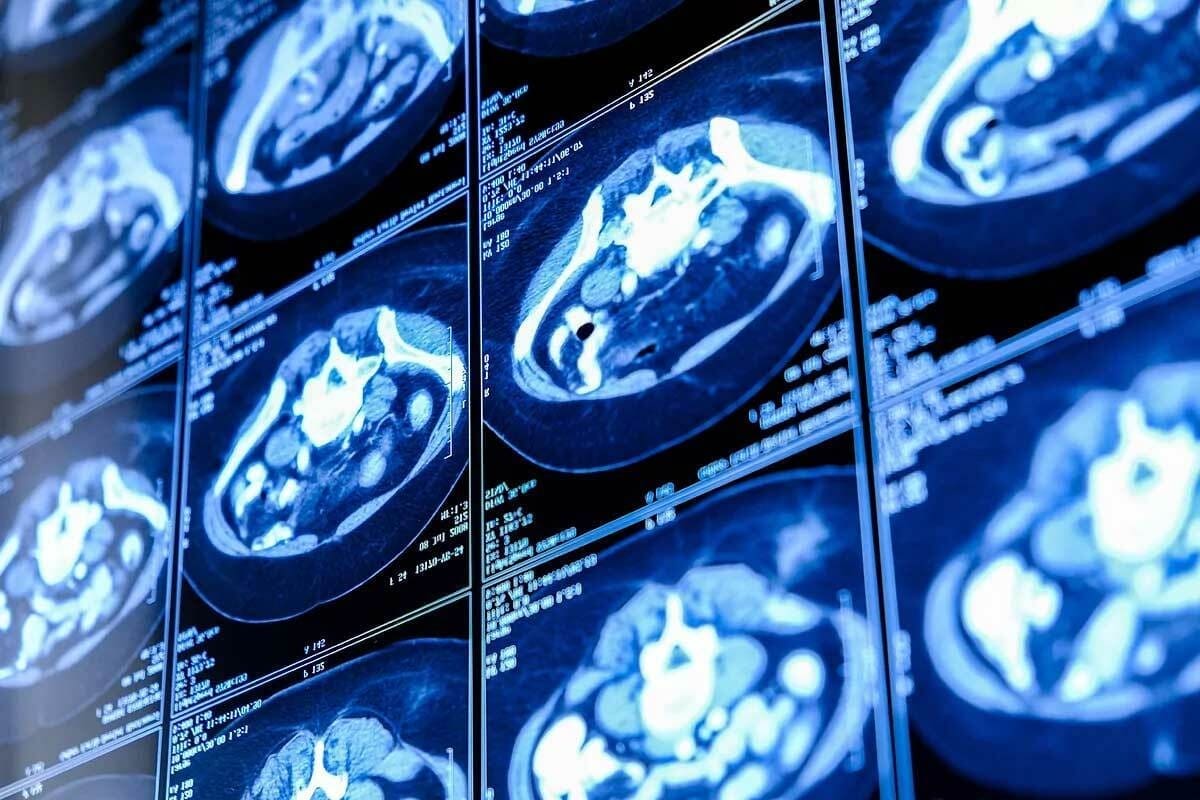
Imaging is a big part of finding out about skull base tumors. CT scans and MRI are key tools. CT scans show the tumor’s size and where it is. MRI is better at seeing soft tissues, helping to understand the tumor’s spread.
- CT scans: Useful for detecting calcifications and bone erosion.
- MRI: Excellent for evaluating soft tissue involvement and tumor extent.
Biopsy and Laboratory Testing
Imaging gives clues, but biopsy and laboratory testing are needed for a clear diagnosis. A biopsy takes a tumor sample for detailed study. Lab tests, like genetic analysis, help understand the tumor’s specific traits. This info helps decide the best treatment.
Skull Base Tumor Severity Assessment
Understanding a skull base tumor’s severity is complex. It involves looking at many diagnostic and anatomical factors. This is key to choosing the right treatment and predicting how well the patient will do.
Grading and Staging Systems
Grading and staging systems help figure out how serious a skull base tumor is. The World Health Organization (WHO) grading system looks at the tumor’s cells. The TNM (Tumor, Node, Metastasis) system checks the tumor’s size, if it’s in lymph nodes, and if it has spread.
Critical Anatomical Considerations
Where the tumor is located is very important. Tumors near important blood vessels, nerves, and the brainstem are more serious. This is because treating them is harder.
Impact on Surrounding Structures
How a tumor affects nearby structures is also key. Tumors that press on or invade these areas can cause symptoms like nerve problems, pain, and trouble speaking or swallowing. How much a tumor impacts these areas helps decide treatment.
Healthcare teams use these insights to understand the tumor’s severity. They then create a treatment plan that fits the patient’s needs.
Factors That Influence Prognosis
When it comes to skull base tumors, several key factors need to be looked at. Knowing these helps doctors figure out the best treatment and what to expect for the patient.
Tumor Characteristics
The tumor’s size, location, and type are very important. Tumor size, location, and type affect how hard it is to treat and how well the patient might do. For example, tumors that are not cancerous are usually easier to treat than those that are.
| Tumor Characteristic | Impact on Prognosis |
| Tumor Size | Larger tumors often have a poorer prognosis due to increased complexity in treatment. |
| Tumor Location | Tumors located near critical structures may have a worse prognosis. |
| Tumor Type | Malignant tumors generally have a poorer prognosis than benign ones. |
Patient-Specific Factors
Things like age, overall health, and genetic predispositions also matter a lot. Patients who are younger and healthier usually do better.
“The overall health of the patient is a key factor in how well they can handle treatment and recover.”
Treatment Response Indicators
How well the patient responds to treatment is a big clue about their future. Early response to treatment can greatly improve chances of a good outcome. Doctors keep a close eye on how treatment is going to make any needed changes.
By looking at these factors, doctors can give more accurate predictions. They can also make treatment plans that fit each patient’s unique needs.
Treatment Approaches and Their Effectiveness
Treating skull base tumors requires a variety of methods. The choice depends on the tumor’s type, grade, and where it is. It’s important to pick the right treatment to manage the tumor well and keep neurological function intact.
Surgical Interventions
Surgery is often the first step in treating many skull base tumors. New surgical techniques, like endoscopic surgery, have made treatments better. They help reduce harm and speed up recovery. Minimally invasive surgeries are great for tumors in sensitive areas. They allow for careful removal with less damage to nearby tissues.
Radiation-Based Therapies
Radiation therapies, like stereotactic radiosurgery and intensity-modulated radiation therapy (IMRT), are good alternatives or additions to surgery. They give precise doses of radiation to the tumor, protecting nearby important areas. This therapy is helpful for tumors hard to reach surgically or for those who can’t have surgery.
| Treatment Modality | Advantages | Limitations |
| Surgical Interventions | Immediate removal of tumor, possible cure | Risk of surgical complications, possible neurological damage |
| Radiation-Based Therapies | Non-invasive, targets tumor precisely | Potential for side effects, not good for large tumors |
| Systemic Treatments | Targets cancer cells everywhere, good for spread | Side effects, variable success rates |
Systemic Treatments and Emerging Options
Chemotherapy and targeted therapy are used for cancerous skull base tumors or those that have spread. New treatments, like immunotherapy, are being tested in trials. These can be used alone or with other treatments to improve results.
Potential Complications and Long-Term Effects
It’s important to know about the possible problems with skull base tumors. The treatments can cause long-term effects. These can change how patients live and affect their brain function.
Neurological Complications
Problems with the brain can happen because of the tumor or treatment. These issues might include cognitive impairments, seizures, or trouble with speech and swallowing. How serious these problems are can differ a lot from person to person.
- Cognitive impairments affecting memory and concentration
- Seizures due to tumor or treatment effects on the brain
- Difficulties with speech and swallowing due to cranial nerve involvement
Quality of Life Impacts
Skull base tumors and their treatments can really affect how patients feel about their lives. They might feel fatigued, experience emotional changes, or have trouble with physical functioning. It’s key to manage these effects to help patients do better.
Managing Side Effects
It’s vital to handle side effects well to lessen the long-term effects of treatment. This might mean rehabilitation therapies, medications to help symptoms, and lifestyle adjustments to boost well-being.
By tackling these possible problems, doctors can give better care to those with skull base tumors.
Risk Factors and Prevention Strategies
Skull base tumors can develop due to several risk factors. Some of these can be managed with awareness and preventive steps. Knowing these factors helps in early detection and might lower the risk of getting these tumors.
Known Risk Factors
Studies have found several risk factors for skull base tumors. These include genetic conditions, exposure to certain chemicals, and radiation. Genetic predisposition is a big factor, with some inherited conditions raising the risk. Exposure to ionizing radiation, from medical treatments or the environment, is also a risk. Certain chemicals in the workplace or environment can also contribute to tumor development.
Preventive Measures and Early Detection
While not all skull base tumors can be prevented, being aware of risk factors and catching them early can make a big difference. Regular health check-ups and screenings are key for those at risk. Early detection with advanced imaging can lead to better outcomes. A healthy lifestyle and avoiding known carcinogens also help prevent cancer.
A leading medical expert says, “Early detection and awareness of risk factors are key to managing skull base tumors effectively.” This highlights the need for education and proactive health steps.
Living with and Beyond a Skull Base Tumor
Getting a diagnosis of a skull base tumor can change your life. But, with the right care and support, you can face the challenges and live better. It’s important to take care of your physical, emotional, and mental health.
Rehabilitation and Recovery
Rehabilitation is key to getting stronger and adjusting to life after a tumor. A team of healthcare experts, like physical and speech therapists, helps you. They make a plan just for you.
Support Resources and Coping Strategies
There are many support options, like counseling and online groups. They offer emotional help and ways to deal with the diagnosis. Learning stress management and mindfulness can also help your well-being.
Using these resources and strategies can help you manage life with a skull base tumor. It can also improve your long-term health.
FAQ
he symptoms of a skull base tumor?
Symptoms vary based on the tumor’s location, size, and type. Common signs include headaches, nosebleeds, and hearing loss. Some may also face numbness, double vision, or speech issues.
How are skull base tumors diagnosed?
Diagnosing involves imaging tests like MRI or CT scans and lab tests, including biopsy. These help find the tumor’s size, location, and type.
What are the treatment options for skull base tumors?
Treatment depends on the tumor’s type, size, and location, and the patient’s health. Options include surgery, radiation, chemotherapy, or a mix. The goal is to remove or shrink the tumor and improve life quality.
Are skull base tumors cancerous?
Skull base tumors can be benign or malignant. Benign tumors grow slowly, while malignant ones grow faster. The tumor’s type and behavior guide treatment and prognosis.
Can skull base tumors be prevented?
Preventing skull base tumors is challenging. Knowing risk factors and getting regular check-ups can help with early detection.
What are the possible complications of skull base tumors?
Complications include neurological issues like vision or hearing loss. Treatment can also cause side effects like fatigue or hair loss.
How do skull base tumors affect quality of life?
Tumors and their treatment can significantly impact life quality. They can cause physical, emotional, and cognitive changes. Patients may struggle with daily tasks and social interactions.
What is the prognosis for someone with a skull base tumor?
Prognosis depends on the tumor type, size, location, and the patient’s health. A healthcare professional can give a more accurate prognosis based on individual circumstances.
Are there support resources available for patients with skull base tumors?
Yes, support resources include support groups, counseling, and online resources. They help patients cope with the emotional and practical challenges of their diagnosis and treatment.
References
National Center for Biotechnology Information. Evidence-Based Medical Insight. Retrieved from https://www.ncbi.nlm.nih.gov/pmc/articles/PMC4281083/