Last Updated on December 2, 2025 by Bilal Hasdemir

After a severe head injury or brain surgery, some patients get a special procedure. It’s called a decompressive craniectomy. This involves removing a part of the skull to ease the brain’s pressure. Get the definitive answer: why is the skull in stomach sometimes kept? Understand that this procedure is temporary to maintain bone viability clearly.
We often put the removed bone flap in the patient’s abdomen. This might seem odd, but it’s crucial. It helps us keep the bone for later use. This way, we avoid using artificial materials and help the patient recover naturally.
Storing a skull bone flap in the abdomen illustrates the innovative approaches in modern neurosurgery. It gives patients a chance to recover again.
Key Takeaways
- Decompressive craniectomy is a surgical procedure to relieve pressure on the brain.
- The removed skull bone flap is stored in the abdomen for future reattachment.
- This technique reduces the need for synthetic materials in cranial reconstruction.
- It promotes a more natural recovery process for patients.
- Storing the bone flap in the abdomen is a lifesaving measure in certain medical cases.
The Medical Practice of Storing Skull Bone Flaps in the Abdomen

In some neurosurgical procedures, the bone flap is stored in the abdomen. This practice has both historical and modern uses. It’s especially useful in decompressive craniectomy, where part of the skull is removed to relieve brain pressure.
Storing the bone flap in the abdomen is common, especially in children. It’s a safe and effective way to keep the bone until it’s reattached. We’ll look into this practice, including its definition, history, and the medical reasons behind it.
Definition and Medical Terminology
A “bone flap” is a part of the skull removed during surgery. When stored in the abdomen, it’s called an “abdominal bone flap.” This method creates a pocket in the abdominal wall to keep the bone alive until it’s put back on the skull.
Terms like “decompressive craniectomy,” “cranioplasty,” and “subcutaneous abdominal pocket” are used in this procedure. Knowing these terms helps understand the procedure and its importance for patient care.
Historical Development of the Procedure
The practice of storing bone flaps in the abdomen started in the early 20th century. Neurosurgeons were looking for new ways to manage patients needing decompressive craniectomy. Over time, the technique has improved with better surgical methods and care after surgery.
At first, this method was used in emergencies when other options weren’t available. The abdomen was chosen because it’s easy to access and to create a pocket. Today, it’s a common option for some patients needing temporary skull removal.
| Procedure | Description | Benefits |
| Decompressive Craniectomy | Surgical removal of a portion of the skull to alleviate pressure on the brain. | Reduces intracranial pressure, potentially saving lives. |
| Abdominal Storage of Bone Flap | Storage of the removed bone flap in a subcutaneous pocket in the abdomen. | Preserves bone viability, allows for future reattachment. |
| Cranioplasty | Surgical procedure to reattach the stored bone flap to the skull. | Restores normal skull anatomy, provides protective coverage for the brain. |
Understanding the practice of storing skull bone flaps in the abdomen shows the complexity and innovation in neurosurgery. This unusual technique is a key part of managing certain medical conditions. It shows how medical professionals adapt and find creative solutions for challenging cases.
Understanding Skull Flap Storage: The Skull in Stomach Phenomenon
Keeping a skull flap in the abdomen might sound strange. But it’s a real medical method used in some brain surgeries.
What is a Bone Flap?
A bone flap is a part of the skull taken out during surgery. It lets doctors reach the brain. This is needed for fixing brain injuries, tumors, and swelling.
The bone flap is kept safe until it’s time to put it back. The belly is a common place for this.
Why the Abdomen is Chosen as a Storage Site
The belly is picked for good reasons. It’s a clean and safe spot for the bone flap. It also has lots of blood, which keeps the bone alive.
Research shows storing a skull flap in the belly is safe and works well. It lowers the chance of problems seen with other storage methods.
| Storage Site | Advantages | Disadvantages |
| Abdomen | Rich blood supply, sterile environment | Risk of abdominal complications |
| External Storage | Easier to manage | Higher risk of infection, bone degradation |
The table shows the belly’s benefits, like its blood supply, which keeps the bone flap alive.
We know this method works well but needs careful thought. It’s important to plan well to avoid risks and get good results.
Medical Conditions Requiring Temporary Skull Removal
Several serious medical conditions need the skull to be temporarily removed to ease brain pressure. These conditions are often life-threatening. Immediate surgery is needed to protect the brain and save lives.
Traumatic Brain Injuries
Traumatic brain injuries (TBI) are a major cause of illness and death globally. Severe TBIs can cause swelling and high pressure in the skull. By removing a part of the skull, doctors can prevent more brain damage. This lets the brain heal and expand.
Brain Tumors and Surgical Access
Brain tumors, whether they are benign or cancerous, may need the skull to be temporarily removed for surgery. Doctors might remove a bone flap to get to the tumor. This is key when the tumor is hard to reach or is pressing on important brain areas.
Cerebral Edema Management
Cerebral edema, or brain swelling, is another reason for temporary skull removal. Swelling can come from trauma, infection, or stroke. A craniectomy gives the brain more room to expand. This can lower pressure in the skull and improve patient results.
Deciding to do a craniectomy depends on the patient’s health and the severity of their condition. The aim is always to get the best outcome for the patient. This could mean relieving pressure, removing a tumor, or managing swelling.
The Surgical Procedure: How the Human Skull is Placed in the Stomach
Putting a skull bone flap in the stomach is a new surgical method. It helps keep the bone alive. This is for patients who need part of their skull removed for medical reasons.
Craniectomy Process
The first step is a craniectomy. The surgeon takes out a part of the skull, called a bone flap. This is needed for brain injuries, tumors, or swelling.
They cut and remove the bone flap carefully. This lets the brain breathe better.
Then, they prepare the bone flap for the stomach. They make sure it stays alive for when it’s put back.
Abdominal Implantation Technique
To store the bone flap, a small cut is made in the belly. A pocket is made under the skin for the bone flap. The bone flap is placed in this pocket, and the cut is closed.
This method keeps the bone flap alive. The belly is good at keeping it nourished. The abdominal bone flap storage method helps keep the bone healthy.
Surgical Considerations and Precautions
Surgeons think about many things when doing this surgery. They decide if the bone flap goes in the belly based on the patient’s health and why the skull was removed.
They also think about avoiding problems like infection or bone loss. They consider how it affects the patient’s life during the storage time.
Bones of the Abdomen: How They Interact with the Stored Skull Flap
When a skull flap is stored in the abdomen, it interacts with the surrounding tissues in unique ways. This interaction is crucial for the preservation of the bone flap until it is ready to be reattached to the skull.
Anatomical Relationship
The abdominal cavity is chosen for storing the skull flap due to its ability to provide a nourishing environment. The omentum, a fatty tissue layer, plays a significant role in wrapping around the bone flap, supplying it with blood vessels and nutrients.
We observe that the anatomical relationship between the stored skull flap and abdominal tissues is characterized by the formation of a vascularized environment. This environment is essential for maintaining the viability of the bone flap.
Tissue Interactions
The interaction between the skull flap and abdominal tissues involves various cellular and molecular processes. The presence of the bone flap stimulates a mild inflammatory response, which is generally resolved without complications.
Tissue interactions are critical in determining the success of the storage procedure. The abdominal tissues adapt to the presence of the bone flap, ensuring its preservation.
Maintaining Separation from Abdominal Organs
To prevent complications, it is essential to maintain the separation of the stored skull flap from other abdominal organs. This is achieved through careful surgical technique and post-operative care.
We ensure that the bone flap is properly positioned and secured within the abdominal cavity to avoid any potential interactions with surrounding organs that could lead to complications.
| Consideration | Description | Importance |
| Anatomical Positioning | Careful placement of the skull flap within the abdominal cavity | High |
| Tissue Interaction | Monitoring the interaction between the bone flap and abdominal tissues | High |
| Separation from Organs | Maintaining a safe distance between the bone flap and other abdominal organs | Critical |
Biological Benefits: Why the Abdomen Preserves Bone Viability
The abdomen is special for keeping skull bone viable. When a skull bone flap is stored here, the body’s natural processes help it stay alive.
Blood Supply and Tissue Preservation
The abdomen has a lot of blood, which is key for keeping the bone flap alive. The tissues around it give nutrients and oxygen. This keeps the bone strong and ready for use again.
Research shows that keeping the bone flap in the abdomen is good for its health. The abdominal environment stops bone loss and keeps its shape.
Prevention of Bone Degradation
Keeping a skull bone flap in the abdomen stops it from breaking down. The body’s natural healing helps keep the bone healthy. This makes sure the bone flap is ready for surgery.
Comparison with External Storage Methods
Storing a skull bone flap in the abdomen is better than keeping it outside. Outside storage can harm the bone with stress and contamination. But the abdomen is safe and helps the bone stay healthy.
Many wonder if the skull bone can grow back after surgery. While the bone flap itself doesn’t grow back, the body can heal it. This healing depends on the bone flap’s health, which is helped by abdominal storage.
Duration of Storage: How Long Can a Bone Flap in Abdomen Remain?
The time a skull bone flap stays in the abdomen varies a lot. This is because of many things like the patient’s health, why they had the craniectomy, and when they’ll have it put back.
Typical Timeframes for Abdominal Storage
Storage time can be anywhere from a few weeks to months. Sometimes, it can last up to a year or more. This depends on how complex the patient’s situation is and when they’ll have the cranioplasty.
Factors Influencing Storage Duration
- The patient’s recovery progress
- The presence of any complications
- The surgical team’s assessment of the optimal timing for reimplantation
Factors Affecting Storage Duration
Many things can change how long a bone flap stays in the abdomen. These include the patient’s age, health, and any medical conditions. Also, the surgeon’s experience and the methods used for putting it in and taking it out matter too.
Having a part of one’s skull in the abdomen might seem strange. But it shows how far medical science has come. It’s all about keeping patients healthy.
Healthcare teams work hard to manage these factors. They aim for the best results for patients going through this unique procedure.
The Retrieval and Replacement Process
Getting a bone flap from the abdomen is a detailed process. It needs the right timing and surgical skill. This is called cranioplasty and is key to fixing the skull after it’s been stored.
Timing Considerations for Cranioplasty
When to do cranioplasty is very important. It depends on the patient’s health and why they had the craniectomy. It’s done when the patient is stable and no longer needs the craniectomy.
Surgical Technique for Bone Flap Retrieval
Getting the bone flap from the abdomen is a precise surgery. The team must be careful not to harm the flap or the tissues around it. They need to gently remove the bone flap from the abdominal wall.
Reattachment to the Skull
After getting the bone flap, it’s put back on the skull. This is done with plates, screws, or sutures. The goal is to fix the flap in place, making the skull whole again.
| Factor | Consideration | Outcome |
| Timing | Optimal timing based on patient condition | Better integration of the bone flap |
| Surgical Technique | Careful dissection and preservation of the bone flap | Reduced risk of complications |
| Fixation Method | Use of appropriate fixation techniques | Stable reattachment of the bone flap |
We’ve looked at how to get and put back a bone flap from the abdomen. We’ve seen how timing and surgical skill are crucial. This shows the complexity and care needed in cranioplasty.
Potential Complications and Risks of Abdominal Bone Flap Storage
Storing bone flaps in the abdomen is a method used in some neurosurgical cases. It has saved many lives. But, it’s important to know the risks for doctors and patients.
Abdominal Complications
Storing a bone flap in the abdomen can lead to several complications. These include infections, blood clots, and damage to the bowel. Having a foreign object in the belly can raise these risks.
| Complication | Description | Risk Factors |
| Infection | Bacterial infection at the site of bone flap storage | Poor sterile technique, patient comorbidities |
| Hematoma | Blood collection at the storage site | Anticoagulant use, surgical technique |
| Bowel Injury | Damage to the intestines during surgery | Surgical inexperience, anatomical variations |
Bone Flap Resorption or Infection
There are also risks specific to the bone flap itself. It can resorb or get infected, which might need more surgery.
Bone flap resorption means the bone tissue breaks down. Infection of the bone flap can be serious, possibly requiring the flap’s removal.
Failed Reintegration After Replacement
Another risk is the bone flap not integrating well after it’s put back. This can happen due to infection, bad surgery, or poor care after surgery.
Knowing these risks helps manage patient hopes and improve care. By facing and tackling these issues, doctors can lower these risks and aim for the best results for patients with abdominal bone flap storage.
Does Skull Bone Grow Back After Surgery? The Science of Cranial Regeneration
The human skull can regenerate, but can skull bone grow back after surgery? This depends on many factors like age, health, and the surgery type.
Natural Bone Healing Capabilities
The body can heal bones, including skull bones. This healing involves cells and molecules working together. Osteoblasts, special cells, are key in making new bone tissue.
Younger people can regenerate their skulls better. This is because their bodies are more efficient at making new bone.
Age Factors in Skull Regeneration
Age affects how well the skull can regenerate. Kids’ skulls can regenerate more than adults’. As we get older, healing slows down. This is because of less active osteoblasts and lower bone density.
| Age Group | Regenerative Capacity | Factors Influencing Regeneration |
| Pediatric | High | High osteogenic potential, growth factors |
| Young Adults | Moderate | Good overall health, moderate osteoblastic activity |
| Older Adults | Low | Reduced osteoblastic activity, comorbidities |
Supporting Bone Regrowth
There are ways to help bone grow back after surgery. These include good nutrition, managing health issues, and using new surgical methods. Also, new technologies like bone grafts and growth factors are being studied to help.
Every patient’s recovery is different. By using the body’s healing powers and proven medical practices, we can help the skull heal better and improve results.
Unusual Discovery: When Imaging Reveals a Skull in Stomach
Medical imaging can sometimes surprise us with unexpected findings. Like finding a skull in the stomach. This is rare but happens under certain medical conditions.
Radiological Findings
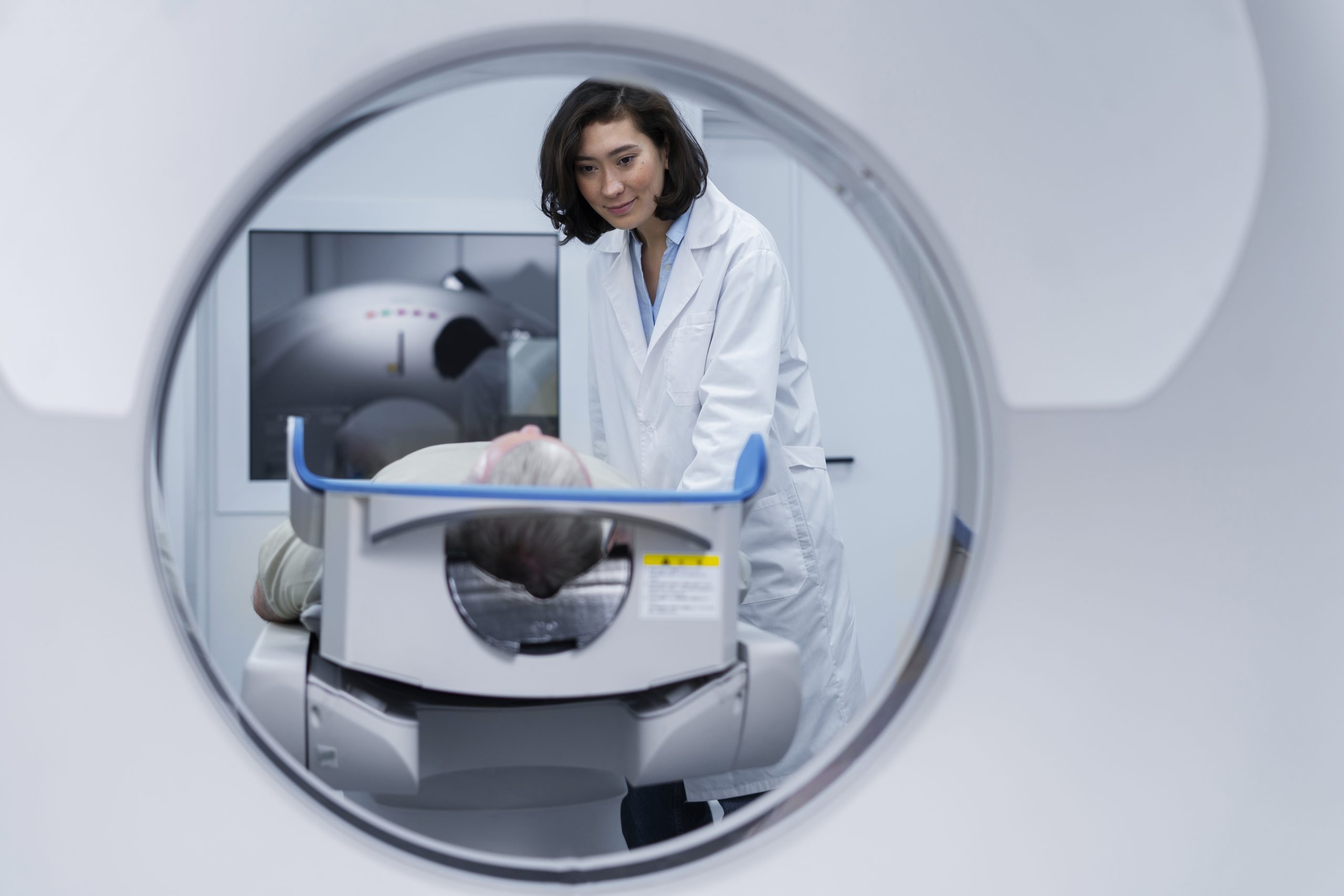
Imaging tests like X-rays and CT scans are key in checking on skull bone flaps in the belly. They help see how the bone is doing and where it is.
These tests can show a skull in the belly, which is quite a shock. But these images are also very important for taking care of the patient.
- Checking if the bone flap is still good
- Watching for any problems
- Deciding when to put the bone back
Explaining the Medical Anomaly to Patients
Talking to patients about a skull in their belly can be tough. It’s important to be kind and clear. Patients need to know why this was done.
Doctors should be ready to answer questions and calm worries. Using simple words helps patients understand better.
- Talking about why the surgery was needed
- Explaining how the skull was stored
- What will happen next with the skull
Case Studies of Bizarre Medical Cases
There are many stories of skull bone flaps being stored in the belly. These stories show the surprises and challenges in medicine. They also show the need for teamwork in caring for patients.
Looking at these stories can teach us a lot. It shows how important it is to work together to help patients.
| Case Study | Initial Condition | Outcome |
| Case 1 | Traumatic brain injury | Successful reattachment |
| Case 2 | Brain tumor | Complications during retrieval |
Medical Advances and Future Directions in Skull Preservation
The field of skull preservation is on the verge of a big change. This is thanks to new medical technology. We’re seeing new trends and technologies in cranioplasty and skull preservation.
Emerging Technologies
New materials and technologies are changing skull preservation. 3D printing and bioprinting are key. They allow for implants that fit the patient’s body perfectly.
Bioengineering Solutions
Bioengineering is a big help in new skull preservation methods. Stem cell research and tissue engineering are being used. They help bones grow back and implants fit better.
Minimally Invasive Approaches
There’s a move towards minimally invasive surgery for skull work. These methods aim to cause less damage and heal faster. They’re becoming more common in cranioplasty.
Skull preservation is changing for the better. We’re focusing more on helping patients. With these advances, the future of skull preservation looks bright.
Conclusion: The Remarkable Journey of Skull Bone Preservation
We’ve looked into the amazing medical practice of keeping a skull bone flap in the belly. This might seem odd at first, but it’s saved many lives. It shows how medical science is always finding new ways to help us.
Our research covers everything from deciding to store a bone flap in the belly to the final skull replacement. We’ve seen how certain medical conditions require removing the skull temporarily. We’ve also learned about the surgery and the benefits of storing the bone in the abdomen.
This journey shows us how crucial it is to keep improving in medicine. It also shows the value of working together to care for patients. As we go on, new technologies and bioengineering will likely make this procedure even better.
FAQ
What is the purpose of storing a skull bone flap in the abdomen?
The main goal is to keep the bone flap safe for later use. This is after the initial surgery to remove it.
Why is the abdomen chosen as a storage site for the skull bone flap?
The abdomen is picked for its large space and good blood flow. It keeps the bone flap warm and nourished.
What medical conditions necessitate the temporary removal of the skull?
Traumatic brain injuries, brain tumors, and swelling can lead to a craniectomy. This is when part of the skull is removed temporarily.
How is the skull bone flap stored in the abdomen?
The bone flap is placed in a pocket in the abdominal wall. This keeps it away from other organs to avoid problems.
What are the benefits of storing a skull bone flap in the abdomen compared to external storage methods?
Storing it in the abdomen keeps the bone flap alive better. It also lowers the chance of infection or damage seen with external storage.
How long can a bone flap be stored in the abdomen?
The time varies based on the patient’s health and the surgeon’s plan. It can be weeks to months.
What are the potential complications of storing a bone flap in the abdomen?
Risks include infections, bone loss or infection, and trouble reattaching the bone flap later.
How is the bone flap retrieved and replaced in the skull?
The bone flap is taken out and then put back on the skull. This is done through surgery and special techniques.
Does the skull bone grow back after surgery?
The skull can heal a bit, but big damage or loss might not fully heal. That’s why the bone flap is so important.
What are the future directions in skull preservation?
New tech, bioengineering, and less invasive methods are being explored. They aim to improve care for patients needing skull work.
What are the radiological findings when a skull bone flap is stored in the abdomen?
Scans can show the bone flap in the abdomen. This might surprise patients and need explaining.
Are there any unusual medical cases related to storing a skull bone flap in the abdomen?
Yes, there are cases that show the challenges and complexities of this practice. They are valuable lessons.
References
National Center for Biotechnology Information. Evidence-Based Medical Insight. Retrieved from https://www.ncbi.nlm.nih.gov/pmc/articles/PMC9298470/