Last Updated on December 1, 2025 by Bilal Hasdemir

Brain surgery is a complex medical procedure that needs careful planning and execution. Every year, thousands of brain surgeries are done in the United States. A big part of these surgeries are successful. Get the critical, honest facts on skull surgery safety. Learn about the amazing modern techniques and the awful risks involved.
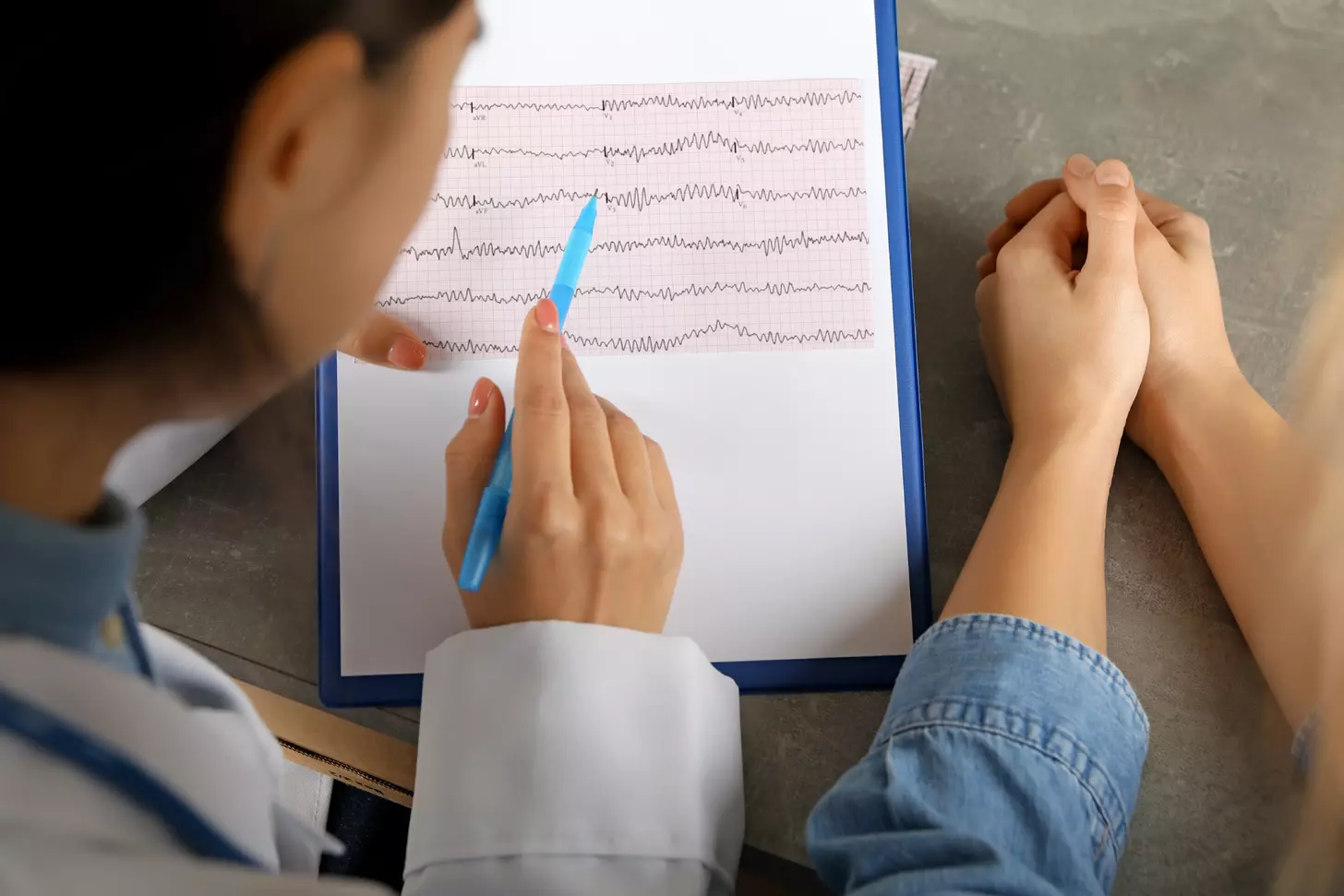
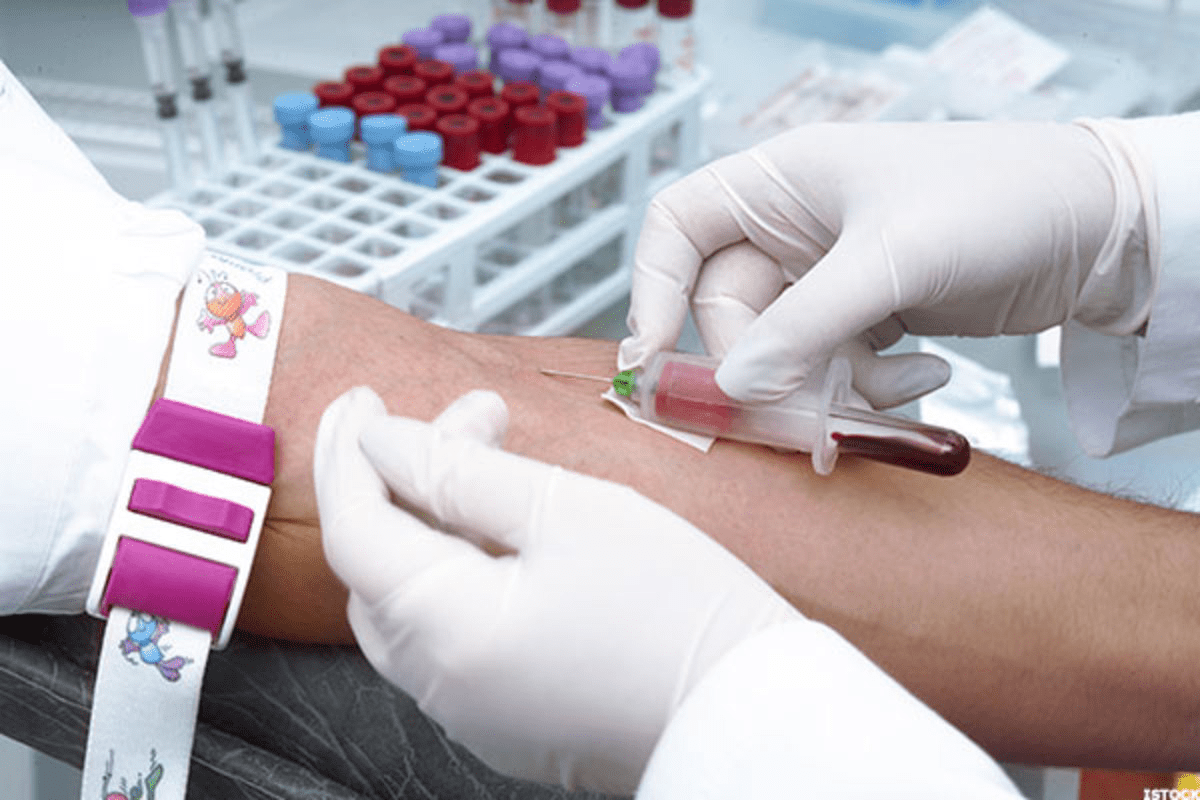
Before brain surgery, patients get a full physical check-up and blood tests. This is to make sure they can handle the anesthesia and the surgery. This step is key to lowering the risks of the surgery.
Key Takeaways
- Careful planning is essential for brain surgery.
- Patients undergo thorough examinations before surgery.
- Blood tests are required to ensure patient health.
- Minimizing risks is a top priority in brain surgery.
- Understanding the procedure helps patients make informed decisions.
Understanding Skull Surgery: Types and Purposes

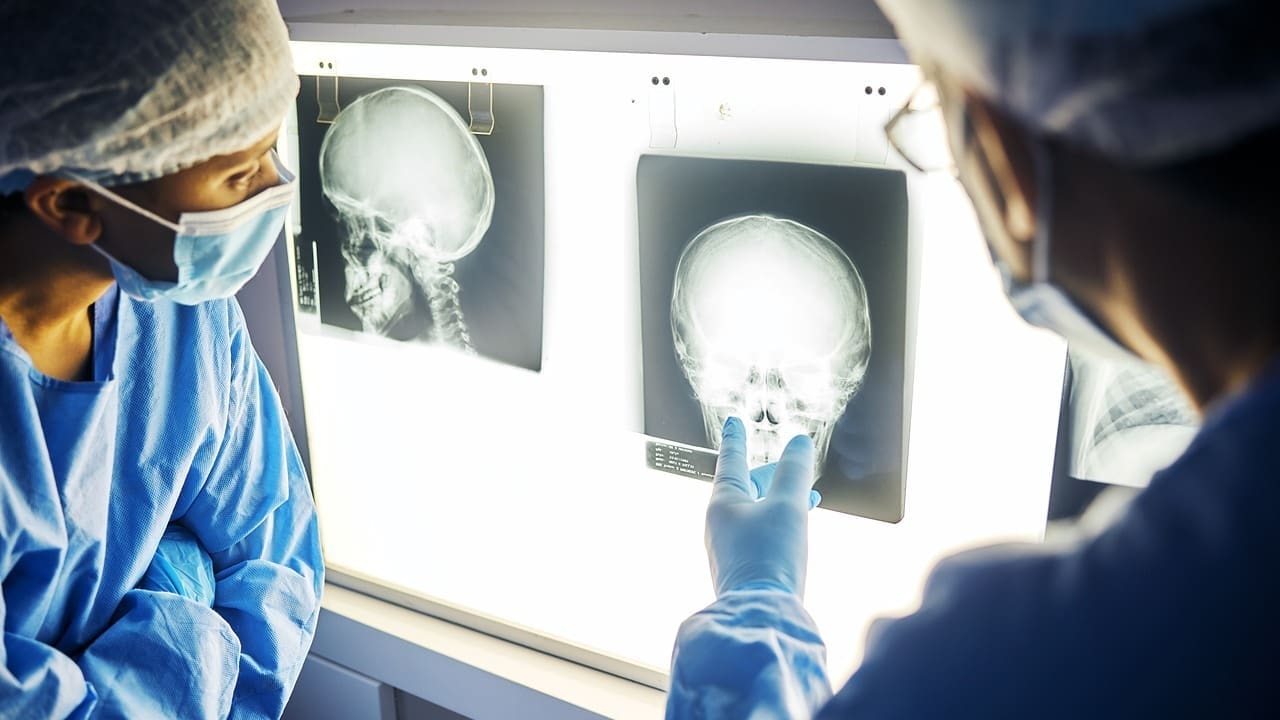
Surgical procedures on the skull are complex. They need a deep understanding of the skull’s anatomy and the problems it faces. Skull surgery, or cranial surgery, includes many procedures to treat brain and skull issues.
Common Types of Cranial Procedures
Cranial surgeries are divided by their purpose and methods. The main types are craniotomy, craniectomy, and burr hole procedures. Each is used for different medical needs.
Craniotomy vs. Craniectomy
A craniotomy removes a part of the skull temporarily. It’s used to relieve brain pressure, remove tumors, or fix blood vessel problems. On the other hand, a craniectomy removes part of the skull permanently. This is for swelling that won’t fit in the skull.
Choosing between craniotomy and craniectomy depends on the patient’s health and the surgery’s goals. Craniotomy is better for conditions without swelling. Craniectomy is for swelling cases.
Burr Hole Procedures
Burr hole procedures are less invasive. They drill small holes in the skull to relieve pressure or drain fluid. This surgery is often done under local anesthesia and has fewer risks.
Knowing the differences between these surgeries is key to understanding their safety and success. The success of skull surgery, like craniotomy safety and neurosurgery success rate, depends on many factors. These include the patient’s health, the surgeon’s skill, and the surgery techniques.
While skull surgery has risks, new techniques and technology have made it safer. By knowing about skull surgery, patients can understand its complexity and the steps taken to ensure their safety and the surgery’s success.
Skull Surgery Safety: Risk Factors and Statistics

It’s important for patients and doctors to know about the risks of skull surgery. This surgery involves working on the skull or brain. Many things can affect how safe it is, like the patient’s health, the surgery’s complexity, and the surgeon’s skill.
Overall Safety Profile of Modern Neurosurgery
Neurosurgery has improved a lot, making surgeries safer and more successful. Most patients do well after skull surgery with few problems. But, every surgery has some risks that need to be watched closely.
Mortality and Morbidity Rates
Thanks to better techniques and care, fewer people die or have serious problems after skull surgery. The death rate for these surgeries is between 1-5%, depending on the surgery’s type and complexity. Problems like infections, brain issues, and memory problems also vary based on the surgery and the patient.
- Common complications: Infection, neurological deficits, cognitive impairments
- Factors influencing outcomes: Patient age, overall health, surgical complexity
Factors That Influence Surgical Outcomes
Many things can affect how well a skull surgery goes. These include the patient’s age, health, the surgery’s complexity, and how long it takes.
Age and Health Considerations
Older patients might face more risks because of health problems. People with conditions like diabetes, high blood pressure, or heart disease need extra care before surgery to lower risks.
Surgical Complexity and Duration
How complex and long a surgery is can also affect the outcome. Longer, more complicated surgeries carry more risks. The skill of the neurosurgeon and the team is key in managing these risks.
- Pre-operative evaluation to assess patient health
- Skilled surgical team to minimize complications
- Post-operative care to ensure proper recovery
Potential Complications of Cranial Surgery
It’s important for patients to know about the risks of skull surgery. This knowledge helps them make better choices about their treatment. Cranial surgery is used to treat many health issues, but it’s key to understand the possible dangers.
Short-Term Complications
Short-term issues can happen during or right after surgery. These problems often come from the surgery itself or how the patient reacts to it.
Infection and Bleeding Risks
Two big short-term risks are infection and bleeding. Infection is a risk with any surgery, and bleeding is more likely with cranial surgery. Doctors watch closely for these signs.
Anesthesia-Related Complications
Anesthesia can also cause problems. These can be mild or severe. The anesthesiologist works hard to manage these risks.
| Complication | Description | Management |
| Infection | Bacterial or viral infection at the surgical site | Antibiotics, close monitoring |
| Bleeding | Excessive bleeding during or after surgery | Blood transfusions, surgical intervention |
| Anesthesia-Related | Adverse reactions to anesthesia | Careful patient screening, anesthesia management |
Long-Term Complications
Long-term issues can affect a patient’s life a lot. These can include many neurological side effects.
Neurological Side Effects
Neurological side effects can differ a lot. They might include weakness, numbness, or changes in thinking. Rehabilitation is very important in dealing with these effects.
Patients should talk to their neurosurgeon about these risks. Knowing the risks helps patients understand their treatment better.
Advancements in Neurosurgical Techniques
Neurosurgery has seen big changes, making skull surgeries better for patients. New methods include minimally invasive surgery, endoscopic approaches, and computer-assisted navigation. These advancements have greatly improved how surgeries are done.
Minimally Invasive Skull Surgery
Minimally invasive skull surgery has changed the game. It lets surgeons do complex surgeries with small cuts. This means less damage to tissue, less scarring, and quicker recovery times.
Research indicates that patients undergoing minimally invasive skull surgery experience less pain and shorter hospital stays compared to traditional open surgery.
Benefits of Minimally Invasive Skull Surgery:
- Reduced risk of infection
- Less post-operative pain
- Shorter hospital stays
- Faster recovery times
Endoscopic Approaches
Endoscopic methods have also made a big impact. They let surgeons see and work on hard-to-reach areas without big cuts. High-definition cameras on endoscopes help surgeons work more precisely.
Computer-Assisted Navigation and Robotics
Computer-assisted navigation and robotics have made surgeries safer and more precise. These tools help surgeons plan and do complex surgeries with better accuracy. This reduces the chance of problems during surgery.
| Technology | Description | Benefits |
| Computer-Assisted Navigation | Uses imaging data to guide surgical instruments | Enhanced precision, reduced risk of complications |
| Robotics | Robotic systems assist in surgical procedures | Improved accuracy, reduced tremors, enhanced dexterity |
These advanced technologies have greatly improved neurosurgery. They help treat complex conditions better and make surgeries safer and more precise.
Special Considerations for Different Patient Populations
It’s important to know the different needs of patients getting skull surgery. This helps reduce risks and complications. Neurosurgeons face special challenges with each patient group to get the best results.
Pediatric Skull Surgery Safety
Pediatric patients need special care because their brains and skulls are growing. Neurological surgery risks are lowered in kids with advanced imaging and precise tools made for their anatomy.
Important things for kids’ skull surgery include:
- Planning and simulation for their growing skull
- Using minimally invasive methods when it’s safe
- Watching for any developmental delays or issues
Elderly Patients and Increased Risks
Elderly patients face higher risks during skull surgery because of health issues like high blood pressure or diabetes. Cranial surgery safety tips for seniors include a detailed check-up before surgery and managing their health conditions.
Important points for seniors include:
- Checking their overall health and surgery risks
- Improving any existing health problems before surgery
- Watching closely after surgery for any problems
Patients with Pre-existing Conditions
Patients with health issues like diabetes or high blood pressure are at higher risk for surgery complications. It’s key to manage these conditions well to improve skull surgery outcomes.
Strategies for managing these conditions include:
- Thorough check-up and planning before surgery
- Working with specialists to manage chronic conditions
- Post-surgery care that meets the patient’s specific needs
By understanding and meeting the unique needs of each patient group, neurosurgeons can make skull surgery safer and more effective.
The Surgical Team: Experience and Expertise
The success of skull surgery greatly depends on the surgical team’s skills and experience. A well-trained neurosurgical team can greatly improve patient results, even in complex cases.
When looking into skull surgery, it’s key to know what makes it successful. The neurosurgeon’s and the team’s experience and skills are very important.
Neurosurgeon Experience and Outcomes
Research shows that more experienced neurosurgeons get better results. They know many cases, techniques, and how to handle problems.
Key factors influenced by neurosurgeon experience include:
- Precision in surgical techniques
- Ability to manage complications effectively
- Better patient care and follow-up
Specialized Centers vs. General Hospitals
Specialized neurosurgical centers usually do better with complex skull surgeries than general hospitals. They have the latest technology and skilled teams.
| Characteristics | Specialized Neurosurgical Centers | General Hospitals |
| Neurosurgeon Experience | Highly experienced, specialized neurosurgeons | Varying levels of experience, may not be specialized |
| Advanced Equipment | State-of-the-art neurosurgical equipment | May have limited access to advanced neurosurgical tools |
| Multidisciplinary Care | Comprehensive, multidisciplinary care teams | May lack complete multidisciplinary teams |
Questions to Ask Your Surgical Team
To get the best care, ask your surgical team these questions:
- What experience do you have with this specific procedure?
- What are the possible risks and how are they handled?
- What’s your success rate for this surgery?
- What kind of care and follow-up can I expect after surgery?
Choosing an experienced neurosurgical team and knowing what to expect can greatly improve your chances of a good outcome.
Recovery After Skull Surgery
The recovery time after skull surgery can differ a lot. It depends on the person and the surgery type. Patients might stay in the hospital for days or weeks. They get careful monitoring and post-operative care to manage risks and help them heal smoothly.
Immediate Post-Operative Care
Right after surgery, patients are watched closely in the ICU. This is key to catch any problems early and give the right care. They get meds to control pain, prevent infection, and lessen swelling.
Timeline for Healing and Recovery
The healing and recovery process has several key points, both physical and mental.
Physical Healing Milestones
Physical recovery means the wound heals, swelling goes down, and any surgery issues get better. Patients should avoid heavy work, bending, or hard activities early on. The rate of physical recovery can differ, but most see big improvements in a few weeks.
Cognitive Recovery Expectations
Cognitive recovery is just as important. It’s about getting back to normal with memory, focus, and making decisions. Some might feel cognitive fogginess or struggle with memory and focus, but these usually pass with time.
Rehabilitation and Long-term Follow-up
Rehab is key to getting back to normal. It helps with strength, movement, and thinking skills. A rehab plan is made just for the person and might include physical, occupational, and speech therapy. Keeping up with doctors’ visits is important to track progress and make any needed changes.
Knowing what to expect helps patients on their healing and rehab journey after skull surgery.
Alternatives to Skull Surgery: When Non-Surgical Options May Be Considered
Not every neurological condition needs surgery. Sometimes, non-surgical methods can work well. The choice to go for surgery depends on the condition, its severity, and the patient’s health.
For some conditions, treatments without surgery can be a good option. These treatments aim to manage symptoms and slow disease growth through medicine and lifestyle changes.
Medical Management Approaches
Medical management uses medicines and non-surgical treatments for conditions that might need surgery. For example, some brain tumors or cysts can be treated with medicines that shrink them or ease symptoms.
Key aspects of medical management include:
- Medication to control symptoms such as seizures, headaches, or nausea
- Lifestyle modifications to reduce risk factors and improve overall health
- Regular monitoring through imaging studies to track the condition’s progression
In some cases, radiation therapy is considered instead of surgery. This is true for certain tumors or lesions that respond well to radiation.
Radiation Therapy for Certain Conditions
Radiation therapy uses high-energy particles or waves to kill or damage cancer cells and other targeted lesions. It’s a good option for conditions hard to reach surgically or for patients not fit for surgery.
| Condition | Treatment Approach | Benefits |
| Brain Tumors | Radiation Therapy | Non-invasive, preserves surrounding tissue |
| Certain Cysts | Medical Management | Avoids surgical risks, manages symptoms |
There are times when just watching and waiting is the right thing to do. This means regular checks without immediate action.
When Watchful Waiting Is Appropriate
Watchful waiting means keeping a close eye on the patient’s condition with regular scans and check-ups. It’s often used for slow-growing lesions or conditions that aren’t causing big problems yet.
“The decision to pursue watchful waiting should be made in consultation with a healthcare provider, taking into account the individual’s specific condition and overall health status.”
Conclusion
Skull surgery is a complex and delicate procedure. It requires careful consideration and planning. Patients can make informed decisions by understanding the risks, benefits, and recovery process.
Cranial surgery advancements have improved neurosurgery success rates. This makes skull surgery a safe and effective treatment for many conditions. Experienced neurosurgeons and specialized centers are key to achieving the best outcomes.
The healing process after skull surgery depends on several factors. These include the type of procedure, patient health, and post-operative care. Understanding these factors and the possible complications helps patients navigate their recovery better.
Informed decision-making and careful planning are vital for successful skull surgery outcomes. Patients should work closely with their neurosurgical team. This ensures they find the best treatment and have a smooth recovery.
FAQ
What are the risks associated with skull surgery?
Skull surgery, like any surgery, has risks. These include infection, bleeding, and problems with anesthesia. There can also be neurological side effects like weakness or numbness.
How safe is modern neurosurgery?
Modern neurosurgery has seen big improvements. This has led to better outcomes and fewer risks. The safety of neurosurgery today is quite good, with low rates of death and complications.
What factors influence the safety of skull surgery?
Several things affect the safety of skull surgery. These include the patient’s age, health, and the surgery’s complexity. The skill of the surgical team is also key to a successful surgery.
What are the different types of skull surgery?
Skull surgery includes many procedures. A craniotomy removes part of the skull temporarily. A craniectomy removes part of the skull permanently.
Are there any non-surgical alternatives to skull surgery?
Yes, there are non-surgical options. These can include medical treatments, radiation therapy, or waiting and watching. The right choice depends on the patient’s condition.
How long does it take to recover from skull surgery?
Recovery time varies. It depends on the surgery’s complexity and the patient’s health. Patients need close monitoring and care at first, then slowly get back to normal.
What are the benefits of minimally invasive skull surgery?
Minimally invasive surgery has many benefits. These include shorter recovery times, less scarring, and less damage to tissue.
How can patients minimize risks during skull surgery?
Patients can reduce risks by choosing experienced neurosurgeons and specialized centers. They should ask questions and follow post-operative instructions carefully.
Are there any special considerations for different patient populations?
Yes, different groups need special care. This includes children, the elderly, and those with pre-existing conditions. Each group has unique needs and risks.
What is the role of the surgical team in skull surgery?
The team’s experience is very important. Patients should look for skilled neurosurgeons and specialized centers. This increases the chances of a good outcome.
What are the possible long-term complications of skull surgery?
Long-term complications can include neurological issues. These might be weakness, numbness, or problems with thinking. It’s important for patients to discuss these risks with their neurosurgeon.
How has modern technology improved skull surgery?
Modern tech, like computer-assisted navigation and robotics, has made surgery safer and more precise. These tools help neurosurgeons perform complex procedures with better results.
What are the risks associated with skull surgery?
Skull surgery, like any surgery, has risks. These include infection, bleeding, and problems with anesthesia. There can also be neurological side effects like weakness or numbness.
How safe is modern neurosurgery?
Modern neurosurgery has seen big improvements. This has led to better outcomes and fewer risks. The safety of neurosurgery today is quite good, with low rates of death and complications.
What factors influence the safety of skull surgery?
Several things affect the safety of skull surgery. These include the patient’s age, health, and the surgery’s complexity. The skill of the surgical team is also key to a successful surgery.
What are the different types of skull surgery?
Skull surgery includes many procedures. A craniotomy removes part of the skull temporarily. A craniectomy removes part of the skull permanently.
Are there any non-surgical alternatives to skull surgery?
Yes, there are non-surgical options. These can include medical treatments, radiation therapy, or waiting and watching. The right choice depends on the patient’s condition.
How long does it take to recover from skull surgery?
Recovery time varies. It depends on the surgery’s complexity and the patient’s health. Patients need close monitoring and care at first, then slowly get back to normal.
What are the benefits of minimally invasive skull surgery?
Minimally invasive surgery has many benefits. These include shorter recovery times, less scarring, and less damage to tissue.
How can patients minimize risks during skull surgery?
Patients can reduce risks by choosing experienced neurosurgeons and specialized centers. They should ask questions and follow post-operative instructions carefully.
Are there any special considerations for different patient populations?
Yes, different groups need special care. This includes children, the elderly, and those with pre-existing conditions. Each group has unique needs and risks.
What is the role of the surgical team in skull surgery?
The team’s experience is very important. Patients should look for skilled neurosurgeons and specialized centers. This increases the chances of a good outcome.
What are the possible long-term complications of skull surgery?
Long-term complications can include neurological issues. These might be weakness, numbness, or problems with thinking. It’s important for patients to discuss these risks with their neurosurgeon.
How has modern technology improved skull surgery?
Modern tech, like computer-assisted navigation and robotics, has made surgery safer and more precise. These tools help neurosurgeons perform complex procedures with better results.
References
National Center for Biotechnology Information. Evidence-Based Medical Insight. Retrieved from https://pubmed.ncbi.nlm.nih.gov/16517988/