Last Updated on November 27, 2025 by Ugurkan Demir

Sleep apnea affects nearly 1 billion people worldwide. New portable monitoring devices have changed how we track and manage it at home.
At-home testing is a great option instead of in-lab sleep studies. It uses portable devices to watch breathing, oxygen levels, and more while you sleep. We’ll look at the latest ways to monitor sleep apnea at home. This guide is for those wanting to manage their health better.
Wearable devices and apps now let people monitor their health at home. This guide will show the benefits and options for home monitoring.
How to use a sleep apnea monitor (including CPAP machines and HST devices) to track and manage your condition at home.
Key Takeaways
- At-home sleep apnea testing is a convenient alternative to in-lab sleep studies.
- Portable devices monitor breathing, oxygen levels, and other key metrics while sleeping.
- Wearable devices and innovative apps provide medical-grade monitoring at home.
- Home-based monitoring offers a complete solution for managing sleep health.
- Recent advancements in portable monitoring devices have revolutionized sleep apnea management.
Understanding Sleep Apnea and Its Prevalence
Sleep apnea, a condition where breathing stops during sleep, affects millions worldwide. It’s not just a minor sleep issue. It’s a serious problem that can harm your health if not treated.
What is Sleep Apnea and How Does It Affect Health?
Sleep apnea causes breathing to pause or become shallow during sleep. These pauses can happen many times a night. This disrupts sleep and lowers blood oxygen levels.
It can lead to serious health issues like heart disease, diabetes, and brain problems. The most common type, obstructive sleep apnea (OSA), happens when the airway gets blocked. Monitoring and diagnosing sleep apnea is key to managing it, and devices like sleep apnea detectors help.
Types of Sleep Apnea: Obstructive, Central, and Mixed
There are three main types of sleep apnea:
- Obstructive Sleep Apnea (OSA): The most common form, caused by a blockage of the airway.
- Central Sleep Apnea (CSA): Occurs when the brain fails to send signals to the muscles that control breathing.
- Mixed Sleep Apnea: A combination of OSA and CSA.
Knowing the type of sleep apnea is key to finding the right treatment.
The Alarming Statistics: 1 Billion Global Cases and 30 Million Undiagnosed Americans
Sleep apnea affects about 1 billion people worldwide, with many not knowing they have it. In the U.S., over 30 million people have it but don’t know. Not treating it can cause serious health problems, showing the need for good monitoring tools.
In summary, sleep apnea is a big problem that needs attention and proper care. Knowing about it, its types, and how common it is helps us take action. Using advanced sleep apnea detectors and monitoring tools is vital for managing it.
The Evolution of Sleep Apnea Monitors for Home Use
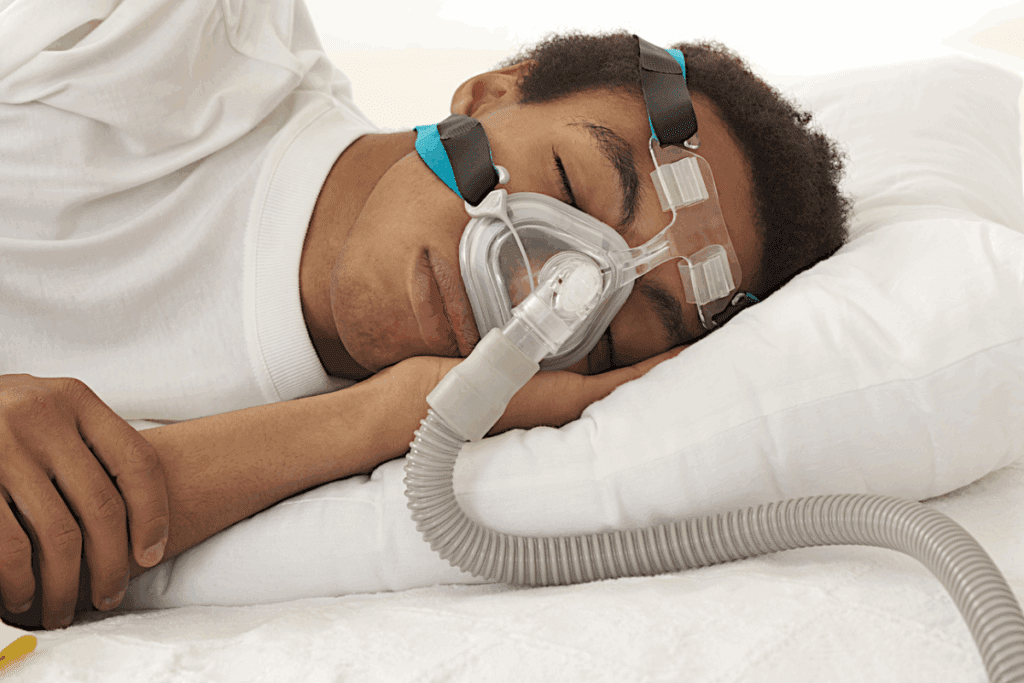
Technology has changed how we diagnose and manage sleep apnea. Now, we can do it at home instead of in labs. This change makes it easier and more efficient to diagnose sleep apnea.
From Lab Studies to Home Monitoring: A Brief History
Before, diagnosing sleep apnea meant spending a night in a sleep lab. It was expensive and inconvenient. But now, portable sleep apnea monitors let people test at home.
The move to home testing is about making diagnosis easier and cheaper. New technology has made it possible to get accurate results without going to a lab.
The Growing Home Sleep Apnea Testing Market: $688.3M to $966.1M by 2035
The market for home sleep apnea testing is expected to grow a lot. It will reach $966.1 million by 2035, growing 3.1% each year. This shows more people want home apnea monitors for adults and value home monitoring for sleep health.
- Increasing prevalence of sleep apnea
- Advancements in technology
- Growing awareness of sleep health
- Demand for convenient diagnostic solutions
This growth is because of these factors. It shows how important it is to have easy-to-use diagnostic tools for sleep apnea.
How Technology Has Revolutionized Sleep Apnea Detection
New tech has been key in making apnea monitoring devices better. Today’s portable sleep apnea monitors are more accurate and easy to use. This makes it simpler for people to test at home.
Technologies like artificial intelligence and machine learning have made home sleep apnea testing even better. They help analyze data more precisely and give insights into sleep patterns.
Thanks to these advancements, we can better diagnose and manage sleep apnea. This improves the lives of those with this condition.
Types of Sleep Apnea Monitors Available for Home Use
There are many options for monitoring sleep apnea at home. Each has its own features and benefits. Thanks to technology, you can now track your sleep health from home.
Portable Sleep Apnea Diagnostic Devices
Portable devices can diagnose sleep apnea outside of a lab. They are small, easy to use, and record sleep activities like breathing and heart rate.
Wearable Devices and Smartwatches
Wearable devices and smartwatches can detect sleep apnea. They track heart rate, oxygen levels, and breathing pauses. This makes them great for initial checks.
Pulse Oximeters for Sleep Apnea Detection
Pulse oximeters check blood oxygen levels. They can spot low oxygen levels seen in sleep apnea. They are simple to use and monitor all night.
Smartphone Apps and Software Solutions
Smartphone apps can monitor sleep and detect disorders like sleep apnea. They use the phone’s sensors to track breathing. This gives insights into sleep quality.
When picking a sleep apnea monitor, think about its accuracy, ease of use, and data. Here’s a comparison of different monitors:
| Device Type | Accuracy | Ease of Use | Data Provided |
| Portable Diagnostic Devices | High | Moderate | Comprehensive sleep data |
| Wearable Devices/Smartwatches | Moderate to High | High | Heart rate, oxygen levels, sleep patterns |
| Pulse Oximeters | High | High | Oxygen saturation levels |
| Smartphone Apps | Variable | High | Sleep patterns, breathing sounds |
Knowing about different sleep apnea monitors helps you choose the right one. This way, you can take care of your sleep health at home.
How to Select the Right Sleep Apnea Monitor for Your Needs
Choosing the right sleep apnea monitor is the first step in managing sleep apnea. There are many options out there. It’s important to think about what you need to find the best one.
Medical-Grade vs. Consumer Wellness Devices
Deciding between a medical-grade or a consumer wellness device is key. Medical-grade devices are more accurate and often recommended by doctors. They give detailed reports on sleep, including apnea events and oxygen levels.
Consumer wellness devices are cheaper and easier to use. But they might not be as accurate or detailed as medical-grade ones.
For severe sleep apnea, a medical-grade monitor is best. But for tracking sleep patterns, a wellness device might work.
Essential Features and Specifications to Consider
When picking a sleep apnea monitor, look at these important features:
- Accuracy and Reliability: Choose devices that have been tested and proven accurate.
- Ease of Use: Pick devices that are easy to wear and understand.
- Data Analysis: Find devices that give clear, easy-to-understand reports.
- Connectivity: Make sure the device can connect to phones or computers for easy tracking.
- Battery Life: Choose devices with batteries that last all night, if needed.
Cost Analysis: Investment vs. Value in Home Monitoring
The cost of sleep apnea monitors varies a lot. It’s important to think about the value you get for the price. More expensive devices might offer more data, but is it worth it for you?
If you just want basic sleep tracking, a cheaper device might be enough. But for detailed medical analysis, a more expensive device might be better.
Insurance Coverage and Reimbursement Options
Check if your insurance covers sleep apnea monitors. Some plans cover medical-grade devices if prescribed by a doctor. It’s important to know what your insurance covers and what you might need to pay out of pocket.
Understanding how insurance works can help you choose the right device. Some manufacturers also offer financing or discounts to make their products more affordable.
Setting Up Your Home Sleep Apnea Monitoring System
Setting up a good sleep environment and calibrating your devices is key for accurate monitoring. To get reliable data, we need to focus on a few important things. These steps help set up our home sleep apnea monitoring system right.
Creating an Optimal Sleep Environment for Accurate Monitoring
A quiet, dark, and cool bedroom is essential for monitoring sleep apnea well. Avoid using electronic devices at least an hour before bedtime. The blue light they give off can mess with your sleep.
“A dark, quiet room is essential for improving sleep quality,” says a sleep specialist.
“By creating a sleep-conducive environment, individuals can significantly enhance the accuracy of their sleep apnea monitoring data.”
Device Calibration and Preparation
Calibrating your devices right is key for accurate readings. Follow the manufacturer’s instructions for calibrating your sleep apnea monitor. Make sure all devices are charged and working well before you start.
- Check the device’s sensors for any damage or debris.
- Ensure a snug but comfortable fit for wearable devices.
- Test the device according to the manufacturer’s guidelines.
Establishing a Consistent Monitoring Schedule
Being consistent is important when monitoring sleep apnea at home. Establish a regular sleep schedule and stick to it, even on weekends. This keeps the quality of your data high.
- Set a consistent bedtime and wake-up time.
- Use your sleep apnea monitor every night.
- Keep a sleep diary to track your sleep patterns.
- Review your data regularly to identify trends.
Syncing Your Devices with Tracking Software
Many sleep apnea monitors come with software to track and analyze your sleep. Sync your devices regularly to keep your data current and accurate in the software.
By following these steps, we can make sure our home sleep apnea monitoring system works well. This gives us accurate and reliable data to manage our sleep health effectively.
Step-by-Step Guide to Using Sleep Apnea Monitors at Home
To use a sleep apnea monitor at home, follow this guide. We’ll show you how to set up and use different types of monitors. This way, you’ll get accurate data.
Portable Monitor Setup and Operation
Portable sleep apnea monitors are easy to use. First, read the user manual carefully. They usually have an apnea sensor to track your breathing.
Start by charging the device and connecting all parts. Put the sensor on your body as shown, often on your finger or chest. Some might need a nasal cannula or chest strap.
After setup, turn on the device and follow the screen. It will monitor your sleep, including apnea or hypopnea.
Configuring Smartwatches for Sleep Apnea Detection
Many smartwatches can detect sleep apnea. First, update your watch to the latest software. Then, go to the sleep or health section and turn on sleep apnea detection.
Some watches might ask for health info to improve accuracy. Make sure to wear the watch correctly to bed for best results.
Pulse Oximeter Monitoring Best Practices
A pulse oximeter for sleep apnea tracks oxygen levels. Place it on your fingertip before sleep. Make sure it’s set for continuous monitoring.
Some oximeters store data for later, while others show real-time results. Always follow the manufacturer’s guidelines for best readings.
Troubleshooting Common Device Issues
Sleep apnea monitors are easy to use, but problems can happen. Issues include wrong sensor placement, device problems, or software bugs.
If you face issues, check the manual or contact support. Keeping your device’s software up to date can also help.
| Issue | Troubleshooting Step | Additional Tips |
| Incorrect Sensor Placement | Re-read the user manual and adjust the sensor. | Ensure the sensor is securely attached. |
| Device Malfunction | Restart the device or contact customer support. | Regularly clean and maintain the device. |
| Software Glitches | Update the device’s software to the latest version. | Check for any firmware updates. |
Interpreting Your Sleep Apnea Monitoring Data
Understanding sleep apnea data is key. It involves looking at important metrics and patterns. This knowledge helps you manage your sleep better.
Understanding Key Metrics: AHI, ODI, and Sleep Quality Scores
Several important metrics are used when analyzing sleep apnea data. The Apnea-Hypopnea Index (AHI) shows how many sleep disruptions you have per hour. The Oxygen Desaturation Index (ODI) tracks oxygen level drops during sleep. Sleep Quality Scores give an overview of your sleep.
“Knowing these metrics is vital for diagnosing sleep apnea and tracking treatment,” says Medical Expert, a sleep expert. “Healthcare providers use AHI, ODI, and Sleep Quality Scores to understand a patient’s sleep health.”
Analyzing Oxygen Desaturation Patterns
Oxygen desaturation patterns are very important. They show how often and how long your oxygen levels drop during sleep. Looking at these patterns helps find sleep apnea causes.
- Frequency of desaturation events
- Duration of desaturation events
- Correlation with sleep stages or positions
Correlating Sleep Position with Apnea Events
Sleep position affects apnea events. By studying how sleep position relates to apnea, you can find ways to reduce apnea.
Using Data Visualization Tools for Better Insights
Data visualization tools make complex sleep apnea data easier to understand. They show your sleep patterns, AHI, ODI, and more in a clear way.
These tools help you understand your sleep health better. This knowledge lets you make smart choices about your treatment.
Integrating Home Monitoring with Treatment and Medical Care
Managing sleep apnea well means using home monitoring with treatment and medical care. This mix is key to better treatment results and sleep health.
When to Share Your Monitoring Results with Healthcare Providers
It’s important to share your sleep apnea monitoring results with doctors. Do this often, if your sleep patterns change or if you feel very tired during the day. Also, if you snore loudly, tell your doctor.
Sharing your data helps doctors see if your treatment is working. It’s very important when using CPAP therapy or other treatments. This data helps set up your device better and stick to your treatment.
Using Home Monitoring to Optimize CPAP Therapy
Home sleep apnea monitors help a lot with CPAP therapy. They track your sleep and apnea events. This gives your doctor important info on how you’re doing.
To make CPAP therapy better with home monitoring, do these things:
- Check your sleep apnea monitor data often to spot trends.
- Share this data with your doctor to adjust CPAP settings.
- Use what you learn from your monitoring to change your lifestyle for better treatment.
Warning Signs That Require Immediate Medical Attention
Home monitoring is great, but know when to get medical help fast. Look out for these signs:
- Severe chest pain or trouble breathing at night.
- Waking up a lot with shortness of breath or gasping.
- Big changes in your sleep patterns or how often you stop breathing.
If you see these signs, call your doctor right away. They’ll tell you what to do next.
Creating a Complete Sleep Health Plan
A good sleep health plan uses home monitoring, medical care, and lifestyle changes. To make a plan, think about these things:
| Plan Component | Description | Benefits |
| Regular Monitoring | Using home sleep apnea monitors all the time | Finds changes in sleep patterns early |
| Data Sharing | Sharing monitoring data with doctors often | Helps make better treatment choices |
| Lifestyle Adjustments | Making changes to sleep, diet, and exercise | Improves sleep quality and health |
By adding these parts, you can make a sleep health plan that meets your needs. It helps manage sleep apnea well.
Conclusion: Taking Control of Your Sleep Health Through Home Monitoring
Using a home sleep apnea monitor is a smart way to manage your sleep. It lets you track your sleep patterns and find apnea events. This helps you make better choices about your health.
We’ve looked at different sleep apnea monitors for home use. There are portable devices, wearable gadgets, and pulse oximeters. Each one has its own benefits for tracking sleep apnea.
To monitor sleep apnea well at home, you need a few steps. First, create a sleep-friendly space. Then, set up and calibrate your devices. Lastly, stick to a regular monitoring routine. Combining home monitoring with medical care can greatly improve your sleep and health.
A sleep apnea detector is a great tool for understanding your sleep. It shows how well you’re sleeping and any apnea issues. With these tools and the help of doctors, we can control our sleep health. This leads to a better quality of life.
FAQ
What is the difference between a medical-grade sleep apnea monitor and a consumer wellness device?
Medical-grade sleep apnea monitors are FDA-cleared. They give accurate data on sleep apnea episodes. Consumer wellness devices are for general wellness and may not be as accurate.
How do I choose the right sleep apnea monitor for my needs?
Look at the type of device, its features, and if it works with your phone or computer. Talk to your healthcare provider to find the best one for you.
Can I use a pulse oximeter to diagnose sleep apnea?
A pulse oximeter can show oxygen desaturation patterns linked to sleep apnea. But, it’s not enough for a full diagnosis. You need a more advanced device like a home sleep apnea test (HSAT) or a polysomnography (PSG) study.
How often should I use my sleep apnea monitor?
Use it as often as your healthcare provider suggests. Usually, 3-4 times a week is recommended to get accurate data.
What is the apnea-hypopnea index (AHI), and how is it used to diagnose sleep apnea?
The AHI counts apnea and hypopnea events per hour of sleep. It helps diagnose sleep apnea and its severity. An AHI score of 5 or higher usually means you have sleep apnea.
Can I use a smartphone app to track my sleep apnea?
Some smartphone apps can track sleep and detect sleep disorders. But, they’re not a replacement for a medical-grade sleep apnea monitor. They can, though, help track data and offer insights when used with a monitor.
How do I interpret my sleep apnea monitoring data?
Understanding your data means knowing about AHI, ODI, and sleep quality scores. Talk to your healthcare provider to make sense of your data and manage your sleep apnea.
What are the benefits of using a portable sleep apnea monitor?
Portable sleep apnea monitors are convenient, comfortable, and cost-effective. They let you monitor your sleep apnea at home, avoiding sleep lab visits.
Can I use my sleep apnea monitor to optimize my CPAP therapy?
Yes, many sleep apnea monitors can help optimize CPAP therapy. They track data like mask leaks, pressure settings, and usage. This data helps adjust your CPAP settings for better therapy.
When should I share my sleep apnea monitoring results with my healthcare provider?
Share your results with your healthcare provider as often as they suggest. This helps them monitor your condition, adjust your treatment, and address any concerns.
References
National Center for Biotechnology Information. (2025). How to Monitor Sleep Apnea at Home A. Retrieved from https://pubmed.ncbi.nlm.nih.gov/33837916/