Last Updated on December 3, 2025 by Ugurkan Demir
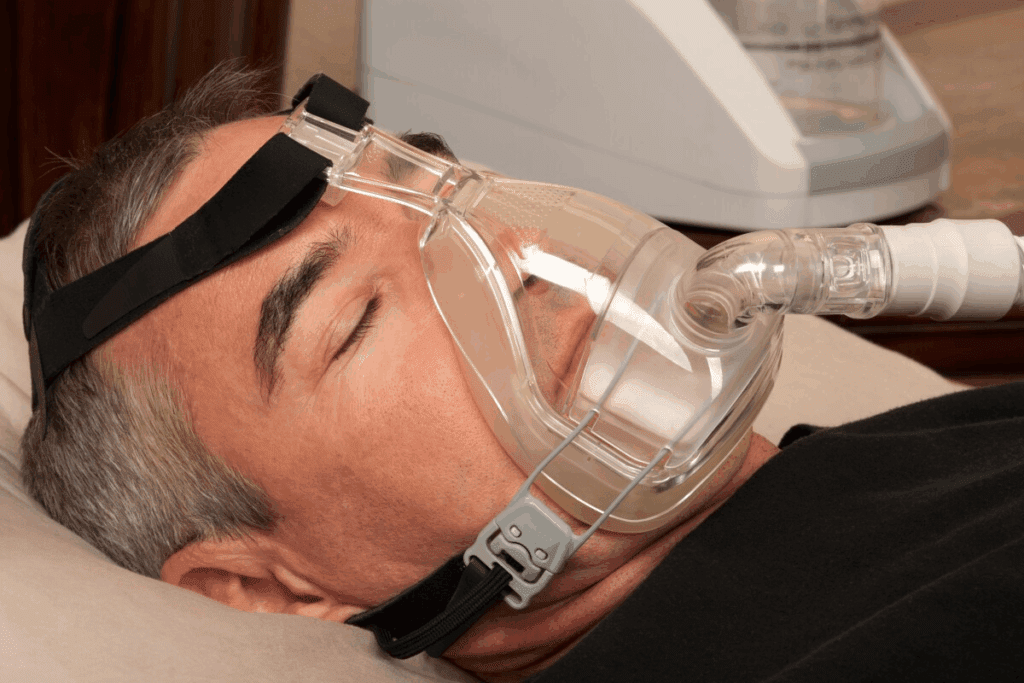
Many patients find CPAP machines hard to use long-term for sleep disorders. The discomfort and hassle of CPAP machines often lead to poor use. This means many people with sleep apnea go without treatment.
But, there are now better options. These newest treatments for sleep apnea are more comfortable and work better. They include sleep apnea surgery implant and other non-surgical choices.
At Liv Hospital, we focus on treating sleep disorders fully. Our team of experts works hard to find the best treatment for each patient. We use the latest in sleep medicine to help our patients.
The 5 best sleep apnea surgery implant and other surgical alternatives to CPAP therapy.
Key Takeaways
- Innovative alternatives to CPAP machines are now available for treating sleep apnea.
- New treatments include surgical and non-surgical options.
- Liv Hospital offers complete care for patients with sleep disorders.
- Our team of experts is dedicated to finding the most effective treatment for each patient.
- The latest advancements in sleep medicine are being used to improve patient outcomes.
Understanding Obstructive Sleep Apnea (OSA) and Its Impact
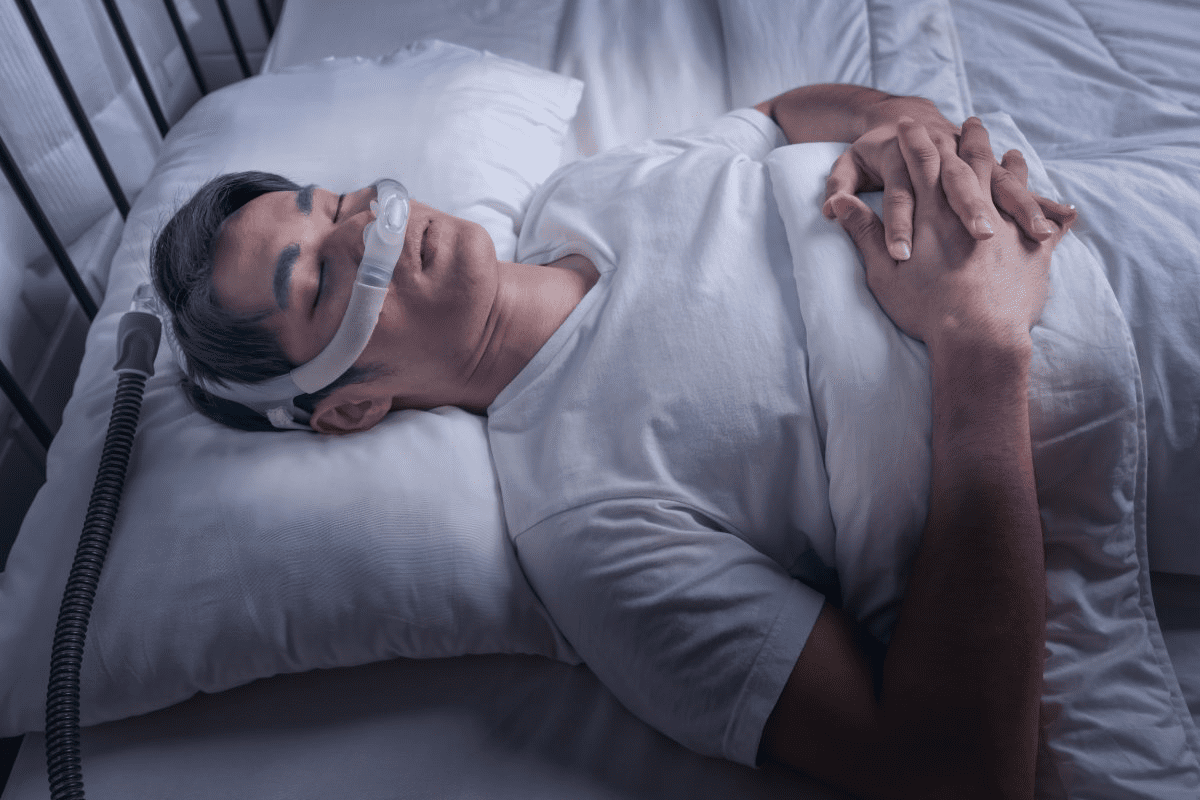
It’s important to know about Obstructive Sleep Apnea (OSA) to tackle its health impacts. OSA is a sleep disorder where breathing stops and starts many times during sleep. This happens because the airway gets blocked.
What Causes Obstructive Sleep Apnea
OSA has many causes, like body shape, lifestyle, and genes. Key risk factors include obesity, a narrow airway, smoking, and family history. These factors can cause the airway to collapse during sleep, leading to breathing pauses.
- Obesity: Excess weight can increase the likelihood of airway obstruction.
- Narrow Airway: A naturally narrow airway or one that is further narrowed by adenoids or tonsils can predispose individuals to OSA.
- Smoking: Smoking can increase inflammation and fluid retention in the airway, exacerbating OSA.
- Family History: Genetic predisposition can play a significant role in the development of OSA.
Health Risks Associated with Untreated OSA
Untreated OSA can cause serious health problems. The repeated interruptions in breathing can result in reduced oxygen levels in the blood, straining the cardiovascular system. Some serious health risks include:
- Hypertension: High blood pressure is a common consequence of untreated OSA.
- Heart Disease: The strain on the cardiovascular system can lead to heart disease.
- Stroke: The risk of stroke is increased in individuals with untreated OSA.
- Diabetes: There’s a link between OSA and an increased risk of developing type 2 diabetes.
Prevalence in the United States
OSA is a big health issue in the United States. It affects a lot of people, with studies showing 10% to 30% of adults have it. The prevalence increases with age, and it’s more common among men than women.
Knowing about OSA’s causes, risks, and how common it is helps us tackle it. Understanding OSA shows why we need treatments other than CPAP, which is hard for many to use.
Why CPAP Therapy Isn’t for Everyone

CPAP therapy works for some but not all. It’s a common treatment for sleep apnea. Yet, many patients struggle to stick with it.
Common Challenges with CPAP Compliance
Users face several issues with CPAP therapy, including:
- Discomfort: The mask can cause skin irritation or make you feel trapped.
- Noise: The machine’s sound can wake you up and disturb your partner.
- Travel inconvenience: CPAP machines are big and hard to carry when traveling.
- Maintenance: Keeping the machine clean can be a hassle for some.
These problems make many patients stop using CPAP therapy.
CPAP Abandonment Statistics
Many studies show that a lot of patients give up on CPAP therapy. About 38% stop using it because of discomfort, noise, and other issues.
The Need for Alternative Solutions
With so many patients quitting CPAP, we need new treatments. Sleep apnea surgery implants and other non-invasive options are being explored. They might help patients stick to their treatment plans better.
Every patient is different. What works for one might not work for another. So, it’s important to look at many treatment options to find the best one for each person.
How to Know If You Need an Alternative to CPAP
Many people struggle with CPAP therapy. But how do you know if it’s time for something else? CPAP is a common treatment for sleep apnea. Yet, it’s not for everyone. Some find it uncomfortable, noisy, or just too hard to use.
Knowing when to switch to a different treatment is key. We’ll look at common problems with CPAP and how tests help find better options.
Signs of CPAP Intolerance
CPAP intolerance shows up in different ways. Here are some common signs:
- Discomfort or pain from the mask
- Hard time getting used to the airflow
- Disturbing noises from the machine or mask
- Feeling trapped or anxious from the mask
- Skin irritation or sores from the mask
If you’re dealing with these issues, talk to your doctor. A sleep specialist said, “CPAP intolerance is a big problem. We need to spot the signs and find new ways to help.”
“The key to successful sleep apnea treatment is finding a therapy that the patient can tolerate and adhere to long-term.”
When to Consult Your Doctor About Alternatives
If CPAP isn’t working for you, talk to your doctor about other options. They can figure out the best choice for you based on your health and needs.
Ask your doctor these questions:
- What might be causing my CPAP intolerance?
- Can we make any changes to my CPAP therapy to make it more comfortable?
- What other treatments are there for my condition?
- What tests do I need to find the best alternative treatment?
Diagnostic Tests for Treatment Selection
Several tests can help find the right treatment for sleep apnea. These include:
Diagnostic Test | Purpose |
Home Sleep Apnea Testing (HSAT) | To check sleep apnea severity at home |
Polysomnography (PSG) | To study sleep patterns and apnea in a lab |
Drug-Induced Sleep Endoscopy (DISE) | To see the upper airway during sleep-like conditions |
Imaging Studies (e.g., CT or MRI) | To look at the upper airway and find blockages |
These tests give important info for choosing the right treatment. By understanding your sleep apnea and its severity, your doctor can suggest the best plan.
Inspire Upper Airway Stimulation: The Revolutionary Sleep Apnea Surgery Implant
For those with sleep apnea, the Inspire Upper Airway Stimulation device is a game-changer. It’s a surgically implanted device that treats obstructive sleep apnea (OSA) effectively.
How the Inspire Device Works
The Inspire device keeps the upper airway open during sleep. It does this through a small implant placed during surgery. Patients control it with a remote, turning it on before bed and off in the morning.
“The Inspire device has been a game-changer for many of my patients who have struggled with traditional CPAP therapy,” says Dr. [Last Name], a sleep specialist. “It’s a significant advancement in the treatment of sleep apnea.”
Candidacy Requirements for Inspire Therapy
Not everyone with sleep apnea can get the Inspire device. To qualify, patients need a thorough evaluation, including sleep studies and upper airway assessments. Each case is evaluated individually, considering the severity of OSA and previous treatments.
Clinical Effectiveness and Patient Outcomes
Clinical trials show the Inspire device greatly reduces sleep apnea symptoms. Patients often report better sleep and less daytime fatigue. Studies also show a decrease in the Apnea-Hypopnea Index (AHI), a key sleep apnea metric.
Many studies support the Inspire device’s effectiveness. For example, a New England Journal of Medicine study found it significantly improved sleep apnea symptoms and quality of life for patients.
Insurance Coverage and Cost Considerations
Insurance coverage for the Inspire device varies. Many providers cover it for eligible patients. But, out-of-pocket costs can be high, so discussing coverage with your healthcare provider is key.
Understanding costs and insurance is vital for any medical treatment. Patients should talk to their insurance and healthcare team to find the best option for them.
Maxillomandibular Advancement (MMA) Surgery
MMA surgery moves the upper and lower jaw forward. It offers a lasting fix for those with sleep apnea.
MMA surgery is a big step for treating sleep apnea. It’s for those who haven’t seen results with CPAP therapy. The surgery moves the jaw to widen the airway, helping prevent blockages during sleep.
The Procedure and How It Opens the Airway
MMA surgery shifts the upper and lower jaw forward. This action pulls the soft tissues attached to the jaw, preventing the airway from collapsing during sleep. Oral and maxillofacial surgeons, along with otolaryngologists or sleep specialists, perform the surgery.
The surgery includes several steps:
- Pre-surgical planning using 3D imaging to determine the optimal advancement.
- Surgical repositioning of the upper and lower jaw.
- Stabilization of the jaw in its new position using plates and screws.
Recovery Timeline and Expectations
Recovery from MMA surgery varies, but most see big improvements in a few weeks. Swelling and discomfort are managed with pain meds and a soft diet. Most can get back to normal in 2-4 weeks.
Long-term Success Rates
Research shows MMA surgery can greatly reduce sleep apnea severity. Success rates vary, but many patients see a big drop in their Apnea-Hypopnea Index (AHI).
Study | Number of Patients | AHI Reduction | Success Rate |
Study 1 | 50 | 70% | 80% |
Study 2 | 100 | 60% | 75% |
Study 3 | 75 | 65% | 85% |
Ideal Candidates for MMA Surgery
Those with moderate to severe sleep apnea who can’t use CPAP therapy are good candidates. A detailed evaluation, including sleep studies and imaging, is needed. Health, OSA severity, and jaw structure are key factors.
Every patient is different, so a tailored approach is key to finding the right treatment.
Uvulopalatopharyngoplasty (UPPP): Targeting the Soft Palate
UPPP is a surgery that helps people with sleep apnea. It targets the soft palate to reduce symptoms. This procedure removes or repositions excess tissue in the upper airway to help with obstructive sleep apnea (OSA).
Modern UPPP Techniques and Improvements
New UPPP methods have made the surgery better and faster to recover from. Advancements in surgical methods allow for more precise work. This means less pain and scarring for patients.
- Minimally invasive techniques reduce recovery time
- Precision in tissue removal improves outcomes
- Less discomfort and scarring compared to traditional methods
Expected Outcomes and Effectiveness
UPPP works well for many people with sleep apnea. It can lower the Apnea-Hypopnea Index (AHI) score. This leads to better sleep quality.
Key benefits of UPPP include:
- Reduction in AHI scores
- Improved sleep quality
- Enhanced quality of life
Potential Side Effects and Considerations
UPPP is usually safe, but it can cause some side effects. These include changes in speech, swallowing issues, and throat sensations. It’s important to talk to your doctor about these risks.
Combined Approaches with Other Procedures
UPPP can be used with other surgeries for better results. Combination therapies help those with complex airway issues. This can lead to better outcomes for some patients.
Some common combination approaches include:
- UPPP with genioglossus advancement
- UPPP with hyoid suspension
- Multilevel surgery addressing various sites of obstruction
Tongue Base Reduction Procedures
Tongue base reduction procedures are a promising solution for sleep apnea. They aim to make the tongue base smaller. This helps to keep the airway open during sleep.
Radiofrequency Ablation of the Tongue Base
Radiofrequency ablation is a minimally invasive method. It uses radiofrequency energy to shrink the tongue base. This makes the airway less obstructed, improving sleep for those with sleep apnea.
Transoral Robotic Surgery (TORS)
Transoral Robotic Surgery (TORS) uses a robotic system for precise surgery. It removes excess tissue at the tongue base. This method allows for better access and removal of tissue, helping to reduce sleep apnea.
Genioglossus Advancement
Genioglossus advancement repositions the genioglossus muscle. This muscle is attached to the tongue. By moving it forward, it prevents the tongue from blocking the airway during sleep. This surgery is often combined with others to improve results.
Recovery and Effectiveness Comparisons
Recovery times and effectiveness vary among these procedures. Radiofrequency ablation has a shorter recovery time. But, the right procedure depends on the patient’s needs and health. It’s important to talk to a sleep specialist to find the best treatment.
Hyoid Suspension and Other Airway Reconstruction Options
More people are looking into airway reconstruction for sleep apnea. This includes hyoid suspension. The hyoid bone is key in keeping the airway open.
The Role of the Hyoid Bone in Sleep Apnea
The hyoid bone helps support the tongue and keeps the airway open. In sleep apnea, its position can block the airway. Hyoid suspension aims to fix this by moving the bone.
Surgical Techniques and Approaches
Hyoid suspension is often done with other sleep apnea surgeries. It moves the hyoid bone forward to make the airway wider. There are different methods, like hyoid suspension with or without myotomy.
Combination Therapies for Multilevel Obstruction
Sleep apnea often involves blockages at several levels. Combination therapies that tackle these blockages are more effective. Hyoid suspension can be paired with genioglossus advancement or uvulopalatopharyngoplasty (UPPP).
Procedure | Description | Benefits |
Hyoid Suspension | Repositions the hyoid bone to improve airway patency | Enhances airway stability |
Genioglossus Advancement | Advances the tongue base to prevent obstruction | Reduces tongue-related obstruction |
UPPP | Removes excess tissue in the throat to widen the airway | Improves airflow through the throat |
Patient Selection Criteria
Not everyone is a good fit for hyoid suspension. Patient selection depends on sleep apnea severity, body shape, and past treatments. A detailed check-up is needed to see if it’s right.
It’s wise to talk to a sleep specialist. They can help figure out the best treatment plan.
Non-Surgical Alternatives Worth Considering
There are non-surgical options for sleep apnea that don’t involve CPAP machines. Some people find CPAPs too bulky or uncomfortable. Luckily, new medical tech has brought these alternatives to life.
Oral Appliance Therapy
Oral appliance therapy uses a custom-made device to move the lower jaw forward. This keeps the airway open during sleep. It works well for mild to moderate sleep apnea.
Benefits: These devices are easy to carry, quiet, and simple to use. They’re a great option for those who don’t like CPAP machines.
Treatment | Effectiveness | Patient Compliance |
Oral Appliance Therapy | Effective for mild to moderate OSA | High due to ease of use |
CPAP Therapy | Effective for all levels of OSA | Variable due to discomfort and noise |
Positional Therapy Devices
Positional therapy devices stop patients from sleeping on their backs. This position can worsen sleep apnea. These devices are worn around the neck or as a vest.
How it works: They prevent back sleeping, which reduces airway blockage. This improves sleep quality.
Emerging Technologies and Devices
New treatments for sleep apnea are always being developed. This includes nerve stimulators and advanced oral appliances. These have better features.
Future Directions: More research and development are on the horizon. We can expect even better treatments that are easier for patients to use.
Comparing Recovery Times and Success Rates Across Sleep Apnea Surgery Implants and Procedures
Looking into sleep apnea surgery means checking recovery times and success rates. It’s key to see how different surgeries compare. This includes how fast you can get back to normal and how well they work.
Short-term vs. Long-term Recovery Considerations
Recovery times differ with each surgery. For example, Inspire Upper Airway Stimulation has a quick recovery, usually in a few days to a week. But, Maxillomandibular Advancement (MMA) might take weeks.
Right after surgery, you might feel pain, swelling, or have trouble swallowing. But, these feelings usually go away as you heal. Long-term, your body adjusts to the surgery and you might face some side effects.
Success Metrics: AHI Reduction, Oxygen Levels, and Symptom Relief
Measuring success in sleep apnea surgery involves looking at AHI, oxygen levels, and symptom relief. Each surgery does differently in these areas.
- Inspire Therapy often cuts AHI, making sleep better.
- MMA Surgery works well for severe cases, lowering AHI and improving oxygen levels.
- Uvulopalatopharyngoplasty (UPPP) targets the soft palate, helping with snoring and mild to moderate sleep apnea.
Patient Satisfaction and Quality of Life Outcomes
How happy patients are after surgery depends on symptom relief and quality of life. Studies show successful surgery can greatly improve daily life, mood, and overall health.
For instance, Inspire Therapy can lead to better sleep and less fatigue, boosting quality of life. MMA Surgery often cuts down sleep apnea symptoms, improving health.
Revision Surgery Rates and Long-term Durability
It’s important to know about the chance for more surgery and how long the first one lasts. Some surgeries need more work, and their lasting power varies.
Procedure | Revision Rate | Long-term Effectiveness |
Inspire Therapy | Low | High |
MMA Surgery | Moderate | High |
UPPP | Moderate to High | Variable |
By looking at recovery times and success rates, patients and doctors can choose the best treatment.
How to Choose the Right Sleep Apnea Treatment Alternative
Finding the right sleep apnea treatment can be tough. But, a team of experts can help make it easier. If CPAP therapy doesn’t work or is hard to use, looking at other options is key.
Working with a Multidisciplinary Sleep Team
A group of specialists, like sleep doctors and dentists, work together. They figure out the best treatment plan for you. This team makes sure all parts of your condition are looked at.
This team helps you understand sleep apnea treatment better. They include:
- Sleep specialists to diagnose and monitor sleep apnea
- ENT surgeons to assess and potentially surgically correct airway obstructions
- Dental specialists to create oral appliances tailored to the patient’s needs
- Other healthcare professionals to address related health issues
Important Factors in Decision-Making
Choosing a sleep apnea treatment involves several things. These include:
- The severity of sleep apnea
- The patient’s overall health and medical history
- The presence of any anatomical issues, such as nasal obstruction or tongue base obstruction
- The patient’s lifestyle and preferences
- The risks and benefits of each treatment option
Knowing these factors helps you make a good choice. Talking to a healthcare provider is key to finding the right treatment.
Questions to Ask Your Sleep Specialist
Ask your sleep specialist important questions. This includes:
- What are the benefits and risks of the treatment?
- How will the treatment affect my daily life and sleep?
- Are there other treatments that might be better for me?
- What are the short-term and long-term results of this treatment?
- How will the treatment be checked and changed over time?
Insurance Coverage and Financial Considerations
It’s important to know about insurance and costs. You should:
- Check with your insurance to see what’s covered
- Talk to your healthcare provider about costs and payment plans
- Think about the long-term costs and benefits of each treatment
By thinking about these things and working with a team, you can make a smart choice. This team approach can lead to better health and a better life.
Conclusion: Finding Your Path to Better Sleep and Health
Finding the right sleep apnea treatment is key for better sleep and health. We’ve looked at options like Inspire Upper Airway Stimulation and Maxillomandibular Advancement surgery. We’ve also talked about non-surgical treatments like oral appliance therapy and positional therapy devices.
Everyone’s experience with sleep apnea is different. What works for one person might not work for another. It’s important to talk to a healthcare professional to find the best treatment.
Good sleep apnea treatment can greatly improve your life. It can lower the risk of health problems and make you feel better overall. By exploring your options and finding the right treatment, you can look forward to better sleep and health.
FAQ
What are the alternatives to CPAP machines for sleep apnea treatment?
Alternatives to CPAP machines include the Inspire Upper Airway Stimulation device. Also, Maxillomandibular Advancement (MMA) surgery and Uvulopalatopharyngoplasty (UPPP) are options. Tongue base reduction procedures and hyoid suspension are also available. Oral appliance therapy and positional therapy devices are other choices.
How do I know if I’m a candidate for sleep apnea surgery?
To see if you’re a candidate for sleep apnea surgery, several factors are considered. These include how severe your sleep apnea is, your overall health, and what treatments you’ve tried before. Talk to a sleep specialist or a team of sleep experts to find the best treatment for you.
What is the Inspire Upper Airway Stimulation device, and how does it work?
The Inspire device is a surgery implant for sleep apnea. It keeps the airway open by stimulating nerves in the throat. It’s implanted during surgery and controlled with a remote.
What are the benefits of oral appliance therapy for sleep apnea?
Oral appliance therapy is a non-surgical option. It involves wearing a custom-made device in your mouth to keep your airway open. It’s a good alternative to CPAP machines.
How long does it take to recover from sleep apnea surgery?
Recovery time varies by surgery type. UPPP might need a few weeks to recover. MMA surgery could take several months.
Will insurance cover the cost of sleep apnea surgery or alternative treatments?
Insurance coverage varies by treatment and provider. Check with your insurance and a sleep specialist to understand costs and coverage.
What are the success rates for different sleep apnea surgery implants and procedures?
Success rates differ by procedure. Some studies show big improvements in symptoms and oxygen levels. Always talk to a specialist for the latest information.
Can I try non-surgical alternatives before considering surgery?
Yes, you can try non-surgical options first. These include oral appliance therapy and positional therapy devices. A sleep specialist can help decide the best approach for you.
How do I choose the right sleep apnea treatment alternative?
Choosing the right treatment involves a team of sleep experts. Consider your health and past treatments. Ask your specialist questions to make an informed choice.
Are there any new sleep apnea devices or technologies available?
Yes, new devices and technologies are emerging. This includes the Inspire device and advancements in oral and positional therapy. Stay updated with your sleep specialist.
Can I use an APAP machine as an alternative to CPAP?
APAP machines can be a good alternative for some. They adjust air pressure automatically to provide optimal therapy.
What is the role of the hyoid bone in sleep apnea, and how is it addressed in surgery?
The hyoid bone affects the airway in sleep apnea. Hyoid suspension surgery advances the bone to keep the airway open. It’s a surgical option for addressing this issue.
Reference
National Center for Biotechnology Information. (2025). 5 Best Sleep Apnea Surgery Alternatives to CPAP. Retrieved from https://pmc.ncbi.nlm.nih.gov/articles/PMC9584565/