Last Updated on November 4, 2025 by mcelik

Did you know that improper sleep posture can make scoliosis pain worse? Scoliosis is a condition where the spine curves abnormally. It affects millions of people around the world. Sleeping right is key for those with scoliosis to keep their spine straight, ease pain, and sleep better. Find tips for sleeping with scoliosis to reduce back pain and improve spine alignment.
We’ll look at ways to manage scoliosis while sleeping. This includes finding the best sleep position for scoliosis and the role of pillow support for scoliosis. Learning how to sleep well can help reduce discomfort and stop the spine from curving more.
Key Takeaways
- Proper sleep posture is essential for managing scoliosis discomfort.
- The right sleep position can help maintain spinal alignment.
- Pillow support plays a critical role in easing scoliosis pain.
- Adopting the correct sleep posture can improve sleep quality.
- Managing scoliosis during sleep requires careful consideration of sleep techniques.
Understanding Scoliosis and Its Impact on Sleep
Scoliosis is a condition where the spine curves abnormally. It affects millions globally, causing pain and discomfort, mainly at night. To manage scoliosis well, knowing how it affects sleep is key.
What is Scoliosis and How Does it Affect the Body?
Scoliosis makes the spine curve to one side. It can happen anywhere in the spine but often affects the mid-back or lower back. This curve can cause pain and discomfort, affecting daily life and sleep.
The curve in the spine can lead to musculoskeletal pain. The body tries to compensate, causing strain on muscles and joints. This strain results in pain and stiffness, often felt after waking up.
Common Sleep Challenges for People with Scoliosis
Those with scoliosis face many sleep challenges. Finding a comfortable sleep position is hard because of the spine’s curve. This leads to pain and discomfort at night. The condition also causes pain and stiffness, which gets worse when resting, making sleep hard to get.
- Difficulty maintaining a comfortable sleep position
- Experiencing pain and stiffness upon waking
- Frequent nighttime awakenings due to discomfort
- Restless sleep and difficulty falling asleep
Proper back support is essential for individuals with scoliosis. Using back pain belts can greatly improve comfort and mobility. This can also help improve sleep quality.
The Relationship Between Spinal Curvature and Sleep Quality
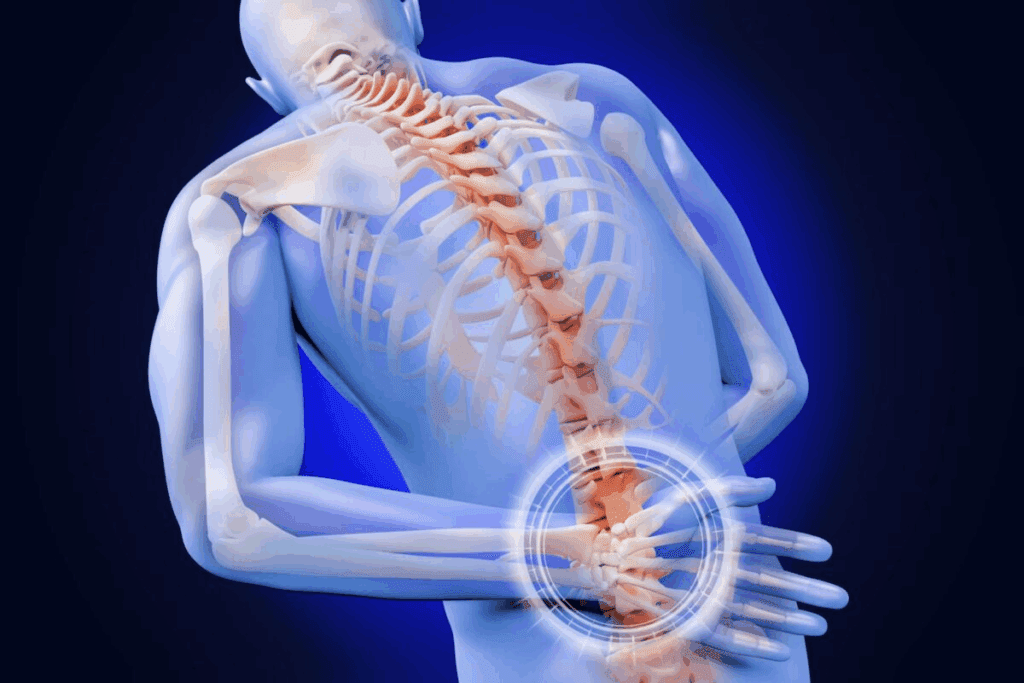
It’s important to understand how spinal curvature affects sleep quality, mainly for those with scoliosis. The shape of our spine can change how we sleep. Also, our sleep positions can impact our spine’s shape.
For people with scoliosis, keeping the spine aligned while sleeping is key. Bad sleep positions can make scoliosis symptoms worse by adding extra pressure on the spine. This can cause more pain and discomfort. But, sleeping with the spine in the right position can help reduce pain, improve sleep, and boost overall health.
How Poor Sleep Positions Can Worsen Scoliosis Symptoms
Bad sleep positions can harm scoliosis symptoms. Sleeping in ways that don’t support our spine’s natural shape can strain our spinal muscles and joints. This strain can cause pain, discomfort, and even harm our spine over time.
Sleeping on your stomach twists your neck, straining your cervical spine. Sleeping on your side without proper support can also make your spine curve in a way that worsens scoliosis symptoms.
Benefits of Correct Spinal Alignment During Sleep
Keeping the spine aligned while sleeping is critical for those with scoliosis. Proper alignment can lessen pain and discomfort, enhance sleep quality, and support overall spinal health.
- Reduced pain and discomfort
- Improved sleep quality
- Enhanced overall well-being
- Better spinal health
By choosing sleep positions that support the spine’s natural shape and using the right support devices, people with scoliosis can greatly improve their sleep and reduce symptoms.
Sleeping with Scoliosis: Best Practices and Recommended Positions
For those with scoliosis, the right sleep practices are key. They help improve rest quality and spinal support. It’s important to sleep in a way that keeps the spine aligned and reduces pain.
General Guidelines for Spinal Support During Sleep
To support the spine at night, keeping it aligned is vital. Use supportive pillows and pick the right mattress firmness. Choose pillows that align the spine and a mattress that supports without being too hard or soft.
Also, adjust your sleep position based on your spinal curve type and severity. This tailored approach boosts comfort and lessens condition worsening risks.
Adapting Sleep Positions Based on Curve Type and Severity
The type and severity of scoliosis affect the best sleep position. For example, those with a lumbar curve might sleep on their back with a pillow under their knees. This reduces lower back strain.
Those with a thoracic curve might prefer side sleeping. Use a pillow between your knees to keep hips aligned. It’s important to try different positions and supports to find what works best for you.
Transitioning Between Positions Safely
Changing sleep positions safely is key for scoliosis management. Make slow movements and avoid sudden twists or bends that could harm the spine.
Try breathing exercises and relaxation techniques to smoothly switch positions. These can also enhance sleep quality.
Back Sleeping Techniques for Scoliosis Patients
Back sleeping can be very good for people with scoliosis. It helps keep the spine straight and can ease back pain. This is because it spreads out the body’s weight evenly.
Benefits of Supine Sleeping for Spinal Alignment
Supine sleeping, or lying on your back, is great for scoliosis. It keeps the spine straight, which is good for the back muscles. This can make scoliosis symptoms less painful.
Key benefits of supine sleeping for scoliosis patients include:
- Improved spinal alignment
- Reduced pressure on the spine
- Even distribution of body weight
- Potential reduction in back pain
How to Properly Position Yourself When Sleeping on Your Back
To get the most out of back sleeping, you need to position yourself right. Here are some tips:
- Use a supportive pillow under your knees to take pressure off your spine.
- Maintain a neutral spine position by avoiding excessive arching or curvature.
- Consider using a small, rolled towel or pillow under the lower back for additional support.
Pillow Placement Techniques for Back Sleepers with Scoliosis
Where you put your pillows is key when you sleep on your back with scoliosis. The right pillows can keep your spine straight and make you feel better.
Effective pillow placement strategies include:
| Pillow Placement | Benefit |
| Under the knees | Reduces pressure on the lower back |
| Under the lower back | Provides additional lumbar support |
| Under the neck | Maintains proper cervical alignment |
“Proper pillow support is essential for maintaining spinal alignment during sleep, specially for individuals with scoliosis. By strategically placing pillows, patients can significantly improve their sleep quality and reduce discomfort.”
By using these back sleeping tips and pillow strategies, scoliosis patients can improve their spine alignment. This can lead to less discomfort and better sleep.
Side Sleeping Strategies to Manage Scoliosis Pain
Managing scoliosis pain while side sleeping needs careful thought. We’ll look at the best ways to sleep on your side with scoliosis. This includes finding the right side to sleep on and keeping your spine aligned.
Best Side to Sleep On Based on Your Curve Pattern
The side you sleep on depends on your scoliosis curve. Generally, sleeping on the side with the curve bulging out more helps. But, it’s important to talk to a healthcare professional for advice that fits you.
If you have a right thoracic curve, sleeping on your left might be better. If you have a left lumbar curve, sleeping on your right could be more comfy. It’s key to try different sides with a healthcare provider’s help to find what works best for you.
Proper Alignment and Support Methods for Side Sleepers
To keep your spine aligned while side sleeping, the right support is key. A supportive mattress and pillows can help a lot with scoliosis pain.
- Choose a medium-firm mattress for the right support.
- Put a pillow between your knees to align your hips and ease spine pressure.
- Use a supportive neck pillow to keep your neck right.
- Think about a body pillow or contoured pillow for full-body support and alignment.
| Support Method | Benefits |
| Pillow between knees | Reduces pressure on the spine, keeps hips aligned |
| Supportive neck pillow | Maintains proper cervical alignment, reduces strain on the neck |
| Body pillow or contoured pillow | Provides full-body support, maintains spinal alignment |
By using these strategies, people with scoliosis can sleep better and feel less pain. It’s important to work with healthcare professionals to make these strategies fit your needs.
Why Stomach Sleeping Should Be Avoided with Scoliosis
Sleeping on your stomach can harm those with scoliosis. It can make spinal curvature worse. This position forces the spine to bend in an unnatural way, causing pain and possibly worsening the condition over time.
The Negative Effects of Prone Sleeping on Spinal Curvature
Sleeping on your stomach puts unnatural stress on your spine. Your neck twists to one side, and your lower back arches more. This can lead to more pressure on your vertebrae, making scoliosis symptoms worse.
Key negative effects include:
- Increased spinal curvature due to unnatural arching
- Additional pressure on vertebrae
- Potential for increased discomfort and pain
- Possible long-term worsening of scoliosis symptoms
Transitioning Away from Stomach Sleeping: Practical Tips
Changing your sleep position takes time and effort. Start by noticing how you sleep. Try placing a pillow or a towel under your pelvis to help.
Here are some practical steps to help you transition:
- Start by becoming more aware of your sleep position.
- Use pillows or a body bolster to support your body in a different position.
- Gradually train yourself to sleep on your back or side using supportive devices.
- Practice relaxation techniques to help you adjust to new sleep positions.
Changing your sleep position takes time. Be patient with yourself. It’s also good to talk to a healthcare provider or sleep specialist for advice on managing scoliosis through better sleep.
Choosing the Right Mattress for Scoliosis Support
For those with scoliosis, the right mattress is key to better sleep and pain relief. It should support the spine well to reduce pain and improve sleep quality.
Firmness Considerations for Different Curve Types
The firmness of a mattress is very important for scoliosis patients. The right firmness depends on the type and severity of the spinal curve. For example, those with a more severe curve might need a firmer mattress for extra support. On the other hand, those with a milder curve might prefer a medium-firm mattress.
Memory Foam vs. Hybrid vs. Innerspring: Which Works Best?
There are many types of mattresses, each with its own benefits.
- Memory Foam Mattresses: These mattresses mold to your body, giving you personalized support. They’re great for scoliosis patients as they help keep the spine aligned.
- Hybrid Mattresses: These mix different materials, like memory foam and coils, for both support and comfort.
- Innerspring Mattresses: These traditional mattresses use coils for support. They’re good for those who like a firmer bed.
Top Mattress Recommendations for Scoliosis Sufferers
When picking a mattress, think about the material, firmness, and how it feels. Top mattresses for scoliosis sufferers balance support and comfort. A study found that
“The right mattress can greatly improve sleep quality and pain management for scoliosis patients.”
Specialized Pillows and Their Role in Scoliosis Management
Specialized pillows are key in managing scoliosis. They offer targeted support and better sleep. For those with scoliosis, the right pillows can greatly improve spinal alignment and comfort.
Cervical Support Pillows for Proper Neck Alignment
Cervical support pillows support the neck’s natural curve. They are great for scoliosis patients as they ease neck and upper back strain. Choose a pillow made from supportive materials like memory foam or latex.
Key Features of Cervical Support Pillows:
- Contour design to support the natural curve of the neck
- Adjustable loft to customize the height
- Breathable materials for temperature regulation
Body Pillows and Bolsters for Full-Body Support
Body pillows and bolsters offer full-body support. They are perfect for scoliosis patients needing spinal alignment during sleep. Place them between the knees or under the legs to ease spine pressure.
Benefits of Using Body Pillows:
- Reduces pressure on the spine and joints
- Helps maintain proper alignment of the hips and pelvis
- Can improve sleep quality by reducing discomfort
Lumbar Support Pillows for Lower Back Relief
Lumbar support pillows help the lower back, often affected by scoliosis. They maintain the natural curve of the lower back, easing strain and discomfort.
Tips for Using Lumbar Support Pillows:
- Place the pillow in the small of your back when sleeping on your back
- Use it in conjunction with a supportive mattress
- Adjust the pillow’s position to find the most comfortable support
Orthopedic Pillows Designed for Scoliosis
Orthopedic pillows for scoliosis meet the unique needs of those with spinal curvature. They are often custom-made or designed to provide targeted support and relief.
Using these specialized pillows can improve spinal alignment, reduce discomfort, and enhance sleep quality for individuals with scoliosis.
Additional Bedding Accessories for Scoliosis Comfort
Supportive mattresses and pillows are key, but other bedding can also help with scoliosis. We need to think about how extra bedding can make sleep better for those with scoliosis. This includes making the sleep area more comfortable and supportive.
Mattress Toppers and Pads: Do They Help?
Mattress toppers and pads can add to a good sleep setup for scoliosis. They can make a mattress more comfortable and supportive. A good mattress topper can add extra cushioning and help with pressure relief.
Choosing the right mattress topper is important. Memory foam toppers shape to your body, while latex toppers are firmer. The topper’s thickness also matters, with thicker ones providing more cushioning.
Adjustable Bed Frames and Their Benefits
Adjustable bed frames can also improve scoliosis comfort. They let you change your bed’s position to ease pressure points and improve spinal alignment. By adjusting the head or legs, you can find a position that’s easier on your spine.
Adjustable bed frames offer many benefits for scoliosis sufferers. They help find a comfortable position that reduces pain. Some beds even have massage or zero-gravity features for extra comfort.
“Adjustable beds can be a game-changer for people with scoliosis, allowing for a comfortable sleeping position that might not be possible with a traditional bed frame.”
When looking at adjustable bed frames for scoliosis, focus on smooth adjustments and strong build. Some beds have special features for pain relief, like programmable positions or snore-reducing settings.
Pain Management Strategies for Nighttime Scoliosis Discomfort
Scoliosis can make it hard to sleep at night. But, there are ways to manage the pain and sleep better. It’s important to use a mix of strategies to tackle the challenges of spinal curvature.
Pre-Bedtime Stretches and Exercises
Doing stretches and exercises before bed can relax your muscles and ease discomfort. Stretching exercises made for scoliosis can boost flexibility and cut down on muscle tightness. Here are some stretches to try:
- Cat-cow stretches to improve spinal flexibility
- Chest stretches to alleviate tension in the upper back
- Hamstring stretches to reduce tightness in the lower back
It’s key to talk to a healthcare expert to get a stretching plan that fits you.
Heat and Cold Therapy Applications
Heat and cold therapy can both help with scoliosis pain. Heat therapy relaxes muscles and boosts blood flow. Cold therapy cuts down inflammation and dulls pain. The best choice depends on your pain and what feels right to you.
| Therapy Type | Benefits | Application |
| Heat Therapy | Relaxes muscles, increases blood flow | Warm baths, heating pads |
| Cold Therapy | Reduces inflammation, numbs pain | Cold packs, ice baths |
When to Consider Pain Medication for Sleep
Sometimes, you might need pain medicine to get through the night. Always talk to a doctor first. They can guide you on the right medicine and how much to take.
Relaxation Techniques to Ease Muscle Tension
Techniques like deep breathing, progressive muscle relaxation, and meditation can help relax your muscles. They can also help you sleep better. You can use these along with other pain management methods.
Creating a Sleep-Friendly Environment for Scoliosis Patients
A well-designed sleep environment is key for managing scoliosis discomfort at night. We know that a sleep-friendly space can greatly improve sleep quality for those with scoliosis.
Bedroom Setup and Organization Tips
Creating a better sleep space involves a few important steps. First, make sure the bedroom is quiet, dark, and cool. Use blackout curtains and earplugs if needed. Place the bed in a spot that reduces distractions and helps you relax.
Temperature, Lighting, and Other Environmental Factors
Temperature is a big factor in sleep quality. A cooler room, between 60°F and 67°F, is best for sleep. Dim red lights are better than bright white ones. Smart lighting can adjust to help you relax before bed.
| Environmental Factor | Optimal Condition |
| Temperature | 60°F – 67°F |
| Lighting | Dim red lights |
| Noise Level | Quiet (consider earplugs or white noise machines) |
By following these tips, scoliosis patients can make a sleep-friendly space. This can lead to better rest and less discomfort.
Developing a Consistent Sleep Routine with Scoliosis
For those with scoliosis, a good sleep routine is key to feeling better. A regular sleep schedule helps your body’s clock work better. This can lead to better sleep and less pain.
Establishing Healthy Sleep Habits
Healthy sleep habits are vital for managing scoliosis. Stick to a sleep schedule every day, including weekends. A bedtime routine, like reading or a warm bath, tells your body it’s time to sleep.
Try to avoid screens for at least an hour before bed. The blue light they give off can mess with your sleep hormone. Make your bedroom dark, quiet, and cool to sleep better.
Managing Sleep Disruptions Caused by Discomfort
Scoliosis can make it hard to sleep because of pain. Find the best sleeping position for you. Use pillows or mattresses made for scoliosis to support your body.
Do some stretches and relaxation exercises before bed. We’ll look at these and how to add them to your daily routine.
| Technique | Description | Benefits |
| Pre-bedtime Stretching | Gentle stretching exercises before bed | Relaxes muscles, reduces discomfort |
| Relaxation Techniques | Methods such as deep breathing or meditation | Reduces stress, promotes relaxation |
| Sleep Environment Adjustment | Adjusting bedroom temperature, lighting, and noise levels | Enhances sleep quality, improves comfort |
By using these tips, people with scoliosis can get better sleep. This helps manage their condition better.
When to Consult a Healthcare Provider About Sleep Issues
Knowing when to see a healthcare provider about sleep issues is key for those with scoliosis. Many sleep problems can be fixed with lifestyle changes. But, some need medical help.
It’s important to know the signs that mean you should see a doctor. These signs include:
- Persistent pain or discomfort that keeps you from sleeping well
- Difficulty breathing or feeling short of breath at night
- Frequent waking up or trouble falling asleep
- Feeling very tired or sleepy during the day
- Noticeable changes in your spine’s shape or alignment
Warning Signs That Your Sleep Problems Require Medical Attention
If you’re experiencing any of these, you should see a healthcare provider:
- Severe pain: If your pain is very bad, lasts a long time, or gets worse, get medical help.
- Neurological symptoms: Feeling numb, tingling, or weak in your limbs means you might need to see a doctor right away.
- Sleep disturbances: If you can’t sleep well even after trying different things, talk to a healthcare provider.
Healthcare experts say, “Early treatment can greatly improve life for people with scoliosis.” Getting medical help quickly can solve sleep problems before they get worse.
Types of Specialists Who Can Help with Scoliosis-Related Sleep Problems
Many healthcare specialists can help with scoliosis sleep issues:
| Specialist | Role |
| Orthopedic Surgeon | They specialize in spinal surgery and can help with sleep issues. |
| Physical Medicine and Rehabilitation (PM&R) Physician | They help manage pain and improve function without surgery, using physical therapy and pain management. |
| Sleep Specialist | They focus on diagnosing and treating sleep disorders, which is great for scoliosis patients with sleep problems. |
Seeing the right specialist can really help with scoliosis sleep problems. Don’t wait to get professional help when you need it.
Conclusion: Improving Your Sleep Quality with Scoliosis
To improve sleep with scoliosis, you need a detailed plan. This plan should tackle the special challenges of spinal curves. By picking the right sleep positions and using supportive pillows and mattresses, you can greatly improve your sleep.
Managing scoliosis and sleep means paying attention to your specific needs. This includes picking the right mattress firmness and using special pillows for support. Also, having a regular sleep schedule is key.
By using these strategies, people with scoliosis can feel less pain and discomfort. They can also feel better overall. We suggest trying out different options like adjustable bed frames and orthopedic pillows to find what suits you best.
In the end, focusing on sleep and managing scoliosis-related sleep problems can greatly improve your rest. It can also lead to better health and a better quality of life.
FAQ
What is the best sleep position for scoliosis?
The best sleep position for scoliosis varies based on the type and severity of the curve. Sleeping on your back can help keep your spine aligned properly. It’s important to use the right pillows to support the natural curve of your spine.
How can I manage scoliosis pain while sleeping?
To manage scoliosis pain at night, focus on the right sleep posture and use supportive pillows. Choose a mattress that supports your spine well. Doing stretches before bed, using heat or cold, and relaxing can also help reduce pain.
What type of mattress is best for scoliosis?
For scoliosis, look for a mattress that supports your spine and keeps it aligned. Memory foam, hybrid, and innerspring mattresses might work, depending on your needs and preferences.
Can stomach sleeping worsen scoliosis symptoms?
Yes, sleeping on your stomach can make scoliosis symptoms worse. It can cause your spine to arch in an unnatural way, leading to more curvature and discomfort. It’s better to avoid stomach sleeping and find other positions that support your spine.
How can I improve my sleep quality with scoliosis?
To improve sleep with scoliosis, focus on the right sleep positions and use supportive pillows and mattresses. Create a sleep-friendly environment. A consistent sleep routine and managing sleep disruptions can also help.
Are there specific pillows designed for scoliosis?
Yes, there are pillows made to support and align the spine for scoliosis. Cervical, body, and lumbar support pillows can help manage symptoms while sleeping.
When should I consult a healthcare provider about my sleep issues related to scoliosis?
If you have ongoing sleep problems, pain, or discomfort that affects your daily life, see a healthcare provider. Specialists like orthopedic or pain management doctors can offer advice and treatment for scoliosis-related sleep issues.
Can adjusting my sleep environment help alleviate scoliosis discomfort?
Yes, making your bedroom sleep-friendly can help with scoliosis discomfort. Improve your bedroom setup, control the temperature and lighting, and use comfortable bedding for better sleep.
Reference:
Cambridge University Hospitals. Guidance following scoliosis surgery. https://www.cuh.nhs.uk/patient-information/guidance-following-scoliosis-surgery