Last Updated on December 1, 2025 by Bilal Hasdemir
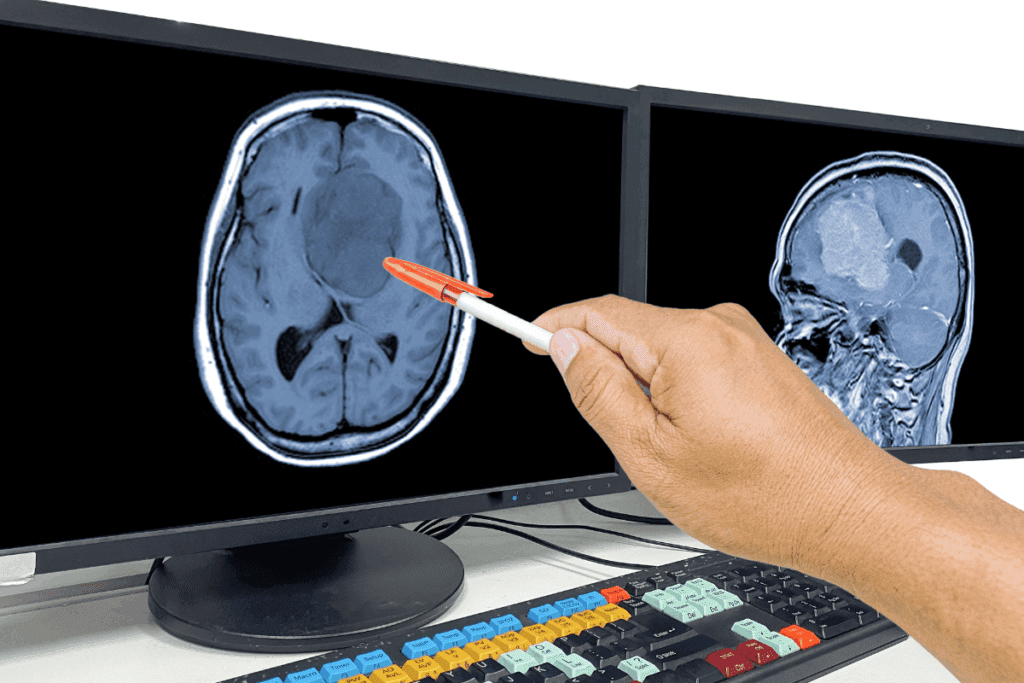
Steve Turnbull’s story is a wake-up call about the link between smells and brain tumors. Before his diagnosis with glioblastoma, he smelled cotton candy. This strange smell hinted at a serious health problem.Find out what smells brain tumor patients may experience and why it happens.
These unusual olfactory experiences might not just be in your head. They could signal a serious health issue. Phantosmia, or smelling things that aren’t there, has been tied to brain tumors. We’ll look into how these smells relate to brain health.
Key Takeaways
- Certain smells can be indicative of a brain tumor diagnosis.
- Phantosmia, or olfactory hallucinations, may be linked to brain health issues.
- Understanding the connection between unusual smells and brain tumors can be key for early detection.
- Steve Turnbull’s story shows why it’s important to check out strange smells.
- Olfactory hallucinations can be a sign of a serious health problem.
The Relationship Between Brain Tumors and Olfactory Function
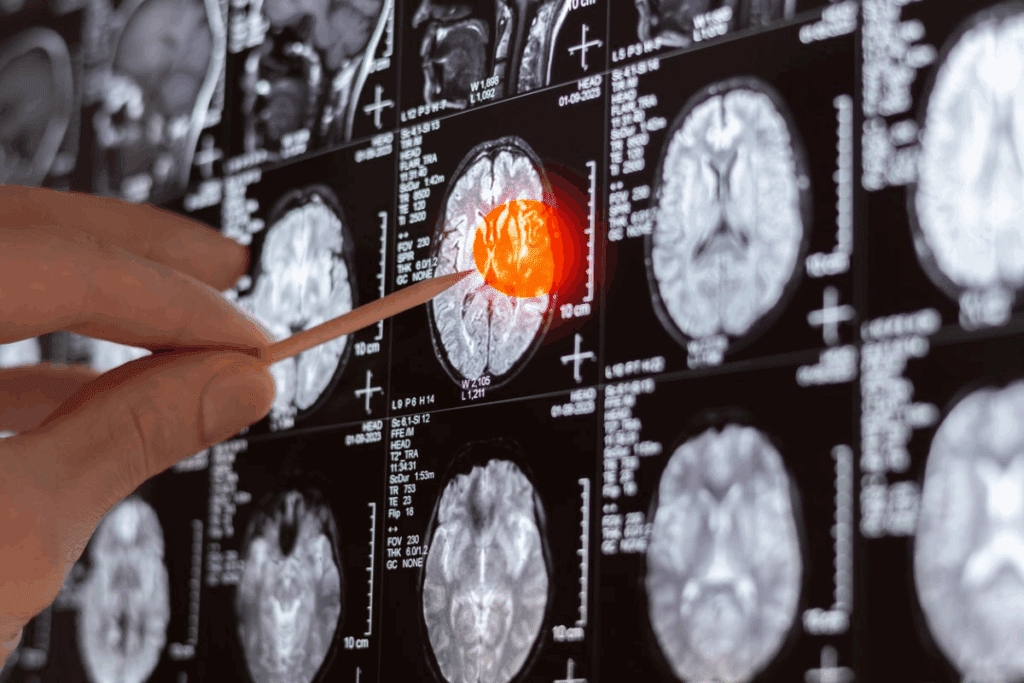
Brain tumors and smell disorders are closely linked. Tumors can harm the olfactory system in many ways. This leads to problems with how we smell things.
Disruption of Normal Smell Processing
Brain tumors can mess with how we smell by pressing on or growing into parts of the brain. This can cause symptoms like olfactory hallucinations. People might smell things that aren’t there.
We’ll look at how different brain tumors affect our sense of smell. This can include phantosmia, or smelling things that aren’t there.
Anatomy of the Olfactory System and Brain
It’s important to know how the olfactory system works to understand how tumors affect smell. The olfactory bulb and olfactory tract are key. Tumors in these areas can cause smell problems.
The olfactory system is complex, involving many brain parts. Tumors in places like the frontal or temporal lobes can mess with smell. This can lead to symptoms like diminished smell capacity or unusual smell sensations.
Smells Brain Tumor: Identifying Olfactory Hallucinations
Brain tumors can cause a condition called phantosmia. This is when people smell things that aren’t really there. It’s a kind of hallucination that can be very upsetting and affect daily life. We’ll look at the kinds of smells brain tumor patients might experience and how they relate to phantosmia.
Phantosmia: Detecting Odors That Aren’t Present
Phantosmia is when people smell things that don’t exist. For those with brain tumors, it happens when the tumor messes with the brain’s smell processing areas. This can cause a variety of smells, from nice to bad.
The exact reasons for phantosmia in brain tumor patients are complex. Studies show that tumors in the frontal or temporal lobes are more likely to cause these hallucinations.
Common Phantom Smells Reported by Brain Tumor Patients
People with brain tumors who have phantosmia smell different things. Some common smells include:
- Burnt or smoky odors, like burnt toast or smoke.
- Foul or rotten smells, like rotting food or sewage.
- Metallic or chemical odors, which are sharp and unpleasant.
- Sweet or food-related smells, like smelling cookies or other foods without any source.
These smells can be different in how strong and how often they happen. Some people smell them all the time, while others smell them only sometimes. Knowing about these smells is key to diagnosing and treating brain tumors.
Doctors should think about phantosmia as a sign of brain tumors. By understanding the link between these hallucinations and brain tumors, we can help patients better.
Burnt Odor Sensations as Warning Signs

Smelling burnt odors, like burnt toast, has been linked to brain tumors. This has sparked both curiosity and concern. It’s a symptom that needs a closer look at its connection to brain health.
The Phenomenon of “Smelling Burnt Toast” and Brain Tumors
“Smelling burnt toast” is a common way to describe a type of smell hallucination. People smell burnt or toasting bread without a source. This symptom is not only linked to brain tumors but also to other neurological conditions.
Key factors to consider:
- The location of the brain tumor, if it affects smell processing areas.
- The type and growth rate of the tumor, which can change symptoms.
- How people perceive smells and other neurological symptoms.
Neurological Basis for Burning Smell Hallucinations
The brain’s olfactory system is affected by brain tumors. Tumors can disrupt smell processing in several ways:
Direct Impact: Tumors near the olfactory bulb or tract can directly affect smell processing, causing hallucinations.
Indirect Effects: Tumors in other areas can press on or cause inflammation in olfactory pathways. This leads to abnormal smell perceptions.
Understanding these symptoms is key to diagnosing and treating brain tumors. By studying the link between brain tumors and smell disturbances, doctors can spot warning signs early and act quickly.
Foul and Unpleasant Phantom Smells
Olfactory disturbances, like foul smells, are symptoms of brain tumors. These smells can really affect a person’s life. It’s important to know how they relate to brain tumors.
Foul odors can be different for everyone. But, some patterns have been seen in medical studies. We’ll look at two main types: rotten or sulfurous smells and chemical or metallic smells.
Rotten or Sulfurous Odor Perceptions
People with brain tumors might smell rotten or sulfurous odors. These smells are often like rotten eggs or decaying things. The sulfurous smell is very strong and unpleasant.
The brain’s olfactory pathways get mixed up by the tumor. This can make people think they smell things that aren’t there. Research shows that tumors in certain brain areas can cause this.
Chemical and Metallic Smell Hallucinations
Some people might smell chemicals or metals. They might smell gasoline, cleaning products, or metals like copper or iron. These smells show how complex the brain’s smell processing is and how tumors can mess with it.
It’s key to understand these symptoms for diagnosis and care. Knowing about these smells helps doctors support patients better.
Sweet and Food-Related Phantom Odors
People with brain tumors often smell things that aren’t there. They might smell sweet or food-like smells. These smells can be confusing and upsetting, making life harder for those who experience them. We look into these smells, trying to understand what they mean and how they affect people.
Unusual Food Smell Hallucinations in Tumor Patients
These phantom smells can be anything from fresh cookies to certain fruits or meals. They might happen on their own or when someone is feeling a certain way. It’s important to understand these smells to help those affected.
Patterns and Characteristics of Food-Related Phantosmia
Studies have found that these smells can be different for everyone. Some people smell things all the time, while others only smell things sometimes. This shows how brain tumors can affect how we smell.
Looking at these smells can also tell us more about how brain tumors work. By studying these patterns, doctors can learn more about how tumors affect our sense of smell.
Olfactory Auras: Smell Sensations Preceding Seizures
Some brain tumors cause seizures that start with smells not in the air. These smells, known as olfactory auras, can warn of an upcoming seizure. We’ll look into how tumors can lead to seizures with smells and why these smells are important signs.
Triggering Seizures with Smell Components
Brain tumors can mess with brain signals, causing seizures. Sometimes, these seizures start with smells that people don’t smell normally. The way tumors cause these seizures is complex, depending on where the tumor is and how it affects the brain.
When a tumor is near smell-processing areas, like the olfactory bulb or temporal lobe, it can mess with smell signals. This can make people smell strange or bad smells before a seizure.
Recognizing Olfactory Auras as Tumor Indicators
It’s key to know that certain smells might mean a brain tumor. Not all unusual smells or seizures are from tumors, but they can be a sign. If you notice new or odd smells, and other brain symptoms, see a doctor.
Spotting brain tumors early can greatly improve treatment chances. Knowing about the link between smells, seizures, and tumors helps find and treat those at risk.
Diminished Smell Capacity and Brain Tumors
Brain tumors can really mess with our sense of smell. They can cause hyposmia and anosmia. These conditions mean we can’t smell things well or at all. It’s important to know how tumors affect our smell to catch them early.
Hyposmia: Reduced Ability to Detect Odors
Hyposmia means we can’t smell things as well as we used to. Brain tumors can mess with our smell by pressing on the olfactory pathways. This can happen if the tumor is near smell-processing areas or if it puts too much pressure on the brain.
People with hyposmia might find that smells are not as strong. They might also have trouble smelling new things. This can really affect their daily life, from eating to staying safe.
Anosmia: Complete Loss of Smell Function
Anosmia is when we can’t smell anything at all. Brain tumors can damage the parts of the brain that help us smell. This can happen if the tumor is in the right spot or if it puts too much pressure on the brain.
Knowing the difference between hyposmia and anosmia is key. Anosmia means we can’t smell anything, which might mean the tumor is bigger or in a worse spot.
How Smell Reduction Differs from Phantom Smells
It’s important to tell the difference between not being able to smell (hyposmia or anosmia) and smelling things that aren’t there (phantosmia). Hyposmia and anosmia mean we can’t smell things well or at all. Phantosmia is when we smell things that aren’t there.
Phantosmia can also be a sign of a brain tumor. It happens when the brain’s smell pathways get mixed up. Knowing if we’re losing our sense of smell or smelling things that aren’t there helps doctors find the tumor.
Olfactory problems can be really upsetting and might mean something serious is going on. If you’re having trouble smelling things, see a doctor right away.
Types of Brain Tumors Associated with Olfactory Changes
Brain tumors can really mess with our sense of smell. Some types are more likely to cause problems with our noses. The impact on smell depends on the tumor’s location, size, and type.
Meningiomas of the Olfactory Groove
Meningiomas are usually not cancerous. They grow from the meninges, which protect our brain and spinal cord. When they grow in the olfactory groove, they can harm the smell centers, leading to smell issues.
Symptoms of olfactory groove meningiomas may include:
- Loss of smell (anosmia)
- Reduced ability to detect odors (hyposmia)
- Phantosmia (smelling odors that aren’t present)
Gliomas Affecting Smell-Processing Regions
Gliomas start from the brain’s glial cells. If they grow in smell-processing areas, they can cause various smell problems.
The effects of gliomas on smell depend on their location and how aggressive they are. Some people might notice:
- Distorted smell perceptions
- Reduced olfactory sensitivity
- Olfactory hallucinations
Pituitary Tumors and Their Impact on Smell
Pituitary tumors, or adenomas, grow in the pituitary gland. Though usually not cancerous, they can indirectly affect our sense of smell by pressing on nearby areas.
Large pituitary tumors can:
- Compress the olfactory tract
- Elevate intracranial pressure, potentially affecting olfactory processing
- Cause hormonal imbalances that may influence smell perception
Here’s a summary of the types of brain tumors associated with olfactory changes:
| Tumor Type | Location | Olfactory Symptoms |
| Meningiomas | Olfactory groove | Anosmia, hyposmia, phantosmia |
| Gliomas | Smell-processing regions | Distorted smell, reduced sensitivity, olfactory hallucinations |
| Pituitary tumors | Pituitary gland | Indirect effects on smell through compression or hormonal changes |
Brain Regions Where Tumors Commonly Cause Smell Disturbances
Tumors in different brain areas can mess with our sense of smell. The way tumors affect our smell depends on where they are and how they press on other brain parts.
Frontal Lobe Tumors and Olfactory Symptoms
Tumors in the frontal lobe can mess with our smell by squishing or taking over nearby smell paths. This area is key for thinking and is close to smell processing, making it a big deal for smell problems.
People with frontal lobe tumors might smell things that aren’t there, not smell things that are, or smell things differently. This can include:
- Phantosmia (seeing smells that aren’t there)
- Hyposmia (trouble smelling things)
- Smells that don’t smell right
Temporal Lobe Involvement in Smell Processing
The temporal lobe is important for handling smells and mixing them with other senses. Tumors here can cause weird smell hallucinations and problems with smelling things right.
Temporal lobe tumors might lead to:
- Smell auras before seizures
- Seeing smells that mix together
- Not being able to recognize or remember smells
Tumors Affecting the Olfactory Bulb and Tract
The olfactory bulb and tract are key for sending smell info from the nose to the brain. Tumors here can really mess with our smell.
| Tumor Location | Common Olfactory Symptoms |
| Olfactory Bulb | Not being able to smell (anosmia), smelling less (hyposmia) |
| Olfactory Tract | Smells not smelling right, smelling things that aren’t there |
| Frontal Lobe | Seeing smells that aren’t there, smelling less |
| Temporal Lobe | Smell auras, weird smell hallucinations |
Knowing how tumors in different places affect our smell is key for figuring out and treating brain tumors that mess with our sense of smell.
Additional Neurological Symptoms Accompanying Smell Changes
Brain tumor patients often notice changes in their sense of smell. These changes can be linked to a range of neurological symptoms. The symptoms depend on the tumor’s location, size, and type. It’s important to understand these symptoms for better patient care.
Headaches and Visual Disturbances
Headaches are common in brain tumor patients. They can be caused by increased pressure inside the skull. These headaches can be severe and may cause visual problems like blurred vision or double vision. Visual symptoms happen when the tumor presses on the optic nerves or other visual pathways.
Some patients may experience:
- Blurred vision
- Double vision (diplopia)
- Loss of peripheral vision
- Visual field defects
Cognitive and Memory Impairments
Cognitive and memory problems are big concerns for brain tumor patients. These issues can come from the tumor itself or from treatments like surgery or chemotherapy. Patients may struggle with concentration, memory, and executive functions.
Common cognitive symptoms include:
- Memory loss
- Difficulty concentrating
- Slowed thinking
- Executive function deficits
Balance Problems and Coordination Issues
Balance and coordination problems are common in brain tumor patients. These issues can be caused by the tumor’s effect on motor control areas of the brain or the cerebellum. Patients may have ataxia, gait problems, or trouble with fine motor tasks.
Some common balance and coordination symptoms include:
- Ataxia (loss of coordination)
- Gait disturbances
- Difficulty with fine motor tasks
- Frequent falls
It’s key to recognize these neurological symptoms for better care of brain tumor patients. Early treatment of these symptoms can greatly improve their quality of life.
Diagnostic Approaches for Olfactory Symptoms
Diagnosing olfactory symptoms requires a detailed strategy. This includes reviewing medical history, using advanced imaging, and testing olfactory function. Healthcare professionals must use a thorough approach to find the cause of smell problems.
Clinical Evaluation and Medical History
First, a detailed clinical evaluation is done. This involves a detailed medical history to find possible causes of smell issues. We look for things like infections, head trauma, or toxin exposure. We also check the patient’s overall health and any neurological conditions.
We use standardized questionnaires to assess the patient’s sense of smell. This helps us understand the onset, duration, and characteristics of their symptoms. This information guides us in choosing the right diagnostic path.
A detailed medical history is essential in identifying possible causes of olfactory dysfunction and guiding further diagnostic testing.
Neuroimaging Techniques: MRI, CT, and PET Scans
Neuroimaging is key in diagnosing olfactory symptoms, like when a brain tumor is suspected. We use MRI (Magnetic Resonance Imaging), CT (Computed Tomography) scans, and PET (Positron Emission Tomography) scans. These help us see the brain’s structure and function.
| Imaging Modality | Key Features | Clinical Utility |
| MRI | High-resolution images of brain structures | Detailed assessment of tumor location and size |
| CT Scan | Rapid imaging, good for acute trauma | Quick assessment of brain anatomy |
| PET Scan | Functional imaging, metabolic activity | Assessment of tumor metabolism and activity |
Specialized Olfactory Function Testing
Specialized olfactory function testing is also used. These tests help assess the patient’s sense of smell. They can identify specific olfactory deficits and track changes over time.
Tests like the University of Pennsylvania Smell Identification Test (UPSIT) and the Sniffin’ Sticks test are common. They evaluate different aspects of smell, such as detecting, identifying, and distinguishing odors.
By combining clinical evaluation, neuroimaging, and specialized olfactory function testing, we can accurately diagnose olfactory symptoms. This helps us develop an effective treatment plan.
Distinguishing Brain Tumor Smell Symptoms from Other Conditions
It’s hard to tell if a smell problem is from a brain tumor or something else. Many health issues can cause similar smell problems. So, it’s important to do a detailed check to find out what’s really going on.
Sinus Conditions and Upper Respiratory Infections
Sinusitis and colds can mess with your sense of smell. They cause your nose to get blocked and inflamed. This can make smells seem different or less clear.
Unlike brain tumors, these issues usually come with other symptoms like runny nose, face pain, or fever. But sometimes, the signs can be very mild. You might need more tests to make sure it’s not a brain tumor.
COVID-19 and Post-Viral Smell Disorders
The COVID-19 pandemic has shown how viruses can hurt our sense of smell. Many people who got COVID-19 have had trouble smelling for a while. Some even have lasting smell problems.
It’s not clear how COVID-19 affects smell, but it can damage the smell cells. This can lead to not being able to smell at all or smelling things differently. It’s important to tell if these smell problems are from COVID-19 or a brain tumor, even more so if you’ve had the virus before.
Psychiatric Conditions with Olfactory Components
Some mental health issues, like schizophrenia or depression, can make people smell things that aren’t there. These symptoms can be confused with those from brain tumors. It’s key to get a full mental health check to see if these are the cause of the smell problems.
Medication Side Effects and Toxin Exposure
Some medicines and toxins can mess with how we smell, making it seem like a brain tumor. For example, some antibiotics, allergy meds, and chemo can affect our sense of smell. Also, chemicals and heavy metals can damage our smell cells.
To figure out if these are the cause, we need to look at your medical history and what you’ve been exposed to. This helps us find the right treatment.
In short, figuring out if smell problems are from a brain tumor or something else needs a careful look at many possible causes. By understanding what can affect our sense of smell, doctors can make better diagnoses and treatments.
When to Seek Medical Attention for Unusual Smell Sensations
If you notice strange or lasting smells, knowing when to see a doctor is key. Unusual smells can signal many health issues, some needing quick medical care. We’ll show you the warning signs for a doctor visit, what to expect during your check-up, and how to get ready for your appointment.
Red Flag Symptoms Requiring Immediate Evaluation
Certain symptoms with unusual smells mean you should see a doctor right away. These include:
- Severe headache: A sudden, severe headache can be a sign of a serious condition.
- Confusion or disorientation: If you or someone else notices confusion or difficulty understanding the environment.
- Seizures: Experiencing a seizure or convulsion is a medical emergency.
- Weakness or numbness: Sudden weakness or numbness in parts of the body, specially if it’s one-sided.
- Visual disturbances: Blurred vision, double vision, or loss of vision can be indicative of a serious neurological issue.
These signs might mean a brain tumor or other serious brain problems. If you’re experiencing any, get medical help fast.
Questions to Expect During Medical Assessment
At your doctor’s visit for unusual smells, expect a thorough check-up. The doctor might ask:
- Can you describe the smell you’re experiencing?
- When did you first notice the smell?
- Is the smell constant or does it come and go?
- Have you noticed any triggers for the smell?
- Have you experienced any other symptoms alongside the smell?
Being ready to answer these questions helps your doctor understand your situation better. This guides the diagnostic process.
Preparing for Your Doctor’s Appointment
To get the most from your doctor’s visit, preparation is key. Here are some tips:
- List your symptoms: Write down the smell sensations you’re experiencing, along with any other symptoms.
- Note when symptoms occur: Try to correlate your symptoms with specific times or events.
- Bring relevant medical records: Any previous medical conditions, allergies, or medications you’re taking.
- Prepare questions: Write down any questions or concerns you have about your symptoms.
Being prepared ensures a productive talk with your doctor. This leads to a more accurate diagnosis.
Conclusion
It’s important to know how brain tumors can affect our sense of smell. This knowledge helps in early detection and treatment. We’ve seen how brain tumors can cause symptoms like phantom smells and a reduced ability to smell.
Spotting these smell changes as signs of brain tumors is key. We’ve talked about different types of tumors that can affect our sense of smell. These include meningiomas, gliomas, and pituitary tumors. We also highlighted the importance of other neurological symptoms that may appear with smell changes.
If you notice strange or lasting smell sensations, get medical help. A thorough check-up, including scans and smell tests, can find the cause. By understanding the link between brain tumors and smell issues, we can help diagnose and treat them better.
FAQ
What are the common smells associated with brain tumors?
People with brain tumors might smell things like burnt odors, foul smells, or chemical smells. They might also smell sweet or phantom smells that remind them of food.
Can smelling burnt toast be a sign of a brain tumor?
Yes, smelling burnt toast or other burning smells could be a warning sign. It might mean there’s abnormal activity in your brain affecting your sense of smell.
How do brain tumors disrupt normal smell processing?
Brain tumors can mess with smell processing by pressing on or growing into areas of the brain that handle smells. This includes the olfactory bulb and tract.
What types of brain tumors are most likely to cause smell disturbances?
Tumors like meningiomas, gliomas, and pituitary tumors can affect smell. It depends on where the tumor is and how it impacts the brain.
Can a decrease or loss of smell be a symptom of a brain tumor?
Yes, brain tumors can cause you to smell things less well or not at all. This is different from phantom smells.
Are there other neurological symptoms that often accompany smell disturbances in brain tumor patients?
Yes, people might also have headaches, vision problems, memory issues, and trouble with balance.
How are olfactory symptoms diagnosed in relation to brain tumors?
Doctors use clinical exams, medical history, and scans like MRI and CT. They might also do special tests for smell.
How can brain tumor-related smell symptoms be distinguished from other conditions?
Doctors rule out other causes of smell problems. This includes sinus issues, COVID-19, mental health conditions, and side effects from medicine.
When should I seek medical attention for unusual smell sensations?
See a doctor if you have ongoing or severe smell issues. Also, if you have severe headaches, confusion, or trouble speaking.
What can I expect during a medical assessment for smell disturbances?
You’ll get a detailed check-up, questions about your health, and might have scans or smell tests. This helps find out what’s causing your symptoms.
How can I prepare for my doctor’s appointment regarding smell disturbances?
Write down your symptoms, when they started, and what might make them better or worse. Be ready to talk about your health and any worries you have.
Reference
National Cancer Institute (NCI) – Childhood Acute Lymphoblastic Leukemia Treatment:https://www.cancer.gov/types/leukemia/patient/child-all-treatment-pdq