Last Updated on November 14, 2025 by
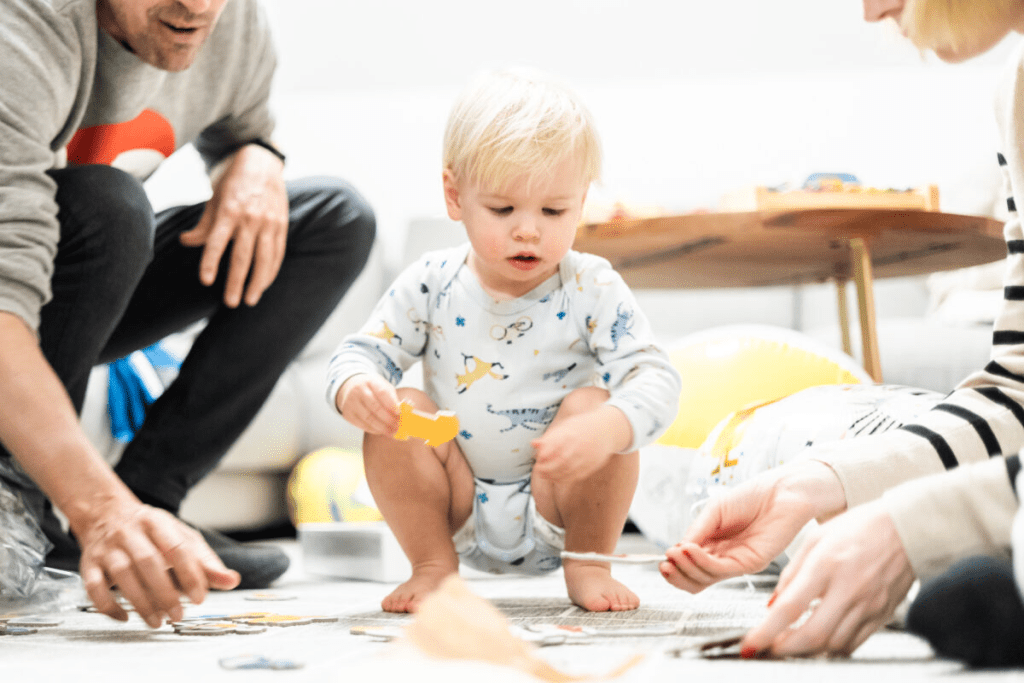
Knowing the 7 areas of child development is key for parents, caregivers, and teachers. It helps them support kids’ growth. These areas are linked and are key to a child’s future.Understand social development within the context of the 7 key areas of child development. Learn about milestones & importance of social skills.
The 7 areas are physical, cognitive, language, emotional, social, moral, and creative development. Each one is important. Together, they lay the groundwork for a child’s social-emotional development.
As kids go through the 7 stages of child development, they face many challenges and chances. By supporting these areas, we help kids grow and reach their highest level.
Key Takeaways
- Understanding the 7 areas of child development is essential for supporting children’s overall growth.
- The 7 areas are interconnected and are vital for a child’s future.
- Physical, cognitive, language, emotional, social, moral, and creative development are the 7 key areas.
- Recognizing and supporting these areas helps children thrive and reach their full capacity.
- The 7 stages of child development present various challenges and opportunities.
The Foundations of Child Development

The early years of a child’s life are filled with important milestones. These milestones set the stage for future success. A child’s growth touches on physical, cognitive, emotional, and social areas.
How Development Shapes Future Success
Early milestones can hint at later achievements. For example, emotional development is key for forming good relationships and handling stress. A nurturing environment boosts a child’s ability to adapt and be resilient.
The Interconnected Nature of Developmental Areas
Developmental areas are linked, affecting each other. For instance, cognitive development can be boosted by socioemotional development
Physical Development: Building Strong Bodies
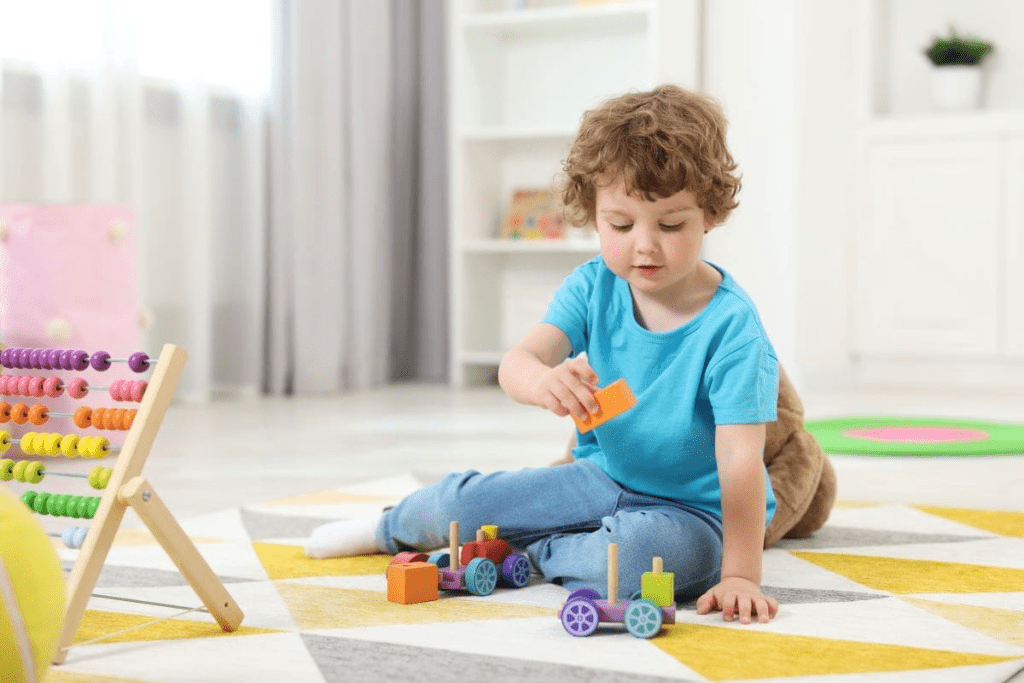
Children’s physical growth is complex, covering motor skills and nutrition. As they grow, their bodies change a lot. These changes are key for their development.
Fine and Gross Motor Skills
Between ages 3 to 6, kids make big strides in their motor skills. They get better at fine skills like using scissors or tying shoelaces. Gross skills, like running or jumping, also get more precise.
Nutrition and Physical Growth
Nutrition is essential for physical growth, giving kids the right stuff for healthy development. Eating enough of the right foods helps grow strong bones, muscles, and tissues.
Supporting Healthy Physical Development
Parents and caregivers can help with healthy growth by feeding kids well, encouraging them to be active, and making a safe space for play. This helps build strong bodies and sets the stage for a healthy life.
Understanding physical development and its parts helps us support kids better. It helps them reach their full abilities and develop important social emotional skills for well-being.
Cognitive Development: How Children Learn and Think
The early years of a child’s life are key for cognitive development. They set the stage for learning and growing intellectually. During this time, children’s brains change a lot. They start to solve problems, remember things, and think critically.
Brain Development in Early Years
In the early years, the brain grows fast. It makes new connections that help kids learn and adapt. This time is when kids get better at remembering things and focusing their attention.
Problem-Solving and Critical Thinking
As kids get older, they start to solve problems and think critically. Doing activities that challenge them, like puzzles, helps improve these skills.
Memory and Attention Span Growth
Children’s memory and focus get better with time. This is due to both their genes and what’s around them. Activities that help with memory, like reading and games, are good for them.
Stimulating Cognitive Development
To help kids grow cognitively, parents and caregivers can do several things:
- Read books together
- Play problem-solving games
- Encourage curiosity and exploration
- Make their environment rich in learning opportunities
Supporting cognitive development helps kids build a strong base for future success.
Language Development: Communication Skills
The early years of a child’s life are filled with fast language learning and growth in communication skills. During this time, kids move from making sounds to speaking complex sentences. This sets the stage for their future ability to communicate.
The Dynamic Period: Birth to Age 5
From birth to age 5, kids make big strides in language. They start to understand and speak, beginning with simple sounds. Then, they move on to more complex words and sentences.
Vocabulary Acquisition
Learning new words is key in language growth. Kids pick up new vocabulary every day. Their word bank grows fast as they hear different words and phrases.
Speech and Comprehension Milestones
Speech and understanding milestones show how well a child is doing with language. These include starting with sounds, saying first words, and then having simple talks.
Supporting Language Growth at Home
Parents can help with language growth at home. They can talk to their kids, read books together, and answer their attempts to speak. This creates a supportive space for language to flourish.
Emotional Development: Understanding Feelings
Helping children understand their feelings is vital. It’s about teaching them to manage their emotions and build strong emotional skills. This includes knowing themselves, controlling their feelings, and forming close bonds.
Self-Awareness and Regulation
Knowing oneself is the first step in emotional growth. It lets kids see and understand their feelings. Then, they learn to handle these emotions well. This way, they can react to life’s ups and downs in a smart way.
Building Emotional Intelligence
Emotional intelligence grows from experiences that teach empathy and understanding. It’s key for making good friends and feeling emotionally balanced.
The Impact of Secure Attachments
Having a strong bond with caregivers is very important. It makes kids feel safe. This lets them explore and learn about their feelings in a caring space.
Helping Children Process Difficult Emotions
It’s important to help kids deal with tough feelings. Grown-ups can do this by accepting their emotions, teaching ways to cope, and showing how to manage feelings well.
By focusing on these areas, parents and caregivers can help kids grow emotionally. This prepares them to face life’s challenges with emotional strength.
Social Development: Learning to Connect
Children learn to build strong relationships with others through social development. This process is key for their future success. It involves many factors that help them interact and connect with people.
Building Relationships with Peers and Adults
Creating strong relationships is vital in social development. Kids learn to do this by interacting with family, caregivers, and friends. Positive relationships are based on trust, respect, and good communication.
Developing Empathy and Cooperation
Empathy and cooperation are important skills for kids. They help kids understand and respond to others’ feelings. Through play and social interactions, kids learn to work together, share, and solve problems.
Social Skills Through Play
Play is essential for social development. It gives kids a chance to practice social skills in a fun way. Through play, kids learn to negotiate, take turns, and work together.
Cultural Influences on Social Development
Culture greatly affects a child’s social development. Different cultures have their own social norms, values, and practices. These can change how a child interacts and forms relationships.
Knowing about these cultural influences helps parents and caregivers support kids’ social development. They can do this in a way that fits the child’s cultural background.
Moral Development: Understanding Right and Wrong
Moral development in children is key to their growth. It helps them know right from wrong. As they grow, they learn values and ethics that guide their actions.
Developing Values and Ethics
Teaching children values and ethics starts at home. Parents and caregivers are key in showing them right and wrong. They do this through their actions and guidance.
- Modeling good behavior is one of the most effective ways to teach children moral values.
- Discussing ethical dilemmas helps children develop critical thinking and moral reasoning.
- Encouraging empathy towards others fosters a sense of responsibility and compassion.
Stages of Moral Reasoning
Children go through different stages of moral reasoning as they grow. Knowing these stages helps parents and educators support their moral development.
- Pre-conventional Stage: At this stage, children obey rules to avoid punishment or gain reward.
- Conventional Stage: Children understand the importance of social norms and rules, following them to keep social order.
- Post-conventional Stage: At the highest level, individuals develop their own moral principles, which may sometimes conflict with societal norms.
Teaching Responsibility and Respect
Teaching children responsibility and respect is vital for their moral development. This can be done through various strategies, like assigning tasks and encouraging positive interactions with others.
Assigning chores and tasks helps children understand the value of contributing to the family and community, fostering a sense of responsibility.
Cultural and Family Influences on Moral Development
Cultural and family backgrounds greatly influence children’s moral development. Different cultures and families have different values and ethical standards. These shape children’s understanding of right and wrong.
By understanding the factors that influence moral development, parents and caregivers can better support children in developing a strong moral compass. This involves teaching values, modeling good behavior, and giving children chances to practice moral reasoning.
Creative Development: Imagination and Expression
Creative development is key in a child’s growth. It includes imaginative play, art, and solving problems in new ways. Through these activities, kids learn to express themselves and think critically.
The Power of Imaginative Play
Imaginative play is vital for kids. It lets them try out different roles and scenarios. This play boosts problem-solving skills and encourages creativity.
Arts and Creative Expression
Arts like drawing and painting help kids share their feelings and ideas. These activities also improve fine motor skills and hand-eye coordination.
Problem-Solving Through Creativity
Creativity is linked to solving problems. By encouraging creative thinking, we help kids find new ways to tackle challenges.
Nurturing the Creative Spirit
To support a child’s creativity, we need to create a nurturing space. This means giving them many creative outlets and celebrating their work.
Developmental Challenges and Support
It’s important to understand the challenges children face during development. This knowledge helps us provide the right support. Various factors, like environment and genetics, can affect their growth.
Global Developmental Risk Factors
Children worldwide face many challenges that can harm their development. These include poverty, lack of education, and violence. These issues can deeply affect a child’s social, emotional, and cognitive growth.
Early Intervention Strategies
Early help is key to tackling developmental challenges. We use special educational programs, therapy, and family support to aid children. Early action can lessen the impact of delays and help kids reach their goals.
Supporting Children with Developmental Delays
Children with delays need special support to keep up with others. This might mean custom education plans, regular checks, and teamwork with doctors. Together, we can offer the support needed for these children to succeed.
Conclusion: Nurturing Well-Rounded Development
Raising well-rounded children means focusing on all 7 areas of development. This includes physical, cognitive, language, emotional, social, moral, and creative growth. Parents and caregivers play a key role in supporting this growth.
Social-emotional development is vital for building strong relationships and emotional strengths. A nurturing environment helps children develop these strengths. This leads to better resilience and overall well-being.
Using a holistic approach to child development is essential. It ensures children get the support they need in all areas. By understanding how these areas are connected, we help children become capable, confident, and compassionate.
FAQ’s
What are the key areas of child development?
Child development covers seven main areas. These are physical, cognitive, language, emotional, social, moral, and creative. Knowing these areas helps a child grow well.
How does social-emotional development impact a child’s overall development?
Social-emotional development is key. It helps a child make friends, control their feelings, and understand others. This is vital for their growth.
What is the importance of socioemotional development in children?
Socioemotional development is very important. It helps children build emotional strength, make friends, and do well in school. It also teaches them to be aware of themselves and others.
How can parents support their child’s social and emotional development?
Parents can help by creating a caring home. They should show how to handle feelings and play with their child. This helps in learning social and emotional skills.
What are some strategies for promoting cognitive development in children?
To boost cognitive skills, offer chances to solve problems and think critically. Reading and puzzles are great for brain growth.
How does creative development impact a child’s problem-solving skills?
Creativity is key for solving problems. It sparks imagination and thinking. Activities like arts and crafts help children develop these skills.
What are some global developmental risk factors that can impact child development?
Risk factors include poverty, hunger, and no education or healthcare. These can harm a child’s growth. Early help is very important.
How can early intervention strategies support children with developmental delays?
Early help, like speech and occupational therapy, is very helpful. It helps children keep up with their peers and reach milestones.
References:
- Malik, F. (2022, September 17). Developmental stages of social-emotional development in infants. StatPearls. Retrieved from https://www.ncbi.nlm.nih.gov/books/NBK534819/
- Verywell Mind. (2006, May 9). The 7 most influential child developmental theories. Retrieved from https://www.verywellmind.com/child-development-theories-2795068
- Children’s Hospital of Orange County. (2025, April 10). Child development: Milestones, ages and stages. Retrieved from https://choc.org/ages-stages/