Last Updated on November 27, 2025 by Bilal Hasdemir
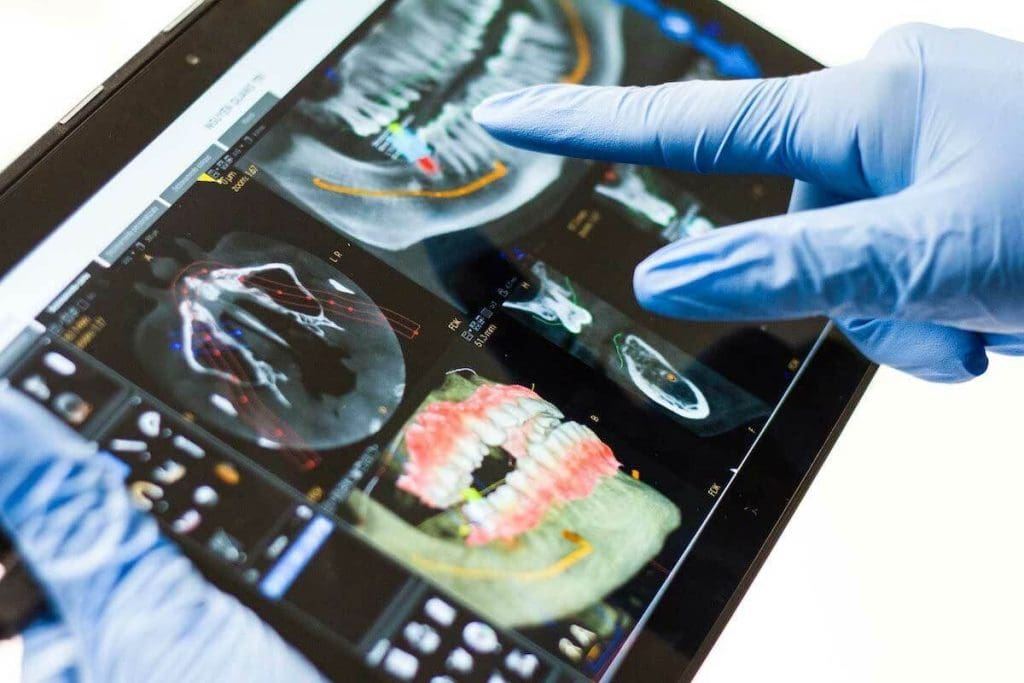
Choosing the right imaging technique is key for diagnosing complex injuries. At Liv Hospital, they focus on the patient and use the latest technology. CT scans are highly effective in detecting soft tissue in CT scan imaging, ensuring even the smallest injuries are accurately identified and treated with care.
Imaging technologies are vital for accurate diagnosis. CT scans use X-rays to create detailed images of cross-sections. On the other hand, MRIs use strong magnets and radio waves to show internal structures in great detail.
CT scans can see both bones and soft tissue. But MRI is better at finding small injuries like ligament or tendon tears. Knowing how X-ray, CT scan, and MRI differ is key for making the right diagnosis.
Key Takeaways
- CT scans provide detailed cross-sectional images using X-rays.
- MRI is superior for detecting subtle soft tissue injuries.
- X-ray, CT scan, and MRI serve different diagnostic purposes.
- Liv Hospital uses a patient-centered approach with advanced technology.
- Accurate diagnosis relies on choosing the right imaging technique.
The Importance of Soft Tissue Imaging in Diagnostics
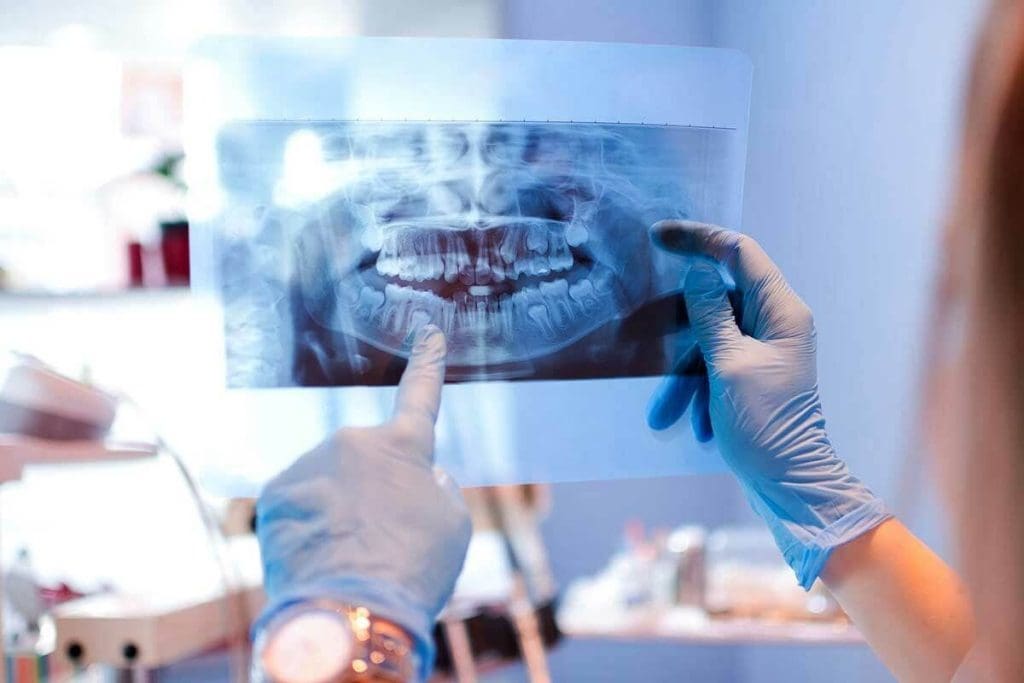
Soft tissue imaging is key in diagnosing injuries and conditions. It helps doctors see the extent of injuries. This information is vital for creating effective treatment plans.
Types of Soft Tissue Injuries and Conditions
Soft tissue injuries include sprains, strains, and tendon damage. These can happen from sports, accidents, or repetitive strain. Accurate diagnosis is essential for the right treatment.
Imaging like CT and MRI has greatly improved injury detection. For example, CT scans can detect soft tissue injuries up to 87.1%. MRIs are even better, reaching up to 96.8%. They are great for looking at nerves, muscles, and tendons.
| Imaging Modality | Detection Rate for Soft Tissue Injuries | Primary Use |
| CT Scan | 87.1% | Emergency situations, detailed cross-sectional imaging |
| MRI | 96.8% | Soft tissue evaluation, nerve and disc assessment |
| X-Ray | Limited | Bone fractures, initial assessment |
Challenges in Visualizing Soft Tissue Structures
Seeing soft tissues is hard because of their complex nature. X-rays mainly show bones, not soft tissues. A study on the Memorial Sloan Kettering Cancer Center website shows that CT and MRI are chosen based on the situation and tissue type.
Impact of Accurate Diagnosis on Treatment Outcomes
Getting soft tissue injuries right is key for good treatment. A correct diagnosis helps doctors plan better treatments. This reduces complications and improves patient results. Knowing the strengths and limits of each imaging method is important.
In summary, soft tissue imaging is essential in diagnostics. The right imaging choice can greatly affect treatment success. Understanding soft tissue injuries, the challenges in imaging, and the importance of accurate diagnosis helps doctors provide better care.
X-Ray Imaging: Capabilities and Limitations
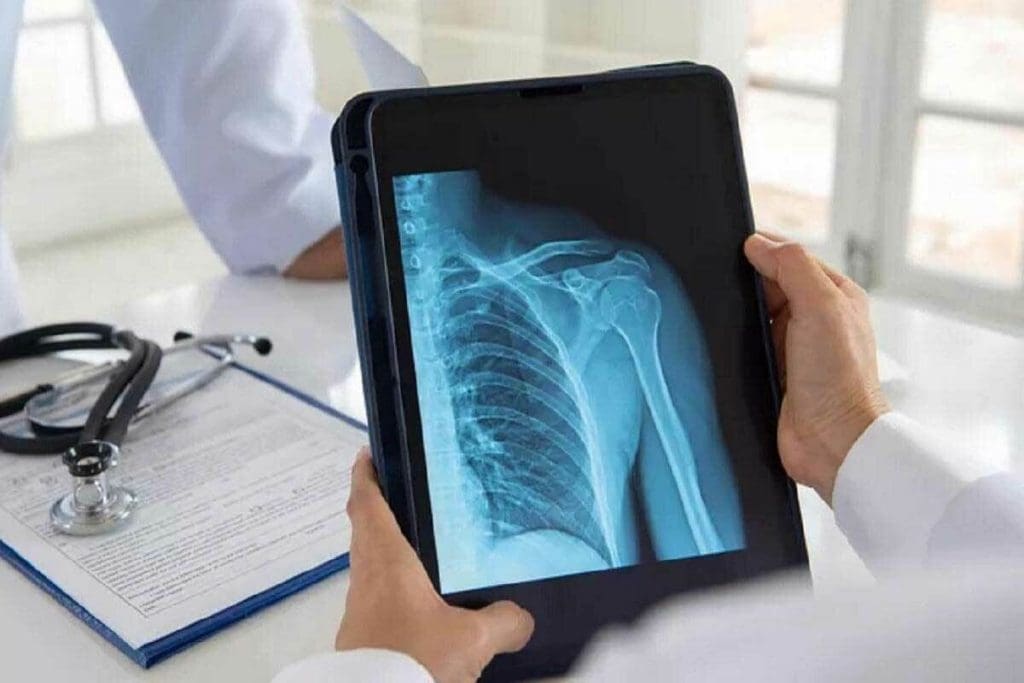
X-ray imaging is common in medicine, but its strengths and weaknesses are not always clear. X-rays make clear, two-dimensional images of bones. They help doctors find fractures and other bone problems.
How X-Ray Technology Works
X-ray technology sends X-ray beams through the body. Tissues absorb these beams at different rates. Bone absorbs more, showing up white on the image. Softer tissues appear gray.
Can X-Rays Show Tendon or Ligament Damage?
Usually, X-rays can’t show tendon or ligament damage directly. Doctors say, “X-rays are great for bones, but not for soft tissues like tendons and ligaments.” A study showed X-rays missed up to 30% of fractures that MRI later found.
“X-rays are limited in their ability to detect soft tissue injuries, which can lead to delayed diagnosis and treatment.”
Medical Imaging Expert
To see tendon or ligament damage, MRI is often better. For more on choosing the right imaging, visit this resource.
Why X-Rays Miss Up to 40% of Subtle Joint Injuries
X-rays can’t see all joint injuries because they can’t show soft tissues well. The table below shows how different imaging methods compare.
| Imaging Modality | Detection Rate for Soft Tissue Injuries | Radiation Exposure |
| X-Ray | Low | Low |
| CT Scan | Moderate | Moderate to High |
| MRI | High | None |
While X-rays are useful, they’re not the best for every injury, like soft tissue ones.
Understanding Soft Tissue in CT Scan
CT scans are great for seeing soft tissues clearly. This section explains how CT scans work, their role in finding soft tissue injuries, and the benefits of seeing the body in cross-section.
How CT Scan Technology Visualizes Tissues
CT scans use X-rays to make detailed images of the body. They show soft tissues, bones, and more clearly than X-rays do. The scan rotates around the body, capturing data to make images.
Key advantages of CT scans include:
- High-resolution images of soft tissues and bones
- Ability to detect injuries and conditions not visible on traditional X-rays
- Cross-sectional imaging providing a more complete view
CT Scan’s 87.1% Detection Rate for Soft Tissue Injuries
Research shows CT scans can find soft tissue injuries 87.1% of the time. This makes them a trusted tool for diagnosing many conditions. Their detailed images help doctors spot injuries that other scans might miss.
| Imaging Modality | Detection Rate for Soft Tissue Injuries |
| CT Scan | 87.1% |
| X-Ray | 60% |
| MRI | 96.8% |
Advantages of Cross-Sectional Imaging for Diagnosis
CT scans give a detailed view of the body’s inside from different angles. This helps doctors make accurate diagnoses and plan treatments. Cross-sectional imaging is key in diagnosing soft tissue injuries and conditions.
Using CT scans in medicine shows how important advanced imaging is today. As imaging tech gets better, CT scans will keep being vital for seeing soft tissues and diagnosing related issues.
MRI Technology: The Gold Standard for Soft Tissue Visualization
MRI is the top choice for diagnosing soft tissue injuries. It offers detailed images of soft tissues. This makes it key in today’s medical world.
Magnetic Fields and Detailed Imaging
MRI uses strong magnetic fields and radio waves for detailed images. It shows soft tissues like tendons, ligaments, and muscles clearly. This is vital for accurate diagnoses.
The magnetic fields in MRI machines align hydrogen atoms in the body. Radio waves disturb these alignments, creating signals for images. This complex process gives us high-resolution images for diagnosing soft tissue injuries.
Superior Detection Rate for Subtle Injuries
MRI has a 96.8% detection rate for subtle injuries like ligament tears and tendon damage. This high rate is key in clinical settings. It helps avoid wrong treatments and long recovery times.
MRI can spot microstructural changes in soft tissues. This is why it’s great for finding injuries not seen on other scans. It’s perfect for occult fractures and early tendonitis, where early detection is key.
Contraindications for MRI Use
Despite its benefits, MRI isn’t for everyone. It’s not safe for patients with metallic implants or pacemakers. Claustrophobia can also be a problem for some.
There are alternatives like open MRI or wide-bore MRI for comfort. But, MRI use depends on the patient’s condition and medical history.
X-Ray vs. CT Scan: Fundamental Differences
X-rays and CT scans are both important for looking inside the body. But they work in different ways. X-rays give a 2D view, while CT scans show 3D images.
2D vs. 3D: Dimensionality and Diagnostic Value
X-rays show a single view of the body’s inside. On the other hand, CT scans create detailed 3D images. This makes them better for seeing complex injuries.
For soft tissue injuries like ligament or tendon tears, CT scans are very helpful. They let doctors see the injury from all sides. This might mean fewer tests are needed.
Radiation Exposure Considerations
Both X-rays and CT scans use radiation. But CT scans use more because they take many X-ray images from different angles. New CT technology has made these doses lower without losing image quality.
Learn more about radiation and imaging at the American Academy of Orthopaedic Surgeons.
Cost, Accessibility, and Practical Considerations
X-rays are cheaper and easier to find than CT scans. But CT scans are more valuable for complex cases. They provide detailed images.
Things like the need for contrast agents in CT scans also matter. Doctors must think about these when choosing between X-rays and CT scans.
CT Scan vs. MRI: Comparing Soft Tissue Visualization Capabilities
Choosing between CT scan and MRI for soft tissue imaging depends on several factors. Each has its own strengths and weaknesses in showing soft tissue structures.
CT scans are good for initial assessments, with an 87.1% detection rate for soft tissue injuries. But MRI is better, with a 96.8% detection rate for subtle injuries like ligament and tendon issues.
Detection of Ligament Tears and Tendon Injuries
MRI is the top choice for soft tissue exams, including ligament and tendon injuries. It offers better contrast for accurate diagnoses. For example, MRI can clearly show the ACL in the knee, helping spot tears or sprains.
CT scans are useful for bone and some soft tissue issues. But MRI is better for detailed soft tissue views. CT scans are also quicker and more available, making them good for emergencies.
Microstructural Changes and Hidden Fractures
CT scans and MRI can find microstructural changes and hidden fractures, but in different ways. MRI is great for soft tissue issues like tendinopathy or muscle strains. CT scans are better for bone injuries and hidden fractures.
- MRI: Superior for soft tissue microstructural changes
- CT Scan: Better for detecting bone-related injuries and hidden fractures
Time, Cost, and Patient Comfort Factors
The choice between CT scan and MRI also considers time, cost, and comfort. MRI exams take longer, sometimes up to an hour, and are more expensive.
But MRI technology has improved, making scans faster and more comfortable. Open MRI machines are better for those who fear enclosed spaces. CT scans are quicker and more accessible, ideal for emergencies.
In summary, CT scans and MRI both have roles in soft tissue imaging. The right choice depends on the injury type, detection rate, and patient comfort.
Clinical Decision-Making: Choosing the Right Imaging Method
Choosing the right imaging method for soft tissue injuries is key. It depends on the injury type, the patient’s health, and where they are. Each factor plays a role in making the best choice.
When to Use X-Ray, CT, or MRI for Suspected Soft Tissue Injuries
Choosing an imaging method depends on the injury’s details and what each method can show. X-rays are first because they’re quick and show bone fractures. CT scans are best in emergencies for fast, detailed images. MRI is used for soft tissue like ligaments and tendons.
| Imaging Modality | Primary Use | Key Benefits |
| X-Ray | Initial assessment of bone fractures | Quick, widely available |
| CT Scan | Emergency situations, detailed cross-sectional imaging | Fast, high-resolution images |
| MRI | Detailed evaluation of soft tissues | High sensitivity for soft tissue injuries |
Emergency vs. Non-Emergency Imaging Considerations
In emergencies, fast diagnosis is key. CT scans are often chosen for their speed and detailed images. For non-emergencies, MRI is better for soft tissue.
The Role of Combined Imaging Approaches
At times, combining imaging methods is best. For example, start with X-ray for bone, then MRI for soft tissue. This gives a full injury picture, helping with treatment plans.
Alternatives to MRI for Soft Tissue Assessment
Other tools can give us insights into soft tissue conditions, aside from MRI. MRI is top for seeing soft tissues, but sometimes other methods are needed or better.
Enhanced CT Techniques for Improved Soft Tissue Visualization
Computed Tomography (CT) scans have become a good choice for soft tissue checks. Enhanced CT techniques like dual-energy CT help see soft tissues better. They do this by telling different tissues apart based on how they absorb energy.
Adding contrast agents to CT scans makes soft tissues stand out more. This helps doctors see structures and problems clearly. It’s great when MRI can’t be used or isn’t available.
| Imaging Modality | Soft Tissue Contrast | Advantages | Limitations |
| Enhanced CT | Good | Quick, widely available, good for bony structures and some soft tissues | Radiation exposure, limited soft tissue detail compared to MRI |
| Ultrasound | Variable | Dynamic imaging, no radiation, cost-effective | Operator-dependent, limited depth penetration |
Ultrasound as a Dynamic Soft Tissue Imaging Option
Ultrasound is another option for checking soft tissues. It’s great for live imaging, which is perfect for looking at tendons and ligaments. This is because it shows structures as they move.
Ultrasound’s real-time feedback is perfect for guiding treatments like injections. But, it depends a lot on the person using it. It might not show as much detail as MRI for deeper tissues.
Emerging Technologies in Medical Imaging
New technologies are coming to medical imaging, improving what we can see. Advances in image reconstruction algorithms and AI are making images clearer and more accurate.
Technologies like photoacoustic imaging and diffuse optical imaging are being looked at. They might give us detailed soft tissue info without using harmful radiation or strong magnetic fields.
Conclusion
Choosing the right imaging modality is key for accurate soft tissue assessment. X-ray, MRI, and CT scans each have unique strengths. They differ in how well they show soft tissue.
CT scans are great for soft tissue imaging, balancing detail and radiation. When we compare X-ray, MRI, and CT scans, we see their different uses. CT scans and MRI are both used for soft tissue, but they work in different ways.
Healthcare professionals must think about the clinical context and patient needs. Knowing the differences between these imaging methods helps make better treatment decisions.
The right imaging modality depends on the clinical question and needed information. By picking the best imaging, healthcare providers can give patients the best care.
FAQ
Can X-rays show tendon or ligament damage?
X-rays can’t directly show tendon or ligament damage. They mainly show bones. But, they might show signs like joint space narrowing or bone spurs that hint at soft tissue injuries.
What’s the difference between X-ray and CT scan?
X-rays give 2D images of bones. CT scans, on the other hand, offer 3D images of both bones and soft tissues. CT scans are better for seeing soft tissue injuries.
Can an X-ray show ligament damage?
X-rays aren’t the best for seeing ligament damage. But, they might show signs like joint instability or bone fractures that could mean ligament injuries.
Is there an alternative to MRI for soft tissue assessment?
Yes, you can use enhanced CT techniques or ultrasound instead of MRI. They can help diagnose soft tissue injuries, but they might not be as detailed as MRI.
Do X-rays show tendons?
No, X-rays don’t show tendons. Tendons are soft tissues that only appear on X-rays if they’re calcified or have bone changes.
What’s the difference between CT scan and MRI?
CT scans use X-rays to make detailed images. MRI uses magnetic fields to show soft tissues clearly. MRI is better for finding soft tissue injuries, but CT scans are used in emergencies or when MRI can’t be used.
Can CT scans detect ligament tears?
Yes, CT scans can find ligament tears, thanks to advanced techniques like CT arthrography. But, MRI is the best for diagnosing ligament injuries because it shows soft tissues better.
Are there any contraindications for MRI?
Yes, MRI isn’t safe for everyone. It’s not good for people with certain metal implants, pacemakers, or those who are claustrophobic. They might need other imaging options.
How do CT scans visualize soft tissues?
CT scans use X-rays to make detailed images of soft tissues. Different tissues show up as different shades of gray, helping to see soft tissue structures.
What’s the detection rate of CT scans for soft tissue injuries?
CT scans can spot soft tissue injuries about 87.1% of the time. They’re a good tool for diagnosing some soft tissue damage.
Reference
- Chen, M., et al. (2021). Advances in artificial intelligence for fracture detection in X-ray imaging. European Radiology. https://pubmed.ncbi.nlm.nih.gov/33435640/