Last Updated on December 1, 2025 by Bilal Hasdemir

Bone marrow soreness after donation is a selfless act that can save lives. Many people worry about the pain and discomfort it might cause. Bone marrow donation pain is a big concern, but knowing about the process can help ease these worries.
Donors may experience mild discomfort both during and after the donation process. But this discomfort is usually short-lived and can be managed. Doctors and medical teams make sure donors are comfortable throughout the process.
Key Takeaways
- Donors may experience temporary discomfort during and after the bone marrow donation process.
- The level of pain varies from person to person.
- Medical professionals take steps to minimize donor discomfort.
- Bone marrow donation is a relatively safe procedure.
- Donors can usually return to normal activities within a few days.
The Life-Saving Role of Bone Marrow Donation
Bone marrow donation is key to saving lives. It’s important to know how it works. Bone marrow is found in bones like hips and thighbones. It makes blood cells, which fight disease and heal.
What bone marrow contains and why it’s valuable
Bone marrow is full of stem cells. These cells are vital for treating serious diseases. They can turn into different blood cells, making transplants a lifesaver for some patients.
The value of bone marrow is huge. It can:
- Replace damaged or diseased cells with healthy ones
- Support the body’s immune system
- Provide a source of cells for transplantation
Types of conditions treated with bone marrow transplants
Bone marrow transplants help with many conditions. These include:
- Leukemia and other blood cancers
- Lymphoma
- Aplastic anemia
- Sickle cell disease
- Multiple myeloma
These diseases often need strong treatments. Bone marrow transplants can cure or greatly improve life quality for patients.
The critical need for donors
There’s a big need for bone marrow donors. This need is even bigger for donors from diverse backgrounds. Many patients can’t find a matching donor, showing the critical need for more donors.
“Becoming a bone marrow donor can be a simple yet profoundly impactful act. It requires a swab test and registration, potentially saving a life.”
Knowing the importance of bone marrow donation can inspire people to donate. This can save lives.
Two Main Donation Methods: Traditional vs. PBSC
There are two main ways to donate bone marrow: traditional harvest and PBSC donation. It’s important for donors to know about these methods to make the right choice.
Traditional Bone Marrow Harvest Procedure
The traditional method involves a surgery to take marrow from the pelvic bones. This process uses general anesthesia or regional anesthesia to reduce pain. The amount of marrow taken is about 2-5% of the donor’s total.
A medical expert says,
“The traditional bone marrow harvest is a well-established method, but it involves a more invasive procedure compared to PBSC donation.”
This surgery is done in a hospital. Donors are watched for a few hours after the surgery.
Peripheral Blood Stem Cell (PBSC) Donation
PBSC donation is a less invasive way to collect stem cells from the blood. Before donating, donors get growth factor injections to help release stem cells. The donation process uses apheresis to filter the blood and collect stem cells.
PBSC donation is often chosen because it’s less invasive and doesn’t need anesthesia. But, donors might feel bone pain from growth factor stimulation. This pain can be managed with medicine.
In summary, both traditional bone marrow harvest and PBSC donation have their own benefits. Donors should talk to doctors to decide which method is best for them and the recipient.
Anesthesia Options for Marrow Donors
Anesthesia choices for bone marrow donors are important. Knowing these options helps make the donation smoother. The right anesthesia can make the donor more comfortable.
General Anesthesia During Traditional Harvest
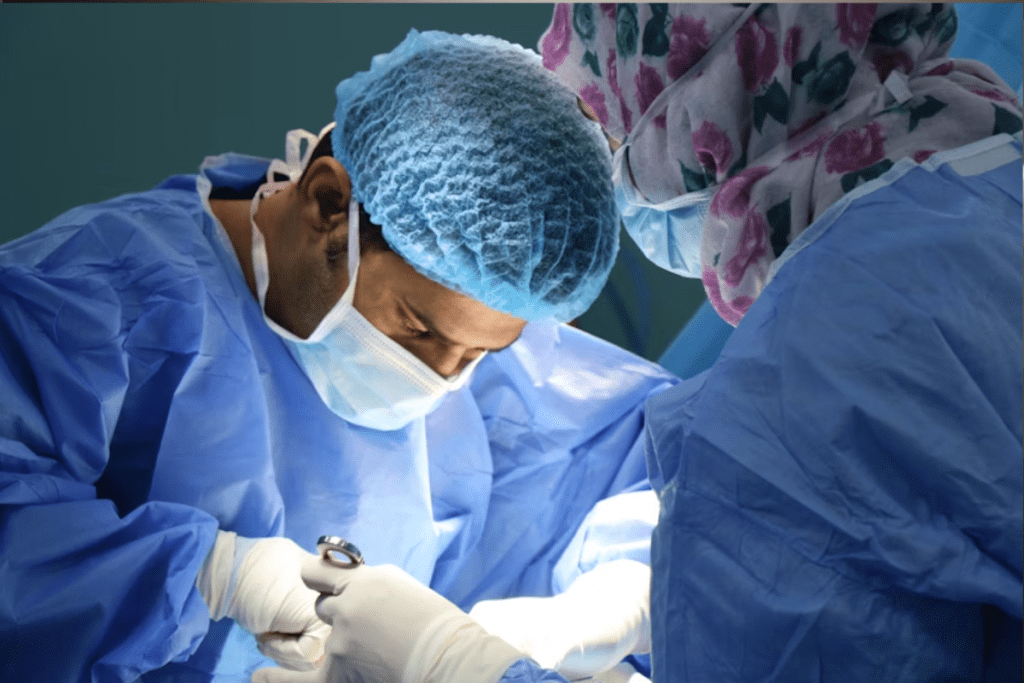
General anesthesia is often used for traditional bone marrow harvests. It makes the donor sleep through the procedure, reducing pain. An anesthesiologist watches the donor’s health during the process.
Benefits of General Anesthesia:
- No pain or discomfort during the procedure
- Donor is completely relaxed and unaware of the procedure
- Allows for a more controlled and precise collection process
Regional Anesthesia Alternatives
Regional anesthesia is sometimes used instead of general anesthesia. It numbs the lower back area where marrow is taken.
| Anesthesia Type | Description | Benefits |
| General Anesthesia | Donor is completely unconscious | No pain or discomfort, controlled collection |
| Regional Anesthesia | Numbing of the lower back area | Reduced pain in the specific area, potentially fewer side effects |
No Anesthesia Needed for PBSC Donation
Peripheral Blood Stem Cell (PBSC) donation doesn’t need anesthesia. This method uses a drug to release stem cells into the blood. These cells are then collected through a vein.
Not needing anesthesia is a big plus for PBSC donors. It means less risk and a faster recovery.
Pain During the Bone Marrow Harvest Procedure
It’s important to know about the pain of bone marrow harvest for those thinking about donating. This procedure is lifesaving but can worry donors about pain and discomfort.
What donors experience during collection
Donors usually get anesthesia to avoid pain during the bone marrow harvest. The procedure takes bone marrow from the hip area through needles. While under anesthesia, donors don’t feel pain during the procedure.
But, after the anesthesia fades, donors might feel some pain or discomfort at the needle sites. Doctors give them pain medicine to help with this.
Sensations at the needle insertion sites
The sites where needles were inserted can hurt after the procedure. Donors might feel soreness, bruising, or swelling. The pain can vary from mild to more serious, based on the donor’s pain level and the procedure details.
Donors should follow their doctor’s post-procedure care to lessen discomfort and aid in healing.
Comparing pain levels to common procedures
The pain from bone marrow harvest can be like other medical procedures. Some say it’s similar to muscle injury pain or after hard physical work.
Knowing this can help donors prepare for what they might feel. Remember, everyone feels pain differently, so what one person can handle, another might not.
Managing pain effectively is vital for a quick recovery. Donors should talk to their medical team about any pain to get the right help and support.
Donor Injection Pain in PBSC Donation
Donating PBSC involves getting injections to boost stem cell production. These injections, called growth factor injections, are key to the donation process. They can be a bit uncomfortable.
Growth Factor Injections Before Donation
Growth factor injections help increase stem cells in the body. This process takes 4 to 5 days before the donation. The injections have medicines that make the bone marrow release stem cells into the blood.
Key aspects of growth factor injections include:
- Daily injections, usually self-administered by the donor
- Potential side effects, including bone pain and fatigue
- The importance of following the prescribed dosage and schedule
Bone Pain from Growth Factor Stimulation
Bone pain is a common side effect of these injections. It happens because the medication makes the bone marrow produce more stem cells. This can make the bones feel sore or achy.
The areas most commonly affected by bone pain include:
- The back
- The hips
- The legs
- The sternum
Managing Injection-Related Discomfort
Dealing with the discomfort from these injections can be tough. But, there are ways to manage it. Donors should talk to their healthcare provider about their options.
Some common methods for managing discomfort include:
- Over-the-counter pain relievers, such as acetaminophen or ibuprofen
- Applying heat or cold packs to the affected areas
- Engaging in light physical activity to help reduce stiffness
- Getting plenty of rest to help the body recover
Understanding growth factor injections and how to handle their side effects helps donors prepare for PBSC donation.
Soreness After Donation: What to Expect
Soreness is common after bone marrow donation. It’s influenced by several factors. Knowing what to expect can ease worries and prepare donors for recovery.
Common Pain Locations and Sensations
Donors often feel sore in their lower back and hips, more so with traditional bone marrow harvests. The pain can range from mild to moderate and feels like a dull ache or soreness.
Those who donated Peripheral Blood Stem Cells might feel sore in their arms. This is due to the needle insertions. Some also feel fatigue and general malaise, like flu symptoms, from the growth factor injections.
Typical Duration of Post-Donation Soreness
The time soreness lasts varies by person. Generally, it can take a few days to a couple of weeks. The recovery timeline depends on the donation method, health, and age.
| Donation Method | Typical Duration of Soreness | Common Pain Locations |
| Traditional Bone Marrow Harvest | 1-2 weeks | Lower back, hip |
| Peripheral Blood Stem Cell (PBSC) Donation | Few days to 1 week | Arms, general body aches |
Factors Affecting Pain Intensity
Several factors can change how sore you feel after donation. These include the donation method, your physical condition, and how well you handle pain. Younger donors and those in better health usually recover faster and feel less sore.
Knowing these factors can help you prepare for soreness. This makes the recovery process easier.
Hip Pain and Back Pain Following Marrow Harvest
Many people feel hip and back pain after bone marrow donation. This is because the procedure takes marrow from the hip area. This can cause discomfort and pain after the procedure.
Why Hip Pain Occurs After Donation
Hip pain after bone marrow donation comes from the surgery itself. The traditional method involves an incision and a needle in the hip bone. This can hurt the tissue and bone, leading to pain.
The pain’s intensity can vary. It might feel like a dull ache or sharp pain. This depends on the person’s pain level and the procedure details.
Back Pain Patterns and Management
Back pain after marrow harvest can happen for several reasons. This includes the way you’re positioned during the procedure and your body’s reaction to it. The pain often feels like lower back pain and might be stiff.
To manage back pain, rest, physical therapy, and pain medication are key. Gentle exercises can also help. They improve flexibility and lessen discomfort.
| Management Strategy | Description | Benefits |
| Rest | Avoiding strenuous activities | Allows the body to heal |
| Physical Therapy | Gentle exercises and stretches | Improves flexibility and reduces pain |
| Pain Medication | Prescribed medication for pain management | Reduces discomfort and pain |
When to Be Concerned About Donation Site Pain
Some pain is normal after marrow harvest. But, severe pain or pain that gets worse is a sign of a problem. If you have pain with fever or redness, tell your doctor.
It’s important to watch how your body reacts to the procedure. If you notice unusual or getting worse symptoms, get medical help.
Managing Donor Discomfort: Medical Approaches
Managing donor discomfort is key for a smooth recovery. Several medical strategies are available. Donors may feel pain, fatigue, and bruising after bone marrow donation. It’s important to manage these symptoms well for a quick and comfortable recovery.
Pain Medications Commonly Prescribed
Pain management is vital after donation. Doctors often give pain meds to help donors feel better. Opioids are for severe pain, and non-opioid meds like acetaminophen or ibuprofen are for milder pain.
Non-Pharmaceutical Pain Management
There are also non-medical ways to manage pain. These include physical therapy, relaxation techniques, and alternative therapies like acupuncture. Physical therapy can improve mobility and reduce pain. Relaxation techniques like deep breathing and meditation can also help.
- Physical therapy to improve mobility
- Relaxation techniques like deep breathing and meditation
- Alternative therapies such as acupuncture
When to Contact Your Medical Team About Pain
It’s important to know when to seek medical help. If pain is severe, gets worse, or isn’t helped by meds, contact your team. Prompt communication with healthcare providers can help address any complications early.
Understanding medical approaches to managing discomfort helps donors prepare for recovery. Effective pain management is key for a smooth and comfortable recovery.
Donor Fatigue and Recovery Timeline
Donor fatigue is common among bone marrow donors. It affects their recovery time. After donating, donors often feel very tired. This is due to several reasons related to the donation process.
Why Fatigue Occurs After Marrow Donation
Fatigue after donating bone marrow comes from the body’s response. Losing stem cells and recovering takes a toll. The donation process, whether through bone marrow or peripheral blood stem cells, causes a lot of changes in the body.
Donors lose red blood cells and hemoglobin, leading to tiredness and weakness. Growth factors in PBSC donation also cause bone pain and fatigue. This is because the body is working hard to move stem cells into the blood.
Energy Level Expectations Week by Week
Knowing the recovery timeline helps donors prepare. Generally, energy levels improve over several weeks.
| Week | Expected Energy Levels | Common Experiences |
| 1-2 | Low | Significant fatigue, limited activity |
| 2-4 | Improving | Gradual increase in energy, some return to normal activities |
| 4-6 | Near normal | Most donors can resume most daily activities |
Strategies for Managing Post-Donation Fatigue
Managing fatigue is key for a smooth recovery. Donors can use several strategies to regain energy.
- Rest and Relaxation: Rest is essential. Avoid strenuous activities and let your body recover.
- Nutrition: Eating a balanced diet with iron, vitamins, and minerals helps restore energy.
- Hydration: Drinking plenty of water is important for fluid replenishment and recovery.
- Gradual Return to Activities: Slowly starting normal activities helps prevent overexertion and stabilizes energy levels.
Understanding donor fatigue and using effective strategies can make the recovery process easier for bone marrow donors.
Bruising and Physical Signs After Marrow Harvest
After a bone marrow harvest, donors might see bruising at the site. The severity and how long it lasts can change. This depends on the donation method and the donor’s health.
Common Bruising Patterns at Donation Sites
Bruising is common after bone marrow donation. It happens at the sites where marrow was taken or needles were used for Peripheral Blood Stem Cell (PBSC) donation. The bruises can be small or quite big.
Donors might see bruising because of blood leaking from small vessels during the procedure. How bad the bruising is can differ from one person to another.
Normal vs. Concerning Physical Symptoms
Some signs after marrow donation are normal, but others need medical attention. Common signs include bruising, swelling, and soreness at the site. But, if there’s severe pain, too much bleeding, or signs of infection, like redness or fever, get help from a doctor.
It’s key for donors to watch their health closely. If they notice anything unusual or concerning, they should see a doctor.
How Long Visible Signs Typically Last
The time visible signs last can vary. Bruising usually goes away in a few weeks. But, some donors might see it for longer.
| Symptom | Typical Duration |
| Bruising | 1-3 weeks |
| Soreness | 1-2 weeks |
| Swelling | 1-2 weeks |
Knowing how long recovery usually takes can help donors prepare for what comes after the procedure.
Typical Hospital Stay and Recovery Time for Donors
Knowing about the hospital stay and recovery time is key for those thinking about bone marrow donation. It can seem scary, but knowing what to expect helps a lot.
Outpatient vs. Inpatient Donation Procedures
Bone marrow donation can happen either as an outpatient or inpatient, based on the method and donor’s health. Peripheral blood stem cell (PBSC) donation is usually done as an outpatient. Traditional bone marrow harvest might need a short hospital stay.
- Outpatient procedures let donors go home the same day.
- Inpatient procedures might need donors to stay in the hospital for observation.
Length of Hospital Stay for Traditional Harvest
Donors having a traditional bone marrow harvest usually stay in the hospital for a short time. Most are home within 1 to 3 days. The exact time depends on the donor’s health and any issues that might come up.
Key factors influencing hospital stay include:
- The donor’s pre-existing health conditions.
- The complexity of the harvest procedure.
- Post-operative pain management.
Return to Work and Daily Activities Timeline
Recovery time for bone marrow donors varies, but most get back to normal in a few weeks. PBSC donors usually recover faster, returning to work in a week. Traditional bone marrow donors might take 2 to 4 weeks to fully recover.
It’s vital for donors to listen to their medical team’s advice on recovery and returning to activities. This helps ensure a safe and smooth recovery.
Donors should also watch for signs of complications and know when to get medical help. Understanding the typical hospital stay and recovery time helps donors prepare for what’s ahead.
Marrow Harvest Recovery: Week by Week
Knowing what to expect after a bone marrow harvest helps donors prepare. Everyone recovers differently, but there are common steps most go through.
First 48 Hours Post-Donation
The first 48 hours are key for a good recovery. Donors might feel fatigue, soreness, and some pain at the donation site. It’s important to rest and avoid hard activities during this time.
- Rest and drink plenty of water.
- Use the pain meds your doctor gave you.
- Watch for any strange symptoms.
First Week Recovery Milestones
In the first week, energy levels start to get better, but fatigue can linger. It’s normal to feel sore or have pain at the needle sites or lower back.
- Start doing more activities slowly.
- Keep using pain meds as told.
- Go to all follow-up appointments.
Complete Physical Recovery Expectations
It usually takes a few weeks to fully recover from a bone marrow harvest. Most donors can get back to normal in 2 to 4 weeks. But, it might take longer for energy levels to fully come back.
- Be patient with your body’s recovery.
- Rest when your body tells you to.
- Drink lots of water and eat well.
Understanding these recovery steps helps donors manage their expectations. It ensures a smooth and effective recovery process.
Long-term Effects and Donor Health Considerations
Research has looked into the long-term effects of bone marrow donation. This is important as more bone marrow transplants happen. Knowing how donors are affected long-term is key.
Research on Long-term Donor Outcomes
Many studies have checked on the health of bone marrow donors over time. Most donors get better in a few weeks to months. But, some might face lasting effects, which can vary a lot.
Key areas of research include:
- The incidence of chronic pain or discomfort at the donation site
- Changes in blood cell production and immune function
- The psychological impact of donation on donors
Potential Lasting Effects from Donation
While rare, some donors might face lasting effects. These can include:
- Persistent pain or numbness at the site of bone marrow extraction
- Fatigue or decreased stamina
- Emotional or psychological changes
Donors should know about these effects. This helps them decide if donating bone marrow is right for them.
Follow-up Care and Monitoring
After donating bone marrow, follow-up care is vital. Donors get checked on to see how they’re doing. This care includes:
- Regular check-ups with healthcare providers
- Monitoring for signs of infection or other complications
- Guidance on managing pain and discomfort
Understanding the importance of follow-up care helps donors recover better. It also reduces the chance of long-term problems.
Real Donor Experiences: Pain and Recovery Stories
The journey of bone marrow donation is filled with courage and resilience. Donors’ experiences offer insights into the donation process, including pain and recovery.
Testimonials from Traditional Marrow Donors
Traditional bone marrow donors share their experiences. One donor said, “The day of the surgery, I was nervous but ready. The anesthesia made the procedure painless for me.”
Another donor mentioned, “After the surgery, my lower back was sore. But the pain was manageable with medication and went away in a few weeks.”
“I was back to normal in a month, feeling a bit tired but okay. It was a small price to pay for saving a life.”
PBSC Donor Experiences
PBSC donors have different experiences than traditional marrow donors. One PBSC donor noted, “The growth factor injections were uncomfortable, causing bone pain, but it was worth it.”
Another PBSC donor shared, “I didn’t feel much pain during the donation. The apheresis machine was a bit uncomfortable, but it was a small inconvenience.”
| Donation Method | Pain Experience | Recovery Time |
| Traditional Marrow Harvest | Soreness in lower back, manageable with medication | Several weeks |
| PBSC Donation | Discomfort from growth factor injections, bone pain | Few days to a week |
Varied Perspectives on Donation Discomfort
Donors have different views on the discomfort of bone marrow donation. Some feel a lot of pain, while others find it manageable.
Factors influencing pain perception include:
- The donation method (traditional vs. PBSC)
- Individual pain tolerance
- Effectiveness of pain management strategies
Overall, donors agree that the temporary discomfort is worth it to save a life. Their stories show the courage and selflessness of bone marrow donors.
Conclusion: Balancing Temporary Discomfort Against Life-Saving Benefits
Bone marrow donation is a selfless act that can save lives. It may cause temporary discomfort and soreness after donation. But, the benefits for recipients make it worth it.
Donors might feel pain during and after the procedure. But, this pain is usually manageable with medical care. It usually goes away within a few weeks. The temporary discomfort should be seen as a small price for the big benefits it brings to patients in need.
Understanding the donation process helps donors make informed choices. The stories of previous donors show how important this act is. They prove that the temporary discomfort is a small price for the life-saving benefits of bone marrow donation.
FAQ
Does bone marrow donation hurt?
Yes, some discomfort or pain is common during and after donation. The amount can vary based on the method and individual factors.
What kind of anesthesia is used for bone marrow harvest?
General or regional anesthesia is used to reduce pain during the procedure.
How long does soreness last after bone marrow donation?
Soreness can last from a few days to weeks. Most see big improvements in the first week.
Will I experience hip pain after marrow harvest?
Yes, hip pain is common due to needle sites. It usually goes away in a few days to a week.
Can I manage donor discomfort without pain medications?
Yes, rest, ice, and relaxation can help. But, pain meds are often given to manage pain.
How long does it take to recover from bone marrow donation?
Recovery time varies. Most can get back to normal in a few weeks. Full recovery can take several weeks to months.
Will I experience fatigue after donating bone marrow?
Yes, fatigue is common. It usually gets better over time, with most regaining energy in a few weeks.
Are there any long-term effects from bone marrow donation?
Most donors don’t have long-term effects. But, follow-up care is key to monitor health.
How long do I need to stay in the hospital after bone marrow donation?
Stay varies by method and individual. Some are outpatients, others need a short stay.
Can I donate bone marrow more than once?
Yes, some can donate again. It depends on health and recipient needs.
What are the risks associated with PBSC donation?
PBSC donation may cause temporary bone pain from injections. These risks are usually manageable.
How soon can I return to work after donating bone marrow?
Return to work varies by individual. Most can get back to normal in a few weeks.
References
- Hamilton Health Sciences. (2019). Thinking about donating stem cells or bone marrow?. Retrieved September 25, 2025, from https://www.hamiltonhealthsciences.ca/wp-content/uploads/2019/08/StemCellBoneMarrowDonation-lw.pdf
- Lee, S. J., et al. (2020). The impact of donor and recipient sex on outcomes of hematopoietic stem cell transplantation. Blood, 135(21), 1845-1853.
- DKMS. (2023). Urgent Need to Reduce Ethnic Disparities for Patients with Blood Cancer. Retrieved September 25, 2025, from https://www.dkms.org/press/urgent-need-to-reduce-ethnic-disparities