Last Updated on December 1, 2025 by Bilal Hasdemir
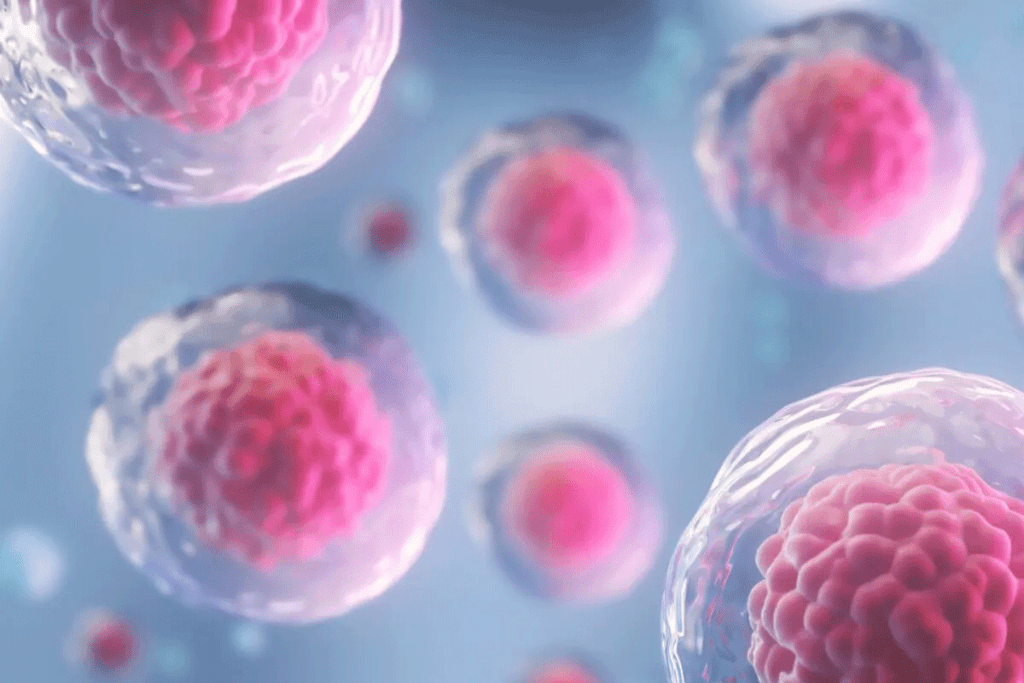
Stem cells are specialized cells capable of self-renewal and differentiation into various cell types. Sources of stem cells in humans make them very important for human biology and hold great promise for helping people.
Studies on embryonic stem cell research and pluripotent stem cell therapy show they could help treat many diseases. Also, multipotent adult stem cells are key in fixing and growing tissues.
Key Takeaways
- Stem cells have the ability to self-renew and differentiate.
- There are three main types of stem cells.
- Embryonic stem cell research holds great promise.
- Pluripotent stem cell therapy has significant potential.
- Multipotent adult stem cells aid in tissue repair.
The Fundamental Science of Stem Cells
Stem cells can grow themselves and turn into different types of cells. This makes them key in regenerative medicine applications.
The process of turning into different cells is complex. It involves signals from other cells, physical contact, and certain molecules. Knowing how this works is important for using stem cells to help people.
The stem cell differentiation process is shaped by many factors. The area around the stem cells is very important. For example, certain growth factors can help guide stem cells to become specific types of cells.
| Signal Type | Description | Role in Differentiation |
| Paracrine Signals | Factors secreted by neighboring cells | Influence stem cell fate by providing a molecular context |
| Cell-Cell Contact | Physical interaction with adjacent cells | Regulates stem cell behavior through direct communication |
| Microenvironmental Cues | Molecules present in the surrounding environment | Guide stem cell differentiation by providing spatial and temporal cues |
Studying stem cells, including induced pluripotent stem cell technology, has led to new insights. It helps us understand how we develop and how diseases work. This way, researchers can find new ways to treat diseases.
In summary, stem cells can grow and change into different cells. This is because of many signals working together. More research is needed to fully use stem cells for healing and to find new treatments.
Embryonic Stem Cells: Multi-model Powerhouses
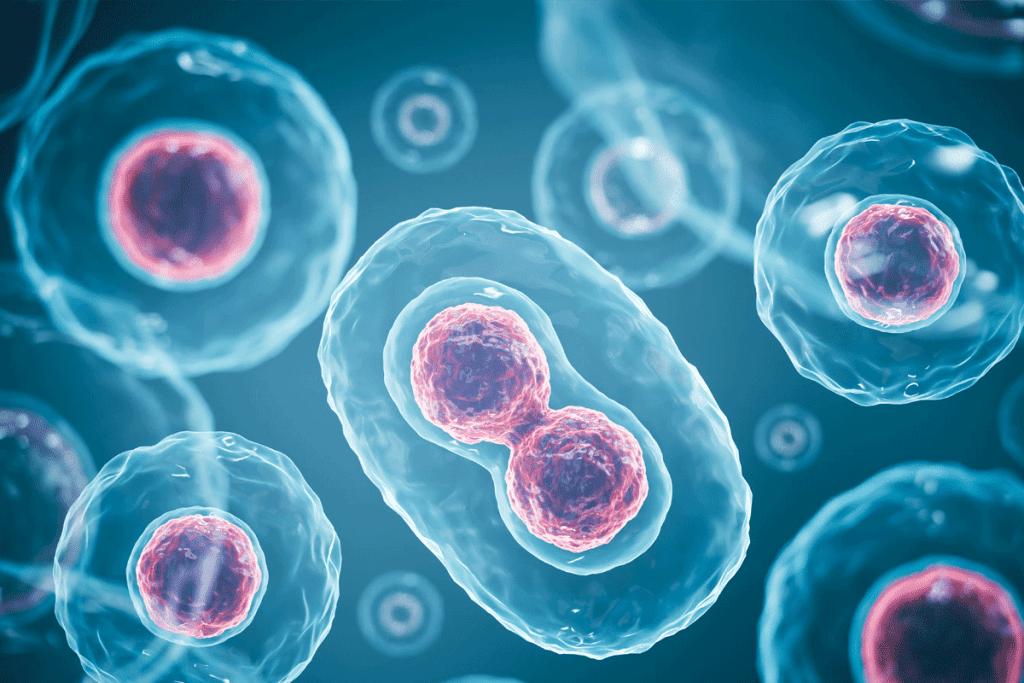
embryonic stem cell research
Embryonic stem cells can turn into any cell type, making them a big focus in research. They come from the inner cell mass of the blastocyst, which is about 5 days old.
Origin and Characteristics
These cells are special because they can become every type of body cell. This makes them key for regenerative medicine and pluripotent stem cell therapy. They can also keep growing in the lab, which helps in research and treatments.
Embryonic Stem Cell Research Progress
There’s been a lot of progress in studying embryonic stem cells. Scientists have learned how to grow these cells and keep them healthy. They’ve also found ways to use them to study diseases and test new medicines.
| Year | Milestone in Embryonic Stem Cell Research |
| 1998 | First human embryonic stem cells derived |
| 2006 | Introduction of induced pluripotent stem cells |
| 2010 | Advances in directed differentiation techniques |
Clinical Applications and Limitations
Embryonic stem cells could help fix damaged tissues and even grow new organs. But, there are big challenges like ethical issues, the chance of tumors, and the body rejecting them. Scientists are working hard to solve these problems and make embryonic stem cell therapies safer and more effective.
Even with the hurdles, the work on embryonic stem cell research is very promising. As science moves forward, these cells could change medicine in big ways.
Adult Stem Cells: Multipotent Tissue Specialists

multipotent adult stem cells
Adult stem cells are found in adult tissues and can become many types of cells. They are called somatic stem cells. These cells are key in fixing and growing tissues.
Multipotent Adult Stem Cell Properties
Adult stem cells can turn into different cell types but mostly in their own tissue. This is why they are important for keeping tissues healthy and fixing damaged ones.
Key properties of adult stem cells include:
- Multipotency: Ability to differentiate into multiple cell types within a specific lineage.
- Self-renewal: Capacity to renew themselves through cell division.
- Tissue-specific: Generally limited to differentiating into cell types within their resident tissue.
Major Types and Their Locations
Adult stem cells are found in many places like bone marrow, fat, and skin. The most studied are hematopoietic stem cells and mesenchymal stem cells.
| Type of Adult Stem Cell | Location | Differentiation Poteential |
| Hematopoietic Stem Cells | Bone Marrow | Blood cells (all lineages) |
| Mesenchymal Stem Cells | Bone Marrow, Fat, and other tissues | Osteocytes, Chondrocytes, Adipocytes |
| Epithelial Stem Cells | Skin, Gut, and other epithelial tissues | Epithelial cells |
Current Therapeutic Applications
Adult stem cells are used in treatments, like in hematopoietic stem cell transplantation. This helps treat blood cancers and disorders by replacing bad bone marrow with good stem cells.
Hematopoietic stem cell transplantation is a big help in treating blood cancers. Research is also looking into using adult stem cells for many other diseases and injuries.
Induced Pluripotent Stem Cells: Reprogrammed Marvels
induced pluripotent stem cell technology
The discovery of induced pluripotent stem cells has changed stem cell biology. It offers a new way to turn adult cells into stem cells. These cells can become many different types, just like embryonic stem cells.
Reprogramming Techniques and Mechanisms
Induced pluripotent stem cells are made by reprogramming adult cells. This can be done with skin or blood cells. The process uses four key genes: OCT4, SOX2, KLF4, and c-MYC.
Reprogramming Techniques: There are many ways to add these genes to adult cells. These include viral vectors, episomal vectors, and RNA-based methods. Each has its own benefits and drawbacks, like how well it works and how safe it is.
The process of reprogramming is complex. It involves many molecular changes to gain pluripotency. Knowing how this works is key to making it better and using it for treatments.
| Reprogramming Method | Efficiency | Safety Considerations |
| Viral Vectors | High | Risk of insertional mutagenesis |
| Episomal Vectors | Moderate | Lower risk of genomic integration |
| RNA-based Approaches | Variable | Transient expression, lower risk |
In conclusion, induced pluripotent stem cells are a big deal in stem cell biology. They open up new ways for research, finding new medicines, and maybe even treatments. Improving how we reprogram cells and understanding the science behind it will help us use iPSCs to their fullest.
Comparing the Three Main Stem Cell Types
The three main stem cell types are embryonic, adult, and induced pluripotent. Each has unique traits that affect their use in medical research and treatments.
It’s important to know how these stem cells differ. This knowledge helps improve regenerative medicine and find new treatments. We’ll explore their potency, how they can change into different cells, and more.
Potency and Differentiation Capabilities
Embryonic stem cells are pluripotent. They can turn into any cell in the body. This makes them very useful for research and possible treatments. On the other hand, multipotent adult stem cells can only become certain cell types related to their original tissue.
Induced pluripotent stem cell technology has made a big leap. It turns adult cells into a state similar to embryonic stem cells. This breakthrough is a big step towards personalized medicine and new treatments.
- Embryonic stem cells: Pluripotent, can form any cell type
- Adult stem cells: Multipotent, limited to related cell types
- Induced pluripotent stem cells: Pluripotent, derived from adult cells
Accessibility and Procurement Challenges
Getting the right stem cells is a big challenge. Embryonic stem cells come from embryos, which raises ethical questions and limits their availability. Adult stem cells are easier to get but might not be as potent or plentiful.
Induced pluripotent stem cells are a better option. They can be made from a patient’s own cells. This reduces the chance of immune rejection and ethical issues seen with embryonic stem cells.
Safety and Immunological Considerations
Safety is a top concern in stem cell treatments. Pluripotent stem cells, whether embryonic or induced, carry a higher risk of tumors. Adult stem cells are generally safer because they can’t change into as many cell types.
Immunological issues are also important, mainly in transplant settings. Using induced pluripotent stem cells from a patient’s own cells can lower the risk of immune rejection.
In summary, each stem cell type has its benefits and drawbacks. Knowing these differences is essential for using them in treatments.
Sources of Stem Cells in Humans
Understanding where stem cells come from is key for new treatments. They can be found in embryos, fetuses, adult tissues, and made in labs.
Embryonic and Fetal Sources
Embryonic stem cells come from early embryos. They can turn into any cell in the body. Fetal stem cells are from fetuses and also very versatile.
Advantages: These cells are very flexible, making them great for research and treatments.
Limitations: Using embryonic stem cells is debated and heavily regulated. Fetal stem cells also have ethical issues, but less than embryonic ones.
Adult Tissue Sources
Adult stem cells are in adult bodies and can turn into a few cell types. They are found in bone marrow, fat, and blood.
Benefits: Adult stem cells are easier to get and less debated than others. They can be used on the same person, lowering immune rejection risks.
| Source | Cell Type | Potential Uses |
| Bone Marrow | Hematopoietic Stem Cells | Blood Disorders, Immune System Diseases |
| Adipose Tissue | Mesenchymal Stem Cells | Tissue Repair, Regenerative Medicine |
| Blood | Hematopoietic Stem Cells | Blood Disorders, Immune System Diseases |
Laboratory-Generated Stem Cells
Laboratory-generated stem cells, like induced pluripotent stem cells (iPSCs), are made from adult cells. This method creates cells that match a patient, making treatments safer.
iPSCs have changed stem cell research. They offer a new way to make treatments without using embryos.
Regenerative Medicine Applications
Stem cell-based regenerative medicine is changing the future of medical treatments. It aims to fix or replace damaged cells, tissues, and organs. This is done using stem cells, which can turn into different cell types. It’s a big hope for treating many diseases and injuries.
Hematopoietic Stem Cell Transplantation
Hematopoietic stem cell transplantation is a key treatment for some cancers and blood disorders. It replaces a patient’s sick or damaged blood system with healthy stem cells. These can come from bone marrow, blood, or umbilical cord blood.
The benefits of this treatment are:
- Potential cure for certain blood cancers
- Helps restore normal blood cell making
- Less chance of disease coming back
Mesenchymal Stem Cell Therapies
Mesenchymal stem cells (MSCs) are being studied for their healing power. They can turn into different cell types, like bone and cartilage cells. This makes them great for fixing and growing tissues.
Research on MSCs is looking at their use in:
- Fixing and making new tissues
- Controlling the immune system and reducing inflammation
- Helping with heart disease
Pluripotent Stem Cell-Based Treatments
Pluripotent stem cells, like embryonic and induced pluripotent stem cells, can become almost any cell in the body. This makes them very useful for fixing damaged tissues. They could help treat diseases like Parkinson’s and diabetes.
The benefits of using these stem cells include:
- They can make lots of cells
- They can replace damaged cells
- They help in making new medicines
Emerging Treatments for Degenerative Diseases
Regenerative medicine is a big hope for treating degenerative diseases. It aims to fix or replace damaged tissues. New treatments use stem cells to fix the heart, spinal cord, and eyes.
Some key areas of research include:
| Disease | Potential Treatment | Status |
| Parkinson’s Disease | Dopaminergic neuron replacement | Clinical trials |
| Diabetes | Pancreatic islet cell regeneration | Preclinical research |
| Heart Disease | Cardiac tissue regeneration | Clinical trials |
Conclusion: The Evolving Future of Stem Cell Science
The field of stem cell research is moving fast, with new findings every day. Scientists are learning more about stem cells and their uses. But, they also face ethical challenges in their research.
Many types of stem cell therapy are being worked on. These therapies could help treat different health problems. Stem cells are being used in medicine in many ways, like in regenerative medicine and tissue engineering.
As research goes on, we’ll see more uses for stem cells. The future looks bright for stem cell science. It could lead to new ways to treat diseases and injuries. By studying stem cells more, we can find new ways to help people stay healthy.
FAQ
What are stem cells and what is their role in human biology?
Stem cells can grow and change into different cell types. They are key in growth, fixing tissues, and healing.
What are the three main types of stem cells?
There are three main types: embryonic, adult, and induced pluripotent stem cells. Each has its own uses and abilities.
What is the difference between embryonic stem cells and adult stem cells?
Embryonic stem cells can turn into any cell type. Adult stem cells can only turn into specific types within a tissue.
What are induced pluripotent stem cells and how are they generated?
Induced pluripotent stem cells are made by changing adult cells into a state where they can become many cell types.
What are the therapeutic applications of stem cells?
Stem cells can help in regenerative medicine. They are used in treatments for blood diseases, bone issues, and more.
What are the challenges associated with accessing and procuring stem cells?
Getting stem cells can be hard due to ethical issues, limited types, and the need for better ways to make induced pluripotent stem cells.
What are the safety and immunological considerations for stem cell therapies?
Safety is a big concern with stem cell treatments. There’s a risk of tumors, immune reactions, and other problems. So, careful monitoring is needed.
What are the sources of stem cells in humans?
Stem cells come from embryos, fetuses, adults, and labs. Each source has its own benefits and drawbacks.
What is the current status of stem cell research and its future directions?
Stem cell research is moving fast. Scientists are working on better ways to make stem cells, new treatments, and solving ethical problems. This could lead to big advances in healing.
References
- Poliwoda, S., Ferguson, L., O’Neill, C., & others. (2022). Stem cells: a comprehensive review of origins and classifications. Stem Cells and Development, 31(5), 217-245. https://pmc.ncbi.nlm.nih.gov/articles/PMC9404248/?utm_source=chatgpt.com
- Cerneckis, J., Cai, H., & Shi, Y. (2024). Induced pluripotent stem cells (iPSCs): molecular mechanisms of induction and applications. Signal Transduction and Targeted Therapy, 9, 112. https://www.nature.com/articles/s41392-024-01809-0?utm_source=chatgpt.com
- Prentice, D. A., & others. (2019). Adult Stem Cells: properties, types, and therapeutic applications. Circulation Research, 124(6), 804-820. https://www.ahajournals.org/doi/10.1161/CIRCRESAHA.118.313664?utm_source=chatgpt.com
- Romito, A., & others. (2015). Pluripotent stem cells: Current understanding and future challenges. Regenerative Medicine Reviews, 6(2), 123-138. https://pmc.ncbi.nlm.nih.gov/articles/PMC4699068/?utm_source=chatgpt.com
- Yamanaka, S. (2020). Pluripotent Stem Cell-Based Cell Therapy”Promise and Challenges. Stem Cells Translational Medicine, 9(4), 394-405. https://www.sciencedirect.com/science/article/pii/S1934590920304604?utm_source=chatgpt.com