Last Updated on December 1, 2025 by Bilal Hasdemir
Nearly 20% of patients find medical imaging procedures, such as SPECT scans, stressful. This anxiety can affect both the patient and the medical team. That’s why it’s important to understand the available SPECT scan sedation options. Depending on the patient’s needs, may recommend mild sedatives to help with relaxation or, in rare cases, stronger medications for those with severe anxiety or claustrophobia. Knowing these options helps patients feel more comfortable and ensures smoother, more accurate results.
If you’re worried about a SPECT scan, don’t worry. There are many sedations for SPECT scan choices. These options make sure you’re comfortable and the scan is successful.
Key Takeaways
- Understanding sedation options is crucial for patients undergoing a SPECT scan.
- Sedation helps in reducing anxiety and discomfort during the procedure.
- Various sedation types are available, and the choice depends on patient needs.
- Pre-procedure preparation is essential for sedation to be effective.
- Patient eligibility criteria determine the suitability of sedation options.
Understanding SPECT Scans and Their Purpose
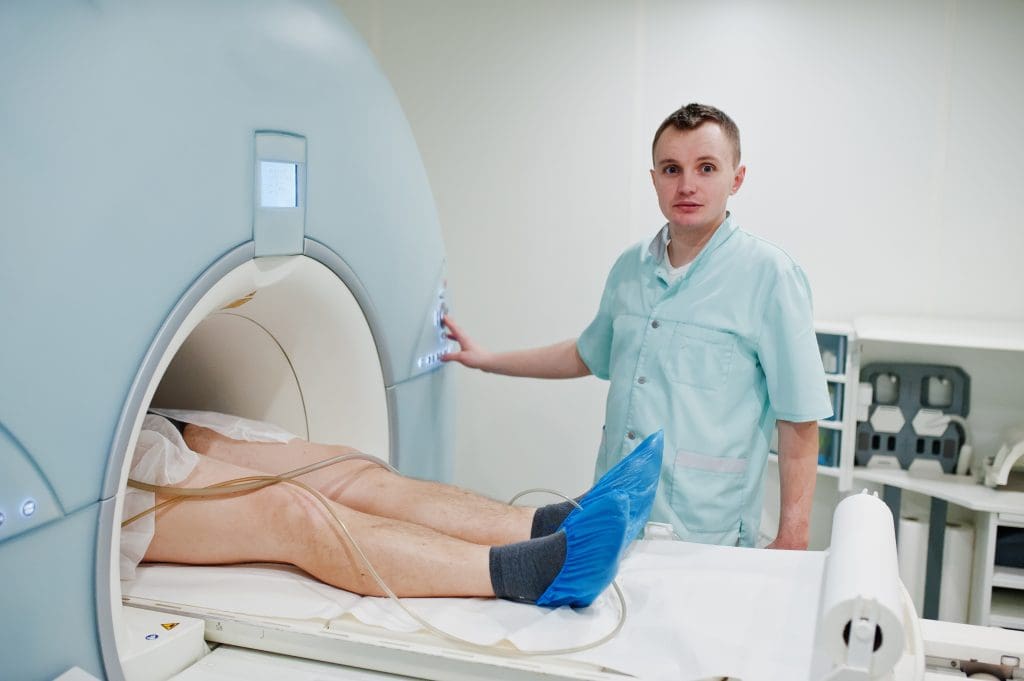
SPECT scans are key in nuclear medicine. They show how different parts of the body work. This helps diagnose and treat many health issues.
What is a SPECT Scan?
A SPECT scan uses a tiny bit of radioactive material. It helps see inside the body in 3D. This is useful for checking on health problems.
Common Medical Applications of SPECT Imaging
SPECT scans are used for heart disease, some cancers, and brain issues. They give detailed info on how organs and tissues work. This makes them very helpful in medical care.
| Medical Condition | SPECT Imaging Application |
| Cardiovascular Disease | Assesses myocardial perfusion and viability |
| Cancer | Helps in tumor localization and monitoring treatment response |
| Neurological Disorders | Evaluates brain function and helps diagnose conditions like Alzheimer’s disease |
How SPECT Differs from Other Imaging Techniques
SPECT scans are different from CT or MRI. They show how tissues and organs work, not just what they look like. This is great for checking on metabolic activity.
Key differences between SPECT and other imaging techniques include:
- Functional vs. Anatomical Imaging: SPECT provides information on the functional status of organs and tissues.
- Use of Radioactive Tracers: SPECT involves the use of small amounts of radioactive tracers to visualize organ function.
- 3D Imaging Capability: SPECT generates 3D images, offering a more comprehensive view of the body’s internal structures.
Why Sedation May Be Necessary for SPECT Scans
Sedation during SPECT scans is needed for comfort and technical reasons. It’s key to get good scan quality and keep the patient at ease.
Patient Movement Concerns During Imaging
One big reason for sedation is to stop patient movement. Movement can ruin the scan quality, making diagnoses less accurate. Sedation reduces movement, making scans clearer and more reliable.
Addressing Claustrophobia and Anxiety
Many feel anxious or claustrophobic in the scanning equipment. Sedation helps manage these feelings, making the scan less scary. It also helps reduce movement, as anxious patients tend to move more.
Special Considerations for Different Patient Populations
Each patient group has its own sedation needs. Kids need special sedation, and the elderly or those with health issues need careful planning. This ensures their safety and comfort.
| Patient Population | Special Considerations |
| Pediatric | Age-appropriate sedation protocols, parental involvement |
| Geriatric | Adjusted sedation levels based on health status, monitoring for side effects |
| Patients with Anxiety Disorders | Pre-scan counseling, potentially higher doses of sedation |
Healthcare providers can make SPECT scans better by understanding these needs. They can tailor sedation for a more comfortable and effective scan.
SPECT Scan Sedation Options and Requirements
Knowing about sedation options for SPECT scans is key for a calm experience. Sedation helps patients stay relaxed and still during the scan.
Overview of Available Sedation Methods
There are different sedation methods for SPECT scans. These include minimal sedation, moderate (conscious) sedation, and deep sedation. The right choice depends on the patient’s health and the scan’s needs.
Minimal sedation uses medicine to relax patients without making them unconscious. It’s good for those with mild anxiety or discomfort.
Moderate (conscious) sedation makes patients drowsy, but they can still talk. It’s used for those needing more relaxation.
Deep sedation and general anesthesia are for those who need a lot of sedation. This is for severe anxiety or certain medical conditions.
Regulatory Requirements for Sedation Administration
Sedation for SPECT scans must follow strict rules for safety. These rules say sedation must be given by trained healthcare professionals. They must follow set guidelines.
“The safe administration of sedation requires a thorough understanding of the patient’s medical history, the sedation technique, and the necessary monitoring and recovery protocols.”
Guidelines also stress the need to watch patients closely during and after the scan. This is to quickly handle any problems.
Patient Eligibility Criteria for Sedation
To see if a patient can get sedation, several things are checked. These include their medical history, current health, and any reasons they might not be able to have sedation.
| Eligibility Criteria | Description |
| Medical History | Review of previous medical conditions and surgeries |
| Current Health Status | Assessment of current health, including any ongoing medical conditions |
| Contraindications | Identification of any conditions that may contraindicate sedation |
Healthcare providers look at these factors to decide the best sedation for each patient.
Types of Sedation Used in SPECT Imaging
Choosing the right sedation is crucial for a successful SPECT imaging session. There are many options, each suited for different needs. The type of sedation depends on the patient’s health, the procedure’s complexity, and their anxiety level.
Minimal Sedation Options
Minimal sedation helps patients relax without losing their ability to follow commands. It’s perfect for those who are a bit anxious but don’t need deeper sedation.
- Relaxation Techniques: Patients might learn deep breathing or visualization to calm down.
- Mild Sedatives: Mild sedatives, like lorazepam or alprazolam, can make patients feel more at ease.
Moderate (Conscious) Sedation Protocols
Moderate sedation, or conscious sedation, keeps patients awake but relaxed. It’s used for SPECT scans when more than minimal sedation is needed but deep sedation isn’t required.
- Sedative Administration: Sedatives are given to achieve the right level of relaxation. The patient’s vital signs are watched closely during the scan.
- Patient Monitoring: Continuous monitoring ensures the patient stays safe and comfortable during the SPECT imaging.
Deep Sedation and General Anesthesia Considerations
Deep sedation and general anesthesia are for more complex procedures or severe anxiety. These options need careful thought and monitoring because of their risks.
- Complex Procedures: For complex SPECT imaging, deeper sedation may be needed to keep patients still and comfortable.
- Significant Anxiety: Patients with severe anxiety might need deep sedation or general anesthesia to help with the imaging.
In summary, sedation for SPECT imaging is chosen based on the patient’s needs. It ranges from minimal sedation to deep sedation and general anesthesia. Knowing these options is key to ensuring patient comfort and safety during the procedure.
Common Medications Used for SPECT Scan Anxiety
Anxiety about SPECT scans is common. But, there are many medications to help patients relax. The right choice depends on how anxious someone is, their health, and the scan’s needs.
Benzodiazepines and Their Applications
Benzodiazepines are used to calm nerves and reduce anxiety. They work by boosting a brain chemical called GABA. This helps people relax and feel less anxious.
- Common benzodiazepines include alprazolam (Xanax), lorazepam (Ativan), and diazepam (Valium).
- They can be taken by mouth or given through an IV, based on the patient’s needs.
Non-Benzodiazepine Anxiolytics
For those who can’t take benzodiazepines or want other options, there are non-benzodiazepine anxiolytics. These help with anxiety but might have fewer side effects.
- Buspirone is used for generalized anxiety disorder.
- Some antidepressants, like SSRIs, also help with anxiety.
Natural and Over-the-Counter Options
For mild anxiety, natural and OTC remedies are sometimes suggested. These are usually safe but their effectiveness can vary. Always use them with a doctor’s advice.
- Herbal supplements like valerian root, passionflower, and kava can calm the mind.
- OTC diphenhydramine (Benadryl) can make you sleepy and help with anxiety at night.
Pre-Procedure Preparation for Sedated SPECT Scans
Getting ready for a sedated SPECT scan is key to a safe and effective process. It’s all about making sure you’re ready and reducing any risks. This way, the scan can capture the best images possible.
Required Fasting Guidelines
Before a sedated SPECT scan, you’ll need to fast for a while. How long depends on the place and the sedation method. It’s important to listen to your healthcare provider’s exact instructions.
- Usually, patients are asked to refrain from eating and drinking for 4 to 8 hours before the scan.
- It’s essential to follow the specific instructions provided by your healthcare provider or the imaging facility.
- Some medications may be taken with a small amount of water, but this should be confirmed with your healthcare provider.
Medication Adjustments Before the Procedure
Before a sedated SPECT scan, you might need to adjust your medications. Tell your healthcare provider about all your medications. This includes prescription drugs, over-the-counter items, and supplements.
| Medication Type | Adjustment Required | Notes |
| Blood Thinners | Possible adjustment | Discuss with your healthcare provider |
| Diabetes Medications | Possible adjustment | Consult your healthcare provider |
| Anti-anxiety Medications | May be adjusted or continued | Follow healthcare provider’s instructions |
What to Bring and Wear to Your Appointment
Make sure you’re ready for your sedated SPECT scan by bringing the right things and wearing the right clothes.
- Comfortable, loose-fitting clothing without metal fasteners.
- Any required medical records or previous imaging studies.
- A list of current medications and dosages.
- A friend or family member to accompany you, especially if you are undergoing sedation.
By following these guidelines and your healthcare provider’s instructions, you’ll be all set for a safe and successful sedated SPECT scan.
The Sedation Consultation Process
The sedation consultation is key before a sedated SPECT scan. It makes sure patients are safe and comfortable. This step includes several important parts to find the best sedation for each patient.
Medical History Review and Risk Assessment
A detailed medical history review is vital. It looks for any risks from sedation. Healthcare providers check the patient’s health, any past medical issues, allergies, and sedation experiences.
Risk assessment is a big part of this process. It checks the patient’s health and the scan’s needs to see how risky sedation is.
| Risk Factor | Description | Mitigation Strategy |
| Pre-existing Medical Conditions | Conditions such as heart disease, diabetes, or respiratory issues | Adjust sedation protocol, consult with specialists |
| Previous Sedation or Anesthesia Complications | Adverse reactions or complications during previous sedation or anesthesia | Alternative sedation methods, close monitoring |
| Allergies | Known allergies to sedatives or other medications | Avoid allergenic medications, prepare alternative sedatives |
Discussing Sedation Options with Your Healthcare Provider
In the sedation consultation, patients can discuss sedation options with their doctor. They learn about different sedation levels. This helps find the right one for their needs.
- Minimal sedation: Patient remains awake but relaxed
- Moderate sedation: Patient may be drowsy but able to respond to commands
- Deep sedation: Patient may be unconscious but still able to breathe on their own
Informed Consent Requirements
Informed consent is very important. Patients must know the risks, benefits, and other options before agreeing. They need to understand the side effects, how sedation is given, and aftercare.
This way, patients are well-informed and involved. It helps make the sedated SPECT scan safe and successful.
Patient Monitoring During Sedated SPECT Procedures
Keeping patients safe during sedated SPECT scans is a top priority. It requires careful watching and special care. It’s important to watch closely to catch any problems early.
Vital Signs Monitoring Protocols
Monitoring vital signs is key to patient safety during these scans. We track heart rate, blood pressure, oxygen levels, and breathing rate. Continuous monitoring helps us act fast if something changes.
Using the latest monitoring tools helps us spot small changes. This way, we can stop problems before they get worse.
Equipment Used for Patient Safety
Many special tools help keep patients safe during these scans. We use monitors for vital signs and tools for airway care and sedation.
State-of-the-art monitoring systems give us live data. This helps us make the best choices for patient care.
Healthcare Personnel Requirements
Having the right healthcare team is crucial. This team includes radiologists, nurses, and technologists. They know how to handle sedation and watch over patients.
Trained personnel are ready for emergencies. They make sure patients get the best care during the scan.
With strict monitoring, top-notch equipment, and skilled staff, sedated SPECT scans are done safely and well.
Managing Claustrophobia Without Full Sedation
Claustrophobia is a common issue for patients having SPECT scans. Yet, it can be managed through alternative approaches. These methods aim to reduce anxiety and discomfort without full sedation. This ensures a safer and more comfortable experience for patients.
Cognitive Behavioral Techniques
Cognitive behavioral techniques (CBT) are a valuable tool in managing claustrophobia. These techniques help patients understand and change their thought patterns related to the anxiety caused by the SPECT scanner. By reframing their perceptions, patients can learn to cope better with the enclosed environment.
One effective CBT method is cognitive restructuring. Here, patients are encouraged to challenge and modify their negative thoughts about the scanning process. This can lead to a significant reduction in anxiety levels.
Relaxation and Distraction Methods
Relaxation techniques are another effective way to manage claustrophobia. Methods such as deep breathing exercises and progressive muscle relaxation can help calm the patient’s nerves and reduce anxiety. These techniques can be practiced before and during the scan to maximize their effectiveness.
- Deep breathing exercises
- Progressive muscle relaxation
- Visualization techniques
Distraction methods, such as listening to music or guided imagery, can also be beneficial. These methods divert the patient’s attention away from the anxiety-provoking aspects of the scan. This makes the experience more tolerable.
Minimal Medication Approaches
For some patients, minimal medication may be necessary to manage claustrophobia. This approach involves using the lowest effective dose of anxiolytic medication. The goal is to keep the patient comfortable and relaxed while still able to respond to instructions.
Medications such as lorazepam or alprazolam are sometimes used in small doses for this purpose. However, the decision to use medication should be made in consultation with a healthcare provider. This takes into account the patient’s medical history and the potential risks and benefits.
Recovery After Sedation for SPECT Imaging
Sedation for SPECT scans requires a careful recovery plan for patient safety. After the scan, patients go to a recovery area. There, they are watched until the sedation’s effects fade.
Immediate Post-Procedure Monitoring
Right after the procedure, patients are checked for heart rate, blood pressure, and oxygen levels. Continuous monitoring lets spot and fix any issues quickly.
- Monitoring of vital signs
- Observation for signs of adverse reactions to sedation
- Assessment of the patient’s level of consciousness
Discharge Criteria and Instructions
Before leaving, patients must meet certain discharge criteria. They need to be fully awake, have stable vital signs, and walk on their own. They also get post-procedure instructions for home care.
- The patient must be alert and oriented
- Vital signs must be within normal limits
- The patient must be able to drink fluids without difficulty
Transportation Requirements After Sedation
Because sedation affects thinking and reaction time, patients need a ride home. Sedation impairs cognitive function and reaction time, making it unsafe for patients to drive or use machinery.
By following the recovery process and the guidelines from healthcare, patients can have a safe and easy recovery after sedation for SPECT imaging.
Potential Risks and Side Effects of SPECT Scan Sedation
Sedation for SPECT imaging comes with risks and side effects. It’s a tool to help patients feel less anxious and uncomfortable during tests. But, it’s important for patients to know about possible complications.
Common Minor Side Effects
Most people who get sedation for SPECT scans don’t have big problems. They might feel:
- Drowsiness or fatigue
- Dry mouth
- Nausea or vomiting
- Headache
- Dizziness or lightheadedness
These effects usually go away once the sedation fades. Knowing about them helps patients recover smoothly.
Rare but Serious Complications
Even though rare, serious problems can happen with sedation. These include:
- Respiratory depression
- Cardiovascular issues
- Allergic reactions to sedative medications
- Prolonged sedation or delayed recovery
Medical facilities need to be ready for these issues. Patients should be watched closely before, during, and after the test.
Risk Mitigation Strategies
To lower the risks of sedation for SPECT scans, several steps can be taken:
| Risk Mitigation Strategy | Description | Benefits |
| Thorough Patient Screening | Checking medical history and current health | Helps find potential risks and tailor sedation plans |
| Monitoring During Procedure | Keeping an eye on vital signs and sedation levels | Allows for quick action if problems arise |
| Use of Appropriate Sedation Protocols | Picking the right sedation method and dosage for the patient | Less chance of too much or too little sedation |
| Post-Procedure Care | Watching patients after the test until they’re fully awake | Makes sure they’re safe during recovery |
By using these strategies, healthcare providers can make sedation for SPECT scans safer. This ensures a better experience for patients.
In summary, sedation for SPECT scans is usually safe. But, knowing the risks and side effects is key for patient safety. Understanding these and using effective strategies helps patients feel safe and comfortable during SPECT imaging.
Special Considerations for Pediatric SPECT Scan Sedation
The sedation for kids during SPECT scans is special. It needs to fit their age and health. This makes planning for sedation in children a big challenge.
Age-Appropriate Sedation Protocols
Sedation for kids must match their age, weight, and health. Age-appropriate sedation protocols are key for safety and success. use special guidelines for kids to pick the right sedation.
Young kids need different sedation than older ones. The right sedation can be minimal, moderate, or deep. It depends on the child’s health and the scan’s needs.
Parental Involvement and Preparation
Parental involvement is very important for kids getting a sedated SPECT scan. Parents help calm their child’s nerves and make sure they follow instructions.
work with parents to explain sedation and what the scan will be like. This helps reduce the child’s fear and makes the experience better.
Recovery Differences in Children
Recovery after sedation for kids is different from adults. Kids’ bodies handle sedation differently. Their recovery can be affected by age and health.
It’s important to watch kids closely during recovery. This ensures their safety and helps with any sedation side effects. have special recovery protocols for kids. These include checking vital signs and managing any discomfort.
Sedation Alternatives for SPECT Imaging
There are many ways to avoid sedation during SPECT imaging. These options meet different patient needs, making sure everyone is comfortable and safe.
Open SPECT Scanner Options
Open SPECT scanners are a big step forward. They are wider than old scanners, making people feel less trapped and anxious.
Non-Pharmacological Anxiety Management
There are many ways to handle anxiety without drugs. Things like cognitive behavioral therapy, relaxation, and distractions work well.
- Cognitive Behavioral Techniques: Helping patients change their thoughts and feelings.
- Relaxation Methods: Deep breathing, muscle relaxation, and visualization are helpful.
- Distraction Techniques: Music, guided imagery, or other distractions can help.
Modified Protocols for Anxious Patients
For those who are anxious but don’t want sedation, there are special plans. These might include changing the scanner, offering support, or using a little bit of medicine.
| Protocol | Description | Benefits |
| Adjusted Scanning Environment | Changing the scanner to make it more comfy. | Less anxiety, more comfort for patients. |
| Emotional Support | Support from family or healthcare staff. | More comfort, less anxiety. |
| Minimal Medication Approaches | Using a small amount of medicine for anxiety. | Manages anxiety without the full risks of sedation. |
Coverage and Considerations for Sedation
It’s important for patients to know about the of sedation for SPECT scans. The price can change based on several things. These include the sedation type, where it’s done, and what insurance covers.
Typical Coverage Policies for Medical Necessity
for sedation during SPECT scans usually depends on if it’s needed. Most plans cover it if a doctor says it’s necessary. This is often true for people with claustrophobia or anxiety during medical tests.
Medical necessity is decided by the doctor. They check the patient’s health and decide if sedation is needed. wants proof of this to cover it.
Out-of-Pocket Expenses to Anticipate
Even with insurance, patients might still have to pay for sedation for SPECT scans. This can include deductibles, copays, and coinsurance. The amount you pay can change based on your insurance and the sedation details.
- Deductibles: The amount you pay before insurance kicks in.
- Copayments: Fixed for certain services, like sedation.
- Coinsurance: A percentage of the total you pay.
Preauthorization Requirements
Many insurance plans need preauthorization for sedation. This means the doctor gets approval from the insurance before the procedure. It makes sure the sedation is needed and covered by your plan.
Patients should talk to their doctor and insurance to understand preauthorization. This helps make sure all steps are taken to get coverage.
Conclusion: Making Informed Decisions About SPECT Scan Sedation
It’s important for patients to know about SPECT scan sedation options. This knowledge helps them make smart choices about their health. Knowing the sedation methods, rules, and who can get it prepares them for a safe SPECT scan.
Those who feel anxious or scared can talk to their doctor. This talk helps find the best sedation for them. It makes the SPECT scan more comfortable. Knowing what to expect helps patients feel more in control.
Choosing the right sedation for a SPECT scan improves comfort and success. Patients should think about insurance, risks, and after-care. This way, they can have a smooth and worry-free experience.
FAQ
How can I manage claustrophobia without full sedation during a SPECT scan?
Techniques like cognitive behavioral therapy and relaxation can help. There are also mild medicines that can help.
Can I take my regular medications before a sedated SPECT scan?
It’s best to talk to your doctor about your medicines before the scan. They might need to be adjusted.
What are the discharge criteria and instructions after sedation for SPECT imaging?
Patients must meet certain criteria before they can go home. Because of sedation, they usually need someone to drive them.
What are the special considerations for pediatric SPECT scan sedation?
Sedation for kids needs special care, including age-appropriate methods and involving parents. Kids recover differently than adults.
Are there alternatives to sedation for SPECT imaging?
Yes, there are other options like open scanners and non-medical ways to manage anxiety. There are also special protocols for anxious patients.
What are the potential risks and side effects of SPECT scan sedation?
Sedation is usually safe, but there can be risks and side effects. Some are common and minor, while others are rare but serious.
How are patients monitored during sedated SPECT procedures?
Patients are watched closely for their safety. Their vital signs are checked, and special equipment is used. Trained staff are ready to help if needed.
How should I prepare for a sedated SPECT scan?
Patients usually need to fast before the scan. They might also need to change their medicine. Knowing what to bring and wear can help make the experience easier.
What medications are commonly used to manage anxiety related to SPECT scans?
Benzodiazepines are often used for their calming effects. There are also other medicines and natural remedies for less severe anxiety.
What types of sedation are available for SPECT scans?
There are different sedation levels, like light, moderate, and deep sedation. The right one depends on the patient’s needs and the scan’s needs.
Why is sedation necessary for some SPECT scans?
Sedation helps patients feel comfortable and ensures good image quality. Movement can mess up the scan. Claustrophobia and anxiety can also make it hard.
What is a SPECT scan, and how does it work?
A SPECT scan is a way to see how organs or tissues work. It uses a tiny bit of radioactive material. This material is then picked up by a camera to create images.