Last Updated on December 2, 2025 by Bilal Hasdemir

Back pain is a big problem worldwide, affecting millions. It makes simple tasks hard. Many look for relief from back pain. Spinal decompression therapy is one option that helps by easing spine pressure.
Thinking about surgery is scary for many. That’s why non-surgical spinal decompression is a popular choice. It offers back pain relief without surgery’s risks.
Exploring spinal decompression is important. We need to know the differences between surgical and non-surgical methods. Our aim is to help people make smart choices about their health.
Key Takeaways
- Spinal decompression is a treatment option for back pain relief.
- Non-surgical spinal decompression is a viable alternative to surgery.
- Understanding the differences between surgical and non-surgical approaches is crucial.
- Spinal decompression therapy can alleviate pain by relieving pressure on the spine.
- Non-surgical options are available for those seeking to avoid surgery.
Understanding Spinal Compression and Its Effects

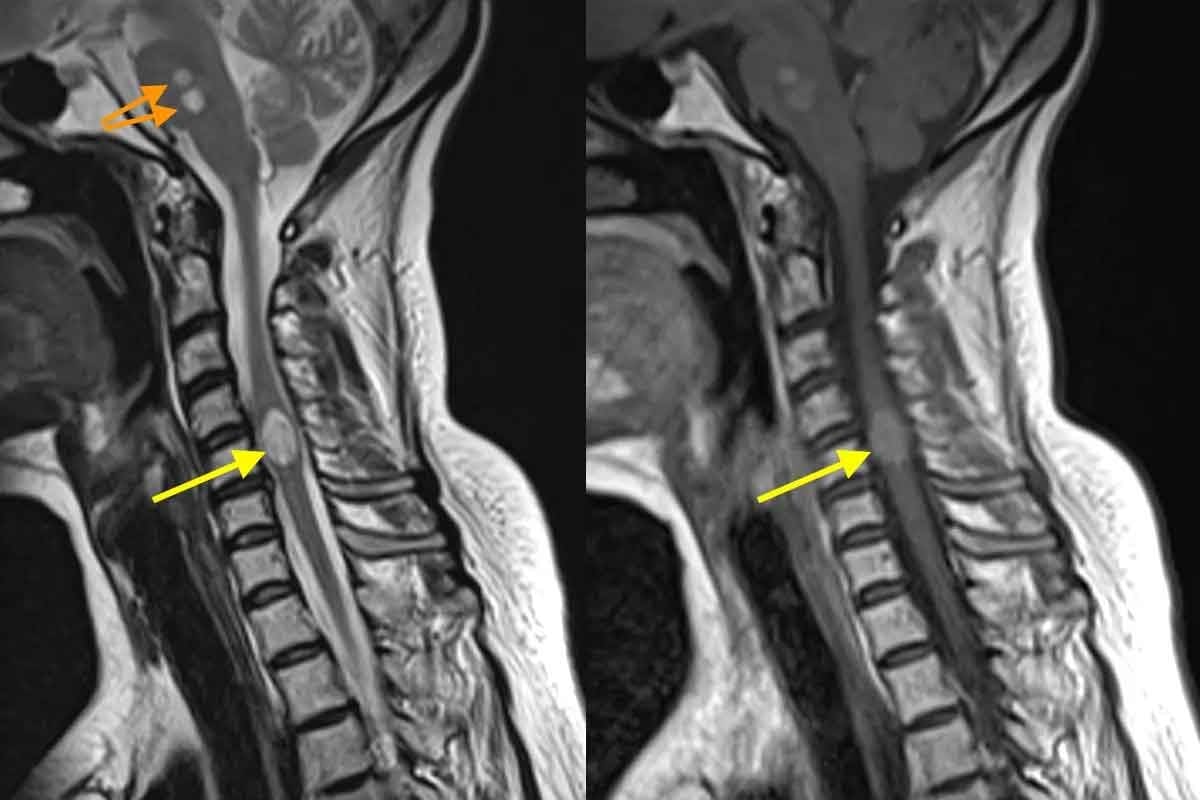
Knowing about spinal compression and its effects is key for those with back pain. This condition happens when too much pressure is on the spine. It can cause back pain, numbness, and tingling in the limbs.
Common Causes of Spinal Compression
Several factors can lead to spinal compression. Herniated discs are a big cause, where the soft inner gel leaks out and presses on nerves. Degenerative disc disease also plays a role, as the discs lose height and cushioning over time. Other causes include spinal stenosis and spondylolisthesis.
Lifestyle choices can also cause spinal compression. Poor posture, not exercising enough, or being overweight can add stress to the spine.
Symptoms and Warning Signs
The symptoms of spinal compression vary based on where and how much the spine is compressed. Common signs include back pain, numbness or tingling in the arms or legs, and muscle weakness. In severe cases, it can even cause loss of bladder or bowel control, which is a serious emergency.
It’s important to watch for warning signs of spinal compression. Look out for persistent back pain or pain that spreads down the limbs. Catching it early and treating it can prevent serious damage and improve your health.
What Is Spinal Decompression?

Spinal decompression is a gentle stretching of the spine. It improves circulation and reduces pain. This non-invasive treatment helps relieve pressure on the spinal discs and nerves, making the back healthier.
Defining Spinal Decompression Therapy
Spinal decompression therapy uses motorized traction to help with back pain. It creates a negative pressure in the spinal discs. This can cause the disc to retract, allowing it to rehydrate and relieve nerve pressure.
The therapy uses a special table to stretch the spine. This creates a vacuum effect in the discs. It helps:
- Relieve pressure on the spinal nerves
- Promote the healing of damaged discs
- Improve circulation and reduce inflammation
- Enhance overall spinal health
Surgical vs. Non-Surgical Approaches
Understanding the difference between surgical and non-surgical spinal decompression is key. Non-surgical spinal decompression uses mechanical traction to relieve spine pressure without surgery.
Surgical spinal decompression involves removing the compression source through surgery. Surgery can be effective but comes with risks and a longer recovery.
Non-surgical spinal decompression therapy is a less invasive option. It has fewer risks and a quicker recovery. This makes it a good choice for those avoiding surgery or not suitable for it.
How Non-Surgical Spinal Decompression Works
It’s important to know how non-surgical spinal decompression works. This method helps manage spinal health by relieving pressure on spinal discs. It promotes healing and reduces pain.
The Science Behind Decompression Therapy
Decompression therapy uses negative pressure to help spinal discs. It does this by gently stretching the spine. This helps pull bulging or herniated discs back into place.
Special tables or devices apply controlled traction to the spine. This creates negative pressure. It helps move disc material and improves fluid flow into the discs.
Negative Pressure and Disc Rehydration
Negative pressure is key in decompression therapy for disc rehydration. When the spine is stretched, discs absorb more fluids. This is vital for their health and nutrition.
Key benefits of negative pressure in decompression therapy include:
- Retraction of bulging or herniated discs
- Enhanced flow of nutrients into the spinal discs
- Promotion of disc rehydration
- Reduction in disc-related pain and inflammation
Understanding non-surgical spinal decompression and its effects on spinal discs is crucial. It offers a non-invasive way to manage spinal conditions. This can greatly improve one’s quality of life.
Conditions That Can Benefit From Non-Surgical Spinal Decompression
Many spinal conditions can be helped by non-surgical spinal decompression therapy. This treatment is non-invasive and helps reduce pain and promote healing. Healthcare professionals use it for different spinal problems.
Herniated and Bulging Discs
Herniated and bulging discs are common issues treated with spinal decompression. These conditions can press on nerves, causing pain. The therapy gently stretches the spine, creating space for the disc to move back into place.
“Decompression therapy can be particularly effective for herniated discs by allowing the disc to rehydrate and recover its natural height.”
Degenerative Disc Disease
Degenerative disc disease happens when spinal discs lose their cushioning. Spinal decompression helps by improving the discs’ health. It promotes the flow of nutrients and oxygen, slowing down wear and tear.
Sciatica and Nerve Compression
Sciatica and nerve compression occur when nerves are irritated or compressed. Non-surgical spinal decompression creates space between vertebrae. This allows nerves to function better, reducing pain and discomfort.
Medical professionals say, “Non-surgical spinal decompression has been shown to be effective in treating sciatica by relieving pressure on the sciatic nerve.”
Spinal Stenosis
Spinal stenosis narrows the spinal canal, pressing on the spinal cord and nerves. Decompression therapy gently stretches the spine. This creates more space, reducing pressure and alleviating symptoms like pain and numbness.
Knowing which conditions can benefit from non-surgical spinal decompression helps patients choose their treatment. It’s crucial to talk to a healthcare professional to see if this therapy is right for you.
Professional Non-Surgical Spinal Decompression Methods
Non-surgical spinal decompression has grown, offering many professional techniques for spinal problems. These methods help ease spinal pressure without surgery.
Mechanical Traction Therapy
Mechanical traction therapy uses a device to apply gentle force to the spine. It helps relieve pressure on discs and nerves, aiding in healing and pain reduction.
Benefits of Mechanical Traction Therapy:
- Relieves pressure on discs and nerves
- Promotes healing and reduces pain
- Improves spinal mobility
Computerized Decompression Tables
Computerized decompression tables use technology to apply precise traction to the spine. They can be set to target specific areas, offering tailored treatment.
| Feature | Benefit |
| Precise Traction Control | Targets specific spinal areas |
| Customizable Treatment | Adjusts to individual patient needs |
| Gentle Traction | Reduces discomfort and promotes relaxation |
Inversion Therapy Under Supervision
Inversion therapy involves hanging upside down or at an angle to ease spinal pressure. Under professional supervision, it’s a safe and effective way to decompress the spine.
Treatment sessions for these methods last 30 to 45 minutes. Patients might need 20 to 28 sessions over five to seven weeks.
Spinal Decompression Machines and Equipment
It’s important to know about the different spinal decompression machines for effective treatment. This therapy is a non-surgical way to treat back pain. The right equipment is key to its success.
Types of Decompression Tables
There are many types of decompression tables, each for different needs and conditions. Mechanical traction tables are often used for their precise decompression. Computerized decompression tables use advanced tech for customized plans.
Inversion tables use gravity for spine decompression. Spinal decompression machines combine traction and manipulation.
How Professional Equipment Works
Professional equipment applies gentle traction to the spine. This creates negative pressure in the disc. It helps herniated or bulging discs heal by improving nutrient flow.
The equipment targets specific spine areas safely and effectively. Advanced machines adjust traction angle and force for a personalized treatment.
Choosing the Right Equipment for Your Condition
Choosing the right equipment depends on your condition, health, and preferences. Always talk to a healthcare professional to find the best fit for you.
Look for equipment that offers customization, comfort, and targets your specific spine area.
What to Expect During a Professional Decompression Session
Knowing what happens in a spinal decompression session can ease your worries. It prepares you for the treatment. Here’s what you can expect.
Initial Assessment and Setup
We start with an initial assessment to understand your condition. We review your medical history and may do physical exams.
Then, you’ll wear a harness around your pelvis and trunk. This harness is key for the right amount of traction.
Duration and Frequency of Treatments
A spinal decompression session lasts 30 to 45 minutes. How often you need treatments depends on your condition and how you respond.
- Patients usually have 2-3 sessions a week.
- The total number of sessions is 12 to 20.
Sensations During Treatment
You might feel a gentle stretch in your spine during treatment. This is normal. You stay fully clothed and the treatment is not painful.
Some people feel relief or less pain during or after the session.
Post-Treatment Care
After the session, you can go back to your usual activities. We might give you exercises to help the treatment work better.
Following our post-treatment care instructions is crucial for the best results.
At-Home Spinal Decompression Methods
Many people are now using at-home spinal decompression methods to help their back health. These methods can be a good addition to your care routine. They can help between visits or as a way to keep your spine healthy.
Safe Self-Decompression Techniques
Self-decompression techniques can help ease tension and support your spine at home. Simple stretches and exercises can decompress your spine. For example, hanging from a bar or using a doorway can gently stretch your spine.
It’s important to listen to your body and avoid any movement that causes pain or discomfort.
Using Inversion Tables at Home
Inversion tables are a common tool for at-home spinal decompression. They use gravity to decompress the spine by inverting the user. When using an inversion table, start slowly and adjust to the angle gradually.
Beginners should not exceed 20-30 degrees initially and should monitor their body’s response.
- Choose an inversion table with a sturdy frame and adjustable settings.
- Follow the manufacturer’s instructions for assembly and use.
- Start with short sessions and gradually increase duration.
Decompression Belts and Devices
Decompression belts and devices are another option for at-home spinal decompression. These devices apply gentle traction to the spine. This helps relieve pressure on discs and nerves.
When selecting a decompression belt or device, consider the following:
- Look for products with adjustable tension settings.
- Ensure the device is comfortable and suitable for your size and condition.
- Follow the manufacturer’s guidelines for use and consult with a healthcare professional if you have any concerns.
At-home spinal decompression methods can be a valuable addition to your spinal care routine. However, it’s crucial to approach these methods with caution. Always consult with a healthcare professional before starting any new regimen, especially if you have a pre-existing spinal condition.
Effective Spinal Decompression Exercises
Spinal decompression can be achieved through targeted stretches and strengthening exercises. These help relieve spine pressure, improve flexibility, and strengthen spinal support muscles.
Stretches for Lumbar Decompression
Stretching is key for spinal decompression. Specific stretches can ease lumbar tension, boost flexibility, and cut down discomfort.
- Knee to Chest Stretch: Lie on your back, bring one knee towards your chest, and hold for 30 seconds. Switch legs.
- Cat-Cow Stretch: On your hands and knees, arch your back (like a cat), then round it (like a cow), repeating the motion for 1-2 minutes.
- Piriformis Stretch: Sit on the floor with the affected leg crossed over the other. Place your hand on the floor behind you and pull your knee toward your opposite shoulder. Hold for 30 seconds.
Core Strengthening for Spinal Support
A strong core is vital for spine support and good posture. Core exercises help stabilize the spine and lower injury risk.
- Plank: Hold a plank position for 30-60 seconds, rest for 30 seconds, and repeat for 3-5 sets.
- Bridges: Lie on your back with knees bent and feet flat on the floor. Lift your hips towards the ceiling, squeezing your glutes at the top. Hold for 2-3 seconds, then lower.
- Bird Dog: On your hands and knees, lift your right arm and left leg off the ground, holding them straight. Hold for 5-10 seconds, then switch sides.
| Exercise | Repetitions | Benefits |
| Plank | 3-5 sets | Core Strengthening |
| Bridges | 10-15 | Glute Strengthening, Spinal Stability |
| Bird Dog | 10-15 per side | Core Strengthening, Balance |
Yoga Poses for Spine Elongation
Yoga offers poses that elongate the spine, improve flexibility, and support spinal health.
- Downward-Facing Dog: Start on all fours, lift your hips up and back, straightening your arms and legs. Hold for 30 seconds to 1 minute.
- Cobra Pose: Lie on your stomach with your hands under your shoulders. Press your palms into the floor and lift your chest and head off the ground. Hold for 30 seconds.
- Child’s Pose: Kneel on the floor, then sit back onto your heels. Stretch your arms out in front and lower your forehead to the ground. Hold for 1-2 minutes.
Incorporate these exercises into your routine for effective spinal decompression. This will improve your posture and overall spinal health.
How to Decompress Your Lower Back at Home
Simple daily techniques can help a lot with decompressing your lower back. Doing this at home can ease tension and discomfort. We’ll show you how to do it, so you can find relief easily.
Simple Daily Techniques
There are easy ways to add to your daily routine for lower back decompression. Stretching exercises are very helpful. For example, the knee-to-chest stretch can ease lower back tension. To do this, lie on your back, bring one knee to your chest, and hold for 30 seconds before switching.
The pelvic tilt is another good technique. It helps keep your lower back stable. Lie on your back with knees bent and feet flat. Tilt your pelvis up and then back down, repeating for several reps.
Using Household Items for Support
You can use things you have at home to help decompress your lower back. For instance, a towel or belt under your knees while lying on your back can ease pressure. Also, a pillow or rolled-up blanket under your lower back can support it and keep your spine’s natural curve.
Creating a Decompression Routine
Having a regular decompression routine is key for lasting relief. Begin by setting aside a few minutes each day for stretching and decompression exercises. As you get more comfortable, you can make your sessions longer and more frequent.
Adding relaxation techniques like deep breathing or meditation to your routine can make your decompression exercises even more effective.
When to Stop Home Treatments
Home treatments are great, but sometimes you need to see a doctor. If you have severe pain, numbness, or tingling that doesn’t get better or gets worse, see a healthcare professional. Also, if you notice big changes in your condition or if your symptoms don’t get better with home treatments, get medical advice.
By paying attention to how your body reacts and knowing when to get help, you can safely decompress your lower back at home.
Benefits of Spinal Decompression Therapy
Spinal decompression therapy offers many benefits, helping with various spinal problems. It’s a non-surgical method that’s becoming more popular. It’s known for its ability to tackle different spinal issues effectively.
Immediate Pain Relief
One key advantage of spinal decompression therapy is quick pain relief. It gently stretches the spine. This reduces pressure on discs and nerves, easing pain and discomfort.
Long-Term Structural Improvements
This therapy also leads to long-term benefits. Regular sessions can:
- Rehydrate discs
- Improve spinal alignment
- Boost overall spinal health
Improved Mobility and Function
As therapy continues, patients see better mobility and function. It reduces spinal pressure and aids healing. This lets people move more easily and do daily tasks with less effort.
Avoiding Surgery and Medication
For many, spinal decompression therapy is a good choice instead of surgery or medication. It tackles spinal problems directly. This can help avoid surgery’s risks and the side effects of long-term medication.
| Benefit | Description |
| Immediate Pain Relief | Relieves pressure on compressed discs and nerves, reducing pain and discomfort |
| Long-Term Structural Improvements | Promotes rehydration of discs, improves spinal alignment, and enhances overall spinal health |
| Improved Mobility and Function | Enables individuals to move more freely and perform daily activities with greater ease |
| Avoiding Surgery and Medication | Offers a viable alternative to surgery and medication, reducing risks and complications |
In summary, spinal decompression therapy has many benefits. It offers quick pain relief, long-term structural improvements, and better mobility. Knowing these advantages helps people make smart choices for their spinal health and consider this effective treatment.
Complementary Therapies to Enhance Spinal Decompression
To get the most from spinal decompression, you can use other therapies. These therapies work well with spinal decompression to help your spine stay healthy.
Chiropractic Adjustments
Chiropractic care is a natural way to help spinal decompression. Chiropractors adjust the spine to improve its alignment and function. This can help reduce back pain and improve how your spine works.
“Chiropractic care and spinal decompression together provide a comprehensive approach to treating spinal issues.” This mix of therapies can lead to better results by fixing both the structure and function of your spine.
Physical Therapy Approaches
Physical therapy can also boost the effects of spinal decompression. Physical therapists create special exercises to strengthen your spine’s muscles. This helps improve flexibility and posture. Adding physical therapy to your spinal decompression plan can lead to more lasting relief.
- Strengthening core muscles
- Improving flexibility and range of motion
- Enhancing posture and reducing strain on the spine
Massage and Soft Tissue Work
Massage and soft tissue work can also help with spinal decompression. These methods reduce muscle tension and help you relax. Techniques like deep tissue massage can ease pain and stiffness around your spine. This makes spinal decompression more effective and comfortable.
Experts say, “Massage therapy can significantly enhance the effectiveness of spinal decompression by addressing the soft tissue components of spinal pain.”
Heat and Cold Therapy
Heat and cold therapy are simple but effective methods to use with spinal decompression. Heat therapy, like a warm bath, relaxes muscles and boosts blood flow. Cold therapy, with ice packs, reduces inflammation and numbs pain. Switching between heat and cold can help relieve pain and make spinal decompression more effective.
“The application of heat or cold can significantly impact the perception of pain and the healing process.”
The Effectiveness of Non-Surgical Spinal Decompression
Many studies have looked into how well non-surgical spinal decompression works. It’s a treatment that doesn’t involve surgery. This has made it popular for treating spinal problems without surgery.
Research and Clinical Studies
Many clinical studies have checked if non-surgical spinal decompression really works. They looked at things like pain relief and how well patients could move. The studies found it can help a lot with herniated discs, degenerative disc disease, and spinal stenosis.
A study in the Journal of Neurosurgery: Spine showed it can really help. It shows non-surgical spinal decompression could be a good choice for treatment.
Success Rates and Limitations
Non-surgical spinal decompression seems to work well for many people. But, it’s not perfect for everyone. How well it works depends on the problem, how bad it is, and the person’s health.
| Condition | Success Rate | Limitations |
| Herniated Discs | 70-80% | May require multiple sessions; not suitable for severe cases |
| Degenerative Disc Disease | 60-70% | May slow progression but not reverse; complementary therapies recommended |
| Spinal Stenosis | 50-60% | Relief may be temporary; surgery may be necessary for severe cases |
Comparing Results to Surgical Options
Choosing between non-surgical spinal decompression and surgery depends on several things. Surgery is usually for more serious cases or when other treatments don’t work. But, non-surgical spinal decompression is less risky and less invasive.
Studies show it can be just as good as surgery for many people. This makes it a good choice for those who want to avoid surgery.
Potential Risks and Side Effects
Spinal decompression is usually safe, but it’s important to know the possible risks and side effects. Knowing these can help you make smart choices about your health.
Common Mild Side Effects
Most people don’t have serious side effects from spinal decompression. But, some might feel:
- Mild soreness or stiffness after treatment
- Temporary increase in pain
- Muscle spasms
These effects are usually short and go away in a few hours to days.
When to Seek Medical Attention
Even though rare, some symptoms need quick medical help. If you have any of these after treatment, call your doctor:
- Severe pain that doesn’t improve with rest
- Numbness, tingling, or weakness in the legs or arms
- Loss of bladder or bowel control
- Significant increase in pain or discomfort
Telling your doctor about any unusual symptoms is very important.
Contraindications for Decompression Therapy
Spinal decompression helps many, but it’s not for everyone. Certain conditions make it not suitable. These include:
| Condition | Description |
| Osteoporosis | Advanced osteoporosis may increase the risk of vertebral fractures during decompression. |
| Pregnancy | Spinal decompression is generally not recommended during pregnancy due to limited research on its safety. |
| Metal Implants | Patients with certain metal implants (e.g., pacemakers, spinal hardware) may need to avoid certain types of decompression therapy. |
| Severe Disc Herniation | In cases of severe disc herniation, decompression may not be suitable or may require careful consideration. |
Talking to your doctor about your health and any worries before starting treatment is key.
Knowing the risks and side effects helps you manage your spinal decompression treatment better. Working with your healthcare provider ensures the best results.
Cost Considerations for Spinal Decompression Therapy
It’s important to know the costs of spinal decompression therapy before starting. The prices can change a lot, just like with any medical treatment.
Professional Treatment Expenses
The cost of professional spinal decompression therapy depends on a few things. These include how many sessions you need, the doctor’s experience, and where you get treated.
- Initial consultation fees
- Cost per decompression session
- Additional costs for diagnostic tests or therapies
On average, you might pay $100 to $300 for each session. Most plans need several sessions over weeks or months.
Insurance Coverage Options
Insurance for spinal decompression therapy can vary a lot. Some plans might cover part or all of the costs, while others might not.
It’s essential for patients to:
- Check their insurance policy details
- Discuss coverage with their healthcare provider
- Understand any out-of-pocket expenses
Cost-Effective Alternatives
If professional spinal decompression therapy is too expensive, there are cheaper options. You can try at-home devices or exercises.
- Inversion tables
- Decompression belts
- Stretching and strengthening exercises
These options might be cheaper, but always talk to a doctor before starting any new treatment.
Long-Term Financial Benefits
Spinal decompression therapy can save money in the long run. It might reduce the need for surgery, lower medication costs, and prevent future back pain expenses.
By treating the cause of back pain, spinal decompression can save you money over time.
When Surgery May Still Be Necessary
Not everyone who tries non-surgical spinal decompression will avoid surgery. This can worry many people. We will look at when surgery is still needed, even after trying non-surgical methods.
Signs Non-Surgical Methods Aren’t Working
Some signs show that non-surgical treatments might not work. These include:
- Persistent or worsening pain despite treatment
- Increasing numbness or tingling sensations
- Weakness in the limbs
- Loss of bladder or bowel control
If you notice these symptoms, talk to your healthcare provider. They can check if your treatment plan needs a change.
Emergency Situations Requiring Immediate Intervention
Some situations need quick medical help, possibly surgery. These emergencies include:
- Sudden severe pain
- Trauma to the spine
- Sudden onset of numbness or paralysis
Delaying treatment in these cases can cause permanent harm. Knowing when to seek help right away is crucial.
Discussing Surgical Options with Your Doctor
If non-surgical treatments don’t work, talking about surgery with your doctor is next. It’s important to know about the different surgeries, their benefits, and risks. Your doctor can guide you based on your condition.
| Treatment Aspect | Non-Surgical Decompression | Surgical Decompression |
| Pain Relief | Gradual relief through therapy sessions | Immediate relief post-surgery, with ongoing recovery |
| Recovery Time | Multiple sessions over weeks or months | Variable, typically several weeks to months |
| Risks and Complications | Minimal, mostly related to equipment or technique | Higher risk due to invasive nature, including infection and nerve damage |
Conclusion
Spinal decompression, both surgical and non-surgical, can help with back pain. We’ve looked at the good points of non-surgical spinal decompression. It’s a good choice for many who want to avoid surgery.
Non-surgical spinal decompression can give quick pain relief and long-term benefits. It can also help you move better. Knowing why your back hurts and what treatments are out there helps you choose the best care.
To sum up, non-surgical spinal decompression is a great option for many back pain issues. It’s good for herniated discs, degenerative disc disease, and spinal stenosis. If you’re dealing with back pain, talk to a healthcare professional about it. You might avoid surgery and feel better sooner.
FAQ
What is spinal decompression therapy?
Spinal decompression therapy is a non-surgical treatment. It aims to relieve back pain by stretching and decompressing the spine. This reduces pressure on the spinal discs and nerves.
How does non-surgical spinal decompression work?
It works by creating negative pressure in the spinal discs. This promotes the retraction of herniated or bulging discs. It also improves the overall health of the spinal discs through rehydration.
What conditions can benefit from non-surgical spinal decompression?
Conditions like herniated and bulging discs, degenerative disc disease, sciatica, and spinal stenosis can benefit. Non-surgical spinal decompression is helpful for these issues.
What are the different methods of non-surgical spinal decompression?
There are several methods. These include mechanical traction therapy, computerized decompression tables, and supervised inversion therapy. Each method is designed to safely stretch and decompress the spine.
Can spinal decompression be done at home?
Yes, you can do spinal decompression at home. You can use inversion tables, decompression belts, and devices. There are also self-decompression techniques and specific exercises you can do.
What exercises are effective for spinal decompression?
Effective exercises include stretches for the lumbar region. Core strengthening exercises support the spine. Yoga poses help elongate the spine.
How do I decompress my lower back at home?
To decompress your lower back at home, use simple daily techniques. You can use household items for support. Creating a decompression routine is also helpful.
What are the benefits of spinal decompression therapy?
Benefits include immediate pain relief and long-term structural improvements. It also improves mobility. Plus, it may help avoid surgery and medication.
Are there any risks or side effects associated with spinal decompression?
While generally safe, spinal decompression may have mild side effects. There are also contraindications for certain conditions. It’s essential to consult with a healthcare provider before starting treatment.
How much does spinal decompression therapy cost?
The cost varies. It depends on whether you choose professional treatments or at-home methods. Professional treatments are typically more expensive but may be more effective.
Will insurance cover spinal decompression therapy?
Insurance coverage varies. Some plans may cover it, especially if deemed medically necessary. Others may not.
When should I consider surgery over spinal decompression?
Consider surgery if non-surgical spinal decompression is not effective. In emergency situations like severe nerve damage, surgery is advised. A healthcare provider can guide you.
Can spinal decompression help with sciatica?
Yes, spinal decompression can help with sciatica. It reduces pressure on the sciatic nerve, which is often compressed due to spinal disc issues.
Is spinal decompression suitable for everyone?
No, spinal decompression is not suitable for everyone. It’s not recommended for those with certain medical conditions or contraindications. A healthcare provider can determine suitability on a case-by-case basis.
National Center for Biotechnology Information. Evidence-Based Medical Insight. Retrieved from https://www.ncbi.nlm.nih.gov/pmc/articles/PMC9587911/