Last Updated on November 27, 2025 by Bilal Hasdemir
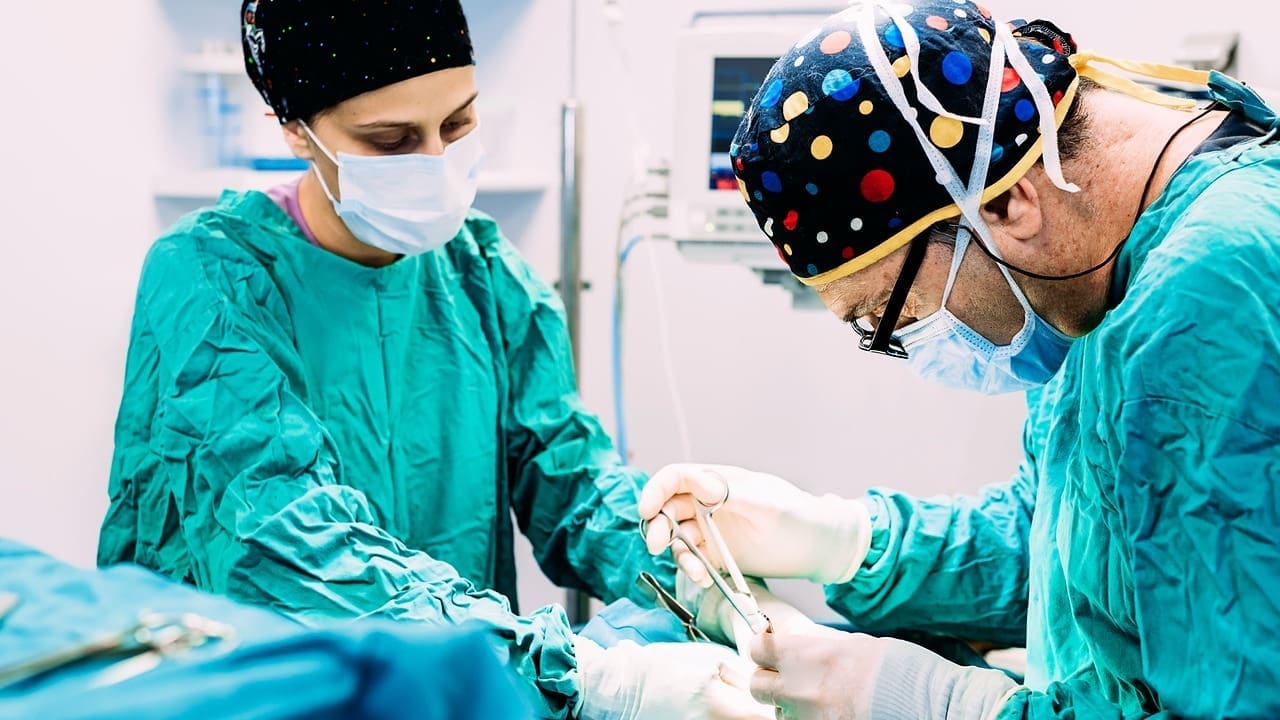
Spinal fusion cage surgery might seem scary at first. But it’s a way to make the spine stable by joining two or more vertebrae with a vertebral cage. This method stops the vertebrae from moving and causing pain, helping those with spinal problems.
By linking the bones, we can stop pain and help them heal. This surgery is common for many spinal issues. Liv Hospital is leading in using the latest methods to make spine surgery better.
Key Takeaways
- Spinal fusion cage surgery stabilizes the spine by fusing vertebrae.
- A vertebral cage is used to prevent painful movement.
- This surgery treats various spinal conditions.
- Liv Hospital leads in adopting advanced spine surgery techniques.
- The procedure promotes healing and pain relief.
What Are Back Fusion Cages and Their Function
Back fusion cages are key tools in spinal fusion surgery. They offer support and help bones grow between vertebrae. These cages act as a scaffold, promoting bone fusion.
The main job of a back fusion cage is to keep the disc space natural and stable. This helps reduce pain from spinal instability and degenerative conditions.
The Role of Vertebral Cages in Spinal Stability
Vertebral cages are vital for spinal stability. They fit perfectly between vertebrae, providing immediate stability. This creates a good environment for bone growth.
They are made from materials like PEEK (Polyetheretherketone) or titanium. These materials are biocompatible and strong.
- Provide immediate stability to the spine
- Create an environment conducive to bone growth
- Available in various materials like PEEK and titanium
How Spinal Fusion Cages Maintain Disc Height
Spinal fusion cages help keep the disc height right. This is key for the spine’s alignment and function. By doing so, they:
- Restore the spine’s natural curve
- Lessen pressure on nerves
- Boost spinal function and patient mobility
In summary, back fusion cages are critical in spinal fusion surgery. They support and stabilize bones for successful fusion. Their role in maintaining disc height and stability is essential for treating spinal disorders.
Common Conditions Treated with Spinal Fusion Cage Surgery
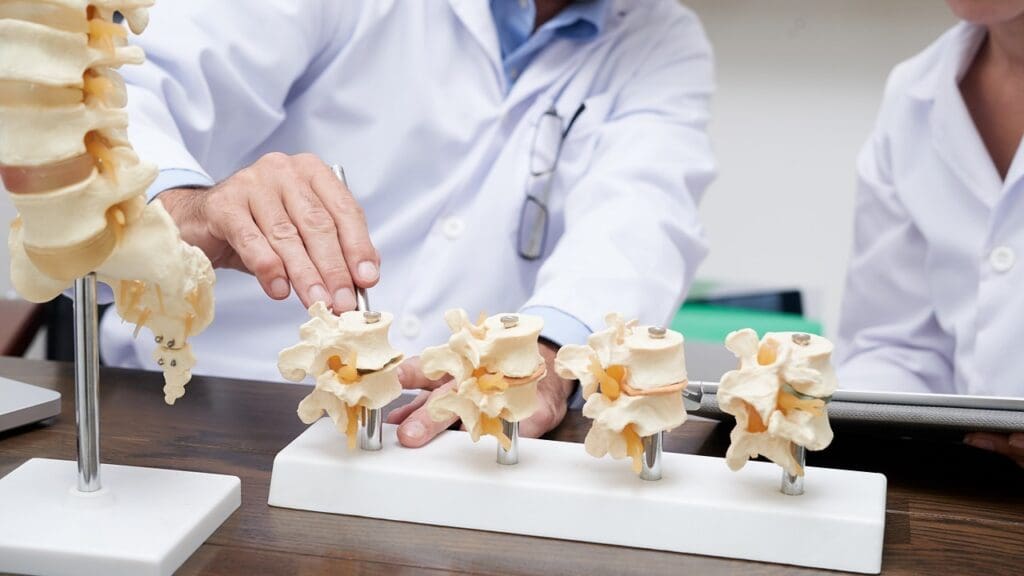
Spinal fusion cage surgery treats many spinal problems. It makes the spine stable and relieves pain. We use back fusion cages for several common spinal disorders.
Degenerative Disc Disease
Degenerative disc disease makes the discs between vertebrae lose height and strength. Spinal fusion cage surgery helps fix this. It makes the spine stable again, easing pain and improving movement.
Using a cage in back surgery helps the spine fuse. This keeps the spine in the right position.
Trauma-Related Spinal Instability
Spinal instability from injury makes the spine weak. Cage surgery for back is used to make the spine stable. The cage helps the spine heal and prevents more injuries.
Spinal Deformities and Structural Issues
Spinal deformities like scoliosis or kyphosis cause pain and limit movement. Spinal fusion cage surgery helps fix these problems. It provides support, keeping the spine straight and stable.
In conclusion, spinal fusion cage surgery is a key treatment for many spinal issues. It helps with degenerative disc disease, spinal instability from injury, and deformities. Understanding how cage surgery works helps us see its benefits in making the spine stable and improving patient health.
The Biological Process of Fusion with Cage in Back Surgery
The use of a cage in back surgery has changed how we treat spinal problems. It creates a stable place for bone to fuse. This method has made recovery times shorter by using minimally invasive procedures.
How Bone Growth Occurs Around the Cage
Bone growth around the cage is key in spinal fusion. The lumbar fusion cage acts as a base for bone to grow. This growth helps the vertebrae join together, making the spine stable again.
Timeline for Complete Fusion After Cage Implantation
The time it takes for fusion to happen after a spinal cage procedure varies. It depends on the patient’s health and the surgery method. Usually, it takes a few months, with most seeing good results in 6 to 12 months.
Patients are checked regularly to see if the fusion is working. This helps ensure the surgery is successful.
Knowing how fusion works with a cage helps patients understand the spinal cage procedure better. It also shows how important care after surgery is for good results.
Materials Used in Modern Spinal Cage Procedures
Modern spinal cage procedures use different materials. Each material is chosen for its special properties. These properties help the surgery succeed.
The material choice is key. It affects how well the cage works with the body, its strength, and how well it helps bones fuse together.
PEEK (Polyetheretherketone) Fusion Cages
PEEK fusion cages are popular because they are very compatible with the body. They also let doctors see clearly after surgery. PEEK cages are made to act like bone, helping bones fuse naturally.
Titanium and Metal Alloy Options
Titanium and metal alloys are also used for spinal cages. They are strong, last long, and work well with bone. Titanium cages help bones fuse better. But, they can make it harder to see bones after surgery.
Benefits of Radiolucent and Porous Materials
Materials like PEEK are good for seeing bones after surgery. This helps doctors check how well the bones are fusing. Porous materials help bones grow into the cage, making it stronger.
Studies show these materials can make patients do better after surgery.
| Material | Biocompatibility | Radiolucency | Mechanical Strength |
|---|---|---|---|
| PEEK | High | High | Moderate |
| Titanium | High | Low | High |
| Metal Alloys | High | Low | High |
Minimally Invasive Techniques for Cage Surgery for Back
Minimally invasive techniques have changed cage surgery for the back. They make the surgery safer and more effective than old methods. These new ways help reduce damage to tissues, lessen scarring, and speed up recovery.
Advantages Over Traditional Open Procedures
Minimally invasive cage surgery for the back has many benefits. It causes less damage to tissues, less blood loss, and smaller cuts. This means less pain after surgery and less scarring. It also lets surgeons place the cage more accurately, making the spine more stable.
Reduced Recovery Time and Hospital Stay
One big plus of minimally invasive cage surgery is quicker recovery and shorter hospital stays. Patients usually feel less pain after surgery and can get back to their daily life sooner. This is because of the smaller cuts and less damage to tissues.
Patient Selection Criteria for Minimally Invasive Approaches
Not every patient is right for minimally invasive cage surgery. Doctors look at the patient’s health, the condition being treated, and how complex the surgery is. They make sure the patient is a good fit for this type of surgery to get the best results.
| Criteria | Description | Importance |
|---|---|---|
| Condition Being Treated | Degenerative disc disease, spinal deformities | High |
| Patient’s Overall Health | Presence of comorbidities, age | High |
| Complexity of Procedure | Number of levels involved, cage type | Medium |
Advanced Technologies in Spinal Fusion Cage Surgery
Recent breakthroughs in spinal fusion cage surgery have changed how we treat spinal problems. These new technologies make spinal fusion surgeries more precise and effective. This leads to better results for patients.
Removable Cage Systems and Their Applications
Removable cage systems are a big step forward in spinal fusion tech. They let surgeons remove or adjust the cage if needed. This is great for cases where the first surgery didn’t work.
- Enable revision surgeries
- Offer flexible treatment plans
- Help with complex spinal cases
Expandable Fusion Cage Technology
Expandable fusion cage tech has changed spinal fusion surgery. These cages can be adjusted to fit each patient’s needs. This helps restore disc height and spinal alignment more accurately.
Key benefits include:
- Customizable to patient anatomy
- Enhanced restoration of disc height
- Improved spinal alignment
How These Innovations Improve Patient Outcomes
Advanced tech like removable and expandable cages has greatly improved patient results. These tools give surgeons more flexibility and precision. This leads to better fusion rates and fewer need for second surgeries.
Patients enjoy less invasive procedures, faster recovery times, and better long-term results. By customizing cages for each patient, surgeons can achieve more natural spinal stabilization. This personalized approach is a big leap in treating spinal disorders.
Lumbar Fusion Cage Techniques and Success Rates
Advances in lumbar fusion cage technology have made spinal fusion more stable and durable. These techniques are often used for lower back problems and have shown good success rates. We will look at the methods used for lower back fusion, the results achieved, and what makes fusion successful in the lumbar spine.
Approaches for Lower Back Fusion with Cage for Lumbar Fusion
Lumbar fusion cage procedures use a cage to stabilize the spine and help bone growth. The cage implantation spine method aims to restore disc height and create a stable fusion environment. Surgeons choose from posterior lumbar interbody fusion (PLIF) and transforaminal lumbar interbody fusion (TLIF) based on the patient’s condition and anatomy.
Clinical Outcomes and Success Statistics
Research shows that lumbar fusion cage surgery has high success rates, leading to better patient outcomes. Patients usually stay in the hospital for 2 to 3 days after spinal fusion. Success is measured by pain reduction, improved function, and fusion rates. Studies suggest that lumbar fusion cages help achieve successful fusion in most patients.
| Procedure | Success Rate | Average Hospital Stay |
|---|---|---|
| PLIF | 85-90% | 2-3 days |
| TLIF | 80-95% | 2-3 days |
Factors Affecting Successful Fusion in the Lumbar Spine
Several factors can impact the success of lumbar fusion cage surgery. These include the patient’s health, any underlying medical conditions, and the surgeon’s experience with spinal cage procedures. Proper care and rehabilitation after surgery are also key to successful fusion.
By understanding these factors and using advanced lumbar fusion cage techniques, surgeons can improve patient outcomes and increase spinal fusion success rates.
Customization of Spine Cages for Different Anatomical Regions
Getting the spine cage right is all about precision. Each part of the spine needs its own special touch for the best results.
Cervical Spine Cage Design and Considerations
The cervical spine is special, needing cages that are smaller and more careful. These “neck cages” help restore height and support fusion without harming nearby tissues.
Thoracic Spine Applications
For the thoracic spine, cages must fit around the rib cage. They’re a bit bigger than cervical cages, designed to support the spine while keeping it flexible.
Tailoring Cage Implantation Spine Procedures for Specific Pathologies
Every spinal problem needs its own solution. For degenerative disc disease, we choose cages that lift the disc and help it fuse. Trauma cases get cages that are strong and stable.
| Spinal Region | Cage Design Considerations | Pathologies Treated |
|---|---|---|
| Cervical | Smaller size, delicate design | Degenerative disc disease, herniated discs |
| Thoracic | Larger size, robust support | Trauma, spinal deformities |
| Lumbar | Strong support, promotes fusion | Degenerative disc disease, spondylolisthesis |
Customizing spine cages for each area and problem really helps patients. The “cage in the back” method is popular for lumbar fusions, showing the need for these surgeries is growing.
The Recovery Journey After Back Surgery Cage Placement
After back surgery with cage placement, patients start a key recovery journey. They need to follow post-operative instructions carefully. This period can be tough, but with the right help, patients can get through it well.
Immediate Post-Operative Care and Restrictions
Right after surgery, patients are watched closely for any issues. They get specific home care instructions. It’s important to call your healthcare team if you see signs of infection, like redness or fever.
We also tell patients to stay away from heavy lifting or bending during the early recovery.
Physical Therapy and Rehabilitation Protocols
Physical therapy is key in recovering from back surgery with cage placement. Our rehab plans help patients get stronger and more flexible. A plan is made just for you, with your healthcare team’s input.
Long-Term Recovery Expectations and Return to Activities
The recovery time can vary a lot, based on health, surgery complexity, and following instructions. Usually, patients get back to normal in a few months. We offer ongoing support to help you recover well.
Conclusion: Advancements and Future Directions in Spinal Fusion Cage Technology
Spinal fusion cage surgery has changed how we treat spinal problems. It brings stability and helps bones grow. The use of spinal fusion cages has been key in successful surgeries. Recent studies show 3D-printed cages improve stability and bone growth.
As this surgery evolves, we’ll see new cage designs and materials. Custom-made cages using advanced tech will be important. Spinal fusion cage technology is set to keep being a major part of spinal surgery.
FAQ
What is spinal fusion cage surgery?
Spinal fusion cage surgery is a procedure to stabilize the spine. It uses a vertebral cage to help bones grow and fuse. This treats conditions like degenerative disc disease and spinal deformities.
How do back fusion cages work?
Back fusion cages support the spine and help bones grow around them. This leads to fusion and relieves symptoms.
What materials are used in spinal cage procedures?
Spinal cage procedures use materials like PEEK, titanium, and metal alloys. These materials are chosen for their benefits in bone integration and imaging.
What are the benefits of minimally invasive cage surgery for back?
Minimally invasive cage surgery for the back has many benefits. It reduces recovery time and hospital stay. This makes it a good option for some patients.
How long does it take for complete fusion to occur after cage implantation?
Complete fusion after cage implantation takes several months. Bone growth around the cage and stabilization of the fusion happen over time.
What are the success rates for lumbar fusion cage techniques?
Lumbar fusion cage techniques have shown good success rates. Success varies based on patient selection and surgical approach.
Can spine cages be customized for different anatomical regions?
Yes, spine cages can be customized for different areas. This includes the cervical and thoracic spine. It addresses specific pathologies and patient needs.
What is the recovery journey like after back surgery cage placement?
Recovery after back surgery cage placement involves immediate care and physical therapy. Rehabilitation protocols are followed. Long-term recovery and return to activities vary by patient.
What are the advantages of using expandable fusion cage technology?
Expandable fusion cage technology improves patient outcomes. It allows for precise and adaptable cage placement. This enhances the success of spinal fusion procedures.
Are there any risks or complications associated with spinal fusion cage surgery?
Spinal fusion cage surgery carries risks and complications. These should be discussed with a healthcare professional. Understanding the benefits and risks helps in making an informed decision.
References
- PMC – PubMed Central : https://pmc.ncbi.nlm.nih.gov/articles/PMC12226190
- PMC – PubMed Central : https://pmc.ncbi.nlm.nih.gov/articles/PMC12127342