

Last Updated on December 1, 2025 by Bilal Hasdemir
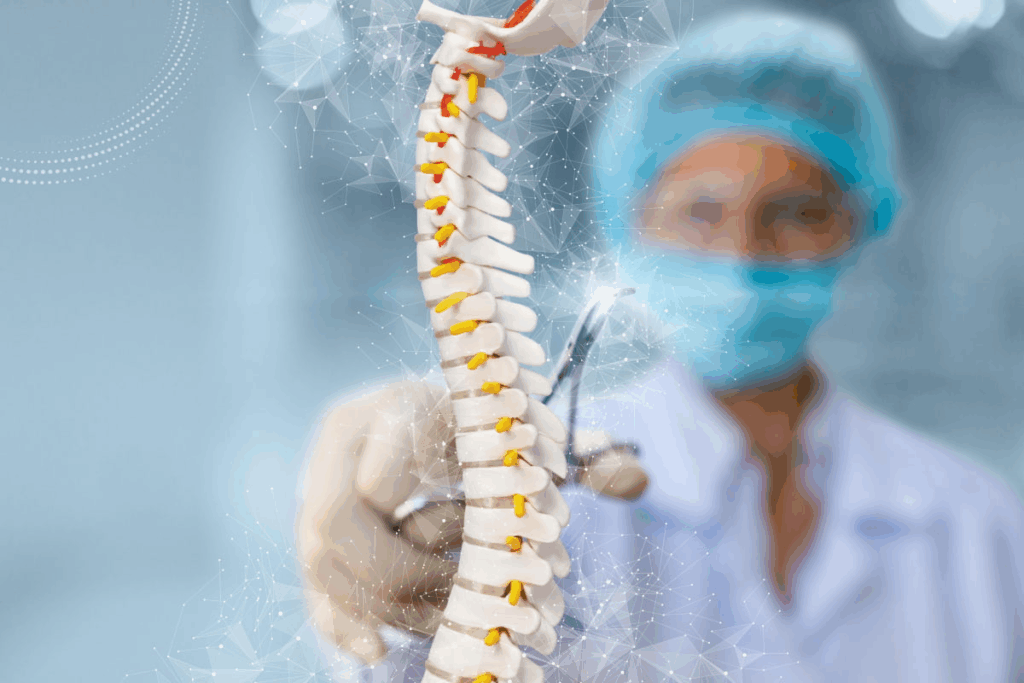
Nearly 500,000 spinal fusion surgeries happen every year in the U.S. They greatly improve life for many patients. But, it’s key to know the restrictions after surgery for a good recovery. After spinal fusion, many wonder what activities they can’t do anymore spinal fusion restrictions.
It’s important to avoid bending and no heavy lifting to prevent problems and help the spine heal. In this article, we’ll look at the main restrictions and what you can’t do after surgery.

For many, spinal fusion surgery is a hope for chronic back pain relief. It fuses vertebrae to stabilize the spine. We’ll dive into the details of this procedure, its common reasons, and the healing process.
Spinal fusion is a surgery that joins vertebrae together. It uses bone grafts, rods, or other devices for stability. This can reduce pain from vertebrae movement. It’s often done for degenerative disc disease, spinal stenosis, or scoliosis.
People get spinal fusion for several reasons, including:
These issues can cause a lot of pain and discomfort. Spinal fusion surgery aims to stabilize the spine and relieve pain.
The healing after spinal fusion surgery takes months. Patients must be careful with their movements and activities. The recovery starts with rest and gradually increases under a healthcare provider’s guidance.
Understanding the recovery timeline is key. Full recovery and vertebrae fusion can take a year or more. Following post-surgery rules is vital for success.

After spinal fusion surgery, it’s important to know why certain restrictions are needed. This surgery joins two or more vertebrae together. It uses bone grafts, rods, or other devices to do this. The healing process takes time, and some activities can harm it.
Restrictions after spinal fusion help protect the surgical site. Activities like bending, twisting, or heavy lifting can stress the spine. This can harm the fusion process. Avoiding these activities reduces the risk of complications.
For spinal fusion to work, bone growth is key. The bone graft needs time to integrate with the vertebrae. This can take several months. Restrictions on twisting and bending help the bone graft grow without stress.
Spinal fusion often uses rods and screws for stability. While durable, this hardware can fail under high impact. Activities like contact sports or excessive strain can damage it. Avoiding these activities prevents hardware issues.
In summary, post-spinal fusion restrictions protect the site, aid bone growth, and prevent hardware problems. By following these restrictions, patients can greatly improve their recovery chances.
Right after surgery, it’s key to follow certain rules to make sure the surgery works well. You need to be careful with how you move and what you do. This helps avoid any pain or harm.
It’s important to not move too much to avoid stressing the surgery area. You should slowly start moving more as you feel okay, but avoid sudden movements. It’s best to do gentle exercises as your doctor suggests. This keeps you flexible without hurting yourself.
Even simple tasks like bathing or cooking might need to change because you can’t move as much. Using a shower chair or getting help with heavy things can really help. One patient said, “Changing my daily routine was tough, but knowing it was for my recovery made it easier.”
Following these rules and making the right changes can really help you recover well. Always listen to what your healthcare team says. They know best to help you get the best results.
After spinal fusion surgery, patients must follow certain rules. These rules help the spine heal and prevent problems. They are key for a good recovery.
Some activities are off-limits for a while after surgery. This lets the spine heal right. Here are a few examples:
These rules usually last a few months. How long depends on how well you heal and what your doctor says.
Some activities might be off-limits forever after spinal fusion. This depends on the surgery and your health. Here are a few examples:
Talking to your surgeon about these rules is important. They can tell you what you can and can’t do.
The rules after spinal fusion surgery are to keep the area safe. They help the bone grow right and avoid problems with the hardware. Knowing why these rules exist helps patients follow them better.
Following these rules is very important for your spine’s health in the long run. Making smart choices in your lifestyle can help you stay active and happy while keeping your spine safe.
Knowing the limits of bending and twisting is key to a good recovery after spinal fusion. These actions, found in everyday life, can harm the spinal fusion area if not done right.
Bending and twisting put too much stress on the spine, which can harm the fusion area. This stress might cause hardware failure or a bad fusion. We tell patients to be careful during the healing time.
Tasks that need bending or twisting, like lifting heavy things or doing some household tasks, need caution. It’s important to know these actions are not banned but should be done carefully or avoided when possible.
Even though bending and twisting should be avoided, some tasks are necessary. In these cases, we suggest using safe ways to do things. For example, instead of bending to pick up something, use a long-handled grabber or ask for help.
Changing daily tasks can also help lessen the need for bending and twisting. Simple adjustments, like keeping things you use often at waist level or using a reacher for high shelves, can help a lot.
There are many tools to help patients avoid bending and twisting. These include:
Using these tools can greatly lessen the strain on the spine during recovery. We suggest patients try these options to find what suits them best.
Heavy lifting can harm the fusion site after spinal fusion. It’s important for patients to know the restrictions for a smooth recovery.
The weight you can lift after spinal fusion surgery depends on where the fusion is. People with lumbar fusions should not lift more than 10-20 pounds for a few months. Those with cervical fusions might have stricter rules because the neck area is very sensitive.
Even though heavy lifting is not recommended, sometimes it’s unavoidable. When lifting is necessary, using the right techniques is key to avoid injury.
By using these techniques, you can protect your spine while lifting.
If your job requires heavy lifting, you might need to make changes during recovery. This could mean taking a break, changing your job tasks, or using tools to help you.
Key Considerations:
By following these guidelines, you can lower the risks of heavy lifting after spinal fusion surgery.
Knowing which high-impact activities to stay away from is key for a good recovery after spinal fusion. These activities can stress the spine too much. This stress can harm the fusion site and slow down healing.
Running and jumping are big no-nos after spinal fusion surgery. They can stress the spinal hardware and fusion site a lot. It’s very important to avoid these activities to help the fusion heal right and keep the hardware in place.
The hardware in fusion surgery, like rods and screws, helps stabilize the spine while it heals. But, high-impact activities can stress this hardware too much. This could cause it to fail or loosen. It’s vital to avoid activities that could harm the spinal hardware.
High-impact activities also raise the risk of wear and tear on the spinal segments next to the fusion site. This is called adjacent segment degeneration. Activities like these can speed up this wear and tear. Reducing stress on the spine can help lower this risk.
In short, avoiding high-impact activities like running and jumping is critical for those who’ve had spinal fusion surgery. By understanding the risks, patients can protect their spine and ensure a good recovery.
It’s important to know how spinal fusion affects sports and fun activities. After surgery, you might need to change what sports you play. This is to keep you safe and avoid injuries.
Contact sports, like football and hockey, are not good after spinal fusion. These sports have a lot of physical contact. This can hurt your spine after surgery.
We tell patients to stay away from these sports. It helps prevent problems with the hardware in your spine.
Golf and tennis might also be off-limits. These sports involve twisting, which can stress your spine. It’s best to talk to your doctor about what’s safe for you.
Even though some sports are not allowed, there are safe options. Swimming, cycling, and walking are great. They help you stay active without hurting your spine.
Sport/Activity | Suitability After Spinal Fusion |
Swimming | Recommended |
Cycling | Recommended |
Golf | Modify or Avoid |
Tennis | Modify or Avoid |
Football | Not Recommended |
Rugby | Not Recommended |
Hockey | Not Recommended |
Driving and travel are key parts of getting better after spinal fusion surgery. Knowing the rules for driving and traveling helps patients feel safe and comfortable.
When you can drive again depends on how you feel. You should wait until you can do emergency stops easily and aren’t on pain meds. This usually takes a few weeks, but it varies.
Before you start driving, think about these things:
Traveling far needs some changes to stay comfortable and avoid problems. Sitting for too long can lead to blood clots and stiffness. So, it’s important to get up and move often.
Here are some tips for long trips:
For car trips, adjust your seat and use supports to feel better. When flying, choose aisle seats to move around easier.
There are more ways to make travel comfy after spinal fusion surgery.
Travel Tip | Description | Benefit |
Pack Light | Avoid heavy luggage | Reduces strain on your back |
Use Supportive Devices | Lumbar rolls or back supports | Enhances comfort during travel |
Plan Ahead | Research accessible destinations | Reduces stress and discomfort |
By using these tips and listening to your body, you can have a safer and more enjoyable trip after spinal fusion surgery.
After spinal fusion surgery, many face challenges returning to work. They need to make adjustments to smoothly get back to their jobs.
Desk jobs can be tough after surgery. Ergonomic accessories like standing desks and ergonomic chairs help. It’s also key to take breaks to stretch.
Talking to employers about work changes is a good idea. This could mean flexible hours or easier tasks.
Physical labor jobs are hard after spinal fusion. Knowing your limits is key.
Task | Recommended Limitation | Alternative |
Heavy Lifting | Avoid for at least 6 weeks | Use mechanical aids or ask for assistance |
Bending/Twisting | Minimize for 3 months | Use ergonomic tools or adjust work technique |
Prolonged Standing | Take regular breaks | Use anti-fatigue mats or change positions |
Some jobs may be too hard after surgery, leading to a career change. This is a tough choice, but health comes first.
Vocational rehabilitation helps find jobs that are easier. It offers training and support for new career paths.
Making the right adjustments helps people get back to work after spinal fusion. It’s about balancing work and health.
It’s important to know about long-term spinal fusion restrictions to keep your spine healthy. After you recover, you need to follow some rules to avoid problems and keep the fusion strong.
After a year, some rules might get easier. You can start doing more things. But, always check with your doctor first.
Even when some rules get easier, you should always be careful. This is to protect your spine and avoid any problems with the hardware.
Don’t lift heavy things, bend, or twist. Also, pay attention to how you sit and move.
It’s very important to protect the segments next to the fusion. These segments can wear out or get hurt easily.
Risk Factor | Description | Preventive Measure |
Adjacent Segment Degeneration | Wear and tear on spinal segments next to the fusion | Regular exercise, maintaining a healthy weight |
Hardware Complications | Issues with the hardware used in the fusion | Regular follow-up with healthcare provider |
Even with spinal fusion restrictions, you can do many low-impact activities. These help keep you fit and feeling good.
Low-impact exercises are key for staying strong and flexible after surgery. Here are some great choices:
Many fun activities can be changed to fit spinal fusion needs. For instance:
Activity | Modification |
Golf | Avoid twisting; use a golf cart instead of walking |
Tennis | Focus on doubles or modified serves to reduce strain |
Hiking | Choose flat trails; avoid heavy backpacks |
To stay active safely after spinal fusion, remember:
By picking low-impact activities and adjusting fun activities, you can lead a happy and active life after spinal fusion surgery.
Core strengthening and physical therapy are key to better spinal fusion surgery results. They help improve spinal stability and reduce complications. This leads to a faster recovery.
Core strength is essential for spinal stability after fusion surgery. The core muscles support the spine, helping maintain posture and reduce strain. A strong core minimizes injury or degeneration risks.
Several exercises are recommended for core strengthening after spinal fusion surgery. These include:
Exercise | Description | Repetitions |
Pelvic Tilts | Lie on your back with knees bent, tilt your pelvis upwards and then back down. | 10-15 |
Bridging | Lie on your back with knees bent, lift your hips off the ground. | 10-15 |
Physical therapists are vital in creating a personalized exercise plan. They help patients learn exercises safely and effectively. This ensures the best results from spinal fusion surgery.
Combining core exercises with physical therapy greatly improves recovery. It’s important to work with healthcare professionals for a tailored plan. This promotes optimal spinal health.
After spinal fusion surgery, it’s important to follow specific recovery rules. These rules should match your unique situation. Every spinal fusion is different, so your recovery plan should be too.
Your doctor will look at several things to decide on your recovery rules. They’ll consider the type of fusion, where it is, and how many levels are involved. Knowing these details helps you recover better.
The area of your fusion affects your recovery rules. For example, fusions in the neck (cervical) might mean you need to be careful with your head. Fusions in the mid-back (thoracic) could limit heavy lifting or bending. And fusions in the lower back (lumbar) might restrict heavy lifting, bending, or twisting.
It’s important to remember that your recovery rules are based on your specific fusion. For instance, someone with a fusion in the lower back might need to avoid heavy lifting for a longer time than someone with a fusion in the mid-back.
The number of levels in your fusion also matters. Fusions that involve more levels usually need a more careful approach. This is because they cover a larger area of the spine, which can increase the risk of problems if not managed right.
Your surgeon is the best person to guide you on recovery rules. They can give you advice tailored to your surgery, health, and lifestyle. It’s important to talk openly with your surgeon about your daily life, work, and any worries you have.
By working closely with your healthcare team and following their advice, you can recover with confidence. This approach helps you avoid risks and get the most from your spinal fusion surgery.
Knowing the signs you’ve gone too far after spinal fusion surgery is key. Your spine must heal slowly. Going beyond what’s safe can cause big problems.
If you notice these signs, get help right away:
Spinal fusion might use rods, screws, and cages to help your spine heal. But, these tools can cause problems if you don’t follow your doctor’s orders.
Hardware Complication | Symptoms |
Loosening of screws | Pain, instability |
Rod breakage | Sudden pain, deformity |
Infection around hardware | Fever, redness, swelling |
If you have odd symptoms or worries after spinal fusion, reach out to your surgeon. They can tell if you’re okay or need to see a doctor fast.
Recovering from spinal fusion is tough. But knowing the warning signs can help a lot. Always listen to your surgeon and tell them about any issues quickly.
Living with spinal fusion limitations means knowing what you can and can’t do. It’s about making lifestyle changes and keeping your spine healthy. Working with your surgeon and healthcare team is key. They help you create a plan for a successful recovery and avoid complications.
Getting advice that fits your needs is important. Your surgeon can guide you on how to manage your spinal fusion. This way, you can stay active and enjoy life while keeping your spine stable.
Keeping your spine healthy is a long-term effort. Stick to the recommended restrictions and make healthy choices. This helps prevent further problems and improves your quality of life.
Understanding and following spinal fusion limits helps you move forward confidently. It leads to a more stable and healthy spine.
After spinal fusion surgery, you should avoid heavy lifting and bending. Twisting and high-impact activities like running are also off-limits. Sports that involve contact or rotation, such as golf, are restricted too.
The time you need to follow spinal fusion restrictions varies. It depends on your condition and the surgery type. Always talk to your surgeon to know the specific rules and how long they last.
Yes, but choose low-impact exercises that don’t stress your spine too much. Yoga, swimming, or cycling might be good options. Always check with your surgeon or physical therapist for a personalized plan.
Yes, lifting heavy things is usually not allowed. The weight limit depends on where the fusion is. Always lift correctly and consider your job when lifting.
Driving is often not allowed right after surgery. Wait until you feel comfortable and confident. When you start driving again, take breaks during long trips to avoid sitting too long.
To prevent degeneration, avoid high-impact activities and keep a healthy weight. Regular exercise is also key. Strengthening your core can help keep your spine stable.
Pain, numbness, or tingling could mean you’ve done too much. Excessive stress can also harm your hardware. If you notice any unusual symptoms, reach out to your surgeon.
Yes, but you might need to change your activities to protect your spine. Low-impact activities like walking or swimming are good. Always check with your surgeon to find the best activities for you.
Stay active with low-impact exercises and modified activities. Focus on strengthening your core. Work with your surgeon and healthcare team to create a plan that keeps your spine healthy and stable.
National Center for Biotechnology Information. Spinal fusion activity restrictions postoperative considerations. Retrieved from https://www.ncbi.nlm.nih.gov/books/NBK572097/
