Last Updated on November 27, 2025 by Bilal Hasdemir

Having spinal fusion surgery is a big step towards lessening back pain and better living. Yet, worries about the surgery scar are common. At Liv Hospital, we know how vital it is to get great results and to keep our patients informed about recovery.
The size and look of a spinal fusion scar can change a lot based on the surgery method. For example, less invasive methods aim to cause less damage and heal faster, which might lead to smaller scars. Research shows that problems with the wound after spine surgery are rare, happening in about 2.2 percent of cases.
We’ll share 7 important facts and useful tips for dealing with scars and improving your healing journey.
Key Takeaways
- Scars from spinal fusion surgeries vary in size and appearance.
- Minimally invasive surgical techniques can result in smaller scars.
- Wound complications after spine surgery are relatively rare.
- Proper post-operative care is key for the best healing.
- Knowing the details of your surgery helps manage your expectations.
What Happens During Spinal Fusion Surgery
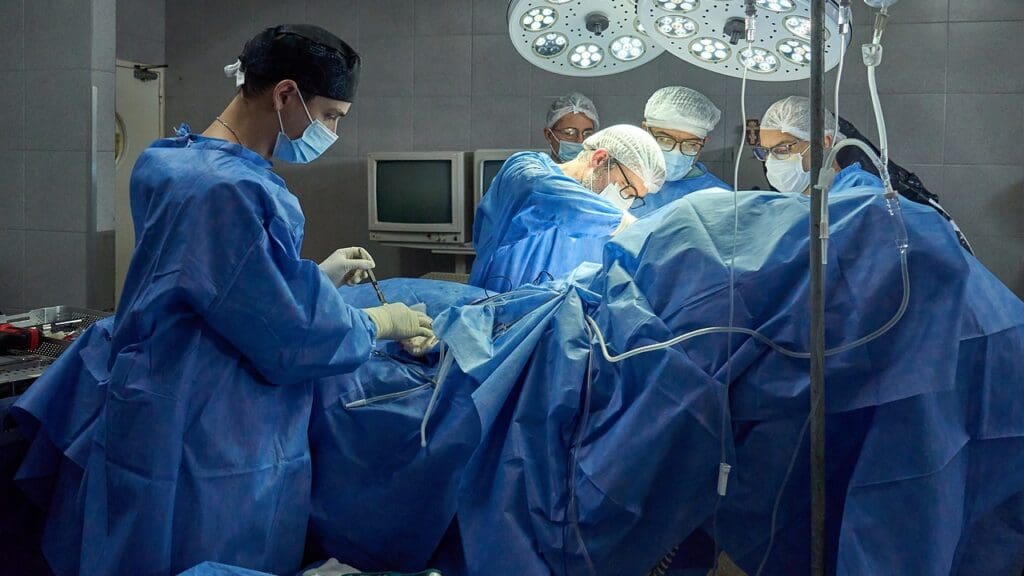
Knowing what happens during spinal fusion surgery helps patients get ready. This surgery joins two or more vertebrae together. It treats many spinal problems.
Common Reasons for Undergoing Spinal Fusion
People get spinal fusion for many reasons. These include degenerative disc disease, spondylolisthesis, and spinal deformities. It also helps with trauma. The goal is to stop pain and make the spine stable.
Different Surgical Approaches Used
There are many ways to do spinal fusion surgery. For the neck, doctors use anterior cervical discectomy and fusion (ACDF). For the lower back, they use lumbar spinal fusion. The choice depends on the patient’s needs and the doctor’s advice.
How the Fusion Process Works
The fusion process uses bone grafts and sometimes cages or other devices. These help stabilize the spine and grow bone between vertebrae. This makes the spine solid, reducing pain and improving stability.
| Surgical Approach | Description | Typical Use |
|---|---|---|
| Anterior Cervical Discectomy and Fusion (ACDF) | Access through the front of the neck | Cervical spine conditions |
| Lumbar Spinal Fusion | Access through the back or side | Lumbar spine conditions |
Fact 1: Understanding Your Spinal Fusion Surgery Scar
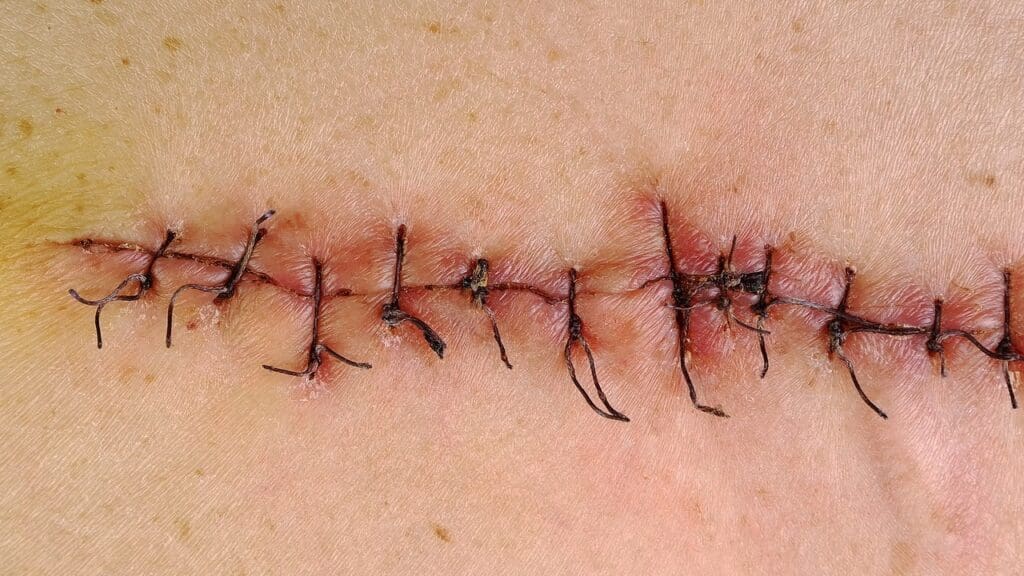
Knowing about your spinal fusion surgery scar is key for a good recovery. The scar is a natural part of healing after surgery.
Typical Appearance in the First Few Weeks
In the first weeks after surgery, your spinal fusion surgery scar might look red, swollen, or feel different. This is normal. The scar might look more obvious as it heals, but it usually gets less noticeable over time.
How Surgical Approach Affects Scar Location
The scar’s look and where it is can change based on the surgery type. For example, open surgery might leave a longer scar. But, smaller scars can come from less invasive methods. Knowing your surgery type helps guess the scar’s look and where it will be.
Normal Signs of Healing vs. Warning Signs
It’s important to know the difference between healing signs and trouble. Normal healing might include some redness, swelling, and itchiness. But, signs like more redness, pus, or a bad smell mean you need to see a doctor right away.
| Normal Healing Signs | Warning Signs |
|---|---|
| Mild redness and swelling | Increased redness or swelling |
| Itching around the scar | Pus or discharge from the scar |
| Gradual improvement | Foul odor from the scar site |
Fact 2: Size and Appearance Variations of Back Surgery Scars
The size and look of back surgery scars depend on the surgery type. Traditional open surgeries often lead to bigger scars. On the other hand, minimally invasive methods result in smaller scars.
Traditional Open Surgery vs. Minimally Invasive Techniques
Open surgeries need bigger cuts for better access. This means longer scars. But, smaller incisions in minimally invasive surgeries lead to smaller scars.
L5-S1 Fusion Scar Characteristics
L5-S1 fusion scars are unique because of their location. The scar’s look can change based on the surgery method used.
Lumbar Fusion Scar Typical Dimensions
The size of lumbar fusion scars varies with the surgery method.
Posterior Approach Measurements
Scars from posterior approaches are usually longer. They can be 3 to 6 inches long.
Anterior Approach Measurements
Scars from anterior approaches are smaller. They are typically 2 to 4 inches long.
| Surgical Approach | Typical Scar Length |
|---|---|
| Posterior | 3-6 inches |
| Anterior | 2-4 inches |
Knowing these differences helps patients prepare for surgery and recovery. It’s key to talk to your surgeon about your scar expectations.
Fact 3: The Complete Healing Timeline for Spine Surgery Scars
After spinal fusion surgery, the scar healing process unfolds in several stages. It starts with wound closure and ends with long-term maturation. Knowing these stages helps patients manage their recovery better.
Immediate Post-Operative Phase (Days 1-7)
In the first week, the focus is on closing the wound and preventing infection. Patients might see redness, swelling, and some pain around the incision. It’s important to follow the surgeon’s instructions and take good care of the wound.
Early Healing Phase (Weeks 2-4)
As the wound closes, the scar starts to form. The site might be red and slightly raised. Patients can start gentle scar massage and mobilization to help the scar heal well.
Intermediate Phase (Months 1-3)
In this phase, the scar keeps maturing. It may become less red and start to flatten. Patients can slowly increase their activity, but should avoid too much stress on the spine.
Maturation Phase (3 Months to 2 Years)
The final stage of healing can last up to two years. During this time, the scar will fade and become less noticeable. Proper care, including massage and sun protection, can help improve the scar’s appearance.
| Phase | Timeline | Characteristics |
|---|---|---|
| Immediate Post-Operative | Days 1-7 | Wound closure, redness, swelling |
| Early Healing | Weeks 2-4 | Scar formation, redness, slight raising |
| Intermediate | Months 1-3 | Scar maturation, reduced redness, flattening |
| Maturation | 3 Months to 2 Years | Continued scar fading, improved appearance |
Understanding the scar healing process helps patients navigate their recovery. It leads to better results from spinal fusion surgery.
Fact 4: Wound Complications and Their Impact on Scarring
It’s important to know about wound complications after spine surgery. Spinal fusion surgery is usually safe. But, wound issues can happen, affecting how the scar looks and heals.
Infection Rates and Risk Factors
About 2.2% of spine surgery patients get wound infections. Diabetes, obesity, and smoking increase this risk. Good wound care and managing these risks are key to avoiding infections.
Dehiscence: Causes and Management
Dehiscence is when the surgical wound opens up again. It can be due to infection, too much tension, or bad wound closure. To manage it, you need to fix the cause and take good care of the wound.
Hypertrophic Scars and Keloids After Spine Surgery
Raised scars, like hypertrophic and keloids, can form after surgery. Hypertrophic scars usually stay within the incision. Keloids, on the other hand, can spread beyond the incision.
Epidural Scarring and Fibrosis: What Patients Should Know
Epidural scarring and fibrosis happen when scar tissue forms around nerves and the dura mater after surgery. This can cause ongoing pain or nerve issues. It’s vital to understand these risks and talk to your surgeon about them.
Several things can affect wound complications:
- Patient health conditions (e.g., diabetes, obesity)
- Lifestyle factors (e.g., smoking)
- Surgical technique and post-operative care
By knowing these factors and taking steps to prevent them, patients can reduce wound complications. This helps in better healing and scar appearance.
Fact 5: Success Rates and Factors Affecting Spinal Fusion Outcomes
It’s important to know how well spinal fusion works. This surgery joins vertebrae to stabilize the spine and ease pain. Both patients and doctors need to understand this.
Understanding the 70-90% Success Rate
Spinal fusion surgery works well for most people, with a success rate of 70 to 90 percent. This success comes from better surgery methods, choosing the right patients, and caring for them well after surgery.
| Success Rate Factors | Description | Impact on Success Rate |
|---|---|---|
| Surgical Technique | Modern minimally invasive techniques | Increased precision, reduced recovery time |
| Patient Selection | Careful evaluation of patient health | Better outcomes due to reduced risk factors |
| Post-operative Care | Comprehensive rehabilitation programs | Enhanced healing, reduced complications |
Factors That Influence Fusion Success
Many things can affect how well spinal fusion works. The surgery method, the patient’s health, and following post-op advice are key. Proper wound healing is also vital, as problems can harm the fusion success.
How Proper Wound Healing Contributes to Overall Success
Healing the wound right is key for spinal fusion success. Issues like infection can slow healing and hurt the fusion. By taking care of the wound and following advice, patients can boost their chances of a good outcome.
Tip 1: Essential Wound Care for Optimal Healing
After spinal fusion surgery, wound care is key for healing. We know that proper care helps avoid problems and aids in a smooth recovery.
Proper Incision Cleaning Techniques
Cleaning your incision site is vital to prevent infection. Gently wash the area with mild soap and lukewarm water. Avoid harsh or abrasive cleansers as they can irritate the skin and slow healing.
Dressing Change Protocols
Changing your dressing as your healthcare provider directs is critical. This means removing the old dressing, cleaning the incision, and applying a new one. Always follow your surgeon’s specific instructions for dressing changes.
Showering and Bathing Guidelines
Showering and bathing after spinal fusion surgery must be done carefully. Generally, patients should avoid getting the incision wet until it’s fully healed. When showering, gently clean the incision with mild soap and pat it dry.
| Activity | Guideline |
|---|---|
| Showering | Gently clean the incision with mild soap and lukewarm water |
| Bathing | Avoid submerging the incision until fully healed |
| Dressing Change | Follow surgeon’s instructions for frequency and technique |
Activity Restrictions to Protect Your Incision
To protect your incision and aid in healing, follow activity restrictions. Avoid heavy lifting, bending, or twisting, as these can strain your spine and harm the incision. Follow your surgeon’s guidelines for gradually returning to normal activities.
By following these wound care tips, you can greatly help your recovery after spinal fusion surgery. Remember, proper wound care is a vital part of your healing journey.
Tip 2: Nutrition and Lifestyle Factors for Better Scar Healing
Eating right and living healthy are key for healing scars after spinal fusion. We suggest focusing on certain nutrients and lifestyle changes to help you recover.
Key Nutrients That Accelerate Wound Healing
Some nutrients are very important for healing wounds. These include:
- Protein: It’s vital for fixing and growing new tissue
- Vitamin C: It helps make collagen and keeps your immune system strong
- Zinc: It supports enzymes and your immune system
- Omega-3 fatty acids: They reduce inflammation and aid in healing
Hydration Requirements During Recovery
Drinking enough water is essential for healing. We suggest drinking 8-10 glasses of water daily. This helps your body heal and form healthy scars.
Smoking Cessation and Its Impact on Fusion Success
Smoking can slow down healing and lower the success of spinal fusion. Quitting is key for the best recovery and scar healing.
Sleep Positions That Protect Your Incision
To keep your incision safe while sleeping, try these:
- Sleep on your back with a pillow under your knees
- Avoid sleeping on your stomach or directly on the incision
- Use pillows to support your body and stay comfortable
Tip 3: Physical Therapy and Rehabilitation Strategies
Physical therapy and rehabilitation are key to healing after spinal fusion surgery. Start with gentle exercises and slowly increase the intensity as you get more comfortable and progress.
Safe Timeline for Beginning Physical Therapy
Patients can start physical therapy 6-12 weeks after surgery. This depends on how well you’re healing and your doctor’s advice. Early movement helps avoid problems and leads to better results.
Exercises That Promote Healing Without Compromising the Incision
Begin with simple stretches and breathing exercises. As you heal, add exercises to strengthen your core and back. Avoid heavy lifting, bending, or twisting to protect the surgery site.
Scar Tissue Mobilization Techniques
When the incision heals, start scar tissue mobilization. Use gentle massage, exercises, and silicone gel or sheeting to make scars look better and feel looser.
Long-term Rehabilitation Goals
The main goal of rehab is to get you moving well, reduce pain, and improve your life quality. A good physical therapy plan helps you reach these goals and get back to your usual activities.
| Rehabilitation Phase | Typical Timeline | Goals and Activities |
|---|---|---|
| Initial Recovery | 0-6 weeks | Gentle stretching, pain management, gradual mobilization |
| Strengthening | 6-12 weeks | Progressive strengthening exercises, core stabilization |
| Advanced Rehabilitation | 3-6 months | Functional training, sports-specific training, advanced strengthening |
Tip 4: Medical and Cosmetic Treatments for Improving Scar Appearance
Many treatments can make scars from spinal fusion surgery look better. These options are great for those worried about how their scar looks. We’ll look at some treatments that can really help.
Topical Treatments: Silicone Gels and Sheets
Topical treatments are a good start to fight scarring. Silicone gels and sheets are popular because they make scars look better. They work by keeping the scar tissue moist, which can make it look flatter and softer.
Steroid Injections for Problematic Scars
Steroid injections are good for raised or keloid scars. They reduce swelling and can make the scar look less noticeable. A doctor will give these injections, and you might need more than one.
Laser and Light Therapies
Laser and light therapies are advanced ways to improve scars. They help by making the skin look better and feel smoother. The right laser or light treatment depends on the scar and your skin.
Surgical Scar Revision: When Is It Appropriate?
In some cases, surgical scar revision is needed. This means the surgeon will remove and then close the scar again. It’s for scars that are too wide, raised, or look bad. Talking to a surgeon is key to see if this is right for you.
| Treatment | Description | Benefits |
|---|---|---|
| Silicone Gels/Sheets | Topical application to hydrate scar tissue | Improves scar texture, reduces appearance |
| Steroid Injections | Injected into raised or keloid scars | Reduces inflammation, flattens scar tissue |
| Laser/Light Therapies | Promotes collagen remodeling | Improves skin texture, reduces scar appearance |
| Surgical Scar Revision | Surgical removal and re-closure | Can significantly improve scar appearance |
For more info on caring for your scars after surgery, check out MSKCC’s patient education page on scar care.
When to Contact Your Surgeon About Scar Concerns
Knowing when to reach out to your surgeon about scar worries is key to a good recovery. After spinal fusion surgery, you might have questions about your scar and how it’s healing. But, some signs could mean you need to see your surgeon right away.
Red Flags That Require Immediate Medical Attention
Watch out for these signs and call your surgeon fast: if the redness or swelling around your incision gets worse, if you see pus or discharge, smell something bad, or have a fever over 101.5°F (38.6°C). These could mean you have an infection that needs quick treatment.
Distinguishing Normal Healing from Complications
Healing usually means some redness, swelling, and discomfort. But, these should get better over time. If they don’t, or get worse, it might be a sign of a problem. “It’s important to know how your body reacts to surgery and ask for help if you’re not sure,” says -Dr. a top orthopedic surgeon.
Questions to Ask During Follow-up Appointments
At your follow-ups, ask your surgeon about healing, your scar worries, and what’s next. Good questions include: “Is my scar healing right?” “How can I make my scar look better?” and “What complications should I watch for?”
Being informed and active helps you recover smoothly and deal with scar worries well.
Conclusion: Embracing Your Recovery Journey
Your recovery from spinal fusion surgery is special. Taking good care of your wound and following a rehabilitation plan is key. We’ve talked about the surgery, what scars look like, and how they heal.
Stay active in your recovery. Follow your doctor’s advice on wound care and go to physical therapy. Eating well and staying healthy also helps your body heal. This way, you can avoid problems and get the best results from your surgery.
Recovering can be tough, both in body and mind. Don’t hesitate to ask for help from your healthcare team, family, or friends. By being involved in your care, you can face the challenges of recovery with confidence. This will help you heal well from your surgery and improve your scar healing.
FAQ
What is the typical size and appearance of a spinal fusion surgery scar?
The size and look of a spinal fusion surgery scar can change. It depends on the surgical method used. Smaller scars are common with minimally invasive techniques. Open surgery might lead to bigger scars.
How long does it take for a spinal fusion surgery scar to heal?
Healing a spinal fusion surgery scar can take up to 2 years. It goes through four stages: right after surgery, early healing, then two more stages.
What are the common wound complications that can impact scarring after spine surgery?
Wound issues like infection, dehiscence, and scarring can affect your scar. Also, epidural scarring and fibrosis are possible.
How can I promote optimal healing of my spinal fusion surgery scar?
To help your scar heal well, follow wound care tips. Eat right, drink plenty of water, and avoid smoking. Also, stick to activity limits to protect your incision.
What are the benefits of physical therapy and rehabilitation after spinal fusion surgery?
Physical therapy and rehab help your scar heal better. They improve your movement and lower the risk of problems after surgery.
Are there any medical or cosmetic treatments available to improve the appearance of my spinal fusion surgery scar?
Yes, there are treatments like silicone gels and sheets, steroid shots, and laser therapies. You can also consider scar revision surgery.
When should I contact my surgeon about concerns with my spinal fusion surgery scar?
Reach out to your surgeon if you see red flags like more redness, swelling, or drainage. Or if you’re worried about your scar’s look.
What are the success rates of spinal fusion surgery, and how does proper wound healing contribute to overall success?
Spinal fusion surgery works for 70-90% of people. Good wound healing is key to the best results.
How can I distinguish between normal healing and possible complications with my spinal fusion surgery scar?
Watch your scar for signs of healing, like it looking better. Be alert for warning signs of problems, like more redness or swelling.
What questions should I ask during follow-up appointments about my spinal fusion surgery scar?
Ask your surgeon about your scar’s expected look, any worries you have, and how to help it heal best.