Last Updated on December 2, 2025 by Bilal Hasdemir

Spinal stenosis affects millions, causing pain and limiting movement. It happens when the spinal canal narrows. This puts pressure on the spinal cord and nerves. Get the definitive answer: can you live with severe spinal stenosis without surgery? Understand the risks and non-surgical management options clearly.
Symptoms include back pain, leg pain, numbness, tingling, and weakness. Many wonder if they can live with severe spinal stenosis without surgery.
While surgery is often considered, many seek alternative treatments. These treatments aim to ease symptoms and improve life quality.
Non-surgical treatments, or conservative care, offer several options. We will look into these alternatives and their benefits.
Key Takeaways
- Spinal stenosis is a common condition causing back and leg pain.
- Severe cases can significantly impact daily life.
- Non-surgical treatments are available for managing symptoms.
- Conservative care can improve quality of life.
- Alternative treatments can alleviate pain and discomfort.
Define: Living with Severe Spinal Stenosis Without Surgery

Spinal stenosis happens when the spinal canal gets smaller. This puts pressure on the spinal cord and nerves. It can make life hard, depending on how bad it is.
Definition and Anatomy of Spinal Stenosis
The spine has vertebrae, discs, and nerves. Spinal stenosis is when the spinal canal gets smaller. This can happen because of age, bulging discs, or thickened ligaments.
This narrowing can press on the spinal cord and nerves. This can cause pain and other symptoms.
Classification of Severity Levels
Spinal stenosis can be different in how bad it is. Doctors use these levels to decide how to treat it.
| Severity Level | Description | Symptoms |
| Mild | Minimal narrowing of the spinal canal | Intermittent pain or discomfort |
| Moderate | Noticeable narrowing with some nerve compression | Frequent pain, numbness, or tingling |
| Severe | Significant narrowing with substantial nerve compression | Persistent and severe pain, weakness, or loss of bladder control |
The narrowing of the spinal canal can lead to nerve compression. This is a big part of spinal stenosis. Nerve compression can cause pain, numbness, tingling, and weakness in the back, legs, or arms.
Knowing about spinal stenosis is key to finding the right treatment. Doctors use these severity levels to make a treatment plan that fits each person’s needs.
Recognizing Symptoms of Severe Spinal Stenosis
It’s important to know the signs of severe spinal stenosis early. This condition can make simple tasks hard. It affects how well you can live your daily life.
The symptoms of spinal stenosis depend on where and how bad it is. When the spinal canal narrows, it can press on nerves. This causes pain, numbness, and tingling.
Lumbar Spinal Stenosis Symptoms
Lumbar spinal stenosis is in the lower back. It can cause several symptoms, including:
- Leg pain: Pain or cramping in the legs, often when walking or standing.
- Numbness or tingling: Feeling numb or tingling in the legs or feet.
- Weakness: Muscle weakness in the legs, making it hard to stand or walk.
These symptoms can get worse if not treated. This can really affect how you move and live on your own.
Cervical Spinal Stenosis Symptoms
Cervical spinal stenosis is in the neck. It can cause:
- Neck pain: Pain or stiffness in the neck.
- Arm pain or numbness: Pain, numbness, or tingling in the arms or hands.
- Coordination and balance issues: Trouble with coordination and balance, which can lead to falls.
In severe cases, it can cause serious weakness or paralysis in the arms or legs.
Knowing these symptoms is the first step to getting the right medical help. Early treatment can greatly improve life for those with severe spinal stenosis.
How Doctors Diagnose and Assess Spinal Stenosis Severity
Doctors use a detailed approach to diagnose spinal stenosis. They use advanced imaging and thorough clinical checks. This method helps them understand how severe the condition is. Knowing this is key to creating a good treatment plan.
Imaging Techniques and Their Findings
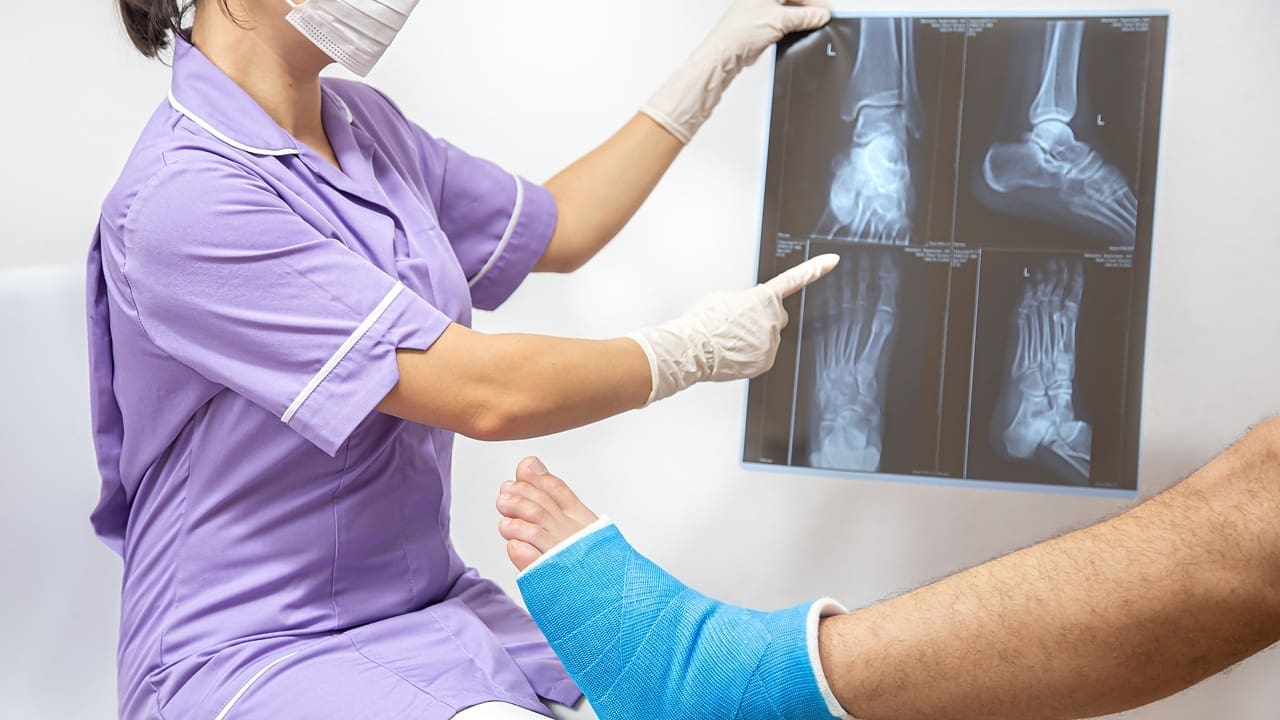
Imaging is key in diagnosing spinal stenosis. Doctors mainly use Magnetic Resonance Imaging (MRI) and Computed Tomography (CT) scans.
MRI: MRI is the top choice for spotting spinal stenosis. It shows the soft tissues like the spinal cord and nerves clearly. It can also show how severe the stenosis is and if there are other issues like disc problems.
CT Scans: CT scans are great for looking at the spine’s bones. They can spot bone spurs and other bone issues that might cause stenosis.
Other tools like X-rays and myelograms might be used too. X-rays help see the spine’s structure. Myelograms use contrast to show the spinal cord and nerves on X-rays or CT scans.
| Imaging Technique | Primary Use in Spinal Stenosis Diagnosis |
| MRI | Detailed imaging of soft tissues, nerves, and discs |
| CT Scan | Visualization of bony structures and abnormalities |
| X-ray | Initial assessment of spinal alignment and structure |
| Myelogram | Detailed visualization of spinal cord and nerve roots |
Clinical Assessments and Functional Evaluations
Clinical checks and functional tests are also vital. They help doctors understand the patient’s symptoms and how they affect daily life.
Clinical Assessments: These include a detailed medical history and physical exam. Doctors look for signs like pain and weakness. They also check how the patient walks and stands.
Functional Evaluations: These tests see how well the patient can do everyday tasks. They check strength, flexibility, and endurance. They also look at how long the patient can walk, stand, or sit.
By combining imaging and clinical assessments, doctors get a full picture of spinal stenosis. This helps them create a treatment plan that meets the patient’s needs.
Can You Live with Severe Spinal Stenosis Without Surgery?
Managing severe spinal stenosis without surgery is becoming more popular. We look into if it’s possible to live with this condition without surgery. We focus on the benefits and challenges of non-surgical care.
Understanding the Non-Surgical Approach
The non-surgical way to handle severe spinal stenosis involves a detailed plan. This includes physical therapy to boost strength and mobility. It also includes pain management with drugs or injections, and lifestyle changes like losing weight and using ergonomic tools.
Each part of this plan is key to easing symptoms and bettering life quality. By using a full treatment approach, people might skip surgery.
Success Rates and Quality of Life Considerations
Success in treating severe spinal stenosis without surgery varies. The condition’s severity, overall health, and sticking to the treatment plan matter. Many patients see their quality of life improve and symptoms lessen with non-surgical care.
But, it’s important to note that non-surgical care might not get rid of all symptoms. The aim is to manage pain and keep function, improving overall health.
Factors Influencing Non-Surgical Management Success
Several things can affect how well non-surgical care works for severe spinal stenosis. These include:
- The severity of spinal stenosis and any neurological issues
- The patient’s overall health and any other health problems
- Following the treatment plan, including physical therapy and lifestyle changes
- The success of pain management methods
Knowing these factors helps doctors create treatment plans that fit each person’s needs. This can make non-surgical management more likely to succeed.
Comprehensive Non-Surgical Treatment Options for Severe Spinal Stenosis
Managing severe spinal stenosis without surgery needs a mix of treatments. We’ll look at the different ways to help people feel better and live better lives.
Medication Management Approaches
Medicine is key in treating severe spinal stenosis symptoms. We use various drugs to ease pain and cut down inflammation. These include:
- Over-the-counter pain relievers: Such as acetaminophen or ibuprofen to manage mild to moderate pain.
- Oral steroids: To reduce inflammation and swelling.
- Nerve pain medications: Such as gabapentin or pregabalin to address nerve-related pain.
It’s important to work with a healthcare provider to find the right medicine and dosage. Everyone reacts differently to medication.
Physical Therapy Interventions
Physical therapy is a key part of non-surgical treatment for severe spinal stenosis. We create custom exercise plans to:
- Improve flexibility: Gentle stretching exercises to maintain or improve range of motion.
- Strengthen core muscles: Exercises to stabilize the spine and support the back.
- Enhance posture: Techniques to improve posture and reduce strain on the spine.
Physical therapy not only helps manage symptoms but also improves overall physical function and reduces the risk of further injury.
Alternative and Complementary Therapies
Along with traditional treatments, alternative and complementary therapies can offer extra relief. These may include:
- Chiropractic care: Spinal manipulation and adjustments to improve spinal alignment and reduce pressure on nerves.
- Acupuncture: This ancient practice involves inserting thin needles into specific points on the body to stimulate healing and pain relief.
- Massage therapy: Techniques to relax tense muscles, improve circulation, and reduce pain.
While these therapies can be beneficial, it’s important to talk to a healthcare provider before starting any new treatment. This ensures it’s safe and right for your specific condition.
By combining these non-surgical treatment options, individuals with severe spinal stenosis can create a detailed plan to manage their symptoms and keep their independence.
Advanced Pain Management Strategies
Advanced pain management is key for those with severe spinal stenosis. It greatly improves their quality of life.
Epidural Steroid Injections and Their Effectiveness
Epidural steroid injections (ESIs) are a common pain treatment for spinal stenosis. They put corticosteroids near the spinal cord. This reduces inflammation and eases nerve pressure.
Research shows ESIs can help some patients a lot. But, how long the relief lasts can vary. The severity of stenosis, other spinal issues, and the patient’s health all play a role.
| Criteria | Efficacy of ESIs | Duration of Relief |
| Severity of Stenosis | More effective in mild to moderate cases | Varies; can last several months |
| Presence of Other Conditions | Less effective with comorbid spinal conditions | Generally shorter duration |
| Patient’s Overall Health | Better outcomes in healthier patients | Longer duration in healthier patients |
Nerve Blocks and Radiofrequency Ablation
Nerve blocks inject medication into or around nerves to stop pain signals. They’re great for diagnosing and treating spinal stenosis pain.
Radiofrequency ablation (RFA) uses radio waves to heat and damage pain nerves. It can offer longer pain relief than nerve blocks.
Emerging Minimally Invasive Procedures
New, less invasive procedures are being developed for spinal stenosis. These include percutaneous spinal decompression and interspinous process spacer devices.
These new methods aim to reduce pain effectively with fewer side effects and quicker recovery. They’re less invasive than traditional surgery.
As pain management advances, it’s vital for patients to talk to healthcare experts. This helps find the best treatment plan for their needs.
Physical Therapy and Exercise: The Cornerstone of Spinal Stenosis Management
Managing severe spinal stenosis requires physical therapy and exercise. These are key to keeping independence and quality of life. Living with this condition is tough, but the right approach can lead to big improvements.
Physical therapy helps patients understand their condition. It also guides them in creating a personalized exercise plan. This plan helps manage pain, improves mobility, and boosts strength for daily tasks.
Core Strengthening and Stabilization Exercises
Core strengthening is vital in physical therapy for spinal stenosis. It enhances the muscles around the spine for better support and stability. Core exercises engage the abdominal and back muscles to improve posture and reduce spinal strain.
Examples of core exercises include planks, bridges, and pelvic tilts. It’s important to do these exercises with a physical therapist. They ensure proper form and tailor the routine to fit individual needs and limitations.
Flexibility and Posture Improvement Techniques
Improving flexibility and maintaining good posture are key in managing spinal stenosis. Stretching exercises increase flexibility, reduce stiffness, and ease pain. Gentle yoga or Pilates can be helpful, as they promote flexibility and strengthen muscles without straining the spine.
Posture improvement involves changing daily habits that affect spinal alignment. Learning to stand, sit, and sleep in ways that reduce spine pressure is important. Proper posture can greatly reduce discomfort and improve spinal health.
Spinal Stenosis Exercises to Avoid
Knowing which exercises to avoid is just as important as knowing which ones to do. Avoid heavy lifting, bending, or twisting, as they can worsen symptoms. High-impact activities like running or jumping also stress the spine.
People with spinal stenosis should work with their healthcare provider or physical therapist to create a safe exercise plan. This plan should avoid harmful movements and focus on low-impact, beneficial activities. A personalized approach ensures the exercises help manage the condition.
Daily Living Modifications for Managing Severe Spinal Stenosis
Living with severe spinal stenosis can be tough. But, there are ways to make it easier. By changing our daily habits and surroundings, we can feel better.
Ergonomic Considerations for Home and Work
Keeping our spine straight is key. Sitting right, using the right chair, and adjusting our computer monitor can help a lot.
At work, try a standing desk or stretch often. At home, use pillows and adjust your bed to ease spine strain.
Weight Management Strategies
Staying at a healthy weight is important. Too much weight can make symptoms worse.
Eat well and exercise to keep a good weight. Talk to a doctor or nutritionist for a plan that works for you.
| Nutritional Element | Benefit for Spinal Stenosis |
| Calcium | Supports bone health |
| Omega-3 Fatty Acids | Reduces inflammation |
| Antioxidants | Protects against cell damage |
Sleep Positioning and Supportive Equipment
How we sleep is very important. Sleeping on our side with a pillow between the knees helps keep our spine straight.
“Proper sleep positioning can significantly reduce spinal stenosis symptoms, improving overall quality of life.”
Using a firm mattress and orthopedic pillows can also help. They offer support and comfort.
- Use a firm mattress to maintain spinal alignment
- Consider using orthopedic pillows for additional support
- Avoid sleeping on your stomach to reduce strain on your spine
By making these changes, people with severe spinal stenosis can manage their symptoms better. This can greatly improve their life quality.
Assistive Devices and Mobility Aids for Enhanced Independence
Severe spinal stenosis doesn’t mean you have to lose your independence. There are many assistive devices and mobility aids out there. These tools help people stay mobile and do daily tasks more easily.
By using the right assistive devices, people with spinal stenosis can live better lives. They can move around more easily and do things they love without pain.
Braces and Supports: Types and Proper Use
Braces and supports are key for those with spinal stenosis. They keep the spine stable and reduce pain by limiting movement. There are many types of braces, from soft to rigid, depending on the condition and needs.
“The right brace can really help with pain and function,” says Medical Expert, an orthopedic specialist. “It’s important to talk to a doctor to find the best brace and make sure it fits right.”
Walking Aids for Improved Mobility
Walking aids like canes, walkers, and rollators offer extra support and stability. They help take pressure off the spine, making walking and daily tasks easier. When picking a walking aid, think about balance, strength, and how much support you need.
- Canes are good for those who need a little help.
- Walkers are better for people who struggle with balance.
- Rollators have more support and often have a seat for resting.
Adaptive Equipment for Activities of Daily Living
Adaptive equipment makes daily tasks easier. This includes reachers, grabbers, and dressing aids. These tools help with bathing, dressing, and cooking, making life easier and more independent.
Using assistive devices and mobility aids helps people with severe spinal stenosis stay independent. It’s important to try different options and talk to doctors to find the best ones for you.
Managing Flare-Ups and Acute Episodes Effectively
Managing acute episodes of spinal stenosis is key to a good quality of life. Severe spinal stenosis needs a proactive approach to handle flare-ups. These can be very debilitating and disrupt daily life.
Recognizing Warning Signs and Triggers
Knowing the warning signs and triggers of flare-ups is the first step. Common triggers include overexertion, standing or walking for too long, and certain positions. Being aware of these can help prevent flare-ups.
Key warning signs to watch out for include:
- Increased pain or numbness in the legs or back
- Weakness in the muscles
- Difficulty walking or standing
As one expert notes, “Early recognition of flare-up triggers can significantly reduce their impact.”
‘The ability to anticipate and prepare for possible flare-ups is a game-changer for many patients.’
Emergency Pain Relief Strategies at Home
Having effective emergency pain relief strategies at home is vital. Simple steps like using heat or cold packs, taking pain medication, and resting can help. These actions can provide quick relief.
Some recommended strategies include:
- Using a heating pad or cold pack on the affected area
- Engaging in gentle stretching exercises
- Utilizing relaxation techniques such as deep breathing or meditation
When to Seek Immediate Medical Attention
While many flare-ups can be managed at home, some need immediate medical attention. Severe symptoms like sudden loss of bladder or bowel control, severe weakness, or intense pain that doesn’t respond to treatment require urgent care.
It’s vital to seek medical help if you experience:
- Sudden severe pain
- Loss of sensation or mobility
- Failure of symptoms to improve with home treatment
Being prepared and knowing how to manage flare-ups helps those with severe spinal stenosis live more stable and predictable lives.
Psychological Aspects of Living with Chronic Spinal Stenosis
Chronic spinal stenosis is more than just a physical issue. It deeply affects the mind. It changes how people live, from simple tasks to their happiness.
Coping Strategies for Chronic Pain
Dealing with chronic pain is key when you have spinal stenosis. Good coping strategies can make life better. Here are some effective ways:
- Mindfulness and Meditation: These help lower stress and make pain easier to handle.
- Physical Therapy: Custom exercises can help manage pain and move better.
- Cognitive Behavioral Therapy (CBT): It changes how you see pain and helps you cope better.
Mental Health Support and Resources
Chronic spinal stenosis also affects mental health. It’s important to have the right support and resources. Here’s why:
- Professional Counseling: Therapists offer emotional support and coping tips.
- Support Groups: Meeting others with similar issues can be very helpful.
- Mental Health Resources: Hotlines and online help can provide extra support.
| Mental Health Resource | Description | Benefit |
| Professional Counseling | Guided therapy sessions | Emotional support and coping strategies |
| Support Groups | Community of individuals with similar experiences | Shared understanding and camaraderie |
| Mental Health Hotlines | Immediate support via phone or online platforms | Quick access to help during crisis |
Understanding the mental effects of chronic spinal stenosis is important. Using coping strategies and mental health resources can help people live better lives despite their condition.
When Surgery May Become Necessary: Important Warning Signs
Knowing when surgery is needed for severe spinal stenosis is key. It involves looking at neurological signs and how it affects your life. While trying non-surgical methods first is common, some cases may need surgery to stop things from getting worse and improve your life.
Progressive Neurological Deficits
Signs that surgery might be needed include worsening neurological symptoms. These can be more numbness, weakness, or tingling in your limbs. Such symptoms can make everyday tasks hard. If these symptoms keep getting worse and non-surgical treatments don’t help, surgery might be considered to protect your nerves.
Examples of Progressive Neurological Deficits:
- Increasing weakness in the legs or arms
- Loss of sensation or numbness in extremities
- Difficulty controlling bowel or bladder functions
Failed Conservative Treatment Indicators
If treatments like physical therapy, medicine, and lifestyle changes don’t work, surgery might be an option. Signs that treatments have failed include:
| Indicator | Description |
| Persistent Pain | Continued severe pain despite conservative management |
| Limited Mobility | Significant reduction in mobility and functionality |
| Decreased Quality of Life | Significant impact on daily living and overall well-being |
A spine specialist says, “Surgery is considered when other treatments have failed and your quality of life is greatly affected.”
“The decision to proceed with surgery is typically made when the benefits outweigh the risks, and your condition is significantly impacting your daily life.”
Quality of Life Considerations
The effect of severe spinal stenosis on your life is very important when deciding on surgery. If it makes daily tasks, social life, and overall happiness hard, surgery might help. It could improve your function and reduce pain.
Choosing to have surgery for severe spinal stenosis should be a team effort. It involves talking to healthcare experts, considering your specific situation, health, and what you prefer.
Conclusion: Building a Sustainable Life with Severe Spinal Stenosis
Living with severe spinal stenosis means having a detailed plan for managing it. This plan should include different treatments and changes in lifestyle. We’ve looked at how spinal stenosis affects people, its symptoms, and the many non-surgical treatments available.
These treatments range from medicines and physical therapy to alternative methods and devices that help. Understanding spinal stenosis and its effects on daily life is key. This knowledge helps people manage their health and stay independent.
A good management plan helps patients deal with the challenges of spinal stenosis. It improves their life quality and lowers the chance of serious problems. Managing spinal stenosis is a long-term effort that needs constant care and attention.
We stress the need to work closely with healthcare experts. They help create a plan that meets individual needs and boosts overall health.
FAQ
What is spinal stenosis, and how does it affect the spine?
Spinal stenosis is when the spinal canal gets narrower. This puts pressure on the spinal cord and nerves. Symptoms include back pain, leg pain, numbness, tingling, and weakness.
Can severe spinal stenosis be managed without surgery?
Yes, many people manage severe spinal stenosis without surgery. Treatments like physical therapy, pain management, and lifestyle changes can help. These can improve your quality of life.
What are the common symptoms of lumbar spinal stenosis?
Symptoms of lumbar spinal stenosis include pain, numbness, and tingling in the lower back and legs. You might also feel weakness and have trouble walking.
How is spinal stenosis diagnosed, and what diagnostic tests are used?
Doctors diagnose spinal stenosis through clinical assessments and imaging tests like MRI and CT scans. These tests help figure out how severe the condition is and guide treatment.
What are the benefits of physical therapy for spinal stenosis?
Physical therapy can improve your mobility, strength, and flexibility. It can also reduce pain and discomfort. Techniques like core strengthening and posture improvement are very helpful.
Can exercise make spinal stenosis symptoms worse?
Yes, some exercises like heavy lifting, bending, or high-impact activities can make symptoms worse. It’s important to work with a healthcare professional to create a safe exercise plan.
What are some daily living modifications that can help manage spinal stenosis?
Simple changes can help, like maintaining a healthy weight and improving sleep positioning. Using ergonomic furniture can also alleviate symptoms and improve your quality of life.
Are there any assistive devices that can help with mobility and independence?
Yes, there are assistive devices like braces, walking aids, and adaptive equipment. They can help individuals with spinal stenosis stay mobile and independent.
How can I manage flare-ups and acute episodes of spinal stenosis?
To manage flare-ups, recognize warning signs and use emergency pain relief strategies. Seek immediate medical attention when necessary to help manage acute episodes.
What are the psychological aspects of living with chronic spinal stenosis?
Chronic spinal stenosis can affect your mental health, causing anxiety, depression, and stress. It’s important to use coping strategies, seek mental health support, and find resources to manage these emotional aspects.
When is surgery necessary for spinal stenosis?
Surgery might be needed if you have progressive neurological deficits, failed conservative treatment, or significant impairment in quality of life. A healthcare professional can help decide the best treatment for you.
Can anti-inflammatory drugs help manage spinal stenosis symptoms?
Yes, anti-inflammatory drugs can help reduce pain and inflammation from spinal stenosis. Always work with a healthcare professional to develop a complete treatment plan.
How can I improve my mobility with spinal stenosis?
Improving mobility with spinal stenosis requires a multi-faceted approach. This includes physical therapy, exercise, and assistive devices. A healthcare professional can help create a personalized plan to enhance your mobility and independence.
References
JAMA Network. Evidence-Based Medical Insight. Retrieved from https://jamanetwork.com/journals/jamanetworkopen/fullarticle/2720073