Last Updated on November 4, 2025 by mcelik
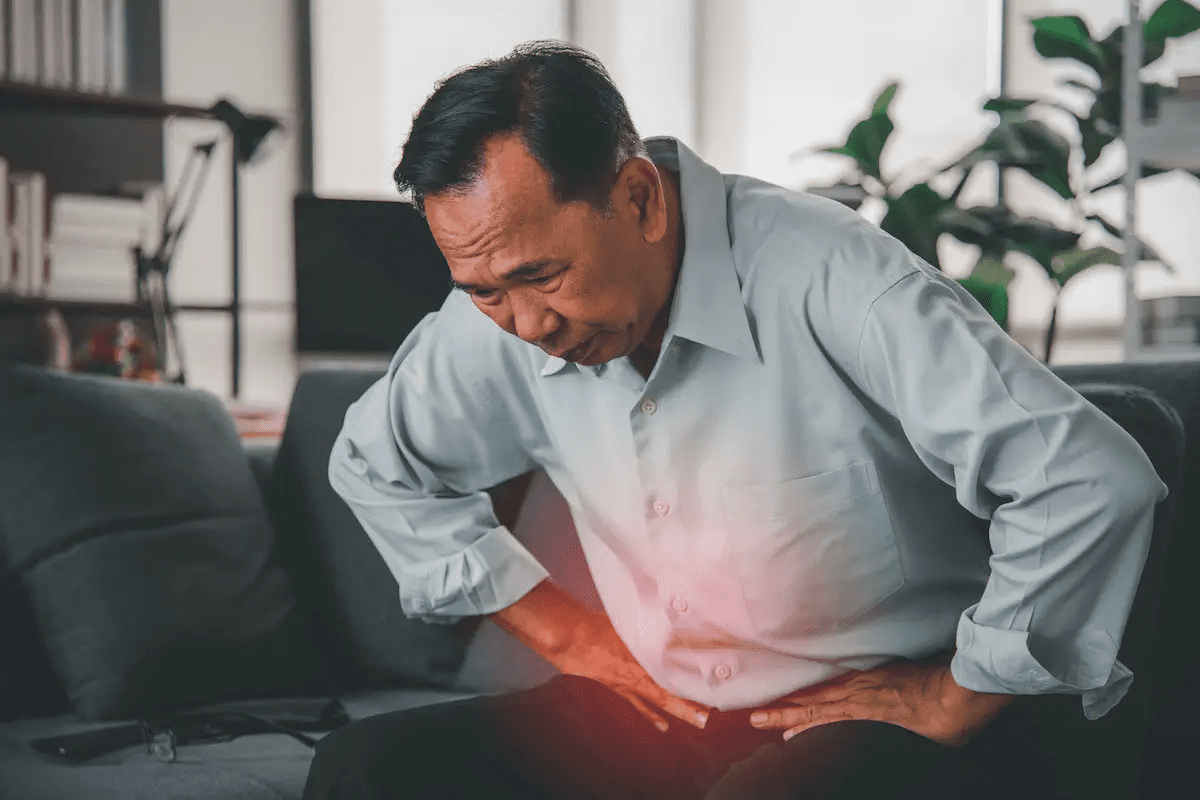
This condition can exert considerable pressure on the spinal cord and nerves.
Spinal stenosis comes from several factors. These include age-related changes and genetic predisposition. Knowing these causes helps in finding better treatments. We look into what leads to this condition, helping both patients and doctors tackle it.
Key Takeaways
- Spinal stenosis is a condition that narrows the spinal canal.
- This condition can exert considerable pressure on the spinal cord and nerves.
- Age-related degenerative changes and genetic factors contribute to its development.
- Understanding the causes is key to effective treatment.
- Spinal stenosis affects nearly 1 in 1,000 adults annually.
What Is Spinal Stenosis?
Spinal stenosis is a significant health concern affecting millions globally.rows the spinal canal, causing discomfort and impacting life quality. This happens due to various factors like degenerative changes, trauma, or congenital conditions.
Cervical spinal stenosis occurs in the neck region and can compress the spinal cord.
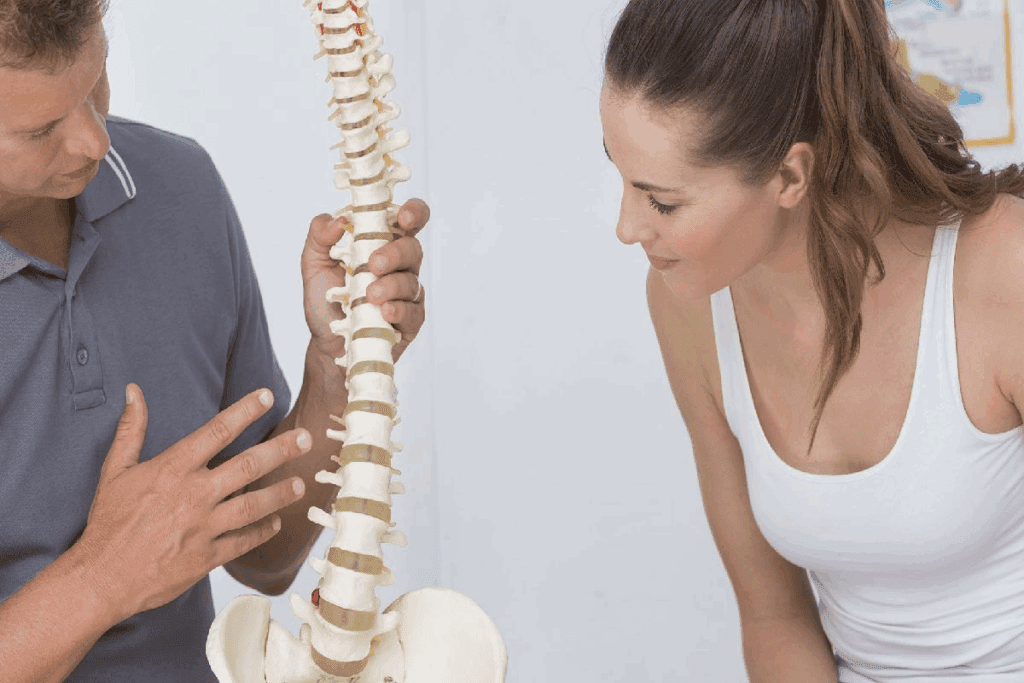
Definition and Anatomy of the Spinal Canal
Aging affects the dimensions of the spinal canal.
Changes like bulging discs or bone spurs can compress nerves. This leads to pain, numbness, and weakness in the back, legs, or arms.
Types of Stenosis: Cervical, Thoracic, and Lumbar
Spinal stenosis can happen in any spine region. It’s mainly categorized into three types: cervical, thoracic, and lumbar stenosis.
- Cervical Stenosis: Happens in the neck, compressing nerves. Symptoms include neck pain, numbness, or weakness in arms or legs.
- Thoracic Stenosis: Affects the middle spine, causing discomfort and neurological symptoms.
- Lumbar Stenosis: Common in the lower back. It causes pain, numbness, or weakness in legs, calves, or buttocks, mainly when walking or standing.
Each stenosis type has its symptoms and needs a specific treatment plan. Knowing the type is key to managing the condition well.
The Prevalence and Impact of Spinal Stenosis
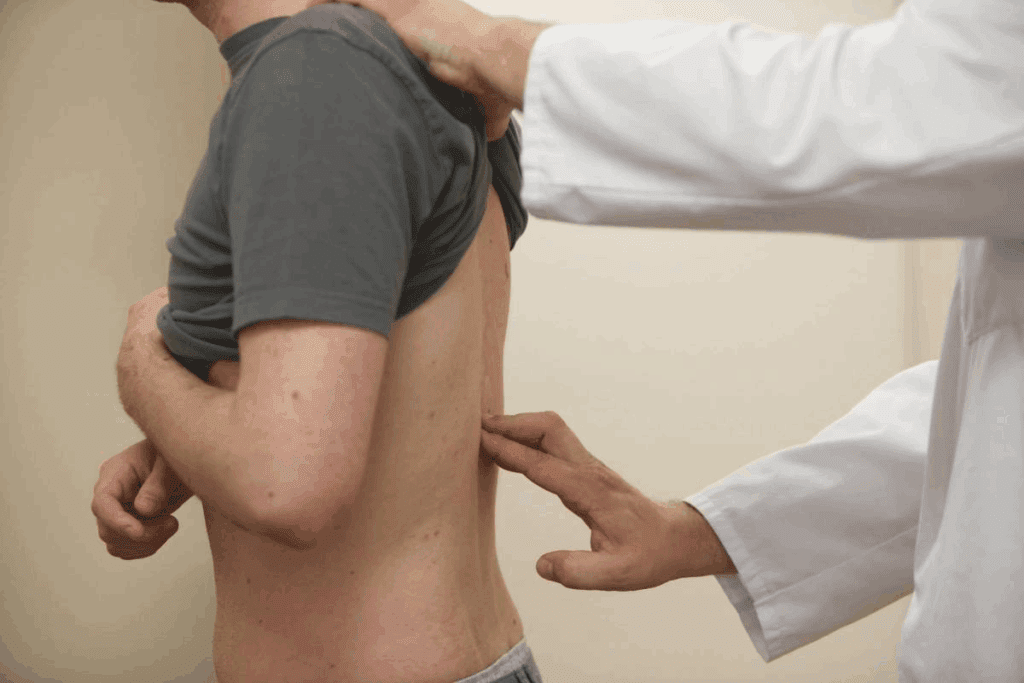
Spinal stenosis is a significant health concern affecting millions globally. As people live longer, more people get this condition. It’s a big worry for healthcare systems everywhere.
Demographics and High-Risk Populations
Spinal stenosis hits different groups in different ways. It’s most common in older adults. People over 50 are more likely to get it. Some groups might be at higher risk because of their genes or lifestyle.
Key demographics and risk factors include:
- Age: Individuals over 50 years old
- Genetic predisposition: Family history of spinal conditions
- Lifestyle factors: Occupational hazards, obesity, and lack of physical activity
Statistical Overview and Healthcare Burden
Spinal stenosis puts a big strain on healthcare. It costs a lot, leads to lost work time, and lowers quality of life. It’s a top cause of disability in older adults.
Some key statistics include:
- Millions of people worldwide are diagnosed with spinal stenosis each year.
- The condition results in a significant number of hospitalizations and surgical interventions annually.
- Cervical spinal stenosis occurs in the neck region and can compress the spinal cord.
Cervical spinal stenosis occurs in the neck region and can compress the spinal cord.
Age-Related Degenerative Changes Leading to Stenosis
Aging affects the dimensions of the spinal canal.
Natural Spinal Degeneration Process
The spine wears down gradually with age. This includes the spinal discs, facet joints, and ligaments. The discs lose height and flexibility, making it harder to absorb shock.
Important aspects of spinal degeneration include the following:
- Disc dehydration and loss of height
- Facet joint osteoarthritis
- Ligament laxity or thickening
How Aging Affects Spinal Canal Dimensions
Aging affects the dimensions of the spinal canal. The degeneration process can make the canal narrower. This can happen due to bulging discs, bone spurs, or thickened ligaments.
This narrowing can press on the spinal cord or nerves. This is what causes the symptoms of spinal stenosis.
| Aging Effect | Impact on Spinal Canal |
| Disc Degeneration | Loss of disc height, bulging |
| Facet Joint Osteoarthritis | Bone spurs, joint hypertrophy |
| Ligament Changes | Ligament thickening or buckling |
It’s important to understand these changes to manage spinal stenosis well. Early diagnosis and treatment can help improve life quality.
Spinal Stenosis Genetic Factors and Hereditary Risks
Spinal stenosis is a condition where the spinal canal narrows. It’s linked to genetics and hereditary risks. Knowing the genetic causes is key for diagnosis and treatment.
Spinal stenosis is a significant health concern affecting millions globally.
The question of whether spinal stenosis is hereditary is complex. Research shows genetics can increase the risk. Family history is important, as certain traits can be passed down.
Studies show a family history of spinal stenosis raises a person’s risk. But, lifestyle and environment also play a part. They’re not the only factors.
Genetic Conditions Associated with Stenosis Development
Certain genetic conditions raise the risk of spinal stenosis. For example, achondroplasia can cause it due to abnormal spine growth. Other conditions affecting the musculoskeletal system also increase risk.
Knowing these conditions helps in early detection and management. Healthcare providers can offer tailored advice and treatment based on genetic risk.
Genetics are just one part of the story. A full understanding of spinal stenosis includes genetics and environment.
Spinal stenosis is a significant health concern affecting millions globally.
This condition can exert considerable pressure on the spinal cord and nerves.
Congenitally Short Pedicles and Structural Abnormalities
Congenital spinal stenosis often comes with congenitally short pedicles or other spine issues. The pedicles are parts of the vertebrae that form the spinal canal’s walls. Short pedicles can make the canal narrower, pressing on the spinal cord or nerves.
Other spine problems can also narrow the canal, making the condition worse.
- Abnormal vertebral body formation
- Malformed or missing vertebrae
- Aging affects the dimensions of the spinal canal.
These issues can make the spinal canal narrower, worsening the condition.
Early Detection of Congenital Stenosis
Cervical spinal stenosis occurs in the neck region and can compress the spinal cord.
Doctors use MRI or CT scans for diagnosis. These tests show detailed images of the spinal canal, helping spot any narrowing or compression.
Cervical spinal stenosis occurs in the neck region and can compress the spinal cord.
Spine Specialist
The table below summarizes congenital spinal stenosis:
| Causes | Symptoms | Diagnosis |
| Congenitally short pedicles, structural abnormalities | Pain, numbness, weakness in back, legs, or arms | MRI, CT scans |
| Abnormal vertebral formation, spinal curvature | Difficulty walking, bowel/bladder control issues | Advanced imaging techniques |
Understanding congenital spinal stenosis helps healthcare providers create good treatment plans. Early detection is key to managing the condition and improving patient outcomes.
Degenerative Disc Disease and Spinal Canal Narrowing
Cervical spinal stenosis occurs in the neck region and can compress the spinal cord.
Aging affects the dimensions of the spinal canal.
Intervertebral Disc Space Narrowing Process
The intervertebral discs are key to the spine’s health. They act as shock absorbers between vertebrae. But, as we get older, these discs change.
- The discs lose height and water, making them less effective at absorbing shock.
- The space between the discs gets smaller, which can shrink the spinal canal.
- This shrinkage can make the spinal canal too small, leading to stenosis.
How Disc Degeneration Leads to Stenosis
Disc degeneration is a main cause of spinal stenosis. When discs degenerate:
- The loss of disc height makes the spinal canal smaller.
- Bulging or herniated discs can push into the spinal canal, making it even smaller.
- The body’s response to disc degeneration, like bone spurs, can also narrow the canal.
It’s important to understand how degenerative disc disease and spinal stenosis are connected. This helps doctors find the right treatments. By tackling the root causes, they can help patients feel better and live better lives.
Osteoarthritis as a Primary Cause of Spinal Stenosis
Osteoarthritis is a common joint disease that leads to spinal stenosis. As we get older, our spine’s joints and discs wear out. This causes degenerative changes.
Bone Spurs (Osteophytes) Formation
Bone spurs, or osteophytes, form due to osteoarthritis. These abnormal bone growths can narrow the spinal canal. They can press on the spinal cord or nerves.
Bone spurs grow as a body’s attempt to stabilize joints affected by osteoarthritis. This additional bone narrows the spinal canal.
Facet Joint Degeneration and Canal Narrowing
Aging affects the dimensions of the spinal canal.
This condition can exert considerable pressure on the spinal cord and nerves.
Key factors contributing to spinal stenosis due to osteoarthritis include:
- Formation of bone spurs (osteophytes)
- Degeneration of facet joints
- Narrowing of the intervertebral disc space
- Aging affects the dimensions of the spinal canal.
Understanding these factors is key to diagnosing and managing spinal stenosis. By tackling the root causes, like osteoarthritis, healthcare providers can create effective treatment plans. This helps alleviate symptoms and improves life quality for those affected.
Spondylolisthesis and Its Role in Developing Stenosis
This condition can exert considerable pressure on the spinal cord and nerves.
Vertebral Slippage Mechanisms
The slippage of vertebrae in spondylolisthesis is complex. Degenerative changes are a main cause, from wear and tear on the spine. Other factors include congenital abnormalities, traumatic injuries, and pathological conditions that weaken the spine.
This condition can exert considerable pressure on the spinal cord and nerves.
How Spondylolisthesis Compresses the Spinal Canal
This condition can exert considerable pressure on the spinal cord and nerves.
Cervical spinal stenosis occurs in the neck region and can compress the spinal cord.
Traumatic Injuries Leading to Spinal Stenosis
Traumatic injuries are a big reason for spinal stenosis. They often come from sudden trauma that causes vertebral fractures. A car accident, a fall, or a sports injury can damage the spine.
Acute Trauma and Vertebral Fractures
This condition can exert considerable pressure on the spinal cord and nerves.
The severity of the trauma affects the damage. A small fracture might not narrow the canal much. But a big fracture can cause a lot of narrowing.
“The relationship between traumatic injuries and spinal stenosis is well-established, with studies indicating that acute trauma can lead to long-term spinal degeneration.”
Post-Traumatic Stenosis Development
After a traumatic injury, the body starts to heal. But this healing can sometimes cause post-traumatic stenosis. The body might form bone spurs or make ligaments thicker, narrowing the canal further.
Post-traumatic stenosis can show up months or years after the injury. So, people who have had traumatic injuries should watch for spinal stenosis signs, even if they don’t show right away.
It’s key to get proper medical check-ups and care after a traumatic injury. Knowing the risks and acting early can help prevent spinal stenosis.
Lifestyle and Occupational Factors Contributing to Stenosis
It’s important to know how lifestyle and work can affect our spine. Our daily habits and job settings can greatly impact our spinal health.
High-Impact Activities and Repetitive Stress
Doing activities that are hard on the spine can speed up wear and tear. Heavy lifting, bending, or twisting can strain the spine, possibly causing stenosis. Repetitive stress injuries often happen to those who do physically demanding jobs often.
- Athletes in high-impact sports
- Construction or manufacturing workers
- People with jobs that require lifting heavy things
These activities can damage the spinal discs and joints. This can narrow the spinal canal.
Occupational Hazards Affecting Spinal Health
Some jobs can harm the spine. Jobs that make you stand or sit for long times, or work with vibrating machines, can harm the spine. Vibration exposure is very bad for the spine because it causes small injuries.
Improving work conditions and safety is key to avoiding spinal stenosis. Employers can help by making the workplace safer for the spine.
Obesity and Its Impact on Spinal Degeneration
Cervical spinal stenosis occurs in the neck region and can compress the spinal cord.
- Being overweight can lead to disc damage
- Extra weight strains the spinal joints
- Living a healthy lifestyle can help with obesity risks
Knowing about these factors can help us protect our spine. We can take steps to lower the chance of getting spinal stenosis.
Cervical spinal stenosis occurs in the neck region and can compress the spinal cord.
Inflammatory conditions and spinal stenosis have a complex relationship. These conditions can harm the spine, causing stenosis.
Rheumatoid Arthritis and the Spine
Rheumatoid arthritis (RA) mainly affects the joints. It can also harm the cervical spine, leading to stenosis. We will look at how RA impacts the spine and what it means for patients.
Effects of RA on the Spine:
- Aging affects the dimensions of the spinal canal.
- Degradation of cartilage and bone
- Potential for atlantoaxial subluxation
Other Inflammatory Disorders Affecting the Spinal Canal
Other inflammatory conditions can also harm the spinal canal, leading to stenosis. These include:
| Condition | Effect on the Spine |
| Ankylosing Spondylitis | Inflammation of spinal joints, potentially leading to fusion |
| Psoriatic Arthritis | Inflammation and degeneration of spinal joints |
It’s important to understand these conditions and their impact on the spine. This helps in diagnosing and managing spinal stenosis.
We know that inflammatory conditions are key in causing spinal stenosis. By understanding the effects of RA and other conditions on the spinal canal, healthcare providers can create better treatment plans. These plans aim to address the root causes of stenosis.
Recognizing Symptoms Based on Stenosis Location
This condition can exert considerable pressure on the spinal cord and nerves.
Cervical Stenosis Symptoms and Warning Signs
Cervical spinal stenosis occurs in the neck region and can compress the spinal cord. This can cause:
- Numbness or tingling in the arms or legs
- Weakness in the arms or legs
- Difficulty with balance and coordination
- Severe cases can lead to myelopathy, a condition that affects the spinal cord
In severe cases, cervical stenosis can cause serious problems. It’s important to see a doctor if symptoms get worse or don’t go away.
Lumbar Stenosis Characteristic Manifestations
Cervical spinal stenosis occurs in the neck region and can compress the spinal cord.
- Pain or cramping in the legs, calves, or buttocks when walking or standing
- Numbness or tingling in the legs or feet
- Weakness in the legs or feet
- Relief from symptoms when bending forward or sitting
Lumbar stenosis often leads to neurogenic claudication. This is pain that happens when walking and gets better when resting or bending forward.
When Symptoms Indicate a Medical Emergency
While many spinal stenosis symptoms can be managed without surgery, some need immediate help. Look out for:
| Symptom | Description |
| Sudden severe pain | Unrelenting pain that does not improve with rest or medication |
| Loss of bladder or bowel control | Inability to control urination or bowel movements |
| Progressive weakness | Rapidly worsening weakness in the arms or legs |
Seeing these symptoms as emergencies can help get timely treatment. This can prevent serious damage.
Diagnosing the Underlying Causes of Spinal Stenosis
Diagnosing spinal stenosis requires a detailed approach. This includes using advanced imaging and thorough clinical checks. We’ll see how these tools help find the root causes of spinal stenosis.
Advanced Imaging Techniques
Advanced imaging is key in spotting spinal stenosis. MRI (Magnetic Resonance Imaging) is great for seeing soft tissues like discs and nerves. It shows issues like herniated discs and nerve compression.
CT (Computed Tomography) scans are top for looking at bones. They find bone spurs and other bone problems that can cause stenosis. X-rays give a first look at the spine’s shape and can spot degenerative changes or fractures.
Clinical Evaluation and Differential Diagnosis
Checking the patient is just as important as imaging. A detailed medical history and physical exam help spot symptoms of stenosis. We look at pain patterns, nerve issues, and how much the patient can move.
It’s also key to rule out other conditions that might look like stenosis. We think about things like peripheral artery disease or diabetic neuropathy. A full check-up and imaging help us pinpoint stenosis and its causes.
Diagnosing involves looking at both imaging results and the patient’s symptoms. By combining these, we create a treatment plan that fits the patient’s needs.
Treatment Approaches Based on Stenosis Etiology
Managing spinal stenosis well means using a treatment plan that fits the cause. This condition is complex. It needs a treatment that tackles the root cause and symptoms.
Conservative Management Strategies
For spinal stenosis, starting with non-surgical treatments is common. These aim to ease symptoms and boost life quality. The methods include:
- Physical Therapy: Special exercises to improve flexibility, strength, and posture. This helps reduce spine pressure.
- Pain Management: Using drugs like NSAIDs, corticosteroids, and sometimes opioids for pain.
- Lifestyle Modifications: Advice on losing weight, quitting smoking, and ergonomic changes to lessen spine stress.
These non-surgical methods work well for those with mild to moderate symptoms. They’re also good for those who don’t need surgery right away.
Surgical Interventions for Different Causes
If non-surgical treatments don’t help, surgery might be needed. The surgery type depends on the cause and how severe the stenosis is:
| Cause | Surgical Approach | Objective |
| Degenerative Disc Disease | Discectomy or Spinal Fusion | Relieve pressure by removing the herniated disc or stabilizing the spine. |
| Osteoarthritis | Laminectomy or Foraminotomy | Decompress the spinal canal or nerve roots by removing bone spurs or enlarging the neural foramina. |
| Spondylolisthesis | Spinal Fusion with Instrumentation | Stabilize the vertebrae and prevent further slippage. |
Surgery aims to free up nerves, stabilize the spine, and improve function.
Emerging Therapies and Research Directions
New research on spinal stenosis is exciting. Several new treatments are being explored:
- Biologic Treatments: Studying biologics to fight inflammation and aid healing.
- Minimally Invasive Techniques: Improving surgery methods to cause less damage and speed up recovery.
- Regenerative Medicine: Looking into stem cell therapy and other ways to fix damaged spinal tissues.
These new treatments could offer better options for spinal stenosis patients. They might lead to better results and faster recovery times.
Conclusion
Cervical spinal stenosis occurs in the neck region and can compress the spinal cord.
FAQ
References
- National Institute of Arthritis and Musculoskeletal and Skin Diseases (NIAMS). (2025). Spinal Stenosis: Symptoms, Causes, & Risk Factors. https://www.niams.nih.gov/health-topics/spinal-stenosis
What is spinal stenosis?
This condition can exert considerable pressure on the spinal cord and nerves.
What are the main causes of spinal stenosis?
Main causes include aging, genetics, and degenerative disc disease. Osteoarthritis, spondylolisthesis, injuries, and inflammation also play a role.
Spinal stenosis is a significant health concern affecting millions globally.
Yes, it can be. Family history increases the risk. Genetic factors contribute to its development.
What are the symptoms of cervical spinal stenosis?
Symptoms include neck pain and numbness in the arms or hands. You might also feel weakness in the arms or legs. Difficulty with balance and coordination can occur too.
Spinal stenosis is a significant health concern affecting millions globally.
Doctors use a combination of clinical evaluation and imaging. MRI, CT, and X-rays are common tools for diagnosis.
What are the treatment options for spinal stenosis?
Treatment varies based on the cause and severity. Options include conservative management, surgery, and emerging therapies.
Can lifestyle changes help prevent spinal stenosis?
Yes, they can. Maintaining a healthy weight and exercising regularly help. Avoiding high-impact activities is also beneficial.
What is the role of degenerative disc disease in spinal stenosis?
This condition can exert considerable pressure on the spinal cord and nerves.
How does osteoarthritis contribute to spinal stenosis?
This condition can exert considerable pressure on the spinal cord and nerves.
What is the difference between lumbar and cervical spinal stenosis?
Lumbar stenosis affects the lower back. It causes back pain, numbness, and leg weakness. Cervical stenosis affects the neck. It causes neck pain, numbness, and arm weakness.
Can spinal stenosis be treated without surgery?
Yes, for mild to moderate cases. Treatment includes physical therapy, pain management, and lifestyle changes.
What are the risks associated with spinal stenosis surgery?
Risks include infection, bleeding, nerve damage, and spine instability. Discuss these with a healthcare professional.