Last Updated on November 4, 2025 by mcelik
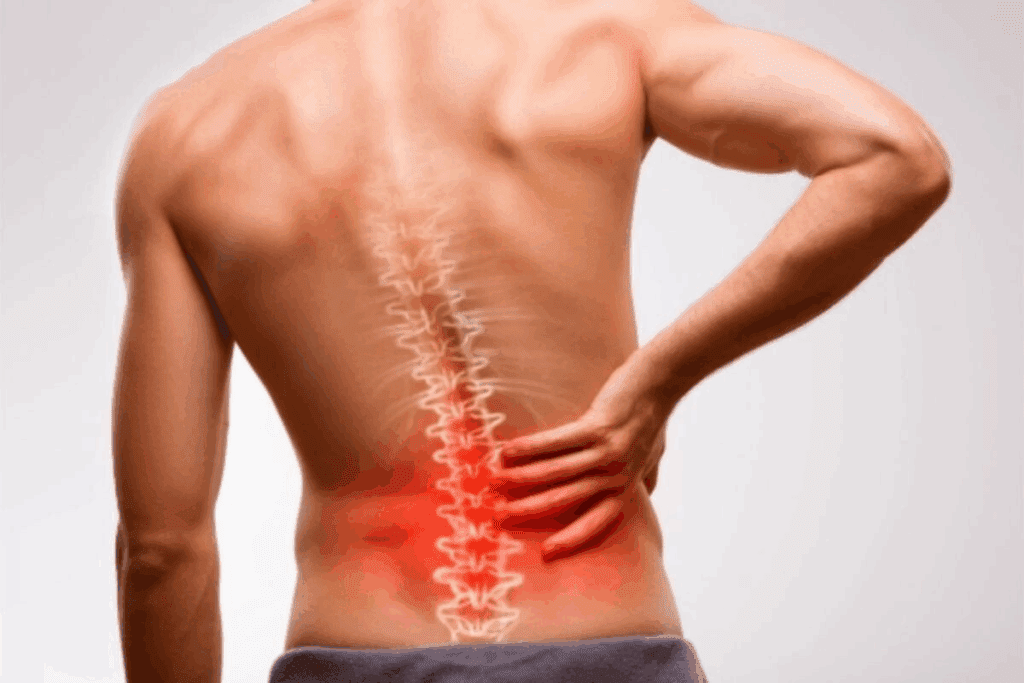
Nerve compression due to spinal stenosis is a common and painful cause of hip pain for many individuals. Learn why spinal stenosis hip pain occurs and what treatments can relieve discomfort and restore mobility.
Spinal stenosis happens when the spinal canal narrows. This puts pressure on nerves in the spine. This pressure can lead to pain, numbness, and weakness in the legs. Sometimes, this pain can even spread to the hips.
Key Takeaways
- Spinal stenosis affects millions of adults worldwide.
- The narrowing of the spinal canal can cause pain and discomfort in the lower back and legs.
- Hip pain is a common symptom associated with spinal stenosis.
- Understanding the connection between spinal stenosis and hip pain is key for effective diagnosis.
- Proper treatment can alleviate symptoms and improve quality of life.
Understanding Spinal Stenosis and Its Prevalence
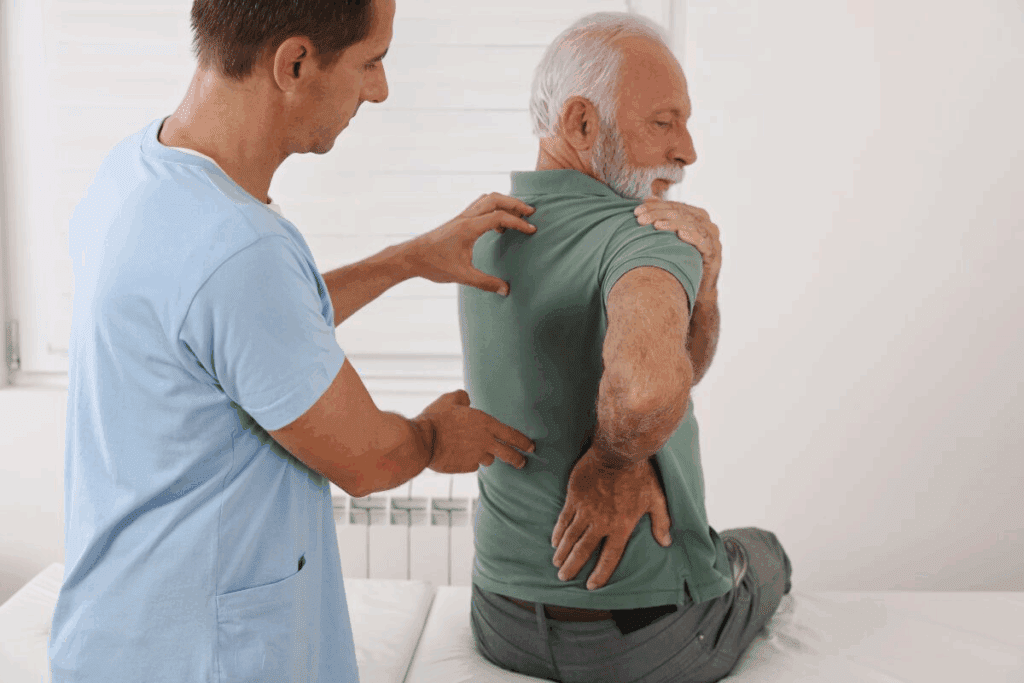
Spinal stenosis is a condition where the spinal canal narrows. This can cause a lot of pain and make it hard to move. It affects many people, mostly older adults.
Definition and Types of Spinal Stenosis
Spinal stenosis happens when the spinal canal gets smaller. This puts pressure on the spinal cord and nerves. There are different types, like lumbar stenosis in the lower back and cervical stenosis in the neck.
It can be caused by many things, like aging, herniated discs, and injuries. Lumbar stenosis is the most common. It leads to pain in the lower back and legs.
Common Causes and Risk Factors
Spinal stenosis can come from many sources. These include aging, herniated discs, and injuries. Other factors are genetics, being overweight, and having had spinal surgery before.
| Cause/Risk Factor | Description | Impact |
| Degenerative Changes | Aging-related wear and tear on the spine | Narrowing of the spinal canal |
| Herniated Discs | Discs bulge or rupture, putting pressure on nerves | Pain and numbness in affected areas |
| Spinal Injuries | Trauma to the spine | Immediate or delayed onset of stenosis symptoms |
Knowing what causes spinal stenosis is key to treating it. Doctors can then create plans to help manage symptoms and improve life quality.
The Anatomical Relationship Between Spine and Hip
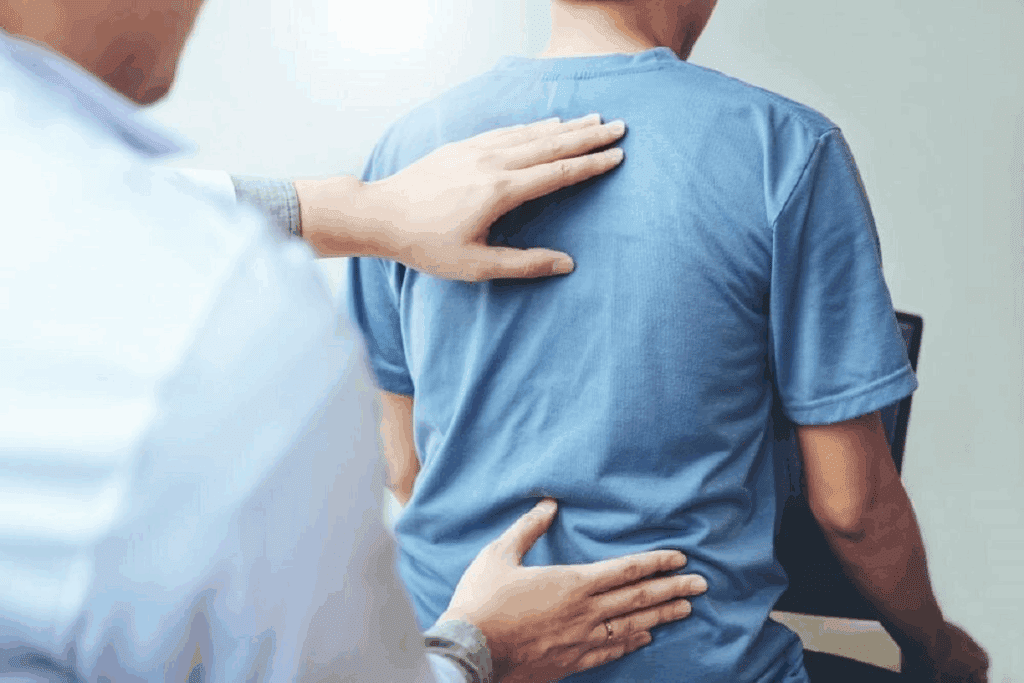
Nerve compression due to spinal stenosis is a common and painful cause of hip pain for many individuals.
Biomechanical Connection of Lumbar Spine and Hip Joint
The lumbar spine and hip joint are connected through biomechanical pathways. The spine’s stability and mobility affect the hip’s function. For example, changes in the spine’s shape or movement can lead to hip pain or discomfort.
“The hip-spine syndrome is a well-recognized condition where the interplay between the spine and hip leads to complex pain patterns,” as noted by medical professionals. This syndrome shows why it’s important to look at both the spine and hip when diagnosing and treating pain.
Nerve Pathways and Pain Referral Patterns
Nerve compression due to spinal stenosis is a common and painful cause of hip pain for many individuals.
- The sciatic nerve, from the lumbar spine, can cause pain to radiate down to the hip and leg.
- Compression of the nerve roots in the lumbar spine can lead to hip pain, even without direct hip problems.
Understanding these nerve pathways and pain referral patterns is vital for accurate diagnosis and treatment of hip pain related to spinal stenosis. By recognizing the complex relationship between the spine and hip, healthcare providers can create more effective treatment plans that address the pain’s root cause.
Spinal Stenosis Hip Pain: Mechanisms and Manifestations
Nerve compression due to spinal stenosis is a common and painful cause of hip pain for many individuals. Spinal stenosis narrows the spinal canal, putting pressure on nerves. This pressure can lead to pain, numbness, tingling, and weakness in the hips and legs.
How Nerve Compression Leads to Hip Pain
Nerve compression due to spinal stenosis is a common and painful cause of hip pain for many individuals.
Nerve compression can cause hip pain in several ways:
- Direct compression of the nerve roots as they exit the spinal canal.
- Inflammation and irritation of the nerves due to the narrowing of the spinal canal.
- Altered biomechanics and posture due to pain and discomfort, leading to strain on the hip joint.
Distinguishing Features of Stenosis-Related Hip Pain
Stenosis-related hip pain has distinct features. It often comes with numbness, tingling, and weakness in the legs. The pain gets worse with standing or walking and gets better when sitting or leaning forward.
A key feature is neurogenic claudication. This is pain, weakness, or fatigue in the legs and buttocks when standing or walking. Resting or flexing the spine can relieve this pain.
| Characteristics | Stenosis-Related Hip Pain | Other Causes of Hip Pain |
| Nature of Pain | Pain, numbness, tingling, weakness | Pain, stiffness, limited mobility |
| Triggers | Standing, walking | Movement, weight-bearing activities |
| Relieving Factors | Sitting, leaning forward | Rest, pain relief medication |
A medical expert notes, “Understanding the complex relationship between spinal stenosis and hip pain is key for diagnosis and treatment. Knowing the unique features of stenosis-related hip pain helps doctors provide better care.”
“The relationship between spinal stenosis and hip pain is complex and multifactorial. A thorough understanding of the underlying mechanisms is essential for effective treatment strategies.”
Lumbar Stenosis: A Primary Culprit for Hip Discomfort
Nerve compression due to spinal stenosis is a common and painful cause of hip pain for many individuals.
Pathophysiology of Lumbar Stenosis
Lumbar stenosis happens when the spinal canal gets smaller. This puts pressure on the spinal cord and nerves. It can be caused by wear and tear, herniated discs, or injuries.
People with this condition often feel pain, numbness, and weakness in their lower back and legs. The spinal canal’s narrowing can press on the cauda equina. This bundle of nerves controls the legs and can cause pain, weakness, and numbness.
Impact on Gait, Posture, and Hip Function
Lumbar stenosis can change how people walk and stand. It can make them walk differently to avoid pain. This different walking can stress the hip joint, causing pain and wear.
It also affects posture, making people lean forward. This can make the hip joint stiff and painful. Changes in walking and posture can make it hard to do everyday things.
It’s important to understand how lumbar stenosis affects walking, standing, and hip function. Treating these issues together can help reduce pain, improve movement, and enhance life quality.
Hip-Spine Syndrome: The Complex Interplay
The relationship between hip and spine issues in hip-spine syndrome needs a detailed and unified approach. This condition affects how hip and spinal problems impact symptoms and treatment results.
Defining and Recognizing Hip-Spine Syndrome
Hip-spine syndrome involves a complex mix of hip and spinal problems. It makes diagnosis and treatment hard because symptoms from both areas can overlap. It’s important to understand how these issues interact.
Looking at the connection between the spine and hip is key. We must also consider nerve pathways and pain patterns. This knowledge helps us see the complex relationship in hip-spine syndrome.
Challenges in Diagnosis and Treatment Planning
Diagnosing hip-spine syndrome is tough because of the deep connection between hip and spine issues. Symptoms from both areas can make it hard to find the main cause of pain and problems.
Creating a good treatment plan for hip-spine syndrome means looking at both hip and spine problems. We need to weigh the pros and cons of different treatments, like physical therapy, medicine, and surgery.
Key considerations in treatment planning include:
- Assessing the severity of both hip and spinal pathology
- Evaluating the impact of hip and spinal disorders on patient function and quality of life
- Developing a coordinated treatment plan that addresses both conditions simultaneously
By taking a detailed and unified approach to diagnosis and treatment, we can help patients with hip-spine syndrome get better results.
Differential Diagnosis: Is It Your Spine or Your Hip?
Finding out where hip pain comes from is key to treating it right. We need to tell if it’s from the spine or the hip. We’ll look at tests and procedures that help figure out the pain’s source.
Clinical Tests to Differentiate the Source of Pain
There are tests to tell if pain is from the spine or hip. These tests are important for a correct diagnosis and treatment plan.
- The Straight Leg Raise Test checks for sciatic pain and nerve issues, often linked to spinal stenosis.
- The FABER Test (Flexion, ABduction, and External Rotation) finds hip joint problems by checking for pain in the hip or groin.
- Range of Motion Tests see how well the hip and spine move, showing if there are any problems.
These tests, along with a detailed medical history and physical check-up, help doctors find the cause of hip pain.
| Clinical Test | Purpose | Positive Finding |
| Straight Leg Raise Test | Assess sciatic pain and nerve root irritation | Radiating pain below the knee |
| FABER Test | Identify hip joint pathology | Pain in the hip or groin |
| Range of Motion Tests | Evaluate mobility of hip joint and lumbar spine | Restricted mobility or pain |
Red Flags That Indicate Serious Spinal Conditions
Some symptoms and signs, called red flags, mean serious spinal problems that need quick medical help.
- Severe or Progressive Neurological Deficits, like numbness, weakness, or paralysis, show serious nerve issues.
- Loss of Bladder or Bowel Control is a serious emergency that might mean cauda equina syndrome, needing surgery right away.
- Unrelenting Pain that gets worse or doesn’t go away with rest could mean a serious problem.
Spotting these red flags is key for quick diagnosis and treatment. It can stop long-term damage or problems.
Scoliosis and Its Effects on Hip Alignment and Pain
It’s important to know how scoliosis impacts hip alignment to treat hip pain. Scoliosis is a spinal deformity that changes how forces are distributed in the body. This can affect the hip joint significantly.
Mechanisms of Hip Pain in Patients with Scoliosis
Hip pain in scoliosis patients comes from several sources. The spine’s abnormal curve puts uneven stress on the hip. This strain affects muscles and ligaments. Changes in walking patterns also contribute to pain.
Key factors contributing to hip pain in scoliosis include:
- Abnormal spinal curvature
- Uneven force distribution across the hip joint
- Altered gait patterns
- Muscle imbalance
To understand the link between scoliosis and hip pain, look at this table:
| Mechanism | Description | Effect on Hip |
| Abnormal Curvature | Lateral deviation of the spine | Uneven force distribution |
| Altered Biomechanics | Changes in spinal alignment | Strain on hip muscles and ligaments |
| Gait Changes | Compensatory gait patterns | Increased stress on hip joint |
Treatment Considerations for Scoliosis-Related Hip Issues
Treating hip pain in scoliosis patients requires a detailed plan. This might include physical therapy, bracing, and sometimes surgery.
Conservative management may include:
- Physical therapy to strengthen core and hip muscles
- Bracing to stabilize the spine
- Pain management through medication or injections
Understanding the connection between scoliosis and hip alignment helps doctors create better treatment plans. This approach improves patient outcomes and reduces pain.
Spondylolisthesis and Associated Hip Complications
When vertebrae slip out of place, it can affect more than just the spine. Spondylolisthesis is when a vertebra moves forward over the one below it. This can change how the body moves and stand.
How Vertebral Slippage Affects Hip Biomechanics
The slipping of vertebrae can change how the spine works. This can lead to different ways of walking and standing. These changes can put more stress on the hip, causing pain.
Managing Hip Pain in Patients with Spondylolisthesis
Dealing with hip pain in spondylolisthesis needs a full plan. This plan should fix the spine and help the hip. Treatments might include physical therapy, medicine, or surgery to fix the spine and ease hip pressure.
| Treatment Approach | Description | Benefits |
| Physical Therapy | Exercises to improve flexibility and strength | Enhanced mobility, reduced pain |
| Pain Management | Medication to manage pain and inflammation | Reduced discomfort, improved quality of life |
| Surgical Intervention | Surgery to stabilize the spine and alleviate pressure on the hip | Long-term relief, improved biomechanics |
Understanding how spondylolisthesis affects the hips helps doctors create better treatment plans. These plans aim to fix the root cause of hip pain and help patients feel better.
Advanced Diagnostic Approaches for Spine-Related Hip Pain
Diagnosing spine-related hip pain needs a detailed approach. We use advanced techniques to find the cause. This ensures we can treat it well.
Physical Examination Protocols
A detailed physical check is the first step. We perform various tests to see how you’re doing. These include:
- Range of motion tests to check flexibility and movement
- Neurological exams to check nerve health and look for damage
- Palpation to find tender spots and swelling
These tests help us understand your situation. They guide us to more tests.
Imaging Modalities: X-rays, MRI, CT Scans
Imaging is key to seeing the spine and hip. It helps us spot problems and damage. We use:
| Imaging Modality | Use in Diagnosing Spine-Related Hip Pain |
| X-rays | Look at bones, find fractures, and see degeneration |
| MRI (Magnetic Resonance Imaging) | See soft tissues like nerves and discs for signs of trouble |
| CT Scans (Computed Tomography) | Get detailed bone images and spot issues like stenosis |
Electrodiagnostic Studies and Diagnostic Injections
Electrodiagnostic tests and injections also help. Tests like EMG and NCS check nerve health. They find compression or damage.
Diagnostic injections pinpoint pain sources. They help decide treatment.
By using these methods, we can find the cause of your hip pain. Then, we create a treatment plan just for you.
Non-Surgical Treatment Options for Spinal Stenosis-Related Hip Pain
Non-surgical treatments are key in easing hip pain from spinal stenosis. We look into these options first, before surgery.
Evidence-Based Physical Therapy Interventions
Physical therapy is vital for hip pain from spinal stenosis. Targeted exercises boost flexibility and strengthen muscles. They also improve posture. We suggest a custom physical therapy plan that includes:
- Stretching exercises to improve flexibility
- Strengthening exercises for core and hip muscles
- Aerobic conditioning to improve overall health
- Manual therapy techniques to reduce pain and stiffness
Pharmacological Management Strategies
Medicine is also a big part of treating hip pain from spinal stenosis. We might use different drugs to control pain and swelling, such as:
- Oral analgesics for pain relief
- Nonsteroidal anti-inflammatory drugs (NSAIDs) to reduce inflammation
- Corticosteroid injections to decrease swelling and pain
It’s essential to work closely with a healthcare provider to find the right medication. They also watch for any side effects.
Alternative and Complementary Approaches
There are also other treatments that can help. These include:
- Chiropractic care to improve spinal alignment and reduce pressure on nerves
- Acupuncture to stimulate healing and reduce pain
- Yoga and tai chi to enhance flexibility and balance
By adding these non-surgical treatments to a care plan, people with spinal stenosis-related hip pain can see big improvements. They can feel better and live better.
Surgical Interventions: Indications and Outcomes
When other treatments don’t work, surgery is often needed for spinal stenosis. Doctors consider surgery when symptoms are bad, get worse, or really hurt a patient’s life quality.
We’ll look at when surgery is needed and how it works. We’ll focus on decompression and fusion, which help with spinal stenosis and hip pain.
Decompression and Fusion Procedures
Decompression surgery takes pressure off the spinal cord or nerves. It removes bone or tissues that press on these areas. Fusion procedures join vertebrae together to stabilize the spine.
The main goals are to reduce pain, improve movement, and better a patient’s life. Decompression and fusion can really help with spinal stenosis and hip pain if other treatments don’t work.
Managing Hip Pain After Lumbar Spinal Surgery
It’s important to manage hip pain after lumbar surgery. Surgery might help some, but hip pain can stay.
We suggest a detailed care plan after surgery. This includes physical therapy, pain control, and other ways to handle hip pain. Managing hip pain well is key for the best surgery results and happy patients.
Knowing about surgery for spinal stenosis and hip pain helps patients make smart choices. This way, they can get the best care and outcomes.
Conclusion
Nerve compression due to spinal stenosis is a common and painful cause of hip pain for many individuals.
FAQ
Nerve compression due to spinal stenosis is a common and painful cause of hip pain for many individuals.
Nerve compression due to spinal stenosis is a common and painful cause of hip pain for many individuals.
What is hip-spine syndrome?
Hip-spine syndrome is when problems in the hip or spine affect each other. It makes diagnosis and treatment tricky. A full approach is needed to manage it well.
How does scoliosis affect hip alignment and pain?
Scoliosis can mess up hip alignment, leading to uneven forces on the hip. This can cause pain and discomfort. Treating the spine and hip together is key.
Nerve compression due to spinal stenosis is a common and painful cause of hip pain for many individuals.
Yes, spondylolisthesis can cause hip problems. The slippage of vertebrae can stress the hip joint. This can lead to pain and discomfort.
What are the non-surgical treatment options for spinal stenosis-related hip pain?
Non-surgical treatments include physical therapy, medicine, and other methods. These aim to reduce pain, improve movement, and enhance life quality.
When is surgical intervention necessary for spinal stenosis?
Surgery is needed when other treatments don’t work and the condition affects daily life. Decompression and fusion are common surgical methods.
How can hip pain be managed after lumbar spinal surgery?
Managing hip pain after surgery involves care, physical therapy, and medicine. Following a doctor’s advice is important for recovery and managing pain.
What diagnostic approaches are used to evaluate spine-related hip pain?
Advanced tests include physical exams, X-rays, MRI, CT scans, and nerve studies. These help doctors find the cause of pain and plan treatment.
Can narrowing of the hip joint space cause pain?
Yes, narrowing of the hip joint, like in osteoarthritis, can cause pain. Treating the cause is key to managing pain.
Is there a connection between back pain and hip pain?
Yes, back and hip pain are connected through nerves and biomechanics. Treating one can help the other, and vice versa.
References
- Chang, M. C., & Kim, H. S. (2020). Lumbar spinal stenosis: Pathophysiology and treatment. Asian Spine Journal, 14(5), 624-636. This article discusses how nerve compression in lumbar spinal stenosis leads to radiating pain and symptoms, including hip pain, due to affected nerve roots. https://www.ncbi.nlm.nih.gov/pmc/articles/PMC7595829/