Last Updated on November 4, 2025 by mcelik
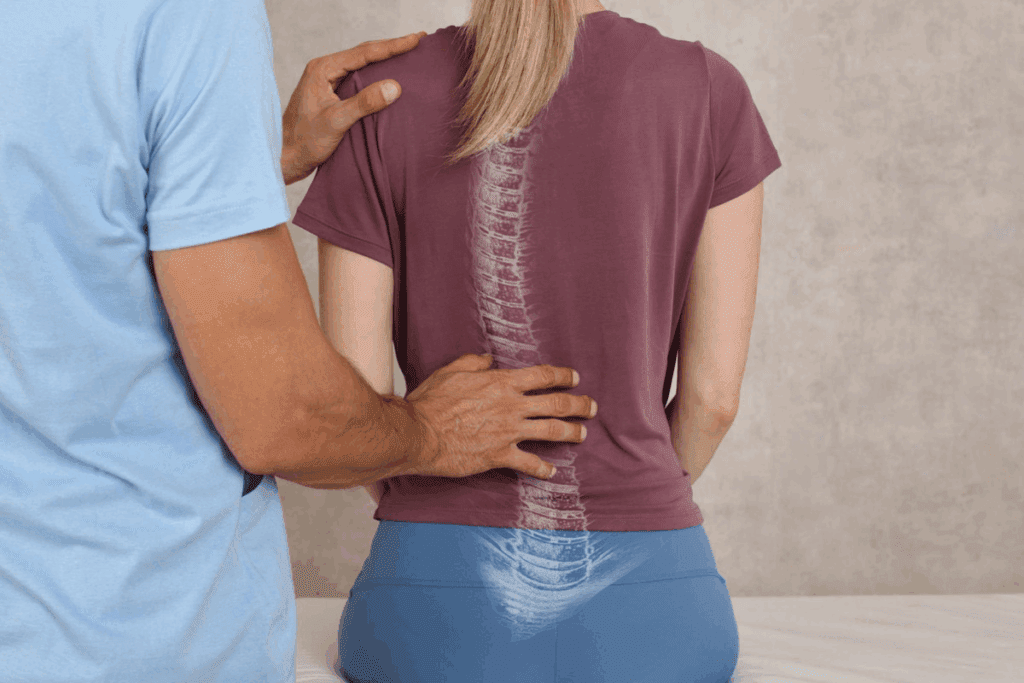
Nearly 400,000 people in the United States get spinal stenosis surgery each year. They seek relief from the severe symptoms of this condition. Knowing the recovery process is crucial for a smooth and successful recovery.
Spinal stenosis surgery is a common treatment for severe cases. It aims to widen the spinal canal that narrows in this condition. We’ll help you understand what to expect during the recovery period. This will prepare you for a successful outcome.
Key Takeaways
- Understanding the recovery process is key for success.
- The recovery time varies based on individual factors.
- A successful recovery needs careful planning and preparation.
- Patients can expect significant relief from symptoms after surgery.
- Post-operative care is vital for a smooth recovery.
Understanding Spinal Stenosis and Surgical Interventions

Spinal stenosis is when the spaces in the spine narrow. This can cause a lot of pain and make it hard to move. It affects millions of people, making everyday tasks tough.
What is Spinal Stenosis?
Spinal stenosis happens when the spinal canal or neural foramen narrow. These are the paths nerves take out of the spine. This narrowing can press on nerves, causing pain, numbness, and weakness in the back, legs, or arms.
It can be caused by aging, herniated disks, thickened ligaments, or injuries. Knowing why it happens helps doctors choose the best treatment.
Common Types of Spinal Stenosis
There are mainly two types: lumbar and cervical stenosis.
- Lumbar Stenosis: This type is in the lower back. It can cause pain, numbness, or weakness in the legs, calves, or buttocks. These symptoms often get worse when standing or walking but feel better when bending forward or sitting.
- Cervical Stenosis: This is in the neck. It can cause pain, numbness, or weakness in the neck, arms, or hands. In severe cases, it can make walking or staying balanced hard.
When Surgery Becomes Necessary
Surgery is considered when other treatments don’t work. It’s needed when the condition really affects daily life. Surgery aims to remove what’s pressing on the nerves or spinal cord.
Deciding on surgery is a big choice. It depends on the patient’s health, how bad the symptoms are, and the surgery’s benefits and risks. We’ll look at the different surgery options next.
Types of Surgical Procedures for Spinal Stenosis

Spinal stenosis surgery varies based on the condition’s severity and location. The patient’s health also plays a role in choosing the right procedure.
We’ll look at common surgeries for spinal stenosis, like decompression and spinal fusion. Knowing these options helps patients decide on their treatment.
Laminectomy
A laminectomy removes part or all of the lamina to ease pressure on the spinal cord or nerves. It’s often used for lumbar spinal stenosis.
Benefits of Laminectomy: It can greatly reduce pain and improve mobility for those with lumbar spinal stenosis.
Laminotomy
Laminotomy is a less invasive version of laminectomy, removing only a part of the lamina. It aims to relieve nerve pressure while keeping more of the spine intact.
Advantages of Laminotomy: It may cause less tissue damage and lead to faster recovery times than a full laminectomy.
Foraminotomy
Foraminotomy widens the foramina to relieve nerve root compression. This procedure is designed to ease nerve pressure.
Outcomes of Foraminotomy: Patients often see relief from nerve-related pain and other symptoms.
Spinal Fusion
Spinal fusion joins two or more vertebrae together using bone grafts, rods, or other devices. It’s often paired with decompression surgeries to stabilize the spine.
Role of Spinal Fusion: It helps maintain spine stability after decompression and can improve long-term results.
It’s important for patients to understand these surgical options. Each procedure has its own benefits and risks. Discussing these with a healthcare provider is key.
Immediate Post-Operative Recovery
The first days after spinal stenosis surgery are key. They set the stage for how well the surgery will do. Doctors watch closely for any problems and work to control pain and get patients moving.
First 24-48 Hours After Surgery
The first two days after surgery are very important. Patients usually stay in the hospital. Close monitoring helps catch any issues right away. They start simple exercises to keep muscles loose and blood flowing.
Pain Management in the Hospital
Managing pain is a top priority right after surgery. Hospitals use many ways to control pain, like medicine and special treatments. The aim is to keep pain low, so patients can rest and start healing.
Initial Mobility Expectations
Moving early is important to avoid problems like blood clots. At first, doctors help patients with small steps. As they get better, they do more, like sitting, standing, and walking. This slow increase is vital for a good recovery.
Hospital Stay Duration After Spinal Stenosis Surgery
Knowing how long you’ll stay in the hospital after spinal stenosis surgery is key. It helps you get ready for your recovery. The time can change a lot, depending on the surgery type and your health.
Factors Affecting Length of Hospital Stay
Many things can affect how long you’ll stay in the hospital. These include:
- The complexity of the surgical procedure
- The patient’s age and overall health condition
- The presence of any pre-existing medical conditions
- The patient’s ability to recover and mobilize post-surgery
Typical Timeline for Different Procedures
The time you’ll stay in the hospital can vary with the surgery type. Here’s a quick look:
| Surgical Procedure | Typical Hospital Stay |
| Laminectomy | 1-3 days |
| Laminotomy | 1-2 days |
| Spinal Fusion | 2-4 days |
Remember, these are just general guidelines. Your actual stay might be different based on your own situation.
Preparing for Discharge
Getting ready to go home involves a few steps. These include:
- Understanding post-operative care instructions
- Arranging for someone to assist at home
- Managing pain effectively
- Following a rehabilitation plan
By knowing these things, you can prepare for a smoother recovery after spinal stenosis surgery.
The First Week of Spinal Stenosis Surgery Recovery
Understanding what to expect in the first week after spinal stenosis surgery can make recovery easier. This time is key for managing pain, following activity rules, and watching for complications. We’ll help you understand the first week, giving you the knowledge for a smooth recovery.
Managing at Home
After leaving the hospital, taking care of yourself at home is your main task. Having a support system, like family or friends, is important. Make sure your home is ready for recovery by keeping things you need within reach and avoiding hard work.
Pain Control Strategies
Managing pain well in the first week is very important. Your doctor will give you medicines to help with pain. It’s important to take them as directed and tell your doctor about any side effects. Also, using ice packs and keeping your legs up can help with pain.
Activity Restrictions
Following the rules for activities is key to avoid problems and help your body heal. Don’t lift heavy things, bend, or twist, and don’t walk too far. Start doing more as your body feels ready and your doctor says it’s okay.
Warning Signs to Watch For
Knowing the signs of possible problems can help you catch them early. Look out for more pain, swelling, redness, or discharge from the surgery area, fever, or changes in feeling or movement. If you notice any of these, call your doctor right away.
| Activity | First Week Guidelines | Progression |
| Walking | Short walks, gradually increasing distance | Increase by 10-15 minutes daily as tolerated |
| Lifting | Avoid heavy lifting | Gradually resume lifting light objects after 1 week |
| Driving | Avoid driving until surgeon’s approval | Resume driving when pain-free and able to react quickly |
By following these guidelines and talking often with your healthcare team, you can get through the first week of spinal stenosis surgery recovery with confidence.
Weeks 2-4 of Recovery: Gradual Progress
Patients in weeks 2-4 after spinal stenosis surgery see big changes. They start to feel stronger, move better, and feel overall better.
Expected Improvements
Pain starts to lessen, and pain management gets better. This lets patients do more daily tasks. They also get more flexible and mobile.
- Increased ability to perform daily activities without significant pain
- Improved sleep quality due to better pain management
- Enhanced overall sense of well-being and reduced fatigue
Introducing Light Activities
We start adding light physical activities to help healing. These exercises are gentle to avoid hurting the surgery area.
- Gentle stretching exercises to improve flexibility
- Short walks to enhance cardiovascular health and mobility
- Light strengthening exercises for core and back muscles
Follow-up Appointments
Regular follow-up appointments with doctors are key. These visits check on healing, remove stitches, and solve any problems.
It’s vital to keep these appointments to recover well.
Physical Therapy and Rehabilitation Timeline
Physical therapy is key for those who have had spinal stenosis surgery. It helps patients get stronger, move better, and function well again. Each patient gets a special physical therapy plan that meets their needs and goals.
When Physical Therapy Begins
Physical therapy usually starts a few weeks after surgery. The exact start time depends on the surgery type and the patient’s health. Our team works with physical therapists to make a plan that fits each patient’s needs.
Common Rehabilitation Exercises
Exercises after spinal stenosis surgery aim to improve flexibility, strength, and movement. Some common ones are:
- Gentle stretching to keep flexibility
- Core strengthening to support the spine
- Low-impact activities like walking or swimming
- Progressive resistance exercises to build strength
These exercises are adjusted based on the patient’s progress and comfort. This ensures a safe and gradual return to normal activities.
Progression of Therapy Goals
As patients get better, therapy goals change to match their progress. We help set realistic goals and celebrate successes. Goals may include:
- Increasing exercise intensity and duration
- Adding more complex movements and activities
- Improving balance and coordination
- Enhancing overall physical function and well-being
Home Exercise Programs
Home exercise programs are a big part of rehabilitation. Patients get exercises to do at home to keep up the good work from therapy. Sticking to the home program is key for the best results.
Combining therapy with a home program helps patients recover fully. This way, they can get the most out of their spinal stenosis surgery recovery.
Spinal Stenosis Surgery Recovery: Complete Timeline
Knowing how long it takes to recover from spinal stenosis surgery is key. It helps patients set realistic goals and plan their recovery well. Most people see big improvements in the first year after surgery.
1-3 Months Post-Surgery
The first few weeks are very important. Patients often feel a mix of relief and pain as they heal. It’s important to manage pain and avoid too much activity during this time.
As the months go by, patients start to feel better. “Most patients see a big drop in pain and better movement in the first three months,”
- Gradual increase in mobility and strength
- Reduction in pain levels
- Introduction to light physical activities
3-6 Months Milestone
By 3-6 months, patients see even more progress. Physical therapy is key during this time. It helps patients get stronger, more flexible, and move better.
Key milestones during this period include:
- Increased participation in physical activities
- Enhanced strength and flexibility
- Continued reduction in pain levels
6-12 Months and Beyond
The long-term recovery phase sees even more progress. Patients are encouraged to stay active and follow their rehab plans. This helps ensure the best results.
“The first year after spinal stenosis surgery is key for the best outcome. Patients who stick to their rehab plans and live a healthy lifestyle tend to do better long-term,”
By this stage, patients can expect:
- Significant improvement in overall function and quality of life
- Potential return to pre-surgery activities, including sports or heavy lifting, under the guidance of their healthcare provider
- Ongoing monitoring by their healthcare team to address any concerns or complications
Factors That Affect Recovery Time
Knowing what affects recovery time is key for those having spinal stenosis surgery. Many things can change how fast and well a patient recovers.
Age and Overall Health
A patient’s age and health are big factors in recovery time. Younger people with fewer health problems usually recover faster than older ones or those with more health issues.
We look at heart health, diabetes, and physical condition to guess how well a patient will recover.
Type of Surgical Procedure
The surgery type also matters. Different surgeries, like laminectomy or spinal fusion, vary in complexity. This affects how long recovery takes.
Pre-existing Conditions
Conditions like osteoporosis or arthritis can make recovery harder. We check these to make a recovery plan that fits each patient.
Compliance with Post-Op Instructions
Following post-op instructions is key for a smooth recovery. This includes managing pain, staying active, and keeping up with doctor visits.
To show how these factors affect recovery, here’s a table:
| Factor | Influence on Recovery | Example |
| Age | Younger patients tend to recover faster | A 40-year-old patient may recover faster than a 70-year-old |
| Overall Health | Patients with fewer health issues recover more quickly | A patient with no chronic conditions may recover faster than one with diabetes and hypertension |
| Type of Surgery | Less invasive procedures typically result in shorter recovery times | Laminotomy may have a shorter recovery time compared to spinal fusion |
| Pre-existing Conditions | Presence of other health issues can complicate recovery | Osteoporosis may require additional caution during recovery |
| Compliance with Instructions | Following post-op guidelines is key for the best recovery | Following physical therapy can help recovery speed and success |
Understanding these factors helps us tailor recovery plans for each patient. This makes recovery more likely to be successful.
Spinal Stenosis Neck Surgery Recovery
Recovering from spinal stenosis neck surgery is a big deal. It’s not just about the surgery itself but also how you heal afterwards. We know this surgery is complex, and healing is just as important.
Unique Challenges of Cervical Procedures
Cervical spine surgery for spinal stenosis has its own set of challenges. The neck is very mobile and sensitive. It needs careful care to heal right and avoid problems. Keeping the neck in the right position during healing is a big concern.
Patients often need extra support and care. We suggest a detailed recovery plan. This includes special exercises, physical therapy, and sometimes, neck braces or support devices.
Neck Braces and Support
Neck braces are key in the healing process after cervical spine surgery. They help keep the neck in the right place and reduce stress on the surgery area. The kind of brace used depends on the surgery and the doctor’s advice.
It’s important for patients to know how to use their neck brace right. This includes how to put it on, take it off, and take care of it. Also, watch out for any discomfort or skin issues from the brace and tell your doctor.
Timeline Differences from Lumbar Surgery
The healing time for cervical spine surgery is different from lumbar surgery. Both need rest and rehab, but the needs and challenges can change. Usually, cervical spine surgery takes a bit longer to heal because of the neck’s complexity and sensitivity.
We tell patients to be patient and not rush their healing. Following the doctor’s orders and going to follow-up visits are key for a good outcome. Our team is here to support and guide you through the healing process.
Potential Complications That May Extend Recovery
It’s important to know about the possible complications of spinal stenosis surgery. This knowledge helps manage expectations and ensures a smooth recovery. While the surgery is usually safe, complications can happen, affecting recovery.
Infection Signs and Management
Infection is a possible complication after spinal stenosis surgery. Signs include increased pain, redness, swelling, or drainage from the site. Also, fever or chills are signs. We treat infections quickly with antibiotics. Sometimes, more surgery is needed.
Key signs of infection:
- Increased pain or tenderness around the surgical site
- Redness or swelling
- Drainage or pus
- Fever or chills
Hardware Issues
Patients with spinal fusion or other hardware procedures may face hardware-related complications. These include loosening, breakage, or malpositioning. We watch for these signs closely. If found, more surgery might be needed to fix them.
| Hardware Issue | Description | Potential Solution |
| Loosening | Hardware becomes loose over time | Revision surgery |
| Breakage | Hardware breaks or fractures | Revision surgery |
| Malpositioning | Hardware is not correctly positioned | Revision surgery or adjustment |
Persistent Pain or New Symptoms
Some patients may have ongoing pain or new symptoms after surgery. This could be due to several reasons. We work with patients to manage pain and address new symptoms. We use medication, physical therapy, and other treatments as needed.
Reoperation Risks
In some cases, more surgery is needed to fix complications or unresolved symptoms. We talk to patients about the risks and benefits of reoperation. We consider the cause, health, and possible outcomes.
Understanding these complications and their management helps patients prepare for recovery. It also tells them when to seek medical help if they have concerns.
When to Contact Your Doctor During Recovery
Keeping an eye on your recovery and knowing when to call your doctor is key. After spinal stenosis surgery, it’s important to watch for signs that mean you need to see a doctor.
Red Flag Symptoms
Some symptoms are serious and need quick medical help. These include:
- Severe pain that can’t be controlled with medicine
- Swelling, redness, or discharge at the surgery site
- Fever over 101.5°F (38.6°C)
- Increasing numbness or weakness in your legs or arms
If you see any of these, call your doctor right away.
Concerning Pain Patterns
Pain is normal after surgery, but some patterns are a warning sign. Be worried if you notice:
- Pain that worsens over time even with medicine
- Pain that spreads to new areas of your body
- Sudden, sharp pain that’s different from usual post-surgery pain
If your pain is concerning, reach out to your healthcare provider.
Neurological Changes
Changes in how your nerves work can be a sign of a problem. Watch for:
- Increasing numbness or tingling in your hands or feet
- Weakness or loss of muscle control in your arms or legs
- Changes in bowel or bladder function
Being careful about your recovery and knowing when to call your doctor is important. It helps avoid problems and makes your recovery smoother. Always be cautious and get medical advice if you’re unsure about anything.
Tips for Optimizing Your Spinal Stenosis Surgery Recovery
Recovering from spinal stenosis surgery needs a mix of lifestyle changes and medical advice. We’ll look at how different factors help in a successful recovery. It’s key to understand how they work together.
Nutrition for Healing
Eating well is important for healing. Focus on foods that help repair tissues and keep you healthy. Protein, vitamin C, and omega-3 fatty acids are essential. You can find them in lean meats, citrus fruits, and fatty fish.
| Nutrient | Food Sources | Benefits |
| Protein | Lean meats, fish, eggs, dairy | Tissue repair and regeneration |
| Vitamin C | Citrus fruits, berries, leafy greens | Collagen synthesis and immune function |
| Omega-3 fatty acids | Fatty fish, nuts, seeds | Anti-inflammatory effects |
Sleep Positioning and Quality
Good sleep is key for recovery. Use a supportive mattress and pillows to keep your spine aligned. Try sleeping on your back with a pillow under your knees to ease spine pressure.
Stress Management
Too much stress can slow down recovery. Try stress-reducing activities like meditation, deep breathing, or yoga. These can help lower stress and improve your overall health.
Assistive Devices Worth Investing In
Using assistive devices can make recovery easier. Consider grabbers, reachers, or walking aids to ease spine strain. Also, a comfy, supportive chair or cushion can help with daily activities.
By following these tips, you can improve your recovery and get better faster. Always talk to your doctor before changing your recovery plan.
Conclusion:
Knowing what to expect after spinal stenosis surgery is key for a good recovery. Setting realistic goals helps patients prepare for what’s ahead. This article has covered the recovery journey, from right after surgery to long-term rehab.
Age, health, and the surgery type all affect how long it takes to recover. By knowing these and following doctor’s orders, patients can improve their recovery. Remember, every person’s recovery is different. Having the right expectations can greatly improve the outcome.
By understanding the recovery process and setting realistic goals, patients can actively improve their recovery. This leads to better results and a higher quality of life.
FAQ
What is the typical recovery time for spinal stenosis surgery?
Recovery times for spinal stenosis surgery vary. It depends on the surgery type and individual factors. Generally, it takes 3-6 months to recover.
How long does it take to recover from cervical spine surgery for spinal stenosis?
Cervical spine surgery for spinal stenosis takes longer to recover from. It can take 6-12 months. You might need to wear a neck brace for support.
What are the possible complications after spinal stenosis surgery?
After spinal stenosis surgery, you might face complications like infection or hardware issues. You could also experience persistent pain or new symptoms. These issues need quick medical attention.
How long do I need to stay in the hospital after spinal stenosis surgery?
Hospital stay times vary after spinal stenosis surgery. It depends on the surgery type and your health. You usually stay a few days to a week.
What are the signs of possible complications during spinal stenosis surgery recovery?
Watch for red flag symptoms like severe pain, numbness, or tingling. These signs mean you need immediate medical help.
How can I optimize my recovery after spinal stenosis surgery?
To improve recovery, eat well, sleep well, and manage stress. Use assistive devices as needed. Follow your doctor’s post-operative instructions closely.
When can I start physical therapy after spinal stenosis surgery?
Physical therapy starts a few weeks post-surgery. It aims to boost mobility, strength, and flexibility.
What are the most common rehabilitation exercises after spinal stenosis surgery?
Rehabilitation exercises include gentle stretching, strengthening, and aerobic activities. These are customized to your needs and progress.
How long does it take to return to normal activities after spinal stenosis surgery?
Returning to normal activities takes time. Most people can do so in 3-6 months.
What factors can affect recovery time after spinal stenosis surgery?
Recovery time can be influenced by several factors. These include age, health, surgery type, pre-existing conditions, and following post-operative instructions.
References
- Hareni, N., Kjellevold, S., Brox, J. I., & Knutsson, F. (2024). Recovery pattern after decompression of central lumbar spinal stenosis. European Spine Journal. https://pmc.ncbi.nlm.nih.gov/articles/PMC10962069/