Last Updated on November 4, 2025 by mcelik
Did you know over 200,000 adults in the United States get lumbar spinal stenosis each year? This condition narrows the spinal canal. It causes pain, numbness, and tingling in the back and legs. Learn about spinal stenosis treatment natural remedies that relieve pain and promote flexibility without surgery.
We know how hard it can be to deal with this. We’re here to look into natural treatments that might help ease your symptoms.
Let’s explore these options together. We can find ways to get spinal stenosis relief and improve our health.
Key Takeaways
- Understanding the causes and symptoms of spinal stenosis.
- Exploring natural remedies for spinal stenosis relief.
- Effective treatment options for managing lumbar spinal stenosis.
- The importance of lifestyle changes in managing spinal stenosis.
- Alternative therapies for spinal stenosis treatment.
Understanding Spinal Stenosis: Causes and Types
Spinal stenosis is a condition where the spine’s spaces narrow. This puts pressure on nerves and the spinal cord. It can cause pain, numbness, and weakness in the back, legs, and arms.
What Is Spinal Stenosis and How Does It Develop?
Spinal stenosis comes from age, genetics, and lifestyle. As we get older, our spine changes, narrowing the spinal canal. Osteoarthritis, bone spurs, herniated disks, and thickened ligaments can also narrow it.
Spinal stenosis develops slowly. It starts with small changes in the spine. Over time, these changes can lead to more serious narrowing. Knowing the causes helps in finding the right treatment.
Different Types of Spinal Stenosis
Spinal stenosis can affect different parts of the spine. The main types are lumbar and cervical stenosis.
- Lumbar Stenosis: This affects the lower back. It can cause pain, numbness, or weakness in the legs, calves, or buttocks.
- Cervical Stenosis: This affects the neck. Symptoms include pain, numbness, or weakness in the neck, shoulders, arms, or hands.
Each type of spinal stenosis needs a specific treatment plan. Knowing the type and cause helps find the best treatment.
Symptoms and Diagnosis of Spinal Stenosis

Knowing the symptoms and how to diagnose spinal stenosis is key to getting the right treatment. This condition narrows the spinal canal, putting pressure on nerves. This can cause a range of symptoms.
Common Symptoms to Watch For
The symptoms of spinal stenosis vary based on where and how much the canal narrows. Common signs include:
- Back pain: Pain in the back or neck, depending on whether the stenosis is in the lumbar or cervical region.
- Numbness or tingling: Sensations of numbness or tingling in the arms or legs.
- Weakness: Muscle weakness in the affected limbs.
- Radiating pain: Pain that radiates from the back or neck down to the arms or legs.
These symptoms can get worse over time if not treated. So, it’s important to see a doctor if you notice any of these signs.
Diagnostic Procedures and Tests
To diagnose spinal stenosis, doctors use a few methods. These include:
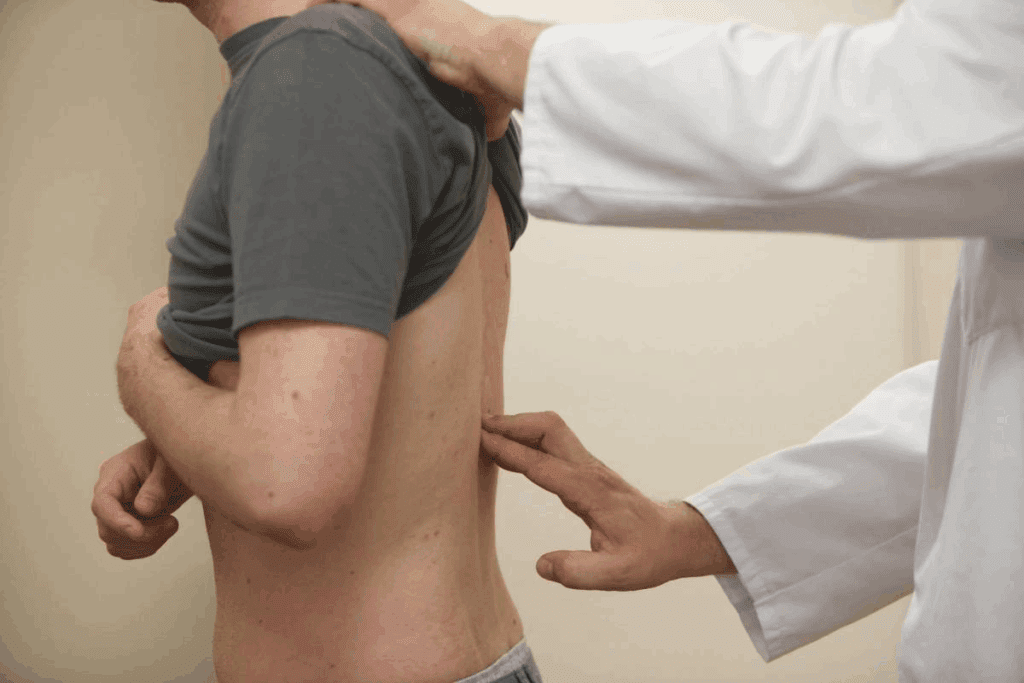
- Physical examination: A healthcare provider will check muscle strength, reflexes, and sensitivity to touch.
- Imaging tests: X-rays, MRI (Magnetic Resonance Imaging), or CT (Computed Tomography) scans to see the spine and find narrowing areas.
- Medical history: Looking at the patient’s medical history to understand symptom progression.
| Diagnostic Test | Purpose |
| X-ray | To see bone structures and find any problems. |
| MRI | To get detailed images of soft tissues, like nerves and discs. |
| CT Scan | To get a detailed view of bones and find issues not seen on X-rays. |
Understanding Your Diagnosis
After being diagnosed, knowing how severe and where the stenosis is is important. Your doctor will explain your diagnosis and talk about treatment options that fit your case.
It’s important to ask questions and consider a second opinion if needed. This ensures you’re okay with your treatment plan.
Conventional Medical Treatments vs. Natural Approaches
Spinal stenosis treatment options include both medical procedures and natural remedies. Each has its own benefits and drawbacks. Understanding both conventional and natural treatments is key to managing symptoms and improving life quality.
Standard Medical Interventions
Conventional treatments for spinal stenosis include medication, physical therapy, and sometimes surgery. Medications like NSAIDs and corticosteroids help with pain and swelling. Physical therapy keeps patients flexible and strong, helping them manage symptoms better.
Surgery is considered when other treatments don’t work, usually for severe cases. Procedures like laminectomy or spinal fusion aim to relieve nerve pressure.
Why Consider Natural Alternatives
Many patients choose natural treatments to complement or replace conventional ones. Natural treatments for spinal stenosis include diet changes, lifestyle adjustments, and therapies like acupuncture. These methods aim to address the root causes of spinal stenosis and promote spinal health.
Natural remedies have fewer side effects and offer a holistic health approach. Eating anti-inflammatory foods, for example, can help reduce inflammation in spinal stenosis.
Integrating Conventional and Natural Treatments
The best treatment plan for spinal stenosis combines conventional and natural methods. This combination can lead to better outcomes and a higher quality of life. It’s important for patients to work with their healthcare provider to create a personalized plan.
A patient might use medication for pain while doing physical therapy and making dietary changes. This integrated approach leverages the strengths of both conventional and natural treatments.
Spinal Stenosis Treatment Natural Remedies: An Overview
Treating spinal stenosis often includes natural remedies along with traditional medicine. These natural therapies can help ease symptoms and boost overall health.
The Science Behind Natural Remedies
Natural remedies for spinal stenosis include diet changes, supplements, and alternative therapies. They work by reducing inflammation, aiding in healing, and supporting the spine. For example, some foods and supplements can lessen inflammation caused by spinal stenosis.
Key Components of Natural Remedies:
- Dietary modifications to reduce inflammation
- Supplements such as omega-3 fatty acids and antioxidants
- Alternative therapies like acupuncture and massage
Setting Realistic Expectations
Natural remedies can greatly help, but it’s important to have realistic hopes. They might not cure all symptoms but can manage them well. A mix of natural and traditional treatments can lead to better results.
It’s essential to consult with healthcare professionals before starting any new treatment regimen.
Creating a Holistic Treatment Plan
Making a holistic treatment plan means combining natural remedies with traditional medicine. This way, people can get the best of both worlds. Working with healthcare providers helps create a plan that meets individual needs and promotes spinal health.
Steps to Create a Holistic Plan:
- Consult with healthcare professionals to discuss treatment options
- Identify natural remedies that complement conventional treatments
- Monitor progress and adjust the treatment plan as needed
Anti-Inflammatory Diet for Spinal Stenosis Relief
An anti-inflammatory diet can help ease spinal stenosis pain. Choosing the right foods can reduce inflammation and improve life quality.
Foods That Fight Inflammation
Some foods can fight inflammation. Here are some good choices:
- Fatty Fish: Salmon and sardines are full of omega-3s, which fight inflammation.
- Leafy Greens: Spinach and kale are loaded with antioxidants.
- Nuts and Seeds: Almonds and chia seeds have healthy fats and antioxidants.
- Berries: Blueberries and raspberries are high in vitamin C and antioxidants.
Foods to Avoid with Spinal Stenosis
Some foods can make inflammation worse. It’s wise to limit or avoid:
- Processed Foods: They often have unhealthy fats and preservatives.
- Sugary Snacks: They can cause inflammation.
- Refined Carbohydrates: White bread and pasta can also cause inflammation.
Meal Planning for Spine Health
Planning meals for spine health is more than just adding or removing foods. It’s about eating a balanced diet for overall health. Below is a daily meal plan tailored to support spinal health:
| Meal | Foods | Benefits |
| Breakfast | Oatmeal with berries and nuts | Rich in fiber and antioxidants |
| Lunch | Grilled salmon with spinach salad | High in omega-3s and antioxidants |
| Dinner | Quinoa and vegetable stir-fry | Good source of protein and fiber |
Eating whole, nutrient-rich foods and avoiding processed and sugary items helps. This creates a diet that supports health and may ease spinal stenosis symptoms.
Essential Supplements and Herbs for Spinal Health
Looking to naturally heal spinal stenosis? Certain supplements and herbs can help. It’s important to know how they fit into a complete treatment plan.
Anti-Inflammatory Supplements
Inflammation is a big problem in spinal stenosis. Some supplements can help reduce it and ease symptoms.
- Omega-3 Fatty Acids: These have anti-inflammatory properties. They help reduce inflammation and support health.
- Turmeric/Curcumin: Curcumin in turmeric is anti-inflammatory and antioxidant. It’s a favorite for fighting inflammation.
- Ginger: Ginger has been used for centuries for its anti-inflammatory effects. It can be eaten fresh, dried, or as a supplement.
| Supplement | Potential Benefits | Recommended Dosage |
| Omega-3 Fatty Acids | Reduces inflammation, supports heart health | 1000-2000 mg daily |
| Turmeric/Curcumin | Anti-inflammatory, antioxidant | 500-2000 mg daily |
| Ginger | Anti-inflammatory, aids digestion | 250-500 mg daily |
Herbs for Pain Relief and Nerve Health
Some herbs can also help with pain and nerve health.
- White Willow Bark: It has salicin, like aspirin. It can reduce pain and inflammation.
- St. John’s Wort: It’s used for nerve pain. It may help with neuropathic symptoms of spinal stenosis.
Proper Dosage and Safety Considerations
Supplements and herbs can be helpful, but dosage and safety are key. Avoiding bad effects is important.
Always talk to a healthcare professional before adding new supplements or herbs. This is true if you’re already on medications or have health issues.
By adding these supplements and herbs to a treatment plan, people with spinal stenosis may find more relief. They can support their spinal health better.
Yoga and Gentle Movement Therapies
Yoga and other gentle movement therapies can help with spinal stenosis. They improve flexibility and reduce pain. These exercises can be adjusted to fit each person’s needs, making them easy to access.
Beneficial Yoga Poses
Some yoga poses can ease spinal stenosis symptoms. They make the spine more flexible and strengthen the muscles around it. Here are a few helpful poses:
- Cobra Pose: Strengthens the back muscles and opens up the chest.
- Cat-Cow Pose: Gentle, flowing movement that can help reduce stiffness.
- Child’s Pose: A resting pose that can help stretch the back and hips.
| Pose | Benefits | Precautions |
| Cobra Pose | Strengthens back muscles, opens chest | Avoid if you have severe back pain |
| Cat-Cow Pose | Reduces stiffness, improves flexibility | Move slowly and gently |
| Child’s Pose | Stretches back and hips, relaxing | Use a pillow or support if needed |
Poses to Avoid
While yoga is helpful, some poses can make spinal stenosis worse. It’s important to stay away from poses that involve too much bending, twisting, or heavy lifting. Avoid these poses:
- Deep forward bends
- Twisting poses
- High-impact or jarring movements
Tai Chi and Qigong
Tai chi and qigong are also good for spinal stenosis. They combine slow movements with deep breathing. This helps improve balance, strength, and flexibility.
Tai chi has been shown to lessen pain and improve function in people with spinal stenosis. Qigong focuses on breath control and gentle movement. It helps with overall well-being and managing symptoms.
Adding these gentle movement therapies to a treatment plan can help reduce symptoms. It can also improve the quality of life for those with spinal stenosis.
Physical Therapy Approaches and Home Techniques
Managing spinal stenosis often requires a mix of professional physical therapy and home exercises. Physical therapy is key in treating spinal stenosis. It offers both professional guidance and exercises to do at home. These help improve mobility and reduce pain.
Professional Physical Therapy Interventions
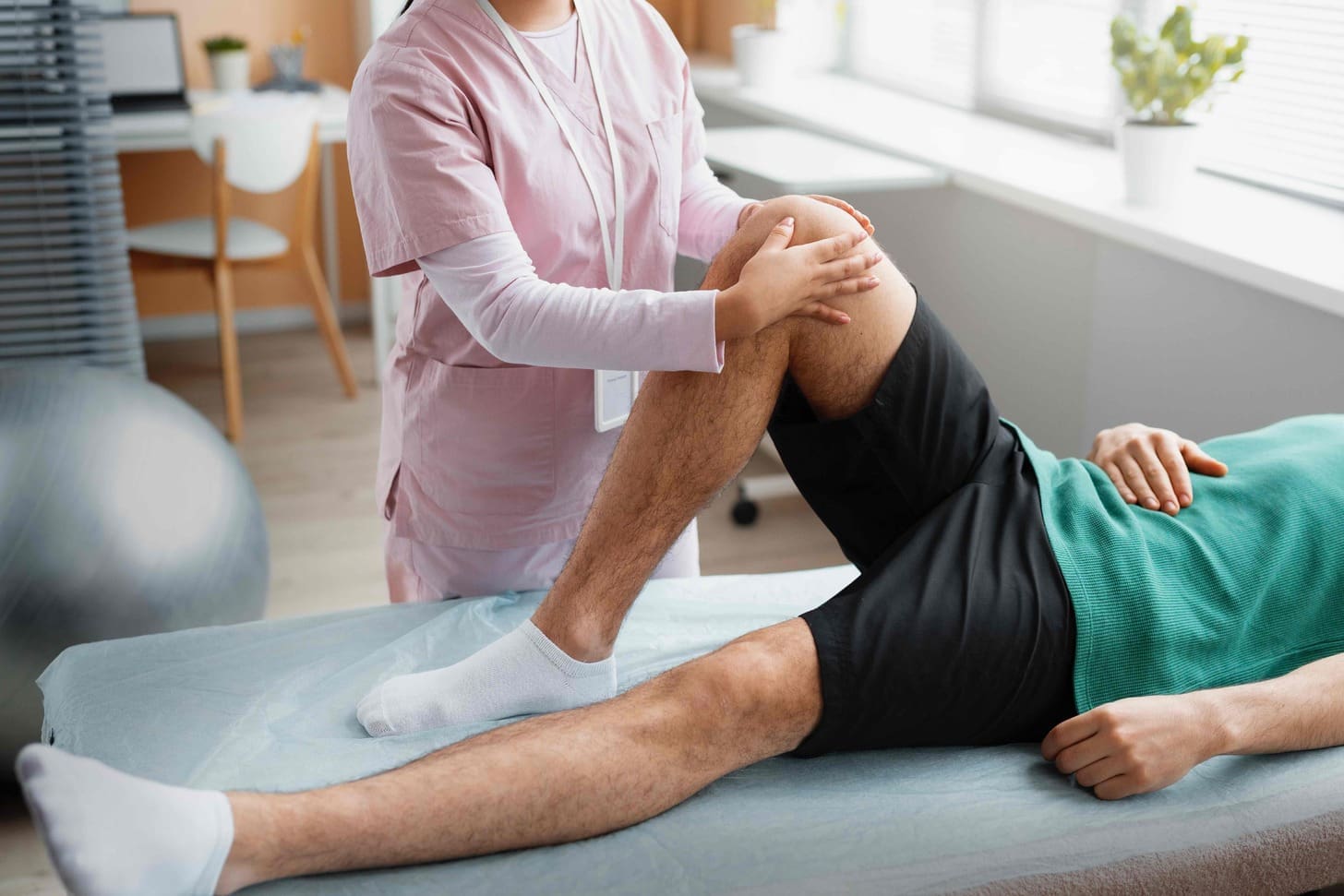
Professional physical therapy is customized for each person’s needs. It includes manual therapy like joint mobilization and soft tissue massage. These help improve flexibility and reduce stiffness.
Key components of professional physical therapy for spinal stenosis include:
- Personalized exercise programs to strengthen supporting muscles
- Stretching exercises to improve flexibility
- Manual therapy to enhance joint mobility
- Posture education to reduce strain on the spine
Self-Administered Physical Therapy Techniques
Self-administered techniques are also effective in managing spinal stenosis symptoms. Home exercises can be done regularly to keep muscles flexible and strong.
Examples of self-administered techniques include:
- Gentle stretching exercises to improve flexibility
- Strengthening exercises for core and back muscles
- Low-impact aerobic exercises, such as walking or swimming
- Proper body mechanics and posture practices
Specific Therapies for Cervical vs. Lumbar Stenosis
The treatment for spinal stenosis can differ based on the area affected. Knowing these differences is key for effective treatment.
| Therapy Aspect | Cervical Stenosis | Lumbar Stenosis |
| Focus of Exercises | Neck strengthening and flexibility | Lower back strengthening and flexibility |
| Common Techniques | Neck stretches, shoulder mobilization | Core strengthening, hip flexor stretches |
| Posture Education | Emphasis on proper neck alignment | Focus on lumbar lordosis and pelvic tilt |
Understanding the specific needs of cervical versus lumbar stenosis helps tailor physical therapy. This can lead to better outcomes.
Alternative Therapies: Acupuncture, Massage, and More
Therapies like acupuncture, massage, and chiropractic care are becoming more popular. They help with spinal stenosis symptoms. These methods offer a natural way to manage pain and improve life quality.
Acupuncture for Spinal Stenosis Pain
Acupuncture is an old practice that uses thin needles to help the body heal. Studies show it can lessen pain and improve function in people with spinal stenosis. It works by releasing chemicals that help with pain, making it a great part of treatment.
Therapeutic Massage Techniques
Massage therapy is also effective for spinal stenosis symptoms. Massage therapists use different methods to relax muscles, boost blood flow, and cut down pain. Regular massages can make stiffness and pain from spinal stenosis better, improving your overall health.
Chiropractic Care Considerations
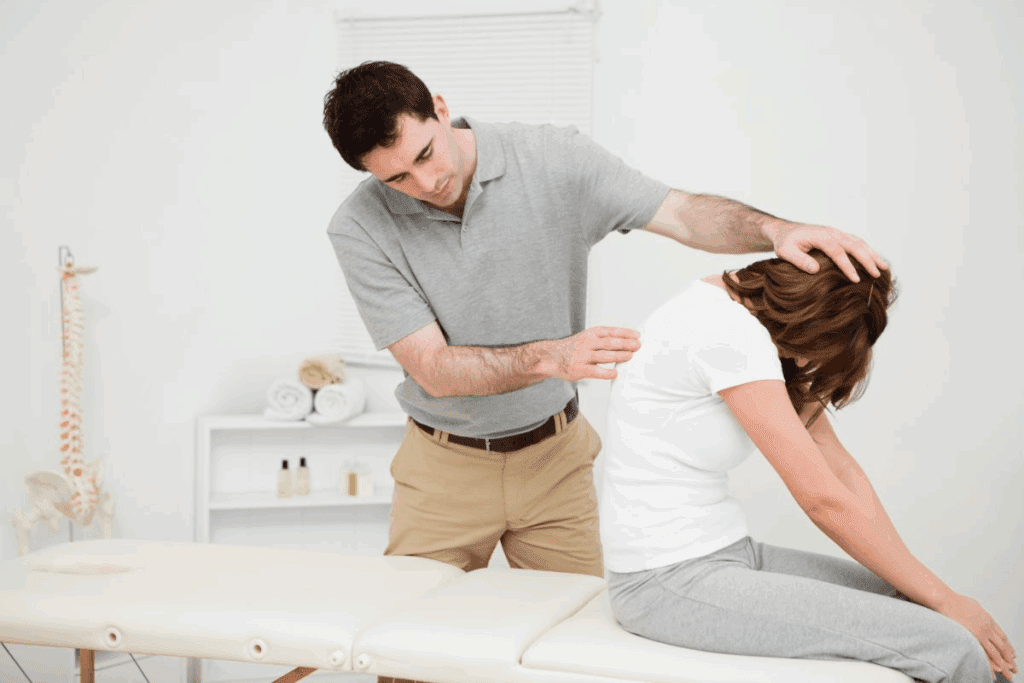
Chiropractic care deals with fixing joint misalignments, mainly in the spine. Chiropractors use spinal adjustments and other hands-on treatments to get joints moving right, reduce swelling, and enhance nerve function. It’s key to talk to a doctor to see if chiropractic care is right for you.
Other Complementary Approaches
Other therapies like meditation, yoga, and physical therapy can also help with spinal stenosis symptoms. These methods focus on relaxation and pain control. Adding them to your treatment plan can offer a more complete way to manage spinal stenosis.
Managing Flare-Ups and Daily Pain Naturally
Spinal stenosis can be tough to handle, but there are natural ways to manage pain. We know dealing with spinal stenosis pain daily can feel overwhelming. But, many natural methods can help a lot.
Heat and Cold Therapy
Heat and cold therapy are simple yet effective for spinal stenosis pain. Heat therapy relaxes muscles and boosts blood flow, easing stiffness and pain. Cold therapy, on the other hand, cuts down inflammation and numbs pain. Switching between heat and cold can offer the best relief.
To use heat therapy, try a warm bath, heating pad, or warm compress. For cold therapy, use an ice pack or cold compress wrapped in a towel. Start with heat to relax muscles, then cold to reduce inflammation.
Topical Natural Pain Relievers
Topical natural pain relievers are also great for managing spinal stenosis pain. These include creams, gels, and ointments with natural ingredients like arnica, capsaicin, and essential oils. These ingredients help by reducing inflammation, numbing pain, or relaxing muscles.
When picking a topical pain reliever, look for products with tested ingredients. Always follow the application instructions carefully. It’s wise to talk to a healthcare professional before starting any new treatment.
Mind-Body Techniques for Pain Control
Mind-body techniques are key in managing spinal stenosis pain. Practices like meditation, deep breathing exercises, and progressive muscle relaxation can lessen stress and pain. These methods calm the mind and relax the body, making pain feel less intense.
Regular mindfulness practices can also boost your overall well-being. You can find guided meditations and exercises online or through mobile apps for pain management.
TENS and Other Non-Invasive Devices
Transcutaneous Electrical Nerve Stimulation (TENS) is a non-invasive method that uses electrical impulses to ease pain. By placing electrodes on the skin near the pain area, TENS can block pain signals to the brain. Other non-invasive devices, like electrical muscle stimulation (EMS) units, can also help by strengthening muscles around the spine.
While TENS and similar devices can be helpful, it’s important to talk to a healthcare provider before using them. This ensures they’re right for your condition and that you know how to use them correctly.
Lifestyle Modifications to Support Spine Health
Making lifestyle changes can help ease spinal stenosis symptoms and improve life quality. Simple changes in daily routines can greatly enhance spine health and overall well-being.
Proper Sleep Positions and Mattress Selection
It’s important to sleep in a way that doesn’t strain your spine. Sleeping on your side with a pillow between your knees or on your back with a pillow under your knees can help. A medium-firm mattress is also recommended for the right support.
Ergonomic Considerations for Daily Activities
Using ergonomic practices can reduce spine stress during daily tasks. This means sitting, standing, and lifting correctly. Using ergonomic furniture and tools can help maintain good posture and reduce strain.
| Activity | Ergonomic Tip |
| Sitting | Keep feet flat on floor or on a footrest, with knees at or below hip level. |
| Lifting | Bend at the knees, keep the object close to your body, and lift with your legs. |
| Standing | Keep weight evenly distributed on both feet, avoid locking knees. |
Weight Management Strategies
Keeping a healthy weight is key to reducing spine pressure. A balanced diet and regular exercise can help. It’s best to talk to a healthcare professional for a personalized plan.
- Eat a balanced diet rich in fruits, vegetables, and whole grains.
- Engage in regular physical activity, such as walking or swimming.
- Monitor calorie intake and adjust as necessary.
Stress Reduction Techniques
Stress can make spinal stenosis symptoms worse. Techniques like meditation, deep breathing, or yoga can help manage stress and improve well-being.
By making these lifestyle changes, people with spinal stenosis can better manage their symptoms and improve their quality of life. Always consult with healthcare professionals before making big changes to ensure they’re right for you.
Prevention Strategies and Long-Term Management
Managing spinal stenosis long-term needs a mix of lifestyle changes, natural remedies, and sometimes medical treatments. This approach helps prevent the condition from getting worse and keeps you mobile.
Preventing Progression of Spinal Stenosis
It’s key to stop spinal stenosis from getting worse to keep your life quality high. Eating well, exercising regularly, and staying at a healthy weight are important. These steps help ease pressure on your spine.
Nutritional Strategies: Eating foods rich in omega-3s, antioxidants, and fiber can fight inflammation and support your spine. Include fatty fish, nuts, seeds, and lots of fruits and veggies in your diet.
| Food Group | Examples | Benefits |
| Fatty Fish | Salmon, Mackerel | High in Omega-3 fatty acids, reduces inflammation |
| Nuts and Seeds | Almonds, Chia Seeds | Rich in antioxidants and healthy fats |
| Fruits and Vegetables | Berries, Leafy Greens | High in antioxidants and fiber |
Maintaining Mobility and Independence
Keeping mobile is vital for those with spinal stenosis to stay independent and enjoy life. Gentle activities like yoga, tai chi, and swimming can boost flexibility and strength without hurting your condition.
Gentle Exercise Options:
- Yoga: Improves flexibility and strength, reduces stress
- Tai Chi: Enhances balance and coordination
- Swimming: Low-impact exercise that strengthens muscles without straining the spine
Success Stories and Case Studies
Many people have managed their spinal stenosis well by using natural remedies, making lifestyle changes, and sometimes getting medical help. Their stories offer hope and useful tips for others facing this condition.
For example, a patient who started doing yoga and followed an anti-inflammatory diet saw a big drop in pain and better mobility. These stories show the value of a complete approach to managing spinal stenosis.
Conclusion:
Creating a natural healing plan for spinal stenosis is a detailed process. It involves using natural remedies, making lifestyle changes, and sometimes conventional treatments. This way, people can make a personalized treatment plan for spinal stenosis that fits their unique needs. It helps manage the condition effectively. We’ve looked at different natural ways to help, like anti-inflammatory diets, supplements, yoga, and physical therapy. Adding these to a single plan can help manage symptoms and improve life quality. A good natural healing plan for spinal stenosis lets people actively participate in their healing. They can make informed choices about their care. To make a plan work, talking to healthcare experts is key. They consider how severe the condition is, the person’s overall health, and what they prefer. This way, a plan can be made that meets the person’s needs and supports long-term health.
FAQ
What is the best painkiller for spinal stenosis?
It’s best to talk to a healthcare professional about the right pain relief for you. They might suggest natural options like creams or herbal supplements.
Can spinal stenosis be cured without surgery?
Sometimes, surgery is needed. But many people find relief with natural remedies, lifestyle changes, and alternative therapies.
What is the treatment for stenosis of the central canal?
Treatment often includes physical therapy, pain management, and lifestyle changes. Surgery might be needed in some cases.
How do you fix spinal stenosis without surgery?
A good approach includes natural remedies, physical therapy, and lifestyle changes. This can help manage symptoms and improve life quality.
Is spinal stenosis curable?
There’s no cure for spinal stenosis. But, many manage their symptoms well with natural remedies and conventional treatments.
What are the benefits of yoga for spinal stenosis?
Yoga can make you more flexible, reduce pain, and improve well-being. Some poses are great for spinal stenosis, while others should be avoided.
Can acupuncture help with spinal stenosis pain?
Acupuncture can help reduce pain and improve symptoms for some. It’s important to see a licensed practitioner.
How can I manage flare-ups of spinal stenosis?
To manage flare-ups, try heat or cold therapy, topical pain relievers, and relaxation techniques like meditation or deep breathing.
What lifestyle modifications can support spine health?
Keeping a healthy weight, getting enough sleep, and reducing stress can help your spine stay healthy.
Are there any specific foods that can help alleviate spinal stenosis symptoms?
Eating foods that fight inflammation, like fruits, vegetables, and omega-3 fatty acids, can help your health.
Can physical therapy help with spinal stenosis?
Yes, physical therapy can improve mobility, reduce pain, and enhance function.
What are the benefits of massage therapy for spinal stenosis?
Massage can ease muscle tension, improve blood flow, and relax you. These benefits can help manage spinal stenosis symptoms.
How can I prevent the progression of spinal stenosis?
A healthy lifestyle, regular exercise, and stress reduction can slow spinal stenosis progression.
Are there any natural supplements that can help with spinal stenosis?
Supplements like omega-3 fatty acids, turmeric, and ginger may help. Always talk to a healthcare professional before trying new supplements.
Can weight loss help alleviate spinal stenosis symptoms?
Yes, losing weight can reduce spine pressure and ease symptoms.
Is it possible to reverse spinal stenosis?
While you can’t reverse spinal stenosis, a good treatment plan can manage symptoms and improve life quality.
References
- Delitto, A., et al. (2019). Comparative clinical effectiveness of nonsurgical treatment methods for lumbar spinal stenosis: A randomized clinical trial. JAMA Network Open, 2(1), e187399-e187399. https://jamanetwork.com/journals/jamanetworkopen/fullarticle/2720073