Last Updated on November 4, 2025 by mcelik
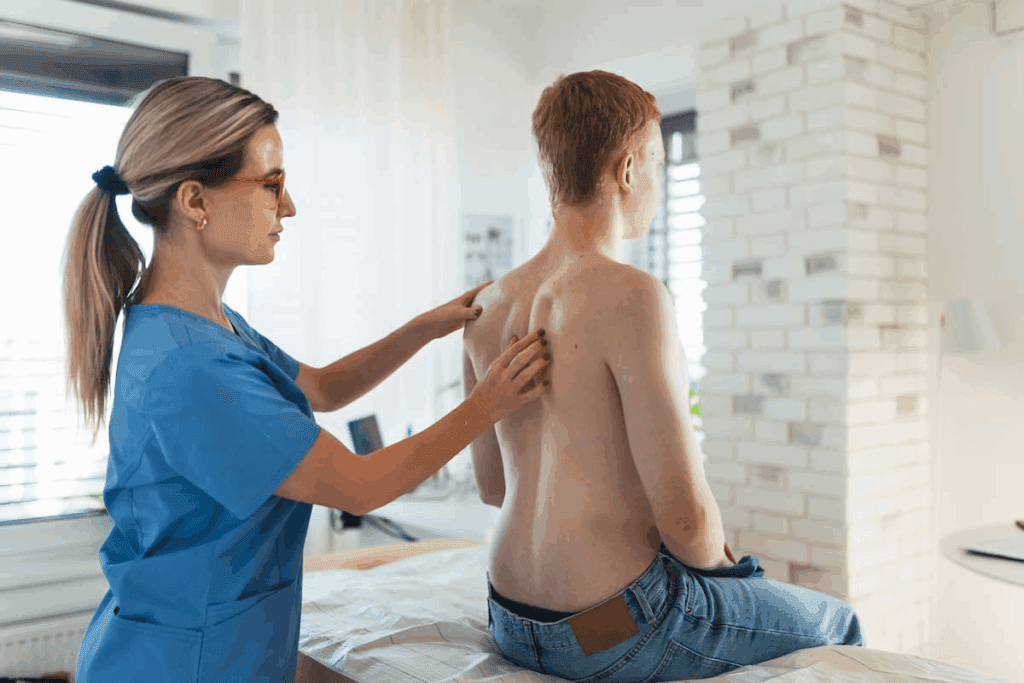
Scoliosis affects millions worldwide, with 1 in 40 people having it. It’s a condition where the spine curves abnormally. Finding the right treatment is key.
Many can manage scoliosis without surgery. But, severe cases might need surgery to fix the curve and ease symptoms.
Deciding on spine curvature surgery depends on several things. These include the scoliosis degree and the patient’s health. Usually, surgery is considered when the curve is over 45-50 degrees.
Key Takeaways
- Scoliosis is a condition that affects the spine’s curvature.
- The degree of scoliosis is a critical factor in determining treatment.
- Surgery is often necessary for curvatures beyond 45-50 degrees.
- Overall health and other factors influence the decision for surgery.
- Non-surgical management is available for less severe cases.
Understanding Scoliosis and Spinal Curvature
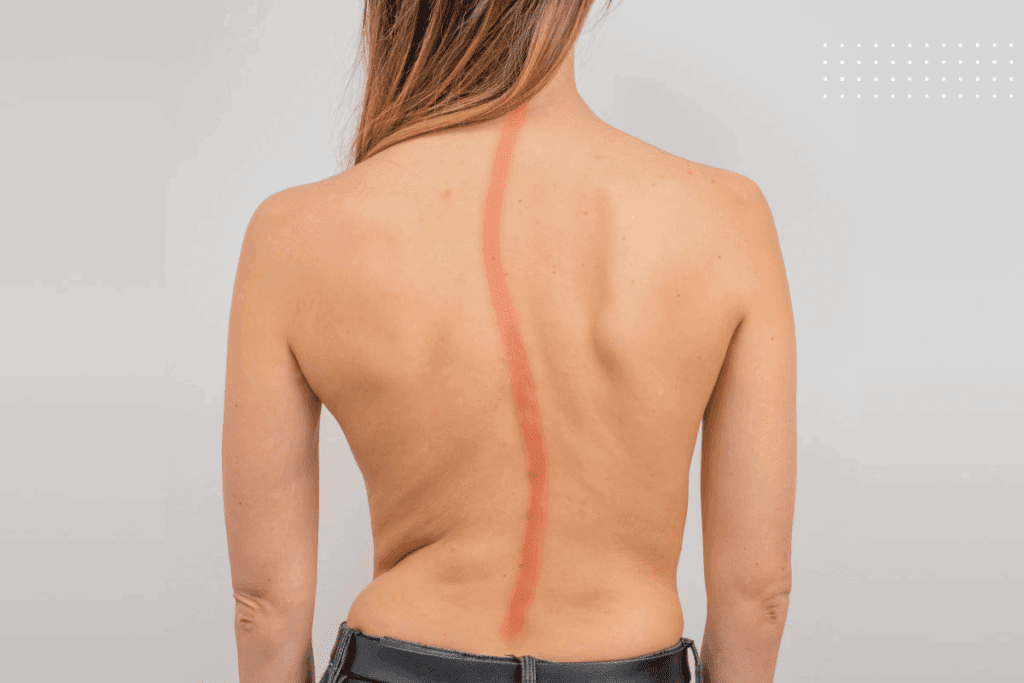
Scoliosis is a complex spinal condition. It is marked by an abnormal lateral curvature of the spine. The degree of this curvature is key in determining the condition’s severity and the right treatment.
Definition and Types of Scoliosis
Scoliosis is not just one condition but a syndrome with many causes. Idiopathic scoliosis, the most common, has no known cause and is often found in teenagers. Congenital scoliosis is present at birth due to vertebral anomalies. Neuromuscular scoliosis is linked to neurological or muscular diseases.
Each type of scoliosis has its own challenges. This means each needs a unique management and treatment plan.
How Spinal Curves Are Measured: The Cobb Angle
The Cobb angle measures scoliosis severity using X-rays. It’s calculated by drawing lines on the X-ray. The angle formed by these lines is the Cobb angle. It’s vital for assessing the curve’s degree and tracking any changes.
Common Curve Patterns and Their Significance
Scoliosis can show up in different curve patterns. These include thoracic, lumbar, and thoracolumbar curves. The curve’s location and direction can greatly affect symptoms and treatment options.
For example, thoracic curves can impact lung function. Lumbar curves might affect lower back pain and mobility. Knowing these patterns helps doctors create a treatment plan that meets the patient’s needs.
Classification of Scoliosis by Severity
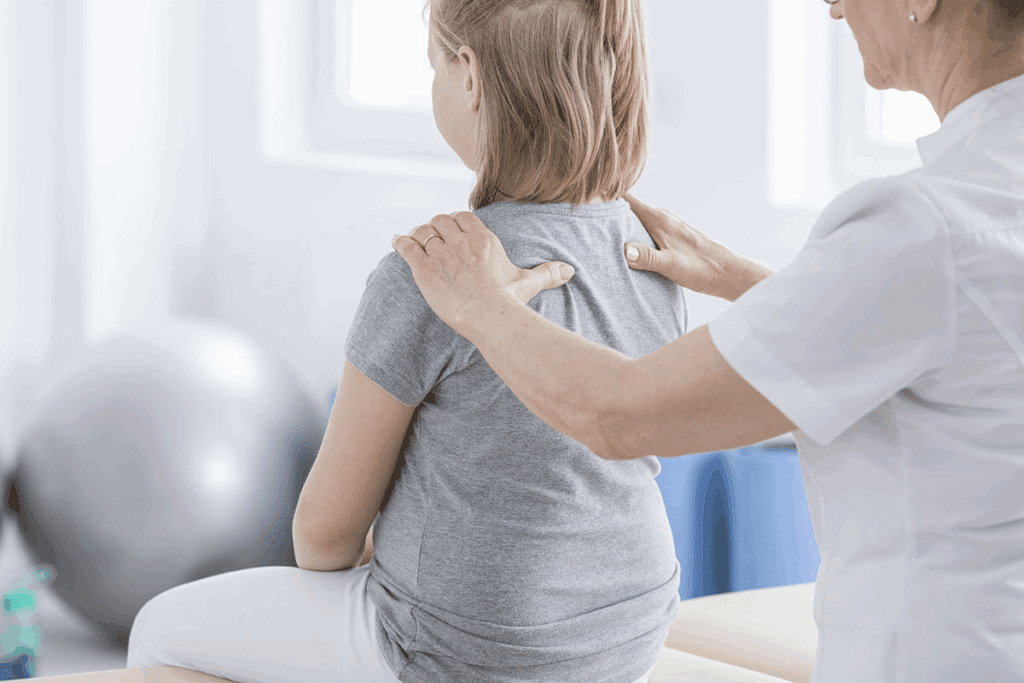
Knowing how severe scoliosis is helps decide the right treatment. Scoliosis is when the spine curves abnormally. The severity is mainly based on the Cobb angle from X-rays.
Mild Scoliosis (10-25 degrees)
Mild scoliosis has a Cobb angle of 10 to 25 degrees. At this level, the curve is small, and many people don’t notice it. Mild dextroscoliosis, where the spine curves to the right, is often found during check-ups. For example, a 10 degree scoliosis is very mild and might just need watching.
Moderate Scoliosis (25-40 degrees)
When scoliosis gets to 25 to 40 degrees, the curve is more obvious. People with a 30 degree scoliosis might see changes in their posture or feel a bit of pain. At this point, treatments like bracing or physical therapy might be suggested to stop it from getting worse.
Severe Scoliosis (40+ degrees)
Severe scoliosis has a Cobb angle over 40 degrees. A 40 degree scoliosis is serious and can cause noticeable deformity, pain, and breathing problems. What is considered severe scoliosis depends on the situation, but it’s usually over 40 degrees. Surgery is often needed to fix the curve and ease symptoms.
Visual Appearance at Different Curve Magnitudes
The look of scoliosis changes with the curve’s size. Mild cases (10-25 degrees) might not be seen easily. As the curve grows (25-40 degrees), the deformity becomes clearer, with uneven shoulders or hips. Severe cases (40+ degrees) have a big curve, causing cosmetic issues and affecting life quality.
| Cobb Angle (degrees) | Classification | Visual Appearance |
| 10-25 | Mild | Minimal deformity, often not noticeable |
| 25-40 | Moderate | Noticeable asymmetry, possible mild discomfort |
| 40+ | Severe | Clear deformity, possible significant pain and issues |
Non-Surgical Treatment Options for Scoliosis
Non-surgical treatments are key for managing scoliosis, mainly in mild to moderate cases. These methods can help manage the condition, enhance quality of life, and sometimes avoid surgery.
Observation and Monitoring
For those with mild scoliosis, with a Cobb angle under 25 degrees, watching and regular check-ups are often advised. Early detection of any significant change allows for timely adjustment of the treatment plan.
Physical Therapy and Exercise Approaches
Physical therapy and specific exercises are now seen as important in treating scoliosis. Scoliosis-specific exercise programs, like the Schroth Method, aim to improve spinal flexibility and posture. These exercises are customized to fit the individual’s curve and severity.
| Exercise Program | Focus | Benefits |
| Schroth Method | Spinal flexibility, muscle strengthening | Improved posture, reduced curvature progression |
| SEAS Method | Exercises tailored to the individual’s curve pattern | Enhanced spinal stability, improved quality of life |
Bracing: When and How It’s Used
Bracing is a common non-surgical treatment for scoliosis, mainly for children and teens with moderate curvature (Cobb angle between 25-40 degrees). The goal is to stop further curvature, mainly during growth spurts. The effectiveness of bracing depends on consistent wear as prescribed by the healthcare provider. For example, Molly Neseth was treated with a brace early on.
Alternative Therapies: Evidence and Limitations
Some people try alternative therapies like chiropractic care, acupuncture, or special diets to manage scoliosis naturally. While these methods may improve overall health, the scientific evidence supporting their effectiveness in treating scoliosis is limited. It’s important for patients to talk to their healthcare provider about these options to understand their benefits and drawbacks.
In conclusion, non-surgical treatments for scoliosis offer various options based on individual needs and condition severity. By understanding these options, patients can make informed decisions about their care, potentially improving outcomes and quality of life.
Key Factors That Determine the Need for Spine Curvature Surgery
Deciding if spine surgery is needed involves looking at several important factors. Doctors use these to decide if surgery is right for each patient.
Curve Progression and Growth
The degree of curve and growth are key. For teens, growth spurts can make curves worse. Monitoring curve progression with X-rays and checks helps doctors see if surgery is needed.
Guy Natale’s story shows how important it is to treat underlying issues. His leg difference caused severe back pain and scoliosis, showing the need for a full treatment plan.
Impact on Lung Function and Vital Organs
Severe curves can harm lung function and vital organs. Surgery may be needed to fix these problems and improve health. Restrictive lung disease can happen if scoliosis is not treated, making surgery vital to avoid lasting damage.
Pain and Neurological Symptoms
Chronic pain and neurological symptoms are big factors in deciding on surgery. Patients with a lot of pain or symptoms like numbness may need surgery. It can help relieve pressure on the spinal cord and nerves.
- Pain management
- Neurological symptom relief
- Improvement in quality of life
Cosmetic Concerns and Psychological Impact
The psychological effects of scoliosis are important. Visible curves can hurt a person’s self-esteem, more so in teens. Surgery can improve the spine’s look, boosting well-being and confidence.
Healthcare providers look at these factors to decide on surgery. They tailor treatment to each patient’s needs and situation.
The Critical Threshold: When Curves Require Surgical Intervention
Deciding on surgery for scoliosis depends on several factors, like how severe the spinal curve is. Scoliosis is when the spine curves abnormally. It’s important to evaluate it carefully to find the best treatment. We’ll look at when surgery is needed, focusing on the curve’s degree and other factors.
The 45-50 Degree Benchmark for Adolescents
For teens, a curve of 45-50 degrees often means surgery is needed. At this level, the curve can get worse fast. Surgery can stop this and prevent more problems. For example, Molly Neseth had surgery when her curve was over 45 degrees. Early treatment is key.
Considerations for Adult Scoliosis
Adult scoliosis is different from teen scoliosis. Things like degenerative changes, overall health, and how scoliosis affects daily life matter. Adults might need a more careful look at their condition and health.
Curve Location and Its Influence on Surgical Decisions
The spot where the spine curves is also important. The scoliosis curve location affects treatment choices. Curves in the thoracic spine can hurt lung function. Curves in the lumbar spine can affect mobility and back pain.
Knowing what degree of scoliosis requires surgery is vital. It’s not just the curve’s degree. Symptoms and the chance of getting worse also play a part in deciding treatment.
Age Considerations for Scoliosis Surgery
Age is key when thinking about scoliosis surgery. It helps decide the best treatment. Each age group reacts differently to surgery.
Pediatric and Adolescent Patients
In kids and teens, surgery is considered for big curvatures that will get worse. Growing rods and other new methods help fix the curve while the spine grows.
The goal is to fix the curve but keep the spine flexible and growing. Advanced surgery helps young patients stay active.
Adult Scoliosis Surgery: Special Considerations
Adults face more challenges with scoliosis surgery because of other health problems. Degenerative changes and past surgeries make it harder.
Adults need a detailed check-up before surgery to look at their health and risks. Personalized plans are key to meet their specific needs.
Elderly Patients and Surgical Risk Assessment
Elderly patients need careful thought before surgery because of their health and risks. Guy Natale’s surgery at 71 shows the importance of individualized risk assessment.
Older patients often have more health issues that can affect surgery results. A detailed check is needed to find the safest and best way to proceed.
Understanding the unique needs of each age group helps doctors create custom treatment plans. This improves results for scoliosis patients.
Modern Spine Curvature Surgery Techniques and Approaches
Modern spine surgery uses many techniques to fix spinal problems. New tech and surgical methods have made treatments better for scoliosis patients.
Traditional Spinal Fusion
Traditional spinal fusion is a common surgery for scoliosis. It joins vertebrae with bone grafts, rods, and screws. This makes the spine stable and straightens it out.
This method has been used for years and works well for many. But, it can make the spine less flexible. It also might take longer to recover than newer methods.
Growing Rod Techniques for Young Children
Growing rod techniques are for kids with scoliosis who are growing. These rods are implanted and can be made longer as the child grows. This lets the spine keep growing.
This approach helps control the curve as the child grows. It might mean fewer surgeries later on.
Vertebral Body Tethering and Motion-Preserving Options
Vertebral body tethering is a new, flexible surgery. It uses a cord to attach to vertebrae outside the curve. This lets the spine grow and stay flexible.
This method is for kids with scoliosis who are growing a lot. It keeps more natural movement than traditional fusion.
Computer-Assisted Navigation and Robotics
Computer-assisted navigation and robotics have changed spine surgery. They make the surgery more precise and safe. These tools give surgeons real-time feedback, helping place implants better.
They use advanced imaging to see the spine clearly. This helps surgeons make better decisions during surgery.
Molly Neseth had a modern surgery with two metal bars on her spine. This shows how advanced techniques are used in scoliosis treatment.
| Surgical Technique | Description | Advantages |
| Traditional Spinal Fusion | Joining vertebrae with bone grafts, rods, and screws | Well-established method, effective for many patients |
| Growing Rod Techniques | Adjustable rods for growing children | Accommodates growth, reduces need for future surgeries |
| Vertebral Body Tethering | Flexible cord attached to vertebrae | Preserves spinal flexibility and growth |
| Computer-Assisted Navigation | Real-time feedback during surgery | Enhances precision, reduces complications |
Minimally Invasive Surgical Options for Scoliosis
Minimally invasive surgery for scoliosis has changed how we treat this condition. It’s less invasive than traditional surgery. This method aims to cause less damage, reduce scarring, and speed up recovery.
Benefits and Limitations
Minimally invasive scoliosis surgery has many benefits. It uses smaller cuts, leads to less blood loss, and lowers post-op pain. But, it also has some downsides. It requires special training and tools.
Some key benefits are:
- Smaller cuts mean less scarring
- It causes less damage to the body
- It lowers the risk of infection
- Patients often have shorter hospital stays and recover faster
But, there are also some limitations:
- Not all scoliosis cases can use this method
- Surgeons need special training
- It can be more expensive due to the specialized tools
Candidate Selection for Minimally Invasive Approaches
Choosing the right candidate is key for success with minimally invasive surgery. Doctors look at the curve’s severity, the patient’s health, and past surgeries.
| Factor | Ideal Candidate Characteristics |
| Curve Severity | Mild to moderate curves (less than 50 degrees) |
| Patient Health | Good overall health, minimal comorbidities |
| Previous Surgeries | No previous spinal surgeries or minimal scar tissue |
Recovery Differences Compared to Traditional Surgery
Recovery from minimally invasive surgery is different from traditional surgery. Patients usually feel less pain, stay in the hospital less, and get back to normal faster.
Key differences in recovery are:
- Less pain after surgery and less need for pain meds
- Shorter hospital stays, often allowing for same-day or next-day discharge
- Quicker return to normal activities and work
In conclusion, minimally invasive surgery for scoliosis is a promising option. It offers faster recovery and less damage. But, it’s important to carefully choose the right candidates and consider the limitations for the best results.
Alternatives for Borderline Surgical Cases
When scoliosis curves are near surgery levels, other treatments are key. For those with borderline scoliosis, non-surgical options are vital. They help avoid or delay surgery.
Advanced Bracing Techniques
Bracing for scoliosis has improved a lot. Modern braces are more comfortable and effective. They help patients wear them longer.
Some advanced bracing techniques include:
- Nighttime braces for sleep
- Dynamic braces for more movement
- Custom 3D-printed braces for a perfect fit
Scoliosis-Specific Exercise Programs
Exercise programs like the Schroth Method are recognized. They can improve spinal curves and lessen symptoms.
These programs include:
- Targeted stretching
- Strengthening exercises for the spine
- Breathing techniques for better posture
Pain Management Strategies
Pain management is key for scoliosis patients. Treatments range from physical therapy to medication and alternative therapies.
Effective pain management strategies include:
- Physical therapy for flexibility and strength
- Medications like NSAIDs or muscle relaxants
- Alternative therapies like acupuncture or chiropractic care
When Watchful Waiting Is Appropriate
Watchful waiting is good for borderline scoliosis or those not ready for surgery. It means regular check-ups and monitoring.
Molly Neseth’s story is a good example. She was treated with a brace before surgery. Her case shows the need for a personalized treatment plan.
| Treatment Approach | Description | Benefits |
| Advanced Bracing | Customized braces for precise fit and comfort | Improved compliance, effective curve management |
| Scoliosis-Specific Exercises | Targeted exercises to improve posture and reduce symptoms | Improved spinal flexibility, reduced pain |
| Pain Management | Multidisciplinary approach to pain relief | Reduced discomfort, improved quality of life |
| Watchful Waiting | Regular monitoring for curve progression | Avoidance or delay of surgical intervention |
Risks and Complications of Scoliosis Surgery
It’s important for patients and their families to know about the risks of scoliosis surgery. This surgery, like any big operation, can have risks that affect how well you recover. Knowing these risks helps in making the right treatment choices.
Short-term Surgical Risks
Scoliosis surgery has risks right after the surgery. These include infection, bleeding, and problems with nerves. Infections are a risk with any surgery, and scoliosis surgery is no different. Doctors often use antibiotic prophylaxis to lower this risk.
Bleeding can happen during or after surgery. Some patients might need blood transfusions. Neurological problems, though rare, are serious. These can cause numbness, weakness, or even paralysis. Doctors use special tools to watch the spinal cord and nerves during surgery.
Long-term Complications
Long-term problems can include hardware failure and degeneration of spinal segments. Pseudoarthrosis, or bone failure to heal, is also a risk. These issues can lead to the need for more surgery.
| Complication | Description | Management |
| Hardware Failure | Breakage or loosening of surgical hardware | Revision surgery to repair or replace hardware |
| Adjacent Segment Disease | Degeneration of spinal segments adjacent to the fusion | Conservative management or additional surgery |
| Pseudoarthrosis | Failure of bone to heal | Revision surgery with bone grafting |
Strategies to Minimize Complications
Choosing the right patient and planning carefully are key to avoiding problems. Advanced imaging helps doctors understand the spine before surgery. Tools like intraoperative neuromonitoring and computer-assisted systems also help reduce risks.
After surgery, early movement and rehabilitation are important. This helps prevent issues like blood clots and pneumonia.
Revision Surgery: When and Why It’s Needed
Revision surgery might be needed if the first surgery doesn’t work. This could be due to hardware failure, bone not healing, or the curve getting worse. Deciding on revision surgery involves weighing the risks and benefits.
Recovery Timeline After Scoliosis Surgery
Knowing the recovery timeline after scoliosis surgery is key for patients. It covers the hospital stay and long-term rehab. Each stage is important for a full recovery.
Hospital Stay and Immediate Post-Op Period
The hospital stay usually lasts 4 to 7 days. It depends on the surgery’s complexity and the patient’s health. Molly Neseth was home in four days, starting physical therapy soon after.
Pain control is a top priority. Patients get a mix of medicines to ease their pain.
Return to Activities: Weeks to Months
After leaving the hospital, patients start to do more. Light activities like walking are encouraged early. But, strenuous activities and heavy lifting are off-limits for weeks or months.
The time it takes to get back to activities varies. It depends on the doctor’s advice and how well the patient heals.
Long-term Recovery and Adaptation
Long-term recovery is not just about healing. It’s also about getting used to spinal changes. Patients often do a lot of physical therapy to get stronger and more flexible.
It can take months for the body to adjust to the spinal fusion. During this time, patients may notice changes in their posture and spinal alignment.
Physical Therapy and Rehabilitation Protocols
Physical therapy is vital for recovery after scoliosis surgery. A custom rehab program helps patients move better, strengthen their back, and improve their posture. The therapy starts with simple exercises and gets harder as the patient gets stronger.
Following the physical therapy plan is essential. It helps avoid complications and ensures the best results.
Outcomes and Success Rates of Surgical Intervention
Understanding the outcomes of scoliosis surgery is key to making informed treatment choices. Surgery for scoliosis has become more effective. It offers better results and higher success rates for patients.
Curve Correction Expectations
The main goal of scoliosis surgery is to correct the spinal curve. Modern techniques can correct the curve by 60% to 90%. This depends on the curve’s severity and flexibility.
Several factors affect how much the curve can be corrected:
- The severity of the curvature before surgery
- The spine’s flexibility
- The surgical method used
- The experience of the surgical team
Quality of Life Improvements
Patients who have scoliosis surgery often see big improvements in their quality of life. Molly Neseth, a patient, said her quality of life greatly improved after surgery. These improvements include less pain, better mobility, and a better overall feeling.
Research shows that successful surgery can lead to:
- Less pain
- Better lung function if the curve affected it
- Better self-esteem and body image
Long-term Outcomes and Follow-up
Most patients keep the correction achieved by surgery long-term. Regular check-ups are important to watch how the spine responds and catch any issues early.
Studies show that long-term success depends on:
- The patient’s age at surgery
- Any underlying health conditions
- Following post-operative rehabilitation
Patient Satisfaction Studies
Patient satisfaction after scoliosis surgery is usually high. Many patients see big improvements in their symptoms and quality of life. Satisfaction comes from how much the curve is corrected, pain reduction, and better function.
Studies on patient satisfaction show that:
- Most patients are happy with their surgery results
- High satisfaction is linked to less pain and better spinal alignment
Conclusion: Making an Informed Decision About Scoliosis Surgery
Choosing scoliosis surgery is a big decision that needs careful thought. We’ve talked about what matters, like how severe the curve is, your age, and your health.
It’s key to think about the good things surgery can do and the possible downsides. Knowing about the surgery methods, how long it takes to get better, and what you can expect helps a lot.
By looking at your own situation and talking to a doctor, you can pick the best treatment for you. Good decision-making means understanding your condition well and knowing all your options.
Deciding on scoliosis surgery is best when everyone works together. Patients, families, and doctors can help each other make the right choice. This way, everyone can get the best results.
FAQ
What is scoliosis and how is it measured?
Scoliosis is a condition where the spine curves abnormally. It’s measured using the Cobb angle. This method is widely accepted for assessing the degree of curvature.
At what degree of curvature is surgery typically recommended for scoliosis?
Surgery is often considered when the curvature reaches 45-50 degrees in adolescents. This threshold can vary based on individual factors and symptoms.
What are the different types of scoliosis?
Scoliosis can be classified into different types based on its cause, location, and severity. The most common type is idiopathic scoliosis, which makes up most cases.
How does the severity of scoliosis impact treatment decisions?
The severity of scoliosis, as measured by the Cobb angle, is key in choosing treatment. Treatments range from observation and bracing to surgery.
What are the non-surgical treatment options for scoliosis?
Non-surgical treatments include observation, physical therapy, bracing, and scoliosis-specific exercise programs.
When is bracing used in the treatment of scoliosis?
Bracing is used for patients with moderate scoliosis (curves between 25-40 degrees). It’s aimed at preventing further curvature, mainly in growing children and adolescents.
What are the key factors that determine the need for spine curvature surgery?
Deciding on surgery depends on curve progression, lung function, pain, neurological symptoms, and cosmetic concerns.
How does age impact the decision to undergo scoliosis surgery?
Age is a big factor in scoliosis surgery. The needs and challenges vary greatly among pediatric, adolescent, adult, and elderly patients.
What are the modern surgical techniques used for scoliosis correction?
Modern techniques include traditional spinal fusion, growing rod techniques, vertebral body tethering, and computer-assisted navigation.
What are the benefits and limitations of minimally invasive surgical options for scoliosis?
Minimally invasive options offer benefits like shorter recovery times and less tissue disruption. Their suitability depends on the patient’s scoliosis characteristics.
What are the risks and complications associated with scoliosis surgery?
Scoliosis surgery carries risks and complications, including short-term surgical risks, long-term complications, and the need for revision surgery.
What is the typical recovery timeline after scoliosis surgery?
Recovery after scoliosis surgery varies. It includes a hospital stay, recovery at home, and a gradual return to activities over weeks to months.
What are the expected outcomes of surgical intervention for scoliosis?
Surgery can significantly correct the curve, improve quality of life, and reduce pain. Outcomes can vary among individuals.
References
- Weiss, H.-R., & Moramarco, M. (2025). Conservative and surgical treatments for adolescent idiopathic scoliosis. European Spine Journal, 34(2), 255-269. https://www.sciencedirect.com/science/article/pii/S1877132721000944