Last Updated on November 4, 2025 by mcelik

When we get a sprain, it’s not just the pain and swelling we worry about. Bruising is also a common symptom.This is because of the damage to ligaments and the tissues around them. Sprain bruises are common, but when should you Worry? The Shocking truth about Dangerous signs inside.
Sprains can be very painful and make it hard to move. Knowing how sprains and bruising are connected helps us deal with our injuries better. In this article, we’ll look at how sprains and bruising are linked. We’ll also talk about how to make these symptoms better.
Key Takeaways
- Sprains can cause bruising due to ligament damage
- Bruising is a common symptom of sprains
- Understanding the relationship between sprains and bruising can help manage injuries
- Proper treatment can alleviate sprain symptoms, including bruising
- Seeking medical attention is key for severe sprains
The Mechanics of Sprains and Soft Tissue Damage
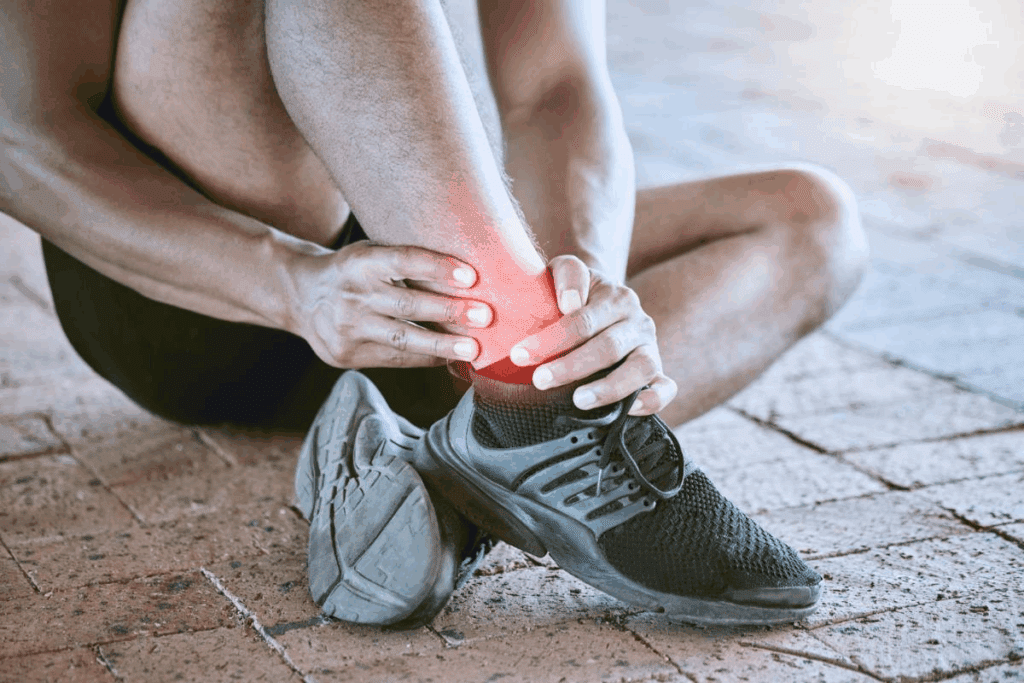
Ligament sprains happen when a ligament stretches or tears. This usually comes from a sudden twist or a direct hit. Such injuries can cause soft tissue damage and lead to bruising.
What Constitutes a Sprain Injury
A sprain injury happens when a ligament, which connects bones, gets partially or fully torn. The severity of the sprain depends on how much the ligament is damaged. We’ll see how this damage affects the surrounding tissues and causes bruising.
Anatomy of Ligaments and Surrounding Tissues
Ligaments are strong tissues that keep joints stable. They are made of collagen fibers and have blood vessels and nerves around them. When a ligament gets hurt, the nearby tissues can get inflamed and bruised too.
Classification of Sprain Severity
Sprains are divided into three levels based on how severe they are:
- Grade 1: A mild stretch or small tears in the ligament, with little loss of function.
- Grade 2: A moderate tear in the ligament, causing some loss of function and stability.
- Grade 3: A severe or complete tear of the ligament, resulting in a lot of loss of function and instability.
Knowing the severity of a sprain is key to figuring out the right treatment. It also helps predict if bruising will happen.
Why Bruising Occurs After a Sprain Injury
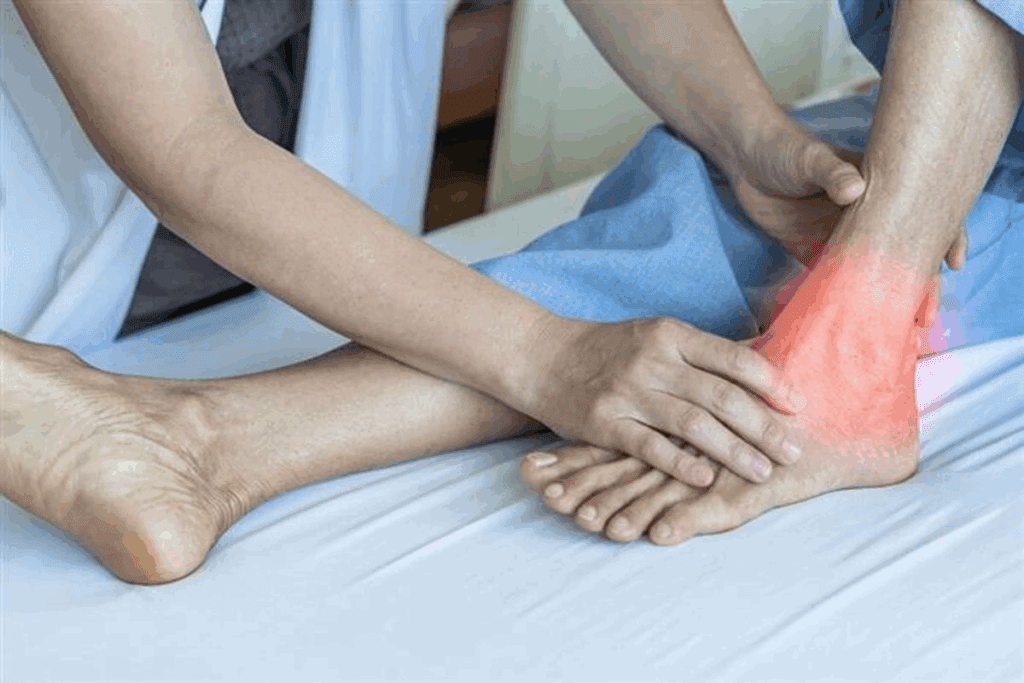
When we get a sprain, our body reacts in a specific way. The injury isn’t just to the ligament; it also hurts the tissues and blood vessels around it.
Blood Vessel Rupture During Ligament Tears
When a sprain happens, the ligament tears. This also breaks nearby blood vessels. Blood then spills into the tissue, causing the bruise we see.
The process involves:
- The initial trauma causing ligament damage
- Rupture of blood vessels adjacent to the injured ligament
- Blood leaking into the soft tissues around the injury site
The Inflammatory Response Process
After the injury, our body starts the healing process. This process is key to fixing the damage but also makes the bruise more visible.
The inflammatory response includes:
- Increased blood flow to the affected area
- Release of chemical mediators that facilitate healing
- Accumulation of white blood cells to clean up debris
Factors That Influence Bruise Development
Many things can change how bad the bruising is after a sprain. These include how bad the sprain is, where it is, and how fast you heal and how fragile your blood vessels are.
Key factors affecting bruise development are:
- The grade of the sprain, with more severe sprains typically resulting in more pronounced bruising
- The area affected, as some parts of the body are more prone to visible bruising
- Individual variability in tissue fragility and healing response
Common Types of Sprain Bruises in Different Body Parts
Bruises look and feel different depending on where you sprained. Knowing these differences helps you understand the severity of your sprain.
Ankle Sprain Bruises: Patterns and Locations
Ankle sprains are common and often cause bruises around the ankle. The bruises might spread to the foot or leg, based on how bad the sprain is. Bruising usually shows up on the outer side of the ankle because of how most sprains happen.
Wrist Sprain Bruising Characteristics
Wrist sprains can lead to bruises on the palm or back of the wrist. How bad the bruising is can tell you how severe the sprain is. In serious cases, swelling can make it hard to move the wrist. Pain when moving is a key symptom, along with bruising.
Knee Sprain Bruises and Associated Swelling
Knee sprains can cause bruises around the kneecap or on the knee sides. Swelling often comes with bruising, due to the body’s reaction to injury. How bad the bruising and swelling are can show how serious the sprain is.
“The presence of bruising and swelling around the knee can significantly impact the patient’s mobility and comfort level.”
Thumb Sprain Bruising and Mobility Issues
Thumb sprains, common in sports or gripping activities, can bruise the thumb or its base. These bruises can make it hard to move the thumb, affecting grip and hand use. Getting checked out early is key to avoiding lasting mobility problems.
Distinguishing Sprain Symptoms from Other Injuries
It’s important to tell the difference between sprain symptoms and other injuries. Sprains show pain, swelling, and bruises. But, these signs can also mean more serious issues like fractures or ligament tears.
Primary Indicators of a Sprain
The main signs of a sprain are pain, swelling, and bruising around the joint or ligament. These happen because of ligament damage and the body’s inflammatory response.
- Pain that gets worse with movement
- Swelling from inflammation
- Bruising from blood vessel damage
How Sprain Bruising Differs from Impact Bruises
Sprain bruises come from internal damage, like ligament stretching or tearing. Impact bruises happen from direct skin trauma. Knowing the difference is key for the right treatment.
For example, sprain bruises might show up slowly and with joint instability. Impact bruises appear right away and stay in the hit area.
When Bruising Suggests Fractures or Tears
Big bruising, lots of swelling, and a lot of pain can mean fractures or ligament tears. These signs need quick medical help.
“The presence of bruising, specially with other symptoms like numbness or tingling, should prompt a thorough evaluation for possible fractures or neurovascular damage.”
Medical Expert
Knowing the difference between sprain symptoms and other injuries is critical. It helps make sure patients get the right care. Healthcare providers can then create better treatment plans.
The Progression of Sprain Bruising by Severity
The severity of a sprain greatly affects the bruising it causes. It’s key to know how different sprain grades show in bruising patterns.
Grade 1 Sprains: Minimal Bruising Patterns
Grade 1 sprains have mild ligament stretching or a small tear. They usually cause little bruising, mostly around the injured ligament.
Grade 2 Sprains: Moderate Discoloration and Spread
Grade 2 sprains have a partially torn ligament. This leads to more noticeable bruising than Grade 1. The discoloration can spread and the bruising may be more intense.
Grade 3 Sprains: Extensive Bruising and Complications
Grade 3 sprains have a complete ligament tear. This causes a lot of bruising and swelling. The bruising can spread over a larger area around the injury.
To understand how sprain severity affects bruising, let’s look at a table comparing different grades:
| Sprain Grade | Bruising Characteristics | Swelling | Pain Level |
| Grade 1 | Minimal, localized | Mild | Low |
| Grade 2 | Moderate, spreading | Moderate | Medium |
| Grade 3 | Extensive, widespread | Significant | High |
Knowing how bruising changes with sprain severity is vital for diagnosis and treatment.
Medical Assessment of Sprains with Bruising
Diagnosing sprains needs a detailed approach. This includes clinical checks and advanced imaging. When a sprain shows bruising, doctors must carefully evaluate it. They aim to find the injury’s severity and plan the right treatment.
Clinical Evaluation Techniques
First, doctors check the sprain through clinical evaluation. They use several methods to look at the injured area. These include:
- Visual inspection to check for bruising, swelling, and any deformity
- Palpation to find tender spots and check for loose ligaments
- Range of motion testing to see how well the joint moves and how much pain it causes
- Special tests, like stress tests, to check the ligaments
These steps give important info about the sprain’s severity. They help decide what to do next.
Imaging Studies for Sprain Diagnosis
Imaging studies are also key in diagnosing sprains. They help confirm the injury and see how bad it is. Common tests include:
- X-rays to check for fractures
- MRI (Magnetic Resonance Imaging) to see soft tissue damage
- Ultrasound to check ligament health and find other soft tissue issues
These tests give detailed info. They help doctors understand the sprain’s severity and plan the best treatment.
How Bruising Patterns Guide Treatment Decisions
Bruising patterns can tell a lot about the sprain’s severity. For example:
- Big bruising might mean a more serious ligament injury
- Where the bruising is can show which structures are hurt
- Changes in bruising over time can show how the injury is healing
Doctors look at bruising patterns along with clinical findings and imaging. This helps them create a treatment plan that fits the patient’s needs.
First 48 Hours: Critical Treatment for Sprain Bruises
The first 48 hours after a sprain injury are key for recovery. We can greatly affect how bad the bruising, pain, and healing are during this time.
Effective treatment needs a mix of steps, starting with the RICE protocol.
Implementing the RICE Protocol Effectively
The RICE protocol is a first-step treatment for sprains. It stands for Rest, Ice, Compression, and Elevation. Here’s how to use it right:
- Rest: Stay away from activities that make the pain worse or hurt more.
- Ice: Use ice packs on the hurt area for 15-20 minutes, a few times a day.
- Compression: Use bandages to help lessen swelling.
- Elevation: Keep the hurt area higher than your heart to cut down swelling.
| RICE Component | Purpose | Implementation |
| Rest | Avoid further injury | Avoid aggravating activities |
| Ice | Reduce pain and swelling | Apply ice packs for 15-20 minutes |
| Compression | Reduce swelling | Use compression bandages |
| Elevation | Reduce swelling | Elevate above heart level |
Pain Management Options
Managing pain is a big part of treating sprains. We suggest using pain relievers like ibuprofen or acetaminophen to help with pain and swelling.
Make sure to follow the right dosage and talk to a doctor before taking any medicine, if you have health issues.
Addressing Bruising Specifically
There are special ways to deal with bruising too. Using arnica gel or cream on the skin can help lessen bruising and aid in healing.
By using these methods together, we can handle sprain bruises well and help the healing process.
Advanced Medical Interventions for Severe Sprains
Severe sprains need advanced medical care to heal right and avoid lasting harm. A severe sprain means the ligament is badly damaged. This can make the joint unstable and affect how it works. A mix of treatments is often needed to get the joint moving and strong again.
Bracing and Immobilization Options
Bracing and keeping the area stable are key in treating severe sprains. Braces support the injured ligament and stop it from getting worse. “Bracing can greatly lower the chance of getting hurt again while it heals,” sports medicine experts say. We pick different braces based on how bad the sprain is and where it is.
Bracing Options:
- Functional braces that let some movement
- Prophylactic braces that stop too much motion
- Rehabilitative braces that support during recovery
Physical Therapy Protocols
Physical therapy is very important for recovering from severe sprains. A good physical therapy plan helps build strength, flexibility, and movement. We make these plans to get harder as the patient gets better.
Key parts of physical therapy for severe sprains include:
- First check to see how bad the injury is
- Manual therapy to make joints move better
- Exercises to strengthen the specific ligament
When Surgical Intervention Becomes Necessary
Sometimes, severe sprains need surgery, like if the ligament tears a lot or if other treatments don’t work. Surgery can be simple or complex, like arthroscopic or ligament reconstruction. “Surgery is usually needed when there’s a big risk of long-term instability or if the patient needs very stable joints,” orthopedic surgeons say.
Medication Approaches for Severe Cases
For really bad sprains, medicine helps a lot with pain and swelling. We suggest taking pills and using creams or gels. The goal is to ease pain and help with physical therapy.
Medication options may include:
- Nonsteroidal anti-inflammatory drugs (NSAIDs)
- Corticosteroid injections for bad swelling
- Topical creams or gels for pain in one spot
Effective Home Remedies for Sprain Bruises
Several home remedies can help with sprain bruises. They reduce bruising and aid in recovery from sprains.
Evidence-Based Natural Anti-Inflammatories
Natural anti-inflammatories are key in managing sprain bruises. Here are some effective ones:
- Turmeric: It has curcumin, which fights inflammation well.
- Ginger: It has compounds that reduce pain and swelling.
- Omega-3 fatty acids: In fish oil, they cut down inflammation.
Topical Applications That Reduce Bruising
Topical applications target the bruised area for faster healing. Here are some good ones:
- Arnica gel or cream: It reduces bruising and swelling.
- Vitamin K cream: It helps with blood clotting and bruises.
- Comfrey ointment: It has allantoin for healing and reducing inflammation.
Nutritional Support for Tissue Healing
A balanced diet with certain nutrients aids in healing sprain bruises. Key nutrients include:
- Vitamin C: It’s vital for collagen and tissue repair.
- Zinc: It’s key for wound healing and immune function.
- Protein: It’s needed for tissue repair and growth.
Alternative Therapies with Proven Benefits
Alternative therapies also help in healing sprain bruises. They include:
- Acupuncture: It reduces pain and aids healing.
- Massage therapy: It boosts blood flow for faster recovery.
- Physical therapy: It helps regain strength and mobility.
Using these home remedies and alternative therapies can help manage sprain bruises. They support the healing process effectively.
The Healing Timeline: What to Expect with Sprain Bruises
Knowing how long it takes for sprain bruises to heal is key. It helps you manage your expectations and recover better. You’ll learn about the changes your body goes through during each healing stage.
Initial Phase (Days 1-3): Acute Inflammation
The first few days, your body reacts to the injury with acute inflammation. You might see more redness, swelling, and pain. Using the RICE method (Rest, Ice, Compression, Elevation) can help reduce inflammation and aid in healing.
Secondary Phase (Days 4-10): Color Changes and Reduction
As inflammation goes down, the bruise’s color changes. It might turn from red or purple to green or yellow. Swelling and pain start to lessen. It’s important to keep doing gentle exercises and stretching to keep your range of motion.
| Days | Phase | Characteristics |
| 1-3 | Initial Phase | Acute inflammation, redness, swelling, pain |
| 4-10 | Secondary Phase | Color changes, reduction in swelling and pain |
| 11-21 | Final Phase | Tissue repair, resolution of bruising |
Final Phase (Days 11-21): Resolution and Tissue Repair
In the last phase, the bruise fades more, and tissue repair speeds up. It’s important to balance rest and activity to avoid injury. You can start strengthening exercises to help your recovery and prevent future sprains.
Factors That Accelerate or Delay Healing
Many factors can affect how fast you heal, like your age, health, and how bad the sprain is. Eating right, taking care of your wound, and following treatment plans can help you heal faster. But smoking and poor blood flow can slow you down.
By knowing these factors and the healing timeline, you can take steps to heal faster and avoid problems.
Preventing Future Sprains and Associated Bruising
To avoid sprains and bruising, a good plan is needed. We think that strengthening exercises, proper technique, and using supportive gear can help a lot. These steps can lower the chance of sprains and bruises.
Targeted Strengthening Exercises
Strengthening muscles around joints is key to preventing sprains. Exercises that improve how you sense your body’s position and movement are very helpful. For ankle sprains, calf raises and balance training on a wobble board are great.
- Ankle circles and resistance band exercises for ankle stability
- Wrist extensions and flexor strengthening for wrist sprains
- Leg press and squats for knee stability
Proper Technique and Body Mechanics
Using the right technique and keeping good posture can help avoid sprains. Learning to fall right and lifting correctly are important. Working with a coach or physical therapist can help you learn and keep these skills.
Supportive Equipment and Taping Methods
Braces, taping, and orthotics can add stability to joints. Ankle braces, for example, can prevent sprains during sports. Taping, like rigid taping or kinesiology tape, supports joints without limiting movement.
- Selecting the right brace or support for your joint
- Learning how to tape properly from a healthcare expert
- Using orthotics for long-term support and prevention
Environmental Awareness and Risk Reduction
Knowing your surroundings and hazards is important to prevent sprains. Watch for uneven surfaces, use good lighting, and clear obstacles. Changing your environment to reduce risks can help a lot.
By following these steps, you can lower your chance of sprains and bruises. This leads to a more active and healthy life.
Warning Signs: When Sprain Bruising Requires Immediate Care
When dealing with sprains, certain bruising patterns and symptoms can signal the need for urgent medical attention. We must be aware of these warning signs to ensure timely intervention.
Dangerous Bruising Patterns and Locations
Bruising that appears in unusual patterns or locations can be a cause for concern. For instance, bruising that spreads rapidly or appears far from the initial injury site may indicate a more serious condition. It’s essential to monitor the bruising closely and seek medical help if it worsens or changes color significantly.
Signs of Vascular Complications
Vascular complications can arise when a sprain damages blood vessels, potentially leading to significant bruising or even internal bleeding. Signs that may indicate vascular complications include:
- Pulsating or throbbing pain
- Coldness or paleness of the skin
- Decreased or absent pulses in the affected limb
These symptoms require immediate medical evaluation.
Neurological Warning Signs
Neurological symptoms can occur if a sprain injures nearby nerves. Warning signs include:
- Numbness or tingling sensations
- Weakness or paralysis of the affected area
- Sharp, shooting pains
If you experience any of these symptoms, it’s vital to seek medical care promptly.
Infection Indicators in Injured Areas
Infection can complicate a sprain, making it worse if there’s an open wound. Indicators of infection include:
- Increased redness, swelling, or warmth around the injured area
- Pus or discharge
- Fever or chills
If you notice any of these signs, seek medical attention immediately to prevent the infection from worsening.
Special Populations and Sprain Bruises
Sprain bruises can be tough to handle for athletes, older adults, kids, and those with bleeding disorders. Each group has its own needs for treating sprain bruises.
Athletes: Return-to-Play Considerations
Athletes need special care for sprain bruises to safely get back to playing. Return-to-play decisions depend on the sprain’s severity, bruising, and the athlete’s health. We do a detailed check to know when it’s safe for them to play again.
We look at the athlete’s pain levels, range of motion, and how well they can function. We also think about the sport’s demands and injury risks. This way, athletes can safely get back to playing.
Elderly Patients: Fall Risk and Complications
Elderly patients face more risks from sprain bruises, like underlying health issues or medication side effects. We check their health and fall risk to create a detailed treatment plan.
Our plan might include balance training and exercises to boost strength and lower fall risk. We also teach them how to handle their condition and avoid more injuries.
Children: Growth Plate Concerns
Children are more likely to hurt their growth plates with sprain bruises. We carefully diagnose and treat these injuries in kids to avoid missing growth plate issues.
For kids, our treatment includes close monitoring and follow-ups to make sure the injury heals right and there are no problems.
Patients with Bleeding Disorders
People with bleeding disorders need extra care with sprain bruises because they’re at higher risk for bleeding. We team up with patients and their hematologists to make a detailed treatment plan.
Our plan might include factor replacement therapy and other steps to control bleeding risk. We also teach them how to manage their condition and prevent more injuries.
Conclusion: Effective Management of Sprain Bruises
Managing sprain bruises well means understanding the injury and using the right treatments. We’ve looked at how sprains happen, why bruises occur, and the different ways to treat them.
Knowing how severe a sprain bruise is helps choose the best treatment. There are many ways to handle sprain bruises, from the RICE method to more advanced treatments. Staying strong and using the right techniques can also help prevent future sprains.
Being proactive in managing sprain bruises can lessen their effects and speed up healing. It’s key to get medical help when needed and stick to a treatment plan. This ensures the best recovery.
FAQ
Does a sprain always cause bruising?
No, not every sprain leads to bruising. It happens when ligaments and tissues get damaged. The injury’s severity and where it is can affect if bruising occurs.
How do I know if my injury is a sprain or a bruise?
Sprains hurt, swell, and make joints hard to move. Bruises happen when blood leaks into tissues. If you have both, it might be a sprain with bruising.
What are the different types of sprains and how do they present with bruising?
Sprains can be in different places like ankles, wrists, knees, and thumbs. Each one shows bruising in its own way. For example, ankle sprains show bruises around the ankle, while wrist sprains might show on the wrist or forearm.
How can I differentiate between a sprain and a fracture?
Sprains and fractures both hurt and swell, but fractures are more painful. They hurt more when you move and might look different. Fractures also cause more bruising.
What is the RICE protocol, and how can it help with sprain bruises?
RICE stands for Rest, Ice, Compression, and Elevation. It helps reduce pain, swelling, and bruising from sprains. Using RICE can help your injury heal faster and avoid complications.
Are there any advanced medical interventions available for severe sprains?
Yes, for serious sprains, there are treatments like bracing, physical therapy, and surgery. These help your injury heal, get your function back, and prevent long-term problems.
How long does it take for sprain bruises to heal?
Healing time for sprain bruises depends on the injury’s severity. It goes through phases like inflammation, color changes, and fading. Each phase takes different amounts of time.
Can I prevent future sprains and associated bruising?
Yes, you can prevent sprains and bruises by strengthening, using proper techniques, and wearing support gear. Being aware of your surroundings and reducing risks also helps.
When should I seek immediate medical care for sprain bruising?
Get medical help right away if you see dangerous bruising, signs of blood vessel problems, nerve issues, or infection. These signs might mean a serious issue that needs quick attention.
Are there any special considerations for different populations when managing sprains and bruises?
Yes, certain groups like athletes, the elderly, kids, and those with bleeding disorders need special care. For example, athletes need to follow return-to-play rules, and the elderly should have fall risk checks.
Reference
- Halabchi, F., Hassabi, M., Abolhasani, M., et al. (2020). Acute ankle sprain in athletes: Clinical aspects and treatment. Orthopaedic & Muscular System: Current Research. https://www.ncbi.nlm.nih.gov/pmc/articles/PMC7745493/