Last Updated on November 26, 2025 by Bilal Hasdemir
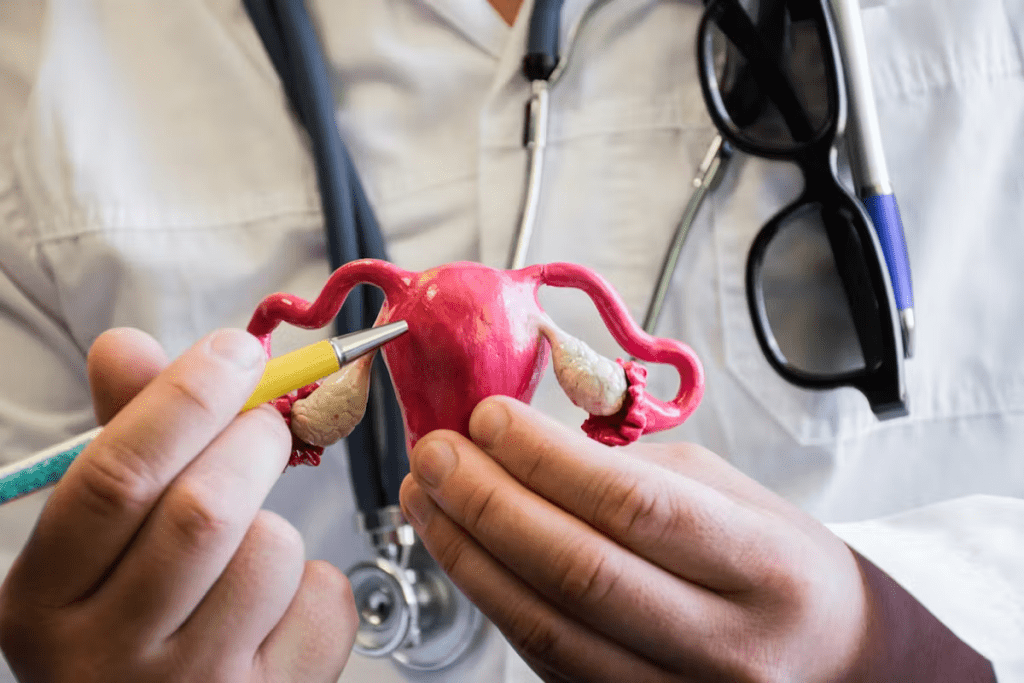
Diagnosing ovarian cancer early is key to successful treatment. We’re seeing a big change in how we treat early stage ovarian cancer. Now, there’s a stronger focus on personalized care and less invasive surgeries, which are becoming central to Stage 1 ovarian cancer treatment approaches.
For stage1 ovarian cancer treatment, our main goal is to remove the tumor and affected tissue. We want to do this without harming the patient’s quality of life. Our approach includes surgery, chemotherapy, and care plans made just for each patient.
Key Takeaways
- Early diagnosis significantly improves treatment outcomes for ovarian cancer.
- Personalized care is becoming increasingly important in treating early stage ovarian cancer.
- A combination of surgery, chemotherapy, and follow-up care is used to treat stage1 ovarian cancer.
- Minimally invasive surgical techniques are being adopted to reduce recovery time and improve patient outcomes.
- Tailored treatment plans are essential for meeting each patient’s unique needs.
Understanding Stage1 Ovarian Cancer
It’s important for both patients and doctors to understand stage 1 ovarian cancer. This cancer is in its earliest stage and only in the ovaries.
Knowing the differences in stage 1 ovarian cancer is key. It helps doctors choose the best treatment.
Definition and Classification
Stage 1 ovarian cancer is classified by how big the tumor is and if it has spread. This helps doctors know how to treat it and what to expect.
The International Federation of Gynecology and Obstetrics (FIGO) system is used to classify ovarian cancer. It breaks down stage 1 into three parts: 1a, 1b, and 1c.
| Substage | Description |
| Stage 1a | Cancer is in one ovary, with the capsule intact, and no tumor on the surface. |
| Stage 1b | Cancer is in both ovaries, with capsules intact, and no tumor on the surface. |
| Stage 1c | Cancer is in one or both ovaries with any of the following: capsule ruptured, tumor on the surface, or malignant cells in the ascites or peritoneal washings. |
Differences Between Stages 1a, 1b, and 1c
The main difference is in how much of the ovary is involved and if cancer cells have spread. Knowing this helps doctors plan the best treatment.
Stages 1a and 1b have a better outlook because they are more contained. Stage 1c is riskier because cancer cells might have spread.
By accurately classifying stage 1 ovarian cancer, doctors can create treatment plans that fit each patient’s needs. This can lead to better results.
Diagnosing Stage1 Ovarian Cancer

To diagnose stage 1 ovarian cancer, doctors use a mix of clinical checks and advanced tests. We’ll look at the symptoms, challenges in finding the disease early, and the tests used to spot ovarian cancer.
Common Symptoms and Detection Challenges
Ovarian cancer is called a “silent killer” because its signs are not clear and can look like other common issues. Symptoms include:
- Pelvic or abdominal pain
- Bloating or swelling in the abdomen
- Difficulty eating or feeling full quickly
- Urinary symptoms such as urgency or frequency
These signs are vague and often blamed on other things. This makes it hard to catch ovarian cancer early. So, it’s often found when it’s more serious.
Diagnostic Tests and Procedures
Diagnosing ovarian cancer involves several tests and procedures. The most common ones are:
| Diagnostic Test | Description |
| Pelvic Examination | A physical check to look for any oddities in the pelvic area. |
| Transvaginal Ultrasound | An imaging test that uses sound waves to show the ovaries. |
| CA-125 Blood Test | A blood test that checks the CA-125 protein level, which can be high in ovarian cancer. |
| Imaging Tests (CT, MRI, PET) | Various imaging tests that help figure out how big the cancer is. |
| Biopsy | A surgical procedure to take a tissue sample for examination. |
These tests are key in finding out if there’s ovarian cancer and how big it is. We use the findings to plan the best treatment.
Stage1 Ovarian Cancer Treatment: An Overview
Treating stage 1 ovarian cancer needs a team effort. A group of healthcare experts working together is key to the best results for patients.
Treatment Goals and Approach
The main goal is to get rid of cancer cells and stop it from coming back. We use surgery, chemotherapy, and other treatments that fit each patient’s needs.
Treatment objectives include:
- Removing the tumor and any affected tissues
- Preserving fertility when possible
- Minimizing the risk of recurrence
- Managing symptoms and side effects
A leading oncologist says, “The secret to success is a plan made just for you, based on your cancer’s unique traits.”
“Personalized medicine is not just a buzzword; it’s a necessity in treating complex cancers like ovarian cancer.”
Natalie, Oncology Expert
Multidisciplinary Treatment Team
A team of experts is essential for caring for ovarian cancer patients. Our team includes:
| Specialist | Role |
| Gynecologic Oncologist | Surgical expertise in ovarian cancer |
| Medical Oncologist | Chemotherapy and systemic treatment |
| Radiation Oncologist | Radiation therapy when necessary |
| Nurse Navigator | Support and guidance throughout treatment |
Our team works together to give patients the best care. This teamwork helps improve treatment success rates.
Factors Influencing Treatment Decisions
Treatment for Stage 1 ovarian cancer depends on many factors. Knowing these factors is key to creating a good treatment plan.
Cancer Substage and Cell Type
The substage (1a, 1b, or 1c) and cell type of ovarian cancer matter a lot. Different cell types, like serous, mucinous, or clear cell, need different treatments.
| Cancer Substage | Characteristics | Treatment Considerations |
| Stage 1a | Cancer is limited to one ovary | May be treated with surgery alone |
| Stage 1b | Cancer is in both ovaries | May require additional treatments like chemotherapy |
| Stage 1c | Cancer is in one or both ovaries with capsule rupture or malignant cells in ascites | Often requires a more aggressive treatment plan |
Patient Age and Overall Health
A patient’s age and health are very important for treatment. Older patients or those with health issues might need a treatment plan that’s easier to handle.
Fertility Preservation Desires
For young patients, wanting to keep their fertility is a big deal. Doctors might talk about ways to save fertility during treatment.
Healthcare providers use these factors to make a treatment plan that fits each patient’s needs.
Surgical Interventions for Stage1 Ovarian Cancer
Surgery is key in treating Stage 1 ovarian cancer. It can be a cure. We’ll look at the surgeries available, like staging and debulking.
Comprehensive Staging Surgery
Comprehensive staging surgery is vital. It removes ovaries, fallopian tubes, and sometimes the uterus. It also checks the whole abdomen.
This surgery tells how far the cancer has spread. It helps decide what treatments to use next.
Debulking Surgery
Debulking surgery tries to remove as much tumor as it can. It’s often used in more advanced cancers. But, it’s also used in Stage 1 if the tumor is big or complex.
The aim is to leave as little cancer behind as possible. This makes treatments like chemotherapy work better.
Both surgeries are important for Stage 1 ovarian cancer. The choice depends on the patient’s health, the cancer’s stage, and if they want to keep their fertility. Knowing about these surgeries helps patients make better choices.
Types of Surgical Procedures
Surgery is a key treatment for stage 1 ovarian cancer. There are many surgical options available. We will look at the different surgeries used for stage 1 ovarian cancer.
Hysterectomy for Stage 1 Ovarian Cancer
A hysterectomy removes the uterus. It’s often done with other surgeries for ovarian cancer. This surgery is chosen if cancer has spread to the uterus or if there’s a high risk of spread.
The decision to do a hysterectomy depends on the patient’s health and if they want to keep their fertility.
Salpingo-Oophorectomy Procedure
Salpingo-oophorectomy removes the ovaries and fallopian tubes. This surgery is key in treating ovarian cancer. It directly targets the main site of the disease.
Removing these organs can lower the risk of cancer spreading and coming back.
Oophorectomy in Early Stage Ovarian Cancer
Oophorectomy is the removal of one or both ovaries. It’s an option for early-stage ovarian cancer. The extent of oophorectomy depends on the cancer’s stage and if the patient wants to keep their fertility.
In some cases, only the affected ovary is removed. In others, both ovaries may need to be taken out.
These surgeries are important in managing stage 1 ovarian cancer. The choice of surgery depends on the cancer’s stage, the patient’s health, and their reproductive wishes.
Fertility Preservation Options
When a young woman is diagnosed with Stage 1 ovarian cancer, she often worries about her fertility. This is a big concern for many patients. Luckily, there are several ways to help preserve fertility.
Fertility-Sparing Surgical Techniques
Fertility-sparing surgery is a good choice for women with Stage 1 ovarian cancer. It removes the cancer but keeps the reproductive organs healthy. Fertility-sparing surgical techniques are great for those with early-stage cancer, giving them a chance to keep their fertility.
Egg and Embryo Freezing
Egg and embryo freezing are good options for women facing cancer treatment. They involve freezing eggs or embryos for later use. This is best for those with a partner or using donor sperm.
Ovarian Tissue Preservation
Ovarian tissue preservation is a new method that freezes ovarian tissue for later use. It’s not yet widely used but offers hope for those who can’t delay treatment. This method is complex and needs careful thought and a fertility specialist’s advice.
Every patient is different, and the best fertility preservation method varies. It depends on the cancer stage, health, and personal wishes. We talk about these options with our patients to offer care that meets their needs for both cancer treatment and fertility.
Chemotherapy for Stage1 Ovarian Cancer
Chemotherapy is often suggested for stage 1 ovarian cancer patients. This depends on the cancer’s specific traits. The choice to have chemotherapy is based on several factors. These include the cancer’s substage, cell type, and the patient’s health.
When Chemotherapy is Recommended

Chemotherapy is usually advised for stage 1 ovarian cancer with high-risk traits. High-risk features include a high-grade tumor or cancer that has ruptured (stage 1c). In these cases, chemotherapy aims to lower the chance of cancer coming back.
Common Chemotherapy Regimens
The most common chemotherapy regimens for stage 1 ovarian cancer include carboplatin and paclitaxel. These drugs are often given together. Carboplatin is given once every three weeks, and paclitaxel is given once a week.
- Carboplatin is a platinum-based chemotherapy drug that works by interfering with the DNA of cancer cells, preventing them from reproducing.
- Paclitaxel is a taxane-based chemotherapy drug that works by disrupting the microtubules in cancer cells, ultimately leading to cell death.
The choice of chemotherapy regimen depends on various factors. These include the patient’s overall health and the cancer’s specific traits. Our medical team works closely with patients to determine the most effective treatment plan.
Understanding the role of chemotherapy in treating stage 1 ovarian cancer helps patients make informed decisions. Our goal is to provide full support and guidance throughout the treatment process.
Adjuvant Chemotherapy Considerations
Adjuvant chemotherapy is key in treating Stage 1 ovarian cancer. It helps lower the chance of cancer coming back. This treatment aims to get rid of any cancer cells left after surgery.
Benefits and Risks
Adjuvant chemotherapy has many benefits. It can lower the risk of cancer coming back and improve survival chances. But, it also has risks. Common side effects include fatigue, nausea, and hair loss.
We must think about these benefits and risks to choose the right treatment for each patient.
The benefits of adjuvant chemotherapy are:
- Reduces the risk of cancer recurrence
- Improves overall survival rates
- Can be tailored to the individual’s cancer type and stage
But, there are also risks and side effects to consider:
- Short-term side effects like fatigue and nausea
- Long-term effects such as neuropathy
- Impact on fertility and overall health
Duration and Administration
The length and way of giving adjuvant chemotherapy can change. Usually, it’s given every 3 weeks for several cycles. The number of cycles depends on how well the patient responds and the type of chemotherapy.
Chemotherapy can be given in different ways, including:
- Intravenous (IV) infusion
- Oral medications
- Intraperitoneal (IP) chemotherapy
Managing Side Effects
It’s important to manage the side effects of adjuvant chemotherapy. This helps keep the patient’s quality of life good. We suggest several ways to lessen these effects, such as:
- Medications to control nausea and vomiting
- Lifestyle changes such as dietary adjustments and exercise
- Supportive therapies like counseling and support groups
By knowing the benefits and risks of adjuvant chemotherapy, and how to manage its side effects, patients with Stage 1 ovarian cancer can make informed choices about their treatment.
Treatment Approaches by Substage
Knowing the details of stage 1 ovarian cancer substages is key to finding the best treatment. Each substage affects how we treat the cancer. We’ll look at how treatments differ for stages 1a, 1b, and 1c.
Stage 1a Ovarian Cancer Treatment
Patients with stage 1a ovarian cancer often get surgery to remove the tumor. This helps keep fertility if possible. Surgery is usually the main treatment, and how much surgery depends on wanting to keep fertility.
Chemotherapy might be added based on tumor grade and type. We’ll talk more about chemotherapy’s benefits and risks later.
Stage 1b Ovarian Cancer Treatment
Stage 1b ovarian cancer treatment is similar to stage 1a, with surgery being the main focus. But, thinking about recurrence risk helps decide if more treatment is needed.
Chemotherapy is often suggested for stage 1b because of the higher risk with both ovaries involved.
Stage 1c Ovarian Cancer Treatment
Stage 1c ovarian cancer treatment is more intense because of cancer on the ovaries’ surface or in fluid. Adjuvant chemotherapy is usually advised to lower recurrence risk.
Choosing the right chemotherapy depends on the patient’s health and tumor details.
| Substage | Primary Treatment | Adjuvant Therapy |
| Stage 1a | Surgery | Chemotherapy based on risk factors |
| Stage 1b | Surgery | Chemotherapy frequently recommended |
| Stage 1c | Surgery | Chemotherapy commonly recommended |
In conclusion, treatment for stage 1 ovarian cancer changes with each substage. It’s important to understand these differences to give the best care and improve outcomes.
Innovative and Emerging Treatments
Ovarian cancer treatment is changing fast with new therapies. New options are coming up, giving hope to patients and doctors.
Targeted Therapy Options
Targeted therapy is a big change in treating ovarian cancer. It targets specific molecules that help cancer grow. PARP inhibitors are promising because they help cancer cells fix DNA damage.
Other therapies being looked at include:
- Angiogenesis inhibitors, which stop tumors from getting blood to grow.
- Signal transduction inhibitors, which block signals that tell cancer cells to grow.
Immunotherapy Research
Immunotherapy uses the immune system to fight cancer. Checkpoint inhibitors are being tested in trials. They help the immune system attack cancer cells better.
Other immunotherapy types being studied are:
- Cancer vaccines that make the immune system fight ovarian cancer cells.
- Adoptive T-cell therapy, where T-cells are made to find and kill cancer cells.
Promising Clinical Trials
Clinical trials are key in finding new ovarian cancer treatments. Many trials are testing new combinations and approaches. Combination therapies are showing great promise in helping patients.
Some exciting areas in trials include:
- Nanoparticle-delivered therapies to better deliver drugs and reduce side effects.
- Personalized medicine that matches treatment to a patient’s cancer genes.
These new treatments could greatly improve how we manage and treat ovarian cancer.
Complementary and Supportive Therapies
Complementary and supportive therapies are key for Stage 1 ovarian cancer patients. They help manage symptoms and improve life quality. These therapies can also reduce side effects.
Integrative Medicine Approaches
Integrative medicine mixes Western medicine with complementary therapies. For ovarian cancer, this might include:
- Acupuncture to manage pain and nausea
- Massage therapy to reduce stress and anxiety
- Meditation and yoga to promote relaxation and well-being
- Aromatherapy to alleviate symptoms and improve mood
These approaches are customized for each patient. They offer a holistic care experience.
Nutrition and Exercise During Treatment
Nutrition and exercise are vital for ovarian cancer patients. A balanced diet with fruits, vegetables, and whole grains helps manage side effects. It also supports recovery.
| Nutritional Element | Benefits | Food Sources |
| Protein | Supports tissue repair and immune function | Lean meats, fish, eggs, legumes |
| Omega-3 Fatty Acids | Reduces inflammation | Fatty fish, nuts, seeds |
| Antioxidants | Protects cells from damage | Berries, leafy greens, other fruits and vegetables |
Exercise, like walking or gentle stretching, helps maintain function and reduces fatigue. Always talk to healthcare providers before starting any new exercise.
Stress Management Techniques
Managing stress is critical for ovarian cancer patients. Techniques like mindfulness meditation, deep breathing, and progressive muscle relaxation can help. They reduce anxiety and promote relaxation.
By adding these therapies to their care plan, Stage 1 ovarian cancer patients can improve their well-being. They can also enjoy a better quality of life during and after treatment.
Recovery and Follow-up Care
The journey doesn’t end with treatment; recovery and follow-up care are key. They help manage Stage1 Ovarian Cancer. Understanding these parts is vital for patients.
Post-Treatment Monitoring Protocol
Monitoring after treatment is critical. It helps catch any signs of cancer coming back early. We use a detailed plan that includes regular visits, tests, and blood work.
At these visits, we check the patient’s health and look for cancer signs. We also talk about any side effects. This way, we can act fast if needed, helping patients better.
Surveillance Schedule
A good surveillance plan is key to catching changes early. We suggest visits every 3-6 months for a few years after treatment. Then, we space them out more.
The plan includes:
- Pelvic exams to check for any issues
- Imaging tests like CT scans or MRIs to find cancer signs
- Blood tests to watch tumor markers and health signs
Long-term Health Considerations
We also focus on long-term health. This means managing side effects, preventing complications, and keeping patients healthy. We want patients to live well after treatment.
We advise patients to eat well, exercise, and manage stress. A healthy lifestyle can lower the risk of long-term problems. It also improves life quality.
By focusing on recovery and follow-up, we support patients fully. We help them from diagnosis to long-term survival.
Conclusion
Treating stage1 ovarian cancer needs a team effort. We’ve looked at surgery, chemotherapy, and follow-up care. We also talked about new and emerging treatments. Knowing these options helps patients make smart choices about their health.
A summary of stage1 ovarian cancer treatment shows the need for a plan that fits each patient. This plan considers the cancer’s type, the patient’s age, and overall health. Surgery, like staging and debulking, is key in fighting the disease.
Combining treatments with chemotherapy and follow-up care helps patients do well. New treatments like targeted therapy and immunotherapy are also being explored. We aim to give top-notch care and support to patients from around the world.
FAQ
What is the primary treatment approach for stage1 ovarian cancer?
For stage1 ovarian cancer, treatment is a team effort. It includes surgery, chemotherapy, and ongoing care.
What are the differences between stages 1a, 1b, and 1c ovarian cancer?
Stages 1a, 1b, and 1c differ in how far the cancer has spread. This affects the treatment plan.
How is stage1 ovarian cancer diagnosed?
Doctors use several methods to find stage1 ovarian cancer early. These include clinical checks, imaging, and lab tests.
What factors influence treatment decisions for stage1 ovarian cancer?
Decisions on treatment for stage1 ovarian cancer depend on several things. These include the cancer’s stage, type, and the patient’s age and health.
What is the role of complete staging surgery in managing ovarian cancer?
Complete staging surgery is key in managing ovarian cancer. It helps find out how far the cancer has spread. This guides further treatment.
What are the available fertility preservation options for patients with stage1 ovarian cancer?
Patients with stage1 ovarian cancer have options to preserve fertility. These include special surgeries, freezing eggs or embryos, and preserving ovarian tissue.
When is chemotherapy recommended for stage1 ovarian cancer?
Chemotherapy is often used for stage1 ovarian cancer. It depends on the cancer’s stage, type, and other risk factors. It’s usually given along with surgery.
What are the common chemotherapy regimens used for stage1 ovarian cancer?
For stage1 ovarian cancer, doctors often use carboplatin and paclitaxel. They are usually given together.
What are the benefits and risks of adjuvant chemotherapy for stage1 ovarian cancer?
Adjuvant chemotherapy can lower the chance of cancer coming back. But, it also has side effects and can be toxic.
What are the latest developments in targeted therapy for ovarian cancer?
New targeted therapies for ovarian cancer target specific cancer growth pathways. This is a recent advancement.
How can patients with stage1 ovarian cancer manage stress during treatment?
Patients can manage stress with techniques like meditation, yoga, and cognitive-behavioral therapy. These help during treatment.
What is the importance of post-treatment monitoring for ovarian cancer?
Monitoring after treatment is vital for ovarian cancer patients. It helps catch any signs of cancer coming back or spreading. It also looks after long-term health.
What is the survival rate for stage1 ovarian cancer?
Survival rates for stage1 ovarian cancer vary. They depend on the cancer’s stage and other factors. But, stage1 has a better survival rate than later stages.
References
- Grossman, D. C., Curry, S. J., Owens, D. K., Bibbins-Domingo, K., Caughey, A. B., Davidson, K. W., … & Screening for Ovarian Cancer: US Preventive Services Task Force Recommendation Statement. (2018). JAMA, 319(6), 588“594. https://jamanetwork.com/journals/jama/fullarticle/2672638
- Patni, R., & Skates, S. J. (2019). Screening for Ovarian Cancer: An Update. Current Oncology Reports, 21(3), 25. https://www.ncbi.nlm.nih.gov/pmc/articles/PMC6459072/
- Liberto, J. M., & Huskova, B. (2022). Current and Emerging Methods for Ovarian Cancer Diagnosis and Screening. Diagnostics, 12(6), 1361. https://www.ncbi.nlm.nih.gov/pmc/articles/PMC9221480/