Last Updated on November 25, 2025 by Ugurkan Demir
Understanding your diagnosis starts with knowing survival rates and prognosis. When cancer cells reach the muscle wall, it’s called muscle-invasive disease stage 2 bladder cancer prognosis.
Recent studies show the five-year survival rate is between 40% and 77%. This depends on how well you respond to treatment and other personal factors. Survival rates tell you the percentage of people with the same stage of cancer who are alive after a certain time.
At Liv Hospital, we aim to give top-notch healthcare with full support for international patients. Our team is ready to offer personalized care and help every step of the way.
Key Takeaways
- Stage 2 bladder cancer is considered muscle-invasive.
- Five-year relative survival rates range from 40% to 77%.
- Survival outcomes depend on treatment response and individual factors.
- Liv Hospital provides full support for international patients.
- Personalized care and guidance are available throughout your treatment journey.
Understanding Bladder Cancer Staging
Knowing the stage of bladder cancer is key to understanding treatment options. It tells us how far the cancer has spread and where. This info helps doctors choose the right treatment.
The TNM Classification System
The TNM system is a common way to stage bladder cancer. It looks at three main things:
- T (Tumor): This part shows how big the main tumor is.
- N (Node): It tells if cancer has reached nearby lymph nodes and how far.
- M (Metastasis): This part shows if cancer has spread to other parts of the body.
This system helps doctors talk clearly about bladder cancer and its treatment.
How Stage 2 Bladder Cancer Is Defined
Stage 2 bladder cancer means cancer has grown into the bladder’s muscle layer. This is different from Stage 1, where cancer stays in the bladder’s lining.
| Stage | Description | Muscle Invasion |
| Stage 1 | Cancer is confined to the bladder’s innermost lining. | No |
| Stage 2 | Cancer has invaded the muscle layer. | Yes |
| Stage 3 | Cancer has spread beyond the bladder to nearby tissues. | Yes, and beyond |
Knowing about Stage 2 bladder cancer is important for treatment. Because it’s muscle-invasive, treatments need to be strong to fight the cancer.
Stage 2 Bladder Cancer Prognosis: Current Statistics
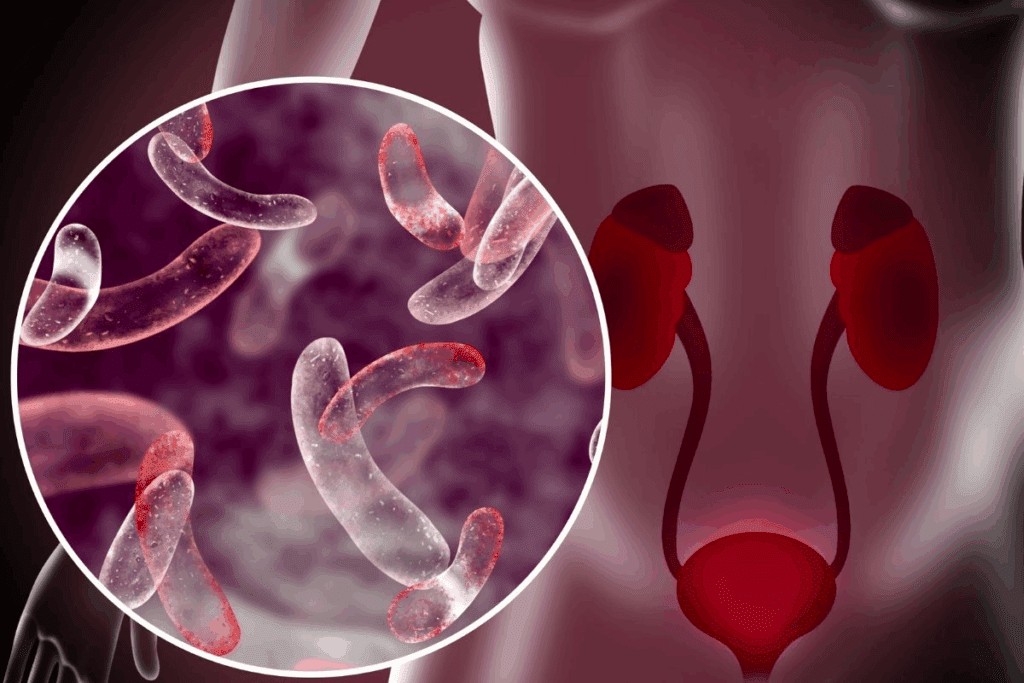
The survival rate for stage 2 bladder cancer depends on many things. These include the treatment and the patient’s overall health. It’s key to know the details that shape these numbers.
The Surveillance, Epidemiology, and End Results (SEER) database shows the five-year survival rate for bladder cancer. For stage 2, it’s between 40% to 77%. This range shows how important it is to look at each patient’s situation.
Five-Year Survival Rate Range
The five-year survival rate is a key number for stage 2 bladder cancer. It shows the percentage of patients alive five years after being diagnosed. The range of 40% to 77% shows how outcomes can vary.
- The lower end (40%) might apply to patients with aggressive tumors or those not suited for certain treatments.
- The higher end (77%) might be for patients who get the right treatment early and have fewer health issues.
Factors Affecting Statistical Variations
Many things affect the survival rate for stage 2 bladder cancer. These include:
- Tumor characteristics: How deep the tumor is and if it has spread to blood vessels matter a lot.
- Patient health: A patient’s overall health, including other health problems, affects how well they can handle treatment.
- Treatment response: How well the chosen treatment works is very important for the patient’s outcome.
Knowing these factors helps doctors give better care. It also helps patients make informed choices about their treatment.
Muscle-Invasive Nature of Stage 2 Bladder Cancer
Stage 2 bladder cancer is a muscle-invasive disease. This affects its treatment and how well patients do. It’s different from earlier stages and has big effects on patient outcomes.
Anatomical Characteristics
Muscle-invasive bladder cancer goes into the detrusor muscle. This muscle is in the bladder wall. It’s important because it lets cancer spread, making the disease worse.
The detrusor muscle helps the bladder work right. When cancer gets into it, bladder function gets hurt. It also raises the chance of cancer spreading to other places.
Clinical Implications of Muscle Invasion
The muscle-invasive nature of stage 2 bladder cancer means we need to treat it harder. Treatments might be radical cystectomy, chemotherapy, or both.
Knowing how muscle invasion affects treatment is key. We look at the patient’s health, the tumor’s details, and how likely it is to spread. This helps us make a treatment plan that boosts life expectancy with bladder cancer and quality of life.
Early detection and treatment are very important for stage 2 bladder cancer. Treating it early can help improve outcomes and lower the chance of cancer getting worse.
Survival Rates Across Different Bladder Cancer Stages
Knowing the survival rates for different bladder cancer stages is key for both patients and doctors. Bladder cancer’s outlook changes with the stage at diagnosis. We’ll look at survival rates for stages 1, 2, and 3, giving a full view of bladder cancer survival.
Stage 1 Survival Statistics
Stage 1 bladder cancer is an early stage where the tumor is in the bladder’s lining. The SEER database shows a five-year survival rate of about 72% for stage 1. This high rate is because early-stage cancer is easier to treat.
Stage 3 Survival Statistics
Stage 3 bladder cancer means the cancer has grown through the bladder’s muscle and might have spread. The five-year survival rate for stage 3 is roughly 40%. This lower rate shows the difficulty in treating cancer that has spread beyond the bladder.
To understand survival rates across stages, let’s look at a table:
| Bladder Cancer Stage | Five-Year Relative Survival Rate |
| Stage 1 | 72% |
| Stage 2 | 63% |
| Stage 3 | 40% |
Overall Bladder Cancer Survival Rates
The overall five-year survival rate for bladder cancer is about 77%. This rate has gone up thanks to better treatments and early detection. Remember, survival rates are averages. Your actual outcome depends on many factors, like your health, age, and how well you respond to treatment.
Survival rates for bladder cancer drop as the stage gets higher. Early-stage cancer, like stage 1, has a better outlook than stage 3. Knowing these stats helps patients and doctors make better treatment choices.
Factors That Influence Stage 2 Bladder Cancer Survival
Knowing what affects survival is key for Stage 2 bladder cancer patients. Several important factors play a role in how well patients do.
Age and Overall Health
Age and health are big factors in survival. Older or those with health issues face unique challenges. We look at these when planning treatment.
Health can affect treatment choices. For example, heart or diabetes issues need special care in treatment planning.
Tumor Characteristics
Tumor details, like how deep it invades, are vital for survival rates. The deeper the tumor, the harder to treat.
- Tumor size and location affect treatment and results.
- Histological grade of the tumor is key for survival.
- Presence of lymphovascular invasion also impacts prognosis.
Treatment Response
How well treatment works is critical for survival. Patients who respond well to treatment tend to live longer.
We look at different treatments like surgery, chemotherapy, and radiation. Each treatment works differently for each patient and tumor.
- Radical cystectomy is a common surgery for Stage 2 bladder cancer.
- Neoadjuvant chemotherapy is used before surgery to help outcomes.
- Bladder-preserving approaches might be options for some, based on the tumor.
Understanding these factors helps us tailor treatments for each patient. This can lead to better survival chances.
Standard Treatment Approaches for Stage 2 Bladder Cancer
Stage 2 bladder cancer treatment includes several key methods. These aim to tackle the disease’s muscle-invasive nature. They also aim to improve patient outcomes.
Radical Cystectomy
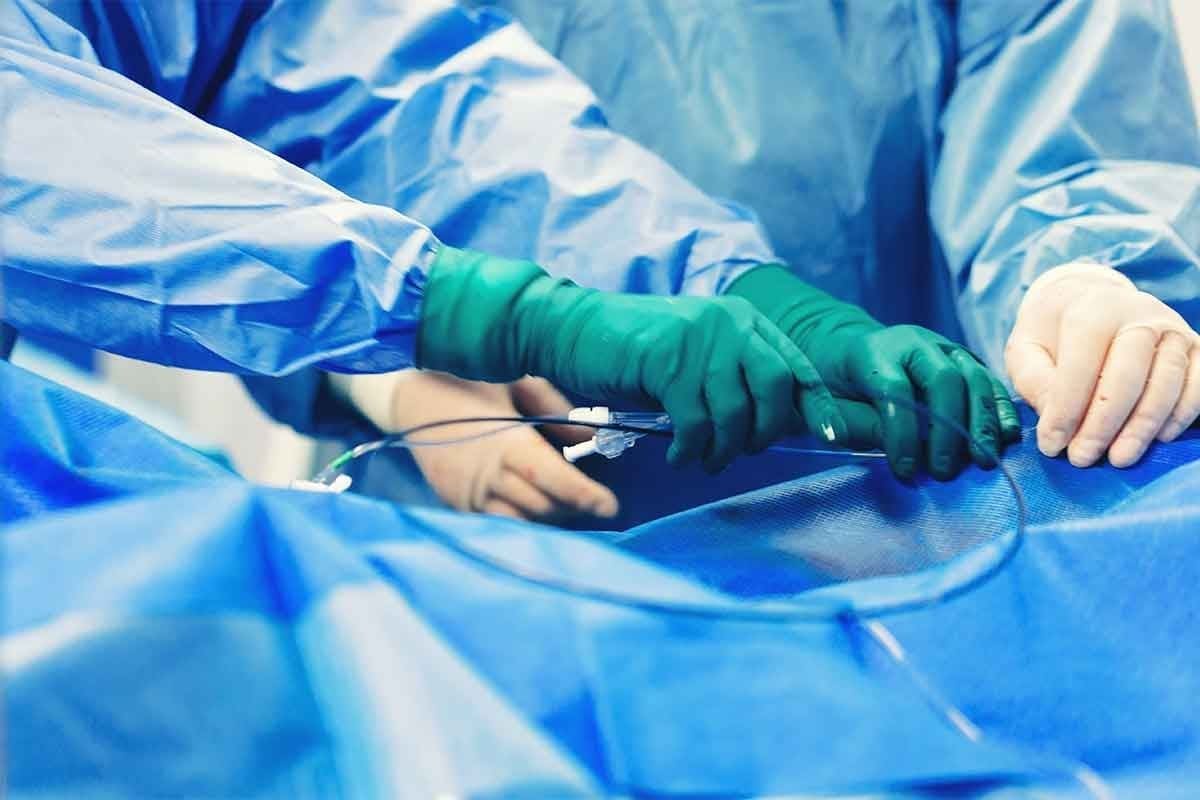
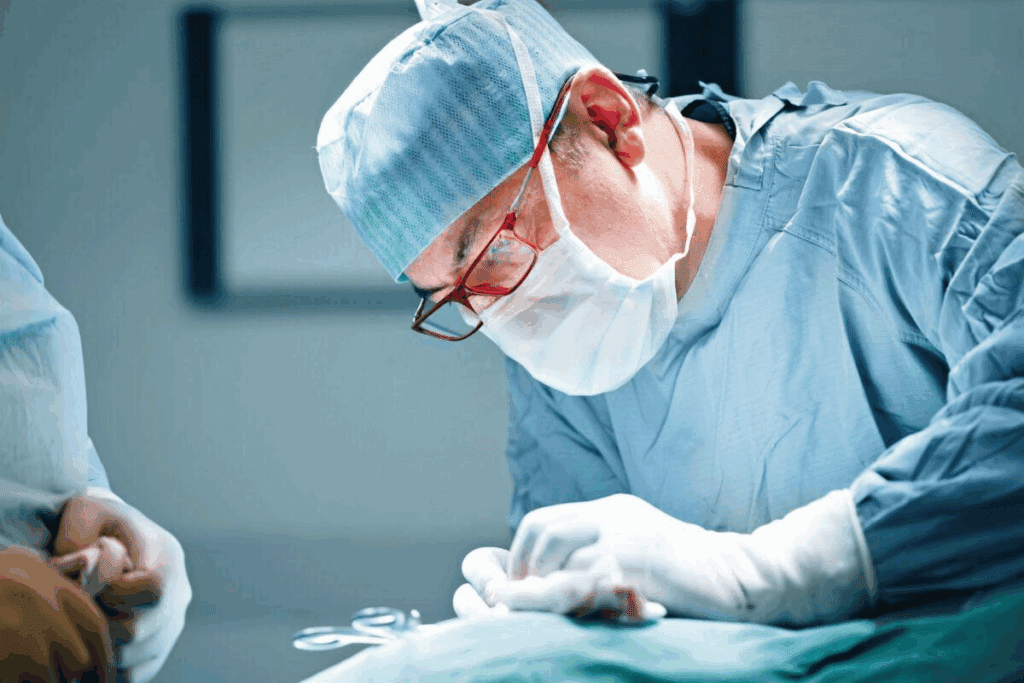
Radical cystectomy is a main treatment for muscle-invasive bladder cancer. It involves removing the bladder, nearby lymph nodes, and sometimes other organs. For men, this might mean removing the prostate and seminal vesicles. For women, it could involve removing the uterus, ovaries, and part of the vagina. Radical cystectomy is often seen as the top choice for treating stage 2 bladder cancer, giving patients the best chance at long-term survival.
After the surgery, patients need a way to manage their urine. There are different options, like ileal conduit, continent cutaneous reservoir, and orthotopic neobladder. The right choice depends on the patient’s health, lifestyle, and the surgeon’s advice.
Bladder-Preserving Approaches
For some patients, keeping the bladder might be an option. These methods aim to keep bladder function. Bladder-preserving treatments usually combine therapies, such as TURBT, chemotherapy, and radiation therapy.
These methods can help keep urinary continence and sexual function. But, they need careful patient selection and regular follow-ups to watch for any signs of cancer coming back.
Neoadjuvant Chemotherapy
Neoadjuvant chemotherapy is often used with other treatments like radical cystectomy or bladder-preserving methods. It’s given before the main treatment to shrink the tumor and tackle any tiny cancer cells. Neoadjuvant chemotherapy has been shown to boost survival chances for muscle-invasive bladder cancer patients.
The choice of chemotherapy depends on the patient’s health, tumor details, and the doctor’s preference.
| Treatment Approach | Description | Benefits |
| Radical Cystectomy | Surgical removal of the bladder and surrounding tissues | Offers the best chance of long-term survival for stage 2 bladder cancer |
| Bladder-Preserving Approaches | Combination of TURBT, chemotherapy, and radiation therapy to preserve bladder function | Maintains urinary continence and sexual function; suitable for selected patients |
| Neoadjuvant Chemotherapy | Chemotherapy administered before main treatment to shrink the tumor | Improves survival outcomes when used in conjunction with other treatments |
It’s important for patients to understand the treatment options for stage 2 bladder cancer. By considering health, tumor details, and treatment response, doctors can create personalized plans. This helps meet each patient’s unique needs.
How Treatment Choices Impact Survival Outcomes
It’s key to know how different treatments affect survival for stage 2 bladder cancer patients. The treatment chosen can greatly change the urinary bladder cancer survival rate and bladder cancer life span.
Surgery vs. Bladder Preservation
Surgery, like radical cystectomy, is a main treatment for muscle-invasive bladder cancer. We’ll look at how surgery compares to keeping the bladder in terms of survival.
Radical cystectomy removes the bladder and nearby tissues. It’s a big surgery but often suggested for muscle-invasive bladder cancer. Bladder preservation tries to keep the bladder, aiming to improve quality of life.
| Treatment Approach | Survival Rate | Quality of Life Impact |
| Radical Cystectomy | Higher survival rate for muscle-invasive cancer | Significant impact due to bladder removal |
| Bladder Preservation | Variable survival rates; depends on patient selection | Less impact as bladder is preserved |
The Role of Multimodal Therapy
Multimodal therapy combines surgery, chemotherapy, and radiation therapy. It’s vital for improving survival in stage 2 bladder cancer patients.
This therapy combines treatments for better cancer control. It might improve the urinary bladder cancer survival rate. We’ll look at its benefits and challenges.
Research shows multimodal therapy works well for muscle-invasive bladder cancer. It offers a detailed treatment plan that attacks cancer from all sides.
Life Expectancy with Bladder Cancer
Understanding life expectancy with bladder cancer goes beyond just five-year survival rates. These rates give a general idea, but actual life expectancy can change a lot. It depends on when the cancer is found and how well treatment works.
Life expectancy is complex, influenced by many things. This includes overall health, the cancer itself, and how well treatments work.
Beyond Five-Year Survival Rates
Five-year survival rates are a common way to measure cancer prognosis. But they don’t tell the whole story. Life expectancy for bladder cancer patients can be affected by many things. This includes age, overall health, and how well the cancer responds to treatment.
To really understand life expectancy, we need to look at the patient and their cancer. This means considering things like tumor grade, genetic mutations, and if the cancer has invaded the bladder muscle.
Quality of Life Considerations
When talking about life expectancy with bladder cancer, quality of life is just as important. The treatments chosen can greatly affect a patient’s quality of life. This includes things like how well they can urinate, their sexual health, and overall happiness.
We need to find a balance between extending life and keeping quality of life good. This means carefully thinking about treatment options and their side effects.
| Factor | Impact on Life Expectancy | Quality of Life Consideration |
| Age at Diagnosis | Older patients may have lower life expectancy due to comorbidities. | Treatment tolerance may be lower in older adults. |
| Tumor Characteristics | High-grade tumors may reduce life expectancy. | Aggressive treatments may be needed, impacting quality of life. |
| Treatment Response | Positive response to treatment can improve life expectancy. | Treatment side effects can affect quality of life. |
By looking at both life expectancy and quality of life, we can give better care. We can meet the unique needs of each bladder cancer patient.
Demographic Factors Affecting Bladder Cancer Survival
Demographic traits are key in bladder cancer survival. Age, gender, income, and where you live can change treatment success and survival chances.
Age and Gender Differences
Age and gender greatly impact bladder cancer survival. Older people often face lower survival rates than the young. This is because older adults may have more health issues and may get diagnosed later.
Women might also have lower survival rates than men. This could be because of differences in how the cancer grows, getting diagnosed later, or how it’s treated.
Key statistics:
- Older adults (65+ years) have lower survival rates compared to younger patients.
- Women may have lower survival rates than men, potentially due to differences in tumor biology or delayed diagnosis.
Socioeconomic and Geographic Variations
Socioeconomic status and where you live also matter in bladder cancer survival. People with less money might find it hard to get the care they need on time. This can lead to worse health outcomes.
Survival rates can vary by location. This is because of differences in healthcare, access to special care, and environmental factors.
“Addressing these demographic disparities is key to better bladder cancer survival rates. By understanding these factors, we can create better support for those at risk.”
We need to think about these factors when planning care for bladder cancer patients. This way, we can help everyone, no matter their background, to have better chances of survival.
Improvements in Stage 2 Bladder Cancer Treatment Over Time
The treatment for stage 2 bladder cancer has changed a lot, giving patients new hope. New technologies and treatment plans have led to better survival rates.
Historical Survival Trends
The five-year survival rate for stage 2 bladder cancer has gone up over time. Better surgery, chemotherapy, and radiation have helped a lot.
Recent data shows the five-year survival rate for stage 2 bladder cancer patients has risen a lot. This is thanks to better treatments and early detection.
| Time Period | Five-Year Survival Rate |
| 1990-1999 | 63% |
| 2000-2009 | 68% |
| 2010-2019 | 73% |
Emerging Therapies and Future Outlook
New treatments like immunotherapy and targeted therapy are showing great promise. They could lead to even better survival rates and quality of life for patients.
Immunotherapy is a big breakthrough, giving hope to those who didn’t do well with old treatments. Adding these new therapies to standard care could make a big difference.
As we learn more about treating stage 2 bladder cancer, patients can look forward to better survival rates and quality of life. The future of bladder cancer treatment looks bright, with ongoing research and trials leading to more effective and tailored treatments.
Conclusion
Knowing the survival rate for stage 2 bladder cancer is key for both patients and doctors. We’ve talked about how different things affect survival, like the cancer’s type and getting the right treatment on time.
Bladder cancer survival rates change with each stage. Stage 1 has a better rate than later stages. For stage 2, the five-year survival rate is important. It depends on age, health, tumor details, and how well treatment works.
Treatment choices like surgery, keeping the bladder, and chemotherapy are vital. Knowing these options helps patients make better choices. This can improve their chances of beating bladder cancer.
We’re working hard to understand bladder cancer better and find new treatments. Our goal is to see survival rates go up. This will help more patients around the world.
FAQ
What is the survival rate for stage 2 bladder cancer?
The survival rate for stage 2 bladder cancer varies. It ranges from 40% to 77%. This depends on muscle invasion and overall health.
What are the factors that influence survival outcomes for stage 2 bladder cancer?
Survival outcomes depend on several factors. These include age, health, tumor characteristics, and how well the body responds to treatment.
How does the muscle-invasive nature of stage 2 bladder cancer impact treatment decisions?
Stage 2 bladder cancer’s muscle invasion means aggressive treatment is needed. This includes radical cystectomy or bladder-preserving therapies to improve survival chances.
What are the standard treatment approaches for stage 2 bladder cancer?
Treatments include radical cystectomy and bladder-preserving methods. Neoadjuvant chemotherapy is also used, alone or with other treatments.
How do treatment choices impact survival outcomes for stage 2 bladder cancer?
Choosing treatments like surgery or bladder preservation affects survival and quality of life. Multimodal therapy can also play a big role.
What is the life expectancy with bladder cancer beyond five-year survival rates?
Life expectancy with bladder cancer depends on many factors. These include treatment response, health, and quality of life.
How do demographic factors affect bladder cancer survival?
Demographic factors like age, gender, and socioeconomic status can influence survival rates. So can geographic location.
What are the improvements in stage 2 bladder cancer treatment over time?
Advances in treatment have improved survival and quality of life for stage 2 bladder cancer patients. Emerging therapies are part of these improvements.
What is the overall bladder cancer survival rate?
Survival rates vary by stage. Stage 1 has a higher rate than stage 3.
How does stage 2 bladder cancer compare to other stages in terms of survival rates?
Stage 2 has a lower rate than stage 1 but higher than stage 3. This shows the importance of timely and proper treatment.
What is the impact of bladder cancer staging on treatment decisions?
Accurate staging is key for effective treatment plans. It improves survival chances.
What is the role of neoadjuvant chemotherapy in treating stage 2 bladder cancer?
Neoadjuvant chemotherapy shrinks tumors before surgery. It improves treatment outcomes and survival rates.
How does the TNM classification system help in understanding bladder cancer staging?
The TNM system provides a standardized way to classify bladder cancer. It helps healthcare providers choose the best treatment plan.
References
National Center for Biotechnology Information. (2025). What Is the Survival Rate for Stage 2. Retrieved from https://pmc.ncbi.nlm.nih.gov/articles/PMC8186217/