Last Updated on December 1, 2025 by Bilal Hasdemir
Stem cell therapy timeline is one of the most common questions patients have when exploring regenerative medicine. Stem cell therapy has shown big steps forward in treating many chronic diseases, giving hope to those with limited options.
Best stem cell activator is gaining attention in regenerative medicine, helping patients improve healing and wellness naturally
Patients often wonder: how long does it take to see the benefits? The time it takes can change based on the condition being treated and the person’s overall health.
Most people begin to notice improvements within a few weeks to months after treatment. Understanding the stem cell therapy timeline helps set realistic expectations and guide better healthcare decisions.
Key Takeaways
- The effectiveness of stem cell therapy can vary from person to person.
- Patients may experience benefits within a few weeks to months after treatment.
- The type of condition being treated influences the therapy’s onset.
- Overall health plays a significant role in the therapy’s effectiveness.
- Regenerative therapy is a promising treatment for chronic conditions.
The Science Behind Stem Cell Therapy
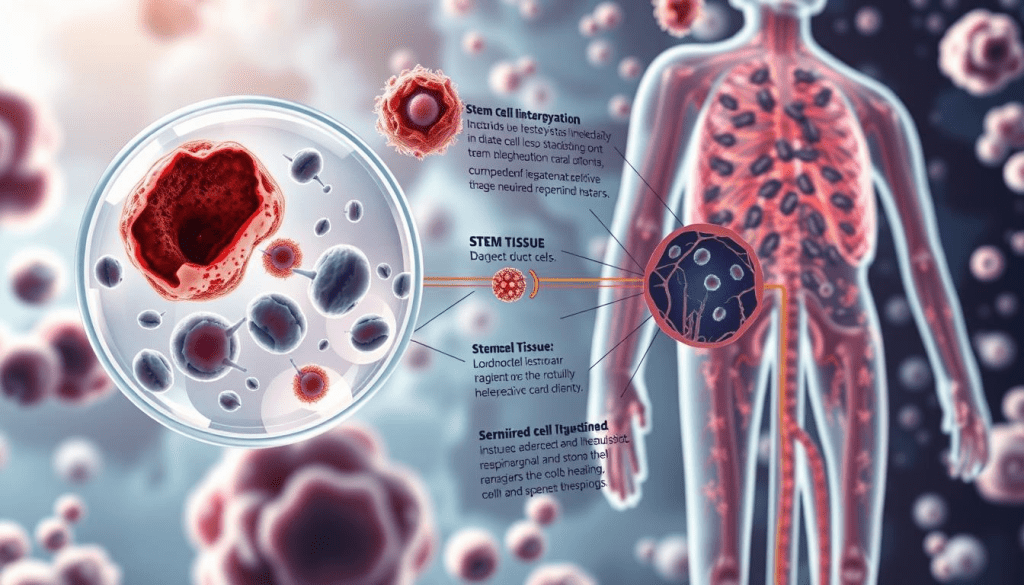
Stem cell therapy is based on the amazing ability of stem cells to heal. These cells can turn into many types of cells in our body. They act like an internal repair system.
Benefits of Using the Best Stem Cell Activator
The best stem cell activator offers powerful benefits for overall health and recovery. By stimulating the body’s natural repair system, it helps improve energy, reduce inflammation, and support faster healing. Many people use a stem cell activator to enhance joint mobility, boost immunity, and promote anti-aging effects. Scientific studies show that the best stem cell activator may encourage cellular renewal, making it valuable for long-term wellness. Choosing a high-quality stem cell activator can provide lasting improvements in vitality, resilience, and overall quality of life, making it a smart choice for natural regenerative health.
What are stem cells and their regenerative properties
Stem cells can grow and change into different cell types. This makes them key in fixing and growing tissues. Studies show stem cell therapy is helping treat many diseases.
Types of stem cells used in modern treatments
There are many stem cell types used today, each with its own uses. These include:
- Embryonic Stem Cells: These cells come from embryos and can become any cell type. They are very versatile.
- Adult Stem Cells: These cells are in adult bodies and can’t change into as many types. But they are good for fixing tissues.
- Mesenchymal Stem Cells (MSCs): A type of adult stem cell, MSCs can turn into many cell types. This includes bone, cartilage, and muscle cells.
- Induced Pluripotent Stem Cells (iPSCs): Made from adult cells, iPSCs have the ability of embryonic cells. They are a big hope for personalized medicine.
Using these stem cells in treatments has led to big advances in regenerative medicine. This gives new hope to patients with hard-to-treat conditions.
The Biological Timeline of Stem Cell Action
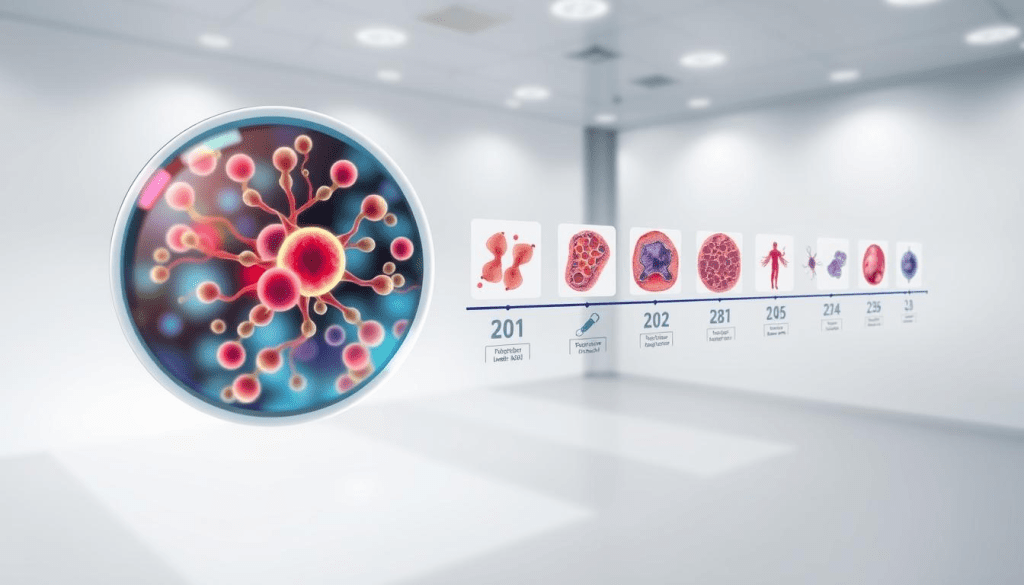
Knowing how stem cells work is key for those thinking about regenerative therapy. Stem cell therapy is seen as a hopeful treatment for many health issues. It’s important to understand when and how stem cells start working to set realistic hopes and improve treatment results.
Cellular Integration Process After Administration
The process of stem cells integrating into the body is complex. First, they migrate to the site of injury or inflammation. This move is guided by chemical signals and growth factors.
At the injury site, stem cells differentiate into the needed cell types. For example, they might turn into chondrocytes to fix cartilage damage. This change is vital for fixing and growing back damaged tissues.
Mechanisms of Tissue Repair and Regeneration
Stem cells repair and grow tissues in many ways. One important method is by releasing growth factors and cytokines. These molecules help heal and reduce swelling.
Stem cells also modulate the immune system, which helps heal by reducing inflammation. This is very helpful in treating autoimmune and inflammatory diseases.
By understanding how stem cells work and the ways they repair tissues, patients and doctors can make better choices. This knowledge helps navigate the treatment journey and make informed decisions about care.
Initial Response vs. Complete Healing
Healing through stem cell therapy is complex. It involves immediate responses and long-term regeneration. After treatment, patients see various outcomes at different times.
First 72 Hours After Treatment
In the first 72 hours, the body starts to react to the treatment. Some may feel soreness or inflammation at the injection site. These side effects usually go away on their own. This early period is key for healing to begin. The stem cells start to interact with the body’s cells, initiating the repair mechanisms.
First Week to One Month Progression
In the first week to a month, many patients see improvements. The stem cells continue to work by promoting tissue repair and regeneration. How fast this happens depends on the condition and the person’s health. Some patients see big changes early on, while others take longer.
Long-term Healing Timeline
The healing process from stem cell therapy can take months after the treatment. Complete healing is a slow process where stem cells keep promoting tissue repair. Patients are often told to follow a rehab program to help heal. The full benefits of stem cell therapy may take time to show.
It’s important to understand the timeline of stem cell results timing and msc therapy onset. While some see quick improvements, others may take longer. The severity of the condition, overall health, and the treatment protocol all play a role in how quickly stem cells work and the stem cell benefits time.
Understanding Stem Cell Relief Time
Knowing how long it takes for stem cell relief is key for setting realistic hopes. Stem cell therapy is promising for many health issues. Yet, the time to feel better can differ greatly.
Early Indicators of Successful Treatment
Right after stem cell treatment, patients might see signs that it’s working. These signs include:
- Reduced pain: Feeling less pain is often the first sign of success.
- Improved mobility: Patients might find it easier to move or do daily tasks without pain.
- Increased energy: Some feel more energetic as their body starts to heal.
These signs can show up a few weeks to months after treatment. It depends on the patient’s condition and how well they respond to the therapy.
Typical Timeframes for Measurable Improvement
While early signs are hopeful, real improvement usually takes longer. Studies show that patients can see big relief in:
- First few weeks: Some notice betterment in 2-4 weeks.
- One to three months: Many see clear improvements in this time frame.
- Long-term benefits: Benefits can keep growing for months, with some seeing best results 6-12 months after treatment.
The exact time can change based on the condition, individual factors, and the treatment used.
It’s important to remember that stem cell therapy is a slow process. It’s not a quick fix but a healing journey. By understanding this and working with healthcare providers, patients can better enjoy their progress.
Factors That Influence How Quickly Stem Cells Work
How fast stem cells start working depends on several important factors. Knowing these helps both patients and doctors set realistic goals for treatment results.
Patient-specific Factors
Each patient’s unique factors affect how well stem cell therapy works. These include:
- Age: Younger people usually heal faster because their cells are healthier and more active.
- Overall Health: Those with fewer health problems tend to do better with stem cell treatments.
- Lifestyle Factors: What you eat, smoke, and how much you exercise can also impact healing.
Treatment-specific Factors
The type of stem cell treatment matters a lot. Important factors include:
- Type of Stem Cells: Different stem cells can do different things, affecting how well they work.
- Dosage and Administration: How many stem cells you get and how they’re given can change how fast they work.
- Quality of Stem Cells: The health and quality of the stem cells are key to success.
Condition Severity and Chronicity
The seriousness and long-term nature of the condition also play a role. Generally:
- Acute Conditions: Usually get better faster with stem cell therapy.
- Chronic Conditions: May need more treatments and time to see big improvements.
Understanding these factors helps patients know what to expect from stem cell therapy. It also helps them understand when they might start seeing results.
Orthopedic Applications: When to Expect Results
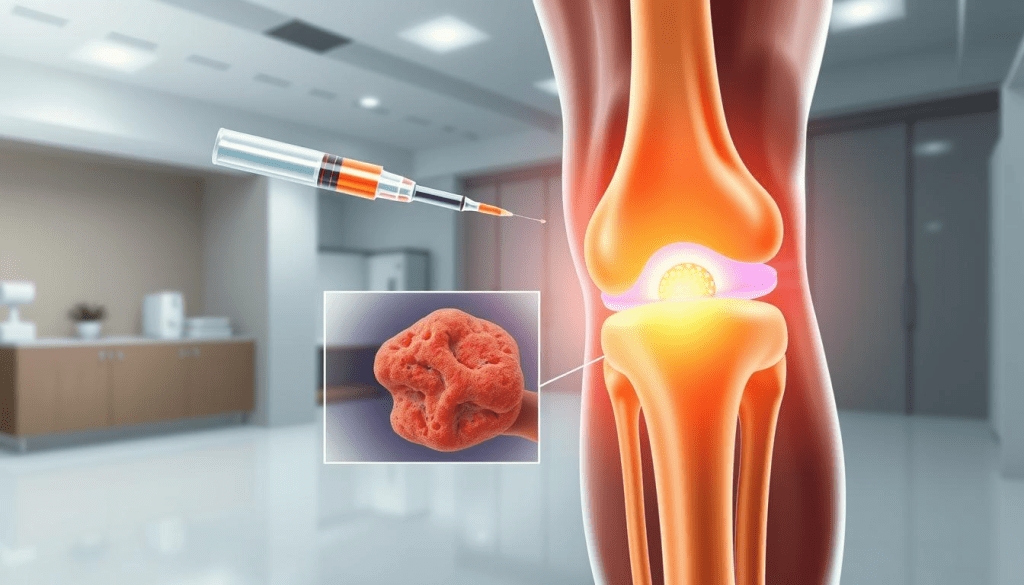
Stem cell therapy is becoming more popular for treating orthopedic issues. It offers a new hope for pain relief and better function. This therapy is showing great promise in treating joint problems and soft tissue injuries.
Joint Conditions and Arthritis
For those with joint issues like osteoarthritis, stem cell therapy is a promising option. Research indicates it can greatly reduce pain and improve function in a few weeks to months. Stem cells help repair damaged cartilage and lessen inflammation, giving patients much-needed relief.
Key benefits of stem cell therapy for joint conditions include:
- Reduced pain and inflammation
- Improved joint function and mobility
- Potential delay or avoidance of surgical interventions
Soft Tissue Injuries and Recovery Timelines
Stem cell therapy also helps with soft tissue injuries like tendonitis and ligament sprains. It boosts the body’s natural healing by repairing damaged tissues. Patients often see improvements in 6-12 weeks, with further progress over the next few months.
The recovery timeline can vary based on several factors, including:
- The severity of the injury
- The overall health of the patient
- The specific stem cell treatment protocol used
Understanding the benefits and timelines of stem cell therapy for orthopedic issues helps patients make better choices. As research advances, stem cell treatments are expected to become even more effective. This offers new hope for those dealing with orthopedic problems.
Neurological Conditions and MSC Therapy Onset
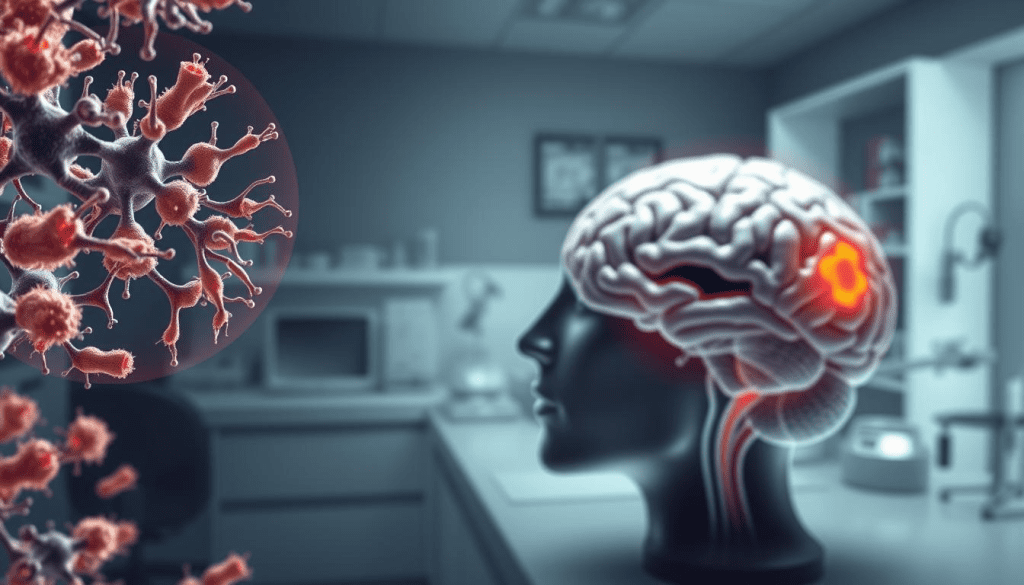
Neurological conditions, once thought to be permanent, are now being treated with MSC therapy. This marks a new era in regenerative medicine. Mesenchymal stem cells (MSCs) in neurology have shown promising results. They offer new ways to treat various neurological disorders.
Brain-Related Conditions Response Time
The time it takes for brain-related conditions to respond to MSC therapy varies. It depends on the condition, its severity, and the patient’s health. Conditions such as stroke, Parkinson’s disease, and multiple sclerosis have different response times. These can range from a few weeks to several months.
Early signs of successful treatment include better cognitive function, motor skills, and overall neurological health. Research shows MSC therapy can help with neural regeneration and protection. This can lead to significant improvements in patients with brain-related conditions.
The mechanisms behind this therapeutic effect involve the secretion of neurotrophic factors. It also includes modulation of the immune response and promotion of angiogenesis.
Spinal Cord and Peripheral Nerve Healing Patterns
MSC therapy is also being explored for spinal cord injuries and peripheral nerve damage. The healing patterns in these conditions are often more predictable. Initial improvements can be seen within the first few weeks, with continued progress over several months.
The use of MSCs in spinal cord injuries has shown promise in improving motor function and sensory recovery. For peripheral nerve injuries, MSC therapy can speed up nerve regeneration. This leads to better functional outcomes. The regenerative capacity of MSCs offers a valuable therapeutic option for patients with these debilitating conditions.
As research advances, the use of MSC therapy for treating various neurological conditions is becoming more evident. Understanding the onset and progression of MSC therapy’s effects helps healthcare providers. They can better manage patient expectations and optimize treatment protocols.
Autoimmune and Inflammatory Disorder Timelines
Autoimmune and inflammatory disorders are tough to treat. But, stem cell therapy is showing promise. These diseases, like rheumatoid arthritis and lupus, mess with the immune system. Stem cells, like MSCs, help fix this and repair tissues.
Systemic Condition Improvement Markers
When we check if stem cell therapy works, we look at a few things. These include:
- Lower levels of inflammation (e.g., CRP, ESR)
- Better symptoms (e.g., less pain, more energy)
- A better quality of life
- A healthier immune system
Research shows big improvements for those getting stem cell therapy. For example, lower inflammation means less disease activity. Better symptoms help people do more every day.
Remission Patterns and Maintenance Needs
How well stem cell therapy works varies. Some patients get better completely, while others see partial improvements. The severity of the disease, the patient’s health, and the treatment used play big roles.
After treatment, some patients need ongoing care to stay well. This might include:
- Regular stem cell infusions
- Medicines to keep the immune system in check
- Changes in lifestyle (e.g., diet, exercise)
By understanding these needs, doctors can make treatment plans better. This helps patients with autoimmune and inflammatory disorders get the most out of stem cell therapy.
Cosmetic and Anti-Aging Stem Cell Results
Stem cell therapy is seen as a game-changer in cosmetics and anti-aging. It can make skin look new and help hair grow. This method is getting a lot of attention for making people look younger and more beautiful.
Stem cells are special because they can turn into different types of cells. This helps fix and grow new tissue. It’s great for making skin look younger, growing hair, and healing wounds.
Skin Rejuvenation Visibility Timeline
How fast you see results from stem cell therapy for skin can vary. People might start to notice changes in a few weeks. But, the best results usually take a few months.
- Initial improvements: 2-4 weeks
- Noticeable rejuvenation: 8-12 weeks
- Optimal results: 6-12 months
Stem cells work by making the skin produce more collagen. This makes the skin look younger and smoother. It reduces wrinkles and fine lines.
Hair Restoration and Wound Healing Progression
Stem cell therapy can wake up hair follicles, leading to new hair. It takes a few months to see hair growth.
Stem cells also help wounds heal faster. They make new tissue and reduce scars. This makes the skin look better.
The efficient stem cell healing process is key for good results in hair and wound healing. How fast you heal depends on the wound’s size and your health.
Knowing how long it takes for stem cells to work helps plan your beauty treatments. Always talk to a doctor before starting treatment. They can help figure out the best plan for you.
Measuring and Tracking Stem Cell Treatment Progress
Clinics use various tools and technologies to check how well stem cell treatment works. Stem cell therapy effectiveness is measured through clinical checks and patient feedback. This gives a full picture of how the treatment is doing.
Clinical Assessment Tools and Technologies
Clinics use advanced tech to watch how stem cell treatments are going. These include:
- Imaging technologies like MRI and CT scans to see tissue repair
- Blood tests to check inflammatory markers and healing signs
- Functional assessments to see if mobility and strength are getting better
Self-Monitoring Techniques for Patients
Patients also help track their progress. They use self-assessment methods. These include:
- Keeping a symptom journal to track pain and function changes
- Using wearable devices to check activity and mobility
- Telling their healthcare provider about any changes or concerns
By using both clinical tools and patient self-monitoring, healthcare providers get a full view of treatment success. They can then adjust the stem cell treatment timeline to get the best results.
Setting Realistic Expectations for Regenerative Therapy
Regenerative therapy is growing, and it’s key to know what to expect. Stem cell therapy is promising for many health issues. But, how each person responds can differ a lot. It’s important to understand this to manage hopes.
Understanding Variability in Patient Responses
Studies show that how well stem cell therapy works can change a lot. This depends on the person, the treatment, and how bad the condition is. For example, people with long-term health issues might need more than one treatment to see the best results.
“The efficacy of stem cell therapy is influenced by the severity of the condition being treated, as well as the patient’s overall health status.”
Journal of Stem Cell Research
What affects how well a person responds includes:
- Age and overall health of the patient
- Severity and chronicity of the condition being treated
- Type and quality of stem cells used
- Treatment protocol and administration method
When to Consider Follow-up Treatments
Some people might need more than one treatment to get the best results from stem cell therapy. Whether you need more treatments depends on how well the first one worked and how serious your condition is. Usually, more treatments are needed when the first one’s effects start to fade or if you don’t reach the healing goal.
How long it takes to decide on more treatments varies. Some might only need one, while others might need several, spaced out over weeks or months. It’s vital to talk to your doctor to figure out the best plan and keep track of how you’re doing.
Knowing what affects how well stem cell therapy works helps patients make better choices. It’s about understanding the good and bad sides of the treatment. And knowing that sometimes, more treatments are needed to get the best healing time with stem cells.
Latest Research on Stem Cell Effectiveness Timelines
Recent breakthroughs in stem cell research have greatly improved our understanding of regenerative medicine. New clinical studies are giving us insights into how stem cell therapy works. This is for different medical uses.
Future Developments in Accelerating Results
Now, researchers are working on new stem cell technologies to make treatments faster. They are exploring:
- Improving how stem cells are delivered to make them work better
- Creating biomaterials to help stem cells grow and change
- Using gene editing to make stem cells work even better
As research keeps moving forward, we’ll likely see better treatment results and more uses for stem cell therapy. Ongoing research is key to unlocking the full power of regenerative medicine. It will help solve the complex challenges of stem cell treatments.
Choosing the best stem cell activator can support long-term health, recovery, and ageing benefits
Choosing the best stem cell activator supports natural healing, recovery, and healthy aging. This powerful supplement boosts cell renewal, reduces inflammation, and enhances vitality. By improving joint function, energy, and immunity, the stem cell activator promotes long-term wellness, making it an essential choice for regenerative health and overall well-being.
Conclusion
Stem cell therapy is a new hope for many medical conditions. Its success depends on several things. These include the type of stem cells, the condition, and the patient’s health.
Knowing how long stem cell therapy takes to work is key. Some see improvements quickly, while others may wait months. The time it takes to see results varies based on the condition’s severity and the treatment.
Understanding the treatment timeline helps patients plan their journey. Studies are showing stem cell therapy’s effectiveness. As research grows, so will the benefits of regenerative medicine, improving patients’ lives.
FAQ
How long does it typically take to notice the effects of stem cell therapy?
It can take a few weeks to months to see the effects of stem cell therapy. This depends on the condition and the individual.
What factors influence the speed at which stem cells work?
Several factors can affect how fast stem cells work. These include the patient’s health, the treatment, and the condition’s severity.
Can stem cell therapy provide immediate relief?
Immediate relief is rare. Most people see gradual improvements as the stem cells work in their body.
How long does it take for stem cells to integrate into the body?
It can take weeks to months for stem cells to integrate. They then start repairing damaged areas.
What are the early indicators of successful stem cell treatment?
Early signs include less pain, better function, and feeling better overall. These changes usually start within a few weeks or months
How is progress tracked after stem cell therapy?
Progress is tracked with clinical tools and self-monitoring. This helps doctors adjust treatment plans as needed.
Can follow-up treatments be necessary, and if so, when?
Some patients need follow-up treatments. This depends on how well they respond to the first treatment and the condition’s complexity.
Are there any differences in the timeline for different conditions treated with stem cell therapy?
Yes, the timeline varies by condition. Joint pain might improve quickly, while neurological disorders may take longer.
How does the severity of a condition impact the effectiveness timeline of stem cell therapy?
Severe or chronic conditions often need longer treatment times. They might also require more treatments for the best results.
Reference :
Trounson, A., & McDonald, C. (2015). Stem cell therapies: The ethical landscape. EMBO Reports, 16(10), 1253-1260. https://www.embopress.org/doi/full/10.15252/embr.201541031
LeBlanc, K., & Boulos, L. (2021). “Do-it-yourself” stem cells: A call for caution. Stem Cell Reports, 16(10), 2419“2421. https://www.cell.com/stem-cell-reports/fulltext/S2213-6711(21)00473-0