Last Updated on December 1, 2025 by Bilal Hasdemir
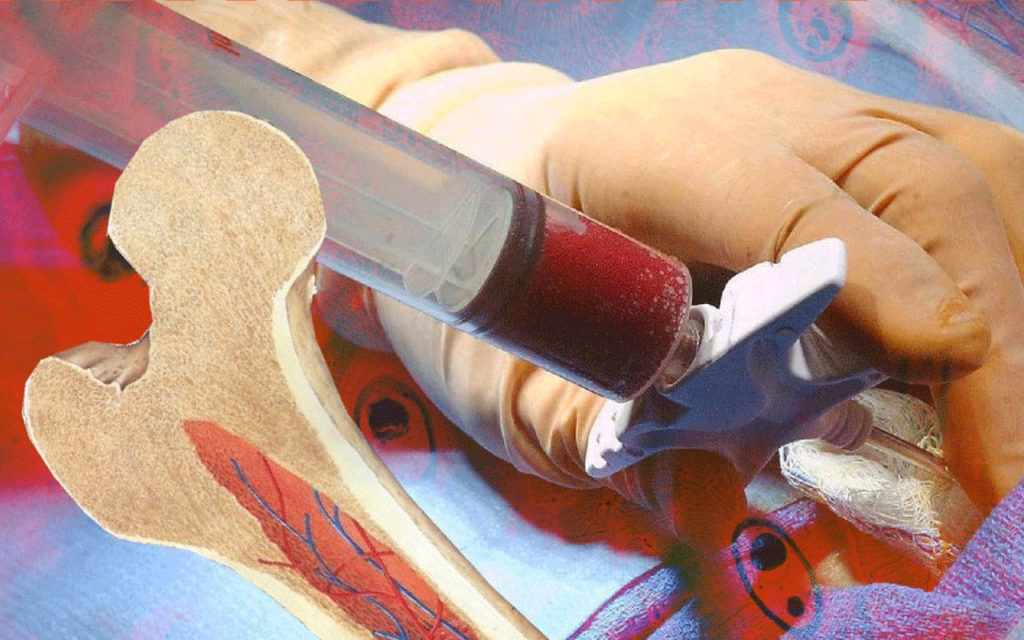
Bone marrow transplants save lives for many with serious diseases. They replace a patient’s bone marrow with healthy stem cells. These cells come from the patient or a donor.
Many wonder if a bone marrow transplant changes a person’s stem cell DNA. Knowing how a transplant affects someone’s genes is important. It matters for health and personal reasons.
Key Takeaways
- A bone marrow transplant involves replacing a patient’s bone marrow with healthy stem cells.
- The procedure can be autologous (using the patient’s own cells) or allogeneic (using a donor’s cells).
- The impact of a bone marrow transplant on a person’s DNA is a significant concern.
- Understanding the changes in DNA after a transplant is essential for medical and personal reasons.
- A bone marrow transplant can have various effects on the recipient’s genetic makeup.
Understanding Bone Marrow and Its Function
Bone marrow is a key part of our bodies. It makes blood cells in the spongy tissue inside bones like the hips and thighbones. It creates red blood cells, white blood cells, and platelets.
The Role of Bone Marrow in the Body
Bone marrow’s main job is to make blood cells. Red blood cells carry oxygen, white blood cells fight infections, and platelets help blood clot. This is vital for our health and how we fight off sickness or injury.
Types of Cells Produced in Bone Marrow
The bone marrow makes three main types of blood cells:
- Red Blood Cells: These carry oxygen from the lungs to the body’s tissues.
- White Blood Cells: These are key to our immune system, helping fight infections and diseases.
- Platelets: These small cells help form clots to stop bleeding when a blood vessel is hurt.
Knowing about the cells bone marrow makes and what they do is key. It helps us understand how bone marrow transplants work. It also shows how they might change our DNA, like in marrow transplant dna and dna change.
What Is a Bone Marrow Transplant?
Bone marrow transplant has changed how we treat blood-related diseases. It brings healthy stem cells into the body. This helps treat serious illnesses like leukemia, lymphoma, and genetic disorders.
Indications for Bone Marrow Transplants
Doctors suggest bone marrow transplants for certain conditions. These include:
- Leukemia: A cancer of the blood or bone marrow.
- Lymphoma: A cancer that starts in the lymph system.
- Aplastic Anemia: When the bone marrow can’t make blood cells.
- Genetic Disorders: Like sickle cell disease and thalassemia.
Whether to have a transplant depends on the patient’s health and how serious their condition is.
The Transplantation Process
The bone marrow transplant process has key steps:
- Conditioning: Getting the patient ready for the transplant, often with chemotherapy or radiation.
- Harvesting: Taking stem cells from the patient or a donor.
- Infusion: Putting the stem cells into the patient’s blood.
After infusion, the stem cells go to the bone marrow. There, they start making healthy blood cells.
| Transplant Type | Description | Indications |
| Autologous | Using the patient’s own stem cells. | Certain types of lymphoma and multiple myeloma. |
| Allogeneic | Using stem cells from a donor. | Leukemia, aplastic anemia, and genetic disorders. |
It’s important for patients and their families to understand bone marrow transplants. This helps them make informed choices about their treatment.
The Basics of DNA and Genetic Identity
Learning about DNA is key to understanding genetic changes after a bone marrow transplant. DNA, or deoxyribonucleic acid, carries the genetic instructions for all living things.
What Makes Your DNA Unique
DNA is special to each person, except for identical twins. It decides things like eye color, hair color, and height. This is because of the unique sequence of nucleotides in each person’s DNA.
The sequence of nucleotides in DNA includes four bases: adenine (A), guanine (G), cytosine (C), and thymine (T). The order of these bases holds the genetic information in DNA.
How DNA Is Distributed Throughout Your Body
DNA is found in every cell of the body. Each cell has a complete set of DNA. This means every cell has the same genetic information, affecting many bodily functions.
This shows how important DNA is. It doesn’t just decide physical traits but also how the body works.
Knowing how DNA is unique and spread out helps us understand DNA changes after a bone marrow transplant. It shows how these changes might affect a person’s genetic identity.
Stem Cell DNA: The Foundation of Bone Marrow Transplants
Stem cell DNA is key in bone marrow transplants. It helps create different cell types in the body. This genetic material is vital for transplant success, shaping the new cells’ traits.
The Nature of Stem Cells
Stem cells are unique cells that can turn into many cell types. They are essential for bone marrow transplants, replacing damaged cells with healthy ones. Their ability to adapt makes them very useful in medicine.
Genetic Information in Stem Cells
Stem cells carry genetic info in their DNA, which is passed to the cells they become. In bone marrow transplants, donor stem cells can change the recipient’s blood cells’ genetics. This is important for understanding DNA changes after a transplant.
| Cell Type | Function | Relation to Stem Cell DNA |
| Red Blood Cells | Carry oxygen throughout the body | Influenced by stem cell DNA in bone marrow |
| White Blood Cells | Part of the immune system, fighting infections | Produced from stem cells with specific DNA instructions |
| Platelets | Involved in blood clotting | Derived from stem cells with genetic information for clotting functions |
Understanding stem cell DNA’s role in bone marrow transplants is key. It shows how DNA changes happen after a transplant. The genetic info in stem cells affects the cells produced and the recipient’s genetic profile.
The Science Behind DNA Changes After Transplantation
Bone marrow transplantation replaces the recipient’s blood-making cells with the donor’s healthy stem cells. This is key to understanding DNA changes after the transplant.
Replacement of Blood-Forming Cells
After a bone marrow transplant, the recipient’s bone marrow is cleared. This makes room for the donor’s stem cells to grow and make blood cells. This change means the recipient’s blood cells now have the donor’s DNA.
The replacement process involves several key steps:
- The recipient’s bone marrow is prepared for transplantation through conditioning regimens.
- Donor stem cells are infused into the recipient’s bloodstream.
- The donor stem cells migrate to the bone marrow and begin producing new blood cells.
The Concept of Donor DNA Integration
The integration of donor DNA into the recipient’s body is complex. It leads to the recipient having two DNA sets: their own and the donor’s. This is called chimerism.
The amount of donor DNA that integrates can differ among people. It depends on the transplant type and the recipient’s health.
| Factor | Influence on Donor DNA Integration |
| Type of Transplant | The type of bone marrow transplant (allogenic or autologous) affects the level of donor DNA integration. |
| Recipient’s Health | The recipient’s overall health and immune response can influence how well the donor DNA integrates. |
| Conditioning Regimen | The intensity of the conditioning regimen can impact the recipient’s bone marrow and the subsequent integration of donor DNA. |
Understanding DNA changes after bone marrow transplantation is vital for patient care. It also leads to research into genetic identity and chimerism.
Chimerism: When You Have Two Sets of DNA
Having two sets of DNA is real for people who get bone marrow transplants. It changes how we think about who we are genetically. This happens when the person’s bone marrow is replaced by the donor’s stem cells. Now, they have both their own and the donor’s DNA in their body.
Defining Chimerism in Medical Terms
Chimerism means having two or more different DNA types in one person. It happens after a bone marrow transplant. The donor’s stem cells mix with the recipient’s, creating cells with the donor’s DNA. So, the person becomes a genetic chimera, with both their DNA and the donor’s.
Types of Chimerism After Transplantation
There are different kinds of chimerism after a bone marrow transplant. Microchimerism is when a few donor cells are in the recipient’s body. On the other hand, macrochimerism is when most of the recipient’s bone marrow is replaced by the donor’s. This makes the donor’s DNA more noticeable.
It’s key to understand chimerism to care for bone marrow transplant patients. It affects their health, identity, and even legal status. As medical science grows, studying chimerism will keep revealing the mysteries of our genetic makeup.
Which Parts of Your Body Experience DNA Change?
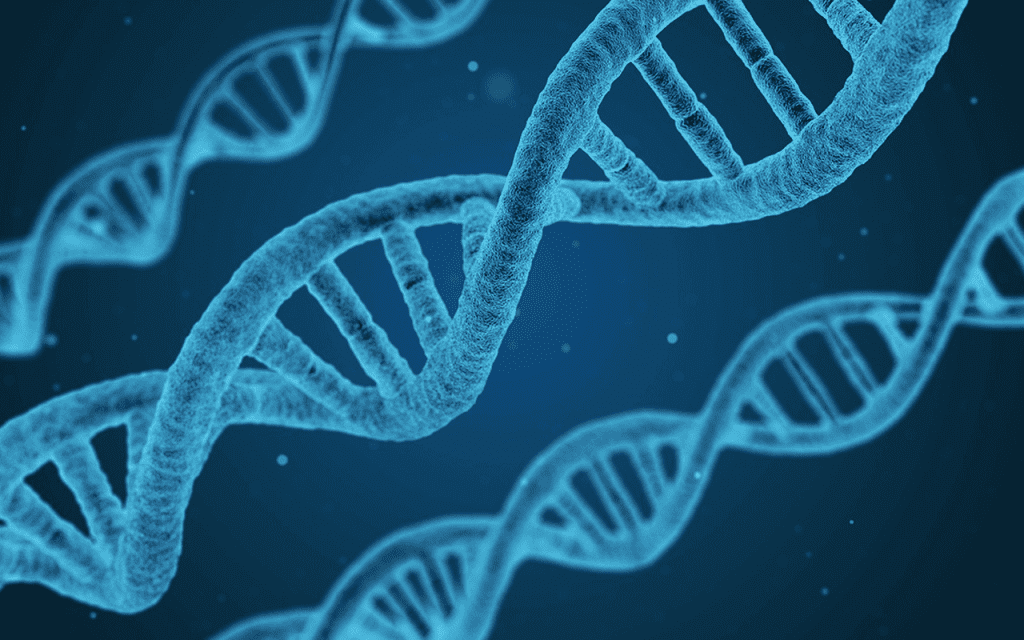
DNA changes are most noticeable in the blood and immune system after a bone marrow transplant. This is because the bone marrow makes blood cells, like white and red blood cells, and platelets.
Blood and Immune System Changes
The transplant swaps the recipient’s bone marrow with the donor’s. This means the blood cells produced will have the donor’s DNA. This includes:
- Blood Cells: Red blood cells, white blood cells, and platelets will have the donor’s DNA.
- Immune System: The immune cells, such as T-cells and B-cells, are made in the bone marrow. They will carry the donor’s DNA, possibly changing how the immune system reacts.
Tissues That Retain Original DNA
While the blood and immune system cells change, other tissues keep their original DNA. These include:
- Skin Cells: The DNA in skin cells stays the same as before the transplant.
- Muscle and Nerve Cells: These cells also keep their original DNA. They are not made from bone marrow.
Knowing which parts of the body change DNA after a bone marrow transplant is key for patient care. It shows the need to watch the patient’s health closely, focusing on the immune system and possible issues.
Measuring DNA Changes: Testing and Monitoring
Chimerism testing is key for checking how a bone marrow transplant is working. It helps see if the transplant was successful and if there are any problems.
Chimerism Testing Methods
There are different ways to do chimerism testing, like DNA tests on blood or bone marrow. These tests show how much of the donor’s cells are in the body. This info is very important for knowing how the transplant went.
Common Chimerism Testing Techniques:
- PCR (Polymerase Chain Reaction) based methods
- Short Tandem Repeat (STR) analysis
- Fluorescence In Situ Hybridization (FISH)
Each method has its own benefits. The choice depends on the patient’s needs and what the lab can do.
Interpreting Chimerism Test Results
It’s very important to understand what chimerism test results mean. The mix of donor and recipient cells can show if there might be problems like GVHD or if the disease could come back.
| Chimerism Level | Interpretation | Clinical Implication |
| 100% Donor Cells | Complete chimerism | Successful engraftment, lower risk of relapse |
| Mixed Donor and Recipient Cells | Mixed chimerism | May indicate risk of GVHD or relapse |
| 100% Recipient Cells | No chimerism | Graft failure, high risk of relapse |
Knowing these results helps doctors make better choices for after the transplant. This might include extra treatments or care.
Medical and Legal Implications of DNA Changes
Bone marrow transplantation can lead to DNA changes with big medical and legal effects. It’s important for healthcare providers and patients to understand these impacts.
Impact on Medical Treatments and Diagnoses
After a bone marrow transplant, a patient’s DNA can change a lot. This can affect how well they respond to treatments. For example, the new DNA might change how the body breaks down drugs.
- Drug Metabolism: The altered DNA can influence the enzymes responsible for drug metabolism, affecting how patients respond to medication.
- Disease Diagnosis: DNA changes can also complicate disease diagnosis, as genetic tests may reflect the donor’s DNA instead of the patient’s.
Legal Considerations in Identity and Paternity
DNA changes after a bone marrow transplant can also raise legal questions, mainly about identity and paternity. In some cases, the big change in DNA profiles can cause confusion or disputes.
Some legal considerations include:
- Paternity Disputes: Big DNA changes can make paternity tests complicated, leading to legal fights.
- Identity Issues: The DNA change can also make people question their legal identity, affecting legal documents and rights.
In conclusion, DNA changes after a bone marrow transplant have big medical and legal effects. It’s key for patients, healthcare providers, and legal experts to know about these changes and their possible outcomes.
Real-Life Cases of DNA Changes After Transplants
Real-life examples show how bone marrow transplants can change a person’s DNA. These changes are linked to chimerism. This means a person’s body has two different DNA sets.
Documented Cases of Significant DNA Changes
Many cases have shown big DNA changes after bone marrow transplants. For example, a study in a medical journal found a patient’s blood cells changed completely to the donor’s DNA after the transplant.
The table below lists some key cases:
| Case Study | Type of Transplant | DNA Change Observed |
| Case 1 | Bone Marrow | Complete replacement of blood cells with donor DNA |
| Case 2 | Bone Marrow | Partial chimerism in blood and immune cells |
| Case 3 | Bone Marrow | Mixed chimerism in various tissues |
Patient Experiences and Perspectives
Patients who got bone marrow transplants share different experiences. Some feel their identity has changed. Others focus on the health benefits.
A patient shared,
“After the transplant, I felt like a different person, not just because of the treatment but also due to the change within me.”
These stories show how genetic identity and health are connected.
Misconceptions About DNA Changes After Transplants
There’s a big gap between what people think about DNA changes after bone marrow transplants and what science really says. This gap leads to many wrong ideas about how these transplants affect a person’s genes.
Common Myths and Misunderstandings
One big myth is that a bone marrow transplant completely changes a person’s DNA. It’s true that the transplant swaps out the recipient’s bone marrow with the donor’s. But how much the DNA changes can vary a lot, depending on the body’s different tissues and cells.
Some key misconceptions include:
- The belief that DNA changes are uniform throughout the body post-transplant.
- The assumption that a bone marrow transplant erases the recipient’s original genetic identity.
- The notion that DNA changes after a transplant are always complete and irreversible.
Scientific Facts vs. Popular Beliefs
Science shows that how much DNA changes after a bone marrow transplant depends on many things. For example, blood cells might mostly have the donor’s DNA. But other tissues might keep the recipient’s original DNA.
It’s important to understand the details of DNA changes after bone marrow transplants. This helps manage what patients expect and makes better medical choices. By setting the record straight and debunking myths, we can help people understand this complex topic better.
Future Research on Transplant-Related DNA Changes
Research on DNA changes after transplants is leading to new medical discoveries. Scientists are learning more about bone marrow transplants. This could change how we treat patients in the future.
Emerging Studies and Technologies
New studies are showing how donor and recipient DNA mix after a transplant. Advanced genomic sequencing technologies help scientists track these changes. This is a big step forward in understanding transplants.
“The ability to monitor chimerism and DNA changes post-transplant has revolutionized our understanding of the transplantation process,” notes a leading researcher in the field. This knowledge is key for better treatments and patient care.
Potential Applications in Medicine
Studying DNA changes after transplants opens up new possibilities. For example, knowing how stem cell DNA affects transplants could lead to new regenerative medicine methods.
- Improved monitoring and management of patients post-transplant
- Development of personalized treatment plans based on individual genetic profiles
- Advancements in the field of regenerative medicine through a better understanding of stem cell behavior
As research keeps moving forward, the impact of transplant dna studies on medicine is huge. By studying DNA changes after bone marrow transplants, scientists are making big strides. These discoveries could greatly improve patient care and our knowledge of human genetics.
Conclusion
A bone marrow transplant significantly alters a person’s genetic makeup in blood and immune system cells. It affects the bone marrow dna and stem cell dna. The transplant replaces the person’s bone marrow with donor stem cells.
This change impacts the blood and immune system cells. It’s important to understand this for medical treatment and personal identity.
The concept of chimerism, where a person has two sets of DNA, is key. It shows how bone marrow dna shapes a person’s genetic identity after a transplant.
As research grows, we’ll learn more about stem cell dna in bone marrow transplants. This knowledge will help us better understand the dna change transplant process. It will also improve how we care for patients.
FAQ
Does a bone marrow transplant change a person’s DNA?
Yes, a bone marrow transplant can change a person’s DNA. This is true for blood and immune system cells, which come from the donor’s stem cells.
What is chimerism, and how does it relate to bone marrow transplants?
Chimerism means having two or more different DNA sets. In bone marrow transplants, it happens when the recipient’s marrow is replaced by the donor’s stem cells. This leads to both the recipient’s and donor’s DNA being present in the body.
Which parts of the body are affected by DNA changes after a bone marrow transplant?
DNA changes mainly affect blood and immune system cells after a transplant. But, other cells like skin, muscle, and nerve cells usually keep their original DNA.
How is chimerism testing used to monitor DNA changes after a bone marrow transplant?
Chimerism testing checks the mix of donor and recipient cells in the body after a transplant. It uses DNA analysis of blood or bone marrow samples.
What are the medical implications of DNA changes after a bone marrow transplant?
DNA changes after a transplant can affect treatment responses and disease progression. Healthcare providers need to understand these implications.
Are there any legal implications of DNA changes after a bone marrow transplant?
Yes, DNA changes can raise identity and paternity questions, if significant. Healthcare providers and patients need to understand these legal implications.
Can a bone marrow transplant change a person’s genetic identity?
A bone marrow transplant can change the genetic identity of blood and immune system cells. But, other cells usually keep their original DNA.
What is the significance of stem cell DNA in bone marrow transplants?
Stem cells carry genetic information in their DNA. In bone marrow transplants, donor stem cells’ DNA can influence the recipient’s blood cells’ genetic makeup.
References
- American Cancer Society. (2024). Stem cell transplant types. Retrieved September 24, 2025, from https://www.cancer.org/cancer/managing-cancer/treatment-types/stem-cell-transplant/stem-cell-transplant-types.html