Last Updated on December 1, 2025 by Bilal Hasdemir
Donating stem cells can save lives. Every year, over 40,000 bone marrow transplants happen worldwide. Knowing the donation process is key for those who want to donate.
Many wonder: is it painful to be a stem cell donor? The truth is in the donation procedure. It’s safe and simple, despite what you might think.
Donors often feel proud and happy after giving. We’ll dive into the stem cell donation procedure. We’ll answer your questions and make things clear.
Key Takeaways
- Donating stem cells is a life-saving act for patients in need of a transplant.
- The stem cell donation process is relatively safe and straightforward.
- Understanding the procedure can alleviate concerns for future donors.
- Donors often report feeling proud and fulfilled after donating.
- The impact of stem cell donation can be significant, with thousands of transplants performed annually.
Understanding Stem Cell Donation: Basics and Importance
It’s key to know the basics of stem cell donation. This process moves stem cells from a donor to a patient. It can cure many serious diseases.
What Are Stem Cells and Why Are They Needed
Stem cells can turn into many types of cells in our body. They help treat blood cancers and genetic disorders. Their power to fix damaged tissues is huge.
Stem cells have changed how we treat blood diseases. Stem cell transplants are now a main treatment. They replace bad stem cells with healthy ones from a donor.
Types of Stem Cell Donations
There are two main types of stem cell donations. Peripheral Blood Stem Cell (PBSC) donation and Bone Marrow donation. PBSC donation takes stem cells from the blood. Bone Marrow donation takes them directly from the bone.
- Peripheral Blood Stem Cell (PBSC) Donation: This is the most common method. It makes the donor’s stem cells move to the blood. Then, they are collected.
- Bone Marrow Donation: This is a surgery. It takes stem cells from the donor’s bone marrow, usually from the pelvic area.
Both methods have their own steps and things to think about. Knowing these differences is important for those thinking about donating.
The Stem Cell Donation Procedure: A Complete Guide

Donating stem cells involves several important steps. These include initial tests and the actual collection of stem cells or bone marrow. It’s vital for donors to know these steps to make informed choices.
Initial Testing and Compatibility Assessment
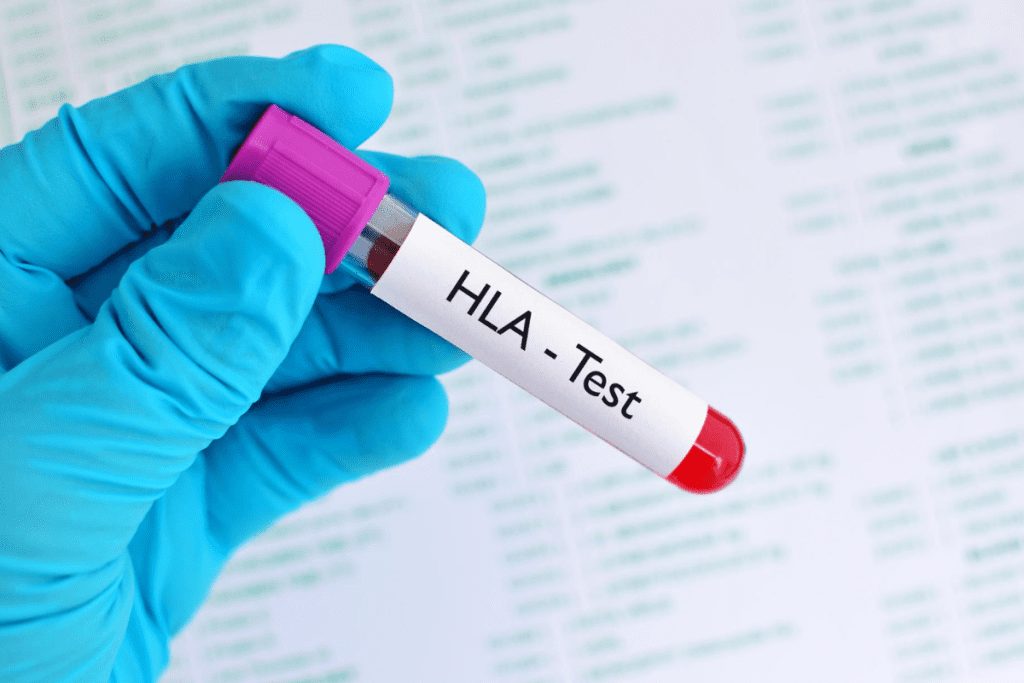
Potential donors go through tests to see if they match the recipient. Blood tests check the donor’s HLA type. This is key to avoid graft-versus-host disease (GVHD) in the recipient. Matching is essential for a successful transplant.
Donors also get a medical check-up and share their health history. This helps spot any health risks for both the donor and the recipient. Many donors find the initial testing reassuring, making them confident in their decision.
| Test Type | Purpose |
| Blood Tests | Determine HLA type and compatibility |
| Medical Examination | Assess donor’s overall health |
| Medical History | Identify any health risks |
Preparation for Donation
After being cleared, donors start getting ready for the donation. They might get G-CSF injections to boost stem cell production. G-CSF is given over several days before the donation.
“The preparation phase was surprisingly straightforward. The G-CSF injections were easy to administer, and the staff were very supportive throughout the process.”
” A stem cell donor
The Collection Process
Stem cells can be collected in two ways: through peripheral blood stem cell (PBSC) donation or bone marrow donation. PBSC donation uses a machine to get stem cells from the blood. Bone marrow donation requires a surgical procedure to extract marrow from the hip bone.
Both methods work well but have different risks. Bone marrow donation, for example, might have risks from anesthesia and post-operative pain. It’s important for donors to know these risks.
Donors should talk to their healthcare provider about their donation procedure. This way, they can fully understand what to expect.
Peripheral Blood Stem Cell (PBSC) Donation
Peripheral Blood Stem Cell donation is a special process. It’s different from traditional bone marrow donation. This method is key in treating serious diseases, giving patients a chance to live.
The Collection Process
The PBSC collection starts with a special medicine called filgrastim. It makes stem cells move from the bone marrow into the blood. This takes a few days.
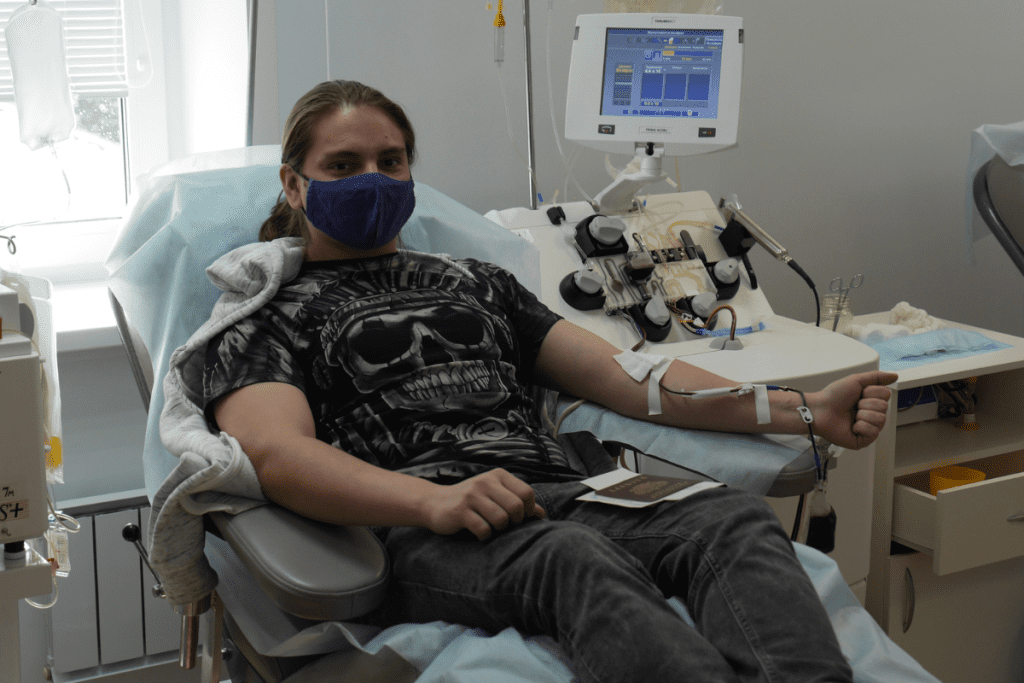
After the stem cells are in the blood, the donor goes through apheresis. This is a way to get the stem cells without the rest of the blood. The donor’s blood is passed through a machine that keeps the stem cells and returns the rest.
This apheresis can take hours. The donor might sit or lie down for a long time.
| Aspect | Description |
| Filgrastim Administration | Stimulates stem cell production in the bone marrow |
| Apheresis Procedure | Separates stem cells from other blood components |
| Duration | Several hours |
Pain and Discomfort During PBSC Donation
Donors might feel some pain during PBSC donation. This is mainly because of the filgrastim. They might have bone pain, feel tired, or have headaches.
These symptoms can be helped with pain meds and rest. The apheresis itself is usually okay. But, some discomfort might come from the needles and staying in one place for a long time. Most donors can go back to normal activities soon after.
Bone Marrow Donation Process
Thinking about becoming a bone marrow donor? It’s important to know the donation process. This includes several steps, from the first tests to the actual donation.
The Surgical Procedure Explained
The donation process usually involves a surgery under general anesthesia. This makes sure the donor is comfortable and pain-free. The team then takes bone marrow from the donor’s hip, often from the back of the pelvis.
The surgery is safe, and the donor is monitored closely to ensure their well-being throughout.
Is It Painful to Donate Bone Marrow?
Donating bone marrow is generally safe, but some discomfort or pain can happen after. The anesthesia makes sure donors don’t feel pain during the surgery. But, they might feel pain afterwards, which can be managed with medicine.
Most donors recover in a few weeks. Some might feel tired or sore for longer. It’s key to talk to your healthcare provider about any pain worries. They can help you know what to expect during recovery.
Pain Management During and After Stem Cell Donation
It’s important to know about pain management when donating stem cells. This act can save lives, but it comes with some discomfort. Knowing how to handle this is key.
What to Expect During the Procedure
Donors get medicine to ease pain during the procedure. The type of medicine and how it’s given can change based on the donation method. This could be Peripheral Blood Stem Cell (PBSC) donation or bone marrow donation.
PBSC donation uses filgrastim to boost stem cell production. This might cause bone pain, but it’s managed with pain meds.
Post-Donation Recovery and Pain Relief
After donating, donors might feel tired, sore, or in pain. These feelings can be eased with over-the-counter pain meds and rest. Everyone recovers differently, but most can get back to normal in a few days to a week.
| Recovery Aspect | PBSC Donation | Bone Marrow Donation |
| Pain Level | Mild to Moderate | Moderate to Severe |
| Recovery Time | 2-5 days | 1-3 weeks |
| Pain Management | Over-the-counter pain relievers | Prescription pain medication |
Donor Experiences and Testimonials
Many donors say the pain was worth it to save a life. For instance, a donor shared, “I felt some pain during recovery, but it was nothing compared to the joy of helping someone.”
“Donating stem cells was a life-changing experience. The pain was minimal compared to the gratitude I feel knowing I helped save a life.”,quotes another donor.
Gender Considerations in Stem Cell Donation
Gender plays a role in stem cell donation, but it is often misunderstood. It’s a myth that only guys can donate bone marrow. In truth, both men and women can donate, and it depends on health and compatibility.
Can Females Donate Bone Marrow?
Yes, women can donate bone marrow too. It’s not about gender, but health and age. Women go through the same checks as men to see if they can donate. Gift of Life Marrow Registry says women are just as likely to match a patient.
“I’ve known women who have donated bone marrow and have done so successfully,” says a representative from a major marrow registry. “The key factor is not gender, but compatibility.”
Why Can Only Males Donate Bone Marrow? Debunking Myths
The old idea that only guys can donate bone marrow came from old data. But, this doesn’t mean women can’t donate. New tech and understanding of GVHD have opened up donations to both genders. Studies have shown female donors can be just as good as male donors.
Gender-Specific Considerations for Donors
While both can donate, there are gender-specific things to think about. For example, pregnant women might face higher risks. Doctors and registries look at each case carefully. It’s key for donors to talk about their health history with doctors.
The choice to donate should be based on health and compatibility, not gender. By understanding gender’s role in stem cell donation, we can save more lives by increasing the donor pool’s diversity.
Risks and Safety Concerns for Stem Cell Donors
Stem cell donation is mostly safe, but it comes with some risks. It’s important for donors to know about these risks. This knowledge helps them make a well-informed choice.
Bone Marrow Transplant Risks for the Donor
Bone marrow donation is a surgical procedure that can have risks. These include infection, bleeding, and reactions to anesthesia. Donors are closely monitored to reduce these risks.
The most common issues are pain, fatigue, and bruising. These problems usually happen at the site where the bone marrow is taken.
Potential Side Effects and the Red Cross Medication Deferral List
Donors need to know about the medication deferral list by the Red Cross. Some medicines can stop you from donating. Common side effects include fatigue, bone pain, and low blood counts.
Though rare, serious side effects can happen. It’s key to be aware of these risks.
Long-term Health Considerations
Studies are ongoing to understand the long-term health effects of stem cell donation. Most donors recover within a few weeks. But, some might face long-term effects like chronic pain or mental health issues.
It’s important for donors to check in with their doctors after donation. This helps monitor their health.
Becoming a Donor: Organizations and Compensation
There are many organizations that help you become a stem cell donor. They manage the donation process and tell you about any payment. These groups are key in matching donors with those who need their cells.
Major Donation Organizations: Gift of Life and Blood Centers
Gift of Life Marrow Registry and Blood Centers lead in stem cell donation. Gift of Life has a big database of donors. Blood Centers collect blood, including stem cells, for transplants. Both offer detailed info on donating, who can donate, and what to expect.
| Organization | Specialization | Donor Support |
| Gift of Life Marrow Registry | Bone Marrow Registry | Comprehensive donor support and guidance |
| Blood Centers | Blood Component Collection | Detailed information on donation process and eligibility |
Donate Bone Marrow for Money: Compensation Facts
Donors may get back some costs from donating stem cells. But, it’s important to know that selling bone marrow or stem cells is not allowed. Donors get paid for travel and other related costs, not for the donation itself.
“Donating stem cells is a generous act that can save lives. While donors are not paid, the knowledge of potentially saving a life is often considered reward enough.”
-A stem cell donor testimonial
Finding Bone Marrow Donation Near Me
Looking for a local donation center is a good first step. Use online tools like the Gift of Life Marrow Registry or Blood Centers’ locators. They help you find places to learn more and register.
Knowing about the organizations and what you can get paid helps you decide to donate. The process is complex but supported by dedicated groups and resources.
Conclusion: The Life-Changing Impact of Stem Cell Donation
Stem cell donation is a gift that can save lives. It’s important for donors to understand the stem cell therapy procedure. This article has covered the basics, types of donations, and the steps involved.
Donating stem cells starts with tests and preparation. The actual donation might seem scary, but it’s not too painful. Good pain management helps a lot.
Groups like Gift of Life and Blood Centers help with the donation process. By donating, you can change a patient’s life. If you’re thinking about donating, start today. You could give someone a second chance at life.
FAQ
Is it painful to be a stem cell donor?
The pain level varies by donation type. Peripheral Blood Stem Cell (PBSC) donation might cause some discomfort. This is due to the filgrastim injection and the apheresis process.
Bone marrow donation, which is a surgical procedure, does not hurt during the surgery. But, some discomfort might be felt during recovery.
Can females donate bone marrow?
Yes, females can donate bone marrow. It’s a common myth that only males can. Both genders can donate, based on health and compatibility with the recipient.
Does donating bone marrow hurt?
The bone marrow donation itself is painless because of general anesthesia. But, some discomfort might be felt during recovery. This can be managed with pain medication.
What is the stem cell donation procedure?
The procedure involves testing, preparation, and collection. The details vary depending on whether it is PBSC or bone marrow donation.
Can you donate bone marrow for money?
In the United States, donors are not paid for bone marrow or stem cell donation. But, some donation-related expenses might be covered. Check with the donation organization for their policies.
What are the risks associated with bone marrow transplantation for donors?
Risks include surgical complications like infection and bleeding. Also, reactions to anesthesia are possible. Other side effects and long-term health issues are considered too.
How do I find bone marrow donation opportunities near me?
Look for opportunities through major organizations like the Gift of Life or local blood centers. They have resources to match donors with recipients.
What is the Red Cross medication deferral list?
The list includes medications that may prevent blood or stem cell donation. This is due to health risks or the impact of the medication on the donation.
Are there any long-term health considerations for stem cell donors?
Stem cell donation is generally safe. But, like any medical procedure, there could be long-term health concerns. Discuss any worries with your healthcare provider.
How do I become a stem cell donor?
Register through major donation organizations or local blood centers. The process involves providing a saliva or blood sample for HLA typing and initial screenings.
References
- Anderlini, P. (2009). Pain and other symptoms associated with G-CSF administration. Bone Marrow Transplantation, 44(8), 577“581.
- Anasetti, C., Logan, B. R., Lee, S. J., Waller, E. K., Weisdorf, D. J., Wingard, J. R., … & Horowitz, M. M. (2012). Peripheral-blood stem cells versus bone marrow from unrelated donors. New England Journal of Medicine, 367(16), 1487“1496.