Last Updated on December 1, 2025 by Bilal Hasdemir
Knee cartilage damage is a big problem for millions around the world. It often comes from injuries, wear and tear, or conditions like osteoarthritis. Recent studies suggest that stem cell therapy might be a good way to fix damaged cartilage.
Recent research shows that stem cells can help grow new cartilage. This could mean fewer surgeries for people with damaged cartilage. This new method is getting a lot of attention in the medical field.
Key Takeaways
- Stem cell therapy is being explored as a treatment for knee cartilage damage.
- Stem cells can regenerate damaged cartilage, potentially reducing the need for surgery.
- This innovative approach is gaining attention in the medical community.
- Stem cell therapy may offer a promising solution for osteoarthritis patients.
- Further research is needed to fully understand the benefits of stem cell therapy.
Understanding Knee Cartilage Damage and Its Impact

It’s important to know why knee cartilage gets damaged. This knowledge helps in finding the right treatments, like stem cell knee treatments. Damage can come from injuries, osteoarthritis, or just from using the knee a lot over time.
Common Causes of Knee Cartilage Damage
There are several reasons why knee cartilage gets damaged. Trauma or injury to the knee is a big one, often seen in athletes or people who do a lot of physical activities. Osteoarthritis, a disease that wears down cartilage, is another major cause. Also, doing the same thing over and over can wear down the cartilage.
Symptoms and Diagnosis of Cartilage Issues
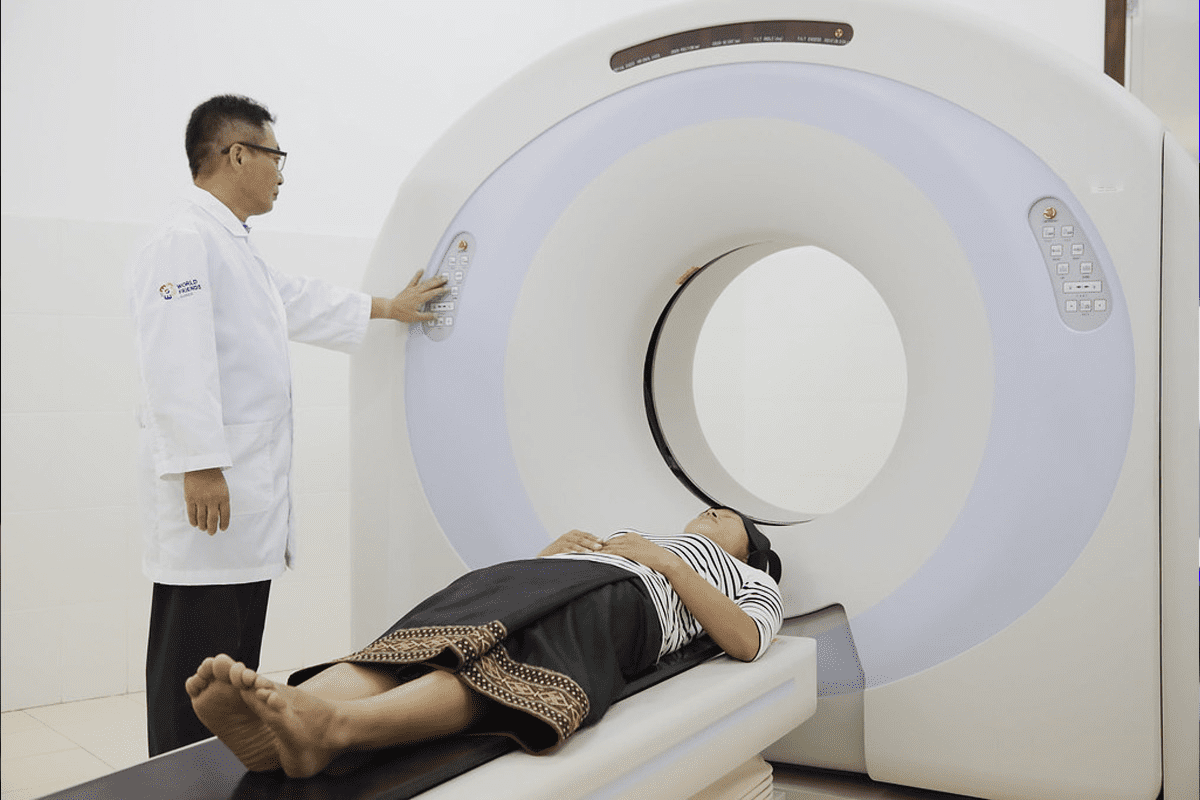
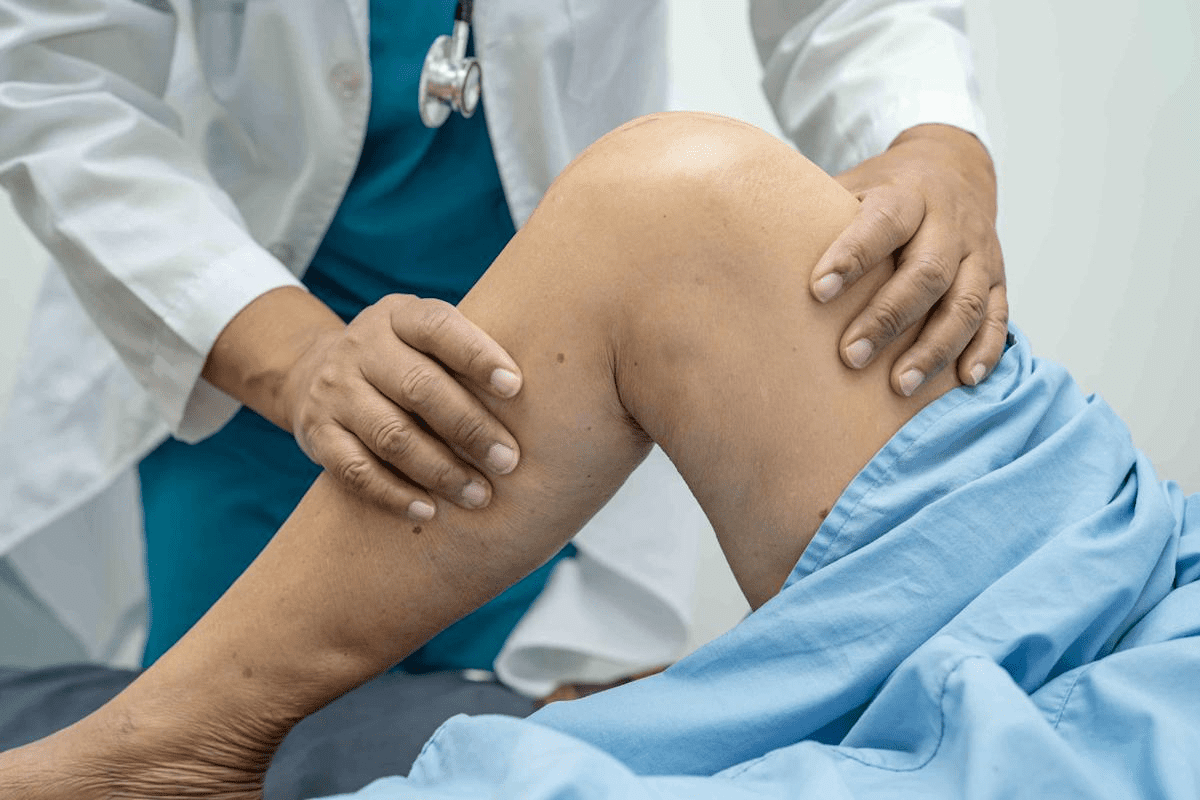
Symptoms of knee cartilage damage include pain, swelling, and trouble moving. Doctors use physical exams, medical history, and tests like X-rays or MRI scans to diagnose. Knowing these symptoms and how doctors diagnose them is key to finding the right treatments, like knee joint stem cell injections.
How Cartilage Damage Affects Daily Life
Knee cartilage damage can really affect your daily life. It can cause chronic pain and make it hard to move around. Even simple tasks like walking or going up stairs can be tough. Treatments like stem cells for knee issues might help ease these problems and improve your life. Looking into stem cell shots in the knee could be a good option for those dealing with cartilage damage.
The Science Behind Stem Cells and Regenerative Medicine
Regenerative medicine, with stem cell therapy, is changing how we treat knee cartilage injuries. It uses the body’s healing powers to fix or replace damaged tissues.
What Are Stem Cells and How Do They Work?
Stem cells are special cells that can turn into different types of cells in our body. They are key in regenerative medicine because they can fix or replace damaged cartilage in the knee.
Stem cells turn into chondrocytes, which make cartilage. This is important for growing new cartilage tissue. It can help reduce knee pain and improve joint function.
Types of Stem Cells Used in Knee Treatments
Several types of stem cells are being studied and used for knee cartilage repair. The most common are:
- Bone Marrow-Derived Stem Cells: These cells come from the patient’s bone marrow. They can turn into different cell types.
- Adipose-Derived Stem Cells: These cells come from fat tissue. They are easy to get and have great regenerative power.
Bone Marrow-Derived Stem Cells
Bone marrow-derived stem cells are often used in knee cartilage repair. They can turn into chondrocytes, making them great for regrowing cartilage.
Adipose-Derived Stem Cells
Adipose-derived stem cells are a less invasive option. They come from fat tissue. Research shows they can help grow new cartilage, making them a promising treatment for knee cartilage damage.
The Regenerative Power of Stem Cells
Stem cells have the power to not just repair but also restore tissue function. For knee cartilage, this means stem cell therapy could be a lasting solution. It might reduce the need for repeated surgeries or treatments.
Understanding stem cells and regenerative medicine helps patients and doctors see the benefits and limits of stem cell therapy for knee cartilage repair.
The Stem Cell Procedure for Knees: Step-by-Step Process
The stem cell procedure for knees is a detailed process. It aims to help those with knee cartilage damage. The treatment has several stages, from the first check-up to aftercare, all important for success.
Pre-Procedure Evaluation and Preparation
Before starting knee stem cell therapy, a detailed check is needed. This includes looking at medical history and imaging tests like MRI. It also involves talking about what to expect and possible results.
Stem Cell Harvesting Techniques
Stem cell harvesting is key. It involves getting stem cells from the bone marrow or fat tissue. The choice depends on the patient’s condition and the doctor’s advice. The process is done under local anesthesia to reduce pain.
The Injection Process and Technology
After getting the stem cells, they are injected into the knee. This is done using ultrasound or fluoroscopy for accuracy. The stem cell injection for knee is usually done in under an hour and on an outpatient basis.
Post-Procedure Care
After the stem cell treatment for knees, patients get specific care instructions. This includes rest, physical therapy, and follow-up visits. These steps help monitor healing and address any issues.
Knowing the stem cell shots for knees process helps patients prepare. It’s a journey that needs patience and dedication. But, it can greatly improve knee health and life quality.
Clinical Evidence: Do Stem Cells Actually Heal Knee Cartilage?
stem cell knee injections
Regenerative medicine is advancing fast. This means more evidence is coming out about stem cell therapy for knee cartilage. It’s seen as a new way to fix damaged cartilage, unlike old surgeries.
Current Research and Clinical Trials
Many clinical trials are looking into stem cell therapy for knee cartilage. They inject stem cells into the knee to help grow new cartilage. Studies show that this can really help with knee function and pain for a lot of people.
Research is being done in many places. For example, a study in a top medical journal showed that stem cell injections can make cartilage better. This was seen through imaging tests.
Success Rates and Outcome Measurements
How well stem cell therapy works is checked in a few ways. Doctors look at pain levels, how well the knee works, and the new cartilage’s quality. Most studies say it helps a lot, with less pain and better knee function.
Not every study is the same, but many show big improvements. For example, one trial found that over 70% of people felt a lot less pain and could move better after getting stem cell injections.
Limitations in Current Research
Even though the results look good, there are some big challenges. One big one is that studies are done differently, with different people and ways of treating. This makes it hard to say for sure if stem cell therapy works.
Also, we don’t know for sure how safe and effective stem cell injections are in the long run. More research is needed to understand the good and bad sides of this treatment.
Benefits of Stem Cell Therapy for Knee Cartilage Repair

Stem cell therapy is a new way to fix knee cartilage problems. It has many benefits for patients. This treatment is getting a lot of attention for fixing knee cartilage damage well.
Pain Reduction and Improved Function
Stem cell therapy helps reduce knee pain and improves joint function. It makes cartilage healthy again. This leads to better mobility and less pain.
Minimally Invasive Alternative to Surgery
Stem cell therapy is a less invasive option than surgery. It lowers the risk of surgery complications like infection or long recovery times. A study in the Journal of Orthopedic Research found, “Stem cell injections can greatly improve knee function and reduce pain in patients with cartilage damage.”
“The use of stem cell therapy for knee osteoarthritis has shown promising results in reducing pain and improving functional outcomes.” –
Potential for Long-Term Healing
Stem cell therapy can lead to long-term healing of knee cartilage. It promotes the growth of healthy cartilage. This can improve knee health for a long time.
In summary, stem cell therapy for knee cartilage repair has many benefits. It reduces pain, improves function, is minimally invasive, and offers long-term healing. As research grows, stem cell therapy’s role in treating knee cartilage damage becomes clearer.
Risks and Possible Side Effects of Stem Cell Knee Injections
Stem cell therapy is promising for fixing knee cartilage. But, it comes with risks. Knowing the side effects and complications is key for making smart choices.
Common Side Effects and Complications
Stem cell injections for knees are mostly safe. Yet, they can cause some side effects. These include:
- Temporary pain or discomfort at the injection site
- Swelling or bruising
- Infection, though rare
- Allergic reactions to the materials used
A study in the Journal of Orthopaedic Research found most side effects were mild and short-lived (1).
Long-Term Safety Considerations
The long-term safety of stem cell injections is being studied. This is a new treatment, so there’s not much data yet. But, experts think it’s safe because it’s minimally invasive and uses the patient’s own cells.
Comparing Stem Cell Therapy to Other Knee Treatments
For those with knee cartilage damage, it’s key to compare stem cell therapy with other treatments. This includes PRP and hyaluronic acid injections. Stem cell therapy is seen as a new and hopeful treatment. But how does it compare to traditional methods?
Stem cell therapy is one of many options for knee cartilage damage. Knowing the differences between stem cell injections and other treatments is important. This helps in making a well-informed choice.
Stem Cells vs. Traditional Surgery
Traditional surgery, like knee arthroscopy or knee replacement, is often used for severe damage. These surgeries are invasive and take a lot of time to recover from. On the other hand, stem cell injections for the knee are less invasive and have quicker recovery times.
- Stem cell therapy involves injecting stem cells into the knee joint, promoting cartilage regeneration.
- Traditional surgery often involves repairing or replacing damaged cartilage.
- Recovery time for stem cell therapy is typically shorter than for traditional surgery.
Stem Cells vs. Platelet-Rich Plasma (PRP)
Platelet-rich plasma (PRP) therapy is another option that involves injecting platelet-rich plasma into the knee. Both PRP and stem cell knee injections aim to heal the knee. But they differ in how they do it.
- PRP therapy uses the patient’s own platelet-rich plasma to stimulate healing.
- Stem cell therapy introduces stem cells into the knee joint to regenerate cartilage.
- Stem cell therapy may offer more significant cartilage regeneration compared to PRP.
Stem Cells vs. Hyaluronic Acid Injections
Hyaluronic acid injections are used to treat knee osteoarthritis by lubricating the joint. They don’t fix the cartilage damage, though. In contrast, stem cell knee therapy aims to grow new cartilage.
- Hyaluronic acid injections provide temporary relief by lubricating the joint.
- Stem cell therapy promotes long-term cartilage regeneration.
- Stem cell therapy may reduce the need for repeated hyaluronic acid injections.
In conclusion, stem cells injected into knees are a promising new approach for knee cartilage damage. By understanding the pros and cons of each treatment, patients can make better choices for their care.
Recovery and Results: What to Expect After Stem Cell Knee Treatment
Recovering from stem cell knee treatment involves several steps. These include immediate care, a timeline for improvement, and long-term maintenance. Knowing these steps helps patients prepare for their healing journey.
Immediate Post-Procedure Experience
Right after the treatment, you might feel some pain or soreness where the injection was given. This is usually mild and can be eased with over-the-counter pain meds. It’s key to follow your doctor’s post-procedure instructions to avoid side effects.
You might also see swelling or redness on your knee. These signs usually go away in a few days. Using ice packs and keeping your knee up can help.
Timeline for Improvement and Healing
How fast you see improvements after stem cell treatment varies. Some feel better in weeks, while others take months. Healing speed depends on damage severity, health, and following care instructions.
- 1-3 months: Many notice pain and function improvements.
- 3-6 months: More improvement as stem cells help grow cartilage.
- 6-12 months: Some see more gains, but progress slows.
Physical Therapy and Rehabilitation
Physical therapy is key in recovery after stem cell treatment. A custom rehab plan can boost knee function and muscle strength. Working with a physical therapist to create a personalized plan is advised.
The rehab process includes:
- Gentle exercises to keep the knee moving
- Strengthening exercises for knee muscles
- Slowly increasing activity to improve function
Long-Term Outcomes and Maintenance
Long-term results of stem cell treatment are often positive, with many seeing lasting pain and function improvements. Keeping a healthy lifestyle, including regular exercise and a balanced diet, is vital to keep the treatment’s benefits going.
“Stem cell therapy has the power to change how we treat knee cartilage damage by encouraging natural healing and growth.”
To keep the treatment’s benefits, patients should:
- Do regular, low-impact exercises like cycling or swimming
- Keep a healthy weight to ease knee joint stress
- Have follow-up treatments as suggested by their healthcare provider
Understanding what to expect after stem cell knee treatment helps patients navigate their recovery. It also helps them make informed decisions about their care.
Future Developments in Stem Cell Therapy for Knee Cartilage
Stem cell therapy is getting better for treating knee cartilage damage. Researchers are finding new ways to help patients. This could lead to better results for those with knee problems.
Emerging Technologies and Techniques
Induced pluripotent stem cells (iPSCs) are a big deal in stem cell therapy. They can be made from adult cells, giving a big source for treatment. A study in the Journal of Orthopaedic Research shows they can fix cartilage damage well.
Combination Therapies on the Horizon
Researchers are also looking at mixing stem cell therapy with other treatments. For example, platelet-rich plasma (PRP) therapy is being tested. It uses a patient’s own platelets to help heal.
- Combining stem cells and PRP could heal better
- It might help grow more cartilage
- Patients might heal faster
These new technologies and treatments are very promising. They could lead to more effective and tailored treatments for knee cartilage damage. Patients can look forward to better care in the future.
Conclusion: Is Stem Cell Therapy Right for Your Knee Cartilage Issues?
Stem cell therapy might help fix knee cartilage problems, but it works differently for everyone. Before trying it, look at stem cell knee therapy reviews and see before and after pictures. This can help you understand what to expect.
Studies show that stem cell injections can help with knee cartilage damage. If you’re thinking about this treatment, talk to a doctor first. They can tell you about the chances of success and any possible risks.
Looking at stem cell injections for knees reviews can help you decide. Knowing how the procedure works is also key. Your decision to try stem cell therapy should be well thought out. Consider the benefits and risks, and think about your own situation.
Is stem cell therapy for knees effective? It depends on several things, like how bad the cartilage damage is and your overall health. By looking at the facts and talking to a doctor, you can figure out if it’s a good choice for you.
FAQ
What is stem cell therapy for knee cartilage repair?
Stem cell therapy for knee cartilage repair is a new treatment. It uses stem cells to fix damaged cartilage in the knee. This can help reduce pain and improve how well you can move.
How do stem cells work to heal knee cartilage?
Stem cells can turn into different types of cells, like cartilage cells. They help fix damaged tissue. This promotes healing and reduces swelling.
What are the benefits of stem cell therapy for knee cartilage repair?
This therapy can reduce pain and improve how well you can move. It’s also a less invasive option compared to surgery. It has the chance to heal your knee for a long time.
Is stem cell therapy for knees painful?
Some people might feel a bit of discomfort during the injection. But most find it tolerable. You can manage any pain with medicine and proper care after the procedure.
How long does it take to see results from stem cell knee treatment?
Improvement times vary. But most people start to notice changes in a few weeks to months after treatment.
What is the cost of stem cell knee treatment?
The cost depends on several factors like where you are and who you see. On average, it can cost thousands of dollars.
What are the possible risks and side effects of stem cell knee injections?
Possible risks include pain, swelling, and infection. There are also long-term safety concerns to consider.
How does stem cell therapy compare to other knee treatments?
Stem cell therapy is a unique way to repair knee cartilage. It’s different from surgery, PRP, and hyaluronic acid injections. It might be a better option for some.
Can stem cell therapy be used in combination with other treatments?
Yes, it can be used with other treatments like physical therapy. This can help improve results and support long-term healing.
What is the future of stem cell therapy for knee cartilage?
The future looks promising. New technologies and techniques are emerging. These could make treatment even better.