Last Updated on December 1, 2025 by Bilal Hasdemir

The use of embryonic stem cells has sparked a lot of debate. This debate involves scientists, ethicists, and the public.
People are worried because getting these cells means destroying embryos. This raises big ethical questions. It has led to a lot of heated discussions about the rightness and wrongness of this research.
Even with all the controversy, stem cell research keeps moving forward. Many scientists think it could lead to major medical breakthroughs.
Key Takeaways
- The use of embryonic stem cells is the most controversial aspect of stem cell research.
- The controversy is rooted in the destruction of embryos during the extraction process.
- Ethical concerns and moral debates surround the use of embryonic stem cells.
- Despite controversy, research continues due to its medical breakthroughs.
- The debate involves scientists, ethicists, and the general public.
The Science Behind Stem Cells
Stem cells are key in modern biology and medicine. Stem cell research controversial can grow and change into different cell types. This makes them very useful for research and possible treatments.
What Are Stem Cells and Their Unique Properties
Stem cells can turn into different cell types. They also keep growing, which is great for medical studies.
Key properties of stem cells include:
- Self-renewal: They can keep their numbers by dividing.
- Potency: They can become many different cell types, from making a whole organism to several types.
Different Types of Stem Cells
There are many kinds of stem cells, each with its own uses and debates. Knowing about these differences helps us understand the stem cell controversy.
The main types of stem cells are:
- Embryonic Stem Cells (ESCs): These come from embryos and can turn into almost any cell type.
- Adult Stem Cells: These are in adult bodies and can turn into a few cell types.
- Induced Pluripotent Stem Cells (iPSCs): These are made from adult cells that are changed to be like ESCs.
Experts say, “Finding induced pluripotent stem cells changed the game. It offers a new way to use stem cells without the ethical worries of ESCs.”
Knowing about stem cells helps us understand the debates around them, like with embryonic stem cells.
Sources of Stem Cells: From Least to Most Controversial
Stem cells come from different places, leading to debates about their use. Each source has its own traits and controversy levels.
Adult Stem Cells
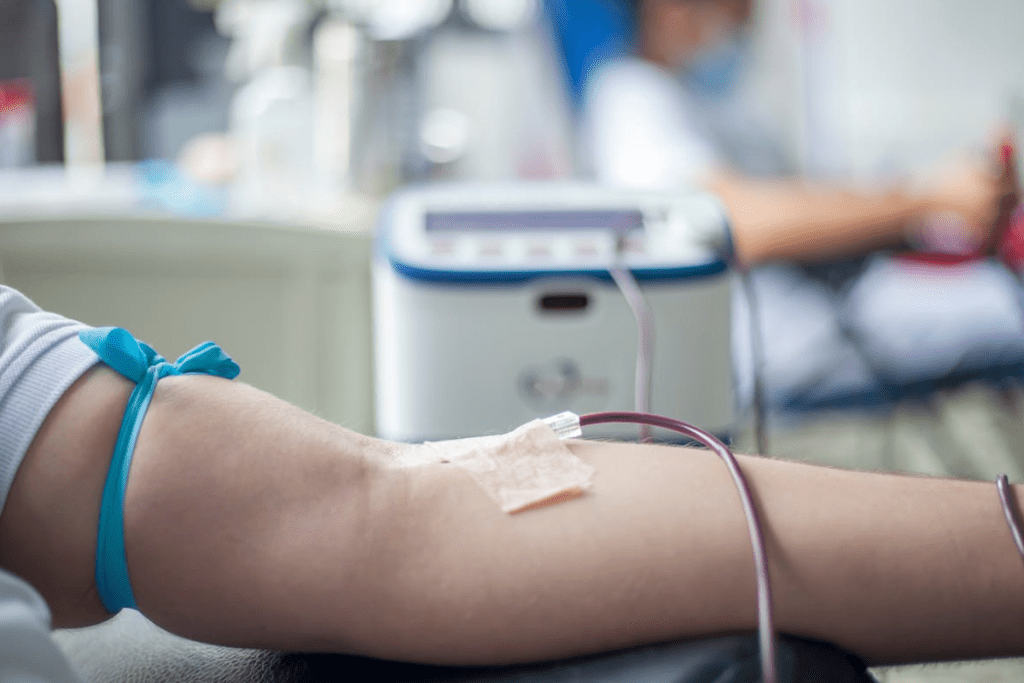
Adult stem cells are found in adult bodies. They can turn into a few types of cells. For example, they can become bone, cartilage, or muscle cells. These cells are less debated because they come from adults or patients themselves, avoiding embryo issues.
Adult stem cells have benefits like:
- Less chance of being rejected by the body
- No harm to embryos
- Can be used from the patient’s own cells
Umbilical Cord Blood
Stem cells from umbilical cord blood are also less debated. They are full of cells that can become different blood types. Getting these cells is safe for both mom and baby. They help treat blood disorders and might help with other conditions, too.
Umbilical cord blood has advantages like:
- There’s stored cord blood in banks
- Less strict matching needed
- Lower risk of disease from the transplant
Induced Pluripotent Stem Cells
Induced pluripotent stem cells (iPSCs) are made from adult cells that can become almost any cell type. This method has changed stem cell research, avoiding the need for embryos. But, the reprogramming process and genetic risks are topics of debate.
iPSCs have benefits like:
- They could lead to personalized medicine
- They avoid the ethics of embryonic stem cells
- They might help model diseases in a lab
Embryonic Stem Cells
Embryonic stem cells (ESCs) come from embryos not meant for implantation. They can turn into any cell type in the body. But, using ESCs is very debated because of the ethics of destroying human embryos.
The debate on ESCs includes:
- The moral status of embryos
- Their possible use in therapy
- The ethics of making and destroying embryos for research
Why Embryonic Stem Cells Are the Most Controversial Source
The debate over embryonic stem cells is complex. It involves their scientific value and the ethical questions they raise. At the core is the unique nature of these cells, the ethical issues of getting them, and the moral questions of using human embryos in research.
Scientific Advantages of Embryonic Stem Cells
Embryonic stem cells have many scientific benefits. They are pluripotent, meaning they can turn into any cell in the body. This makes them a valuable source for medical research and treatments.
These cells can also help in studying diseases and testing treatments. They can create organoids, which are like mini-organs. This opens up new ways to find drugs and test their safety.
The Central Ethical Dilemma: Embryo Destruction
The main ethical worry is the need to destroy human embryos to get these cells. This raises big questions about the value of embryos. Some see it as morally wrong, like killing a human being.
Supporters say the embryos come from IVF and would be thrown away. They believe using them for research could lead to big medical advances, saving many lives.
The Moral Status Question
The debate centers on whether an embryo is a person with rights or just a group of cells. Different views on this make the debate complex.
Some think the moral status of an embryo depends on its future and current state. They see it as a matter of context, like being in a woman’s body or a lab. This view acknowledges embryos’ future but considers their use in research and its benefits.
Stem Cell Research Controversial History in the United States
The journey of stem cell research in the U.S. has been filled with ups and downs. It’s been shaped by science, ethics, and politics. This mix has made stem cell research a hot topic in recent years.
Early Research and Initial Debates
In the late 1990s and early 2000s, stem cell research showed great promise. Scientists found that embryonic stem cells could turn into many cell types. This breakthrough brought both hope and worry, as it opened doors to treating diseases but also raised questions about using human embryos.
The first debates were about the ethics of using embryos for research. Some thought the benefits for medicine were worth it, while others saw it as destroying human life. This debate has been at the core of the controversy.
Policy Shifts Between Administrations
Over time, U.S. policies on stem cell research have changed a lot. These changes have been influenced by who was in office. In 2001, President George W. Bush limited federal funding for embryonic stem cell research. He did this to balance science and ethics.
“The decision was made with the understanding that there are different moral and ethical views on this issue, and it’s a complex problem,” said President Bush, highlighting the ethical considerations that guided his administration’s policy.
But President Barack Obama changed this policy in 2009. He allowed more federal funding for embryonic stem cell research. This move was seen as a big step forward by scientists.
Current Regulatory Environment
Today, the rules for stem cell research in the U.S. are complex and keep changing. Some states support it, while others don’t. At the federal level, there are ongoing debates about funding and ethics.
The rules now vary, with some research supported and others restricted. This shows the need for a clear national policy that considers both science and ethics.
As stem cell research keeps moving forward, the U.S. rules will likely change too. This will reflect new views, scientific discoveries, and political shifts.
Religious Perspectives on Embryonic Stem Cell Research
Different religious groups have their own views on embryonic stem cell research. These views come from their beliefs and ethics. The variety of opinions shows how complex the issue is, with each tradition bringing its own insights.
Catholic Church’s Opposition
The Catholic Church strongly opposes embryonic stem cell research. They believe life starts at conception and destroying embryos is like taking a human life. This belief comes from their teachings on the value of human life from start to finish.
Diverse Protestant Viewpoints
Protestant churches have different opinions on this topic. Some support the research, seeing it as a way to help people and advance medicine. Others disagree, worried about the destruction of embryos. This shows the debate’s complexity within Protestantism.
Jewish, Islamic, and Other Faith Traditions
Jewish and Islamic teachings also play a role in the debate. In Judaism, saving lives and easing suffering might lead to supporting stem cell research. Islamic scholars have debated it too, with some seeing benefits that outweigh the use of embryos. Other faiths, like Buddhism and Hinduism, focus on compassion and knowledge.
The many religious views on embryonic stem cell research highlight the need for ongoing discussion. As science moves forward, religious groups will keep sharing their insights. This ensures a thoughtful approach to the implications of stem cell research.
The Ethical Debate: When Does Life Begin?
The question of when life starts is at the core of the debate on embryonic stem cell research. This issue combines science, philosophy, and ethics, making it a hot topic in many fields.
Scientific Definitions of Life
Scientists define life in many ways, including biological, physiological, and genetic aspects. Life is seen as having cells, metabolism, and the ability to grow and evolve. But deciding when human life starts is tricky.
The biological definition says life starts when a sperm meets an egg. This creates a zygote with its own DNA and the chance to become a human. This view is based on the zygote’s unique genetic makeup and growth possibilities.
Philosophical Perspectives on Personhood
Philosophers talk about personhood in terms of consciousness, feeling, and thinking. They say personhood isn’t just about being alive. It’s about having certain qualities that come later in development.
The idea of personhood is key in ethical discussions. It’s about what makes something morally important. John Locke believed personhood means being conscious and able to reason. He thought early embryos might not be morally the same as born people.
The “Potential Person” vs. “Actual Person” Argument
The debate centers on the difference between a “possible person” and an “actual person.” An embryo or fetus is seen as a possible person because it can grow into a human. The question is, does this possibility give it the same moral value as being a person?
Those who support embryonic stem cell research say an embryo’s moral value is less than a born person. They see the research as a way to help people with serious diseases. On the other side, some argue that the chance to become a person is enough to give an embryo full moral rights. They don’t think embryos should be used for research.
The debate on when life begins is complex, involving science, philosophy, and ethics. Understanding these views is important for discussing embryonic stem cell research.
Arguments Against Embryonic Stem Cell Research
Embryonic stem cell research holds great promise for medical advancements. Yet, it raises serious ethical questions. The debate is complex, with many viewpoints on its moral and scientific aspects.
Sanctity of Human Life Concerns
One major argument against this research is the sanctity of human life. Critics say it’s wrong to destroy embryos for research. They believe human life starts at conception, making embryo destruction morally wrong.
Slippery Slope to Commodification of Human Life
Another worry is the slippery slope to treating human life as a commodity. If embryos are used for research and then thrown away, it could lead to more exploitation. This could include creating embryos just for research or organ harvesting.
Exploitation and Consent Issues
There are also concerns about exploitation and consent. Embryos come from IVF, raising questions about donor consent. The push for scientific progress might exploit vulnerable people, like women undergoing IVF.
In summary, the opposition to embryonic stem cell research is based on ethical, moral, and social concerns. It’s important to understand these arguments to fully grasp the controversy in this field.
Arguments Supporting Embryonic Stem Cell Research
Supporters argue that embryonic stem cell research could provide new treatments for serious health problems, offering hope for severe diseases and injuries.
Potential to Treat Devastating Diseases
One key reason for supporting this research is its ability to help with many serious conditions. These include:
- Neurodegenerative diseases like Parkinson’s, Alzheimer’s, and spinal cord injuries.
- Cardiovascular diseases, where stem cells might fix damaged heart tissue.
- Diabetes, where stem cell treatments could help make insulin again.
Embryonic stem cells are special because they can turn into any cell type. This makes them very useful in regenerative medicine.
The “Elsewhere Discarded” Embryo Argument
Another strong point is using embryos that would be thrown away. Many embryos from in vitro fertilization (IVF) aren’t used and are discarded. Using these embryos for research gives them a purpose.
This view is about honoring the embryos’ value while helping science. It brings up tough questions about ethics, balancing research benefits against the moral value of embryos.
Balancing Different Ethical Obligations
Supporters also say we must weigh different moral duties. There’s a duty to improve medicine and help people, but there’s also a concern about destroying embryos.
It’s about looking at the good that research could do and the ethical issues. We must consider the embryos’ worth against the chance to save lives through medical progress.
The debate shows how complex ethics can be in science. As research grows, we need to keep talking about the right ways to do it.
Alternative Solutions to Stem Cell Controversy
Scientists are looking into new ways to help with health issues without using embryonic stem cells. This is because of the ethical debates around these cells. They want to find solutions that are both effective and don’t raise ethical concerns.
Induced Pluripotent Stem Cells: A Game-Changer?
Induced pluripotent stem cells (iPSCs) are a big deal. They turn adult cells into cells that can grow into many types, like embryonic stem cells. But they don’t need to destroy embryos to do it.
This technology could change the game in medicine. It gives us a lot of cells for research and treatments. But, there are hurdles like making these cells efficiently and avoiding tumors.
Advances in Adult Stem Cell Research
Adult stem cell research is also moving forward. Adult stem cells can turn into specific cells, helping fix damaged tissues. Scientists are working to make these cells better for treating diseases.
Adult stem cells are different from embryonic ones because they don’t raise the same ethical questions. They can be taken from adult tissues or umbilical cord blood. They’re already used in some treatments, and research is looking to use them for more diseases.
Organoids and Lab-Grown Tissues
The creation of organoids and lab-grown tissues is exciting. They’re made from stem cells and look and work like real organs. This helps scientists study diseases and test treatments.
These tissues might also be used for transplants, helping with the organ shortage. This area is new but shows a lot of promise for the future of medicine.
Global Perspectives on Stem Cell Research: Controversial Policies
Stem cell research policies differ around the world. This is because of local values, like culture and religion. These values mix with science, ethics, and society’s norms.
Liberal Regulatory Environments
Countries like the UK, Japan, and China have loose rules for stem cell research. The UK allows embryonic stem cells under certain rules. Japan focuses on a different type of stem cell. China invests a lot in science, leading to big steps in stem cell research.
These countries see the good in stem cell research. For example, the UK’s HFEA makes sure research is done right.
Restrictive Approaches
Germany and Italy have strict rules. Germany’s law is very strict about using embryos in research. Italy also limits the use of embryonic stem cells.
These strict rules come from culture, religion, and history. Germany’s past makes it careful about embryo research.
Impact of Cultural and Religious Differences
Culture and religion shape stem cell policies. In places like Italy and Ireland, Catholic views affect laws. But countries with diverse or secular populations might have looser rules.
These differences affect more than laws. They also shape public views and where research money goes. Knowing these differences helps us understand the ethics of stem cell research.
The Scientific Community’s Position
Stem cell research is growing fast. Major scientific groups have made statements to help guide this field. They agree on the good that stem cells can do and the importance of doing it right.
Consensus Statements from Major Scientific Organizations
Big names like the National Academies of Sciences, Engineering, and Medicine support stem cell research. They see great promise in stem cells for treating many diseases and injuries. But they also know there are tough ethical questions.
Key recommendations from these consensus statements include:
- Keep funding stem cell research to see if it can help people.
- Follow strict rules, like getting consent and respecting people’s dignity.
- Keep talking between scientists, ethicists, and lawmakers to tackle new issues.
Diversity of Views Among Scientists
Most scientists agree that stem cells could be very helpful. But, they don’t all agree on how to do it right. Some want to be careful and think about ethics first. Others want to move faster to help people sooner.
Scientists have different opinions on how to use stem cells. Some like adult stem cells, others like induced pluripotent stem cells, and some support embryonic stem cells. Each has its supporters and critics, showing how complex the debate is.
Balancing Scientific Progress with Ethical Responsibility
It’s hard to keep moving forward in science while being ethical. Scientists, ethicists, and lawmakers need to work together. They must make sure research is done right and is good for society.
This means following rules and thinking ahead to solve future problems. By doing this, the scientific community can gain trust. This way, stem cell research can reach its full promise to help people.
Current Therapeutic Applications of Stem Cells
Stem cells are being studied for their medical uses, giving hope to those with serious diseases. They can turn into different cell types, which is key to fixing damaged tissues.
Established Treatments Using Adult Stem Cells
Adult stem cells have been used in medicine for years. Bone marrow transplants are a well-known use, treating blood diseases like leukemia. They also help fix heart damage from cardiovascular disease.
Adult stem cells are also being looked at for autoimmune diseases. They might help control the immune system in conditions like multiple sclerosis and type 1 diabetes.
Clinical Trials Using Embryonic Stem Cells
Embryonic stem cells are being tested in clinical trials for many diseases. They show promise in treating eye diseases like macular degeneration. They’re also being studied for spinal cord injuries and Parkinson’s disease.
But, using embryonic stem cells is restricted due to ethical issues. Trials follow strict rules to ensure they’re safe and work well.
The Problem of Stem Cell Tourism
“Stem cell tourism” is a growing issue. People travel for unapproved stem cell treatments. This is risky and can be very expensive.
Health experts are trying to warn patients about these dangers. It’s important to talk to doctors before trying any stem cell therapy.
Public Opinion and Media Influence
The stem cell controversy has seen a mix of public views, media coverage, and policy choices. As research grows, it’s key to grasp how public opinion and media shape ethics.
Shifting Public Attitudes Over Time
Views on stem cell research have changed a lot over time. This change comes from new science, different media stories, and changing values. At first, the debate was mainly about the ethics of using embryos. But with new methods like induced pluripotent stem cells (iPSCs), people’s views have become more complex.
Key factors contributing to these shifts include:
- Increased awareness of possible treatments
- New scientific breakthroughs and tech
- Changes in how the media covers the topic
- The impact of patient groups
Impact of Media Framing
The media’s way of presenting stem cell research affects public views. Stories that focus on benefits or ethics can sway opinions. For example, stories about stem cell treatments’ promise can make people more optimistic, while ethical debates might make them skeptical.
Studies have shown that media framing can affect:
- How people understand science
- What they think are the risks and benefits of stem cell research
- Whether they support or oppose certain research methods
The Role of Patient Advocacy Groups
Patient groups have become key players in the stem cell debate. They push for more funding and fewer rules on research. These groups, made up of people and families with diseases that might be treated by stem cells, add a personal touch to the debate. They share stories of hope and resilience.
Their efforts have led to:
- More awareness of stem cell research
- Changes in policies at various levels
- Countering ethical worries with personal stories
In summary, the mix of public opinion, media, and patient groups shapes stem cell research. Knowing this is vital for everyone involved as we deal with the ethics of this field.
Legal and Regulatory Frameworks
Understanding the legal and regulatory frameworks is key to stem cell research progress. The rules for stem cell research differ a lot in various places. This affects how fast and in what direction science moves.
Federal vs. State Regulations in the US
In the US, stem cell research rules mix federal and state laws. At the federal level, some types of stem cell research get funding. For example, the Dickey-Wicker Amendment stops federal money for research using human embryos.
But states like California have their own rules. They allow more stem cell research, including on human embryos. This mix of rules makes it hard for researchers to follow the law, depending on where they work.
International Governance Challenges
Worldwide, stem cell research faces big challenges due to different views on ethics and law. Countries have many rules, from very strict to very open. This makes it hard for research to be shared and used worldwide.
- The UK has a more open rules set, letting human embryonic stem cell use under license.
- Germany and Italy, on the other hand, have stricter rules, showing strong ethical and societal views.
- International groups and agreements help make standards the same, helping global research work together.
Patenting and Commercialization Issues
Patents and making stem cell tech into products bring up big legal and ethical questions. Being able to patent stem cell inventions is key to investment and innovation. But patent laws for stem cells vary worldwide, causing legal fights and problems.
The WARF (Wisconsin Alumni Research Foundation) case is a big example. It showed the conflict between patent law, ethics, and the public’s need for medical progress.
Also, making stem cell treatments available raises regulatory hurdles. It’s important to ensure safety and effectiveness while encouraging new ideas. The FDA in the US is key in checking the safety and approval of these treatments.
Future Directions in Ethical Stem Cell Research
The field of stem cell research is on the verge of a new era. Emerging technologies and ethical solutions are leading the way for big advancements. The future of stem cell research will balance scientific progress with ethical responsibility.
Emerging Technologies and Ethical Solutions
Induced pluripotent stem cells (iPSCs) are a promising area in stem cell research. They offer a source of stem cells not derived from embryos. This technology could revolutionize research and therapy, avoiding some ethical concerns.
CRISPR gene editing is also being explored for its ability to fix genetic defects in stem cells. But, it raises ethical questions about germline modification and its effects on future generations.
Potential for Consensus Building
As research moves forward, dialogue among scientists, ethicists, policymakers, and the public is key. This dialogue aims to build consensus on the ethical use of stem cells. It addresses concerns about the moral status of embryos and the need for transparent, responsible research.
Building consensus might involve creating guidelines and regulations. These should respect different ethical views while supporting scientific progress. For example, some countries have ethics committees to oversee stem cell research and offer guidance.
New Frontiers in Regenerative Medicine
The future of stem cell research is linked to regenerative medicine. Here, stem cells are used to repair or replace damaged tissues and organs. New areas include organoids and lab-grown tissues, promising for disease modeling, drug testing, and treatment.
Exploring these new frontiers requires ongoing ethical consideration. It’s vital to ensure the benefits of stem cell research are realized while minimizing risks and ethical issues.
Conclusion: Navigating the Complex Ethical Landscape
The stem cell research controversy is complex, involving science, ethics, and rules. Finding a balance between medical progress and ethics is key.
The debate on using embryonic stem cells shows the challenge of different views. Some see it as a way to fight diseases, while others see it as wrong.
New technologies like induced pluripotent stem cells and organoids might help. But the debate shows we need to keep talking about it.
Understanding stem cell research fully is important. We need to find a way to move forward with science and ethics in mind. This way, we can use stem cells for good while respecting everyone’s views.
FAQ
What are stem cells?
Stem cells can turn into different types of cells. They are key to growth, repair, and development.
Why is embryonic stem cell research controversial?
It’s because of the ethics of using embryos. People worry about the moral value of embryos and their impact.
What are the different types of stem cells?
There are adult stem cells, umbilical cord blood stem cells, induced pluripotent stem cells, and embryonic stem cells. Each has its own uses and benefits.
What are the scientific advantages of embryonic stem cells?
They can become any cell type. This makes them great for research and treating diseases.
What is the central ethical dilemma surrounding embryonic stem cells?
It’s the issue of destroying embryos to get stem cells. This raises big questions about their value and the ethics.
What are the arguments against embryonic stem cell research?
Some say it’s wrong because it involves human embryos. Others worry about treating life as a commodity and consent issues.
What are the arguments supporting embryonic stem cell research?
Supporters say it could cure serious diseases. They also argue that embryos would be thrown away, and it’s a way to balance ethics.
Are there alternative solutions to the stem cell controversy?
Yes, like induced pluripotent stem cells and adult stem cells. Advances in these areas might make embryonic stem cells less necessary.
How do different countries regulate stem cell research?
Rules vary a lot. Some countries are very open (UK, Japan), while others are strict (Germany, Italy). It depends on culture and ethics.
What is the scientific community’s position on stem cell research?
Scientists mostly support it. They agree on the importance of research but also stress the need for ethics.
What are the current therapeutic applications of stem cells?
Adult stem cells are used in bone marrow transplants. Embryonic stem cells are in trials, but there’s also a problem with stem cell tourism.
How does public opinion influence stem cell research?
Public views, shaped by the media and various groups, influence policies and regulations on stem cell research.
What are the future directions in ethical stem cell research?
New technologies, such as induced pluripotent stem cells and regenerative medicine, may offer solutions. They could help find common ground in stem cell research.
References
- Cohen, C. B. (2001). Ethical issues in embryonic stem cell research. JAMA, 285(11), 1439“1440. doi:10.1001/jama.285.11.1439 JAMA Network
- Drazen, J. M. (2004). Embryonic Stem‘Cell Research ” The Case for Federal Funding. New England Journal of Medicine, 351(17), 1781“1784. https://doi.org/10.1056/NEJMe048265 New Engl