Last Updated on December 1, 2025 by Bilal Hasdemir

Millions of people worldwide suffer from chronic back pain. This condition can greatly affect their quality of life. Many are now looking at stem cell therapy as a less invasive option.
This new treatment uses stem cells to help heal and reduce pain. It works by using the body’s own repair systems. This makes stem cell therapy a hopeful solution for those wanting to avoid surgery.
Stem cell therapy is becoming more popular for its ability to offer lasting relief. But, what does the process involve, and how much pain does it cause?
Key Takeaways
- Stem cell therapy is a minimally invasive treatment for back pain.
- The procedure involves injecting stem cells into the affected area.
- It promotes healing and reduces pain by leveraging the body’s natural repair mechanisms.
- Stem cell therapy offers a promising alternative to traditional surgical treatments.
- Patients are increasingly turning to this innovative treatment for relief.
What Are Stem Cells and Their Therapeutic Potential
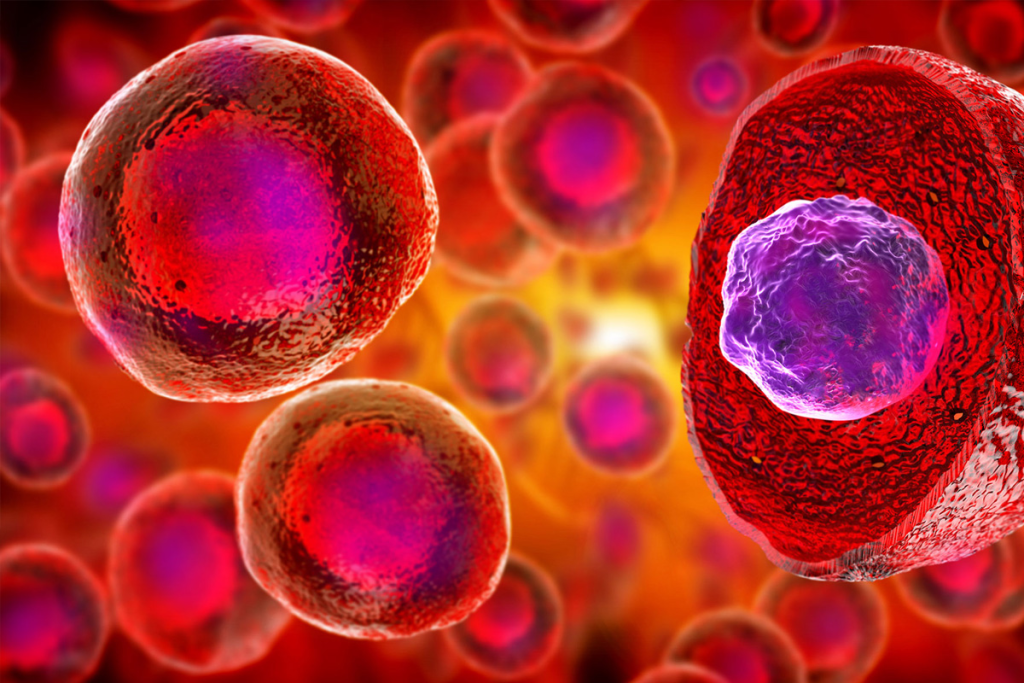
Stem cells are seen as a major breakthrough in medicine. They can grow and change into different cell types. This makes them very useful for treating back pain and other health issues.
Stem Cells: Meaning and Basic Function
Stem cells are cells that can turn into other types of cells. They are key for growth, repair, and keeping tissues healthy. Their power to fix or replace damaged tissues opens up new ways to treat diseases and injuries.
Where Do They Get Stem Cells From
Stem cells come from different parts of the body, like bone marrow and fat tissue. Bone marrow stem cells have been used for years to treat blood-related diseases. Fat tissue stem cells are gaining popularity due to their ease of access and abundance.
Getting stem cells is a simple process. For bone marrow, doctors take a sample from the hip bone. For fat tissue, they use liposuction to remove fat from under the skin.
Stem Cell Therapy for Back Pain: The Complete Process
Stem cell treatment for back pain is a detailed process. It aims to fix and refresh damaged spinal tissues. This therapy is seen as a hopeful solution for those with long-term back pain.
How Stem Cells Target Spinal and Disc Issues
Stem cells can turn into different cell types. This makes them great for fixing spinal and disc problems. When they reach the damaged area, they help grow new tissues, lessen swelling, and aid in healing.
The process involves:
- Identifying the source of back pain, such as herniated discs or degenerative disc disease.
- Extracting stem cells from the patient’s body, typically from bone marrow or adipose tissue.
- Processing the extracted cells to concentrate the stem cells.
- Injecting the stem cells into the damaged area under imaging guidance.
Back Conditions Commonly Treated with Stem Cells
Stem cell therapy is used for many back conditions, including:
- Degenerative Disc Disease: A condition where the spinal discs lose their cushioning ability.
- Herniated Discs: Occurs when the disc’s soft center bulges out through a tear in the outer layer.
- Spinal Stenosis: Narrowing of the spinal canal, which can put pressure on the nerves.
- Facet Joint Arthritis: Inflammation and wear of the facet joints in the spine.
By focusing on these issues, stem cell therapy offers a possible cure for those with long-term back pain.
The Stem Cell Injection Procedure Step-by-Step
The stem cell injection process is complex, with several stages. These include preparation, extraction, and injection. Knowing each step can make patients feel more at ease and informed about their treatment.
Pre-Procedure Preparation and Evaluation
Before a stem cell injection, patients go through a detailed evaluation. This checks if they’re a good candidate for the procedure. It includes looking at their medical history, imaging studies, and a physical check-up. They also need to share any medications and allergies.
Preparation might also include:
- Stopping certain medications that could affect the procedure or recovery
- Avoiding food and drink for a set time before the procedure
- Getting someone to drive them home after treatment
How Is Stem Cell Treatment Done
Stem cell treatment has several key steps:
- Stem cell extraction: This is where stem cells are taken from the patient’s bone marrow or fat.
- Processing: The stem cells are then processed to isolate and concentrate them.
- Injection: The prepared stem cells are injected into the affected spine area.
Stem Cell Extraction Process
The stem cell extraction process is a critical part of the treatment. There are two main sources for this:
- Bone marrow aspiration: This method takes stem cells from the bone marrow, usually from the iliac crest.
- Adipose tissue extraction: Stem cells are taken from fat tissue, often through liposuction.
The choice between these methods depends on the patient’s health, the condition being treated, and the doctor’s preference.
| Extraction Method | Description | Considerations |
| Bone Marrow Aspiration | Stem cells extracted from bone marrow | May involve more discomfort; rich source of stem cells |
| Adipose Tissue Extraction | Stem cells harvested from fat tissue | Less invasive; abundant stem cells in fat tissue |
The Injection Technique for Back Problems
The injection technique is key for the success of stem cell therapy. The process usually involves:
- Using imaging technology like fluoroscopy or ultrasound to guide the injection
- Injecting the stem cells into the affected spine area
- Using a local anesthetic to reduce discomfort during the injection
The precision of the injection technique is vital. It ensures the stem cells are placed correctly, maximizing healing and regeneration.
Pain Levels During Stem Cell Harvesting
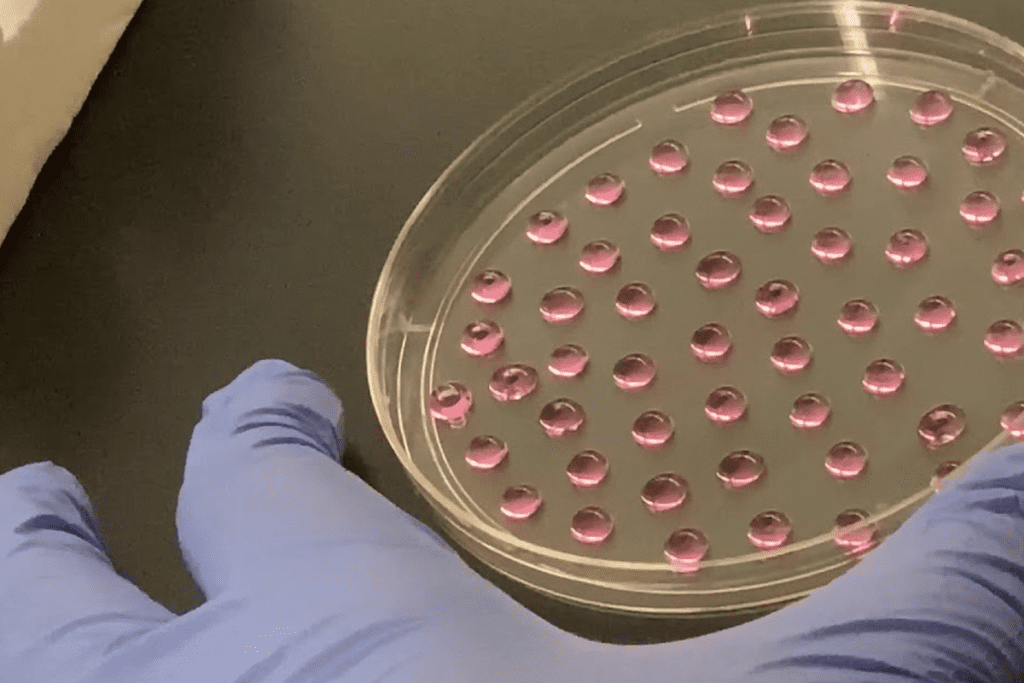
Pain levels during stem cell harvesting can vary. This depends on the method used, like bone marrow aspiration or adipose tissue extraction. Patients need to know this when thinking about stem cell therapy for back pain.
Bone Marrow Aspiration Discomfort
Bone marrow aspiration takes stem cells from the bone marrow, usually from the iliac crest. A needle is inserted into the bone marrow to obtain marrow cells. Patients might feel mild to moderate discomfort, like a dull ache or pressure.
A study in the Journal of Pain Research found an average pain score of 4.5 out of 10 during this procedure. Local anesthesia can significantly reduce this discomfort.
Adipose Tissue Extraction Sensation
Adipose tissue extraction gets stem cells from fat tissue, often through liposuction. This method can cause different discomfort than bone marrow aspiration, mainly because of the liposuction.
“The sensation during adipose tissue extraction is often likened to a feeling of pressure and mild pain, similar to what one might experience during a liposuction procedure.”
How Stem Cells Are Harvested and Associated Pain
The method of harvesting stem cells affects the pain a patient feels. Both bone marrow aspiration and adipose tissue extraction have their own pain aspects.
| Harvesting Method | Typical Pain Level | Use of Anesthesia |
| Bone Marrow Aspiration | Mild to Moderate | Local Anesthesia |
| Adipose Tissue Extraction | Mild to Moderate | Local or General Anesthesia |
In conclusion, while stem cell harvesting can be uncomfortable, the pain is usually manageable. This is thanks to anesthesia and proper care after the procedure. Patients should talk to their healthcare provider to know what to expect.
Pain Experience During the Actual Injection
Stem cell injections are becoming more common for back pain. It’s important to know how much pain people feel during the procedure. The outcome can vary significantly, depending on the type of local anesthesia used and the location of the injection.
Local Anesthesia and Its Effectiveness
Local anesthesia is often used to reduce pain during stem cell injections. This numbing medicine helps make the area less sensitive. Most people find it helps them get through the procedure with little pain.
“The use of local anesthesia has been a game-changer for me,” says a patient who underwent stem cell therapy for chronic back pain. “It significantly reduced the discomfort I felt during the injection.”
Stem Cell Shots: Pain Variations by Injection Site
The pain level can also depend on where the injection is given. Some areas might be more painful because of nerves or deeper tissue. For example, the lumbar region might be more painful for some than other areas.
It’s key for patients to talk to their healthcare provider. They can give advice based on the specific site and the patient’s situation.
Patient Testimonials on Pain Levels
What patients say about their pain during stem cell injections is very helpful. Many say the pain was less than they thought it would be. This is often thanks to the local anesthesia.
“I was surprised at how manageable the pain was during the stem cell injection. The doctor explained everything beforehand, and the use of local anesthesia made a big difference.” –
A stem cell therapy patient
These stories can help people who are thinking about getting stem cell injections. They give a clearer idea of what to expect during the procedure.
Post-Procedure Pain and Recovery Timeline
It’s important to know about post-procedure pain and recovery after stem cell injections.
Immediate Post-Injection Discomfort
Patients might feel some discomfort right after the injection. This is usually mild and can be eased with over-the-counter pain meds.
Common symptoms include: soreness, swelling, or redness at the injection site.
Worse Pain After Stem Cell Injection: Is It Normal?
Some people might feel more pain after the procedure. This is because the body is reacting to the stem cells.
Days 1-7 After Treatment
In the first week, patients might feel different levels of discomfort. It’s key to follow the doctor’s post-procedure instructions for a smooth recovery.
| Day | Common Symptoms | Recommended Actions |
| 1-3 | Soreness, swelling | Apply ice, take pain medication as directed |
| 4-7 | Gradual improvement, some stiffness | Continue gentle exercises, attend follow-up appointments |
Long-Term Recovery Expectations
Recovery times can vary. Most people see big improvements in 6-12 weeks.
Factors influencing recovery include overall health, the severity of the initial condition, and adherence to care instructions.
Comparing Stem Cell Injections to Other Back Pain Treatments
Stem cell injections are a new hope for back pain relief. But how do they compare to steroid shots and surgery? People with back pain have many treatment choices. Knowing the differences helps them make better decisions.
Stem Cell Therapy vs. Steroid Shot in the Back
Steroid shots are a standard back pain treatment. They reduce inflammation but only last a short time. Repeated shots can cause side effects.
Stem cell therapy is different. It aims to fix the damaged tissues causing pain. Unlike steroid shots, it tackles the root of the problem.
- Steroid shots give quick but short relief.
- Stem cell therapy works to heal and may offer longer relief.
- Its regenerative nature might mean fewer injections are needed.
Lower Back Pain Injections: Options Compared
For lower back pain, there are two main injection options: steroid shots and stem cell injections. The right choice depends on the patient’s condition, pain cause, and health. Steroid shots are best for inflammation-related pain. Stem cell therapy is for degenerative conditions.
| Treatment | Mechanism | Duration of Relief |
| Steroid Injections | Reduces inflammation | Temporary |
| Stem Cell Therapy | Promotes tissue repair | Potentially long-term |
Stem Cell Treatment vs. Surgical Interventions
Surgery is usually a last resort for back pain. Stem cell therapy is a less invasive option. It might avoid the risks of surgery and the long recovery time. But it depends on the condition and the extent.
- Surgery is for severe structural problems.
- Stem cell therapy is for degenerative conditions or when surgery is not good.
- Stem cell therapy is less invasive, leading to fewer complications and quicker recovery.
In conclusion, each back pain treatment has its role. Understanding their benefits and limits helps patients choose wisely. This way, they can make informed decisions about their care.
Potential Stem Cell Treatment Side Effects
Stem cell therapy offers hope for back pain relief but comes with side effects. It’s essential to know these risks before deciding on treatment.
Common Side Effects After Injection
Most people get some side effects after stem cell therapy for back pain. These are usually mild and short-lived. Common side effects include:
- Soreness or pain at the injection site
- Swelling or bruising around the injection area
- Headaches or fatigue
- Numbness or tingling in the affected area
These side effects usually go away within a few days to a week. Following your doctor’s post-procedure care can help.
Rare but Serious Complications
Though rare, serious complications can happen with stem cell therapy. These may include:
- Infection at the injection site
- Nerve damage or spinal cord injury
- Allergic reactions to the injected material
- Tumor formation (though very rare with proper screening)
Talking to your healthcare provider about these risks is key. They can help you understand how they might affect you.
When to Seek Medical Attention
After stem cell therapy, watch your symptoms closely. Seek medical help if you notice:
- Severe pain that doesn’t get better with medicine
- Increasing numbness or weakness in your limbs
- Signs of infection, like fever, redness, or swelling
- Unusual or severe headaches
If you’re worried about your symptoms, reach out to your healthcare provider. Quick action can prevent bigger problems.
Factors Affecting Individual Pain Experience
The pain from stem cell therapy can vary significantly between individuals. Understanding the factors that affect this can help you manage expectations and improve the treatment.
Personal Pain Tolerance Variations
How much pain someone can handle is a big factor. People’s pain thresholds vary because of genetics, mind, and body factors. Some people may be accustomed to pain and handle it better, while others might feel it more intensely.
Pain is a personal thing. What feels like a little pinch to one might hurt a lot to another. This shows why care in stem cell therapy needs to be tailored to each person.
Injection Technique and Provider Skill
The way stem cells are injected and the provider’s skill can change how much pain you feel. A good provider selects the most suitable method for your condition to minimize discomfort.
How well the stem cells are placed is key. It affects how well the treatment works and how much pain you might feel. Using ultrasound guidance can help place them accurately, making the process less painful.
Pre-existing Back Conditions Impact
Back problems before treatment can also change your pain experience. Issues like degenerative disc disease or spinal stenosis can make the procedure more complex. They can also affect how your body reacts to the treatment.
| Pre-existing Condition | Potential Impact on Pain |
| Degenerative Disc Disease | Increased sensitivity in the affected discs |
| Spinal Stenosis | Narrowing of the spinal canal may cause more discomfort during injection |
| Previous Surgeries | Scarring and altered anatomy may affect injection technique and pain experience |
Knowing these factors helps patients and doctors work together. They can aim to reduce pain and get the best results from stem cell therapy for back pain.
Insurance Coverage and Cost Considerations
It’s important to know the cost of stem cell therapy for back pain. The price of stem cell injections can be high. Insurance coverage also varies a lot.
Does Insurance Cover Stem Cell Injection?
Insurance for stem cell therapy isn’t the same for everyone. It depends on your insurance, the treatment, and your health. Some insurances might cover parts of it, while others might not.
Key Factors Influencing Insurance Coverage:
- Type of insurance plan
- Specific stem cell treatment protocol
- Patient’s medical condition and diagnosis
- Provider’s participation in insurance networks
Average Cost of Stem Cell Therapy for Back
The cost of stem cell therapy for back pain can change a lot. It depends on the treatment center, the doctor’s skill, and how many injections you need. On average, it can cost between $3,000 to $10,000 or more per session.
| Cost Component | Average Cost Range |
| Initial Consultation | $200 – $500 |
| Stem Cell Extraction | $1,000 – $3,000 |
| Injection Procedure | $2,000 – $7,000 |
| Total Treatment Cost | $3,000 – $10,000+ |
Financing Options for Treatment
If the cost of stem cell therapy is too high, there are financing options. Treatment centers, medical financing companies, and sometimes special programs can help. These options can make treatment more affordable.
Talk to your treatment provider about your financial options. They can help you understand what’s available and what it means for you.
Effectiveness and Duration of Results
Stem cell therapy is getting more attention for treating back pain. It’s seen as a way to heal and regenerate damaged areas. This could offer relief for many back conditions.
Timeline for Back Pain Relief
The time it takes to feel better after stem cell therapy varies. Some people see improvements in a few weeks. Others might take months to feel the full effects.
Factors Influencing the Timeline:
- The severity of the back condition being treated
- The overall health of the patient
- The technique used for stem cell extraction and injection
How Long Does Stem Cell Therapy Last?
Studies suggest that stem cell therapy can provide relief for years. But, how long it lasts depends on several things. These include the patient’s lifestyle and any other health issues.
Factors Affecting Treatment Success
Several factors can influence the effectiveness of stem cell therapy for back pain. These include:
| Factor | Description | Impact on Success |
| Patient Health | Overall health and presence of comorbidities | Higher health status generally correlates with better outcomes |
| Treatment Technique | Method of stem cell extraction and injection | Precision and appropriateness of the technique can significantly affect results |
| Lifestyle Factors | Diet, exercise, and smoking status | A healthy lifestyle can enhance and prolong the benefits of stem cell therapy |
When Additional Treatments May Be Needed
Sometimes, additional treatments are necessary to maintain the benefits of stem cell therapy. This could be more injections, physical therapy, or other medicines.
Patients need to follow their post-procedure instructions and go to follow-up appointments. This helps make the treatment more effective.
Conclusion: Weighing the Pain Against Possible Benefits
Stem cell therapy for back pain has become more popular. It involves taking stem cells from bone marrow or fat and injecting them into the back. While this treatment offers potential benefits, it is crucial to consider the associated pain.
Those considering this treatment should be aware that it may cause some discomfort during the process. But, it could also significantly reduce back pain and improve life quality. Knowing what to expect can help people decide if it’s right for them.
Choosing stem cell therapy for back pain should be a careful decision. It’s about weighing the benefits it could bring against any potential drawbacks. This way, patients can see if it fits their needs and could help manage their back pain better.
FAQ
What is stem cell therapy for back pain?
Stem cell therapy for back pain is a new treatment. It uses stem cells to fix damaged spine tissues. This can help reduce pain and improve how you move.
How are stem cells harvested for back pain treatment?
Stem cells are taken from bone marrow or fat tissue. Bone marrow is taken from the pelvis or spine. Fat tissue is taken through liposuction.
Is stem cell injection painful?
Pain from a stem cell injection varies. Doctors use local anesthesia to make it less painful. Some feel a bit of pain, while others don’t feel much.
What are the common side effects of stem cell treatment for back pain?
Side effects include pain, swelling, or bruising at the injection site. Rare but serious issues like infection or nerve damage can also happen. Always talk to your doctor about possible risks.
How long does stem cell therapy last for back pain relief?
How long stem cell therapy works varies. It depends on your condition, health, and other factors. Some see long-term relief, while others might need more treatments.
Does insurance cover stem cell injection?
Insurance coverage for stem cell injections varies. Some plans cover it, while others don’t. Check with your insurance to see if it’s covered and what you’ll pay.
What is the average cost of stem cell therapy for back pain?
The cost of stem cell therapy changes based on location, provider, and treatment. Talk to your doctor to get an idea of the cost.
Can stem cells cure back pain?
Stem cell therapy can help with back pain, but it’s not a sure cure. How well it works depends on your condition and how your body responds.
How do I prepare for a stem cell injection?
Before a stem cell injection, you’ll have a medical check-up. This includes looking at your medical history and any tests you might need. Follow your doctor’s advice for getting ready.
What can I expect after a stem cell injection?
After the injection, you might feel some discomfort, swelling, or bruising. Some people see improvements right away, while others take longer. It can take weeks or months to feel the full effects.
References
- Atluri, S., Murphy, M. B., Dragella, R., Herrera, J., Boachie-Adjei, K., Bhati, S., et al. (2022). Evaluation of the effectiveness of autologous bone marrow mesenchymal stem cells in the treatment of chronic low back pain due to severe lumbar spinal degeneration: A 12-month, open-label, prospective controlled trial. Pain Physician, 25, 193“207.