Last Updated on December 1, 2025 by Bilal Hasdemir

Stem cell transplant side effects are an important consideration, as nearly 20,000 bone marrow transplants are done every year in the United States. They give hope to those with serious diseases. But this life-saving act has risks and complications for both the donor and the person getting the transplant.
It’s important to know these risks to make informed choices. Bone marrow transplant side effects can be mild or severe. They affect both the body and mind.
Key Takeaways
- Stem cell harvesting is a complex procedure with risks.
- Bone marrow transplant side effects can be significant.
- Understanding the risks is key for patients and donors.
- Side effects vary from person to person.
- Good care and support can lessen some risks.
Understanding Stem Cell Harvesting and Transplantation
Stem cells are special cells that can turn into many different types of cells. Harvesting these cells is a key part of stem cell therapy. They are important in medical treatments and could help cure many diseases.
What Are Stem Cells and Their Medical Applications
Stem cells are young cells that can grow into different cell types in our bodies. They help replace damaged cells. This makes them useful for treating diseases like leukemia and lymphoma, and some genetic disorders.
Stem cells have many uses in medicine. Researchers are studying how they can help fix damaged tissues, repair organs, and boost the immune system.
Different Types of Stem Cell Collection Methods
There are a few ways to collect stem cells. These include taking them from the blood or from the bone marrow.
Collecting stem cells from the blood involves making the body release them into the blood. Then, they are taken out. Bone marrow harvesting takes stem cells straight from the bone marrow.
Doctors choose the best method for each patient. It depends on the patient’s needs and the type of transplant needed.
The Stem Cell Donation Process
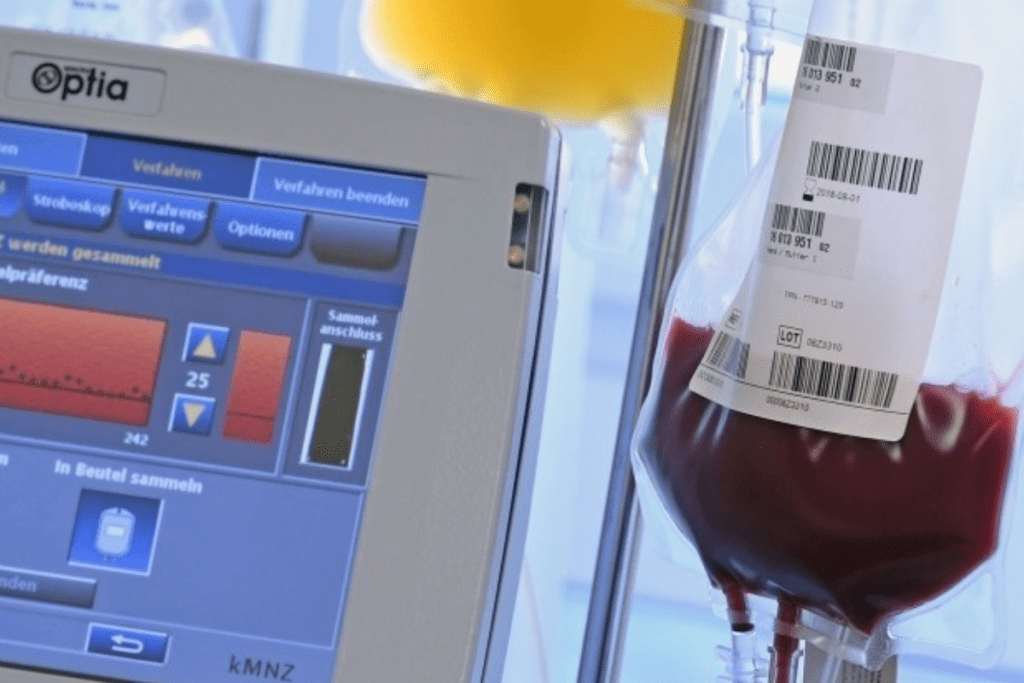
The stem cell donation process is complex. It involves careful preparation and understanding of the steps. It’s key to helping patients in need of a transplant, giving them a chance at recovery and a healthier life.
Peripheral Blood Stem Cell Donation
Peripheral blood stem cell donation mobilizes stem cells into the bloodstream. These cells are then collected through apheresis. This method is less invasive than traditional bone marrow harvesting.
Key Steps in Peripheral Blood Stem Cell Donation:
- Initial screening to ensure donor eligibility
- Administration of mobilization medication to stimulate stem cell production
- Apheresis procedure to collect stem cells from the blood
- Monitoring post-donation for any adverse reactions
Bone Marrow Harvesting Procedure
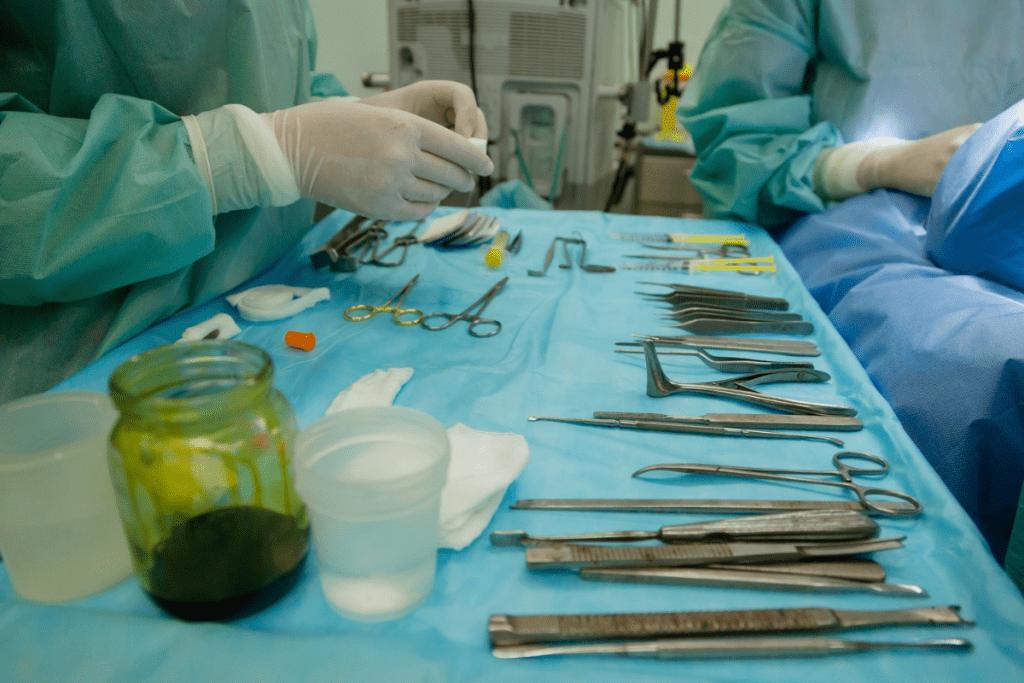
Bone marrow harvesting, or aspiration, is a surgical procedure. It extracts marrow from the donor’s bone, usually from the pelvis. This method is more invasive but is essential for some transplants.
The bone marrow harvesting procedure involves:
- Preparation with general or regional anesthesia to minimize discomfort
- A surgical extraction of marrow through a needle inserted into the bone
- Post-operative care to manage pain and monitor for complications
Both peripheral blood stem cell donation and bone marrow harvesting are critical for patients needing stem cell transplants. Knowing about these processes helps donors make informed choices.
Donor Safety and Care
Donor safety is always the top priority. Medical teams watch donors closely during the process. They work to minimize risks and ensure a smooth recovery.
Common Side Effects for Stem Cell Donors
Donating stem cells can lead to physical and long-lasting effects on donors. This process is a lifesaver for many, but donors need to know the risks and side effects.
Immediate Physical Reactions
Donors often feel immediate physical effects from the donation process. Fatigue is common due to GCSF injections. GCSF injections can cause flu-like symptoms, like bone pain, headaches, and nausea.
- Bone pain due to GCSF injections
- Fatigue and general feeling of being unwell
- Headaches and nausea
Pain and Discomfort Levels
Pain and discomfort are big concerns for donors. The pain level depends on the donation method. Bone marrow harvesting is often more painful than peripheral blood stem cell donation. Effective pain management strategies help reduce discomfort.
Donors may feel pain and discomfort during and after the procedure. This includes:
- Pain at the site of bone marrow extraction
- Discomfort due to GCSF injections
- Muscle and joint pain
Bone Marrow Donor Scars and Tissue Damage
Bone marrow donors may experience scarring and tissue damage after harvesting. The amount of scarring can vary. In some cases, donors may experience long-term tissue damage. It’s key for donors to talk about scarring and tissue damage with their healthcare providers.
“Understanding the risks, including scarring and tissue damage, is vital for donors to make informed choices.” A renowned medical organisation highlights.
Donors should know about the possibility of:
- Scarring at the needle insertion site
- Tissue damage from the harvesting procedure
- Potential long-term effects on physical health
Bone Marrow Transplant Risks for the Donor
Donating bone marrow is important for many patients. But, it comes with risks for the donor. It’s key for donors to know these risks before deciding.
Statistical Analysis of Donor Complications
Studies have looked into bone marrow donation risks. They found serious problems are rare, happening in less than 1% of cases. But, minor issues like pain and bruising are more common.
A study in a medical journal showed most donors get better in a few weeks. Some might take longer. It’s vital to take care of donors after donation to reduce risks.
Factors That Increase Donor Risk
Some things can make donating bone marrow riskier. Older donors might face more risks because of health issues. The method of donation also plays a part.
Donors with health problems like anemia are at higher risk. The amount of bone marrow needed can also affect recovery and risks.
Dangers of Giving Bone Marrow
Bone marrow donation is usually safe, but there are dangers. Infection and reactions to anesthesia are risks. Some donors might face nerve damage or bleeding problems.
While these serious issues are rare, they show the importance of careful donor selection and monitoring. Donors need to know these risks to make informed choices.
In summary, bone marrow donation is vital but comes with risks. Donors should understand these risks and take steps to reduce them. This way, they can make informed decisions about donating.
Long-Term Side Effects of Stem Cell Donation
Stem cell donation is a lifesaving act, but it has long-term effects for donors. Most donors get better in a few weeks. But, some may face lasting impacts that affect their life quality.
Potential Lasting Complications
Donors might deal with chronic pain, fatigue, and emotional distress long-term. Some may also see their immune system weaken, making them more prone to infections. It’s key for donors to know these risks and talk to their healthcare provider.
Recovery Timeline for Donors
The time it takes for donors to recover varies. Usually, it’s 2-4 weeks, but some might need more time. The donor’s health, the stem cell collection method, and any health issues play a role in recovery.
- Immediate recovery phase: 1-2 weeks
- Partial recovery: 2-4 weeks
- Full recovery: 1-3 months or longer
Psychological Impact on Donors
The mental effects on stem cell donors are significant. They might feel relief and pride but also anxiety and depression. The emotional journey can be intense, and support from loved ones or counselors is vital.
Donors should be ready for emotional ups and downs. The decision to donate stem cells is big, and knowing the mental impact is important for making a choice.
Stem Cell Transplant Side Effects for Recipients
Getting a stem cell transplant side effects can be tough. The body has to adjust to new cells, leading to many side effects. These can range from mild to severe.
Immediate Post-Transplant Reactions
Right after the transplant, side effects kick in. You might feel fatigue, nausea, and vomiting. This is because of the treatment that gets your body ready for the transplant.
Other side effects include hair loss, diarrhea, and mouth sores. These can be hard to deal with and need extra care. It’s important to manage these to keep the recipient comfortable and safe.
Graft-Versus-Host Disease
Graft-versus-host disease (GVHD) is a big risk with stem cell transplants. It happens when the new cells attack the body. GVHD can be mild or severe and affect many parts of the body.
“GVHD is a major complication of allogeneic stem cell transplantation, and its management requires a multidisciplinary approach,” according to a recent study published in a leading medical journal.
Infection Risks During Recovery
People getting stem cell transplants are more likely to get infections. This is because their immune system is weakened. They need to watch out for bacterial, viral, and fungal infections, which can be serious.
- Bacterial infections are dangerous and need strong antibiotics.
- Viral infections, like CMV, are a big worry and might need antiviral drugs.
- Fungal infections are hard to treat and might need special medicines.
How Painful Are Bone Marrow Transplants?
The pain from bone marrow transplants can differ a lot. Some people might only feel a little discomfort, while others might have a lot of pain. It’s important to find good ways to manage pain to help with recovery.
Knowing about the side effects of stem cell transplants is key. It helps recipients and their caregivers get ready for what might happen during recovery.
The First 30 Days After Stem Cell Transplant
After a stem cell transplant, patients face a critical 30-day period. This time is key because the body is open to infections and other issues. The immune system is slowly getting back to normal.
Critical Monitoring Period
The first 30 days are very important. The immune system is weak. It’s vital to watch closely for any problems, like graft-versus-host disease (GVHD) or infections.
Patients usually need to stay near the transplant center. This makes it easier to get help right away if needed.
Common Complications in the First Month
Several issues can happen in the first month. These include:
- Infections because the immune system is weak
- Graft-versus-host disease (GVHD)
- Mucositis, which is inflammation of the mucous membranes
- Organ dysfunction
Pain Management Strategies
Managing pain is a big part of care after a transplant. Ways to do this include:
- Medications to help with pain and discomfort
- Nutritional support to help with recovery
- Emotional support through counseling or support groups
Using many approaches to pain management can really help. It can make life better for patients during this tough time.
Six Months Post Stem Cell Transplant: What to Expect
When patients hit six months after a stem cell transplant, they start to see big improvements. This time is key because it marks a big step in getting better.
Physical Recovery Milestones
By six months, many patients feel much better physically. Energy levels often increase, making it easier to do daily tasks. But, how fast someone recovers can really vary.
The healing process includes making new blood cells and getting a stronger immune system. Patients are advised to keep up with doctor’s visits to track their healing.
| Recovery Aspect | Typical Progress at 6 Months |
| Blood Cell Count | Normalization of white and red blood cell counts |
| Immune System | Significant improvement in immune function |
| Physical Strength | Gradual increase in energy levels and physical stamina |
Psychological and Emotional Challenges
Recovering physically is important, but mental health is just as critical. Patients might feel many emotions, from happiness to sadness.
Having support from loved ones and mental health experts is very important. Doing things that help you relax and staying positive can really help your mental health.
Return to Normal Activities
At six months, patients can start to get back to their usual lives. This includes going back to work, seeing friends, and enjoying hobbies. But, it’s important to not push too hard.
It’s vital to listen to your body and follow your doctor’s advice. Slowly getting back into activities and watching for any signs of tiredness or problems is important.
Bone Marrow Transplant Failure Symptoms
It’s important to know the signs of bone marrow transplant rejection early. This is when the new stem cells don’t make healthy blood cells. Or, the body rejects the transplant.
Warning Signs of Transplant Rejection
The symptoms of bone marrow transplant failure can differ from person to person. Common signs include:
- Infections that keep coming back
- Feeling very tired and weak because of low blood cells
- Bleeding or bruising easily, which means low platelet counts
- Fever, which could mean infection or GVHD
Patients should watch their health closely. They should tell their doctor about any symptoms that worry them right away.
Treatment Options for Failed Transplants
When a bone marrow transplant fails, doctors look at different treatments. These might include:
- Supportive care to manage symptoms and prevent problems
- Medicines to help the bone marrow or fight infections
- In some cases, a second bone marrow transplant
“Choosing a second transplant is a big decision. It depends on the patient’s health and why the first transplant failed.”
As highlighted in a transplant outcome research.
Long-Term Monitoring Requirements
Patients who have had a bone marrow transplant need ongoing care. This is true if there are signs of failure. Regular check-ups with doctors help catch problems early and manage symptoms.
As “The Lancet” says, “It’s key to keep an eye on patients long after bone marrow transplant. This helps spot and manage late problems.”
Patients should know about possible late effects. Keeping in touch with their healthcare team is important for the best results.
Side Effects of Stem Cell Therapy and Injections
Stem cell therapy is growing, but we must look at its risks. It’s used for many health issues, like bone and joint problems. This method involves injecting stem cells to help heal.
Orthopedic Applications and Complications
Stem cell therapy is used for bone and joint issues. It’s injected into the affected area to help heal. But, like any treatment, it can have problems.
A study in the Journal of Orthopaedic Research found issues like infection and tissue damage. The therapy’s success can vary too.
Worse Pain After Stem Cell Injection
Some people feel more pain after getting stem cell injections. This could be because of how their body reacts or if the stem cells don’t work right. It’s important to know about this possibility.
Disadvantages of Stem Cell Therapy
Stem cell therapy has its downsides. It can be expensive, not always work, and might cause bad reactions. We also don’t know all the long-term effects yet.
In summary, stem cell therapy and injections are promising but come with risks. Patients and doctors need to know these to make better choices.
Life After Bone Marrow Transplant
Life after a bone marrow transplant is a mix of recovery, challenges, and hope. Patients must deal with many things that affect their well-being.
Long-Term Health Considerations
Patients face unique health challenges after a bone marrow transplant. The National Marrow Donor Program says survivors might get chronic graft-versus-host disease (GVHD), infections, and organ damage. It’s key to see doctors regularly to watch for these issues.
A study in the Journal of Clinical Oncology shows why long-term care is important. It helps track and manage late effects.
Quality of Life Assessments
Checking quality of life after a transplant looks at physical, emotional, and social health. Many survivors feel good, but some deal with fatigue, brain problems, and emotional issues.
“The road to recovery is long and arduous, but with the right support, patients can navigate the challenges and achieve a fulfilling life after transplant.” –
A bone marrow transplant survivor
Support Systems and Resources
Having a strong support system is key for patients after a transplant. This includes family, friends, doctors, and support groups. Groups like the Bone Marrow & Cancer Foundation and the National Marrow Donor Program help with resources, counseling, and connections.
- Access to counseling and mental health services
- Support groups for patients and families
- Educational resources on managing late effects
Understanding health, quality of life, and support systems helps patients after a transplant.
Conclusion: Weighing the Risks and Benefits of Stem Cell Procedures
Stem cell transplantation can save lives for many medical conditions. It’s important to know the risks and benefits. This way, patients and donors can make smart choices about their treatment.
Stem cell procedures can cause immediate side effects like pain and discomfort. There are also long-term risks like graft-versus-host disease and infections. But, these treatments can also cure serious diseases.
Talking to a healthcare professional is key when thinking about stem cell transplant risks and benefits. They can give personalized advice and explain what to expect. Knowing the risks and benefits helps patients and donors feel more confident in their treatment choices.
FAQ
What are the common side effects of stem cell harvesting for donors?
Donors may feel tired, have bone pain, and headaches right away. They might also face long-term issues like tissue damage and scarring.
How painful are bone marrow transplants for recipients?
The pain from bone marrow transplants can differ. But, most recipients feel discomfort and pain while they recover. Doctors use pain management to help.
What are the risks of donating bone marrow?
Risks for bone marrow donors include infections, bleeding, and reactions to anesthesia. They might also face long-term issues like chronic pain and tissue damage.
What are the side effects of stem cell therapy for recipients?
Recipients might get graft-versus-host disease, infections, and organ damage. They could also face long-term issues like secondary cancers.
How long does it take to recover from stem cell donation?
Recovery times for stem cell donors vary. Most take a few weeks to several months. It depends on the donor and the donation method.
What are the disadvantages of stem cell therapy?
Disadvantages include side effects, high costs, and the chance of treatment failure. It’s also important to carefully choose patients and monitor them closely.
Can stem cell transplants be life-saving?
Yes, stem cell transplants can save lives. They are a potentially curative option for some cancers and diseases.
What are the long-term side effects of stem cell donation?
Long-term effects can include chronic pain, tissue damage, and psychological effects. There are also long-term health considerations.
How are bone marrow transplant risks mitigated for donors?
Risks are reduced by choosing donors carefully, monitoring them closely, and following medical guidelines.
What is the mortality rate associated with stem cell transplants?
The mortality rate varies. It depends on the disease, the match between donor and recipient, and the medical center’s experience. But, it’s generally low.
References
- National Cancer Institute. (2022). Stem cell transplantation and cellular therapies. National Institutes of Health. https://www.cancer.gov/about-cancer/treatment/types/stem-cell
- Cancer Research UK. (2023). Side effects of a stem cell or bone marrow transplant. Cancer Research UK. https://www.cancerresearchuk.org/about-cancer/treatment/bone-marrow-stem-cell-transplants/side-effects
- American Society of Hematology. (2023). Stem cell transplantation: Current practice and research. Blood Advances, 7(14), 2501“2515. https://doi.org/10.1182/bloodadvances.2023009913
- World Health Organization. (2021). Global report on effective access to assistive technology. Geneva: World Health Organization. https://www.who.int/publications/i/item/9789240068069
- National Marrow Donor Program. (2023). Donation and transplant data report. NMDP/Be The Match. https://bethematch.org/transplant-basics/transplant-statistics/