Last Updated on December 1, 2025 by Bilal Hasdemir
Stem Cell Treatment Controversies
The use of embryonic stem cells in medical research has sparked significant debate. A major controversy centers on deriving pluripotent stem cell lines from embryos, which raises profound questions about when human life and personhood begin.
This debate goes beyond science, extending into ethics and politics. Many people are concerned about the moral implications of using embryos for research, leading to public hesitation and reluctance to accept stem cell treatment.
To move forward with medical research that could save many lives, it is crucial to understand the reasons behind this controversy. The discussion is not just scientific but deeply ethical and political, driven by concerns over human personhood and the moral implications of using embryos.
Key Takeaways
- The controversy over embryonic stem cell research is primarily rooted in ethical and political concerns.
- The process of creating pluripotent stem cell lines from embryos raises questions about the definition of human personhood.
- Public reluctance toward stem cell treatment is a result of these moral implications.
- Understanding the controversy is essential for advancing medical research.
- The debate is ethical and political, not merely scientific.
The Science Behind Stem Cell Treatments
Stem cell treatments are based on the unique abilities of stem cells. These cells can turn into different types of cells. They help repair tissues, grow new cells, and support normal body functions.
What Are Stem Cells and How Do They Work?
Stem cells can self-renew and change into various cell types. This makes them very useful for medical research and treatments. They can become specific cells, like nerve or muscle cells, under the right conditions.
The process of stem cell differentiation is controlled by genes and environment. Knowing how this works is key to using stem cells for healing.
Different Types of Stem Cells
There are many types of stem cells, each with its own uses. The main types are:
- Embryonic Stem Cells: These come from embryos and can become any cell type in the body.
- Adult Stem Cells: Found in adult bodies, these cells can turn into a few types of cells related to their location.
- Induced Pluripotent Stem Cells (iPSCs): These are adult cells that have been changed to be like embryonic stem cells.
| Type of Stem Cell | Source | Potential |
| Embryonic Stem Cells | Embryos | Pluripotent |
| Adult Stem Cells | Adult Tissues | Multipotent |
| Induced Pluripotent Stem Cells | Reprogrammed Adult Cells | Pluripotent |
Each stem cell type has its own benefits and challenges. Scientists are working hard to understand their full medical uses.
Embryonic Stem Cells: The Center of Controversy
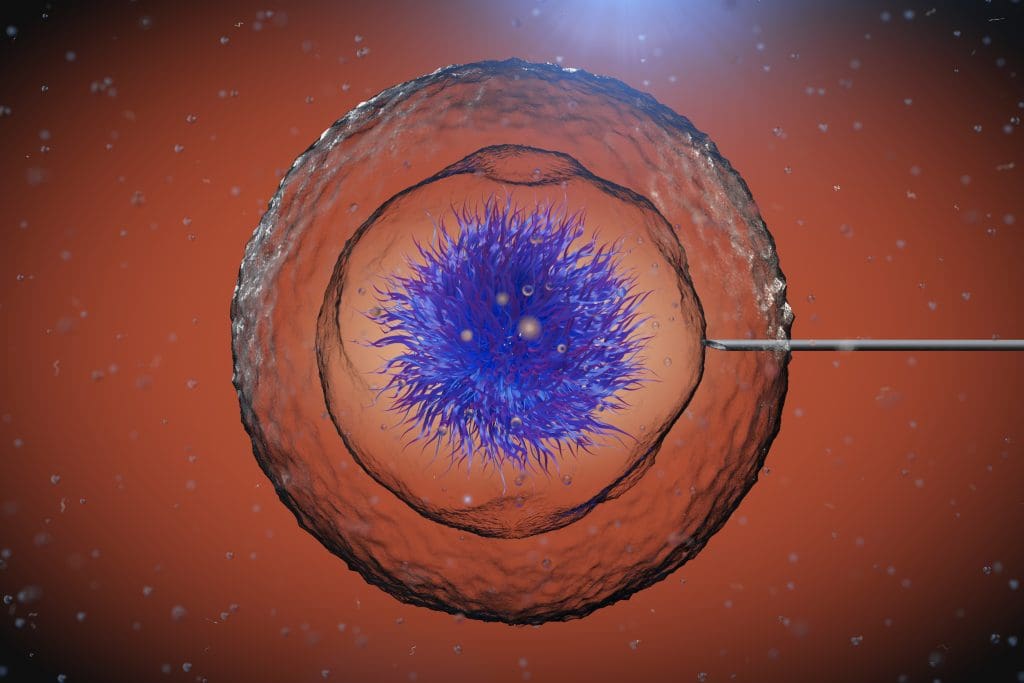
At the heart of the stem cell debate lies the embryonic stem cell. This cell type has immense promise for treating various diseases. They are derived from the inner cell mass of blastocysts during early embryonic development.
They have the unique ability to differentiate into all cell types of the body. This makes them invaluable for research into human development and disease mechanisms.
What Makes Embryonic Stem Cells Unique
Embryonic stem cells have pluripotency. This means they can give rise to every cell type in the human body. This characteristic makes them very useful for medical research and possible therapeutic applications.
Unlike adult stem cells, which are multipotent and have a more limited differentiation, embryonic stem cells can be cultured indefinitely. This provides a virtually unlimited source of cells for research and therapy.
The Source of Embryonic Stem Cells
Embryonic stem cells are typically derived from embryos that are several days old. These embryos are often from IVF procedures that are no longer needed. The process of deriving embryonic stem cells involves isolating the inner cell mass from the blastocyst-stage embryo.
This is then cultured to establish embryonic stem cell lines. This process has been a point of contention due to ethical concerns regarding the use of human embryos.
Potential Medical Applications
The medical applications of embryonic stem cells are vast. They could be used to replace or repair damaged tissues. This offers new treatments for a range of diseases and injuries.
For example, they could be differentiated into insulin-producing cells for diabetes treatment. Or into neural cells for Parkinson’s disease treatment. Research into these applications is ongoing, with significant progress being made.
Ethical Objections to Stem Cell Research
There are many ethical concerns about stem cell research. These concerns are based on our values as a society. The main issue is the use of human embryos, which some see as having the chance to become human beings.
The Moral Status of Embryos
The debate centers on the moral status of embryos. Those against embryonic stem cell research say embryos are as valuable as fully grown humans. They believe embryos should be treated with the same respect and dignity.
They think human life starts at conception. So, destroying an embryo is like taking a human life. They say the benefits of stem cell research don’t make up for the loss of embryos.
The Beginning of Human Life Debate
When human life starts is a big part of the debate. Different groups have different ideas on this.
- Some say life begins at conception, making it wrong to destroy embryos.
- Others think life starts later, like when the embryo implants or the fetus can live outside the womb.
- Some believe life is a gradual process, hard to pinpoint to one moment.
Concerns About Exploitation
There are worries about exploitation in stem cell research. This includes using embryos, donors, and vulnerable groups.
For example, there’s fear that women might be forced to donate eggs for research. This could take advantage of their financial or emotional needs.
Key concerns about exploitation include:
- Informed consent: Making sure donors know what they’re getting into.
- Coercion: Stopping the use of force to get donations from vulnerable people.
- Commercialization: Looking at the ethics of making money from human embryos or stem cells.
Understanding these ethical issues is complex. By looking at the moral status of embryos, when life starts, and exploitation, we can better understand stem cell research’s ethics.
Religious Perspectives on Stem Cell Treatment
religious perspectives on stem cell treatment
Religious views on stem cell treatment are very different. They show a wide range of beliefs about human life and the ethics of using embryonic stem cells.
Catholic Church’s Opposition
The Catholic Church strongly opposes embryonic stem cell research. They believe destroying human embryos is morally wrong. The Church sees human life as sacred from the moment of conception until death.
The Catechism of the Catholic Church says human life must be respected and protected from the start. This belief guides the Church’s opposition to embryonic stem cell research and human cloning.
Protestant Denominational Views
Protestant churches have different opinions on stem cell research. Some, like the Lutheran Church and the Presbyterian Church, cautiously support it. They see the benefits for health but also worry about ethics.
Other Protestant groups, like some Evangelical groups, strongly oppose using embryos for research. They believe life starts at conception and should be protected.
Jewish, Islamic, and Other Religious Perspectives
In Judaism, opinions on stem cell research vary. Some Jewish scholars support it, seeing it as a way to save lives. They believe healing is a religious duty.
Islamic scholars also have different views. Many allow stem cell research if it helps cure diseases or ease suffering. The Islamic bioethics framework aims to balance benefits with Islamic law.
Other religions, like Hinduism and Buddhism, also have their own rules for stem cell research. They focus on compassion, easing suffering, and promoting well-being.
Political and Legal Controversies in the United States
The United States has seen a lot of debate over stem cell research. This debate shows deep divisions in society. Different states have their own rules and laws about stem cell research.
Historical Policy Changes on Stem Cell Research
The U.S. has seen big changes in stem cell research policies. In 2001, the Bush administration limited federal funding for embryonic stem cell research. This was changed by President Barack Obama in 2009, allowing more funding.
The Obama administration’s change was a big step for stem cell research. It let scientists explore new areas they couldn’t before because of funding limits.
These policy changes show how politics affects science. They highlight the complex relationship between politics and research.
State-by-State Variations in Stem Cell Laws
Stem cell laws differ a lot from state to state. Some states, like California and New York, support stem cell research with funding and laws. Other states have banned or restricted certain types of research.
This variety makes it hard for researchers. They have to deal with different rules in each state where they work.
Impact of Political Shifts on Research Funding
Changes in government affect stem cell research funding a lot. Different administrations have different priorities for funding. Funding is key for research to move forward, as it lets scientists do experiments and trials that could lead to new treatments.
The future of stem cell research in the U.S. will keep being shaped by politics and laws. It’s important for everyone involved to understand these factors.
Scientific and Medical Concerns About Stem Cell Treatments
stem cell tumor formation risks
Stem cells in medicine are growing fast, but safety and effectiveness are big worries. As scientists study stem cell treatments, many concerns have come up. These need careful thought.
Tumor Formation Risks
One big worry is tumors from stem cells. Undifferentiated stem cells can grow too much and make tumors. This is a big problem with embryonic stem cells.
To lower this risk, scientists are trying new things. They’re working on making stem cells fully formed before use. They’re also looking at genetic editing and better ways to watch stem cells in patients.
Immune Rejection Issues
Another big worry is immune rejection of stem cells. When stem cells come from donors, the patient’s immune system might see them as foreign. This can lead to an immune attack.
To fix this, scientists are exploring ways to make stem cells less likely to be rejected. They’re looking at using stem cells from the patient themselves. They’re also working on new treatments to help the immune system accept the cells.
Concerns About Premature Clinical Applications
Some say stem cell treatments are being rushed to market too soon. This is because rules for these treatments vary a lot around the world.
To tackle these worries, we need to:
- Make sure rules for stem cell treatments are strict and followed well.
- Encourage openness and honesty in the development and marketing of these treatments.
- Keep studying stem cells to learn more about their risks and benefits.
The Stem Cell Research Debate: Pros and Cons
The stem cell debate is filled with complex arguments. It involves scientists, ethicists, policymakers, and the public. This debate is about the use of embryonic stem cells.
The stem cell discussion touches on ethics, science, and politics. Both sides have strong points that shape the debate.
Arguments Supporting Embryonic Stem Cell Research
Those who support embryonic stem cells see great medical benefits. The ability to create any cell type is key. It helps us understand how we develop and study diseases.
- Potential for regenerative medicine, allowing for the replacement of damaged tissues
- Advancements in understanding human development and disease mechanisms
- Drug discovery and toxicity testing
Arguments Against Embryonic Stem Cell Research
Those against embryonic stem cells worry about ethics. The moral status of embryos is a big concern. Many believe it’s wrong to destroy embryos, even for science.
- Ethical concerns regarding the destruction of human embryos
- Potential for alternative methods that do not involve embryo destruction
- Unresolved issues regarding the long-term consequences of such research
The stem cell debate is complex. It involves ethics, science, and society. As research grows, we must weigh its benefits and ethics.
Unproven Stem Cell Therapies and Patient Exploitation
Many patients are falling for unproven stem cell therapies. These treatments lack solid scientific backing. This is because stem cell research is moving fast.
These untested treatments pose big risks to patients. It’s important to keep the field of stem cell research honest. We must make sure patients get accurate, proven information.
The Rise of Stem Cell Tourism
Stem cell tourism is growing fast. Patients travel to get treatments not approved in their countries. These clinics make big claims but often ignore safety.
These clinics play by their own rules, using loopholes in laws. They promise miracle cures and cutting-edge treatments, attracting patients.
FDA Warnings and Regulatory Challenges
The FDA has warned several clinics about unproven stem cell therapies. They stress the dangers of these treatments. The FDA is strict about rules, including unapproved biological products.
But, keeping up with stem cell research is hard for regulators. The field changes fast, making it tough to keep up.
- The FDA has warned against the use of unapproved stem cell products.
- Regulatory agencies face challenges in keeping up with the rapid pace of stem cell research.
- Patients are advised to be cautious when considering stem cell therapies.
Documented Cases of Harm from Unregulated Treatments
Many cases show harm from unregulated stem cell treatments. These include tumor formation, immune reactions, and other serious problems.
“The use of unproven stem cell therapies can result in significant harm to patients, including serious adverse events and even death.”
A study in a respected medical journal found many patients had bad reactions. Some reactions were very serious.
We need strong rules and openness in the stem cell field. This way, patients can trust the treatments they get. We aim for safe and effective stem cell therapies for everyone.
Alternative Solutions and Compromise Approaches
There’s a growing interest in finding alternatives to embryonic stem cells. This search has led to big steps forward in stem cell research. It offers hope for solving the ethical issues.
Adult Stem Cell Research Advancements
Adult stem cell research is seen as a good alternative to embryonic stem cells. Adult stem cells can turn into different cell types, but they’re not as versatile as embryonic stem cells. Yet, recent research has made them more useful for medical use.
Adult stem cells are being used in treatments for leukemia and lymphoma through bone marrow transplants. Researchers are working to make them useful for more conditions.
Induced Pluripotent Stem Cells as an Alternative
Induced pluripotent stem cells (iPSCs) are a big deal in stem cell research. They turn adult cells into cells that can become many types, like embryonic stem cells. This makes them a good choice for research and therapy without the ethical issues.
iPSCs are changing personalized medicine. They let doctors create cells just for one patient. This is great for testing new treatments and for fixing damaged tissues.
Ethical Sourcing Proposals
Ethical sourcing ideas aim to solve the moral problems with using human embryos in research. One idea is to use embryos that won’t be used for in vitro fertilization (IVF) anymore. This way, they won’t be thrown away.
Other ideas include making rules to make sure research is done right. This includes getting consent from donors and having groups watch over the research.
Conclusion: Navigating the Complex Landscape of Stem Cell Ethics
Understanding the stem cell research controversy means looking into ethical issues and different views. The debate over embryonic stem cells shows how complex stem cell ethics is. Many people have different opinions on this topic.
We need to keep talking about stem cell research to address concerns. It’s important to understand all sides of the issue. This helps us see the whole picture.
As stem cell research grows, we must think about its ethics and effects. Looking at the ethics of stem cells helps us find a middle ground. This balance is key to moving forward in medical research while respecting everyone’s views.
FAQ
What are stem cells and how do they work?
Stem cells can differentiate into specialized cells, enabling tissue repair and regeneration. They can also make more of themselves and become specialized cells.
What makes embryonic stem cells unique?
Embryonic stem cells come from embryos. They can become any cell in the body. This makes them very useful for medicine.
Why is embryonic stem cell research controversial?
It’s because it uses human embryos. This raises questions about when life starts and if it’s right to use embryos for research.
What are the medical uses of embryonic stem cells?
They could change medicine a lot. They might help treat many diseases and injuries by regrowing cells.
What are the ethical objections to stem cell research?
Some people worry about the embryos’ moral value. They also question when life starts and fear exploitation.
What are the different types of stem cells?
There are embryonic, adult, and induced pluripotent stem cells. Each has its own uses and properties.
What is the Catholic Church’s stance on stem cell research?
The Catholic Church doesn’t support using embryos for research. They see it as wrong to destroy embryos.
How do political shifts impact stem cell research funding?
Changes in government can really affect funding for stem cell research. New policies can either help or hurt funding.
What are the risks associated with stem cell treatments?
Treatments can cause tumors, immune reactions, and be used too early. These are big concerns.
What is stem cell tourism?
It’s when people go to other countries for untested stem cell treatments. These clinics are often not regulated.
What are induced pluripotent stem cells?
These stem cells come from adult cells. They’re a possible alternative to embryonic stem cells.
Why is regulation important in the stem cell industry?
Rules are key to keep treatments safe and effective. They protect patients from harmful, untested therapies.
What is the current state of stem cell research?
The field is always growing and changing. New discoveries in adult stem cells and induced pluripotent stem cells are exciting.
What are the arguments for and against embryonic stem cell research?
Supporters say it could lead to major medical breakthroughs. Opponents worry about the ethics of using embryos.